
Could a Copperhead Be Hiding in Your Alabama Woodpile This Fall?
Reaching into a stack of firewood is a simple chore, but a snake could be tucked out of sight. Alabama is home to copperheads, and fall can still bring warm days when snakes are out and about.
A woodpile is a possible hiding place, not a guaranteed one. A few smart habits can lower your chances of surprising a snake.
What Alabama sources say about copperheads in fall
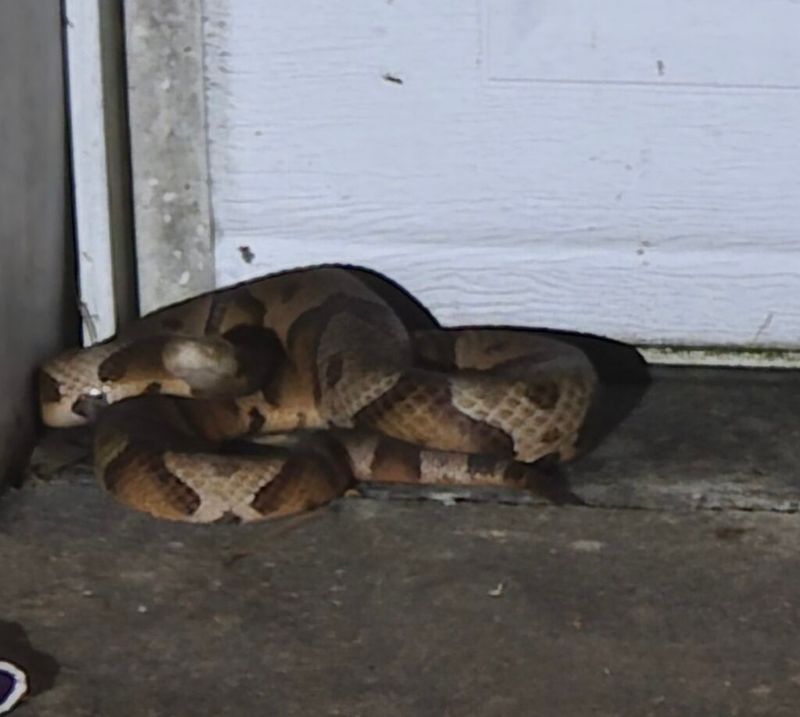
Many people hear that copperheads are moving into woodpiles as soon as nights get chilly. That is not quite what Alabama sources say.
Alabama Cooperative Extension notes that copperheads use old rock piles or woodpiles for shelter and feeding. That tells us a woodpile can be a hiding spot.
It does not tell us that snakes are flooding into woodpiles every time the temperature drops.
What we do know about fall is more modest. Outdoor Alabama says copperheads are active during warm daytime weather in spring and fall.
So a mild October afternoon can still bring a snake out, or leave one resting in cover where you might not see it. Neither source documents a new or statewide influx into woodpiles as the nights cool.
Cold does slow snakes down. Extension materials say snakes become inactive during prolonged cold.
But no source gives one temperature where Alabama copperheads stop showing up on the surface, so it is unwise to rely on a number or a calendar date. A warm spell in late fall can change things quickly.
The practical takeaway is simple. Do not assume a snake is waiting in your firewood, and do not assume the danger is over because the weather has turned a little cooler.
Treat any shaded, cluttered spot as a place where an animal could be resting, and handle it with a bit of care. That approach respects the real, if modest, risk without turning a routine chore into a scare.
Why a woodpile can provide cover
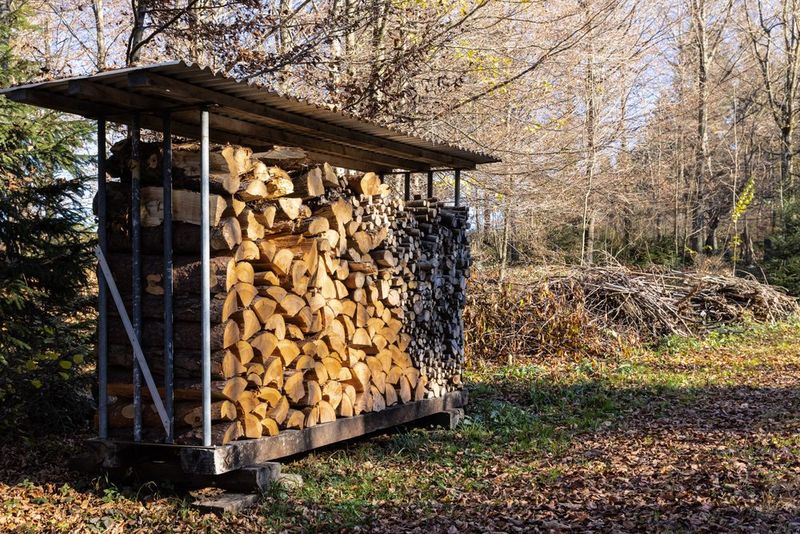
Picture the inside of a woodpile. It has gaps, shade, and dark corners, and it stays put for months.
For a small animal, that adds up to cover. Alabama Extension lists old woodpiles among the places where copperheads shelter and feed.
Feeding is the other half of the story. Piles of wood and debris can attract mice and other rodents, and rodents are among the prey copperheads eat, according to Outdoor Alabama.
A cluttered stack with brush or old boards around it can make the whole area more inviting to wildlife of many kinds.
Still, a woodpile is only a possible hiding place. Most stacks will hold nothing more dangerous than beetles and spiders.
Seeing a pile of logs is not proof that a snake is inside, and it is not a reason to avoid your own yard.
You may have read that snakes seek out wood to warm up. The sources do not say that.
Copperheads do have heat-sensing pits on their faces, but those help them find warm-blooded prey, not a warm bed. Extension notes that snakes may seek sunny spots on cool days and shelter on very hot ones, so temperature matters to them in general.
What the sources support for woodpiles is shelter and feeding, and that is the idea to keep in mind when you walk up to a stack.
Copperheads and other snakes around Alabama homes
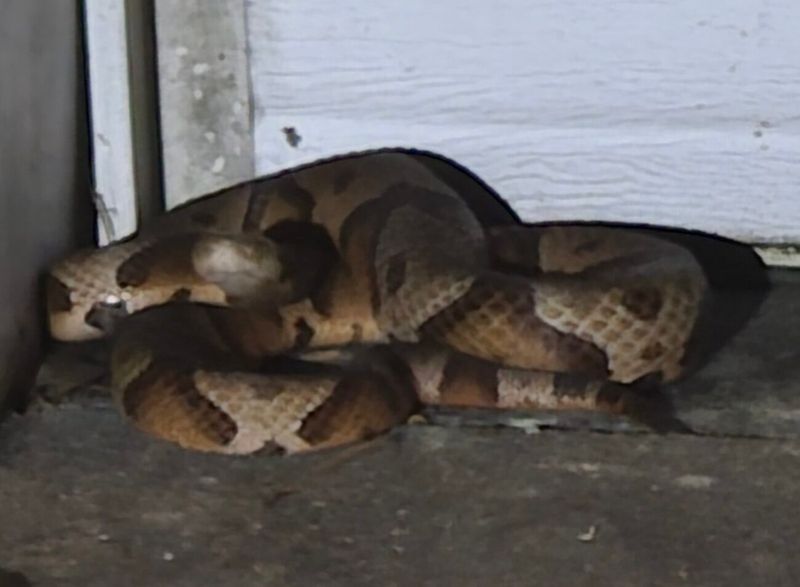
Copperheads live across Alabama. Outdoor Alabama calls them the state’s most frequently encountered venomous snake.
Their habitat shifts by region, from rocky forest areas to floodplains, swamp edges, and hardwood terrain in the Coastal Plain. That wide range explains why many homeowners will cross paths with one at some point.
Even so, most snakes near a house are not venomous. Alabama Extension estimates the state has about 40 snake species, and only six are venomous.
Rat snakes, garter snakes, and many others are common around barns, sheds, and wood stacks. The same Extension guide to venomous snakes is a good place to learn about the six that matter.
That context helps you stay calm. Not every snake you spot is a copperhead, and not every woodpile problem involves a venomous one.
Hiding places that draw one kind of snake can draw others, so the advice in this article works for all of them.
Resist the urge to move in for a closer look. Telling species apart takes training, and getting near a snake is the very thing that raises the risk.
If you see one, treat it as an animal that deserves space rather than a puzzle to solve on the spot.
Store firewood to reduce hiding places
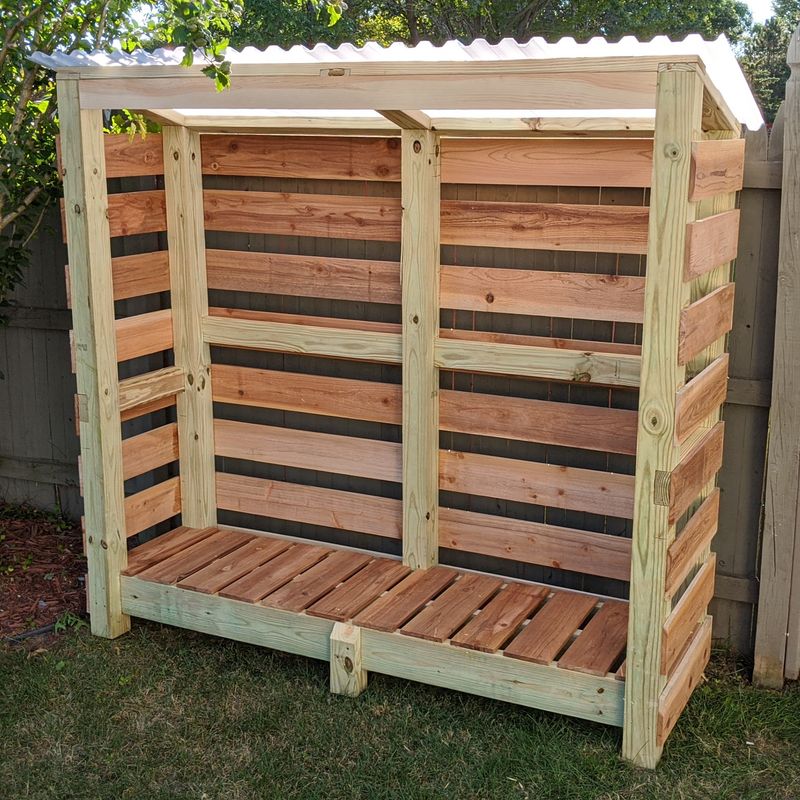
Where and how you stack wood changes how useful the spot is as shelter. Mississippi State University Extension recommends keeping firewood away from the house and on a rack at least 12 inches above the ground.
A raised stack leaves less dark, low space underneath where an animal can settle in. Distance from the house also means any wildlife drawn to the pile is not right beside your door.
Next, look at what surrounds the stack. The same guidance advises cutting back brush, clearing debris, and reducing rodent food sources.
Think spilled birdseed, open pet food, and loose trash. If mice have little reason to visit, the area becomes less appealing to the animals that eat them.
Here is a quick routine you can follow:
Mow the grass around the stack, haul away old boards and scrap piles, and keep only the wood you plan to burn soon. Seal food in tight containers.
Check the area every few weeks, and look before you reach.
None of this is a guarantee. A snake can still pass through a tidy yard, and no storage setup makes a woodpile snake-proof.
The goal is simply to give animals fewer comfortable places to hide. Skip the store-bought tricks and home remedies, since there is no verified product to recommend here.
Handle firewood carefully and give snakes space
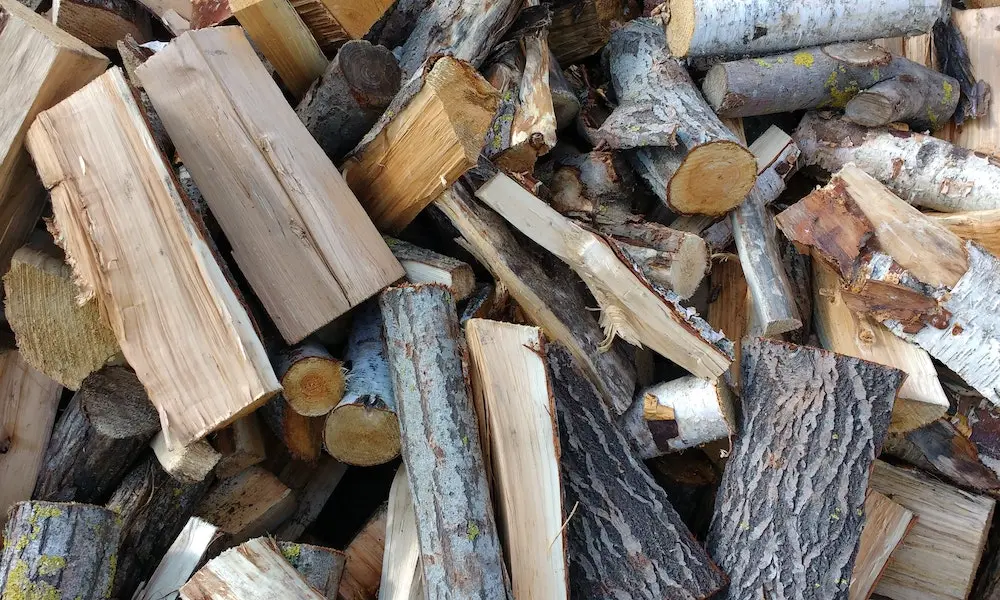
Most close calls come down to surprise. Snakes generally avoid people, but a hand reaching blindly into a pile can startle one that was resting out of sight.
Before you grab a log, take a moment to look over the stack, especially the lower rows and gaps. Wear sturdy gloves and boots, and pick up wood from the top where you can see what you are doing.
Watch where you step, too. The CDC advises paying attention around logs and other hiding places.
Alabama wildlife guidance, such as this Alabama Wildlife Federation handout, suggests using a long stick to inspect vegetation before reaching into it. Keep that to looking at plants and brush, not poking at anything that moves.
If a snake does appear, freeze, then back away slowly. Give it plenty of room and leave it alone.
If it is in your path, walk around it rather than toward it, and let it move on by itself.
Do not try to pick it up, flush it out, or work out what kind it is from up close. A snake you can see from a distance is easier to handle than one you have cornered.
If it stays near the woodpile, you can call a local wildlife professional for advice and keep family and pets away in the meantime.
What to do after a snakebite

A bite is a different situation from a sighting, and it calls for a different response. Move away from the snake so it cannot bite again, then stay calm and as still as you can.
Get medical help promptly. The CDC says to have someone call 911.
Copperhead bites should never be brushed off. Poison Control explains that copperheads are venomous, and bites need serious attention even though severe outcomes are uncommon.
Do not wait to see how it feels before seeking care, and do not decide on your own that it was probably a harmless snake.
Some well-known reactions can do harm, so skip them. Do not try to catch or kill the snake, since that only risks another bite.
Do not apply a tourniquet. Do not cut the wound or try to suck out the venom.
If you are alone, call for help yourself and keep still while you wait. Tell the responders where you are and what happened.
Medical staff can handle the rest.
A woodpile is a small place, and a bite is rare, but a calm plan makes it far less frightening. Knowing it in advance is the best protection.