
Bold Succulent Landscaping Ideas for Your Yard
Stop wrestling with the mower every weekend and slash your water bill today. These are the actions homeowners across the country are taking right now to reclaim their time and resources. The traditional grass lawn is becoming a thing of the past for many families who want beauty without the burden.
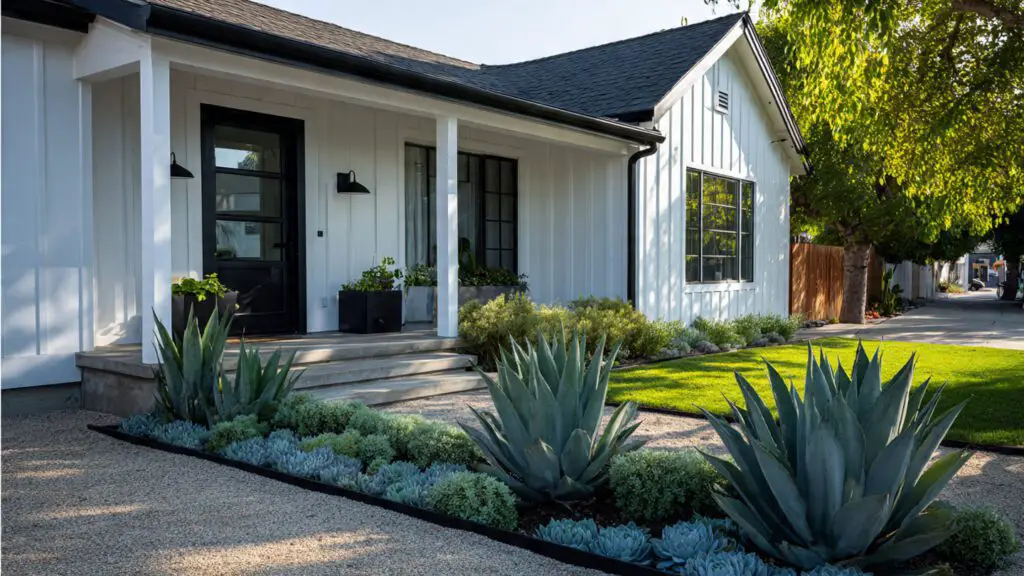
There is a stylish and practical answer to modern gardening challenges waiting in your local nursery. Succulent landscaping offers a vibrant alternative that thrives where other plants struggle. This guide will cover everything from succulent landscape design basics to specific succulent landscaping ideas you can implement this weekend. You are ready to transform your outdoor space into a resilient masterpiece.
Why Choose a Succulents Garden
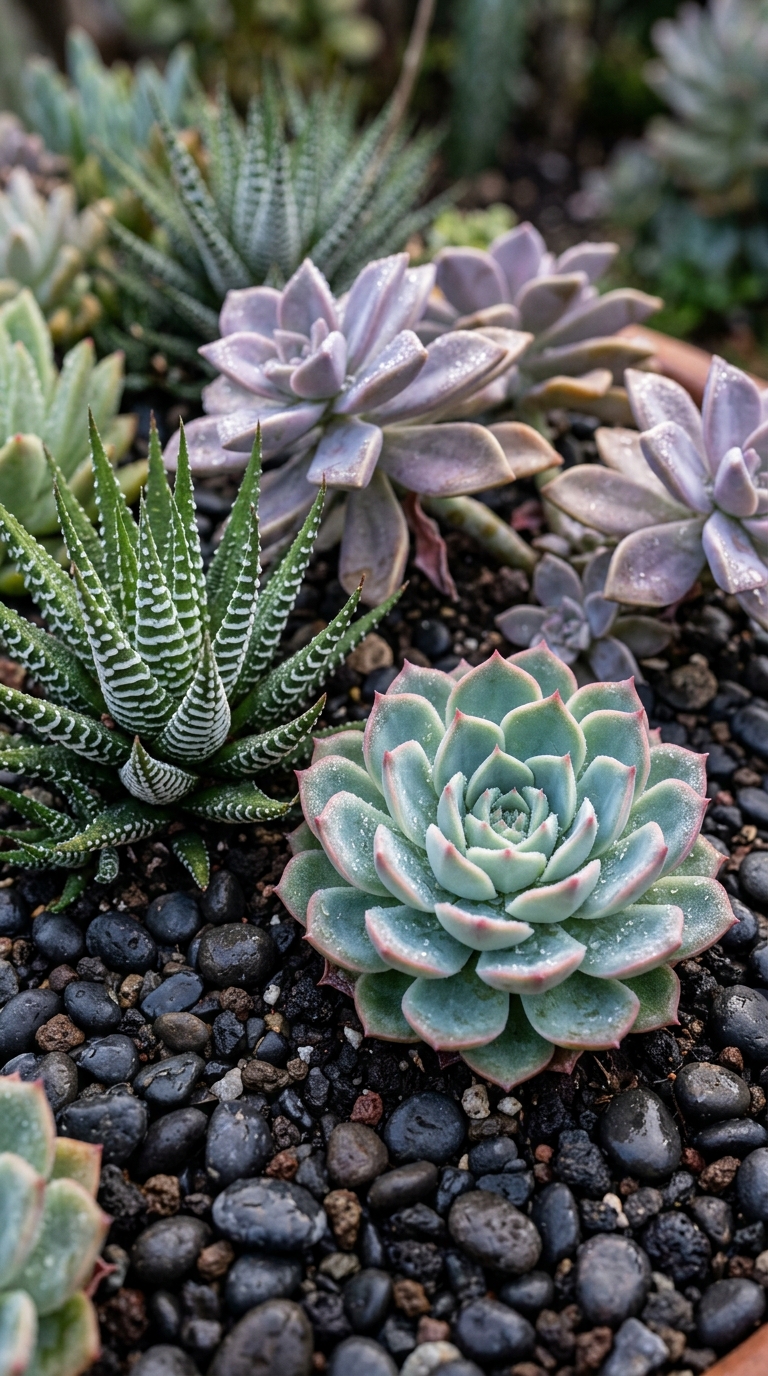
Making the switch to a succulents garden is about more than just following a trend. It is a smart decision for your wallet and the environment. The primary benefit lies in water conservation. Traditional lawns require gallons of water weekly to stay green. In contrast, xeriscape landscaping focuses on using plants that need minimal irrigation. Succulents store water in their leaves and stems. This biological trait allows them to survive dry spells that would kill lesser plants.
Low maintenance is another huge draw. Think about the hours spent mowing, edging, and fertilizing grass. A succulent landscape eliminates most of that work. You will not need to mow ever again. Weeding is also reduced because succulents often grow densely enough to crowd out unwanted invaders. This frees up your weekends for relaxation instead of chores.
Aesthetic versatility is the third pillar of this gardening style. A succulents garden is not just green cacti. These plants come in a rainbow of colors. You can find dusty blues, vibrant purples, and fiery oranges. The textures vary from smooth and plump to spiky and rugged. This variety allows you to create living art outside your home. They handle heat and poor soil better than traditional flowers. This climate resilience means your garden looks good even during a heatwave. You get a beautiful yard that works with your climate instead of fighting against it.
Planning Your Succulent Garden Design
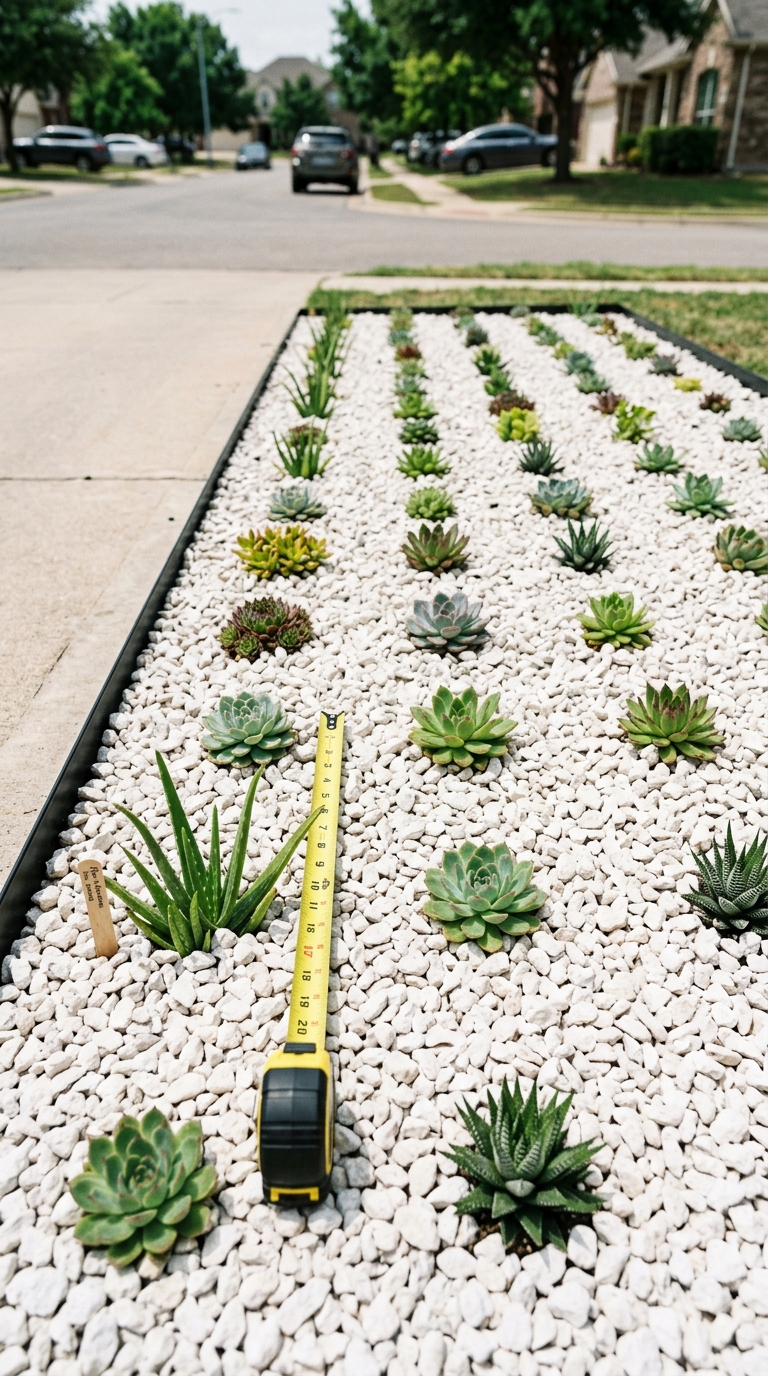
Success starts before you dig the first hole. Planning your succulent garden design ensures the final result looks professional and thrives for years. You must begin by assessing your space. Look at how much sunlight different areas receive. Most succulents love full sun. Some varieties prefer partial shade. Knowing your light conditions helps you pick the right plants. Drainage is equally critical. Water sitting around roots causes rot. If your soil is heavy clay, you will need to amend it or build raised beds.
Design principles play a huge role in visual appeal. Think about color theory and texture contrast. Pairing a spiky Agave next to a round Echeveria creates visual interest. Spacing is another factor to consider. Succulents grow at different rates. You need to leave room for them to mature without choking each other. This deliberate spacing prevents disease and keeps the look clean.
Zoning helps organize the flow of your succulent landscape design. Decide where you want focal points. A large sculptural Aloe can serve as a centerpiece. Smaller ground cover varieties can fill in the gaps. Sketching the plan is a vital step. Draw a simple map to visualize the layout before buying plants. This prevents overspending and helps you see the big picture. You can move lines on paper much easier than moving heavy rocks in the yard. A solid plan turns a chaotic project into a cohesive vision.
Curb Appeal: Front Yard Transformations
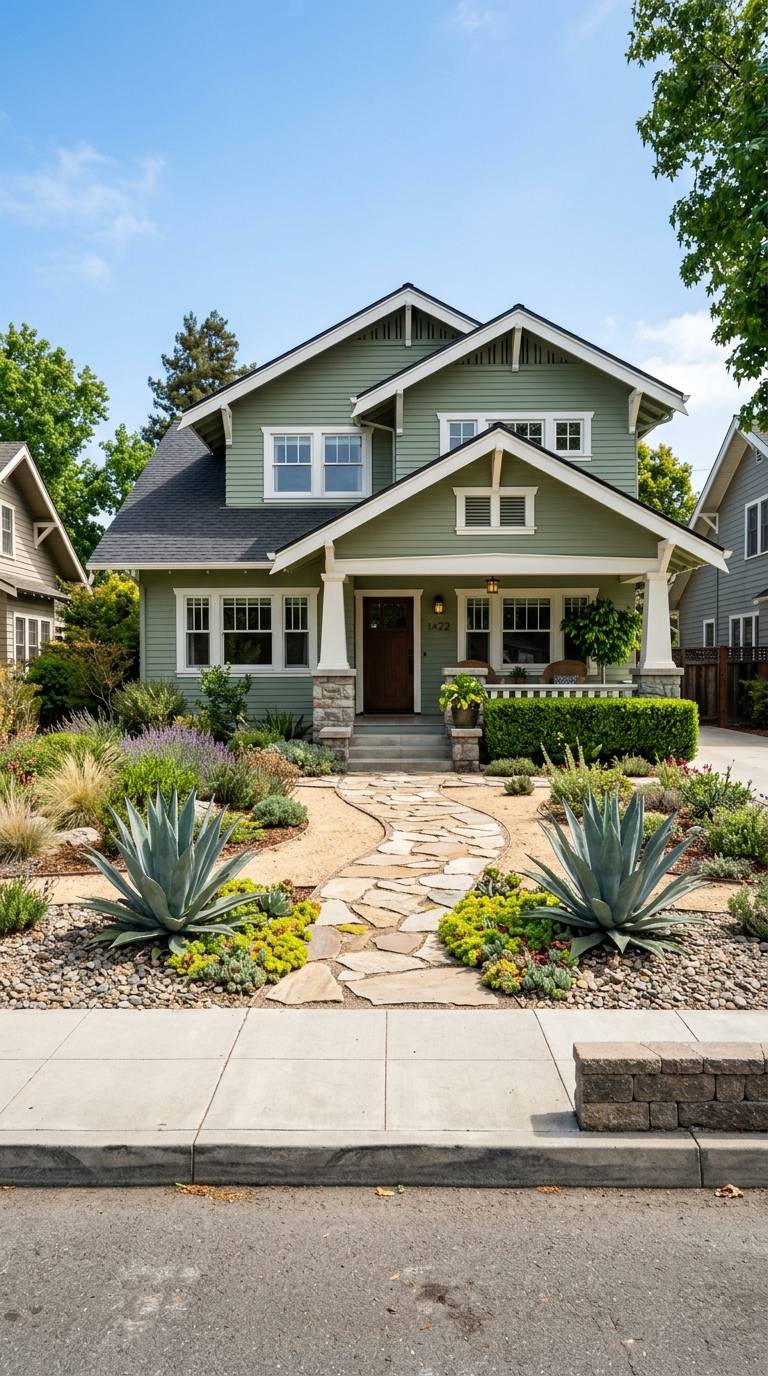
The front of your home sets the tone for the entire property. Front yard landscaping with succulents boosts home value and street appeal instantly. Buyers and neighbors notice a well kept exterior. Replacing thirsty turf with drought tolerant plants signals that the home is modern and efficient. This is especially true in areas where water restrictions are common.
Removing grass for succulent landscaping front yard projects is a straightforward process. You can solarize the lawn to kill the grass naturally. Once the area is clear, you are ready to build. Start by defining the edges. Clean lines make the garden look established. Frame driveways and walkways with hardy varieties that can handle heat reflection. Stone pathways look excellent when bordered by low growing Sedum.
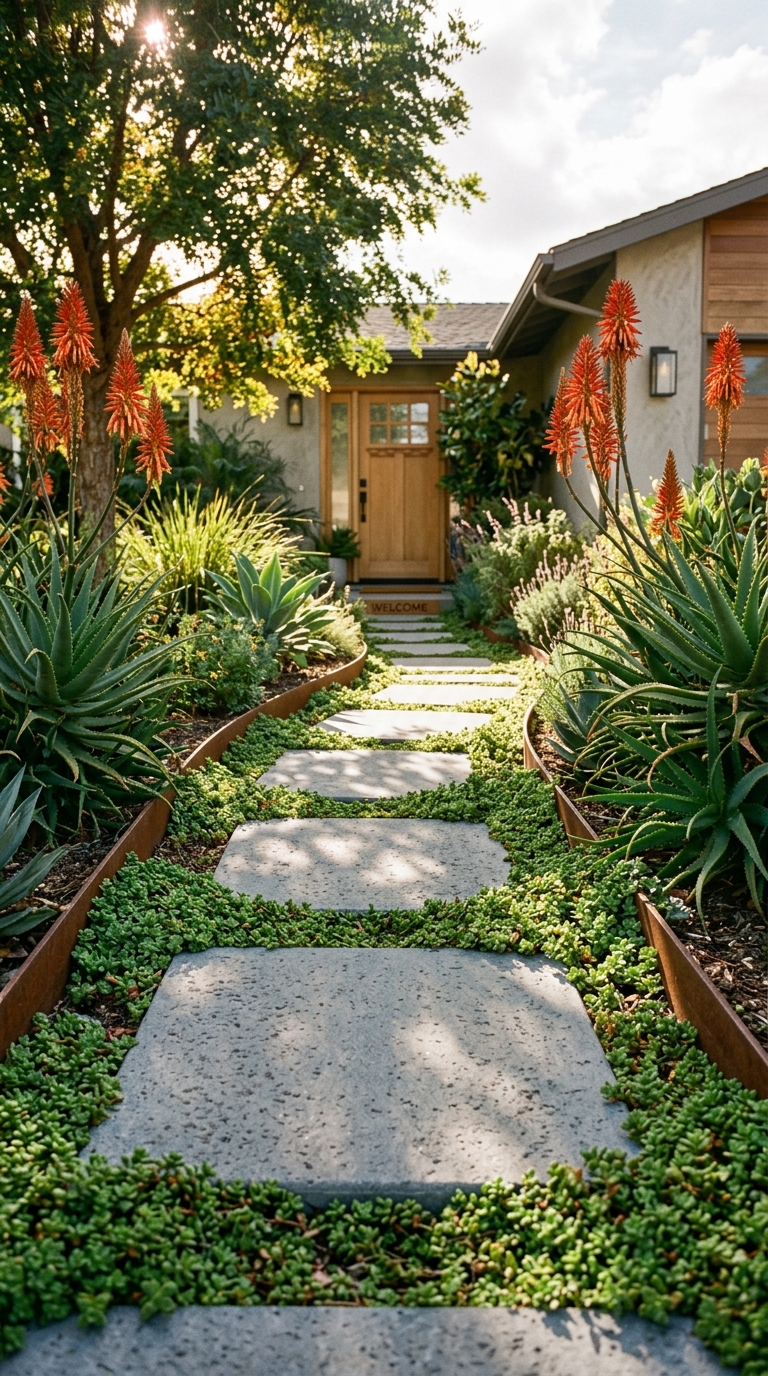
Safety and visibility matter when planning front yard landscaping with succulents. Keep sightlines clear for traffic and pedestrians. Avoid planting tall spiky varieties right next to the sidewalk where people might brush against them. Use softer plants near pathways. You want beauty without hazards. Group plants by height to create depth. Put taller specimens near the house and shorter ones near the street. This draws the eye toward your entryway. A transformed front yard becomes a source of pride every time you pull into the driveway.
Creating a Private Backyard Retreat
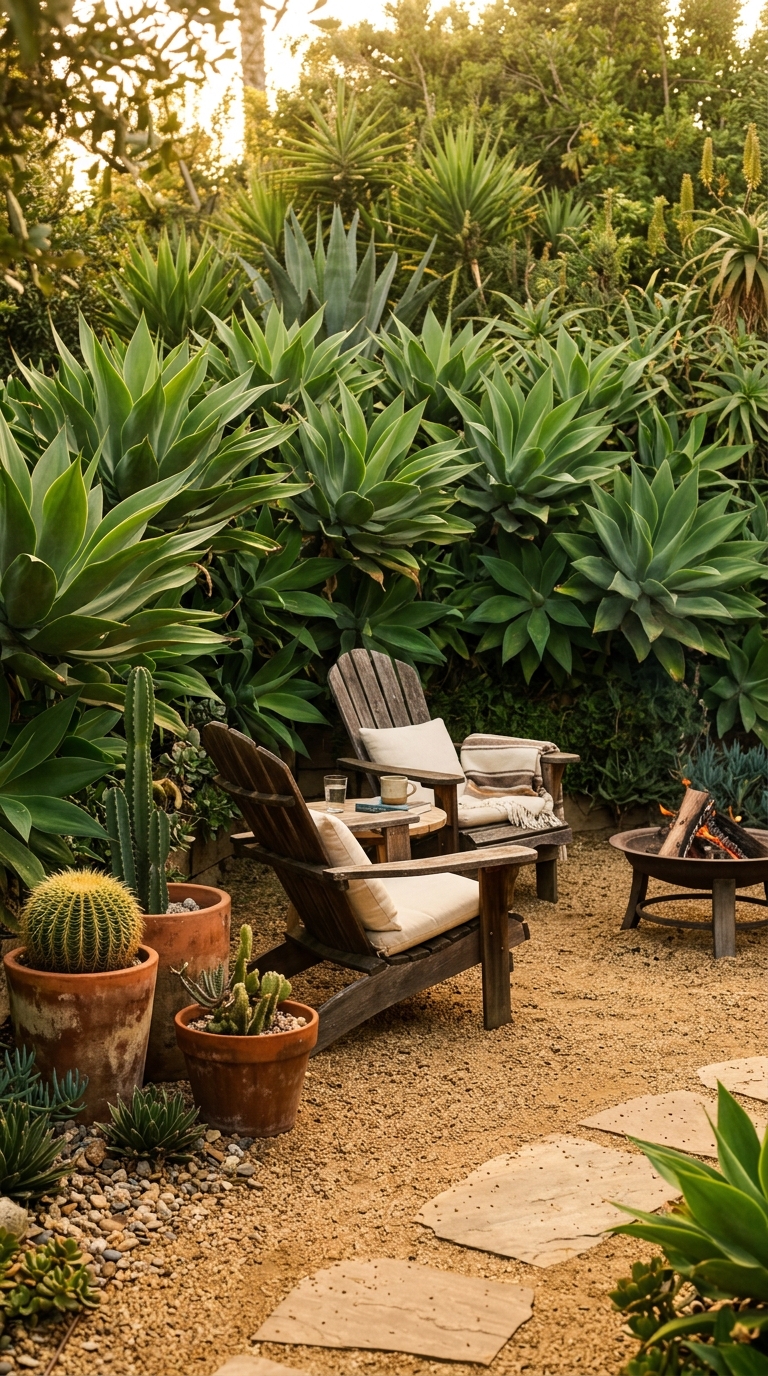
Your backyard should feel like an escape from the world. Conceptualize the backyard succulent garden as an extension of your living space. It is an outdoor room where you can dine or read. The structure of succulents provides a sense of permanence and calm. They do not wilt or drop leaves like deciduous trees. This consistency creates a serene atmosphere.
Privacy screening is a practical use for these plants. Taller succulent varieties like Agave or Aloe create natural barriers. They block the view from neighbors without building a solid fence. This maintains airflow while adding seclusion. You can line property boundaries with these robust plants. They act as a living wall that requires little upkeep.
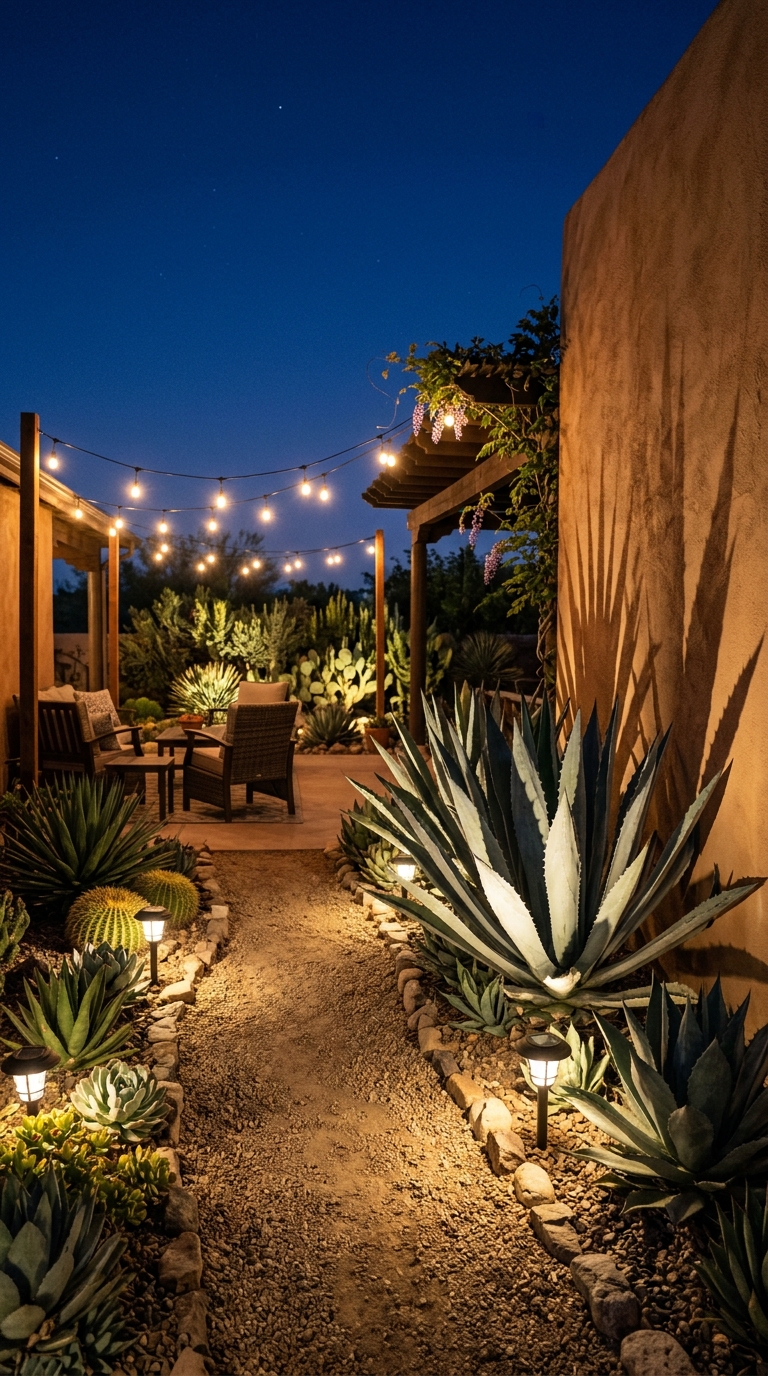
Relaxation zones fit perfectly amongst the plants. Place seating areas where you can enjoy the textures up close. A bench nestled among rosettes feels intimate and grounding. Lighting is the final touch for a backyard succulent garden at night. Solar lights highlight textures and cast dramatic shadows. Uplighting a large specimen plant creates a focal point after sunset. This allows you to enjoy your garden even when the sun goes down. The result is a private oasis that feels luxurious yet sustainable.
Small Space Solutions
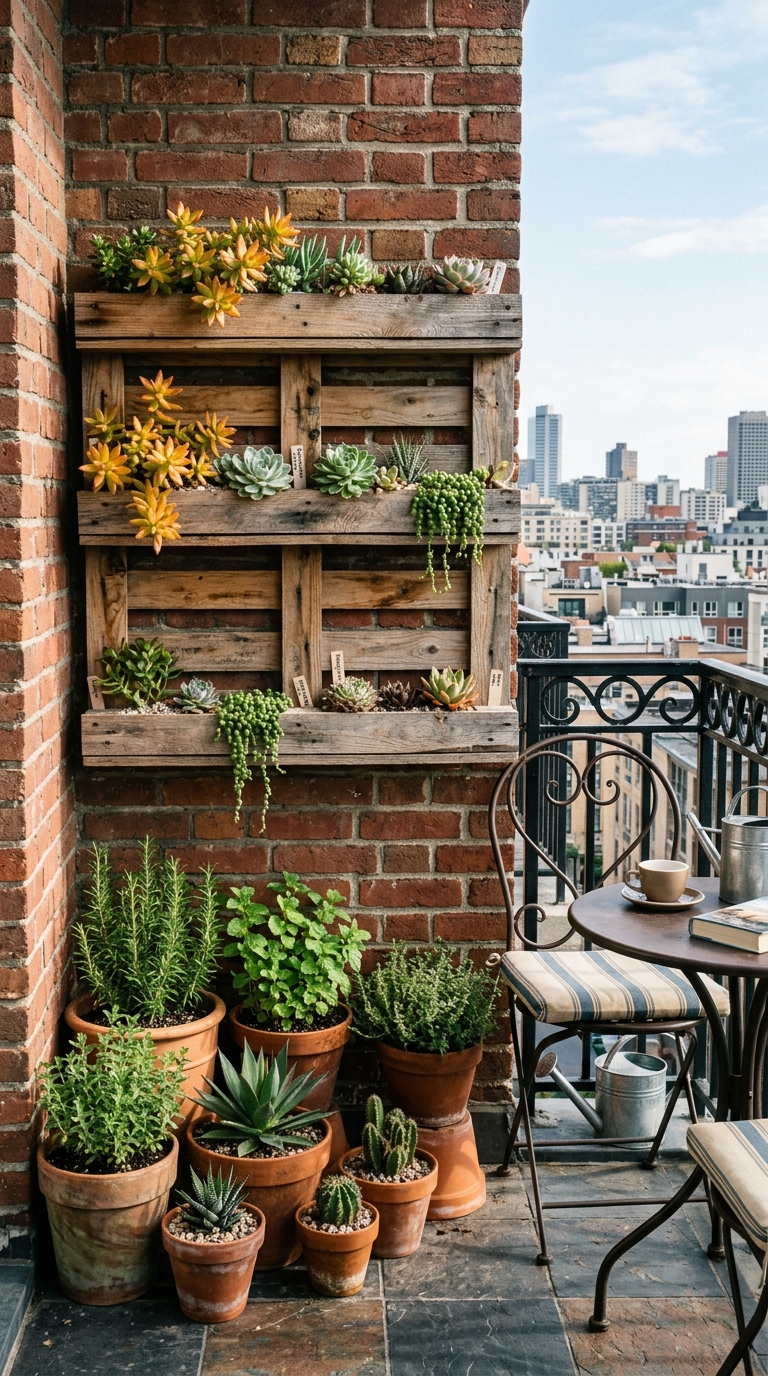
Not everyone has acres of land. Many homeowners need small succulent garden ideas for patios, balconies, and narrow side yards. You can maximize impact even in tight quarters. The key is to think vertically. Vertical interest saves floor space while adding greenery. Living walls or tiered planting structures work wonders here. You can mount pockets on a fence to hold individual plants.
Container grouping is another effective strategy. Cluster pots of different heights for a fuller look. This avoids the need for in-ground planting. It also allows you to move plants if the light changes. Terracotta pots complement the earthy tones of the succulents. Glazed pots add a pop of color. Mix and match sizes to create rhythm.
Narrow side yards often become dead space. Transform them with ground cover varieties. Creeping sedums spill over edges and soften hardscapes. This turns a useless strip into a feature. Small spaces benefit from a limited color palette. Too many colors can look chaotic in a small area. Stick to two or three main hues for a cohesive look. These small succulent garden ideas prove you do not need a large yard to make a statement. Every square foot counts when designed correctly.
Hardscaping and Feature Features
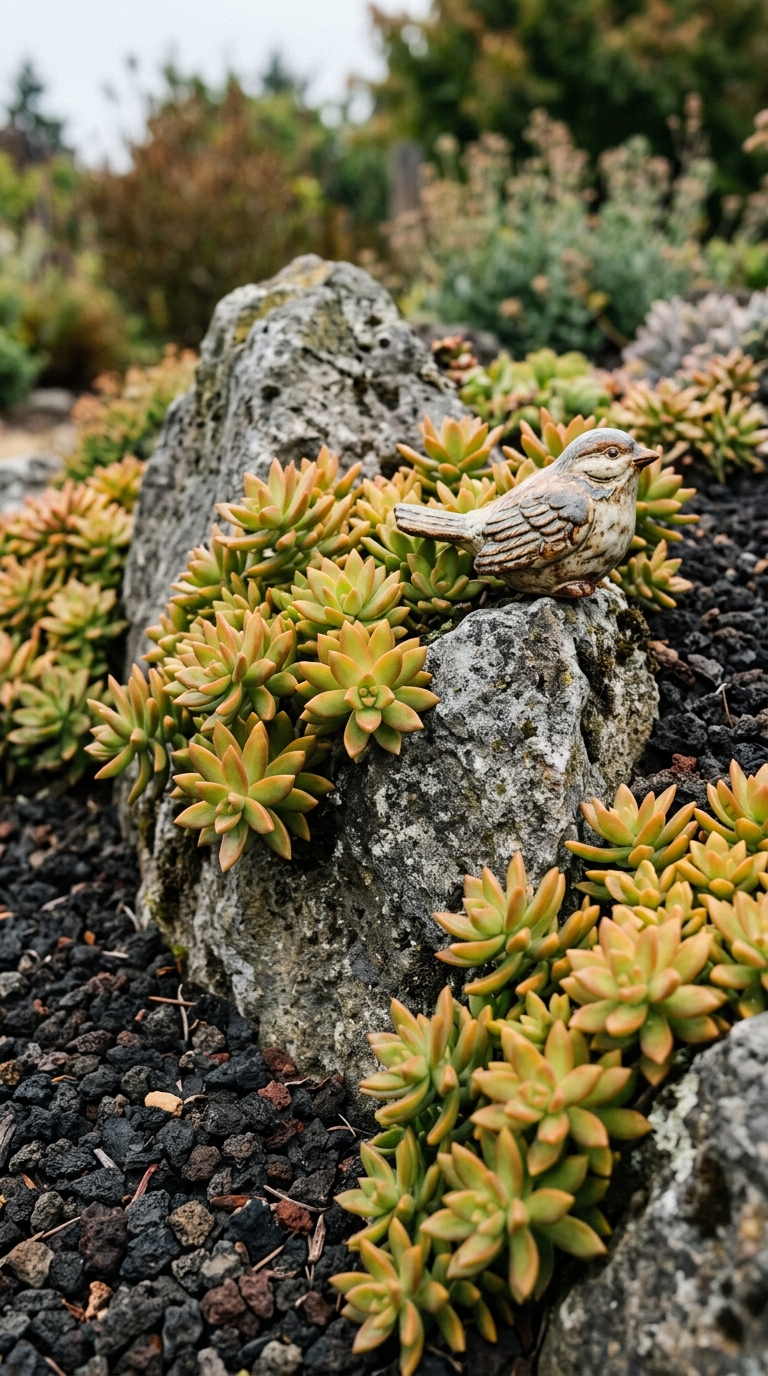
Plants are only half the equation. Hardscaping provides the structure for your garden. Succulent rock gardens are a classic combination. Rocks retain heat and improve drainage. Use boulders and gravel to create pockets for planting. The contrast between soft plant flesh and hard stone is visually striking. Select rocks that match the color of your home exterior. This ties the landscape to the architecture.
Walking paths invite exploration. Explore succulent walkway ideas such as planting creeping varieties between pavers. Thyme and Sedum tolerate foot traffic well. They release scent when stepped on. This adds a sensory element to your walk. Ensure the pavers are level to prevent tripping. The greenery growing between the stones softens the look of concrete.
In-ground planting offers a permanent solution. Discuss ground planters with succulents where specific areas are dug out and filled with soil mixes. This looks more integrated than using pots. You can create islands of planting within a gravel bed. Decorative elements add personality to the space. Adding statues, benches, or fire pits complements the succulent rock gardens. A fire pit surrounded by succulents becomes a gathering spot. The heat from the fire pairs well with the heat loving plants. These features make the garden functional for entertainment.
Getting Your Hands Dirty: A DIY Guide
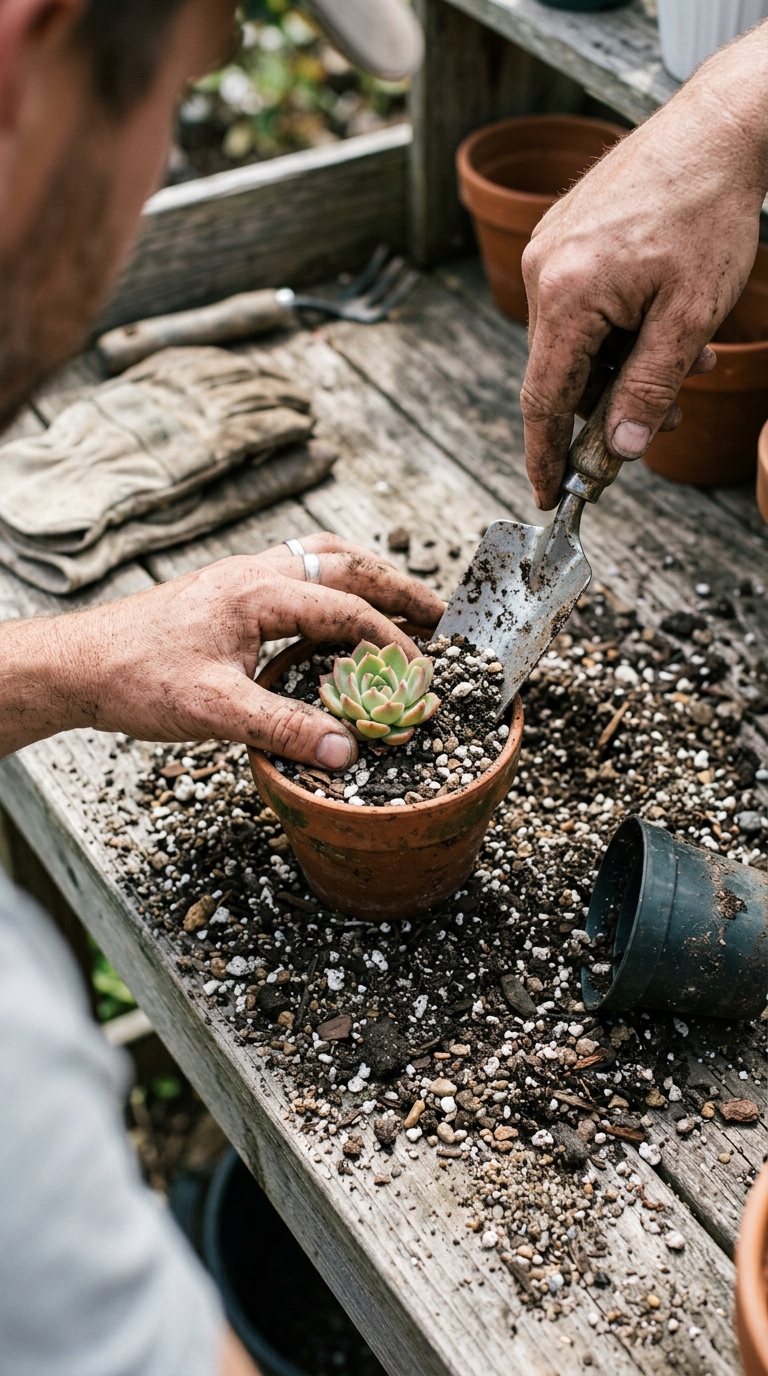
You do not need to hire a professional to start. A succulent garden DIY project is manageable for most homeowners. Soil preparation is the most critical step. Explain the importance of gritty, well-draining soil for a successful succulent garden DIY. Regular garden soil holds too much moisture. Mix in sand, perlite, or pumice to improve flow. This prevents root rot which is the enemy of succulents.
Planting techniques require a gentle touch. How to handle roots, spacing, and initial watering matters. Dig a hole slightly wider than the root ball. Place the plant carefully and backfill with your mix. Do not bury the stem too deep. Water them in lightly after planting. Wait a week before watering again to let roots settle.
Maintenance routine keeps the project thriving long-term. Briefly cover pruning, pest control, and seasonal care. Remove dead leaves from the base of plants. This prevents pests from hiding. Watch for mealybugs and treat them early. Most succulents need little fertilizer. Too much food causes weak growth. Seasonal care involves protecting them from hard frost if you live in a cold zone. Cover them or bring pots inside.
Cost savings are a major benefit. Mention how doing it yourself saves money compared to hiring a landscaper. You control the budget and the pace. Start with a few plants and expand as you learn. This hands-on approach connects you to your land. You will learn the specific needs of your microclimate. A succulent garden diy project builds confidence for larger endeavors.
Your Succulent Landscape Begins
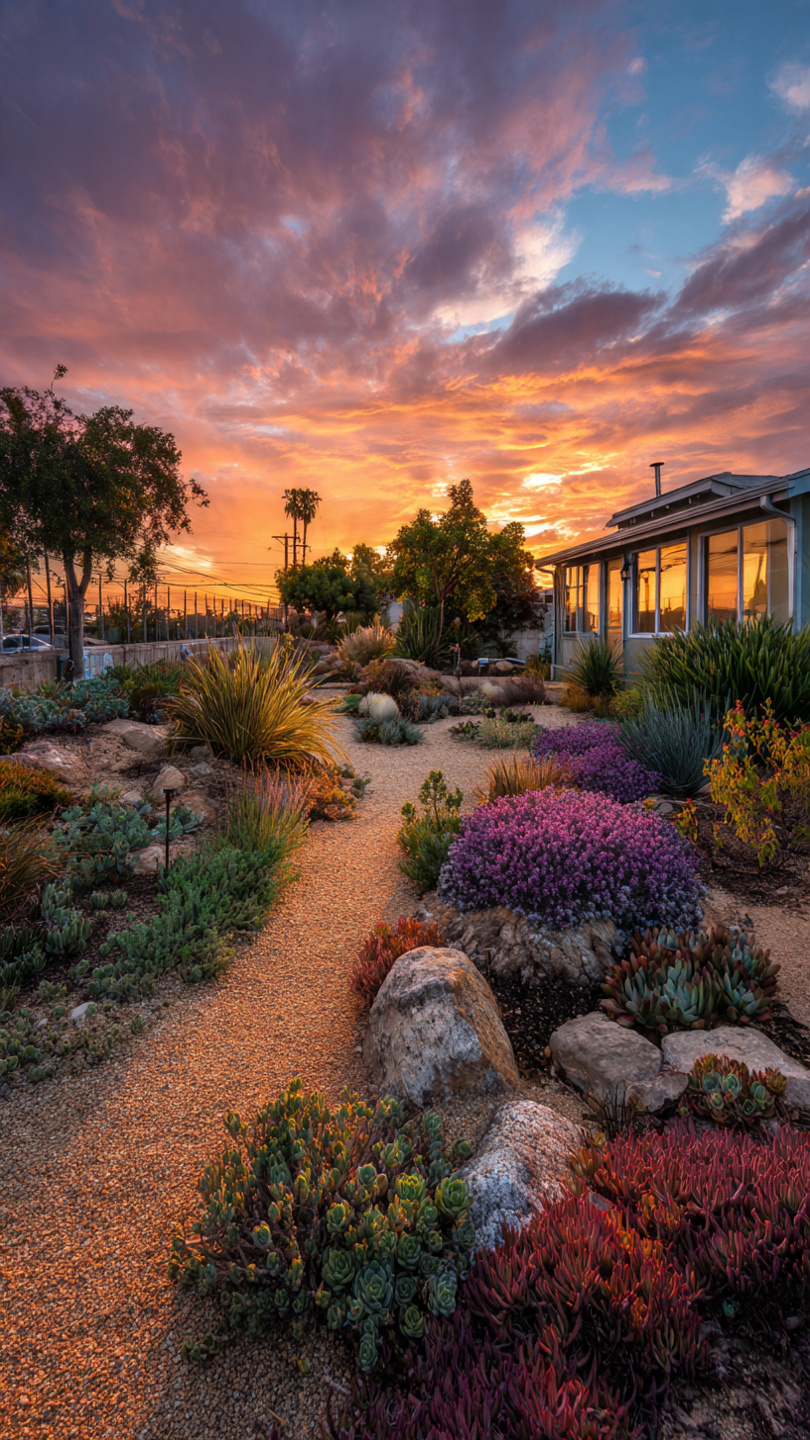
Recap the beauty, sustainability, and ease of succulent landscaping. You have learned how to plan, plant, and maintain these resilient beauties. The benefits range from water savings to increased curb appeal. This style of gardening fits modern life perfectly. It reduces labor while increasing visual reward.
Encourage the reader to start small. Perhaps begin with one ground planters with succulents project or a single bed. Expand from there as you gain confidence. You do not have to replace the whole lawn at once. Small steps lead to big changes. The journey is about progress not perfection.
End on an inspiring note about creating a resilient, beautiful home environment. Your outdoor space should reflect your values and style. Succulent landscaping allows you to express both. Enjoy the process of watching your garden grow. The result is a landscape that stands the test of time and weather. You are ready to dig in and create something lasting.