
$50 Starter Veg Garden: What to Buy + What to Plant
You stand in the aisle holding a shiny metal trowel. The price tag reads twenty dollars. You put it back. You look at the raised bed kit. The price tag reads two hundred dollars. You walk away. This scene plays out in garden centers everywhere. The sticker shock stops people before they even begin. You want to grow food. You want to feel the soil in your hands. Yet the cost of entry feels too high.
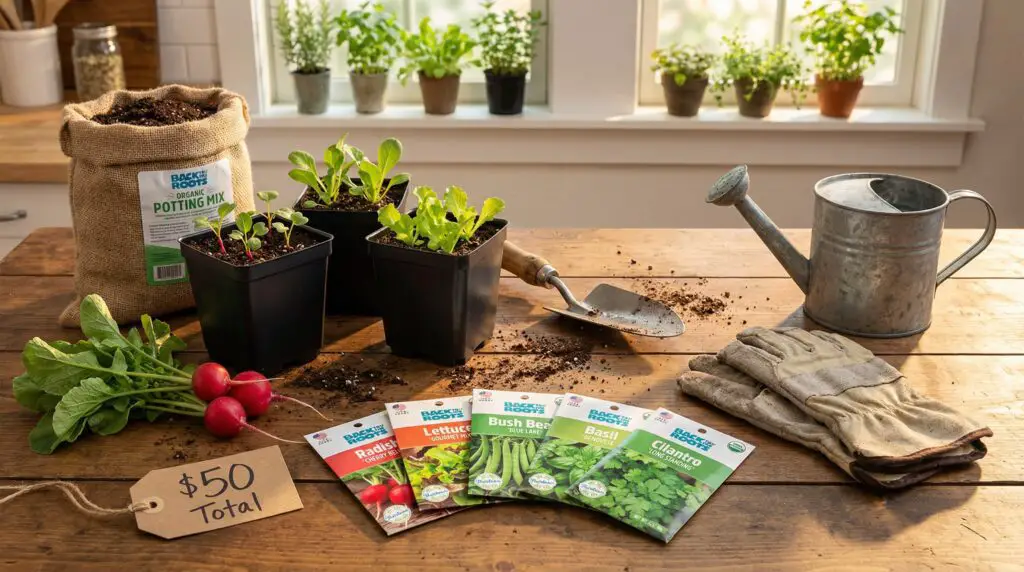
There is a better way. You do not need expensive kits to grow dinner. You do not need a perfect backyard to see results. You need a plan that respects your wallet and your time. Below, we will layout a complete beginner vegetable garden strategy for fifty dollars. It covers exactly what to buy for a vegetable garden and what to plant in a beginner vegetable garden to ensure success. We focus on quick wins. We focus on flavor. We focus on getting you harvesting fast without buying loads of kit.
Busting the Expensive Garden Myth
Marketing teams love to sell the dream of a perfect garden. They show images of matching ceramic pots and pristine wooden beds. They suggest you need a shed full of tools before you plant a single seed. This creates a barrier. It makes gardening feel like a luxury hobby rather than a basic skill. The truth is much simpler. Plants need soil, water, light, and seeds. Everything else is secondary.
Many vegetable garden for beginners guides suggest buying started plants. Transplants cost more than seeds. They suggest buying specialized fertilizers. Compost works better and costs less. They suggest buying decorative containers. Plastic nursery pots grow plants just as well. The budget vegetable garden approach prioritizes function over form. Your goal is food production, not landscaping.
This mindset shift saves money. It also reduces stress. When you focus on essentials, you have less to maintain. You have less to worry about. A cheap vegetable garden does not mean low quality. It means resourceful. It means using what you have and buying only what you lack. You can create a productive starter vegetable garden with basic supplies from a hardware store or big-box retailer. The plants will not know the difference. They only care about their roots and their sun.
The $50 Shopping List: Two Paths to Success
Your space dictates your supplies. Some people have a balcony. Some people have a backyard patch. Both scenarios work within this budget. We exclude raised beds here because lumber and hardware costs exceed the fifty-dollar limit. Instead, we look at containers or direct ground planting. Choose the path that fits your home.
Path A: The Container Gardener
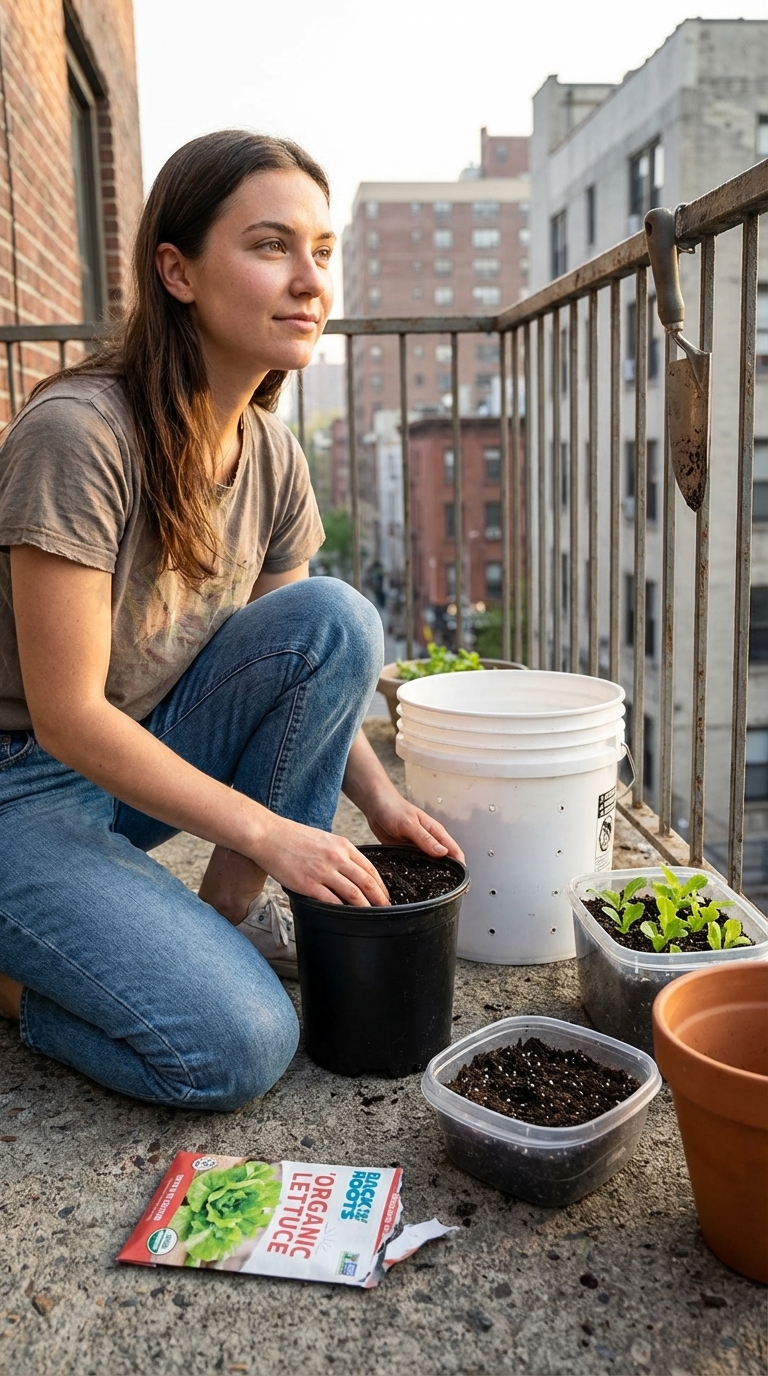
This path suits renters, urban dwellers, or those with poor native soil. Containers offer control. You control the soil quality. You control the location. You can move pots to follow the sun.
The Foundation: Containers and Soil You need vessels for your plants. Do not buy decorative planters. They cost too much. Look for basic black plastic nursery pots. A ten-inch diameter works well for most starters. You need three or four of these. Another option involves five-gallon buckets. Bakeries and delis often give these away for free. Just ensure they are food grade. Drill holes in the bottom for drainage. This step is critical. Water must escape or roots will rot.
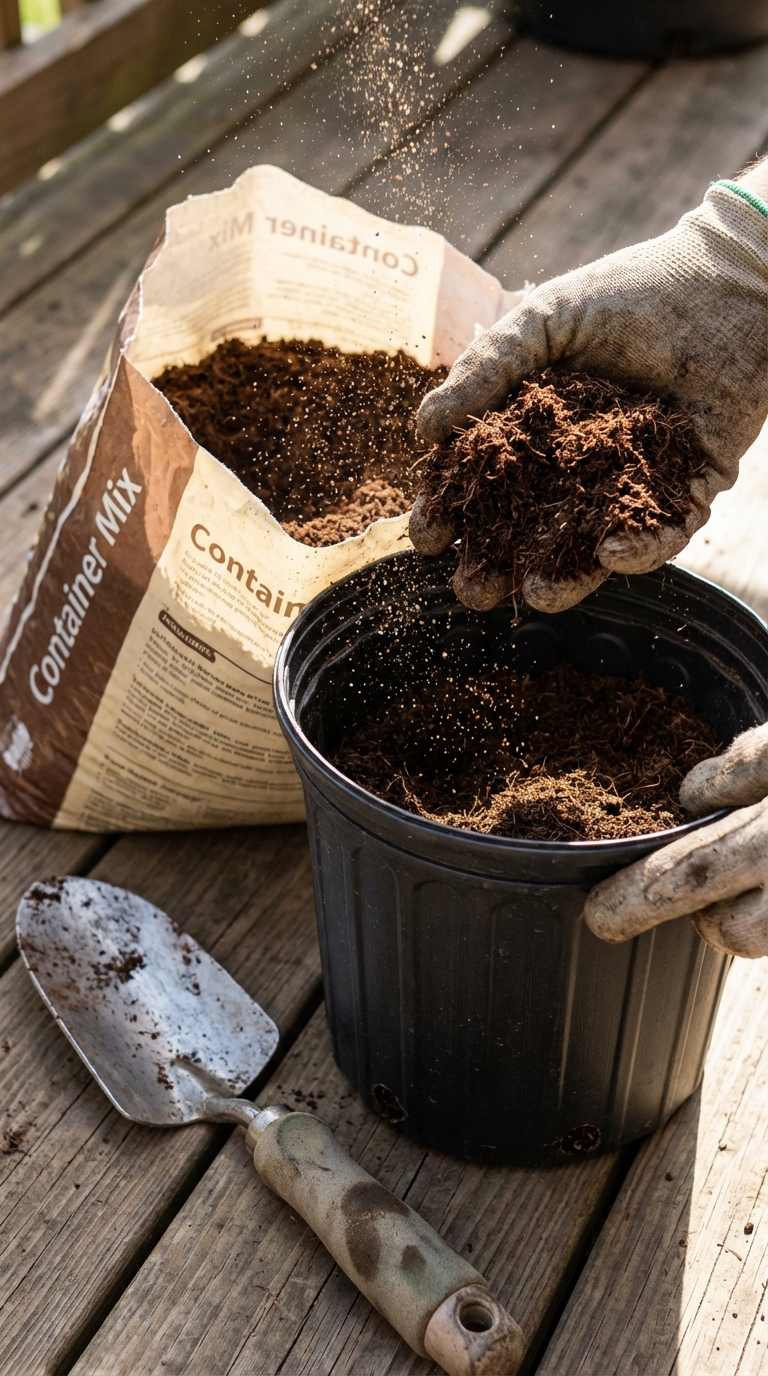
Soil is the most important purchase. Do not use dirt from the ground. It compacts in pots and suffocates roots. Buy bags labeled potting mix. Look for words like container mix or potting soil. You will need one or two large bags. This investment ensures good drainage and aeration. Happy roots lead to faster harvests. This allocation takes up about twenty-seven dollars of your budget.
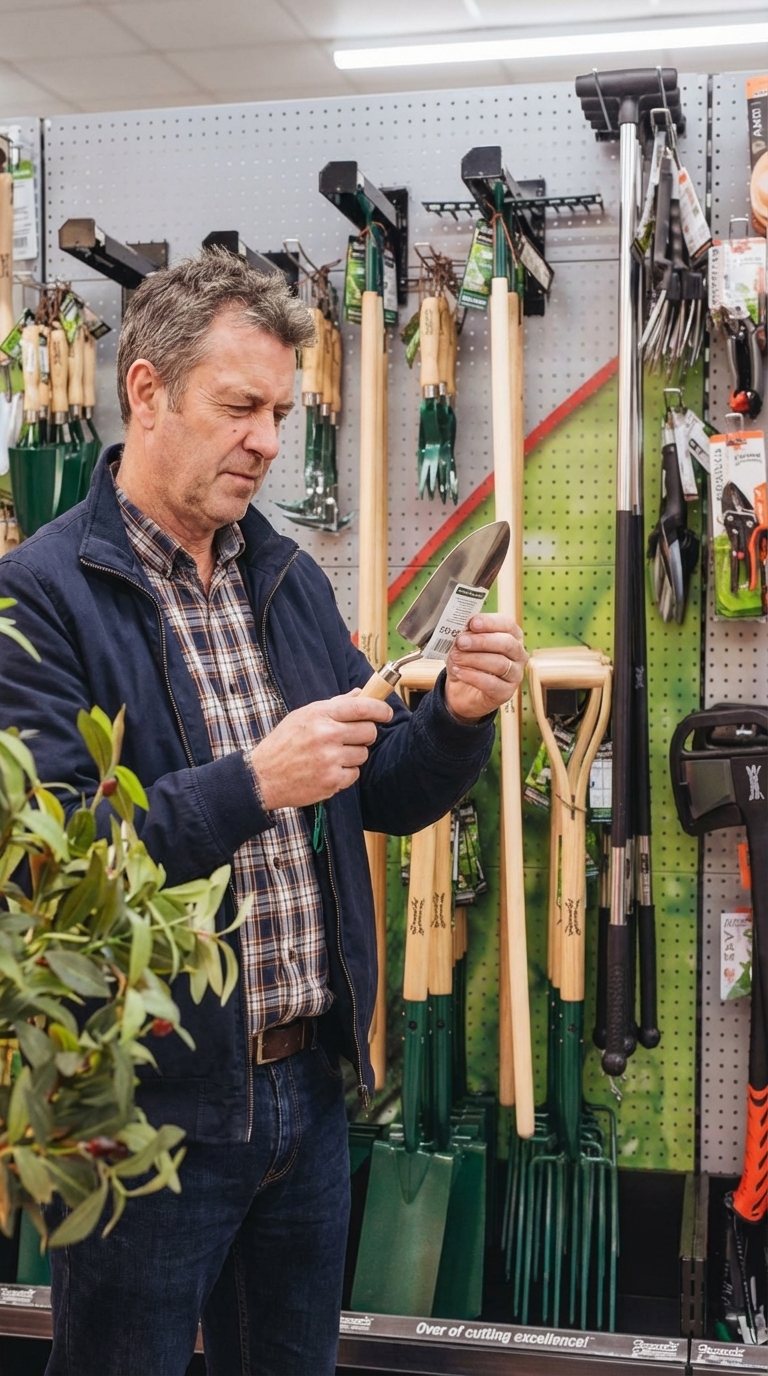
The Minimalist Tool Kit You do not need a shed full of steel. You need one good hand trowel. Look for a forged metal blade with a comfortable grip. This tool digs holes and mixes soil. You also need a way to water. A basic plastic watering can works well. You can also clean out a gallon milk jug. Poke holes in the cap to create a gentle sprinkler. Gloves are optional. A basic pair protects your hands during digging. These tools cost about thirteen dollars.
The Seeds Seeds are the engine of your garden. One packet holds dozens of seeds. You will only use a fraction for this starter plan. Buy four or five packets. Stick to reliable varieties. Radishes, leaf lettuce, bush beans, and basil are excellent choices. This category costs five dollars. You stay under the limit with money to spare.
Path B: The In-Ground Gardener
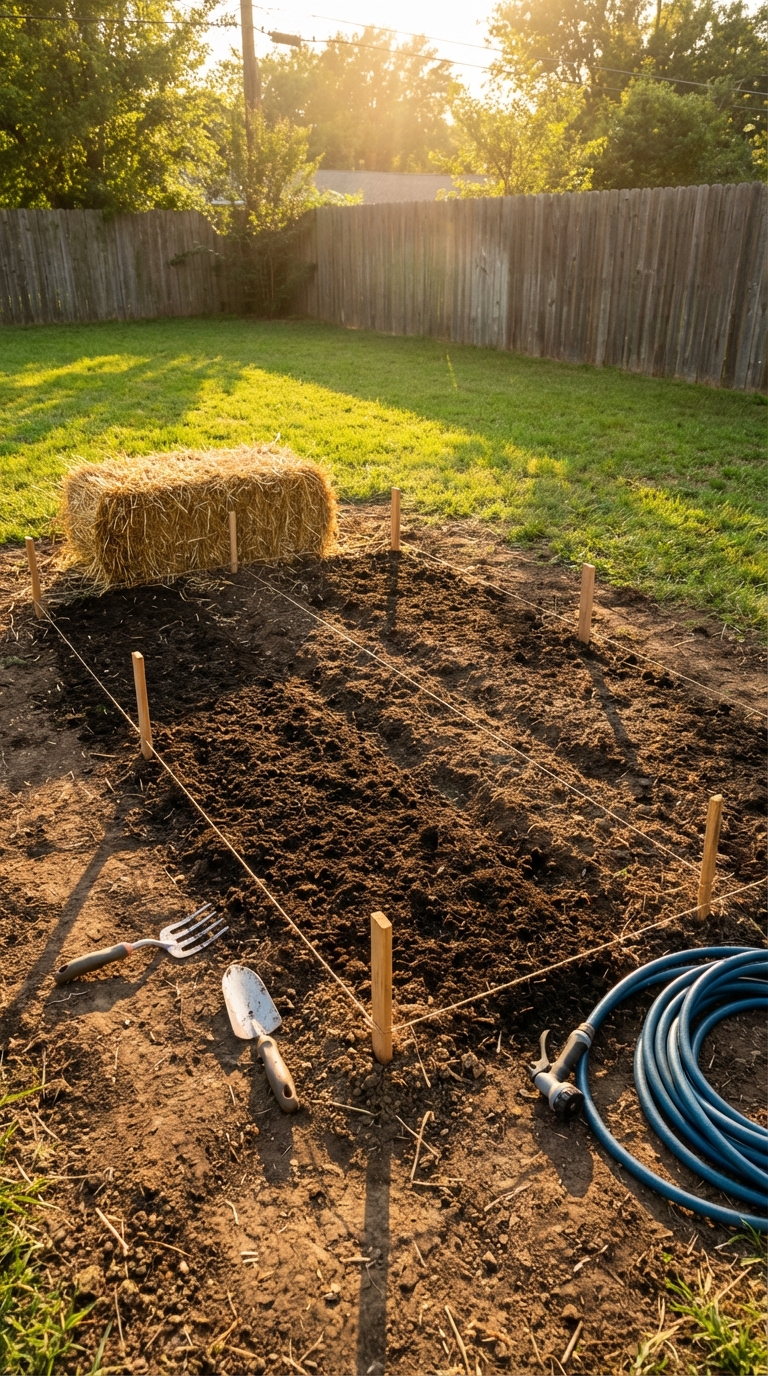
This path suits homeowners with yard space and decent sunlight. You plant directly into the earth. This method saves money on containers and potting mix. You spend that savings on soil amendments and tools.
The Foundation: Soil Prep and Ground Setup You are not starting from scratch. You are upgrading what you have. Native soil often lacks nutrients or drainage. Buy bags of compost or aged manure. Mix this into your planting area. This improves structure and feeds your plants. You might need one or two bags depending on the size of your patch. If your soil is very poor, buy one bag of garden soil blend. Mix it fifty-fifty with your native dirt.
Weed control matters. You can smother weeds with cardboard and mulch. This costs nothing if you save boxes from deliveries. Alternatively, buy a small bale of straw. Mulch suppresses weeds and retains moisture. You also need to mark your space. Use twine and wooden stakes. This keeps your simple vegetable garden plan organized. Neat rows make maintenance easier. This foundation costs about twenty-two dollars.
The Minimalist Tool Kit You need a hand trowel for digging small holes. You also benefit from a hand cultivator. This small three-prong fork breaks up soil. It helps mix in compost and aerate around young plants. A hose adapter works for watering if you have an outdoor tap. A simple spray nozzle ensures gentle water flow. If you lack a hose, use a watering can. Gloves keep your hands clean during weeding. These tools cost about eighteen dollars.
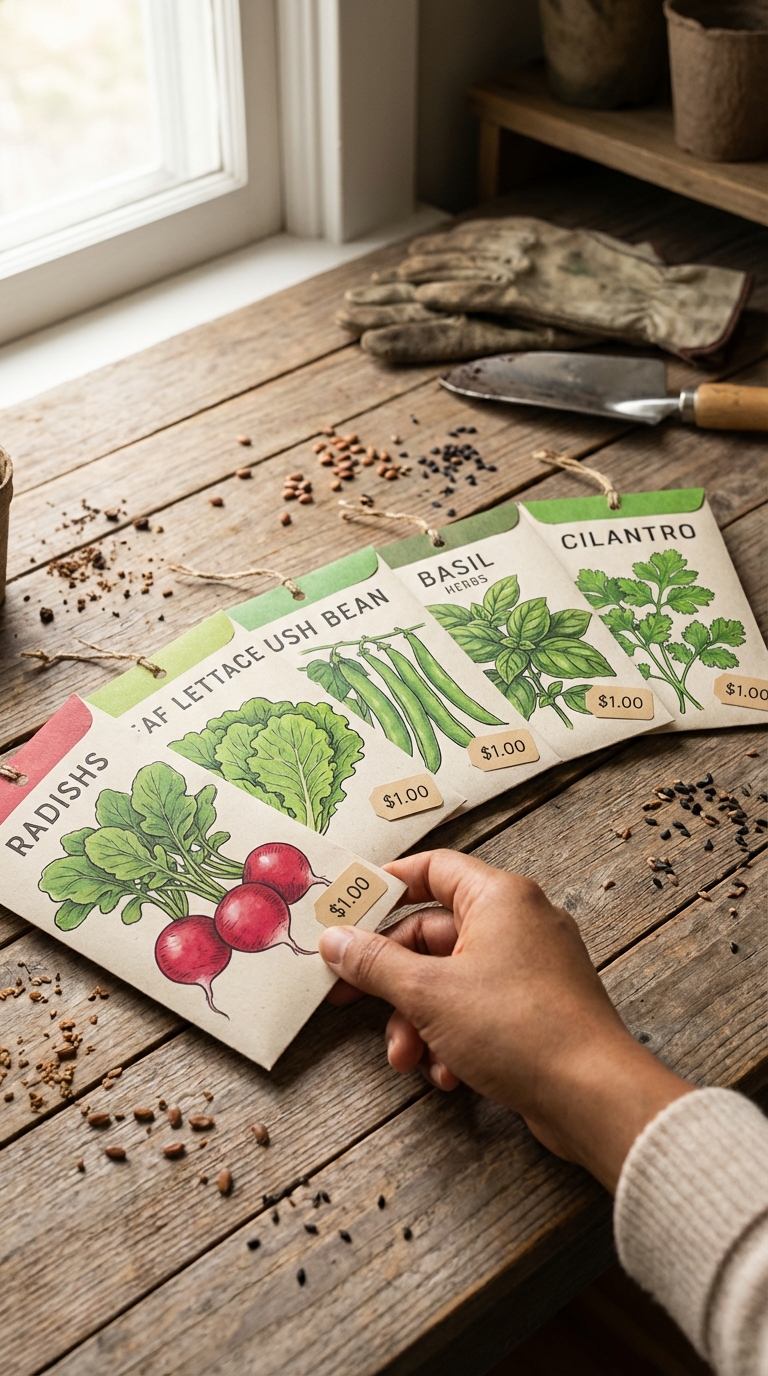
The Seeds Since you saved on containers, you can afford extra seeds. Buy five or six packets. You might choose organic varieties if desired. Radishes and leaf lettuce remain top choices. Bush beans produce heavily without trellises. Zucchini or cucumber works if you have three feet of space. Herbs like cilantro or parsley add flavor. Direct sow beans and radishes right into the ground. Start lettuce in a small tray or sow thinly. This category costs about five to seven dollars.
The Quick-Win Planting Plan
Selection matters. You want fast growing vegetables for psychological wins. If you wait one hundred days for a tomato, you might quit. If you get radishes in twenty-five days, you stay motivated. This plan focuses on crops that forgive mistakes and produce quickly. These are the easy vegetables to grow for beginners that build confidence.
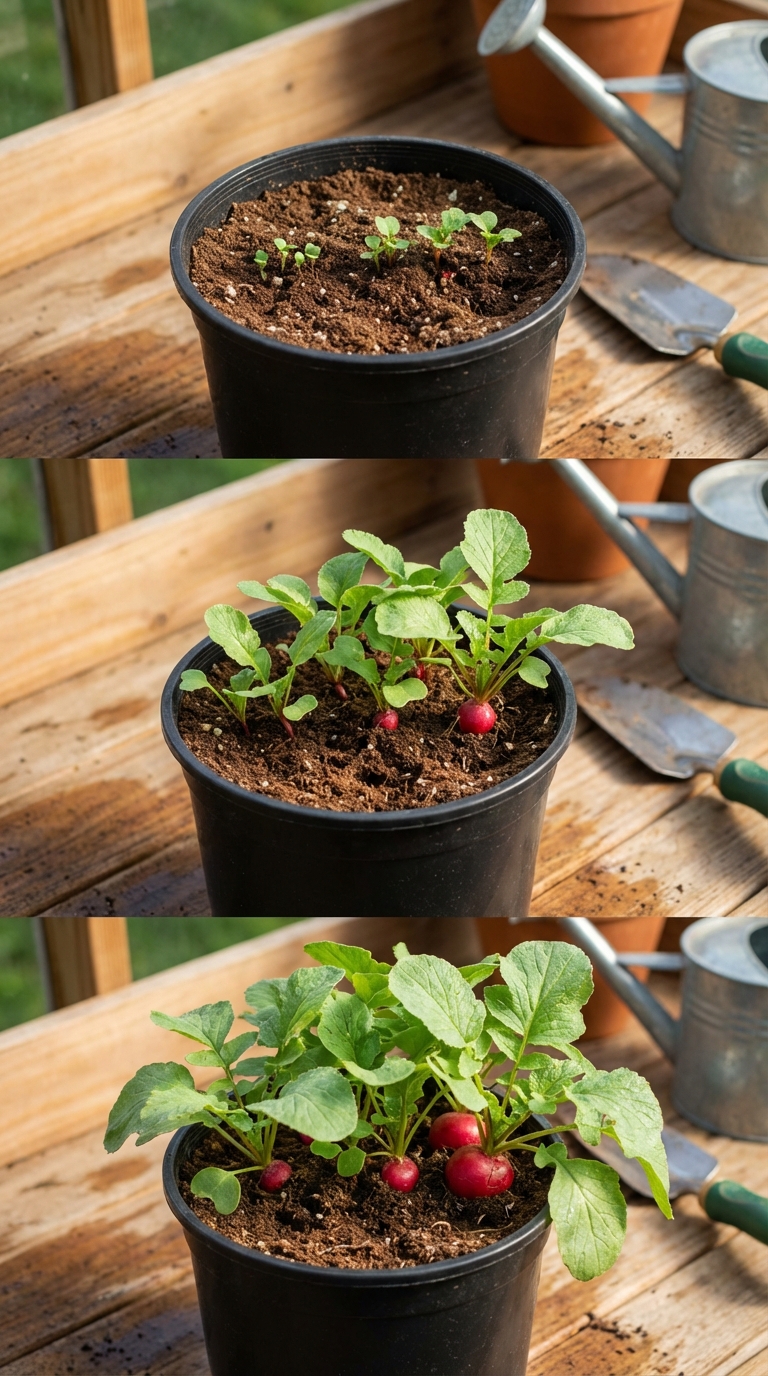
Radishes: The Speedster
Radishes are the fastest crop you can grow. They germinate in three days. You harvest them in twenty-five to thirty days. They grow well in containers or ground. Sow the seeds directly. Do not start them indoors. They dislike transplanting. Thin the seedlings aggressively. Give them space to form bulbs. The tops are edible too. Use them in salads for zero waste. The crisp snap of a homegrown radish beats store-bought ones every time.
Leaf Lettuce: The Cut-and-Come-Again
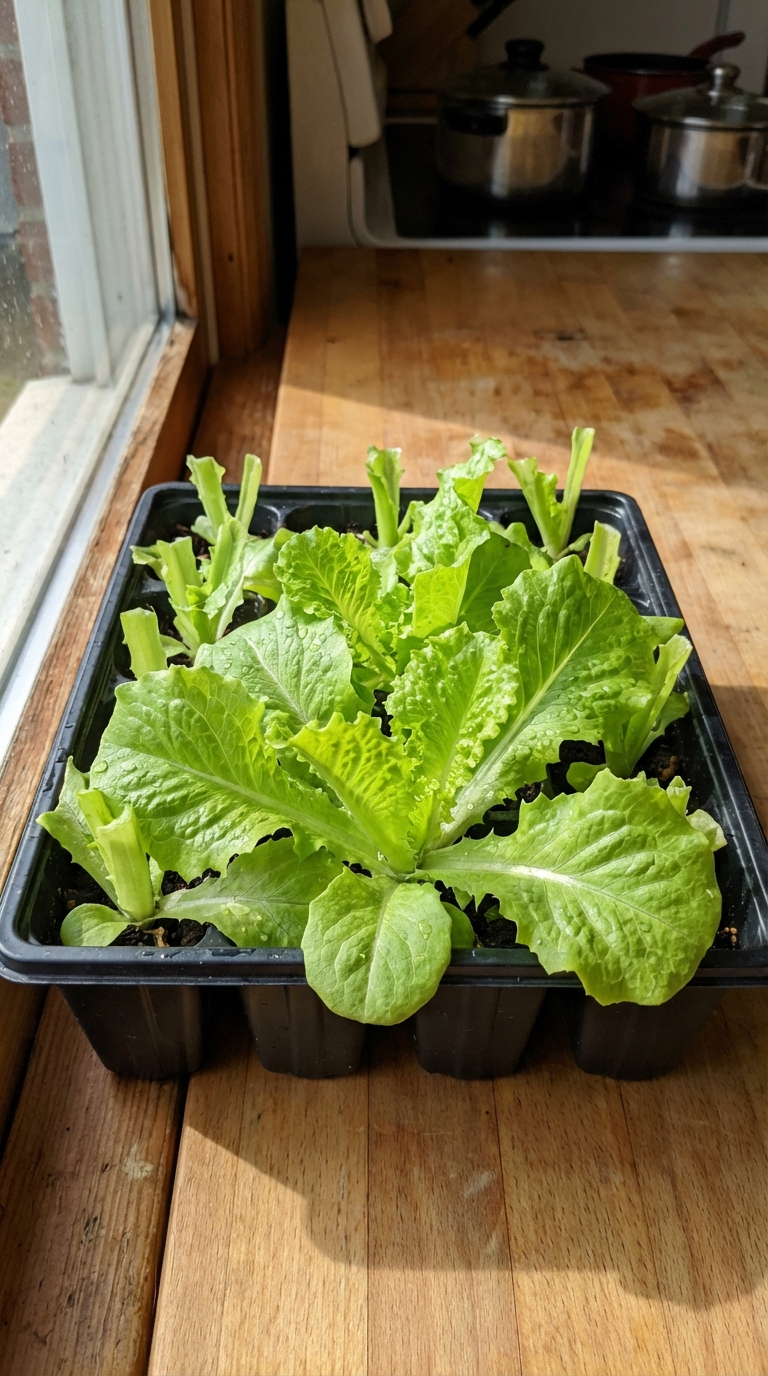
Leaf lettuce offers continuous harvests. You do not cut the whole head. You snip outer leaves. The plant grows more from the center. This extends your harvest window for weeks. Varieties like Black Seedled Simpson thrive in cool weather. Keep them shaded if temperatures rise. They bolt quickly in heat. Grow them in shallow containers or ground beds. They have shallow roots. This makes them perfect for a starter vegetable garden.
Bush Beans: The Reliable Producer
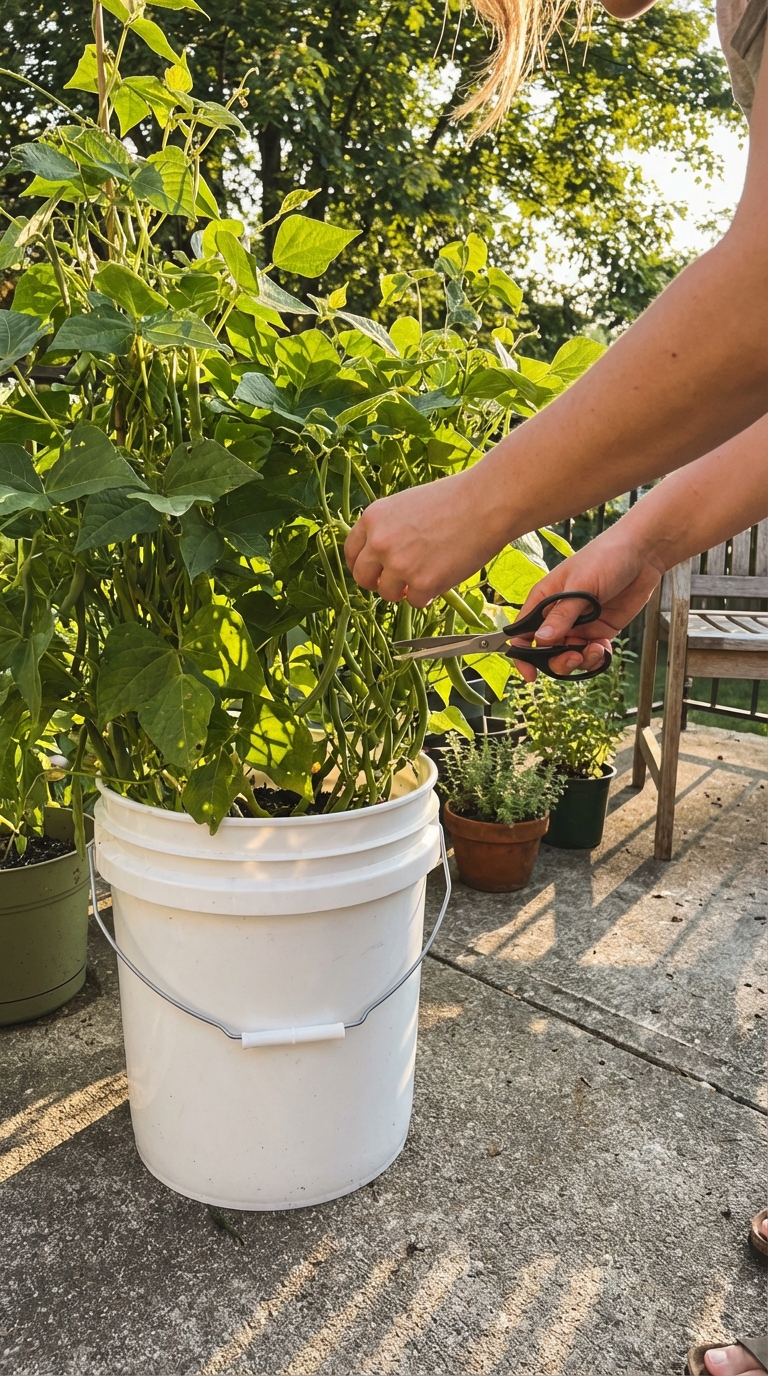
Bush beans need no trellis. This saves money on supplies. They produce high yields in small spaces. Sow them after the frost date passes. They love warm soil. Pick them when they are young and tender. Regular harvesting encourages more production. If you leave them on the vine, the plant stops making new beans. Children love watching these grow. The seeds are large and easy to handle. They are among the best vegetables for beginner gardeners.
Herbs: The Flavor Boosters
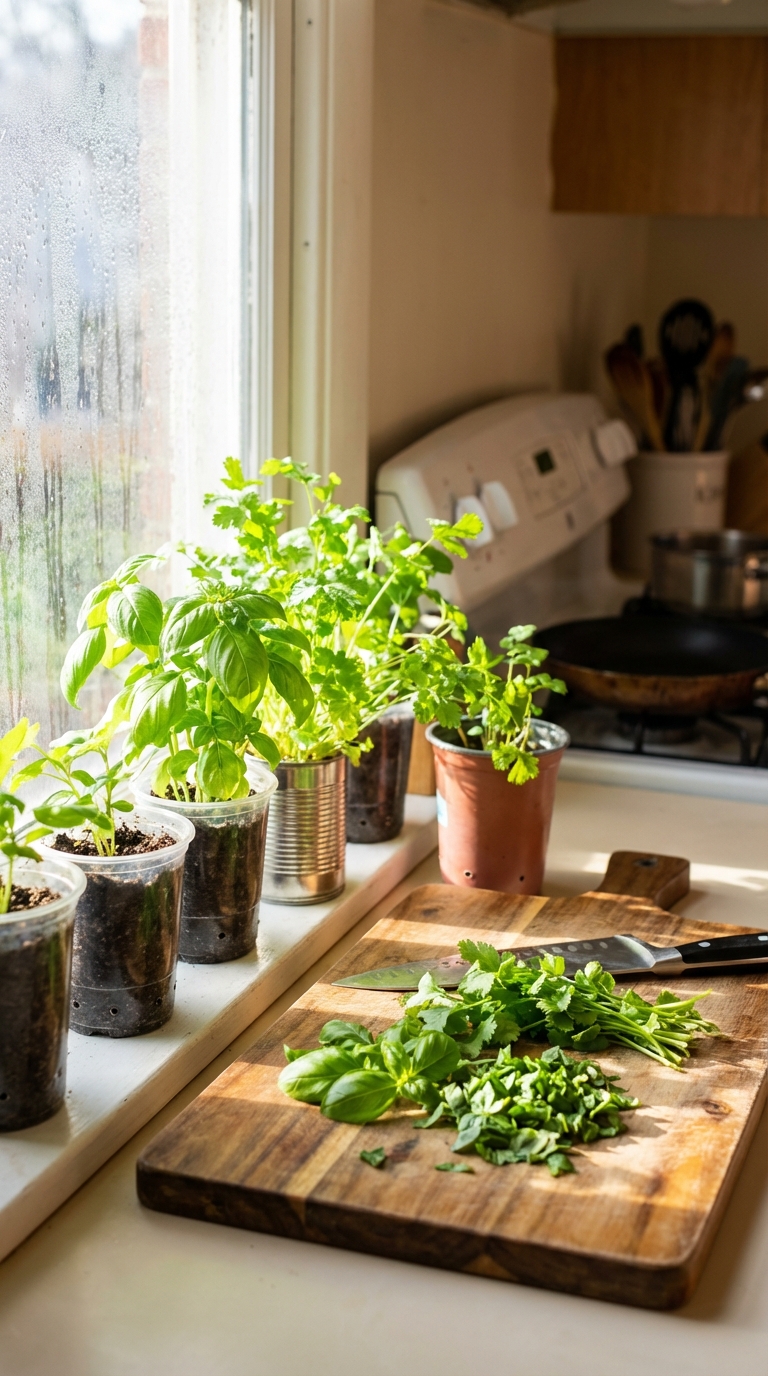
Herbs cost money at the grocery store. They cost pennies to grow. Basil and cilantro work well in warm weather. Parsley thrives in cooler temps. Keep them near the kitchen door. Easy access means you use them more. A few fresh leaves transform a meal. They also attract beneficial insects. These insects help pollinate your other crops. Herbs fit well between larger plants. They maximize every inch of your vegetable garden essentials space.
Execution: From Bag to Soil
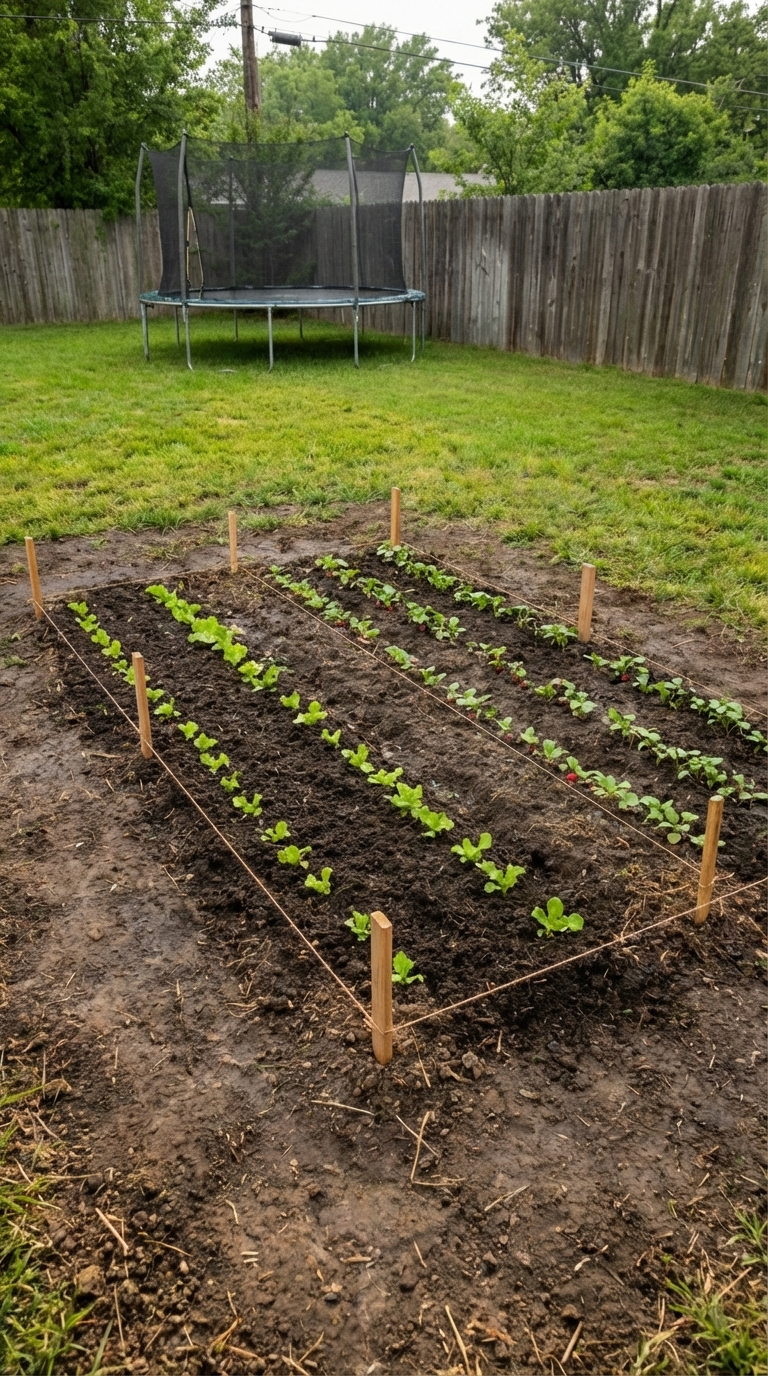
Buying the supplies is step one. Putting them to work is step two. Proper setup prevents problems later. Follow these steps to ensure your beginner garden setup succeeds.
Location Scouting
Find a spot with six hours of sun. Vegetables need light to make energy. Watch your space throughout the day. Shadows from buildings or trees change with the seasons. Ensure you have water access nearby. Carrying heavy cans across a yard gets old fast. Choose a spot you see daily. Out of sight means out of mind. You will water and weed more often if the garden is visible. This aligns with good vegetable garden ideas for beginners.
Preparing the Containers or Ground
For containers, drill drainage holes if needed. Fill them with potting mix. Do not pack the soil tight. Fluff it up so air moves through. Leave an inch of space at the top for water. For in-ground beds, clear the grass and weeds. Mix in your compost or aged manure. Loosen the top six inches of soil. Remove large rocks or sticks. Create a smooth bed for your seeds. This preparation gives roots a easy start.
Sowing the Seeds
Read the packet instructions. Each seed has specific depth requirements. A general rule involves planting twice as deep as the seed size. Tiny lettuce seeds sit on the surface. Large bean seeds go an inch deep. Press soil gently over the top. Label your rows. Use popsicle sticks or rocks. Write the variety and date with a marker. You will forget what you planted without labels. This simple step saves confusion later.
The First Water
Water gently after planting. Use a spray setting or a watering can with a rose attachment. Heavy streams wash seeds away. Keep the soil moist until germination. This might mean watering daily if it is hot. Once plants emerge, you water less frequently but more deeply. This encourages roots to grow down. Consistency is key for vegetable garden basics.
Maintenance for the Busy Beginner
Care does not need to be complex. Many people fear killing their plants. Most issues stem from too much care rather than too little. Keep it simple. Watch your plants. They tell you what they need.
Watering Wisdom
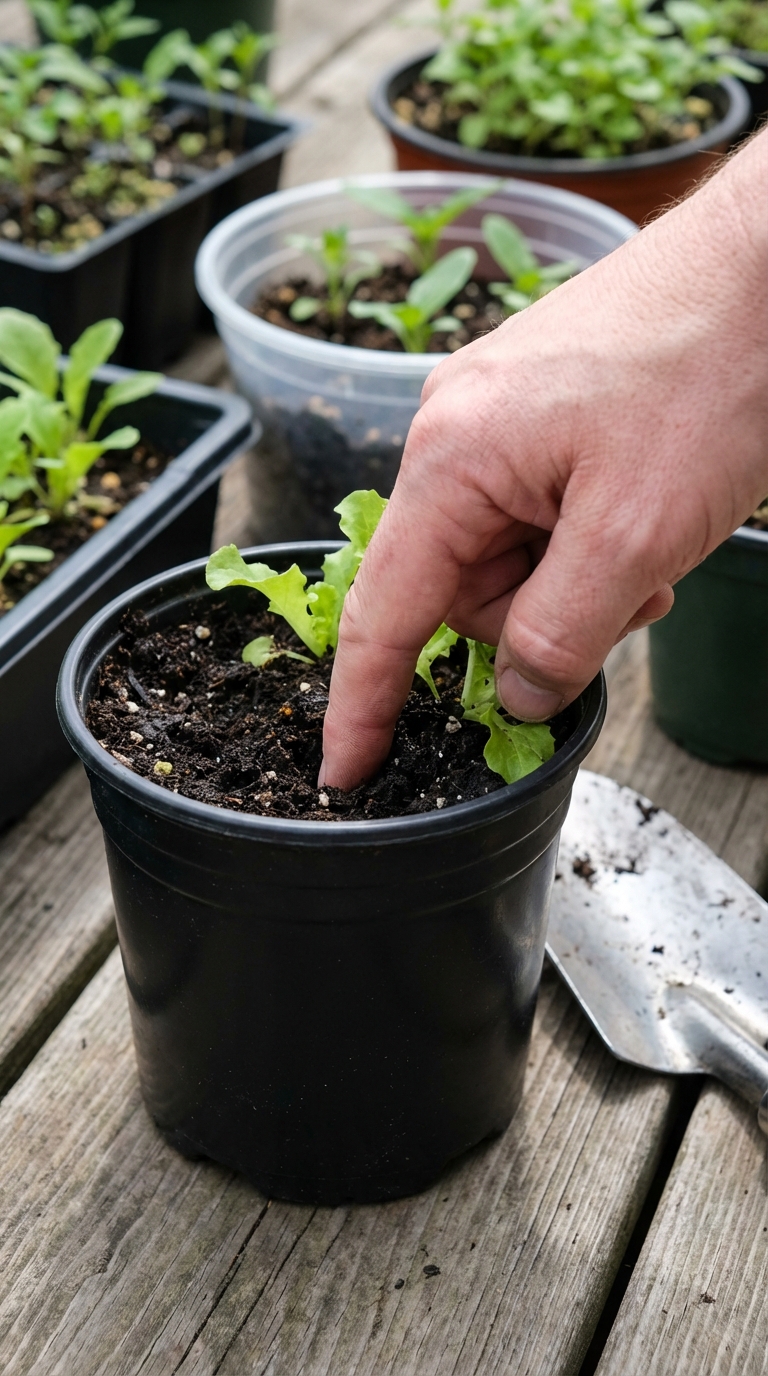
The finger test works best. Stick your finger into the soil. If it feels dry, water. If it feels wet, wait. Overwatering kills more plants than drought. Roots need air as much as water. Yellow leaves often signal too much moisture. Wilting in the heat of the day is normal. Check them in the evening. If they perk up, they are fine. If they stay limp, they need water. This method removes the guesswork from vegetable garden essentials for a fast start.
Weeding and Care
Container gardens have fewer weeds. In-ground beds need more attention. Pull weeds when they are small. Their roots come out easier. Mulch helps suppress new growth. Check your plants weekly for pests. Look under leaves. Bugs hide in the shadows. Pick them off by hand. You rarely need sprays for a small garden. Healthy plants resist bugs better. Keep them fed and watered.
Harvesting
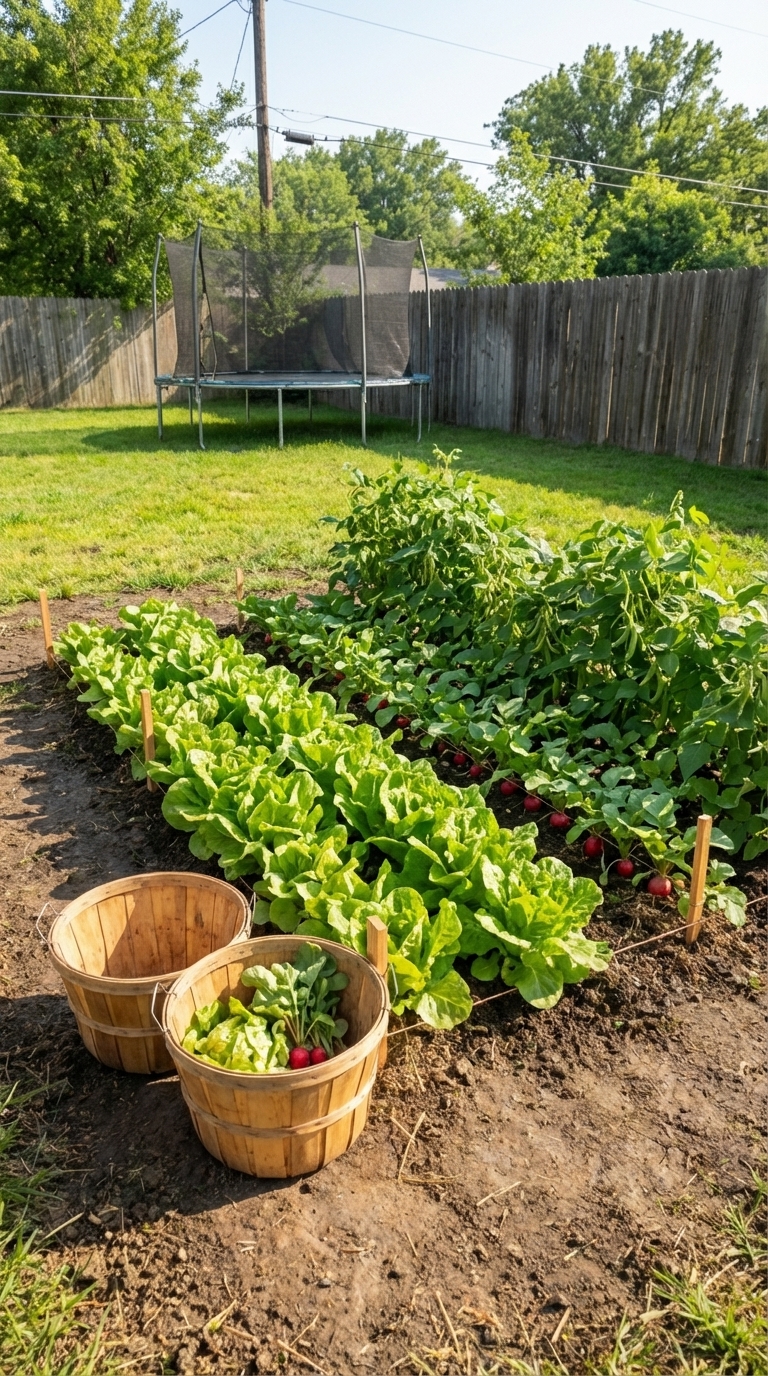
Harvest early and often. Do not wait for perfection. Zucchini tastes best when small. Lettuce tastes sweet when young. Radishes get woody if left too long. Use clean scissors or a knife. Cut cleanly to avoid damaging the plant. Harvesting signals the plant to make more. You get more food over time. Take your harvest to the kitchen immediately. The flavor peaks right after picking. This is the reward for your work. These quick harvest vegetables provide instant gratification.
Your First Harvest Awaits
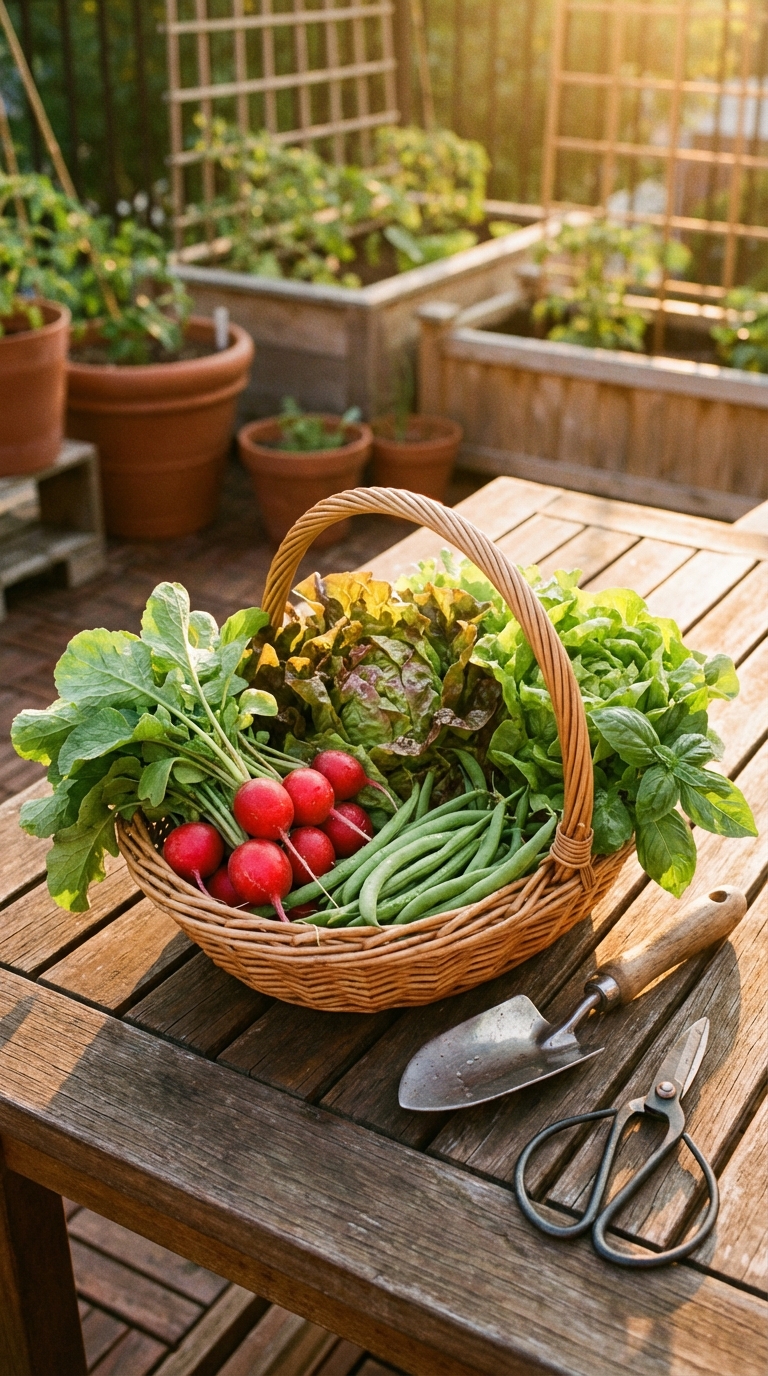
You have the list. You have the plan. You have the budget. The only thing left is to start. Seasons change fast. Waiting for perfect conditions means missing the window. Go to the store this week. Buy your soil and seeds. Put them in the ground.
This project is not about perfection. It is about connection. It is about knowing where your food comes from. Even if only one radish survives, it is a victory. You grew that. You nurtured that. That small win builds the confidence for next year. You will learn what works in your specific space. You will learn what your family likes to eat.
Welcome to the community of growers. It is a rewarding group. We share tips. We share seeds. We share harvests. Your affordable vegetable garden setup is the first step. It opens a door to a healthier lifestyle. It brings life to your home. The dirt under your fingernails proves you did something real. Stand in your aisle. Put the expensive kit back. Pick up the seeds instead. Your table awaits the results.