
Designing a Stunning Flower Pathway for Every Light Condition
The car door shuts with a solid thud. A guest steps onto the driveway and turns toward the front door. Their eyes drop to the ground. They see a strip of gray concrete, stark and silent. They reach the porch without having experienced a single scent or color. The walk was functional, but it was forgettable.
Now consider a different scenario. The same guest steps out, but this time their shoes brush against creeping thyme that releases a burst of herbal fragrance. Their eyes are drawn to vibrant coneflowers nodding in the breeze. The air feels cooler under the shade of arching ferns. The journey from the car to the door becomes a moment of connection with nature. This is the power of a well-designed flower pathway.
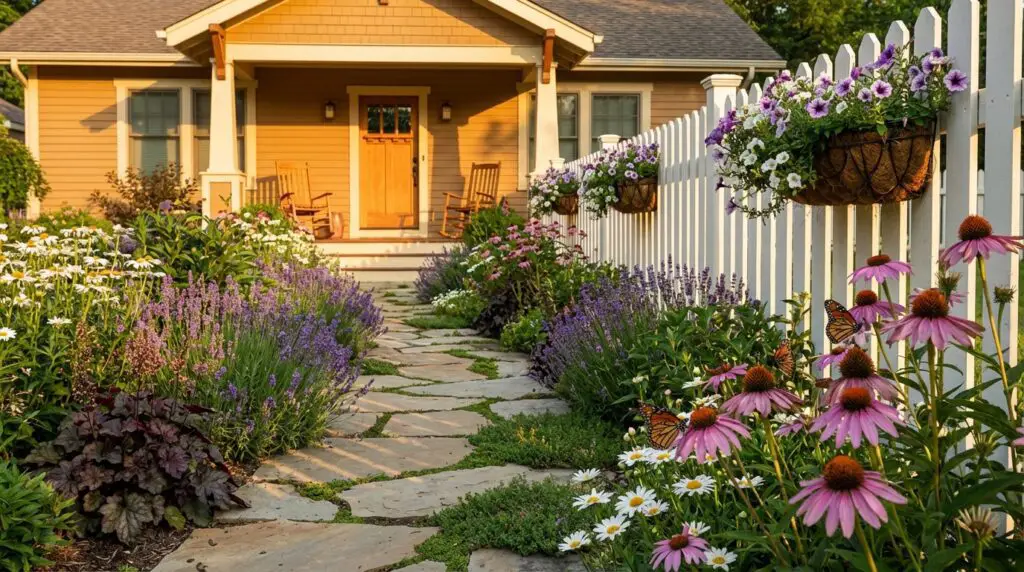
Turning a standard walkway into a blooming corridor is one of the highest impact projects a gardener can undertake. It changes how you feel every time you leave or enter your home. It turns a mundane chore into a daily delight. However, success relies less on buying the prettiest plants and more on understanding the light conditions where the flowers walkway resides.
A beautiful garden path is not just about placing pots on either side. It is about creating a living tunnel that guides you home. Whether you have a sprawling estate or a modest front yard, the principles remain the same. You must work with the light, choose the right companions for your plants, and maintain the flow of traffic. Below, we will walk you through creating a flower path that thrives in sun, shade, or the complex mix of both.
Reading the Light: The Foundation of Your Design
Before you dig a single hole or purchase a single pot, you must become a student of the sun. Pathway flowers are not interchangeable. A plant destined for the sun will scorch in the shade, and a shade lover will burn in full sun. Gardens are rarely uniform. A single walkway can traverse microclimates that change every few feet. One moment you are baking in full southern exposure, and ten steps later, you are under the cool, dappled canopy of an old oak tree. Ignoring these shifts is the fastest way to watch your investment wither. You need to observe your space throughout the day to understand exactly where the light falls.
The Full Sun Corridor
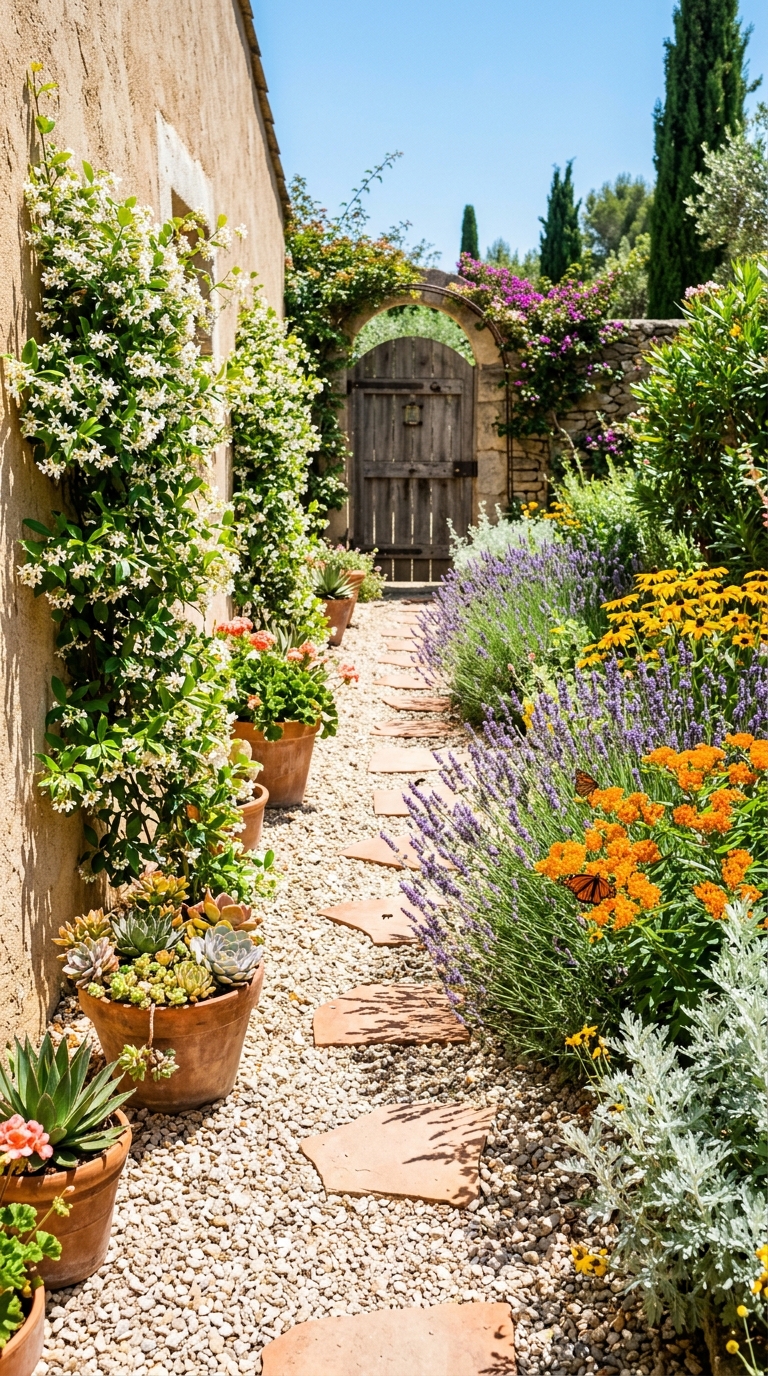
If your walkway flowers are destined for a spot that receives six to eight hours of direct sunlight, you are working with high energy real estate. These areas dry out quickly, meaning your soil preparation must focus on moisture retention without sacrificing drainage. Here, the goal is to create a blaze of color that can withstand the heat. Think of drought tolerant perennials that thrive on neglect once established. This is the domain of the coneflower, the black eyed Susan, and the sturdy salvia. These plants do not just survive the sun. They demand it to unlock their full potential.
A wildflower path in full sun feels like a slice of the countryside, buzzing with bees and butterflies, offering a rustic, untamed beauty that softens the hardscape of the walk itself. The heat radiating off the path can be intense, so choosing plants that reflect light rather than absorb it helps keep the area feeling welcoming.
The Cool, Shaded Retreat
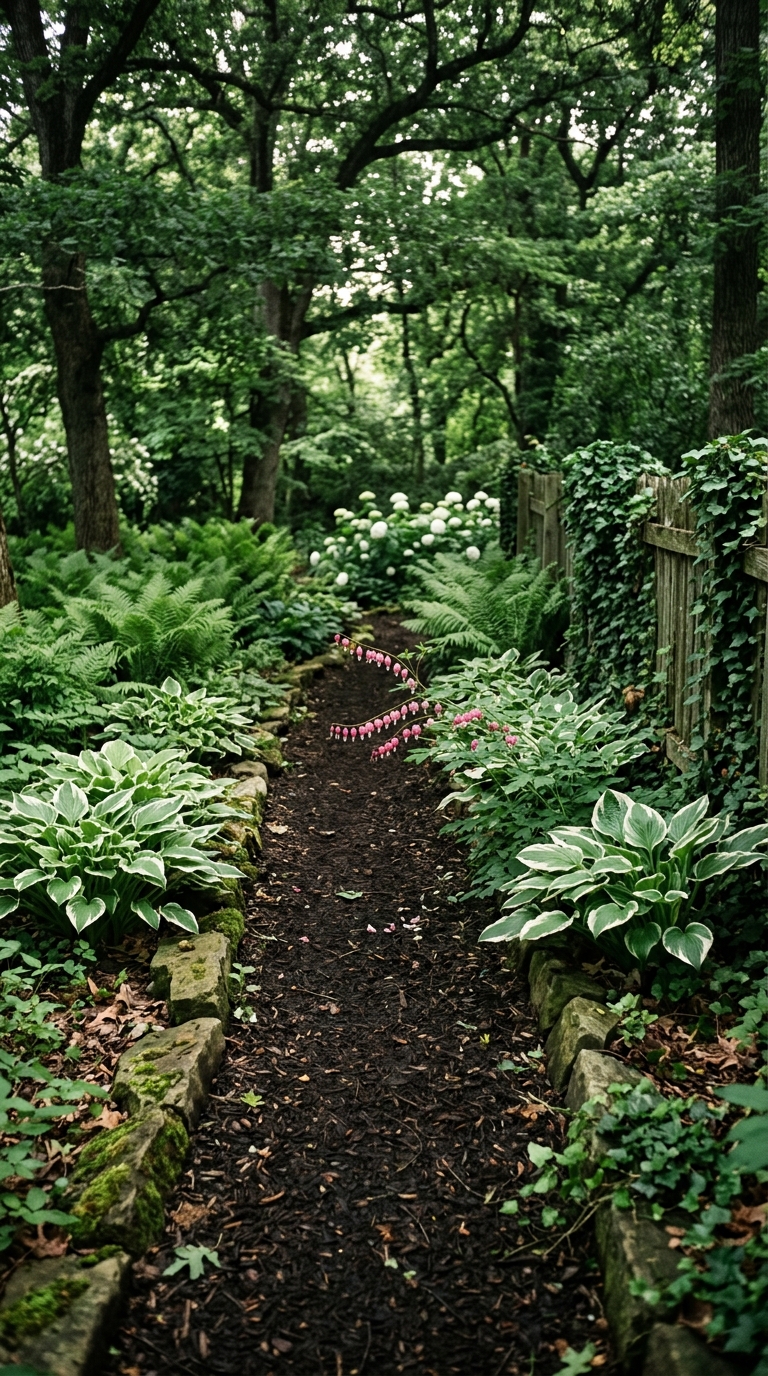
Conversely, a path winding through the north side of a house or beneath dense tree cover offers a completely different challenge and opportunity. Shade paths are often moister, cooler, and prone to different types of weeds. However, they offer a sanctuary of calm. The colors here tend to be softer, such as whites, pale pinks, and luminous yellows that seem to glow in the dim light. Hostas are the classic choice for walkway border plants in the shade, providing lush, architectural foliage that frames the step.
But do not stop there. Ferns add texture, while bleeding hearts dangle their romantic blooms right at eye level as you pass. A shaded flowers along walkway display invites you to slow down. It is a place for contemplation, where the air feels fresher and the scent of damp earth mixes with the fragrance of sweet woodruff or lily of the valley. The lack of harsh sun allows for delicate textures that would crisp up in brighter spots.
The Transitional Zone
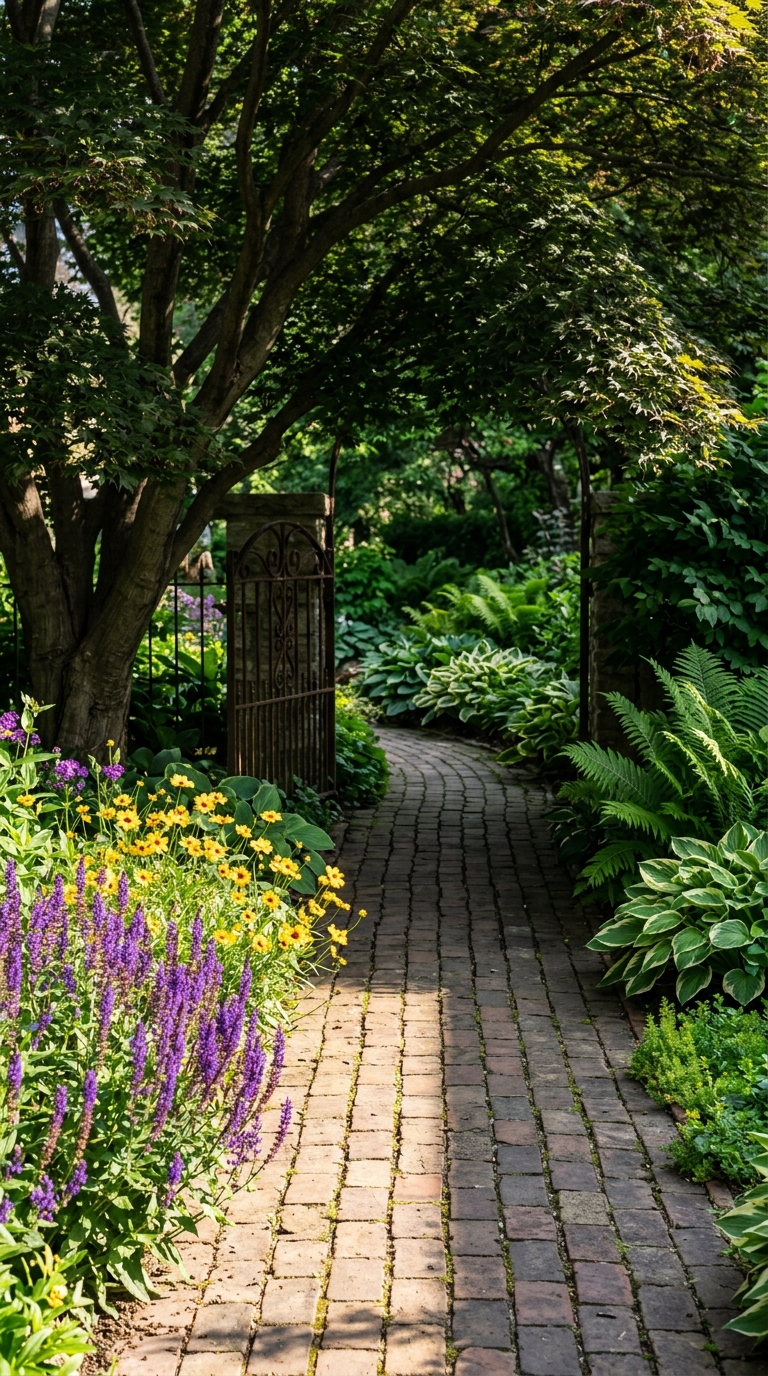
Perhaps the most common, yet most tricky, scenario is the path that moves between sun and shade. Maybe the morning sun hits the front gate, but by noon, the roof of the porch casts a long shadow, and by late afternoon, the neighbor’s maple tree filters the light into shifting patterns. This part shade zone is actually the most versatile. It allows for a diverse palette where you can mix sun lovers that tolerate some shade with shade dwellers that appreciate a morning ray.
The key here is observation. Spend a day watching your intended flower pathway walkways area. Note exactly when the sun hits and when it retreats. This data will dictate your plant list. In these transitional zones, you can create a dynamic narrative where the garden changes character throughout the day, offering a new experience with every trip you take.
Hardscape and Softscape: Making Them Play Nice
Once you understand the light, you must consider the physical relationship between the path and the plants. A flower path aesthetic is ruined if the plants obstruct the way or if the path damages the plants. You need a clear boundary that defines where the foot traffic ends and the garden begins. This does not mean you need rigid metal edging. Sometimes a shallow trench or a line of smooth stones is enough to signal the edge. The goal is to prevent soil from spilling onto the walkway flowers area during rain while keeping roots contained.
Width and Flow
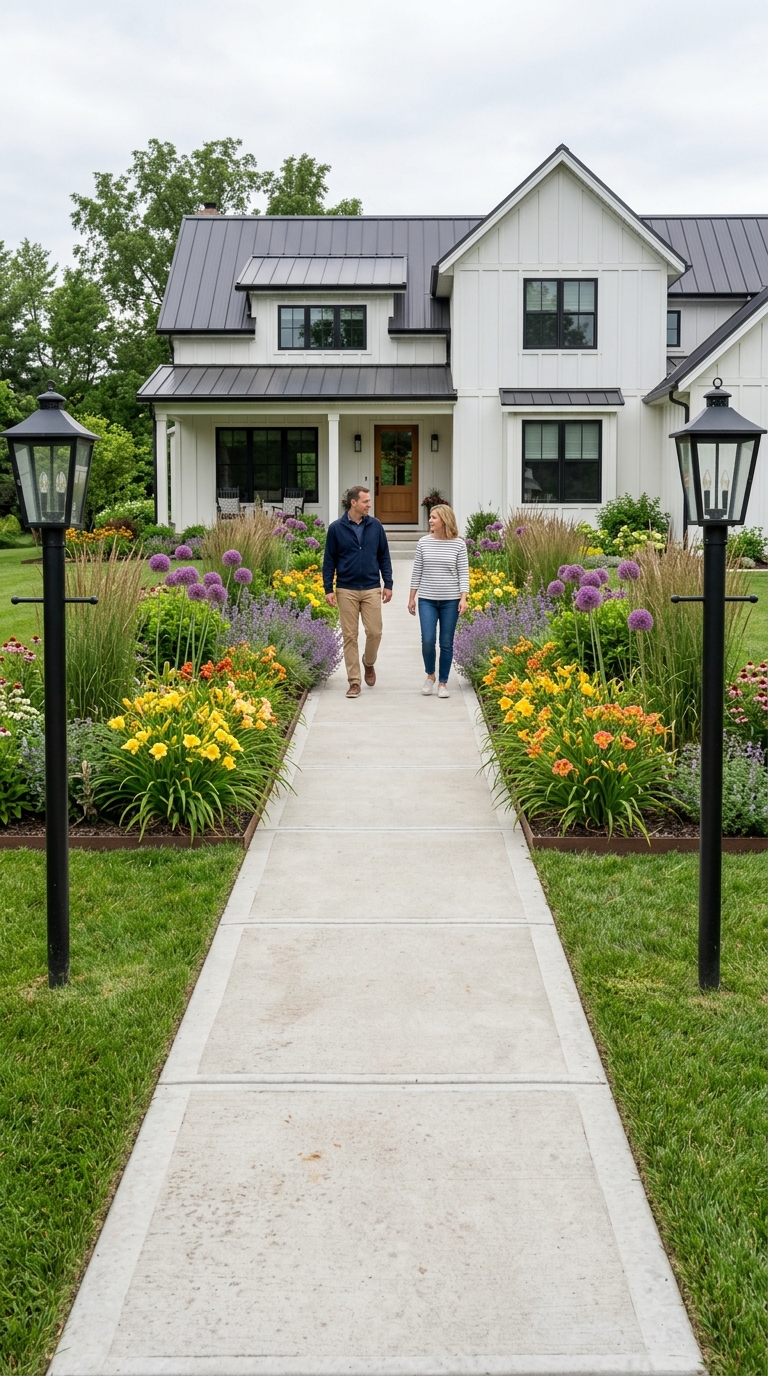
Importance of leaving enough walking space cannot be overstated. A flower path should invite you in, not block you out. For a main entryway, you want at least four feet of clear walking space. This allows two people to walk side by side without brushing against wet foliage or thorns. For garden trails, you can go narrower, perhaps three feet, to create a more intimate feeling. However, even on narrow trails, ensure the center is clear. You want the wildflower walkway to feel abundant, not restrictive. If plants encroach too much, people will walk on the soil to avoid them, which compacts the earth and damages the roots. Design the width with the future growth of the plants in mind, not just their size at the nursery.
The Spill Over Effect
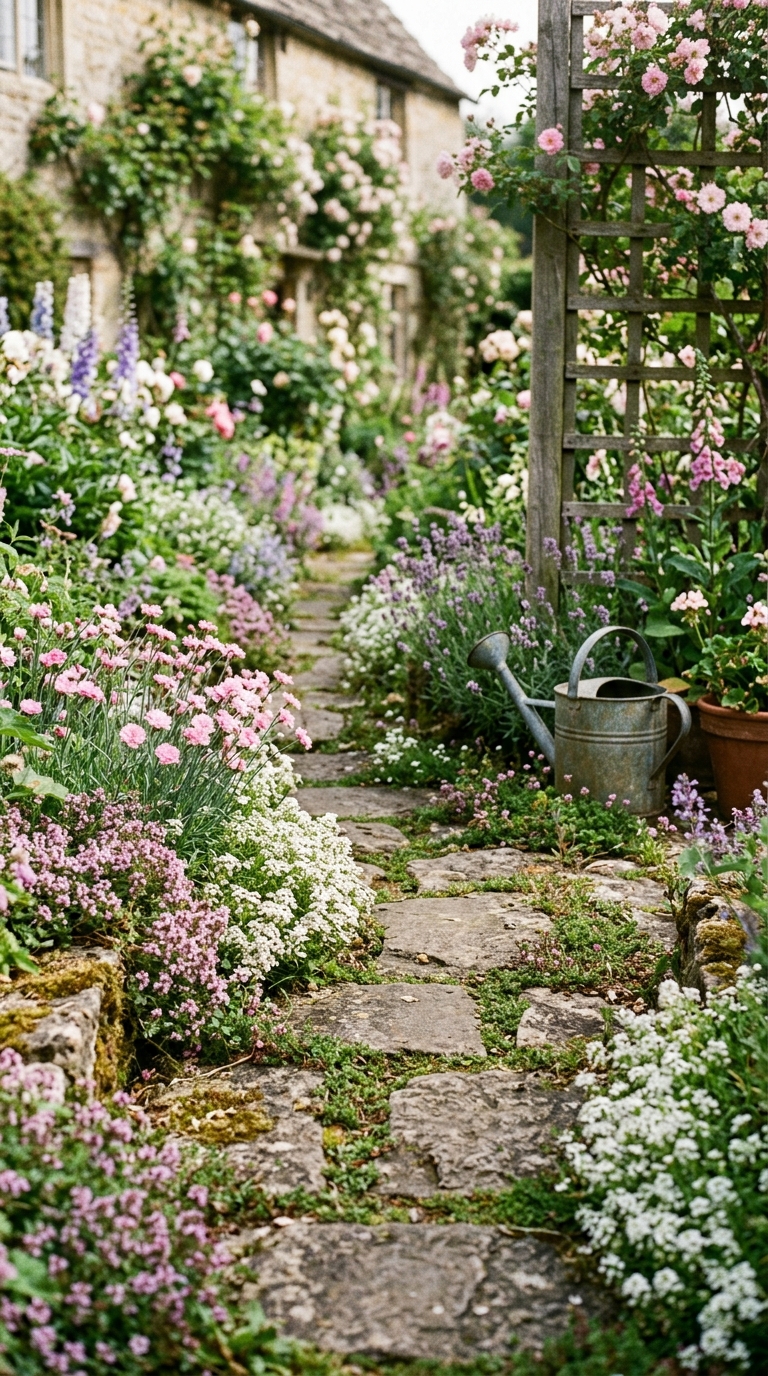
Utilizing plants that naturally creep onto the path edges helps soften hard lines. This is where you choose durable plants that can handle occasional foot traffic if the wildflower walkway is narrow. Creeping thyme or Irish moss can tolerate a stray step without dying back. This creates a seamless blend between the hardscape and the softscape. It makes the path look established and aged, rather than new and rigid.
Visual continuity is also important. Make sure the flower path aesthetic matches the home’s architecture. Formal lines suit modern homes, while cottage styles benefit from looser, overflowing beds. The transition from the driveway to the front walkway flowers should feel seamless, guiding the eye naturally toward the entrance.
Plant Selection Guide: Choosing the Right Blooms
Selecting the right plants is where the magic happens. You want a combination of heights, textures, and bloom times to keep the flowers walkway interesting throughout the seasons. Here is how to choose based on your light conditions.
For the Sun-Drenched Path
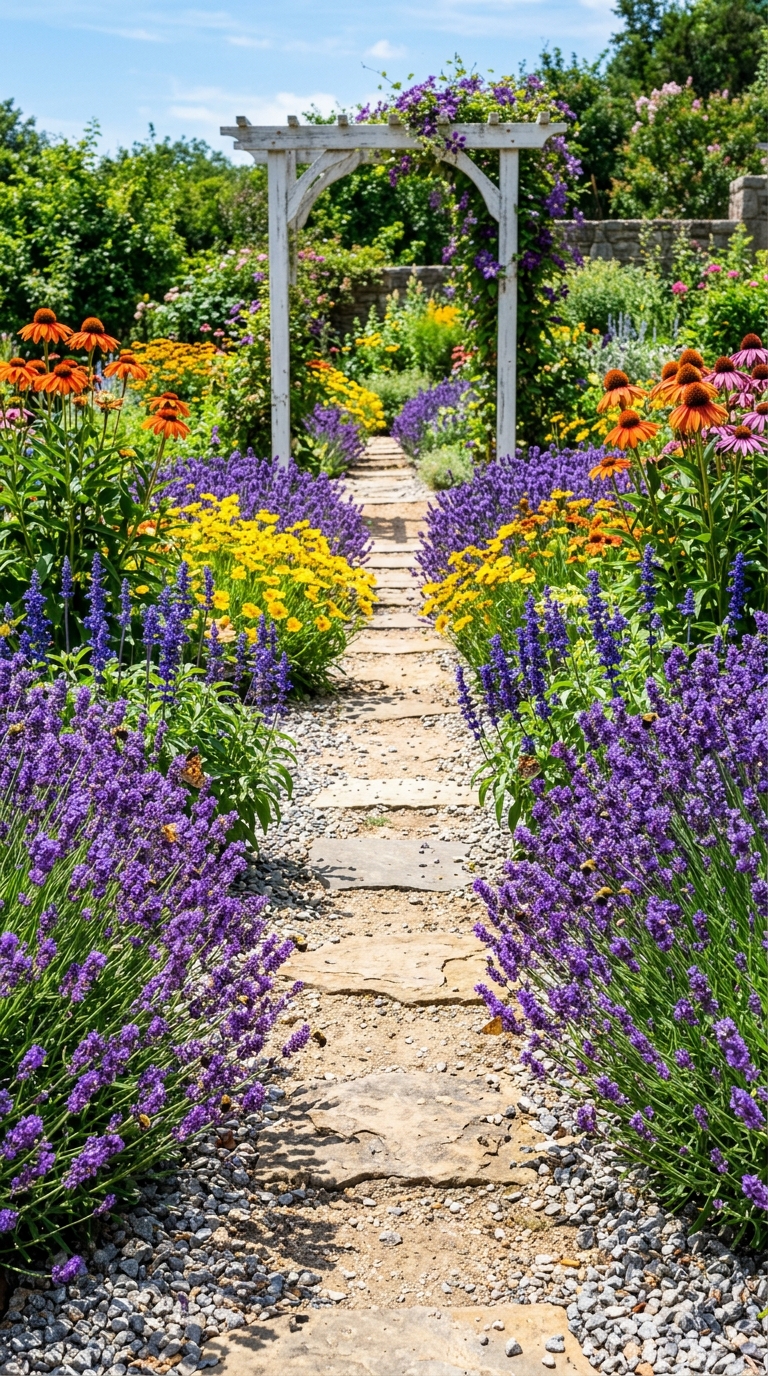
Focus on drought tolerance and vibrant color. Lavender is a top choice for scent. When you brush past it, the oils release a calming aroma. Coneflowers provide height and structure, drawing the eye upward. Creeping thyme works well as a ground cover to fill in gaps between stepping stones. Salvia adds vertical interest with its spikes of blue or purple. When arranging these walkway flowers, layer heights so shorter plants border the path and taller ones frame the back. This ensures you can see the blooms without them hiding each other. A wildflower path in this zone should feel energetic and bright.
For the Shaded Path
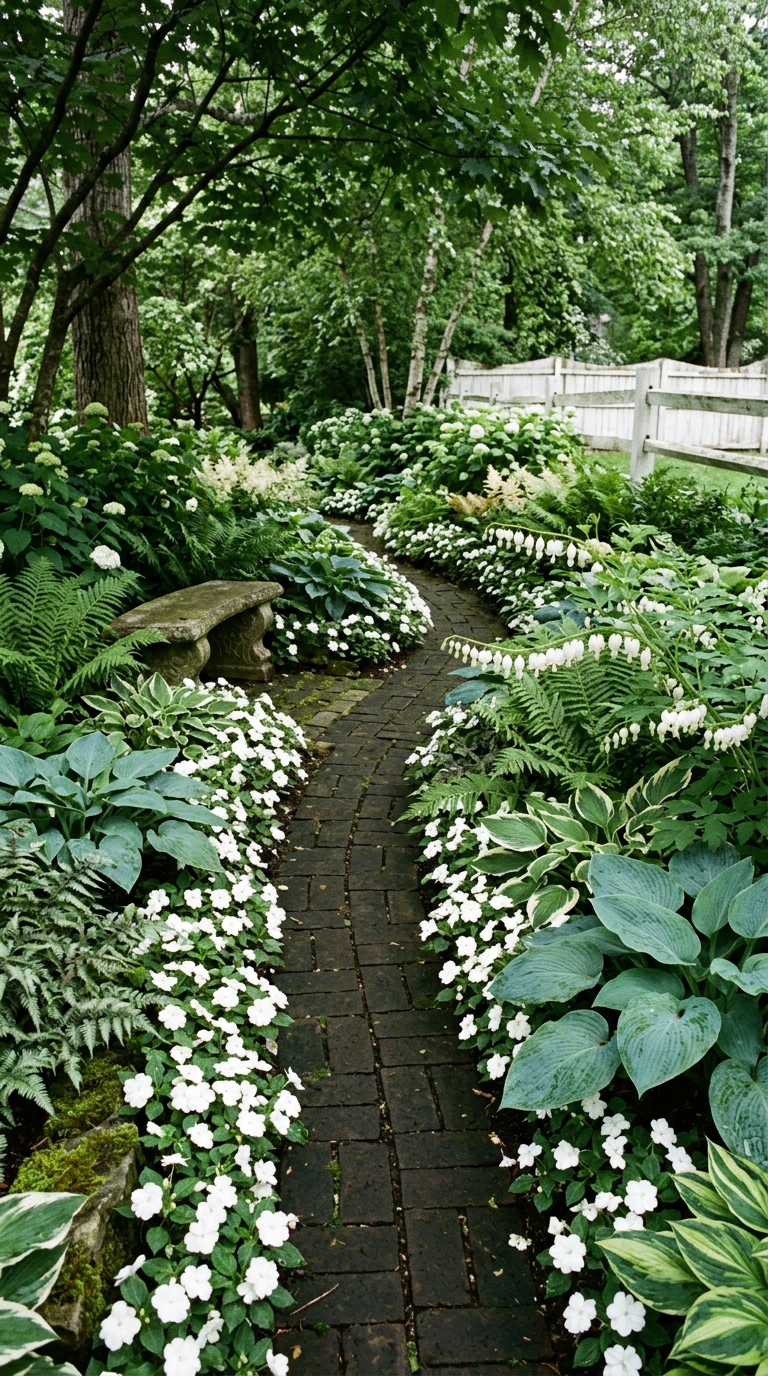
Focus on foliage texture and luminescent blooms. Hostas provide structure with their broad leaves. Ferns add fine texture that contrasts well with the broad leaves of hostas. Bleeding Heart arches over the path, creating a natural tunnel effect. Hydrangeas offer bold blooms that stand out in the dim light. Use variegated leaves to brighten dark corners where pathway flowers might get lost. White flowers are particularly effective in shade because they reflect what little light is available. This makes the flowers along walkway area feel brighter and more open. The goal is to create a lush, green sanctuary that feels cool and refreshing.
For the Mixed Light Path
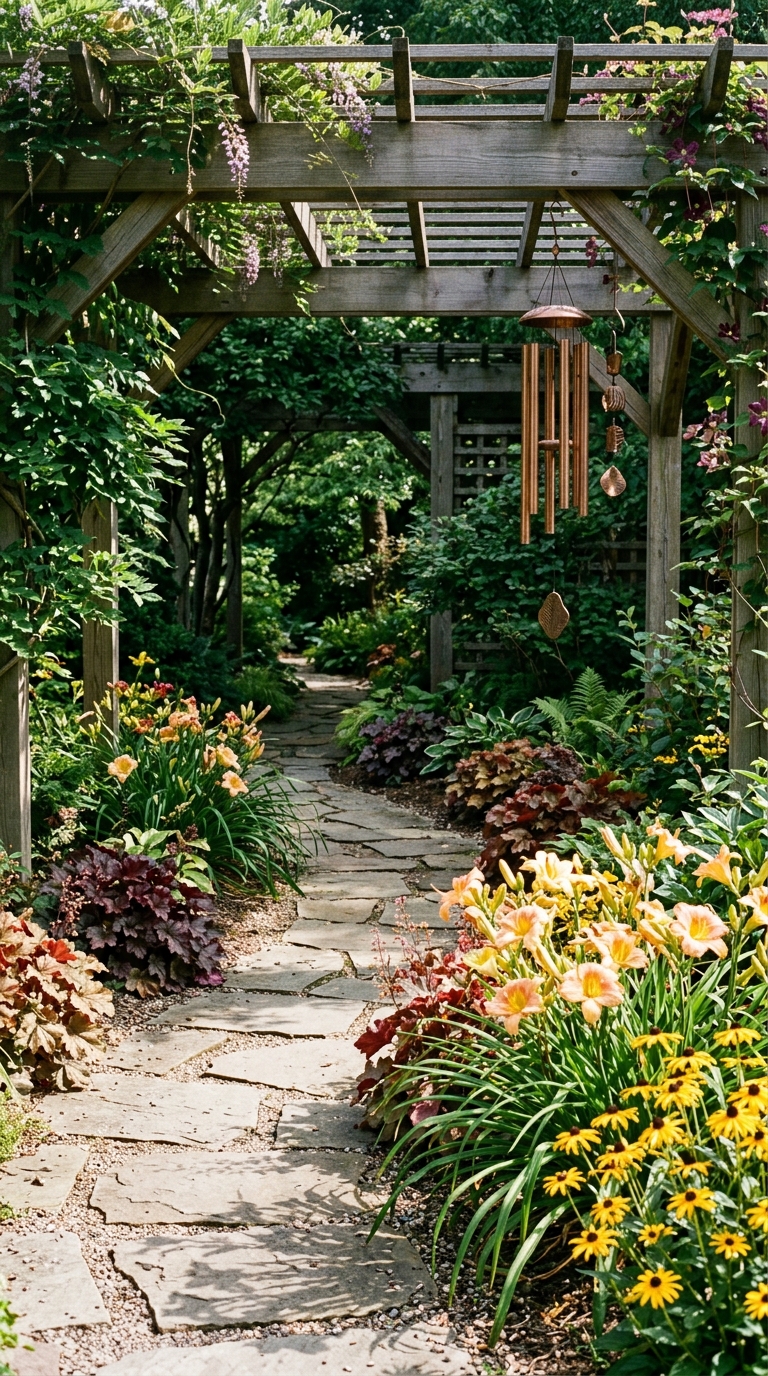
Focus on versatility and adaptability. Daylilies are tough and bloom profusely in varying light. Black Eyed Susans are cheerful and hardy. Coral Bells, also known as Heuchera, offer colorful foliage that lasts all season long. Creating a transition zone where sun plants meet shade plants seamlessly is an art. You might place the sun lovers on the south side of the path and the shade lovers on the north side. This respects the light needs of each plant while creating a unified look. Ensure the flower pathway looks balanced from both directions. You do not want one side to look barren while the other is overflowing.
Seasonal Interest
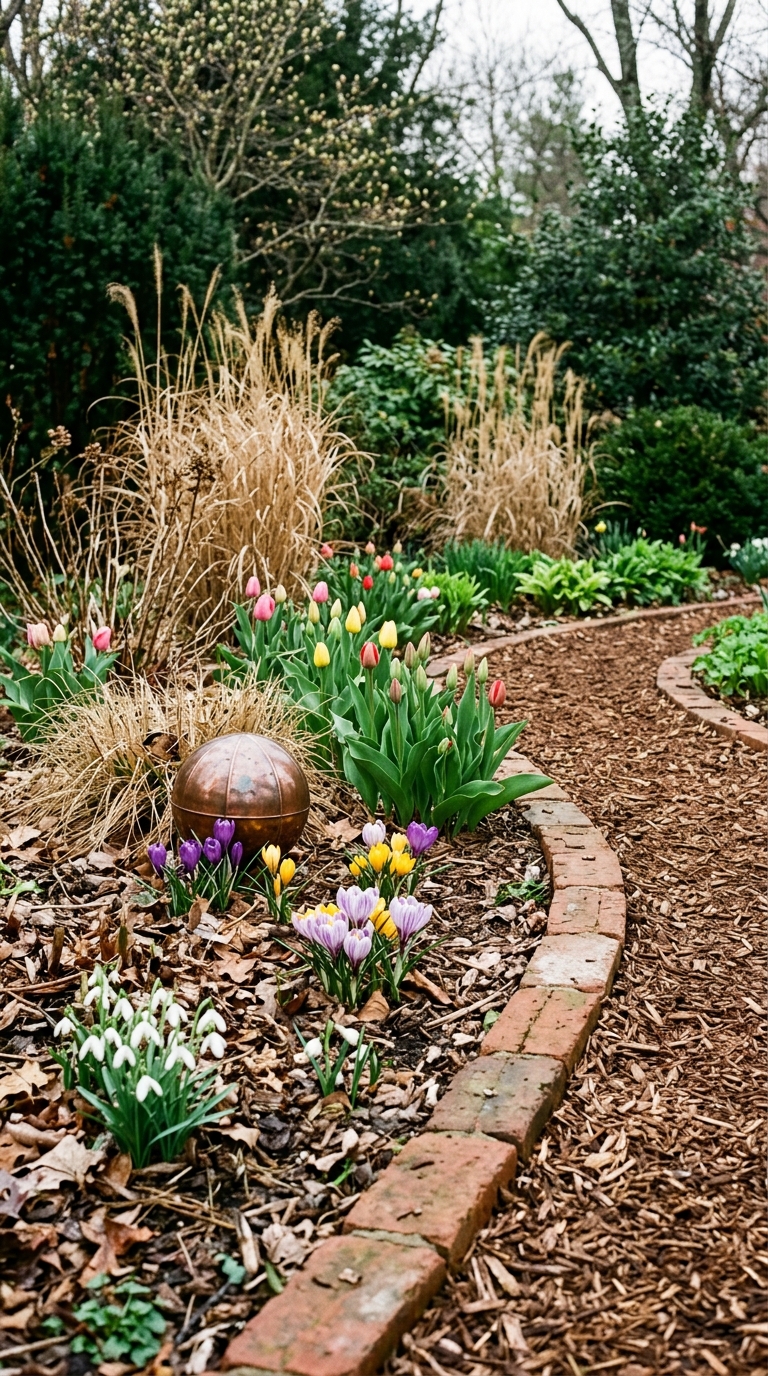
Ensuring the flowers walkway looks good in spring, summer, and fall requires planning. Incorporate bulbs for early spring color before perennials wake up. Crocus and snowdrops can push through late snow to signal the start of the season. In the fall, ornamental grasses add movement and texture when flowers fade. Leaving seed heads on coneflowers provides food for birds in the winter. This ensures your flower pathway walkways remain visually interesting even when nothing is in bloom. A garden that changes with the seasons keeps you engaged and eager to step outside.
Maintenance: Keeping the Path Walkable
A beautiful garden requires care to remain safe and accessible. Pruning for passage is essential. Regular trimming ensures branches do not scratch visitors or obstruct the view. You want the flower path aesthetic to look purposeful, not overgrown. Check the path weekly during the growing season. Trim back any stems that are creeping into the walking zone. This keeps the path clear and encourages the plants to grow fuller elsewhere. It also improves air circulation, which reduces the risk of fungal diseases in dense plantings.
Watering Wisdom
How you water matters for safety and plant health. Water walkway border plants without wetting the walking surface to avoid slip hazards. Drip irrigation is an excellent choice for clean flower pathway walkways. It delivers water directly to the roots without splashing mud onto the stones or concrete. If you hand water, do so in the morning so the path has time to dry before evening traffic. This is especially important for shaded paths where evaporation is slower. Proper watering prevents the soil from becoming muddy and tracking into the house.
Weed Control
Mulching techniques that look natural but suppress weeds are vital for a wildflower walkway. Use shredded bark or wood chips that blend with the soil. Avoid large nuggets that can kick onto the path easily. The importance of edging to keep grass from invading the pathway flowers cannot be overstated. A clean edge makes maintenance faster. You can simply run a spade along the edge once a month to keep the grass at bay. This keeps the focus on the blooms rather than the weeds. A tidy edge makes the whole garden look more professional and cared for.
Winter Preparation
What to cut back and what to leave standing depends on the plant. Some perennials benefit from being left standing to provide structure during colder months. Others should be cut back to prevent disease. Check specific care guides for your chosen plants. Protect sensitive plants with a layer of mulch before the ground freezes. This insulates the roots and ensures they return vigorously in the spring. A well prepared garden wakes up faster and healthier when the weather warms.
The Journey Home
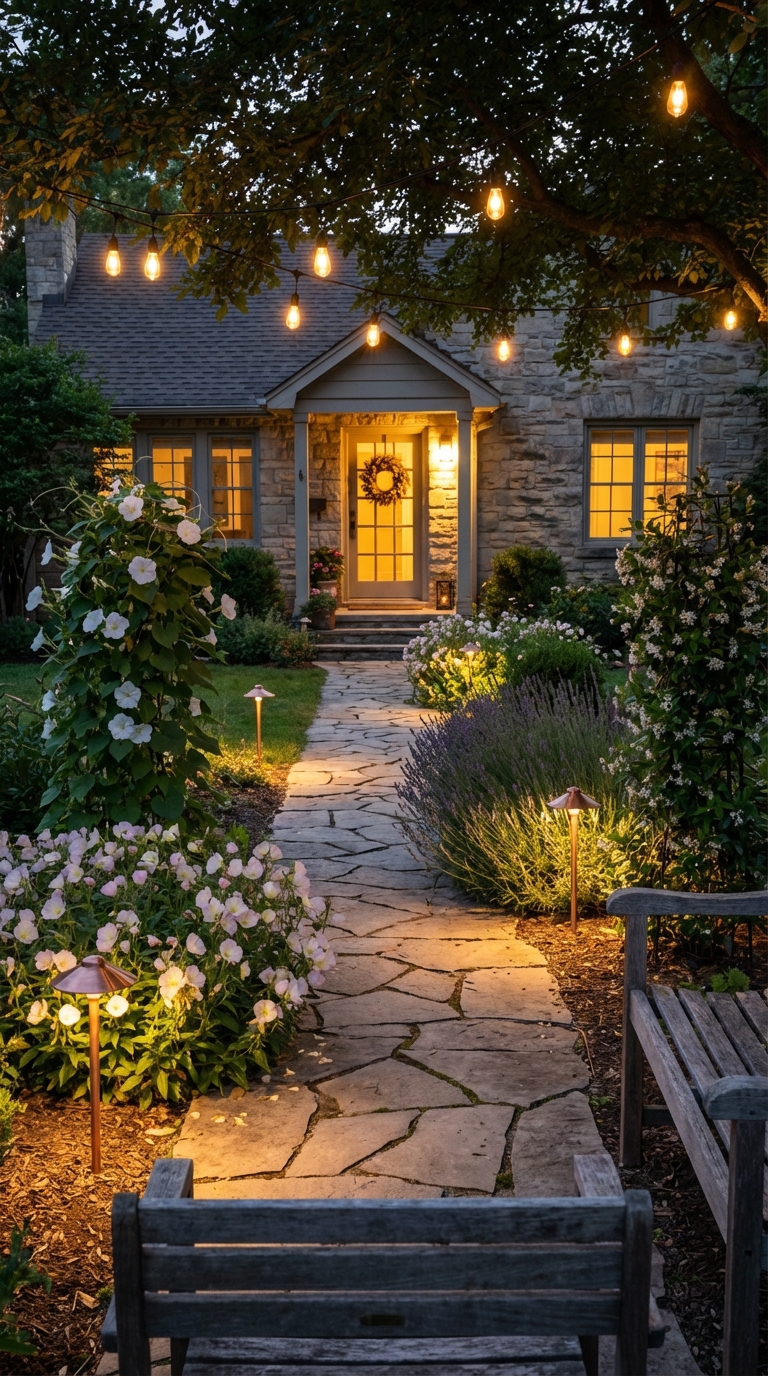
A flower pathway is an investment in daily joy, not just curb appeal. It changes the way you experience your own property. Whether in sun or shade, there is a perfect plant combination for your specific light conditions. The effort you put into planning and planting pays off every time you walk out to get the mail or welcome a friend. It turns a simple transit zone into a destination.
Start small if you feel overwhelmed. Perhaps just one section of the front walkway flowers area needs attention. Expand as you gain confidence and see what thrives in your specific soil and light. Remember that gardens are living things. They change and grow just as you do. Be patient with the process. The next time a guest arrives, or when you rush out to get the mail, the walk itself should be the destination. Let your flower path be the handshake of your landscape. Let it welcome, not weary. When you step onto your flower pathway, you are stepping into a world you created, one bloom at a time.