
Designing Stunning Borders with Full Sun Border Plants
The thermometer hits 80 degrees. You step onto the porch to admire your garden, but instead of vibrant blooms, you are greeted by crispy leaves and wilted stems. The midday sun beats down on your garden bed, turning rich soil into dust and turning promising spring purchases into straw by July. You water again, but tomorrow brings the same scorched result. It is time to stop fighting the heat and start working with it. You do not need shade to have a lush garden. You just need the right armor.
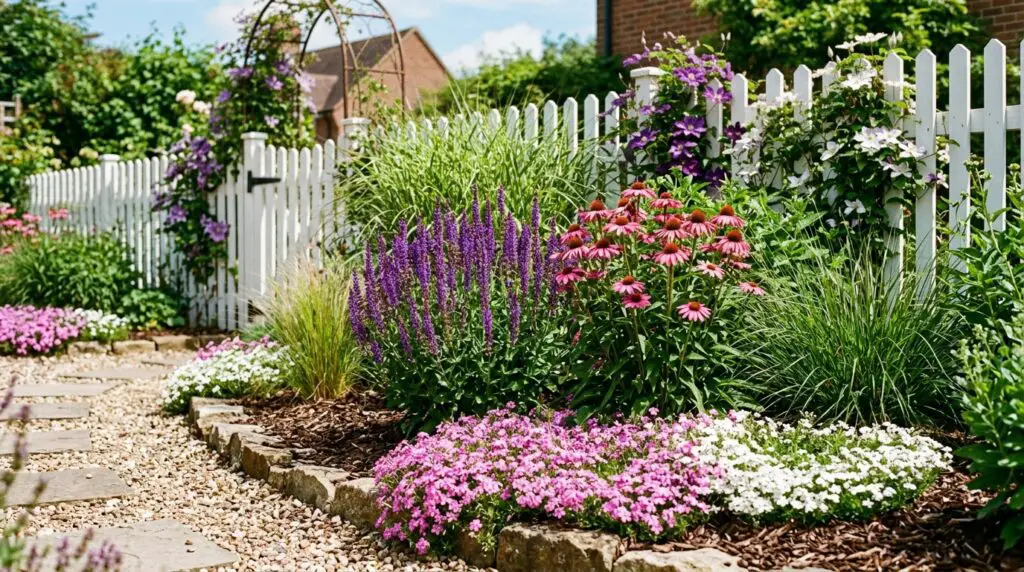
Many homeowners view a south-facing yard as a liability. This is a misconception that limits your design potential. The truth is that some of the most vigorous, colorful, and fragrant plants require intense light to perform their best. When you select the correct varieties, you can create a border that stays colorful from spring to frost without constant coddling. This guide will walk you through choosing the best full sun border plants to transform your hottest spots into your garden’s greatest asset. We will cover everything from low maintenance options to colorful displays that demand attention.
Understanding Full Sun and Site Preparation
Before you head to the nursery, you need to understand what your plants are signing up for. In gardening terms, full sun means a location receives at least six to eight hours of direct sunlight daily. It is not just about brightness. It is about duration and intensity. Plants labeled as shade lovers will become leggy and weak in these conditions. They will stretch toward the light and fail to produce flowers. Conversely, sun-loving plants planted in the shade will rarely bloom and may succumb to rot due to lack of drying heat.
Knowing your site is the first step toward success. Walk your property during different times of the day. Note where the shadows fall from your house, trees, or fences. A spot that is sunny at noon might be shaded by a large oak tree at 4 PM. For the plants we are discussing, you want the midday heat. Once you have identified the zone, you must prepare the soil. Sunny borders often dry out faster than shaded areas. The heat evaporates moisture from the topsoil rapidly.
To combat this, amend your soil with plenty of organic compost before planting. This improves drainage while also helping the soil retain moisture like a sponge. Another critical step is mulching. A two to three inch layer of shredded bark or straw mulch acts as a blanket for the roots. It keeps the soil temperature cooler and reduces evaporation. This simple step sets the stage for drought tolerant border plants full sun varieties to thrive. It reduces the frequency of watering and suppresses weeds that would otherwise compete for resources.
Designing the Layers for Depth and Structure
A flat row of flowers looks nice, but a layered border looks like a professional landscape. To achieve depth, you need to think in three dimensions. The classic design technique involves using thrillers, fillers, and spillers. In a border context, this translates to back, middle, and front layers. This structure ensures that every plant is visible and that the bed looks full from every angle.
Front of Border Plants Full Sun
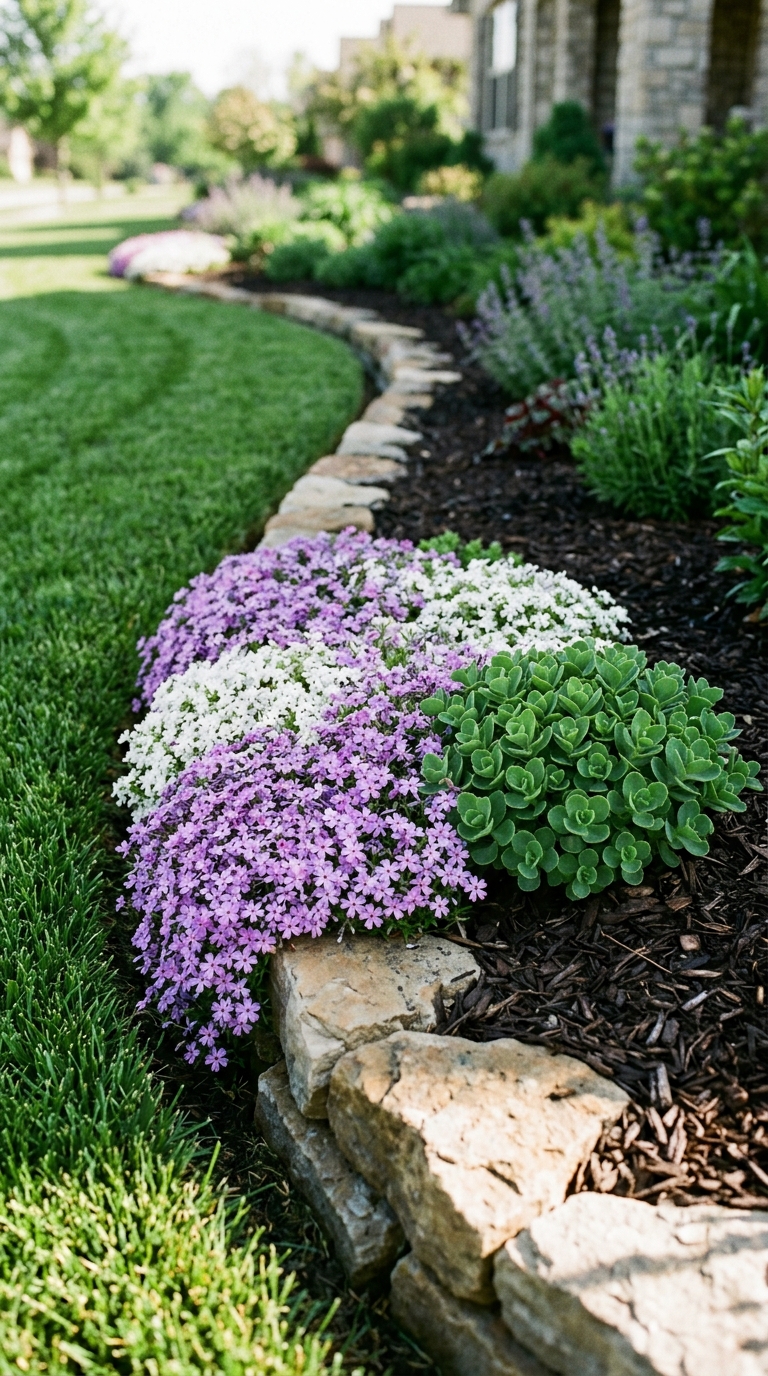
The front layer defines the edge of your garden. These plants should be low growing, typically under twelve inches tall. They frame the bed without blocking the view of the plants behind them. Think of them as the trim on a beautiful picture frame. Creeping Phlox is a fantastic option here. It forms a dense mat of greenery that erupts in purple, pink, or white flowers in early spring. Another excellent choice is Dwarf Sedum. These succulents offer fleshy leaves that store water, making them incredibly resilient during dry spells. They provide texture and color late into the season when other plants are fading. Using low growing varieties here creates a clean line that separates the garden from the lawn or pathway.
Tall Border Plants for Full Sun
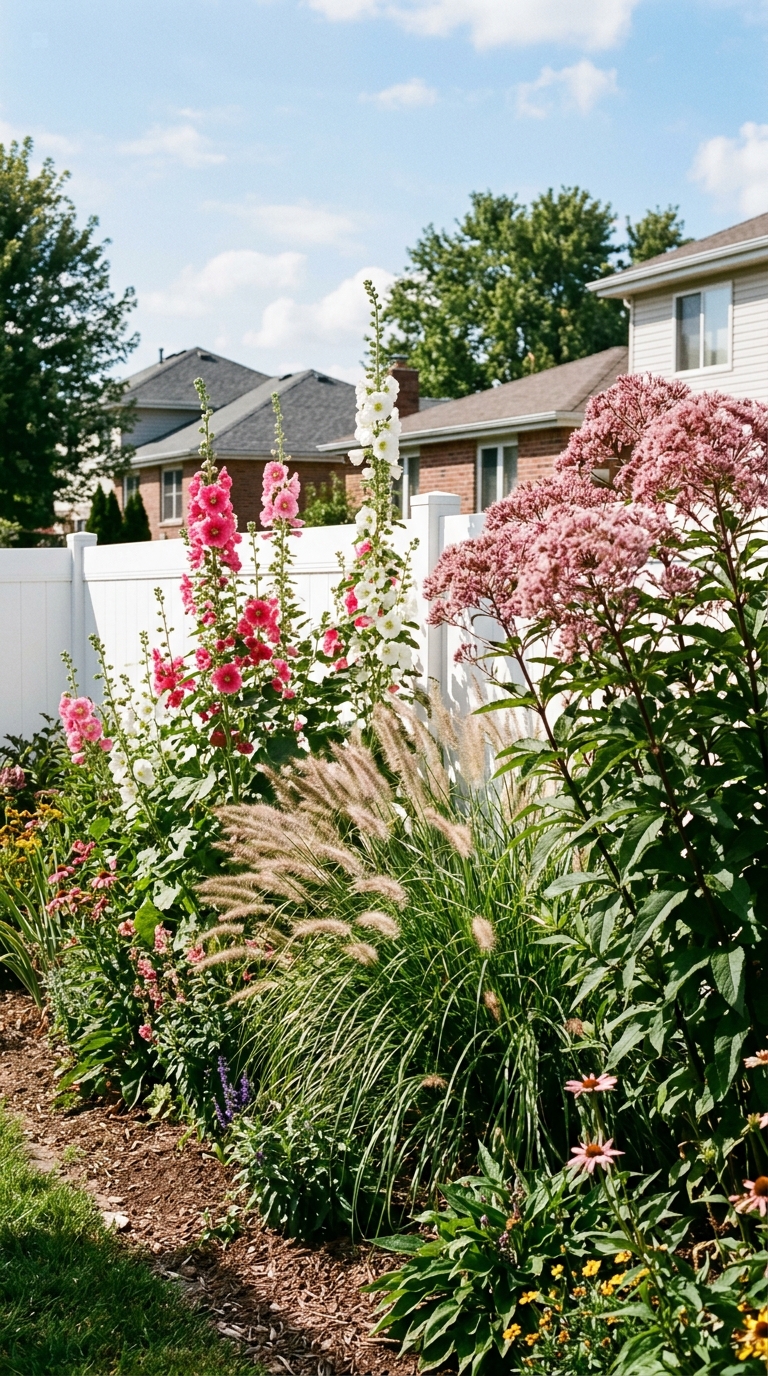
The back layer provides structure and privacy. These are the giants of the border, usually reaching three feet or higher. They create a backdrop that makes the colors in front pop. Hollyhocks are a classic choice for this position. Their tall spikes of blooms draw the eye upward and add vertical drama. Joe Pye Weed is another powerhouse. It can reach up to seven feet tall and features fluffy pink clusters that attract butterflies. Placing these tall border plants for full sun at the rear ensures they do not shade out the smaller varieties. They also help screen unsightly views like fences or air conditioning units.
The Middle Layer
The middle layer fills the gap between the front and back. This is where you place your mid-height perennials, usually between eighteen and thirty inches tall. This zone ensures no bare soil shows through as the season progresses. Plants like Coneflowers and Black Eyed Susans fit perfectly here. They bridge the visual gap and add mass to the design. When you layer these heights correctly, you create a lush look that feels abundant and well planned.
The Top Picks for Heat and Light
Now that you know where to place them, let us choose the stars of the show. The following categories highlight specific needs and styles. Whether you want to save water, attract bees, or keep deer away, there is a plant for you.
Low Maintenance and Perennial Options
For busy homeowners, time is a precious resource. You want a garden that looks good without daily attention. Perennial border plants full sun varieties are the best investment for this. They come back every year, saving you the cost and effort of replanting. Daylilies are the champions of this category. They tolerate poor soil, neglect, and intense heat. Their blooms last only a day, but the plant produces so many buds that you have flowers for weeks. Coneflowers are another sturdy option. Their daisy-like faces nod in the breeze, and their seed heads provide winter interest. These low maintenance full sun border plants allow you to enjoy your garden rather than work in it constantly.
Drought Tolerant Varieties
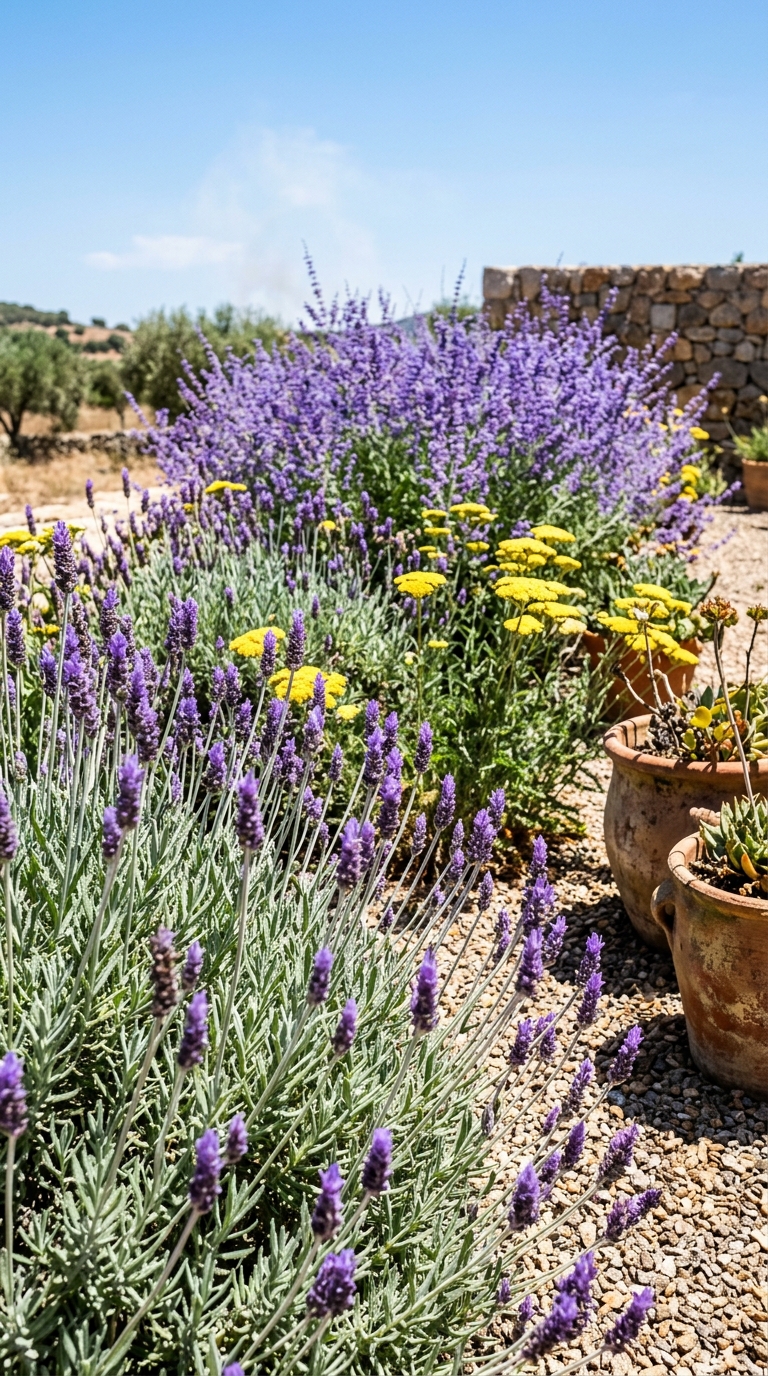
Water restrictions are becoming common in many areas. Even where water is plentiful, conserving it is responsible gardening. Drought tolerant border plants full sun selections are adapted to survive with minimal irrigation. Lavender is a top contender. It offers silvery foliage and fragrant purple spikes that bees adore. Once established, it rarely needs watering. Russian Sage is another excellent choice. It forms a cloud of purple-blue flowers on silver stems. It thrives in hot, dry air where other plants might wilt. Yarrow also belongs in this group. Its flat-topped flower clusters come in shades of red, yellow, and white. These plants actually prefer dry feet and will rot if given too much water.
Colorful Displays
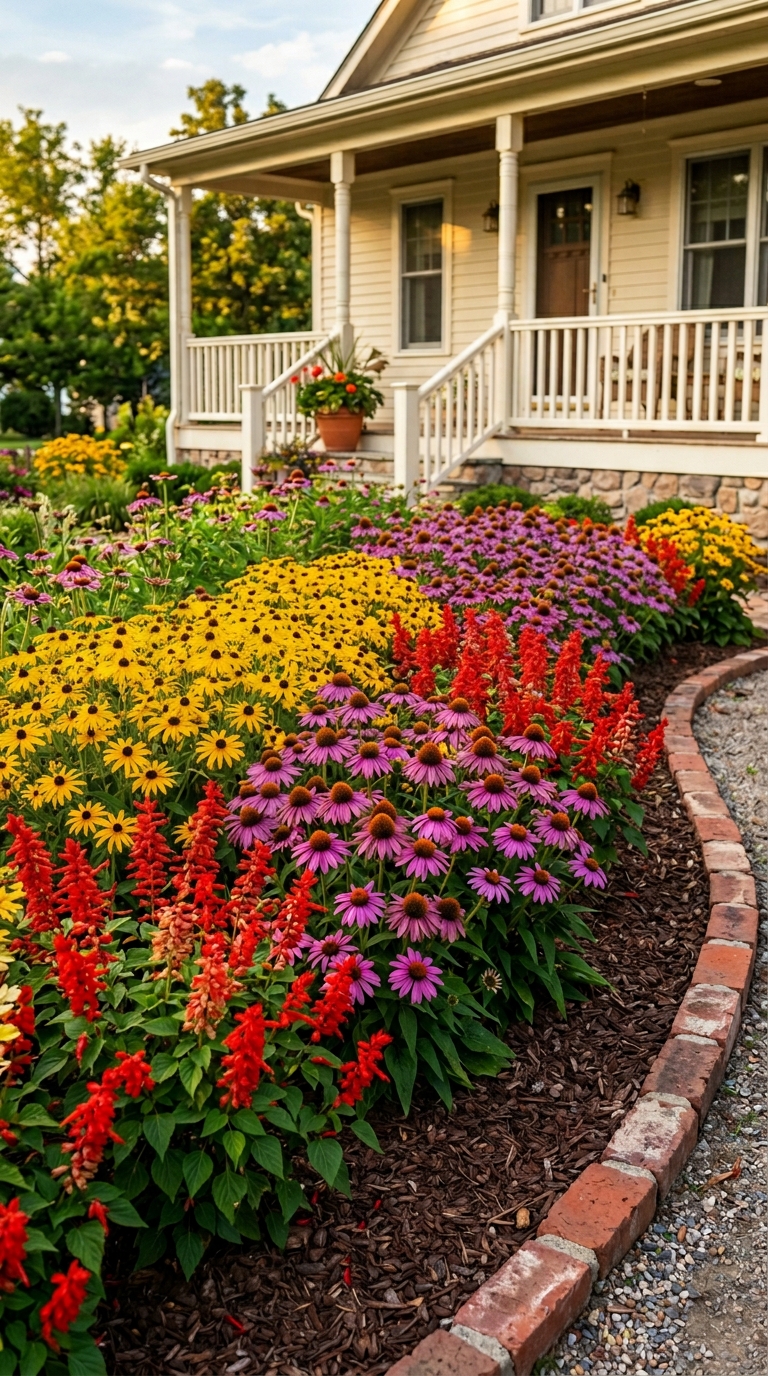
If your goal is visual impact, you need plants that deliver vibrant hues. Colorful full sun border plants keep the energy high throughout the growing season. Salvia is a workhorse for color. It produces spikes of blue, purple, or red flowers from early summer until the first frost. Zinnias are annuals that deserve a spot here too. They come in every color except blue and bloom heavily all summer long. To maximize the effect, group plants in clusters of three or five. A single red flower gets lost. A group of five creates a river of color that guides the eye through the border. Pairing complementary colors, like purple and yellow, creates a dynamic contrast that feels energetic and alive.
Deer Resistant Choices
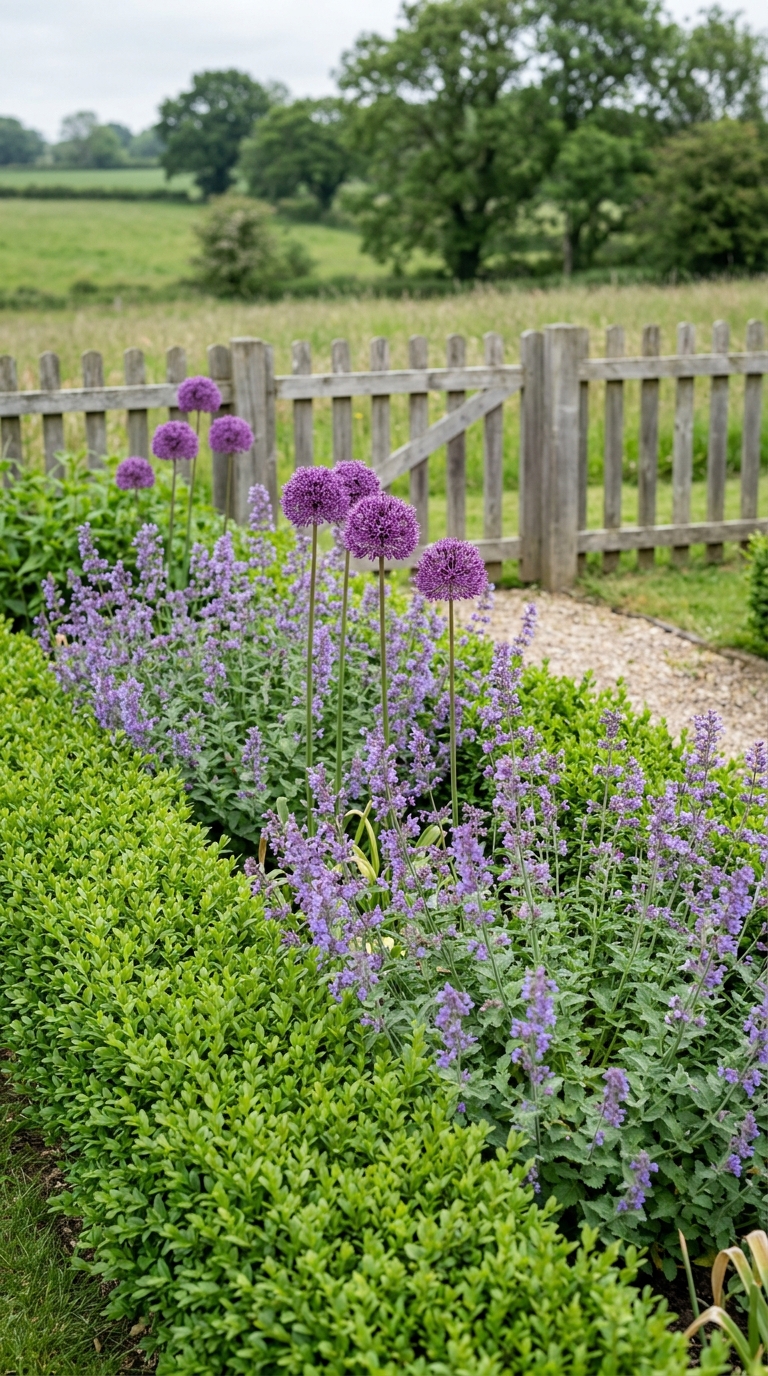
For those in rural or suburban areas, wildlife browsing can be devastating. You can protect your hard work by choosing deer resistant full sun border plants. These varieties have textures or scents that deer find unappealing. Boxwood is a classic evergreen option that deer generally avoid. It provides structure year round. Catmint is another strong deterrent. Its fuzzy leaves and strong scent confuse and repel deer. While no plant is completely deer proof if food is scarce, these options are much less likely to be eaten than hostas or impatiens. Planting a buffer of these varieties around the perimeter can help protect more vulnerable plants inside the border.
Wildlife Friendly Selections
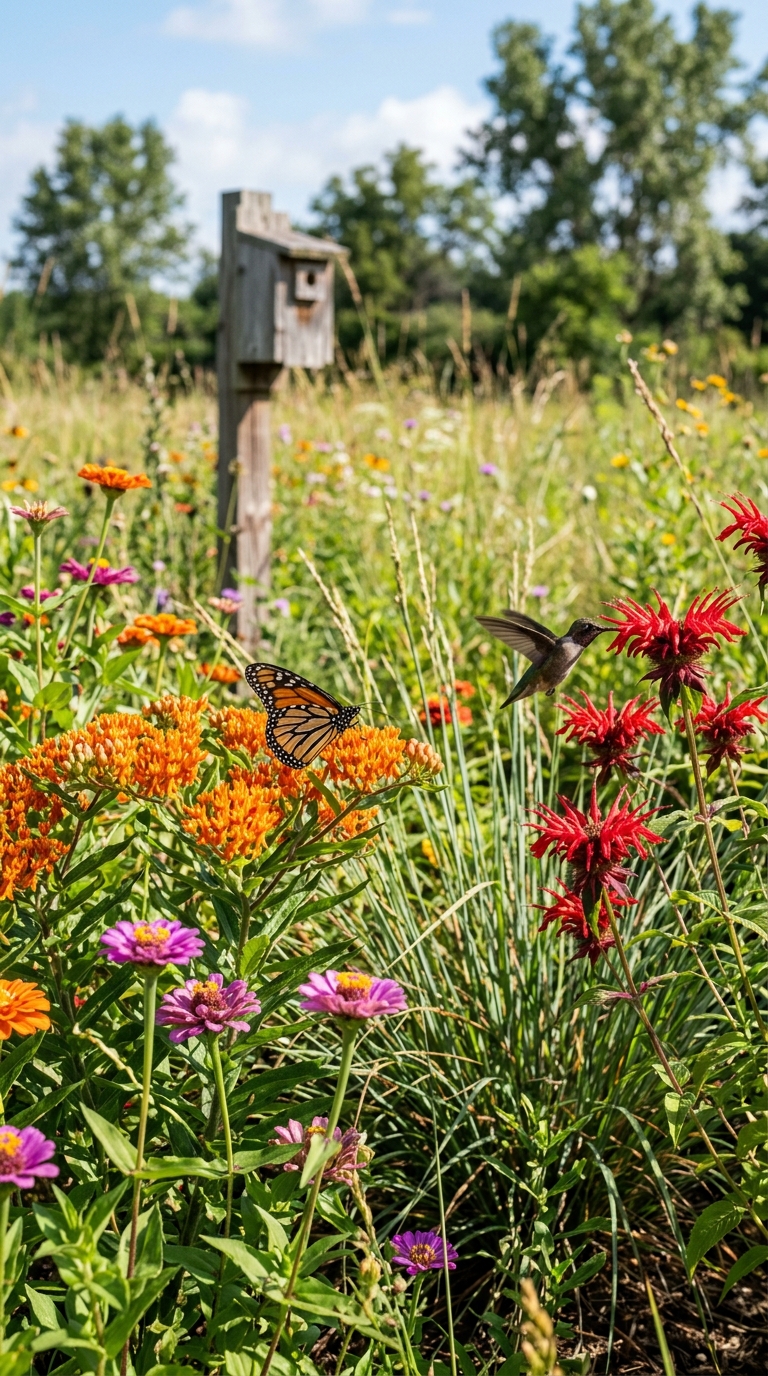
A garden is not just for humans. It is a habitat for birds, bees, and butterflies. Wildlife friendly full sun border plants turn your yard into a sanctuary. Milkweed is essential if you want to support Monarch butterflies. It is the only plant their caterpillars eat. Bee Balm produces tubular flowers that hummingbirds love. Its bright red or pink blooms are a beacon for pollinators. When you include these plants, you invite movement and life into your space. Watching a swallowtail butterfly land on a Zinnia adds a layer of joy that static plants cannot provide. This eco-friendly approach supports local ecosystems while beautifying your home.
Evergreen Structure
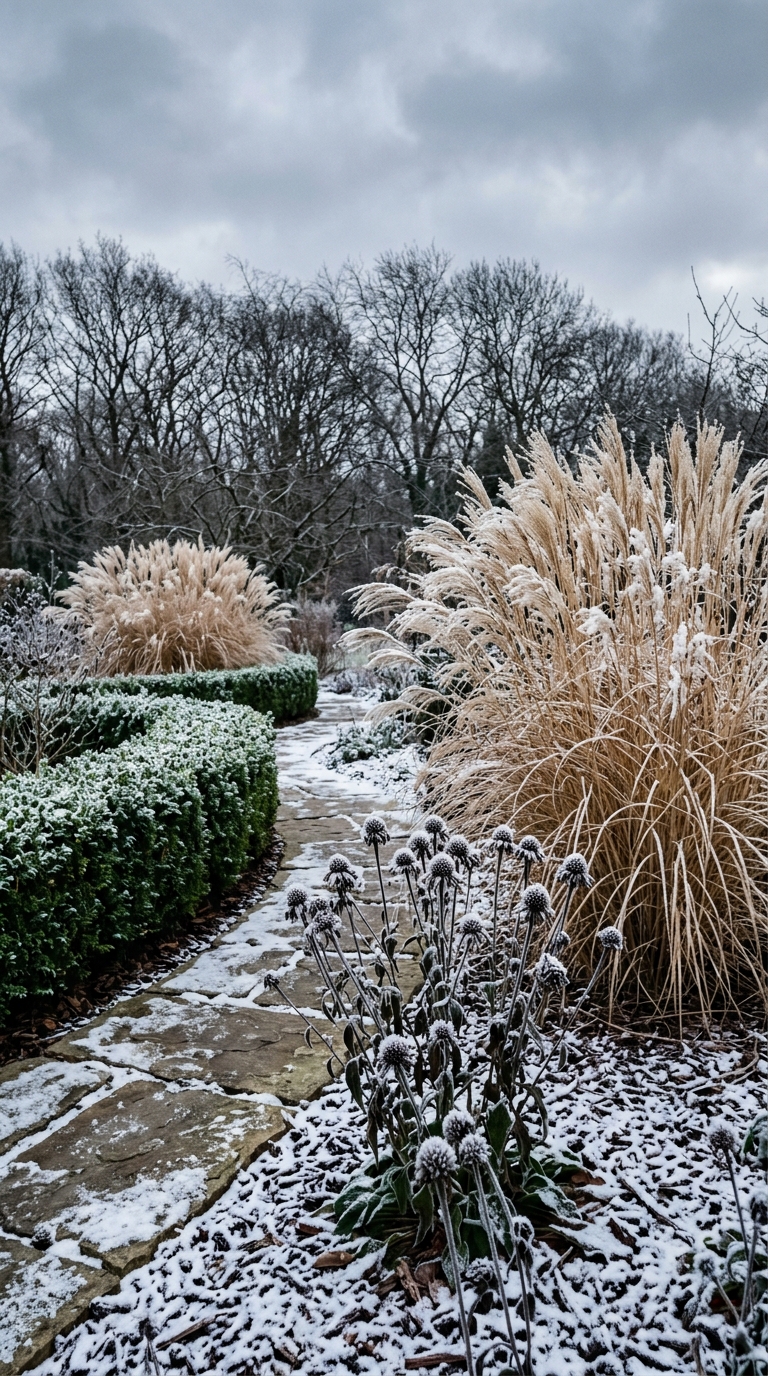
Winter can be hard on a garden. Without leaves, beds can look dead and empty. Evergreen border plants full sun varieties provide year-round structure. Ornamental Grasses are fantastic for this. Varieties like Fountain Grass leave their plumes standing through the snow. They catch the light and add movement during windy winter days. Boxwood, mentioned earlier, also fits here. It maintains its deep green color regardless of the temperature. Having these elements ensures your garden looks purposeful even in January. It provides a skeleton that holds the design together when the flowers are gone.
Style Spotlight: Cottage vs. Contemporary
Your plant choices should reflect the architectural style of your home and your personal taste. Two distinct styles work particularly well in sunny spots.
Cottage Garden Borders
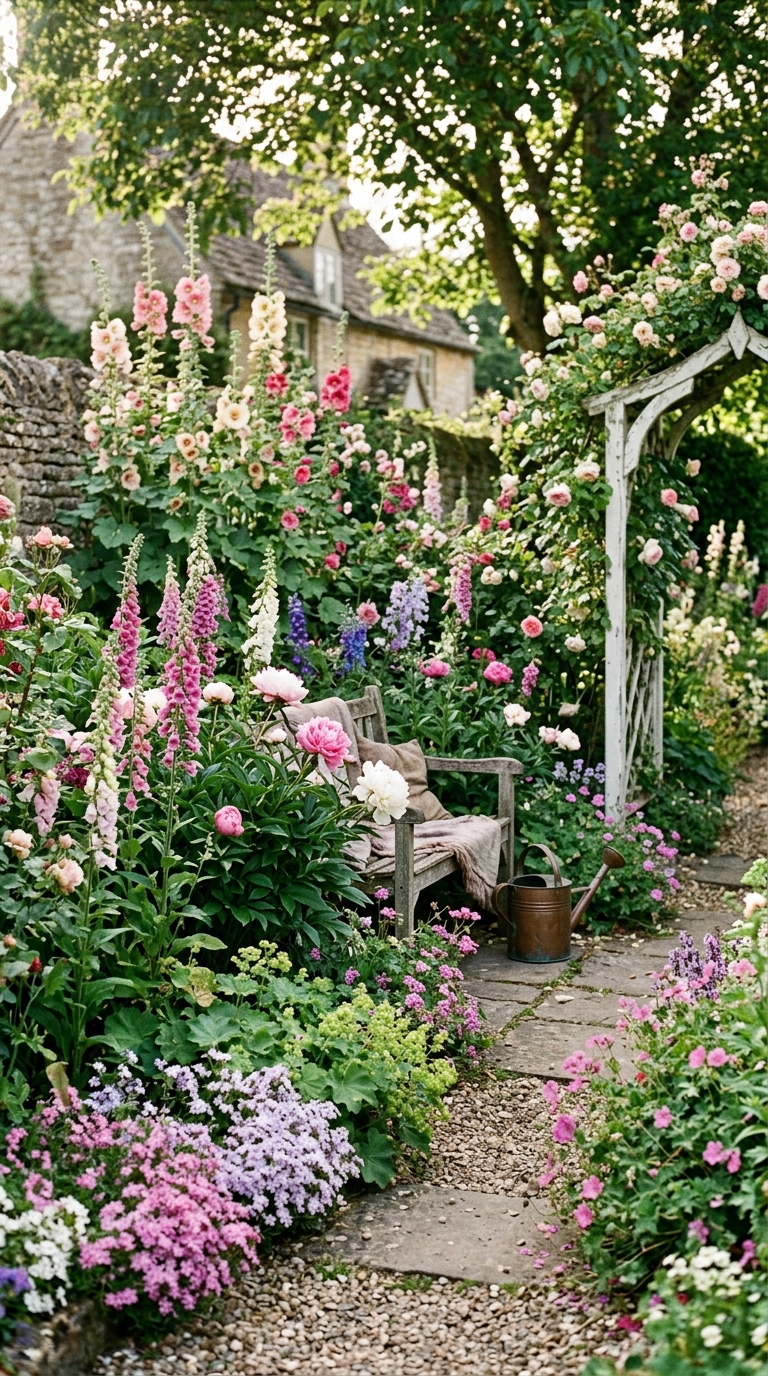
The cottage look is romantic, lush, and slightly wild. It mimics an old English country garden. To achieve this, mix heights and colors freely. Do not worry about perfect rows. Cottage garden border plants full sun selections should feel abundant. Use Hollyhocks at the back for height. Fill the middle with Foxgloves and Peonies. Let Creeping Phlox spill over the edges. The goal is to create a sense of overflow. Plants should touch and intermingle. This style embraces variety. You might have ten different types of plants in a small space. It feels cozy and inviting, like a hug from nature.
Contemporary Borders
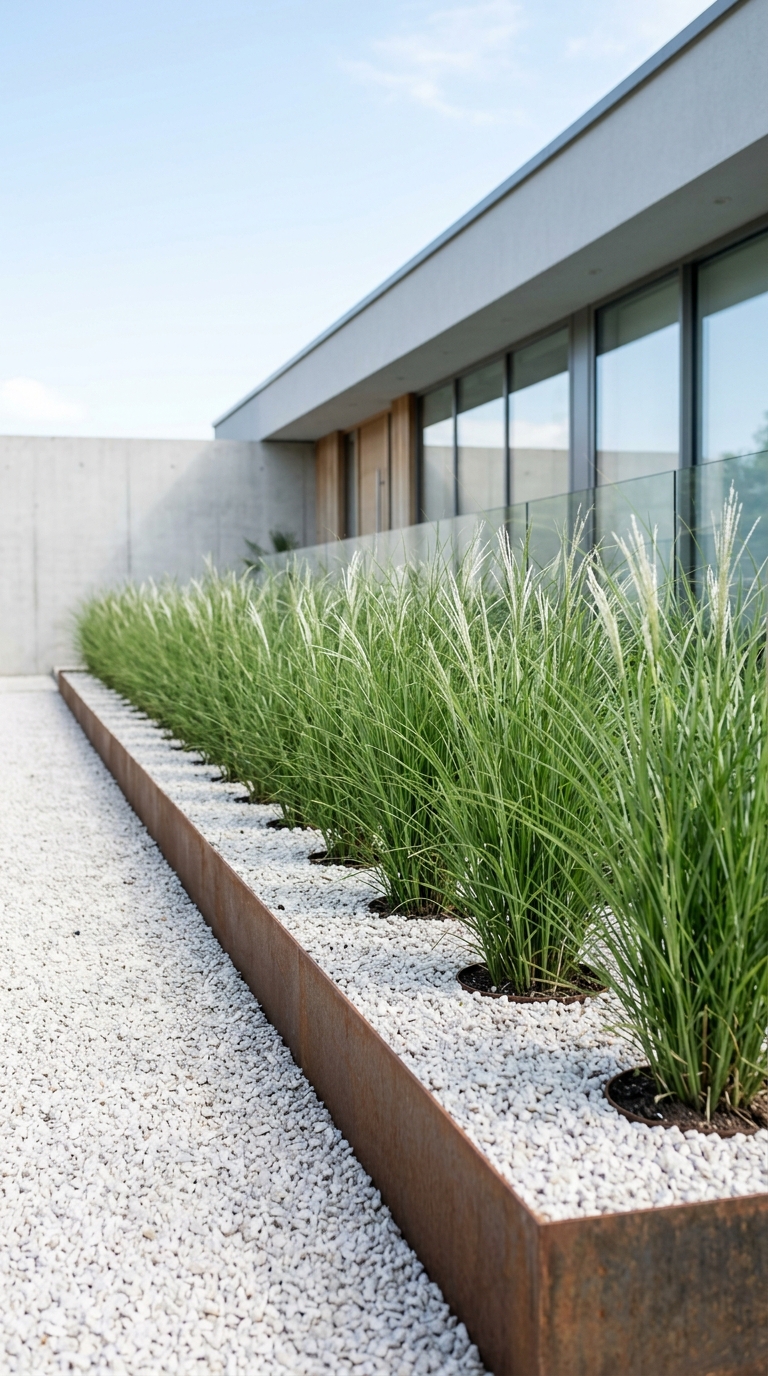
On the other end of the spectrum is the modern or contemporary look. This style is structured, minimalist, and clean. It relies on repetition and form rather than a mix of colors. You might plant a single variety of ornamental grass in a long row. The focus is on the shape of the plant and the texture of the foliage. Color palettes are often restricted to greens, whites, and purples. This approach feels calm and orderly. It works well with modern architecture that features clean lines and large windows. It requires less variety but demands precise placement. Every plant has a specific role in the composition.
Maintenance for Long Lasting Blooms
Even the toughest plants need a little care to look their best. Maintenance is not about hard labor. It is about timely interventions that keep the garden healthy.
Deadheading for More Flowers
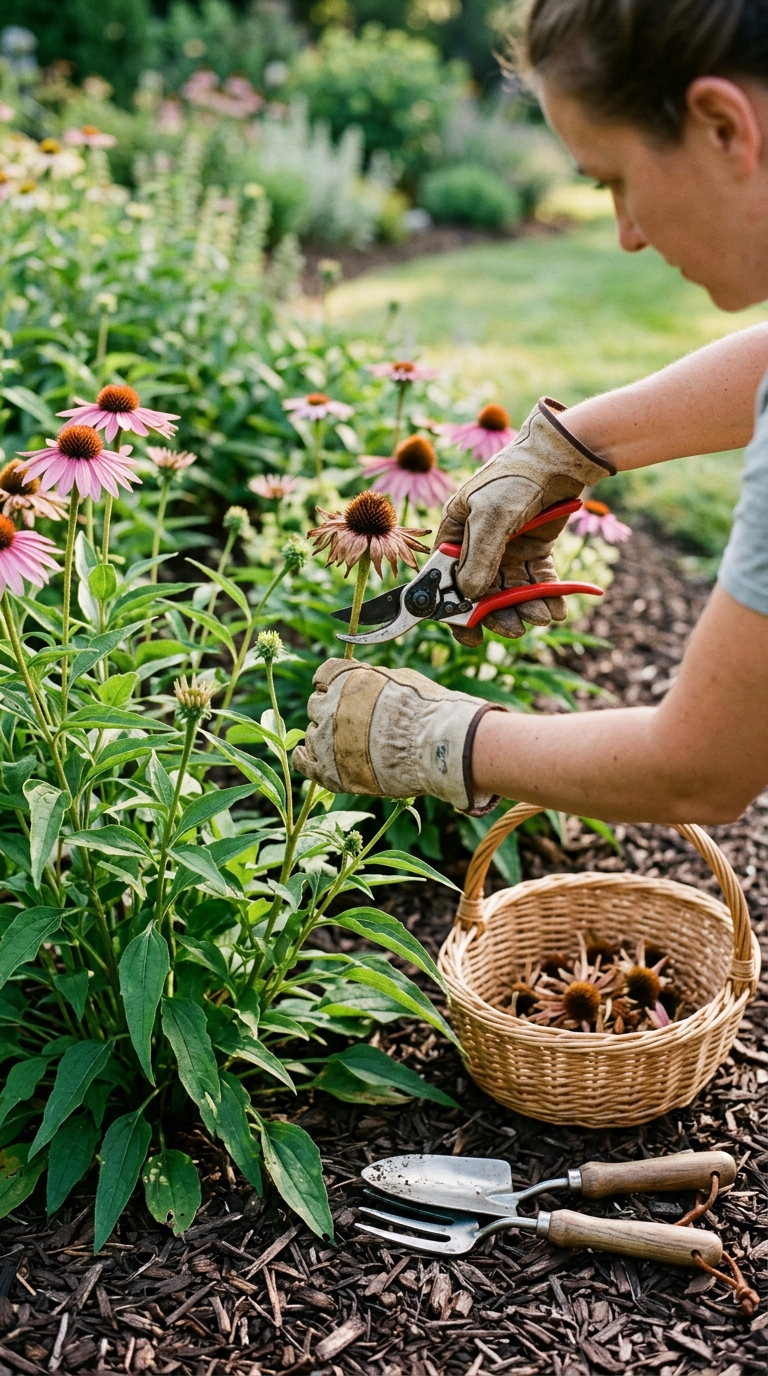
Deadheading is the process of removing spent flowers. When a plant finishes blooming, it wants to make seeds. If you remove the old blooms, the plant thinks it failed its mission. It will produce more flowers to try again. This extends the bloom time significantly for perennial border plants full sun varieties. Use sharp pruners or simply pinch off the heads with your fingers. For plants like Salvia, cutting them back by half after the first flush of blooms can encourage a second round of flowers in late summer.
Dividing for Health and Free Plants
Many sun-loving perennials grow vigorously. Over time, the center of the plant may die out, leaving a ring of growth. This is a sign it needs dividing. Every three to four years, dig up the clump in early spring or fall. Split it into smaller sections with a shovel. Replant the outer edges and discard the woody center. This rejuvenates the plant and gives you new specimens to move elsewhere. It is essentially getting free plants for your effort. This keeps your border dense and healthy without buying new stock.
Seasonal Care and Cleanup
Knowing when to cut back is vital. Some plants benefit from being cut to the ground in late fall. Others should be left standing. Ornamental grasses and plants with interesting seed heads should remain until spring. They provide food for birds and visual interest during the snow. Cut them back in early spring before new growth emerges. This protects the crown of the plant from winter moisture. Always clean up fallen leaves in the autumn to prevent fungal diseases from overwintering in the debris. A clean garden is a healthy garden.
Your Sun Drenched Sanctuary
A sunny spot is an opportunity, not an obstacle. You have the power to transform that harsh glare into a display of resilience and beauty. By selecting the right partners, you can build a border that thrives when others fail. Remember to start small if you feel overwhelmed. Pick one corner of your yard. Choose three plants from the list above that speak to you. Observe how they handle the heat. Learn from their performance and expand from there.
Gardening is a journey of observation and adjustment. You will find that some plants surprise you with their vigor. Others might need a different spot. This is part of the process. The goal is to create a space that brings you joy when you step outside. A beautiful garden is not about avoiding the sun. It is about choosing partners that love the light as much as you do. So grab your trowel and embrace the heat. Your sizzling sanctuary awaits