
Garden Hacks That Actually Work: Clever Tips for Small Spaces, Busy Schedules & Bountiful Harvests
You’ve seen the perfect garden photos, the overflowing raised beds, the impossibly tidy tool sheds, the herbs spilling from every windowsill. And if you’ve ever stood in your own patch of dirt (or tiny balcony) feeling utterly defeated, you’re not alone.
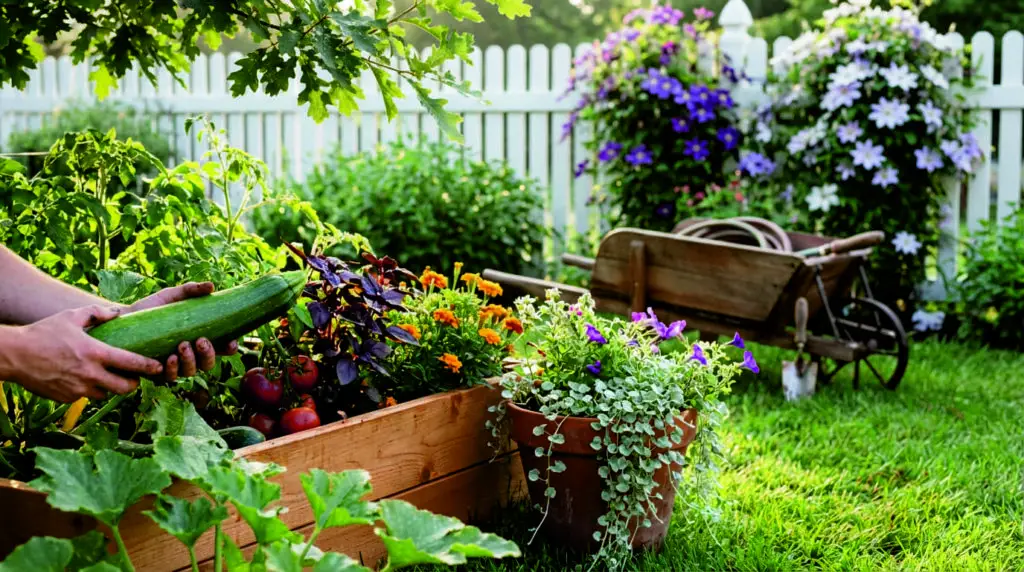
Here’s the secret the glossy magazines won’t tell you: great gardens aren’t built on perfection, they’re built on clever shortcuts. Forget backbreaking tilling and expensive gadgets. This season, we’re trading overwhelm for “aha!” moments. From reviving sad seedlings with a kitchen staple to growing a salad bar in a single bucket, these ten garden hacks transform struggle into satisfaction, no green thumb required. Let’s dig in.
Why Hacks Beat Hard Labor Every Time
Let’s be honest: traditional gardening advice can feel like a part-time job you never applied for. Wake before dawn to hand-water? Spend weekends bent double weeding? Invest in tools that live in the garage gathering dust? No thank you. The most joyful gardens I’ve visited, and the most productive ones, belong to people who work smarter, not harder. They’ve discovered that nature actually wants to cooperate with us; we just need to stop fighting it.
These hacks aren’t cheating. They’re about aligning with how plants naturally thrive while honoring our very real constraints: postage-stamp yards, jam-packed schedules, and the occasional forget-to-water-for-three-days reality of modern life. Think of this as your permission slip to garden with grace, not gritted teeth.
The No-Dig Revolution: Grow More by Doing Less
How to Build a Garden Bed Without Breaking Your Back
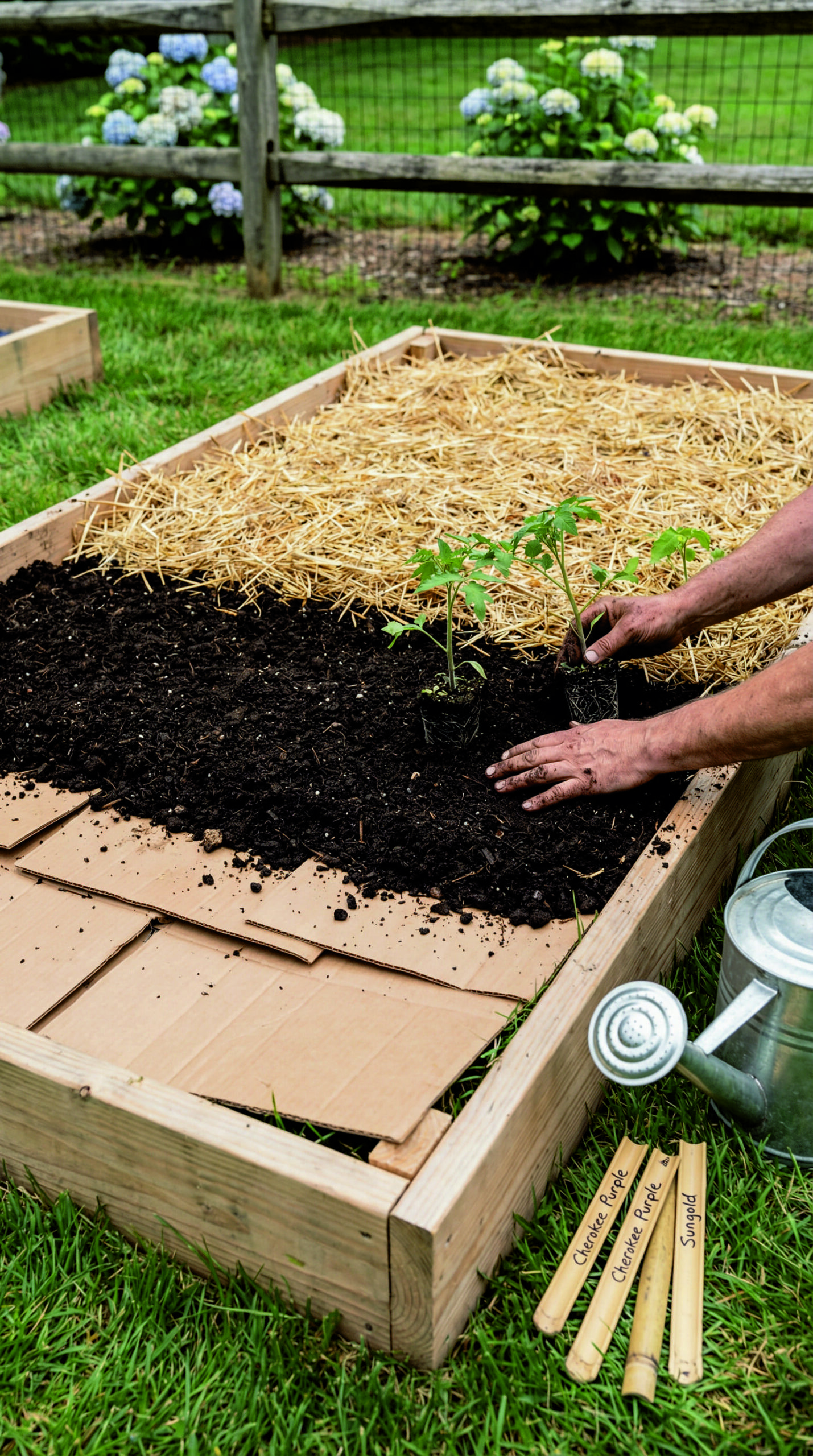
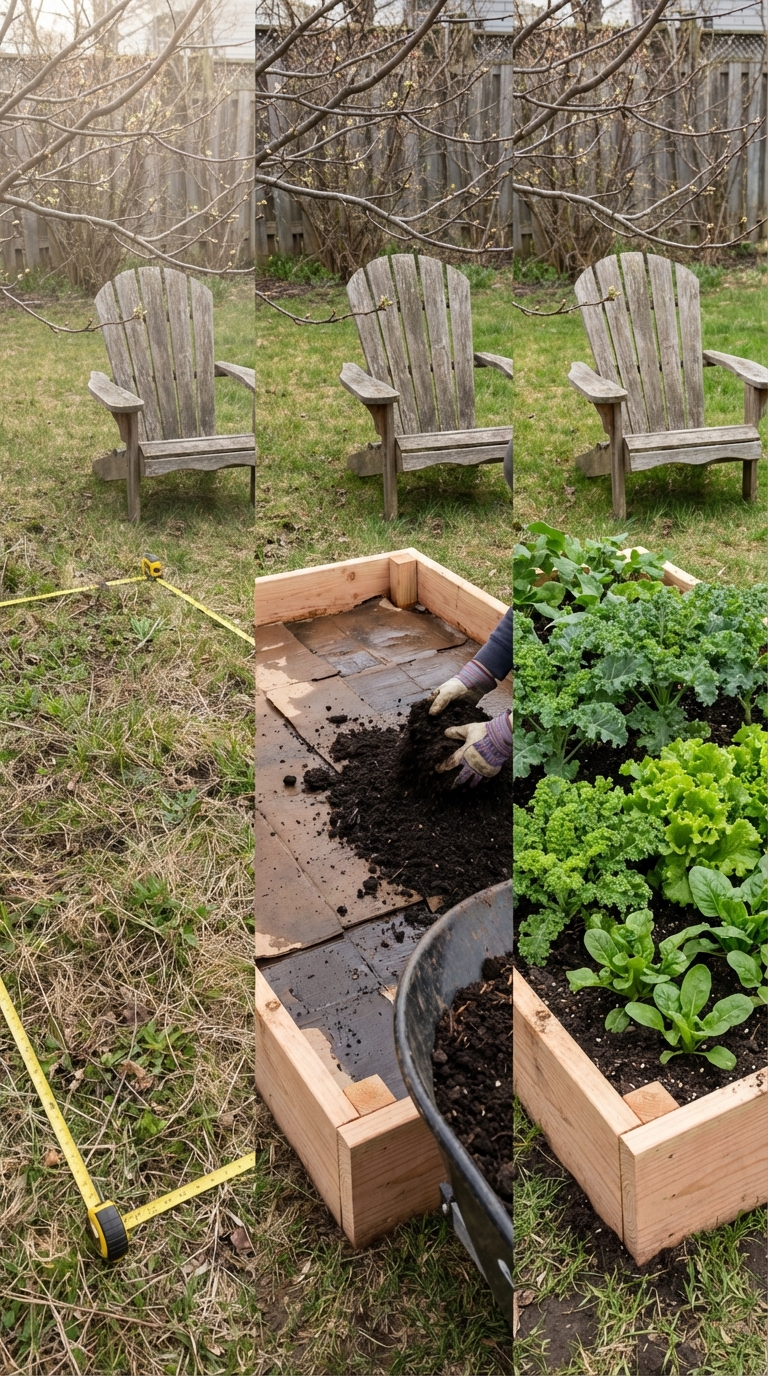
Remember that exhausting ritual of turning soil every spring? Toss it out the window. The no-dig method flips conventional wisdom on its head: instead of disturbing the soil’s delicate ecosystem, we build upward. Start with a layer of cardboard (remove any tape) laid directly over grass or weeds. Wet it thoroughly, this smothers existing growth while inviting earthworms upward. Next, add four inches of compost, followed by two inches of straw or shredded leaves. That’s it. Wait two weeks, then plant directly into the compost layer. Seeds germinate beautifully; transplants slip right in.
Why Nature Loves This Approach
Beneath our feet lives a bustling metropolis of fungi, bacteria, and earthworms, the unsung heroes of plant health. Tilling shreds this network to pieces, forcing soil life to rebuild from scratch each season. No-dig gardening preserves these relationships, resulting in soil that actually improves year after year. You’ll notice fewer weeds (the cardboard barrier blocks them), better moisture retention (no exposed soil to bake in the sun), and plants with noticeably stronger root systems. I converted my entire vegetable patch using this method three years ago. Last summer, I harvested more tomatoes than ever before, all while spending my weekends sipping lemonade instead of wrestling with a rototiller.
Container Gardening That Doesn’t Look… Well, Container-y
Mix It Up for Maximum Visual Impact
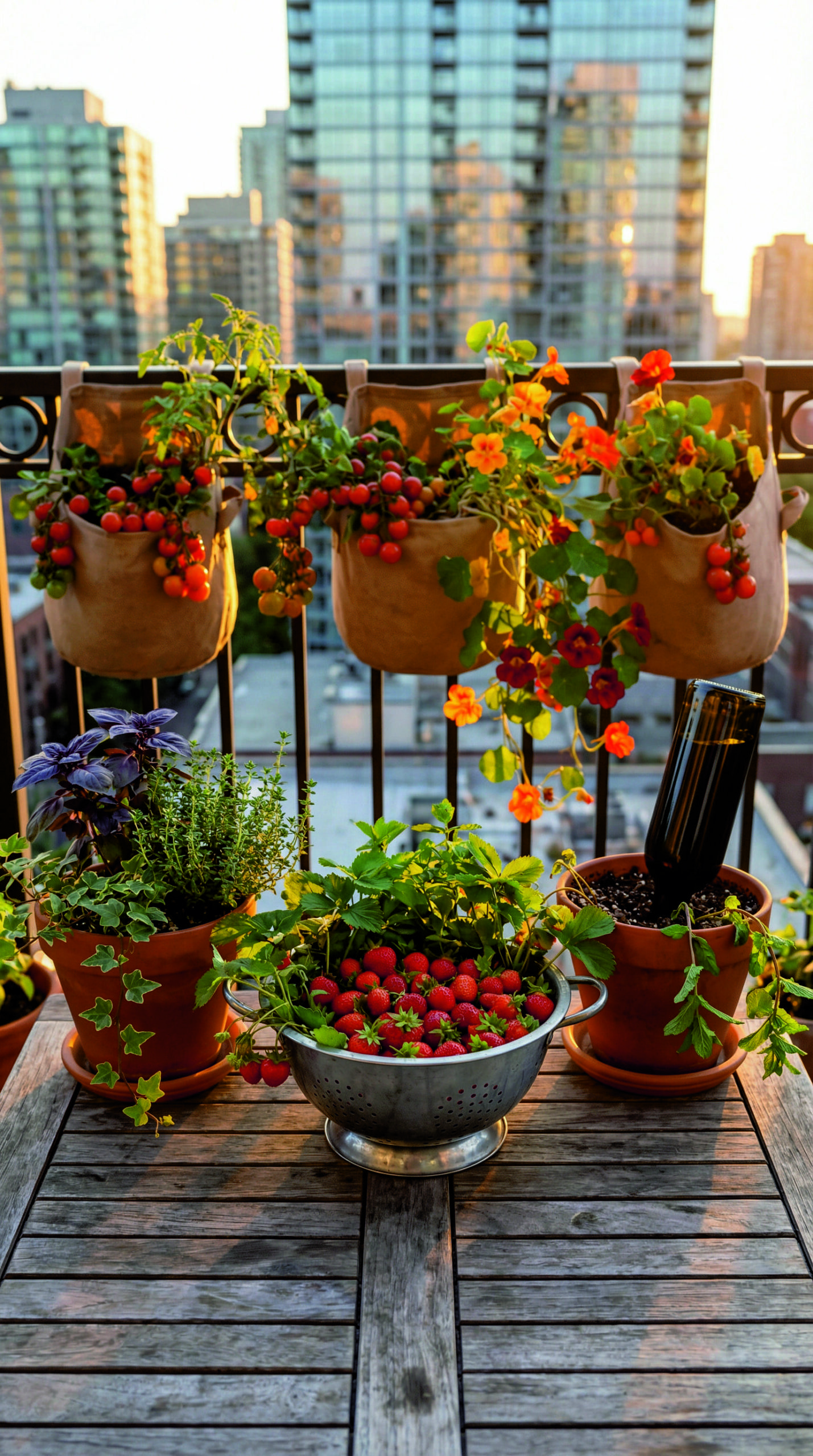
The secret to containers that look lush rather than lonely? Ditch the single-plant-per-pot rule. Create mini-ecosystems by combining three types of plants in one vessel: a “thriller” (tall focal point like purple fountain grass), a “filler” (mid-height bloomers like petunias), and a “spiller” (trailing plants like sweet potato vine). This layered approach mimics nature’s density and creates visual interest from every angle. Don’t worry about plants competing, when chosen thoughtfully, they actually support each other by shading soil and creating microclimates.
Unexpected Vessels with Serious Charm
Your local nursery’s plastic pots have their place, but let’s talk personality. Vintage colanders make brilliant strawberry planters (all those drainage holes are perfect). Fabric grow bags breathe beautifully for tomatoes and peppers. Even an old wooden wine crate transforms into a charming herb garden with a quick lining of landscape fabric. Just remember: whatever you choose needs drainage. No holes? Drill them. Plants would rather have wet feet briefly than drown slowly.
The Self-Watering Wine Bottle Trick
For vacation-proof containers or forgetful gardeners (raising my hand here), try this: fill a glass wine bottle with water, then plunge the neck firmly into the soil near your plant’s roots. The water seeps out gradually as the soil dries, keeping moisture consistent for days. It’s not high-tech, but it’s remarkably effective, and oddly satisfying to watch.
The 15-Minute Tool Tidy That Saves Hours All Season
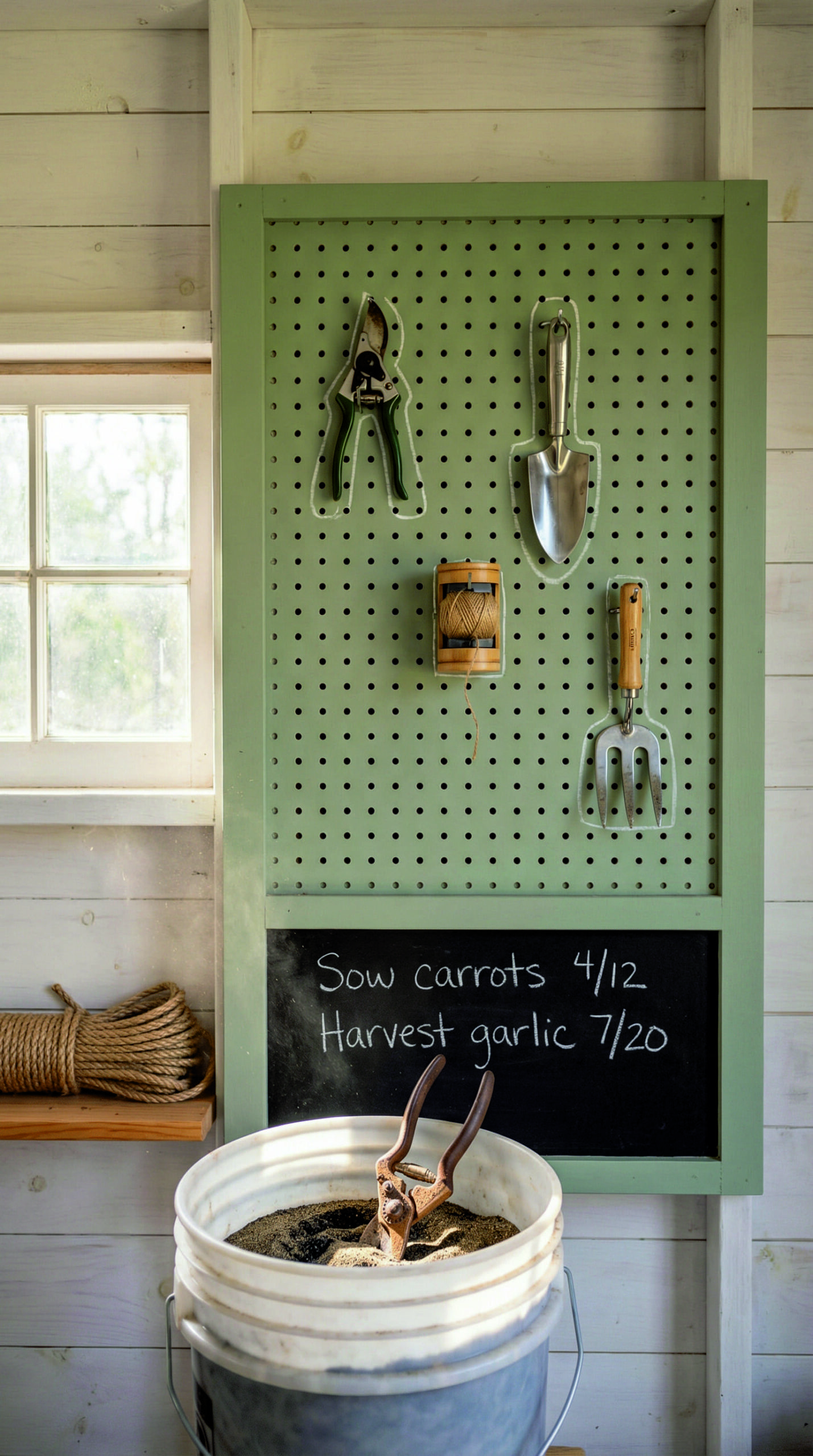
Pegboard Magic for the Clutter-Prone
That jumble of trowels, pruners, and twine in your shed corner? Let’s transform it in one Saturday morning. Mount a painted pegboard on a shed or garage wall. Before hanging anything, trace each tool’s outline with a pencil, then label it lightly in chalk (“hand trowel,” “Felco pruners”). When tools have a designated shadow, putting them away becomes effortless, and you’ll instantly spot what’s missing before heading to the garden. I added a small chalkboard section at the bottom to jot down planting dates or seed-starting reminders. This simple system cut my “where did I put the twine?” frustration by 90 percent.
The Tool Hospital Bucket
Even well-loved tools need spa days. Keep a five-gallon bucket filled with a 50/50 mix of sand and vegetable oil in your shed. When pruners get sticky or trowels develop rust spots, plunge them into the mixture and work them back and forth a few times. The sand scrubs away grime while the oil conditions metal and prevents future corrosion. It takes two minutes and extends tool life for years.
Companion Planting Made Stupid Simple
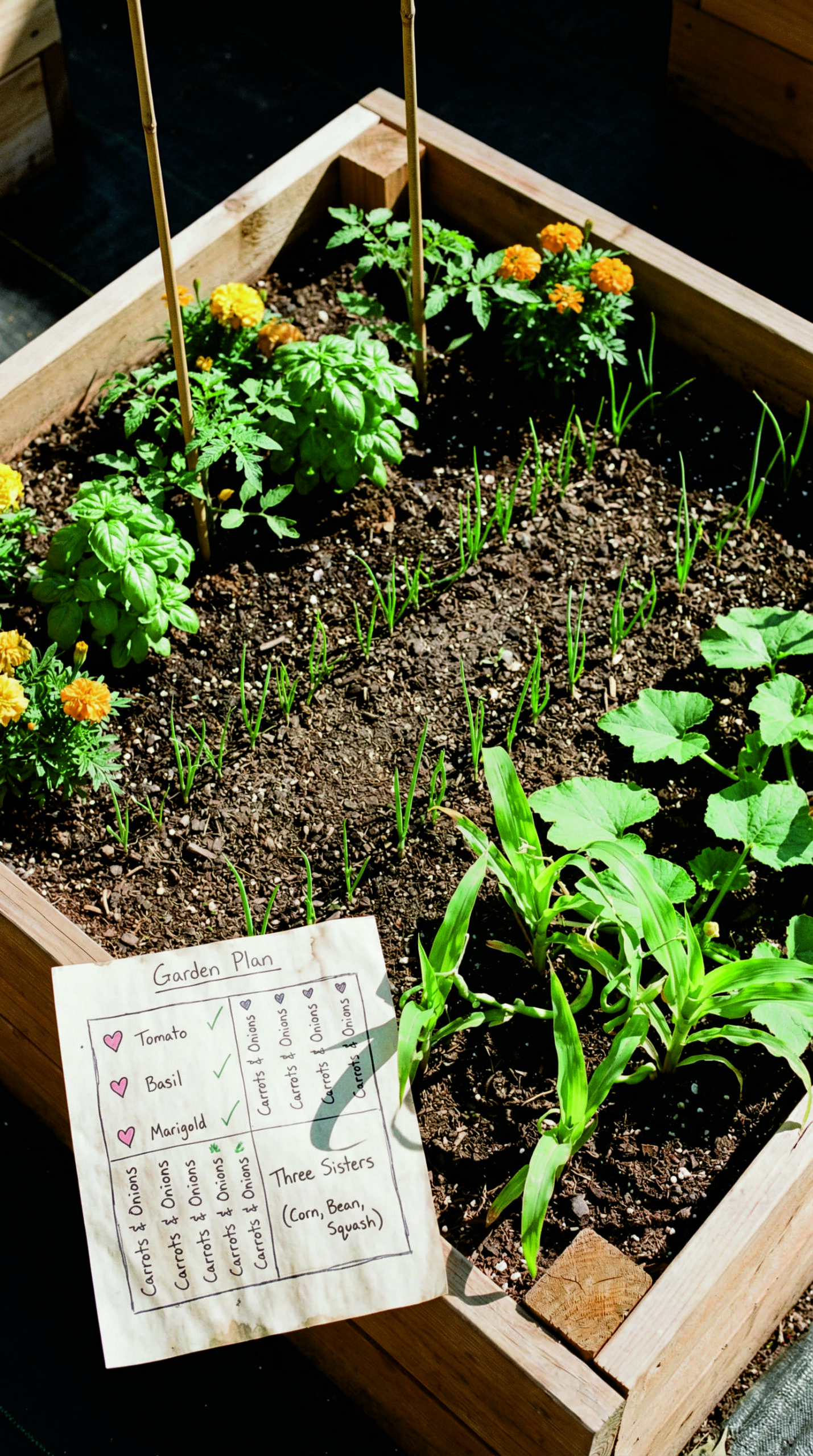
Three Powerhouse Pairs to Memorize
Forget overwhelming charts with dozens of plant relationships. Start with these three foolproof combinations that deliver real results:
Tomatoes and basil grow better together, basil’s scent confuses pests that target tomatoes, and many gardeners swear the tomatoes taste sweeter. Plant basil every few tomato plants throughout your bed.
Carrots and onions are natural allies. Onion’s strong smell masks carrots from carrot fly, while carrots’ feathery foliage doesn’t compete with onions for space above ground.
The legendary “Three Sisters”, corn, beans, and squash, form a perfect symbiotic trio. Corn provides structure for beans to climb, beans fix nitrogen in the soil to feed all three plants, and squash’s broad leaves shade the soil, suppressing weeds and retaining moisture.
Flowers That Pull Double Duty
Don’t relegate flowers to the ornamental border. Marigolds planted among vegetables deter nematodes and other soil pests. Nasturtiums act as a trap crop for aphids, drawing them away from your prized crops (then you can simply snip off the affected nasturtium leaves). Plus, both are edible, marigold petals add sunshine color to salads, and nasturtium leaves offer a delightful peppery kick.
Companion Planting Cheat Sheet (Printable!)
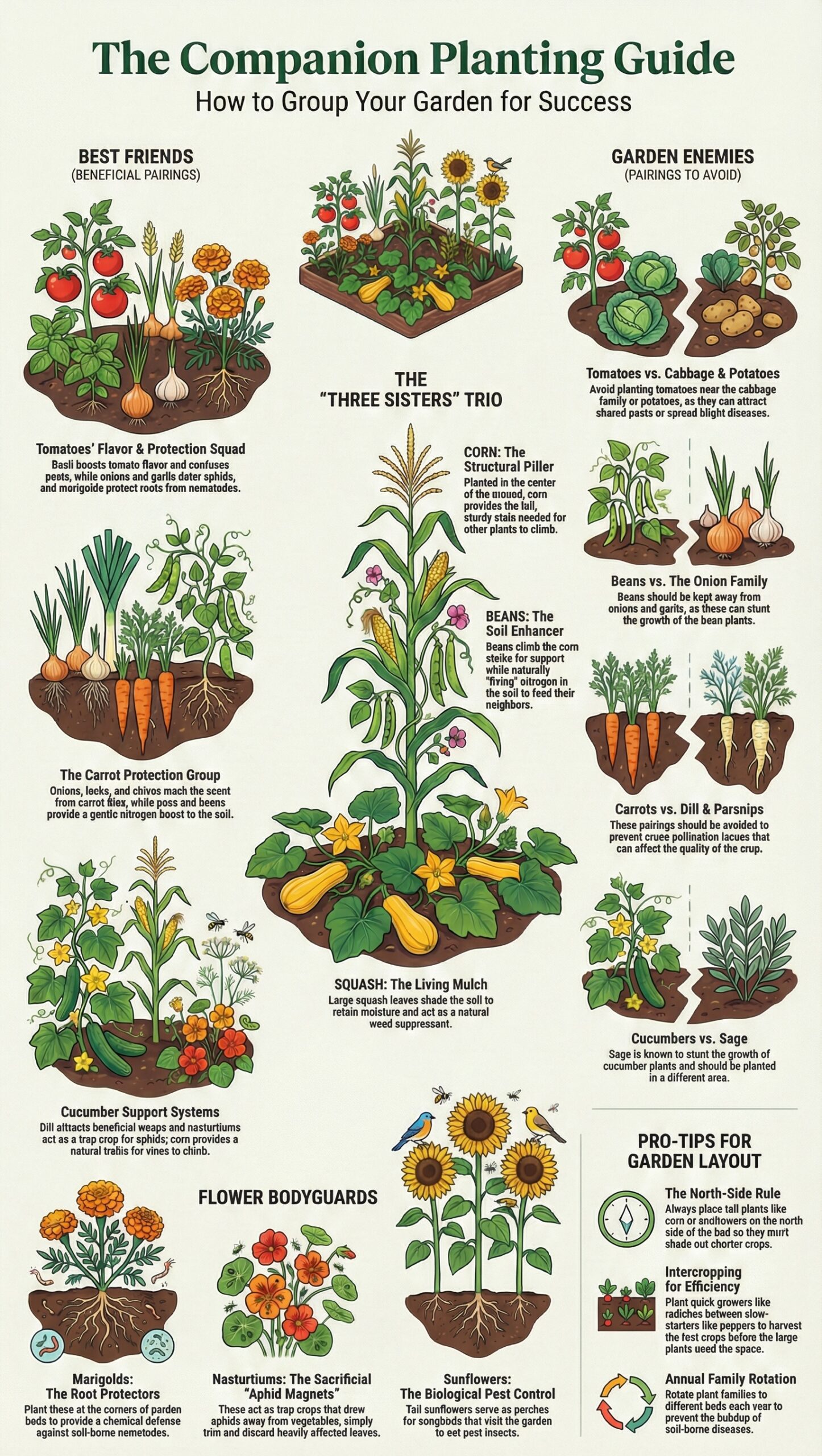
Click to Download Companion Planting Cheat Sheet
Drought-Tolerant Doesn’t Mean Desert-Bland
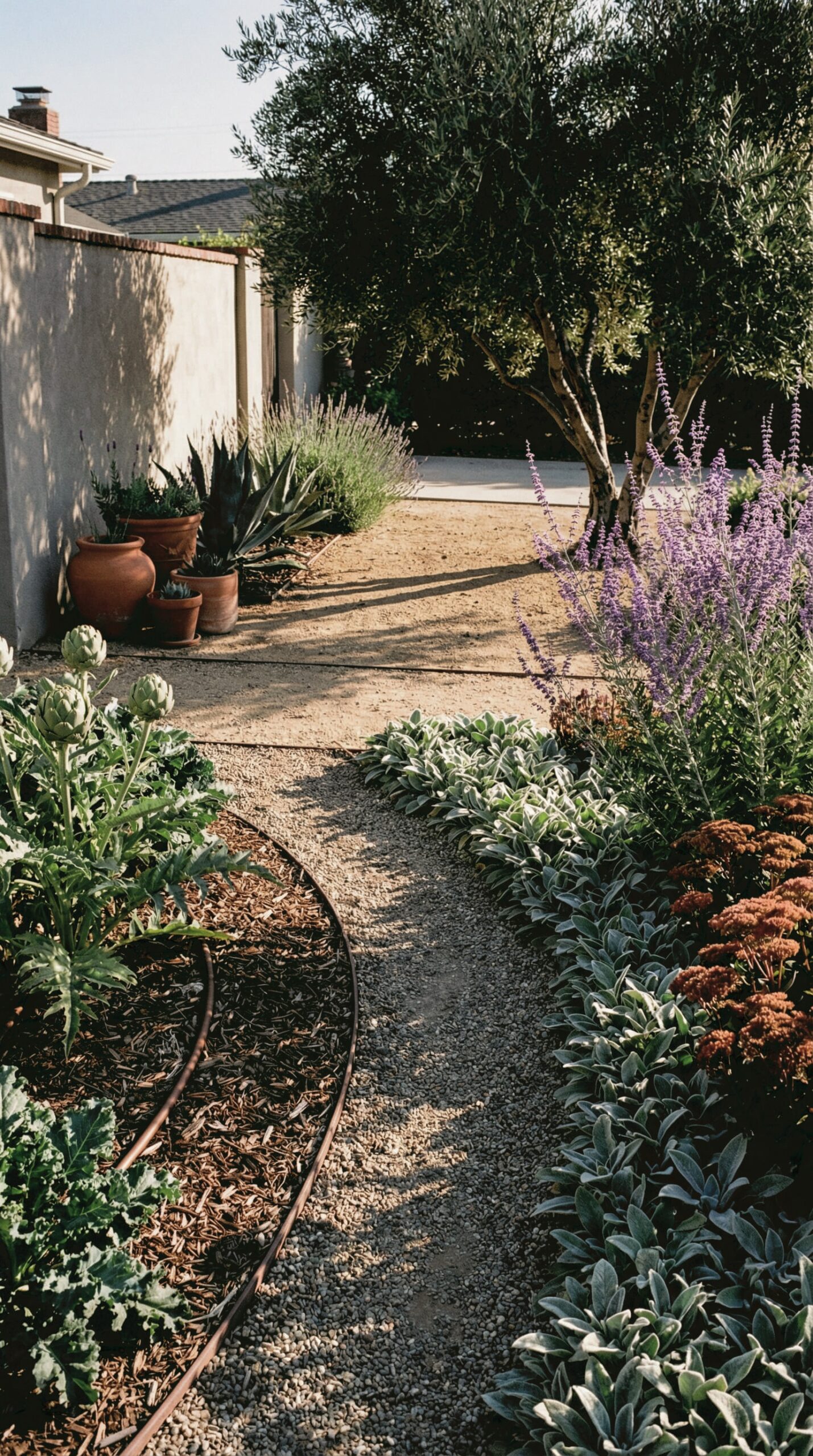
Hydrozoning: Water Wisely, Not Widely
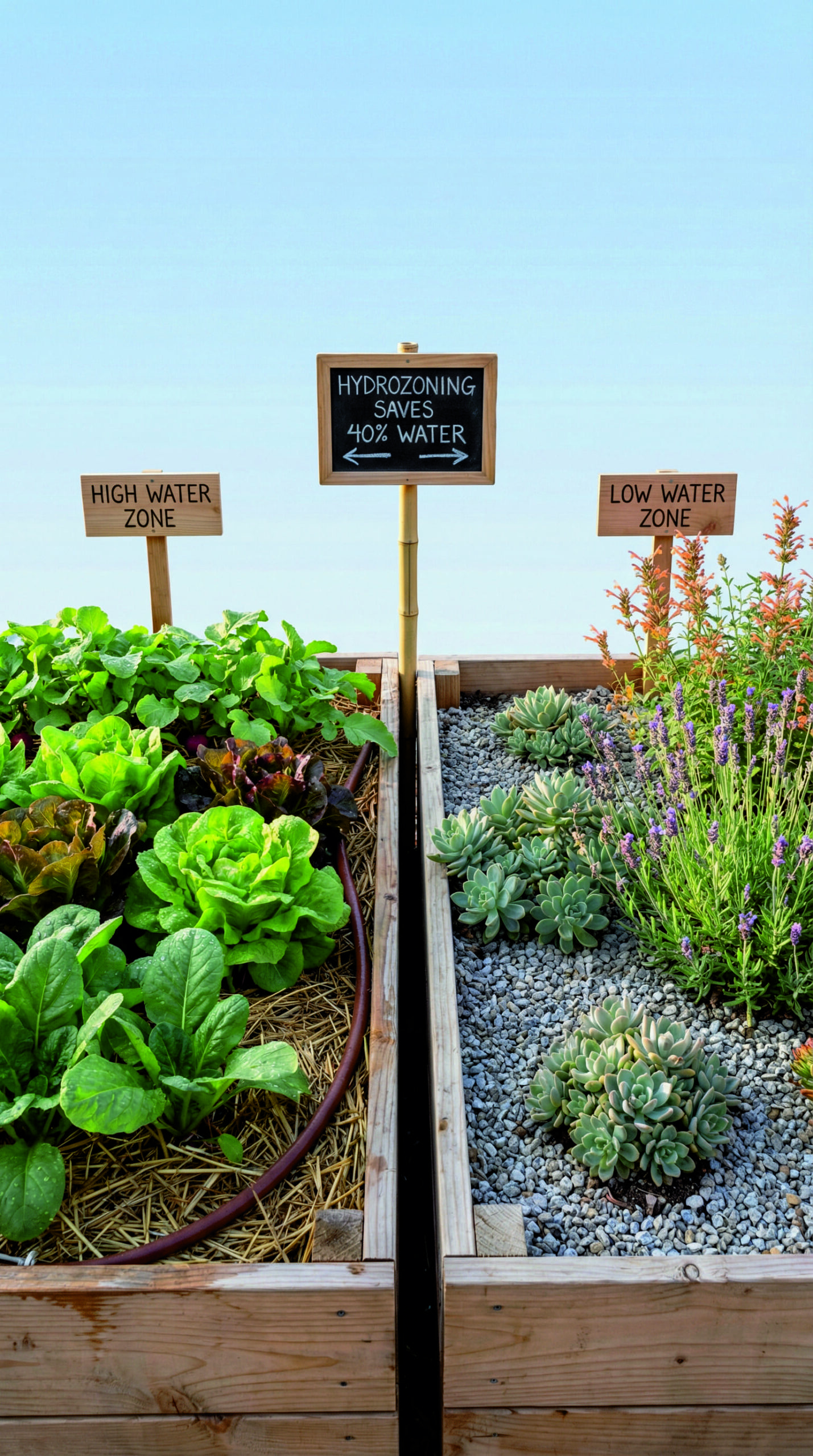
Here’s a game-changing concept: group plants by their water needs rather than by aesthetics alone. Create “hydrozones” in your garden, place thirsty plants like tomatoes and cucumbers together near your water source, and drought-tolerant varieties like lavender and sedum in another area. This simple shift can reduce water usage by forty percent because you’re not overwatering tough plants to keep delicate ones alive. Your water bill, and local aquifers, will thank you.
Surprisingly Lush Low-Water Options
Drought-tolerant doesn’t mean boring. Russian sage offers airy purple blooms that sway beautifully in summer breezes. ‘Autumn Joy’ sedum transforms from pale green in spring to coppery-bronze in fall, providing months of interest. And lamb’s ear, those impossibly soft, silvery leaves, creates a textural carpet that invites touch while requiring almost no supplemental water once established. These plants don’t just survive dry spells; they thrive in them, often blooming more profusely when slightly stressed.
The Indoor Herb Garden That Survives Your Winter Neglect
Light Without the Expense
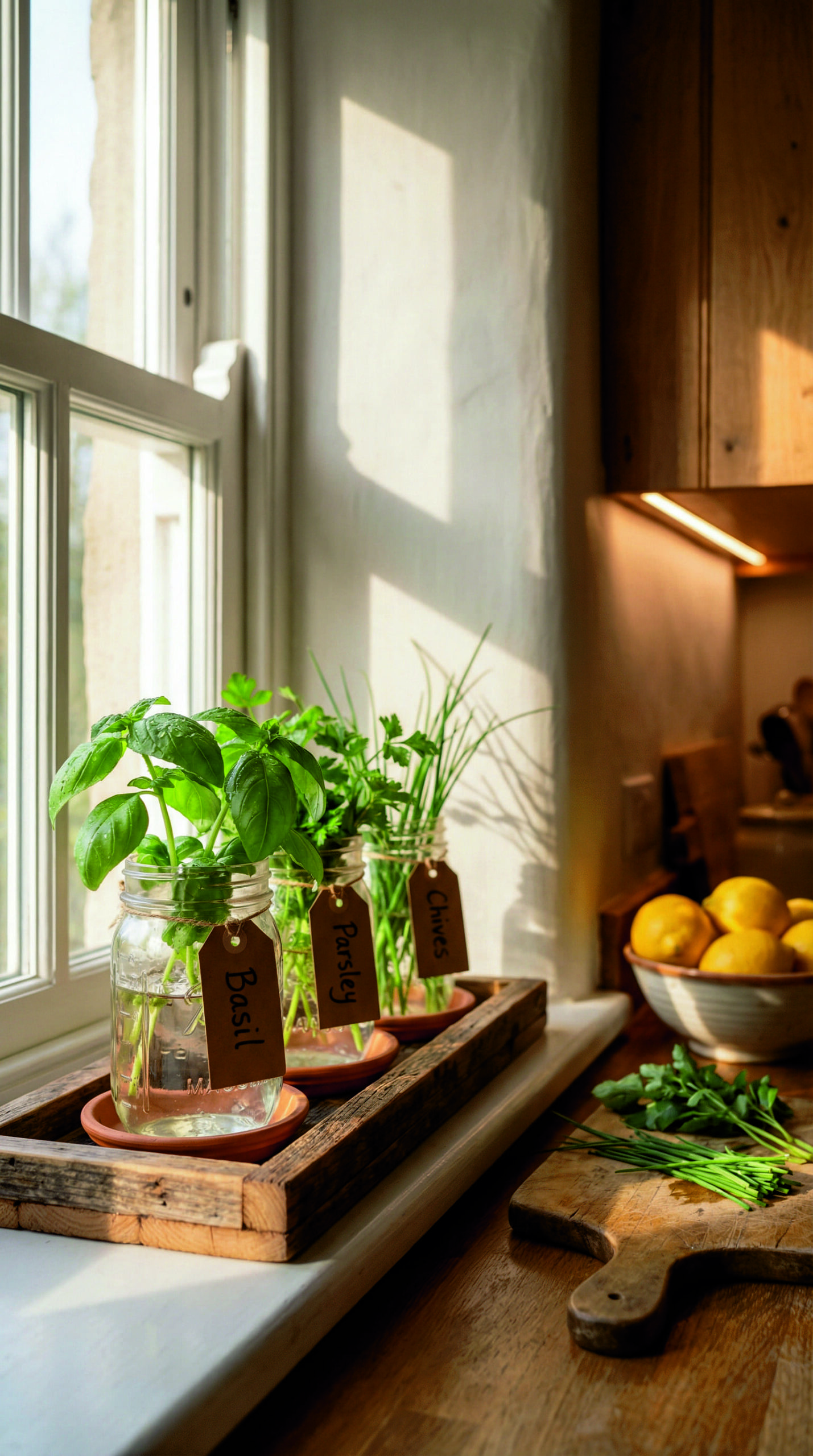
You don’t need expensive grow lights to keep herbs happy indoors. A south-facing windowsill provides sufficient light for most culinary herbs during spring through fall. In darker winter months, supplement with an inexpensive LED strip light (the kind used under kitchen cabinets) placed six inches above plants for six hours daily. Set it on a timer so you don’t have to remember, your herbs will thrive on consistency.
The Golden Harvesting Rule
Never cut more than one-third of an herb plant at once. This isn’t just polite gardening, it’s essential for survival. Plants need sufficient leaf surface to photosynthesize and rebuild. Snip stems just above a leaf node (where new growth emerges) to encourage bushier growth. And always harvest in the morning when essential oils are most concentrated, that’s when flavor peaks.
Troubleshooting Made Simple
Yellow leaves usually mean overwatering, let the top inch of soil dry between waterings. Leggy, stretched stems signal insufficient light, move plants closer to the window or add supplemental lighting. And if leaves look dusty or dull, gently rinse them under lukewarm water in the sink once a month. Happy herbs reward you with fragrance every time you brush past them.
Three Quick Fixes for Common Garden Emergencies
The Wilting Plant Paradox
When plants wilt despite moist soil, root rot is likely the culprit, usually from poor drainage or overwatering. Gently lift the plant, shake off excess soil, and trim away any black, mushy roots with clean scissors. Repot in fresh potting mix with extra perlite for drainage. Place in bright, indirect light for a few days while it recovers. Most plants bounce back surprisingly quickly when given this fresh start.
Slug Defense That Actually Works
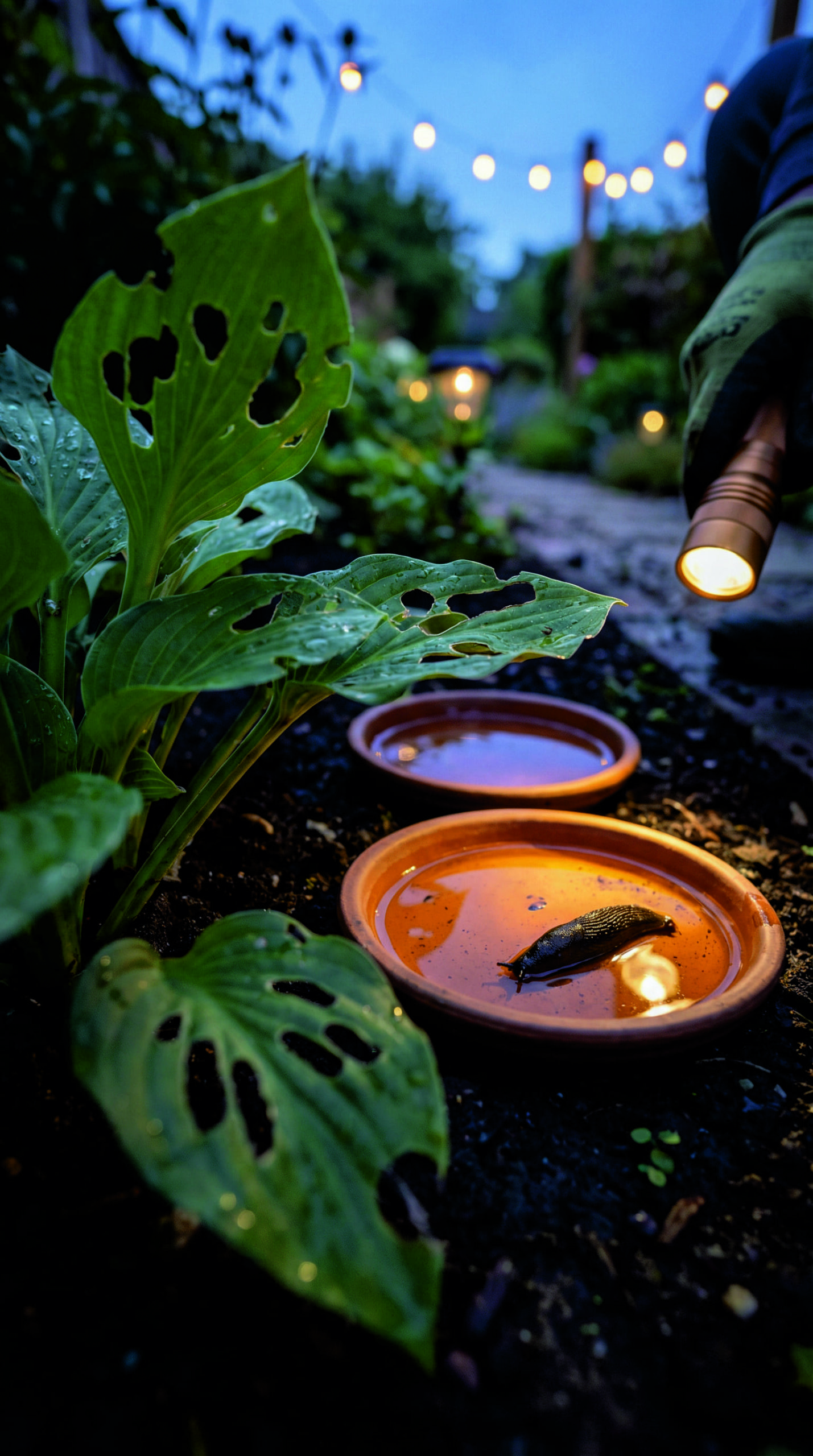
Those ragged holes appearing overnight? Slugs are the usual suspects. Skip the chemical pellets and set out shallow dishes of beer at soil level, slugs crawl in for a sip and drown. Replace every few days. For serious infestations, create barriers with diatomaceous earth (a fine powder that cuts their soft bodies) or copper tape (which gives them a mild electric shock). Both methods are safe for pets and children while effectively protecting your plants.
Yellowing Leaves Between Veins
This classic sign of iron deficiency shows up first on new growth. While commercial chelated iron sprays work quickly, try this kitchen hack first: soak several rusty nails in water for forty-eight hours, then water affected plants with the iron-rich solution. For long-term prevention, work compost into your soil annually, healthy soil biology makes existing iron more available to plants.
The “Chaos Gardening” Mindset: Let Go & Let Grow
Permission to Embrace Productive Mess
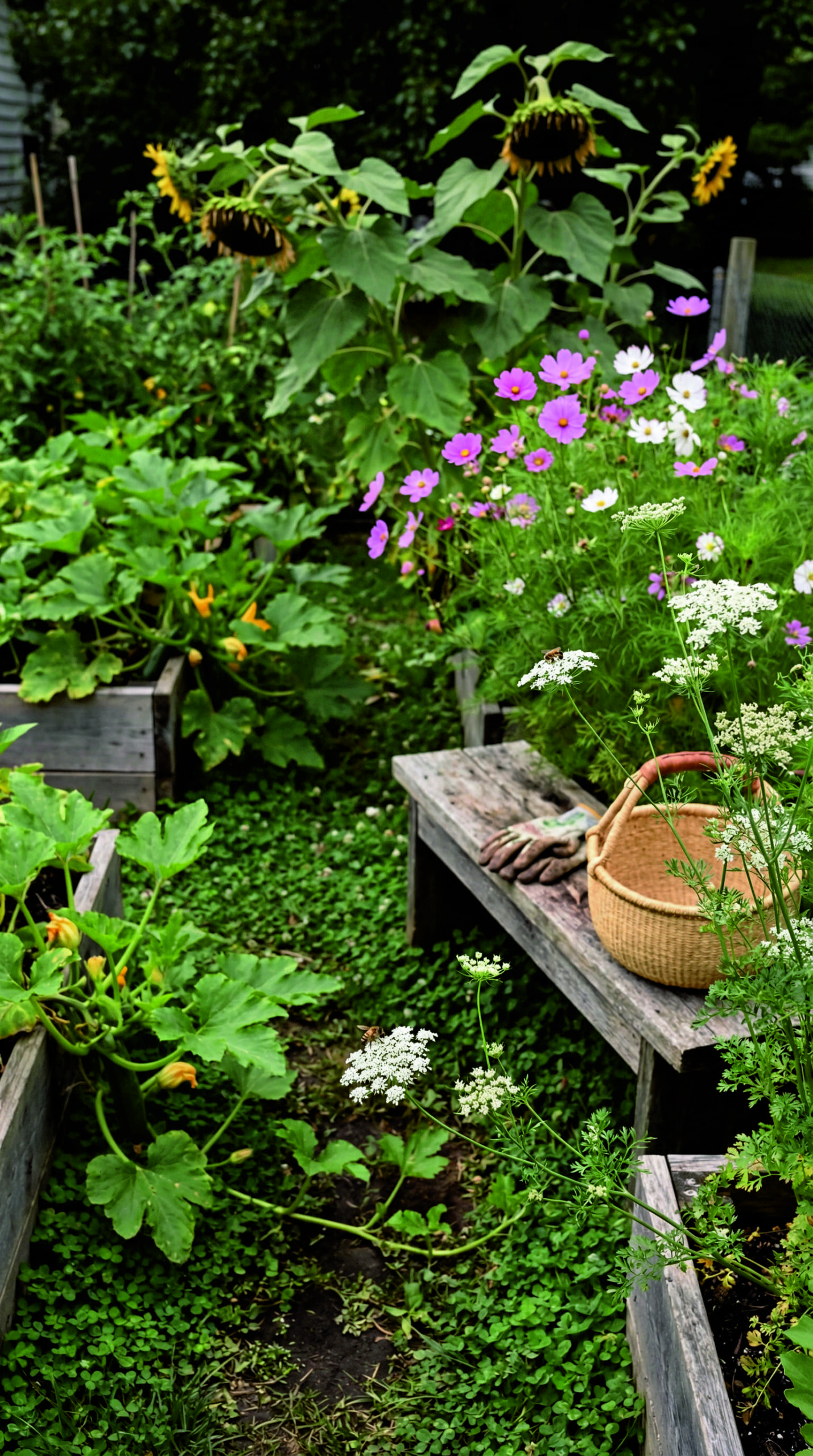
Not every inch of your garden needs to be curated. Some of the most vibrant, wildlife-friendly spaces I’ve seen have corners where cilantro was allowed to flower and self-seed, where zucchini vines sprawl generously beyond their designated bed, where a few “weeds” like clover fix nitrogen in pathways. This isn’t neglect, it’s strategic surrender. By releasing the need for total control, you create habitat for pollinators and beneficial insects while freeing up mental energy for the parts of gardening that truly bring you joy.
The Beauty of Self-Seeders
Plants like calendula, borage, and arugula often drop seeds that sprout reliably the following year, nature’s gift of free plants. Rather than viewing these volunteers as intruders, welcome them as garden surprises. Transplant seedlings that appear in inconvenient spots, or simply let them grow where they land. There’s a special magic in discovering a cluster of sunflowers blooming exactly where last year’s bird feeder stood.
Your Garden, Your Rules
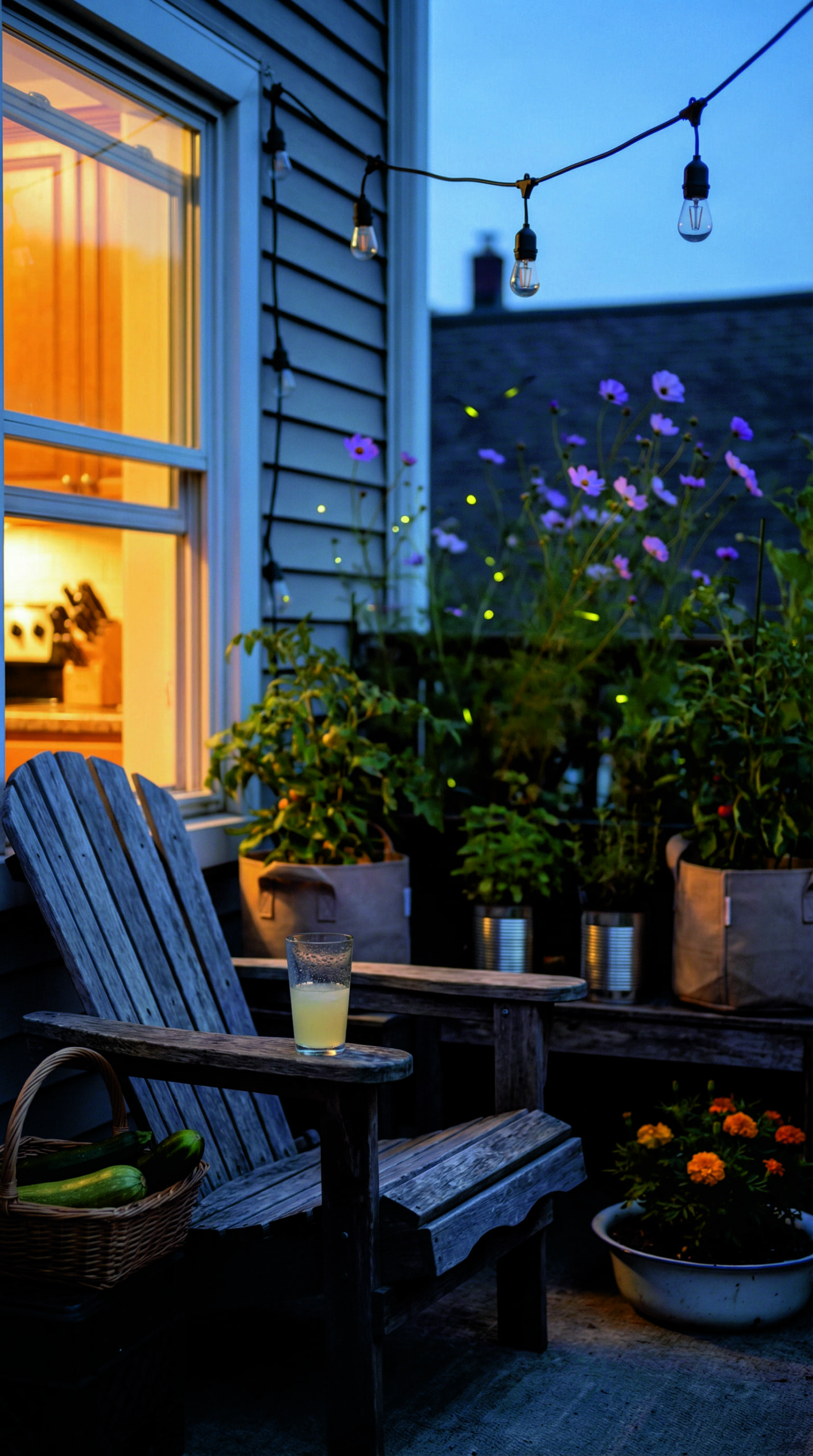
Here’s what I hope you’ll carry with you after reading this: gardening should feel like play, not punishment. These hacks aren’t about cutting corners, they’re about cutting through overwhelm to rediscover the simple pleasure of watching something grow because of your care. You don’t need to implement all ten ideas at once. Pick just one that solves a current frustration, maybe the no-dig bed for your sore back, or the wine bottle watering trick for your forgetful nature, and try it this week. Notice how it feels to work with nature rather than against it.
The most beautiful gardens I’ve ever visited weren’t the most perfect ones. They were the most loved ones, slightly messy, deeply personal, and alive with the quiet hum of bees and the scent of sun-warmed tomatoes. That’s the garden worth growing. Not the one in the magazine, but the one that fits your life, your space, and your spirit. So grab a trowel (or don’t, try the no-dig method instead), get your hands dirty, and grow something wonderful. Your future self, sitting in the shade with a homegrown cucumber sandwich, will thank you.