
Got Stung by a Saddleback Caterpillar in Your Florida Garden? Here’s What to Do Right Away
You reach for a leaf while pulling weeds, and suddenly your hand burns like you grabbed a hot wire. A saddleback caterpillar may be the reason, and it is a small, odd-looking critter that Florida gardeners can meet in the yard.
Knowing a few quick first-aid steps can make the next few minutes much calmer. Here is what to do, what to avoid, and when to ask for help.
A saddleback “sting” comes from venom-bearing spines
People say they got “stung” by a saddleback caterpillar, and that word works as everyday shorthand. The caterpillar does not bite, and it has no bee-like stinger.
The trouble comes from contact with its spines, which carry venom.
According to UF/IFAS Extension, the spines are hollow and can break off in the skin. Contact can cause intense burning, inflammation, and raised, itchy welts.
Medical attention may be needed in some cases.
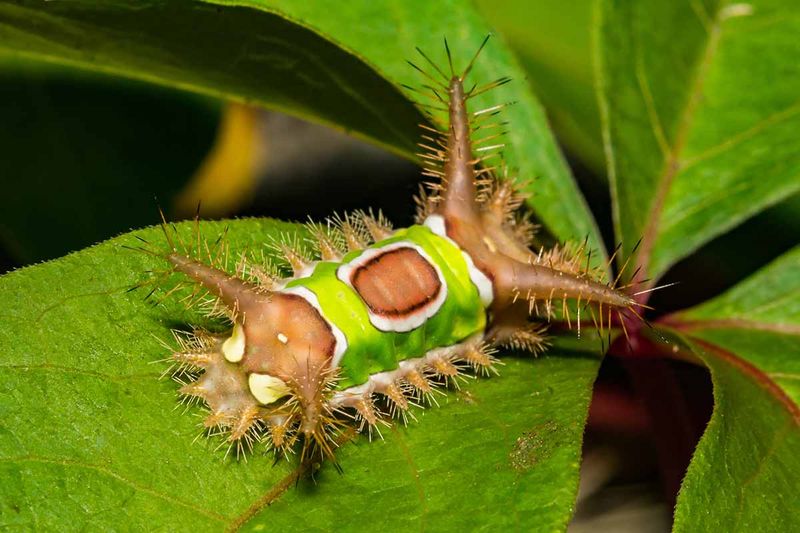
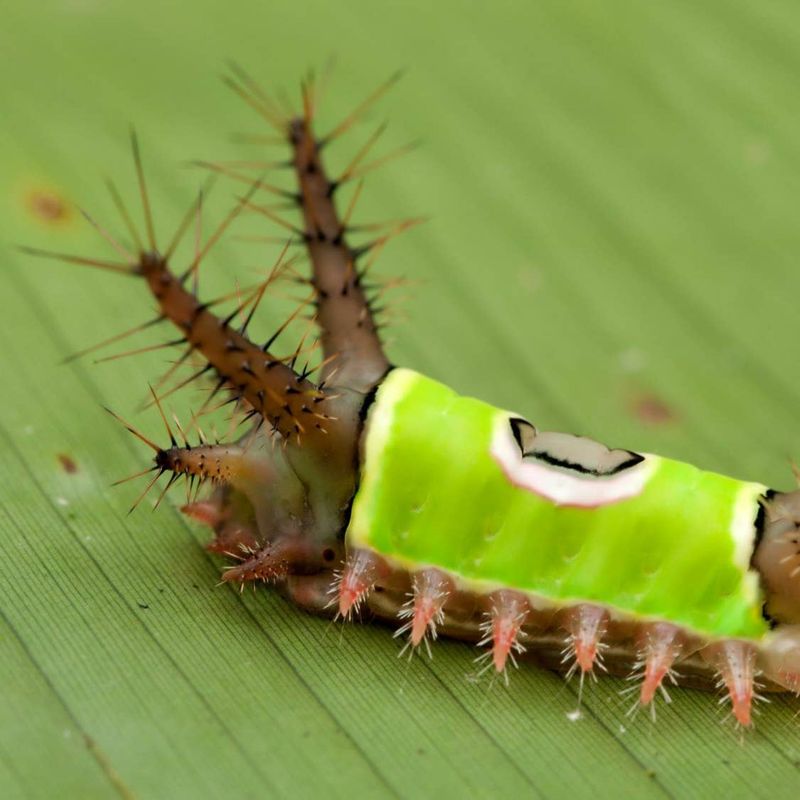
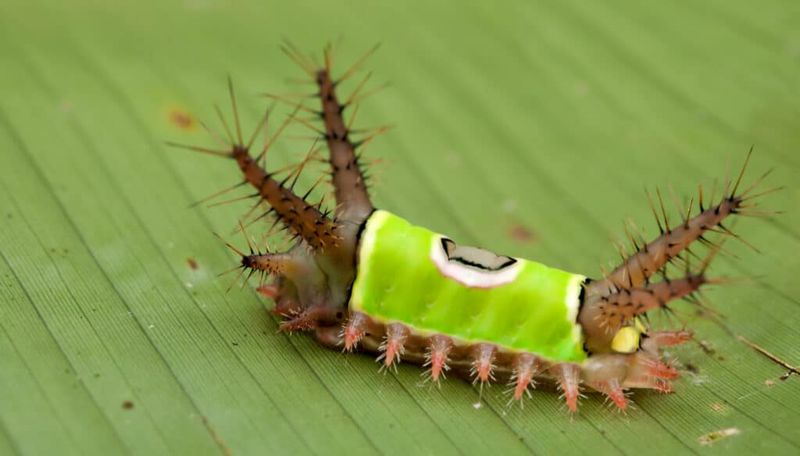
A saddleback is fairly easy to recognize. Look for a brown body with a green patch on its back that resembles a saddle, edged with a pale oval spot.
Spiny knobs stick out from the front and back ends. Still, do not pick one up to check.
A quick look from a safe distance, or a photo, is plenty.
Gardeners often hear about these caterpillars in the fall, and there is a reason. UF/IFAS says Florida has two saddleback generations each year, one in spring and one in fall.
That tells us the caterpillars are around in those seasons. It does not tell us that fall yard work is the only time, or even the most common time, people get hit.
The spines can sit on leaves, stems, and the ground beneath plants. Wearing gloves and long sleeves while working among shrubs and trees is a sensible habit all year.
Move the caterpillar without using your hands
Right after contact, resist the urge to swat or brush the caterpillar away. Do not touch it, crush it, scrape it, or use bare fingers.
Its spines can break off in your skin, which is exactly what makes it painful. Poison Control advises removing the caterpillar without using your hands.
A stick, a folded piece of paper, or a tool works for nudging it off you or off a plant. Keep other people and pets back until it is gone.
Next comes the tape. Press a fresh piece of sticky tape gently onto the affected skin, then lift it away.
The idea is that tiny spines stick to the tape and come off the skin.
Use a new piece each time, because a used piece may have spines stuck to it. Repeat a few times, working across the whole area.
Do not rub or press hard, since that could push spines in deeper.
Keep in mind what tape can and cannot do. It lifts spines from the skin.
It does not neutralize venom or treat the pain by itself, so the other steps still matter. UF/IFAS notes that the spines are fragile, which is why gentle handling is key.
Any kind of sticky tape can work in a pinch, such as packing tape or duct tape.
Wash the area and use wrapped cold for discomfort
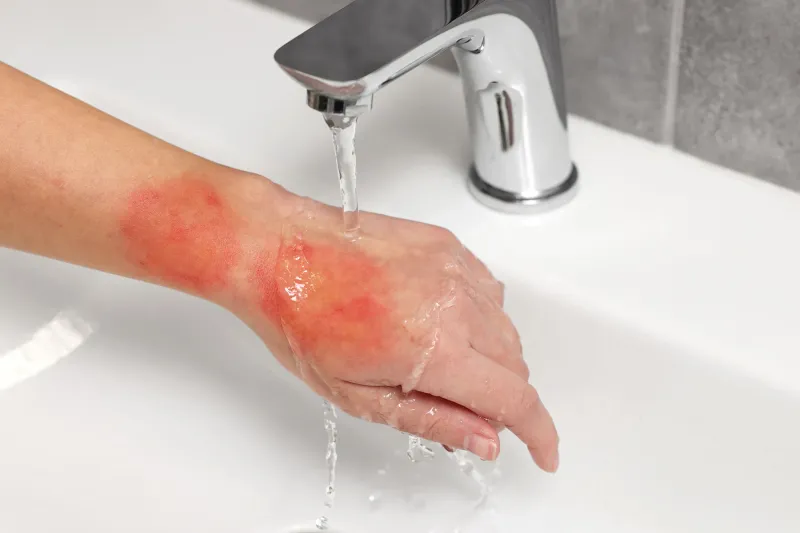
Once the tape has done its job, wash the skin gently with soap and water. Use a light touch and avoid scrubbing.
The goal is to clean the area and rinse away leftover debris. Poison Control lists washing as part of its steps after caterpillar contact.
Then turn to the discomfort. A cold pack or cold compress can help ease pain, as long as it is wrapped in a cloth first.
Putting ice straight on skin can irritate it further. Florida Poison Control also lists ice among its recommended steps for saddleback contact.
For timing, MedlinePlus suggests ice wrapped in a clean cloth for 10 minutes, then off for 10 minutes. People with blood-flow problems should shorten the applications.
Cold is for comfort. It does not cure the exposure or cancel out venom, and it will not work the same for everyone.
If the pain stays strong, that does not mean you did something wrong.
Florida Poison Control also lists a baking-soda paste as optional advice. It is not a proven antidote, and it does not replace the tape, washing, and cold steps above.
Local pain and irritation can vary
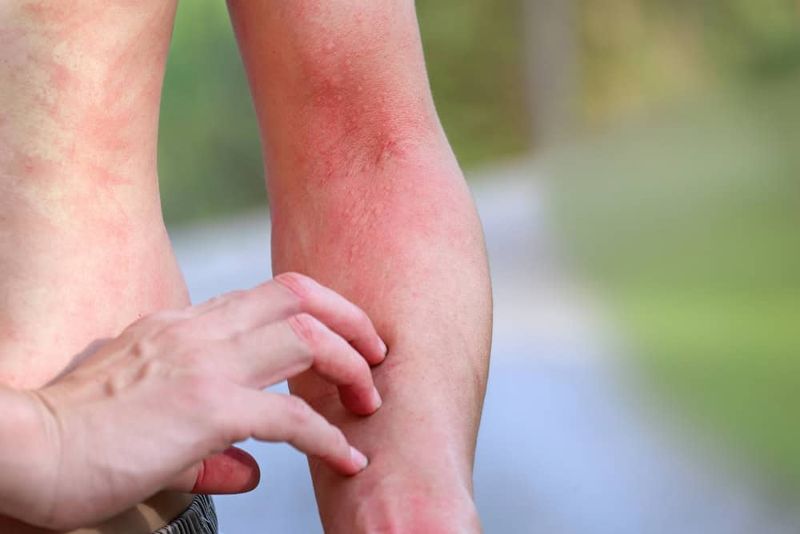
Most saddleback contacts cause local trouble at the spot where the spines touched. Common effects include burning or stinging pain, redness, itching, swelling, welts, or blisters.
Poison Control describes these as typical skin reactions to caterpillar contact.
Pain often eases within a few hours. Still, reactions vary from person to person, and so does how long they last.
One gardener may feel a sharp burn that fades by evening, while another has a rash that lingers longer.
Having a local reaction does not mean something dangerous is happening. Strong pain and redness at the contact spot are a common pattern, and LSU AgCenter describes the saddleback’s sting as painful but typically a local problem.
Be careful about assuming the cause, though. Seeing a caterpillar nearby does not prove it caused your rash.
Caterpillar reactions can look like other skin conditions, such as plant irritation, insect bites, or allergic rashes.
Think about what happened. Did you feel sudden burning right as your skin touched a leaf or branch?
Did you see a saddleback-like caterpillar close by? Those clues matter more than a rash alone.
Keep watching the area as the hours pass. If things are slowly improving, that fits the usual pattern.
If they are getting worse in ways described in the next section, it is time to get advice.
Know which symptoms need urgent attention
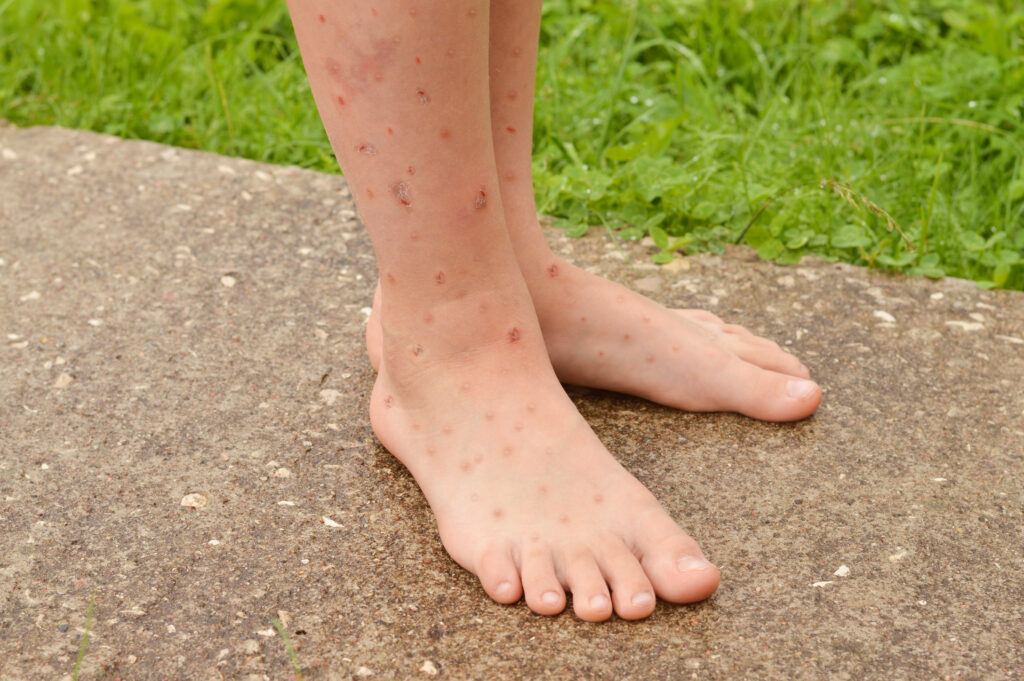
Most reactions stay local, and severe allergic reactions are possible but rare. Even so, a few signs call for fast action.
Call 911 for difficulty breathing, fainting, or swelling of the lips, face, or tongue. Poison Control lists these as signs that need emergency help.
Other situations are not emergencies but still deserve medical advice. Contact a doctor or poison center for blistering, a suspected localized allergic reaction, or eye irritation that does not go away.
Pain that is getting worse instead of better is also a good reason to call.
Eyes need special care. If spines or hairs get in an eye, rinse with water and promptly contact a medical professional or poison center for guidance.
Do not rub the eye.
Breathing in caterpillar hairs is another case to take seriously. MedlinePlus advises getting medical care after inhaling the hairs, so do not wait to see if it passes.
Here is a simple way to sort it out. Burning, redness, itching, and small welts at the contact spot are expected local symptoms.
Trouble breathing, fainting, or facial and tongue swelling are emergencies. Blisters, spreading problems, or lasting eye symptoms sit in between, and that is when to call for advice.
If you are unsure which group your symptoms fit, calling is a safe choice. Help is quick and free.
Florida Poison Control can guide your next step
Florida readers can call Poison Control at 1-800-222-1222 for immediate advice. Florida’s Poison Control Centers encourage calling after a bite or sting, and a specialist can give guidance based on your exact situation.
The national Poison Control service is free, confidential, and open 24 hours a day. Have details ready, such as where the contact happened, how long ago, and what symptoms you have.
The response sequence is short. Avoid handling the caterpillar, lift spines with fresh tape, wash gently with soap and water, and apply wrapped cold for comfort.
Then escalate if warning signs appear, calling 911 for emergencies and the poison center for advice.
Keep the number saved in your phone, and the next unexpected burn in the garden becomes a manageable moment instead of a scramble. A pair of gloves and a roll of tape by the back door cost almost nothing.