
Greenhouse Design Styles: From Rustic Wooden Shed Greenhouses to Modern Glass & Polycarbonate Designs
There’s this moment every serious gardener hits. You’re standing at your kitchen window, fingers pressed against the glass, staring at the pathetic row of leggy tomato seedlings hogging every inch of sunlight on your sill. Your cat’s knocked over the basil. Again. And you think, “Okay. This is no longer working.”
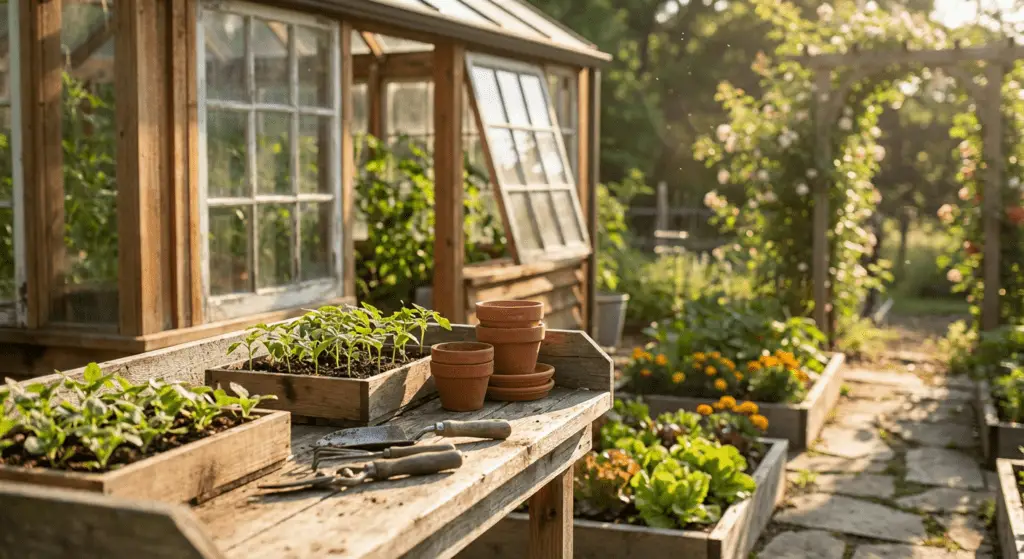
That feeling? That’s your gardening soul telling you it’s time. Time to stop apologizing to plants for cramming them into inadequate spaces. Time to stop yelling at family members for closing the blinds. Time for a greenhouse.
Look, I get it. The word “greenhouse” used to sound… excessive. Like something only estate owners or serious orchid collectors bothered with. But here’s what’s shifted: we’re all growing more of our own food now. We’re starting seeds earlier because store-bought seedlings have gotten stupidly expensive. We’re trying to coax pepper plants through winter and keep our rosemary alive past October. Suddenly, a greenhouse feels less like a luxury and more like the most logical next step in your gardening evolution.
And the thing is, we’ve never had more options. The internet is absolutely bursting with greenhouse design ideas—everything from backyard greenhouse styles that look like fairy tale cottages to sleek glass boxes that wouldn’t be out of place in a modern art museum. The DIY movement has exploded, with people building small greenhouse designs from old windows and pallets. There’s literally something for every budget, every yard size, and every aesthetic preference under the sun.
What I’m going to do here is walk you through the full spectrum of possibilities. By the time we’re done, you’ll have functional tips, style inspiration, and that crucial clarity about which direction makes sense for your specific situation. No judgment, no pressure—just straight talk about creating a space where your plants can actually thrive.
Choosing the Right Greenhouse Style: Key Factors to Consider
Before we dive into the pretty pictures your mind’s already painting, let’s pump the brakes for a second. Because here’s the truth: the most beautiful greenhouse in the world is useless if it’s sitting in the wrong spot or built from materials that can’t handle your climate. I learned this the hard way when I built my first hoop house using plastic sheeting that disintegrated in six months because I didn’t account for my area’s brutal UV index. Live and learn, right?
So let’s talk about the stuff that actually matters. First up: your climate and sunlight exposure. This isn’t just about knowing your USDA zone—it’s about standing in your yard at different times of day and really paying attention. Where does the sun hit in February versus July? Are you dealing with heavy snow loads? Hail? Winds that could strip paint off a barn? Because I’ll tell you right now, a delicate Victorian glasshouse in a hurricane zone is just asking for heartbreak.
Then there’s what you actually want to do in there. Are we talking seed starting in spring and maybe some lettuce in winter? Or are you dreaming of ripe figs in December and a collection of rare orchids? Your planting goals drive everything—insulation needs, ventilation requirements, bench space. I know a guy who built this gorgeous reclaimed window greenhouse without realizing he’d need room for a potting bench. Now he’s doing all his transplanting on the floor. Not ideal.
Material preferences are huge too. Wood feels warm and traditional but needs maintenance. Aluminum is sleek and forget-about-it durable but can feel… cold, I guess? Polycarbonate is this miracle material that’s revolutionizing backyard green house designs, but some folks just can’t get past not having real glass. And budget? Well, that’s the reality check that either opens up possibilities or slams the door on them. Though honestly, some of the most charming greenhouse designs I’ve seen were built for next to nothing using salvaged materials.
Your available space is the final piece. A massive big greenhouse design is pointless if it swallows your entire yard. And aesthetic preferences? That’s where we get to the fun part—matching your greenhouse structure design to your home’s architecture and your personal taste. Because this thing’s going to be in your sightline every single day. It should make you happy, not cringe.
The 9 Greenhouse Design Styles
1. Rustic Wooden Shed Greenhouse
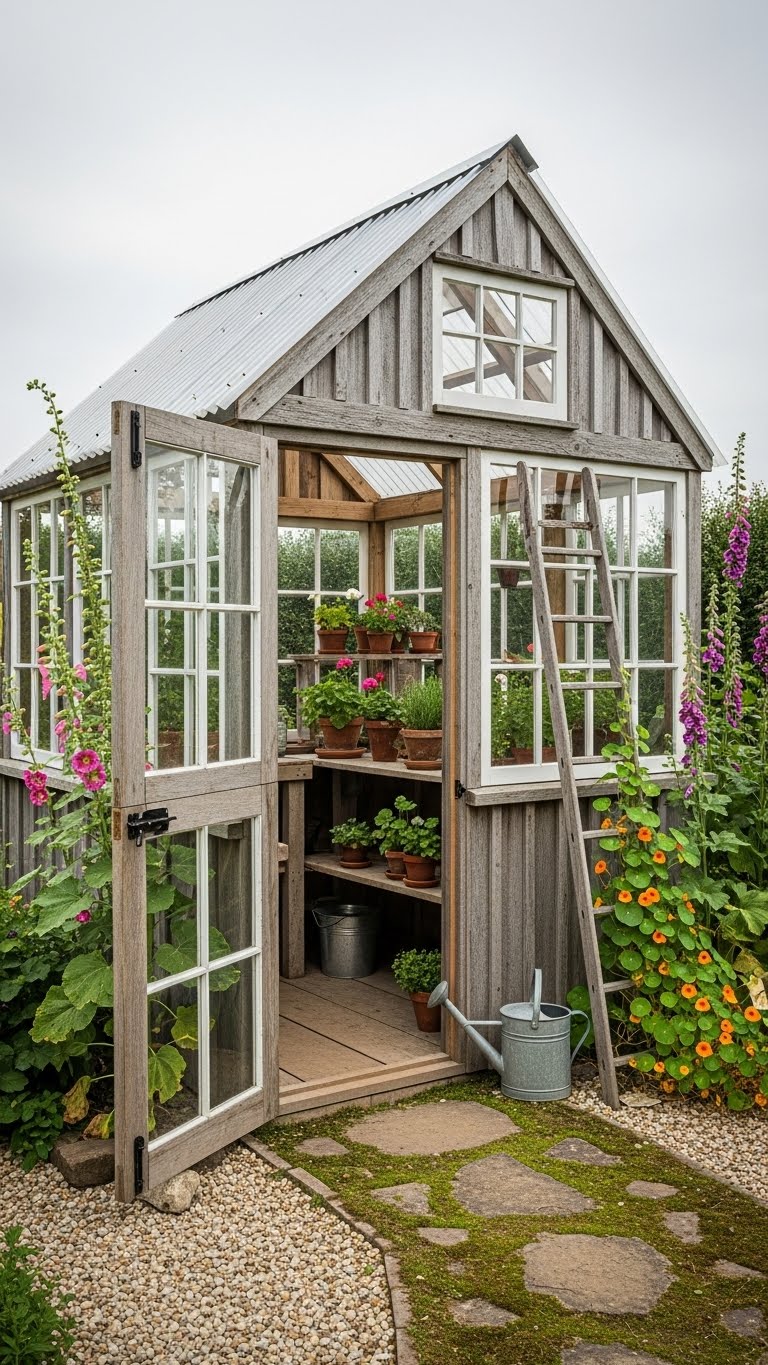
There’s something about a wooden greenhouse design that just feels right in a certain kind of garden. You know the type—cottage-style beds overflowing with hollyhocks, a slightly wonky picket fence, maybe a weathered bench tucked under a lilac. This style isn’t trying to impress anyone. It’s just… honest.
Picture rough-hewn timber frames, maybe reclaimed from an old barn teardown. Walls patched together from mismatched windows salvaged from demolition sites—each pane telling its own story with its wavy glass and old paint splatters. The roof might be corrugated metal or more windows, depending on what you scored from that renovation project down the street. Inside, the air feels different—warmer, somehow, and smelling of damp earth and cedar. The wood absorbs heat during the day and releases it slowly at night, creating this gentle microclimate that seedlings absolutely love.
The pros? If you’re smart about sourcing, this is one of the most affordable ways to go. I built one for my sister-in-law using nothing but free pallets and windows from a guy on Facebook Marketplace who was replacing his 1970s ranch house glazing. Total cost: about $150 in hardware and a weekend of labor. The cons, though—and this is important—wood demands attention. You’ll be out there every spring with a brush and some linseed oil or exterior paint, chasing down rot before it starts. Skip a year and you’re inviting disaster.
But here’s what I love about rustic greenhouse ideas: they age beautifully. That weathered patina isn’t a flaw, it’s character. And there’s something deeply satisfying about giving new life to old materials. It’s not just a greenhouse; it’s a story.
2. Classic Victorian Glasshouse
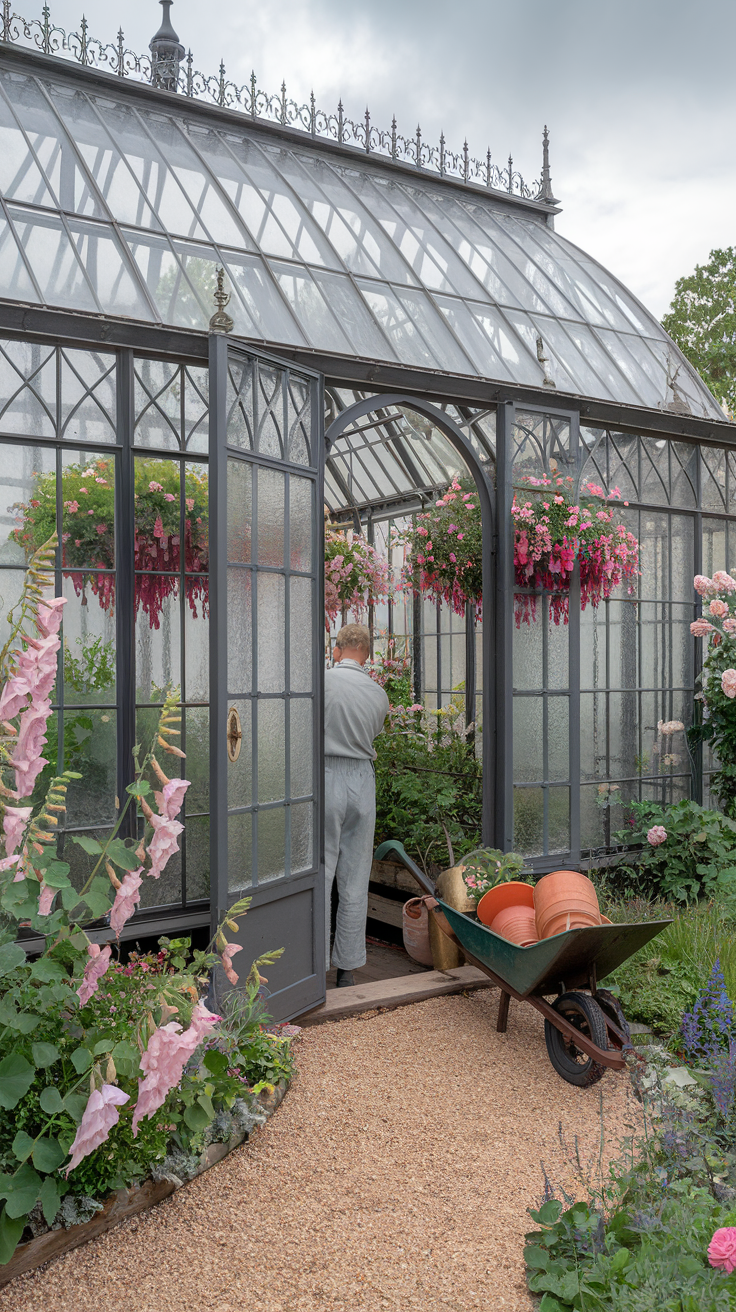
Oh man. If you’ve ever walked through a botanical garden and seen one of these beauties, you know the feeling. It’s like stepping into another era—one where plant collection was a serious scientific pursuit and greenhouses were architectural statements, not just growing spaces.
Victorian greenhouse design is all about drama. Tall, steep rooflines that reach for the sky. Decorative metalwork—cast iron or aluminum made to look like iron—with these intricate crestings along the ridge. Paned glass panels split by thin glazing bars creating patterns of light and shadow on the floor. They’re basically cathedrals for plants.
The light transmission in these classic glasshouse structures is incredible. Every ray of sun gets magnified and distributed in this almost magical way. I visited one in England last year—this massive conservatory from 1875—and the owner had tree ferns that had been in his family for three generations. That’s the kind of growing environment we’re talking about. Perfect for collectors of tropical or ornamental plants who need maximum light and headroom.
But—and this is a big but—the aesthetic value comes at a price. These are not budget greenhouse builds. Even a small Victorian-style kit can run you several thousand dollars. And that delicate metalwork? It’s gorgeous until a hailstorm hits or you have to replace a broken pane. Then you’re hunting for specialized parts and paying premium prices.
Still, if you have the budget and the right setting—a formal garden, maybe a historic home—there’s nothing more beautiful. It’s not just a greenhouse; it’s heirloom architecture.
3. Polycarbonate Greenhouse (Modern & Lightweight)
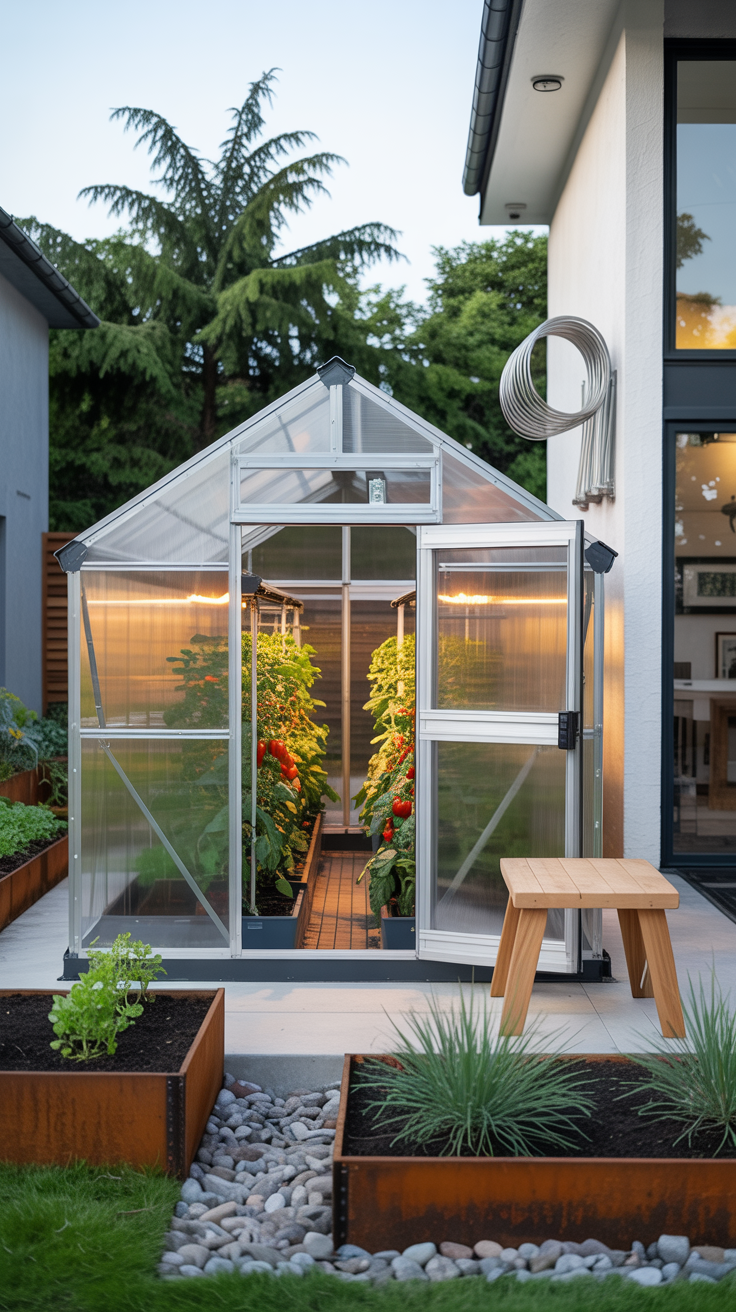
Here’s where modern greenhouse materials really shine. Polycarbonate changed the game, and I’m not exaggerating. When I helped my neighbor put up his twin-wall polycarbonate greenhouse, we had the frame up in a day and the panels cut and installed by dinnertime. No special tools, no cursing over broken glass, no fear every time the wind picked up.
The stuff is essentially bulletproof. You can hit it with a baseball bat and it’ll flex and bounce back. In cold climates, the insulation factor is incredible—those twin walls trap air like a dream, keeping heat in during winter and moderating temperature swings. I’ve seen people grow lettuce straight through January in zone 5 with nothing but a small space heater.
Polycarbonate greenhouse ideas run the gamut from utilitarian to surprisingly sleek. You can get clear panels that look almost like glass, or opal ones that diffuse light perfectly for seedlings. The frames are typically aluminum, which means zero maintenance. Just hose it down occasionally and you’re good.
The budget-friendly versions are honestly fantastic for beginners. You can get a decent 8×6 polycarbonate kit for under $1,000 that’ll last you a decade. And for year-round growing in harsher climates? This is probably your best bet. The only real downside is that after maybe 10-15 years, the panels can start to yellow from UV exposure. But by then, you’ll know if you’re serious enough to upgrade or just replace the panels.
I kind of love that this material has democratized greenhouse gardening. It’s not precious; it’s practical. And sometimes that’s exactly what you need.
4. Aluminum Frame Glass Greenhouse
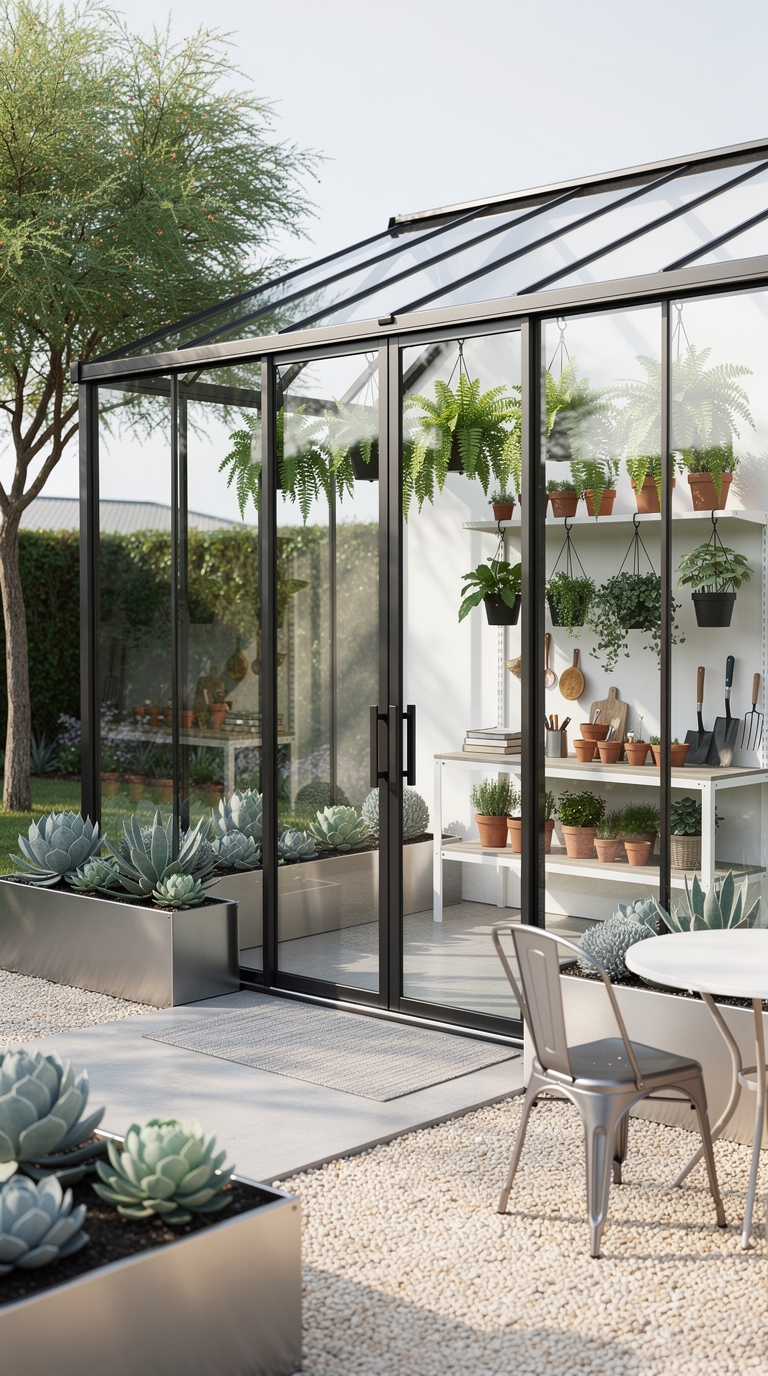
If polycarbonate is the practical workhorse of modern greenhouse materials, aluminum frame glass designs are the sports cars. Clean lines, minimalist profiles, and this almost invisible quality that lets the plants be the star.
The beauty of aluminum is that it just… doesn’t care about the weather. It doesn’t rust, doesn’t rot, doesn’t warp. You bolt it together and it’s solid for decades. I’ve seen aluminum greenhouses that have been standing since the 1960s with nothing more than occasional cleaning. That’s low maintenance greenhouse living at its finest.
The glass panels—typically tempered safety glass—give you that crisp, clear view. From inside, it’s like being in a transparent bubble. From outside, it’s this elegant glass box that reflects the garden around it. These modern glass greenhouse designs work especially well with contemporary homes. Think sharp angles, big glass panes with minimal framing, maybe integrated into a deck or patio.
For growing, they’re versatile. The aluminum frames support hanging baskets beautifully. The height and clean interior make them ideal for raised-bed or bench-style growing. You can wheel a cart right in, have a proper potting station, the works.
Price-wise, they’re mid-to-high range. More than a basic polycarbonate kit, but less than a custom Victorian replica. And here’s my take: if you’re the kind of person who values clean design and doesn’t want to think about maintenance, this is your sweet spot. It looks expensive (in a good way) and performs like a tank.
The one thing to watch is heat buildup. All that glass can turn your greenhouse into an oven in summer. But that’s what automatic vent openers and shade cloth are for. Problem solved.
5. Hoop House or Tunnel Greenhouse
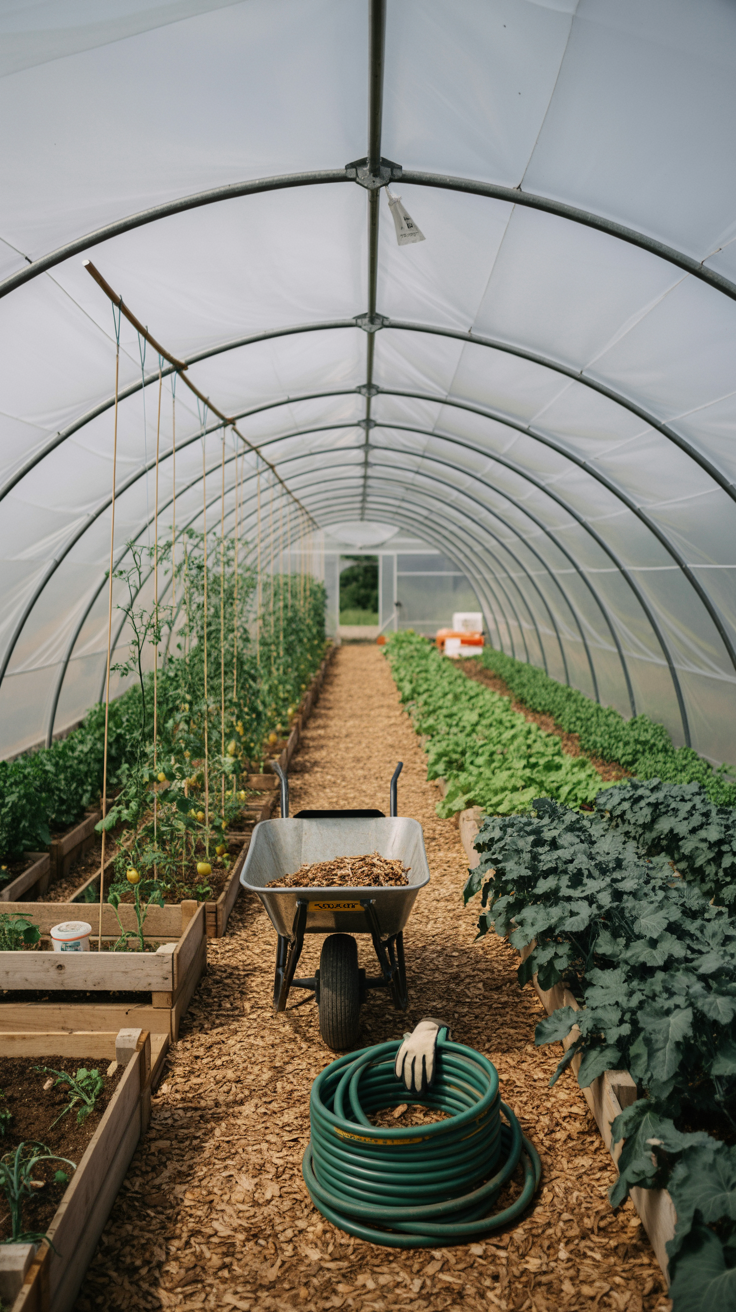
Now we’re talking about the workhorse of the greenhouse world. The everyman’s season extender. If you’ve ever driven past a market garden and seen those long, white plastic tunnels stretched over curved ribs, you’ve seen a hoop house.
The design is stupidly simple: metal or PVC pipes bent into arches, sunk into the ground or anchored to a base, then covered with greenhouse film. That’s it. And honestly? For vegetable growers who need serious space without serious budget, it’s hard to beat. I built a 12×20 hoop house for my market garden a few years ago. Total cost was under $400, and I had it up in a weekend with one helper.
Hoop house ideas range from tiny backyard versions to massive commercial operations. You can get fancy with metal ribs and wiggle wire channels for securing the plastic, or you can go super DIY with PVC and homemade clamps. The key advantage is the interior space—no internal supports, so you have this clear span to work with. Perfect for running a tiller through or setting up long rows of tomatoes.
For season extension, they’re incredible. You can gain 6-8 weeks on either end of your growing season just by popping one over a garden bed. And when summer hits, you can roll up the sides for ventilation or take the plastic off entirely and store it for winter.
The downside? They’re not pretty. I mean, they’re functional-looking at best. And that plastic film? You’ll be replacing it every 3-5 years depending on your UV levels. They’re also not insulated enough for serious winter growing without a lot of supplemental heat.
But if your goal is to grow more food, not win garden design awards, tunnel greenhouse design is where it’s at. It’s practical, expandable, and honestly kind of liberating in its simplicity.
6. Lean-To Greenhouse (Wall-Attached)
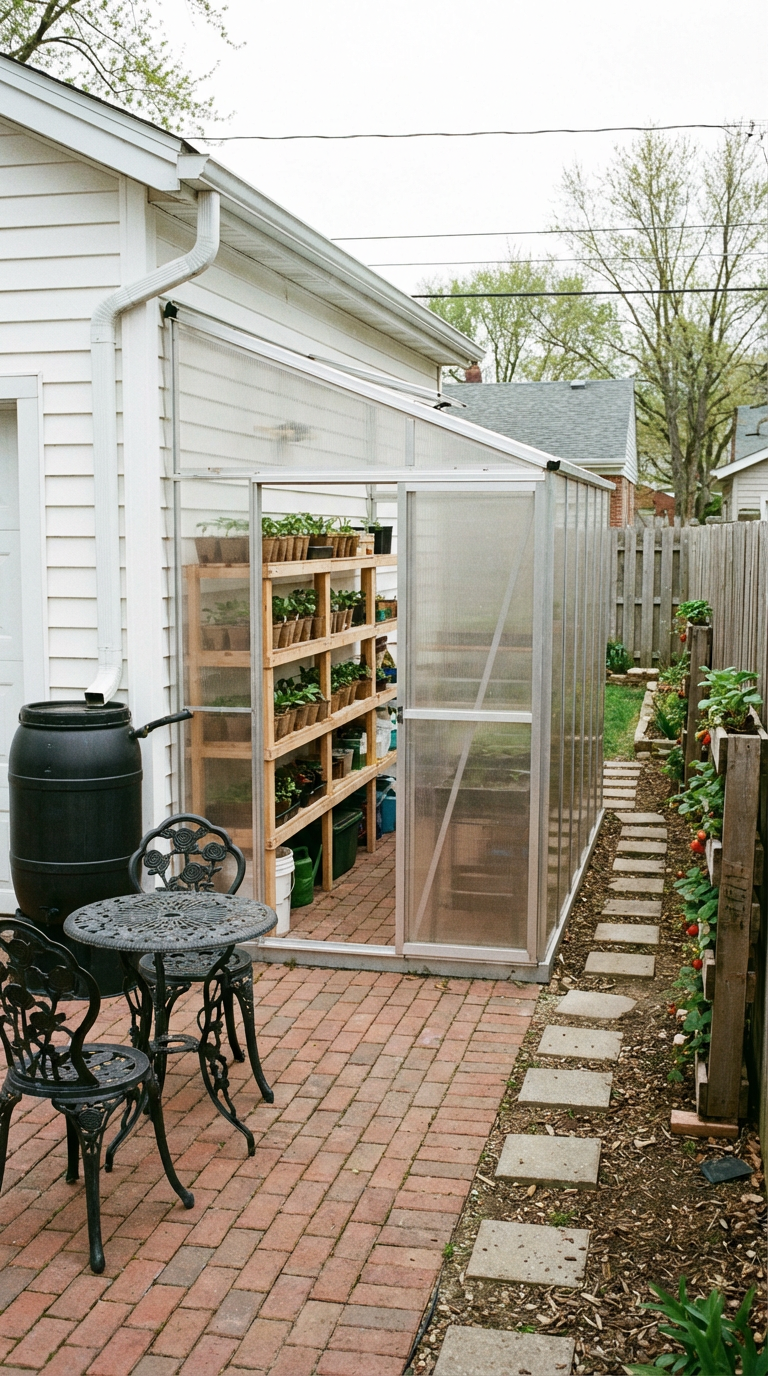
Okay, small-space gardeners, this one’s for you. The lean to greenhouse plans are a godsend when you’re working with a tiny yard but big growing ambitions. By using an existing wall—your house, garage, shed—you get instant insulation and structural support.
I helped a friend build one against his south-facing garage wall last year. The thing is only 6×8 feet, but because that garage wall holds heat and blocks the north wind, he’s growing herbs year-round in zone 6. Plus, he ran electricity from the garage in about ten minutes. No trenching, no outdoor-rated wiring nightmares.
The indoor access thing is huge. On a January morning, when it’s 20 degrees outside, being able to walk from your kitchen into the greenhouse without putting on boots is a game-changer. You check on your seedlings while the coffee brews. You water the citrus trees in your slippers. It’s this seamless integration of growing into daily life that makes winter gardening actually happen instead of just being a good intention.
For small space greenhouse solutions, you can get creative. I’ve seen them tucked into side yards, built under deck stairs, even attached to apartment balconies. The key is that wall attachment—it solves so many problems at once.
The catch? You’re limited by the existing structure. Your wall has to be sound. The roofline has to work. And you need to be really careful about flashing and sealing where the greenhouse meets the wall. Trust me, you do not want water finding its way into your house. That’s a mistake you make exactly once.
But done right, a wall attached greenhouse feels like a natural extension of your home. It’s efficient, cozy, and makes year-round growing accessible in a way that standalone structures sometimes don’t.
7. Mini Greenhouse / Cold Frame Style
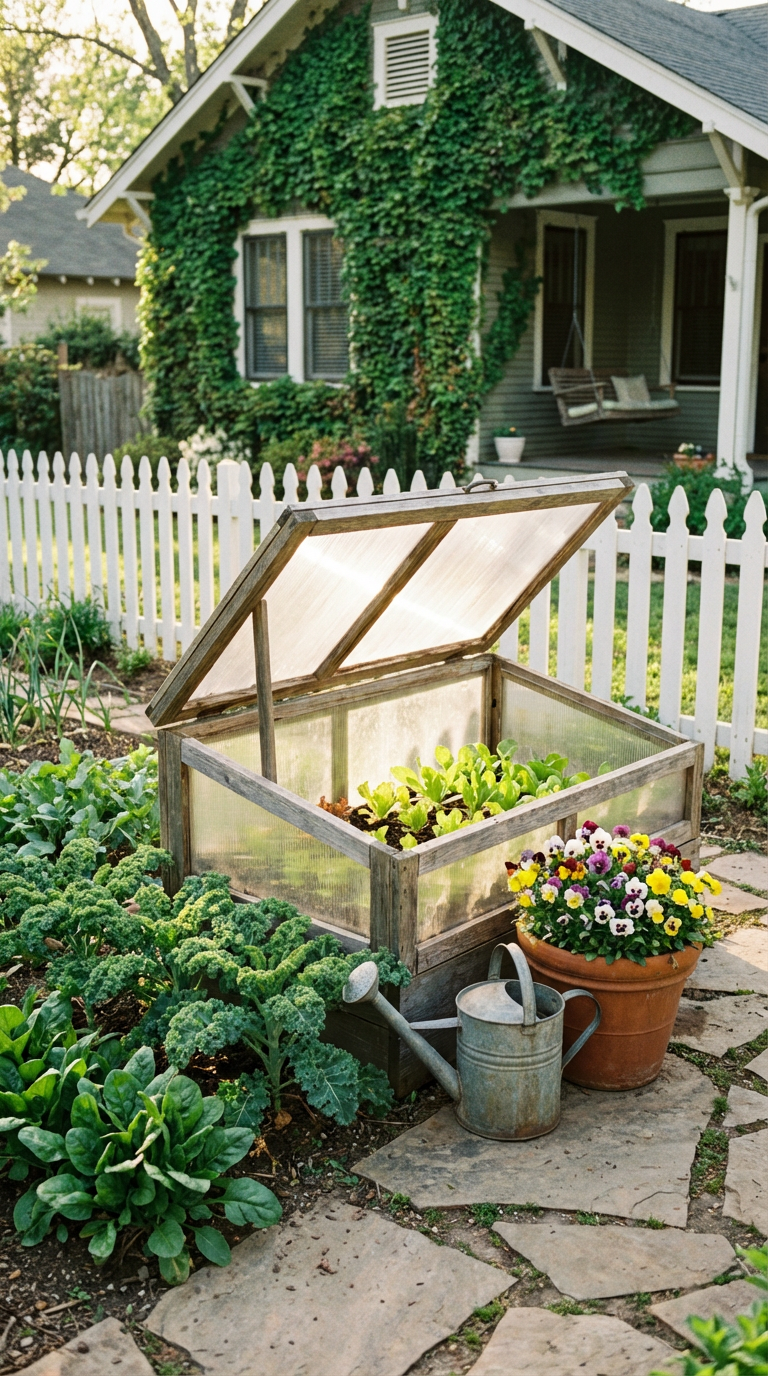
Sometimes you don’t need a walk-in structure. Sometimes you just need a little protected pocket of warmth to cheat the seasons by a few weeks. That’s where mini greenhouse ideas and cold frames come in.
These are the studio apartments of the greenhouse world—compact, efficient, and perfect for patios, balconies, and small backyards. I’m talking about those cute little aluminum and polycarbonate cabinets that fit on a deck, or even simpler: old windows propped on a wooden frame. My first “greenhouse” was a cold frame I built from an old storm door and some 2×6 lumber. It cost me maybe $30 and grew the best lettuce I’ve ever had.
For seed starting, they’re brilliant. You get that protected environment without committing to a full structure. You can start hundreds of seedlings in something that takes up six square feet. And for protecting delicate plants? Pop a mini greenhouse over your potted citrus when frost threatens, then store it in the garage when summer hits.
The easy setup and low cost make them perfect for beginners. You can buy a decent mini greenhouse for under $100, or build a cold frame for even less. It’s the ultimate toe-dip into protected growing.
The limitation is obvious: space. You’re not growing tomatoes in a cold frame (well, maybe a dwarf variety). And you’ll need to watch temperatures like a hawk on sunny spring days. I’ve cooked more seedlings than I care to admit by forgetting to vent a cold frame on an unexpectedly warm afternoon.
But for what they are, they’re indispensable. Every serious gardener I know has at least one cold frame, even if they also have a massive glasshouse. There’s just no easier way to get a jump on the season.
8. Geodesic Dome Greenhouse
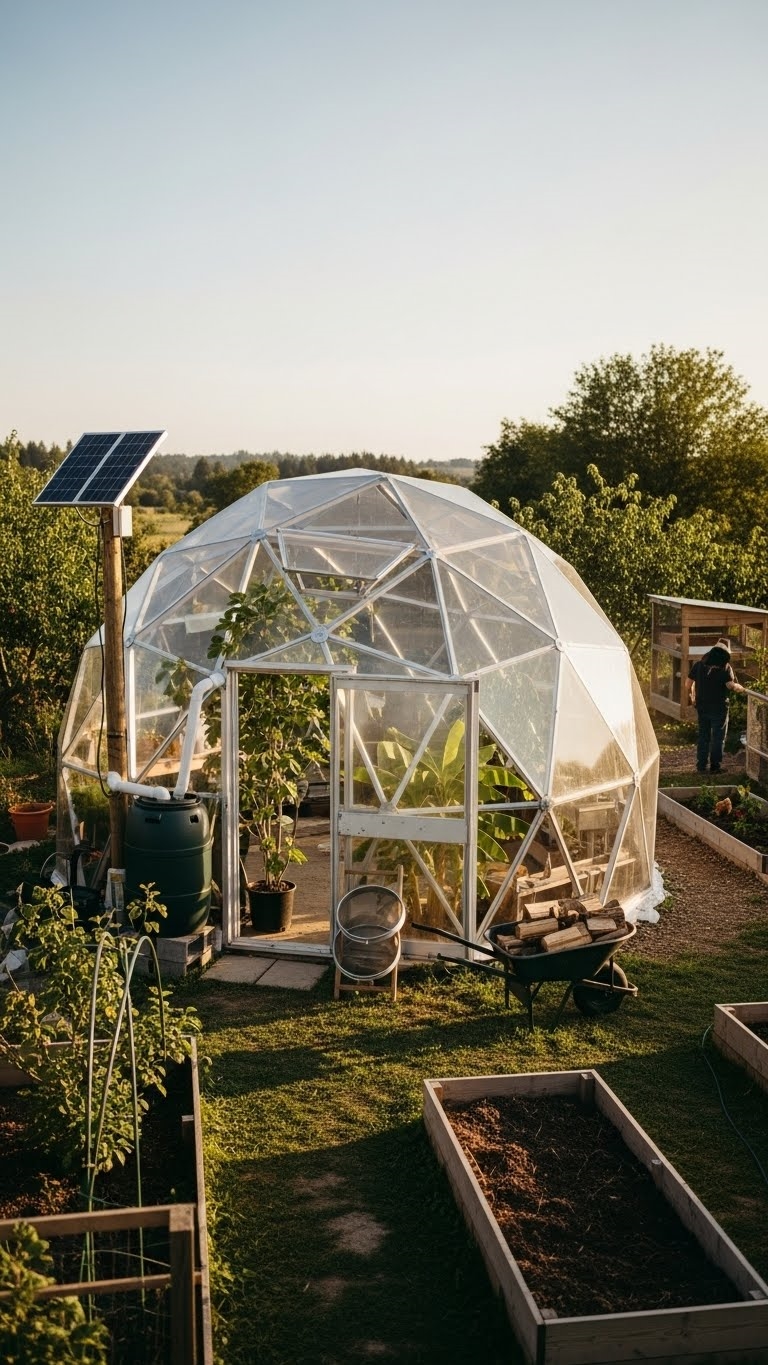
Now we’re entering the realm of the dreamers and the permaculture enthusiasts. The geodesic dome greenhouse looks like something from a sci-fi movie—a perfect sphere or hemisphere that somehow feels both futuristic and ancient, like a hobbit house crossed with a NASA project.
The structural integrity is legitimately amazing. Those triangular panels distribute stress so evenly that domes have survived hurricanes that flattened conventional greenhouses. I visited a dome greenhouse in Colorado that was buried under three feet of snow and was still growing kale inside, no problem. The shape just sheds load like nothing else.
The real magic, though, is the airflow and light distribution. In a rectangular greenhouse, you get hot spots and dead air corners. In a dome? The air circulates naturally. Light hits at different angles throughout the day, reaching plants from multiple directions. Plants just seem to grow differently in there—more vigorous, more… balanced somehow.
They’re often used for permaculture and eco-projects because you can integrate them into sustainable systems. Rainwater collection from the dome shape is incredibly efficient. Some folks build them as part of earth-sheltered designs, burying the north side for insulation. It’s creative, sustainable greenhouse design at its most ambitious.
The challenges? Building one is… interesting. The math is specific. The angles are precise. You can buy kits, but they’re pricey. DIY from scratch requires serious planning. And the odd shape means standard benches and growing systems don’t always fit. You’re getting creative with interior layout.
But if you’re drawn to the aesthetic and the philosophy behind it, there’s nothing else like it. It’s a statement piece that happens to be an incredible growing environment. Not for everyone, but for the right person, it’s perfection.
9. Recycled-Material Greenhouse (Windows, Doors, Pallets)
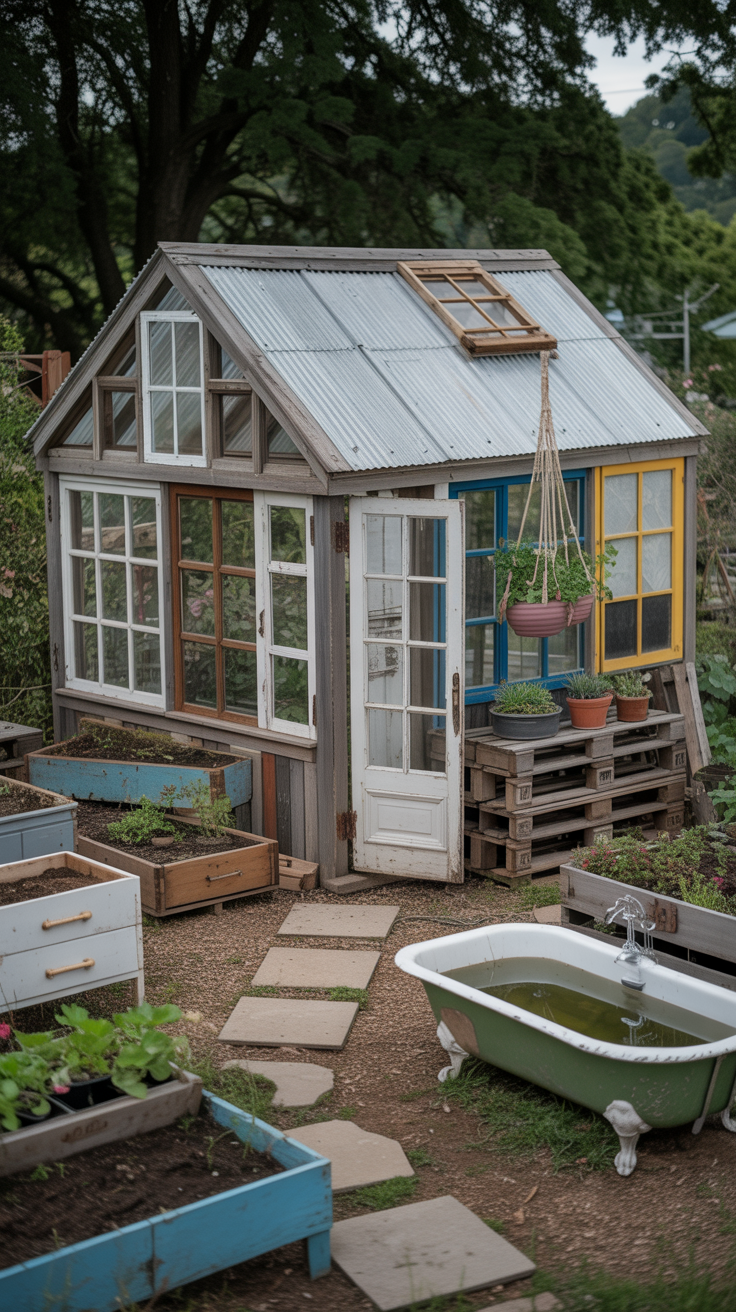
This is where things get really fun—and where your personality can shine through. The hybrid recycled-material greenhouse is the ultimate in creative, sustainable design. We’re talking salvaged doors standing upright as end walls, multi-pane windows cobbled together into a mosaic of glass, wood pallets broken down and reassembled into frames.
I’ve seen some wild examples. One friend built his entire structure from old storm windows he collected for two years. Another used a pair of French doors as the entrance and built around them. The result is always unique, always personal, and almost always charming in a way that factory-made structures just can’t replicate.
The pros are obvious: budget-friendly (often nearly free), environmentally conscious, and highly customizable. You can make it any size, any shape, as long as you have enough materials. And there’s a deep satisfaction in diverting all that waste from the landfill while creating something functional.
But here’s the reality check: this is not a quick weekend project. It’s a scavenger hunt followed by a jig-saw puzzle followed by a construction project. Every piece is different, which means every connection requires thought. And the resulting structure, while beautiful, is only as good as your weatherproofing skills. Gaps between mismatched windows leak heat like crazy if you’re not meticulous with your caulking and trim work.
It’s also heavy. All that glass and solid wood means you need a serious foundation. This isn’t popping up a lightweight kit.
Still, for DIY greenhouse inspiration, it’s hard to top. These structures become the heart of a garden in a way that off-the-shelf versions don’t. They’re conversation starters, memory holders, and proof that beautiful greenhouse design doesn’t require deep pockets—just patience, creativity, and a willingness to work with what you find.
Comparing Styles: Which Greenhouse Is Right for You?
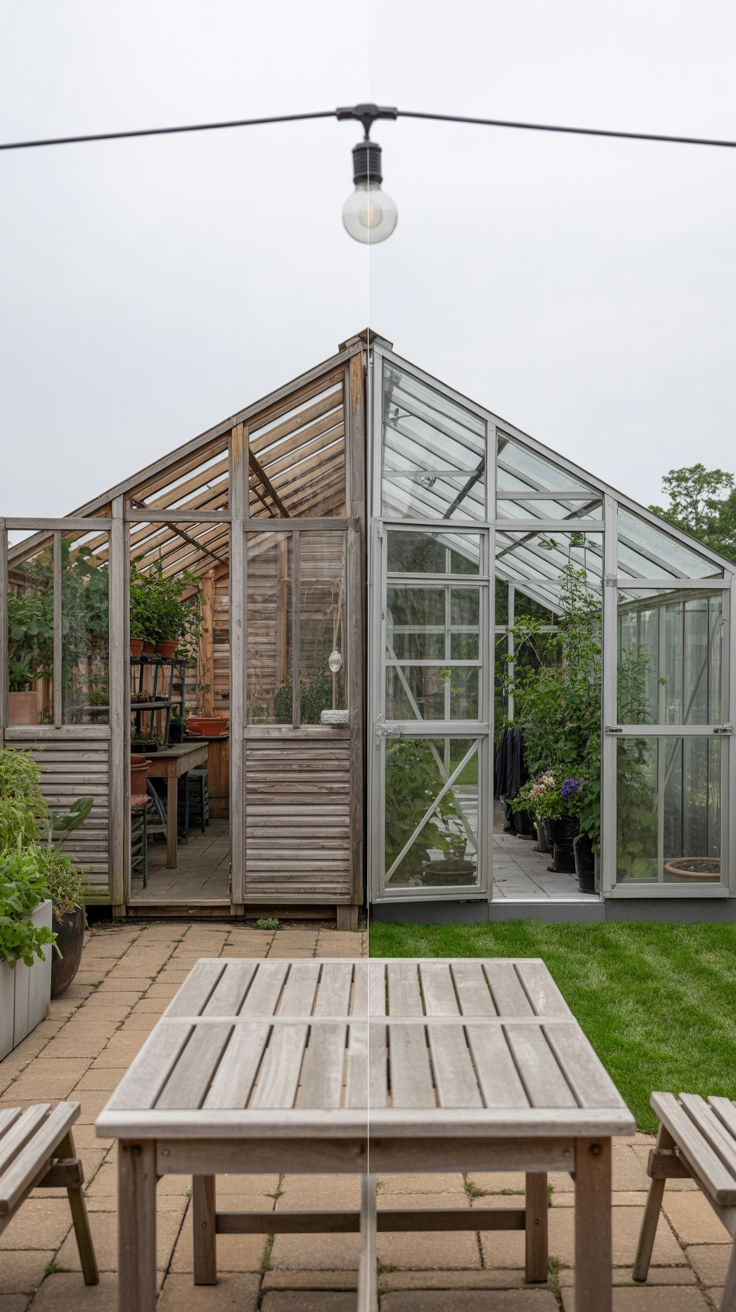
So how do you actually choose? Let’s break it down in a way that makes sense.
If durability is your top priority, you can’t beat an aluminum frame with either glass or polycarbonate. These things are generational. Your grandkids will be growing in it. Maintenance requirements? Almost zero. Price range? Mid to high, but amortized over decades, it’s pennies.
For light transmission, classic Victorian glasshouses and modern glass designs are the winners. Nothing beats real glass for clarity. Polycarbonate comes close, especially the clear twin-wall, but there’s a subtle difference that plant collectors notice. For starting seeds or growing vegetables? You won’t see the difference. For showcasing rare orchids? Maybe.
Budget-wise, hoop houses and recycled material builds are kings. You can get a functional season extender for a few hundred bucks. Mini greenhouses and cold frames are even less. The mid-range is dominated by polycarbonate kits and simple aluminum frames. The high end? Custom Victorian replicas and geodesic dome kits.
Aesthetic fit is personal. Rustic wood suits cottage gardens and traditional homes. Victorian glasshouses demand formal settings. Aluminum and glass love modern architecture. Domes and recycled structures are for the eclectics among us. Your house style, your garden style, your personal taste—they all matter. This thing will be in your view every day. It should make you smile.
Best uses? I’ll be blunt: if you’re growing vegetables commercially or feeding a large family, hoop houses give you the most square footage for your dollar. For year-round growing in cold climates, insulated polycarbonate is your friend. For specialty plants and tropicals, glass is worth the investment. For small spaces and beginners, lean-to or mini greenhouses are perfect entry points.
And here’s what I tell everyone: start with your actual life, not your fantasy life. Be honest about how much time you’ll spend maintaining wood. Be realistic about whether you want to replace plastic film every few years. The best greenhouse is the one you’ll actually use and can afford to keep up.
Common Mistakes to Avoid
I’ve made most of these, and I’ve watched friends make the rest. Learn from our pain.
First up: poor site orientation. This is the killer mistake that you can’t fix after building. South-facing is the rule, but it’s more nuanced than that. Morning sun is better than afternoon sun—it dries dew faster and doesn’t overheat the space. But put your greenhouse where it gets zero shade in winter and dappled shade in summer? You might need shade cloth. Put it under a big tree? You’re defeating the purpose. I knew a guy who built this beautiful reclaimed window greenhouse on the north side of his garage because “that’s where we had space.” He grew algae really well. That was about it.
Inadequate ventilation is another rookie move. It’s March, it’s 45 degrees outside, you think “ventilation’s not a priority.” Then April hits, and you’ve cooked $200 worth of seedlings in an afternoon. You need roof vents, side vents, something. Automatic vent openers are like $30 each and they’ll save your bacon. I don’t care if you’re in Maine or Miami. Airflow matters.
Incorrect material selection haunts people. Putting single-pane glass in a zone 4 winter is just asking for a $400 heating bill. Using untreated pine in a humid environment means replacement in five years. Not matching your material to your climate and goals is expensive either upfront or later—usually both.
And overcrowding. Oh man, this is the emotional mistake. You’re so excited to have protected space that you cram it full. But plants need air circulation. They need room to grow. A greenhouse that’s packed wall-to-wall is a disease factory. I had a basil downy mildew outbreak that took me three years to eradicate. Started because I’d crammed 40 plants into a space meant for 20. Give your plants—and yourself—room to breathe.
Last Thoughts
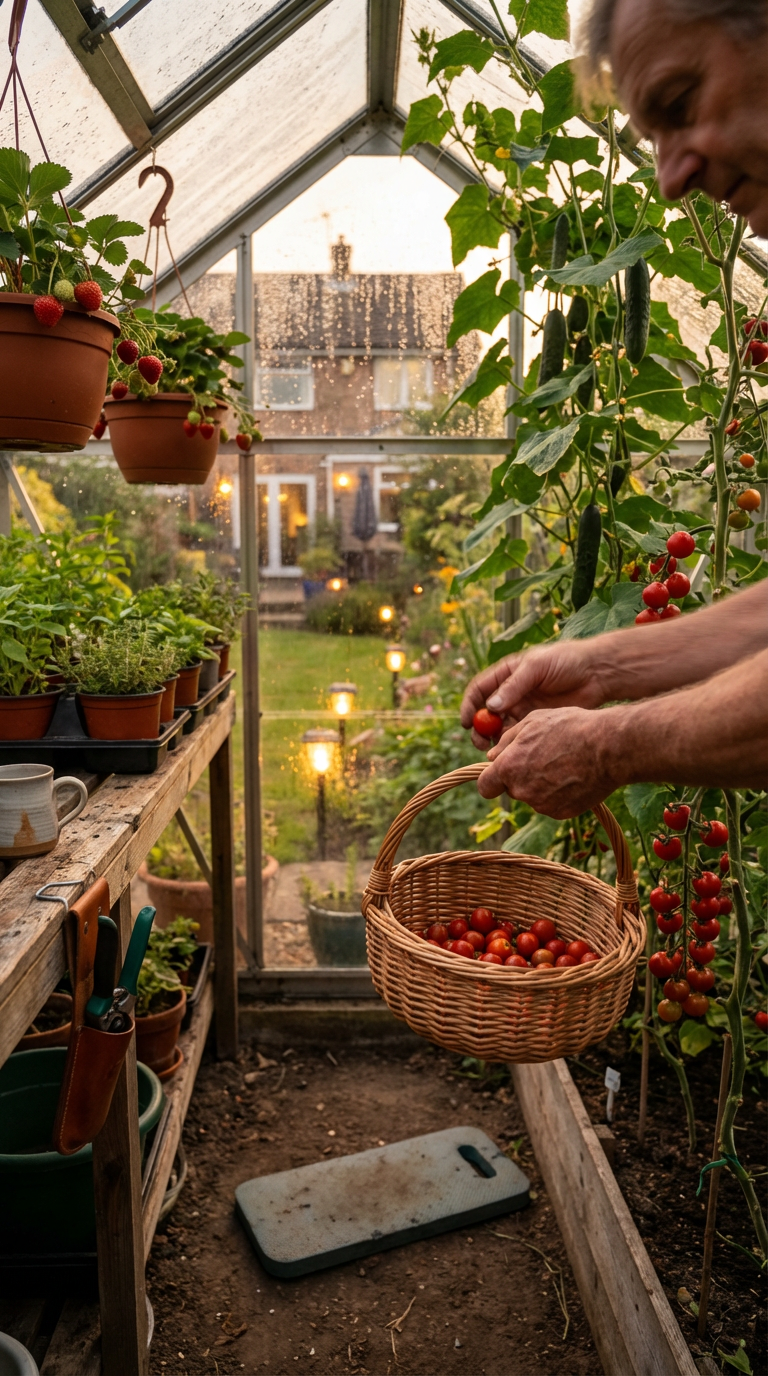
Here’s what I want you to take away from all this: the right greenhouse isn’t about having the fanciest structure or the biggest footprint. It’s about understanding the dance between your climate, your goals, your budget, and your aesthetic desires. It’s about creating a space that feels so naturally part of your gardening life that you can’t imagine how you managed without it.
Whether you’re drawn to the rustic charm of a reclaimed window greenhouse, the sleek efficiency of a polycarbonate kit, or the bold statement of a geodesic dome, the key is matching the design for greenhouse to your actual life. Not the life you think you should have, but the one you’re living right now.
Start small if you need to. A cold frame on your patio. A simple hoop house over one raised bed. Learn what works for you. Because here’s the thing—once you start growing under cover, you don’t go back. The freedom of starting seedlings without hogging every windowsill, the joy of fresh herbs in January, the satisfaction of watching your lemon tree bloom while snow piles up outside? That’s addictive.
So walk your yard. Watch the sun. Check your budget. Then dive into those greenhouse design ideas with confidence. The perfect backyard greenhouse styles are out there waiting for you. And honestly? Your seedlings are already tired of that windowsill. They’re ready for their upgrade.