
From Chaos to Calm: How to Design Your Ultimate Backyard Meditation Garden
The phone stops ringing. The door closes behind you. The noise of the street fades into the background. You step onto the wooden deck and the air feels different here. It is cooler. It is quieter. Your shoulders drop without you even realizing it. This shift in atmosphere does not happen by accident. It happens because you created a space designed for stillness. You built a sanctuary.
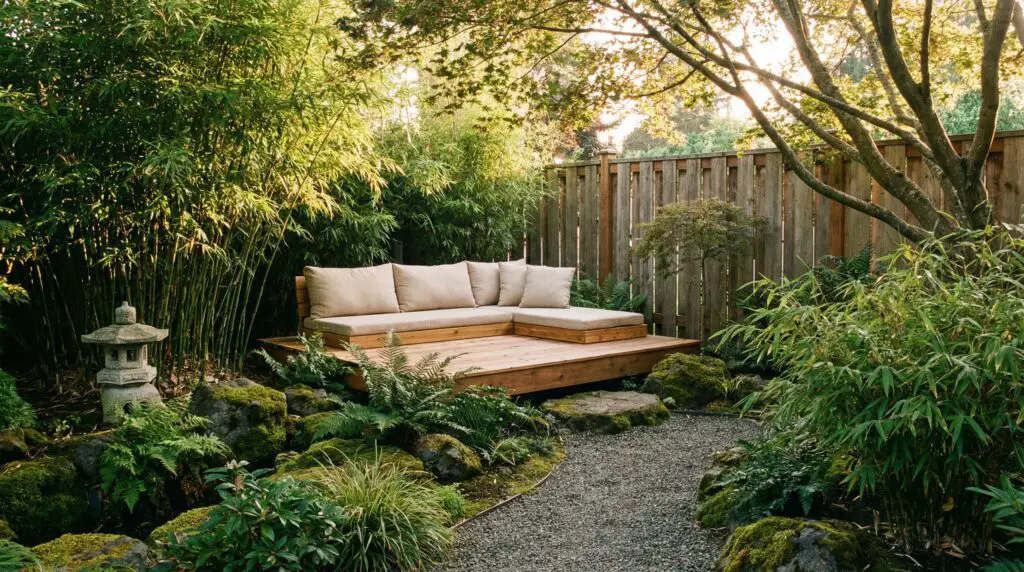
For years, many backyards serve only as functional spaces for storage or quick gatherings. They lack soul. They lack purpose. Then life becomes overwhelming. Work deadlines pile up. The news cycle never stops. The home feels like an extension of the office. You need an escape. You need a place where the only notification is the sound of wind rustling through bamboo. That is the power of a meditation garden.
You might feel that same pull toward tranquility. Modern life moves at a breakneck pace, and finding a moment of stillness often feels impossible. We search for peace in apps or during short breaks, but true restoration often requires a physical shift in environment. Creating a dedicated outdoor space for mindfulness is one of the most rewarding projects a homeowner can undertake. It does not require acres of land or a limitless budget. Whether you have a sprawling lawn or a tiny patio, you can cultivate a space that nurtures your mental health.
This guide will walk you through every step of designing your own meditation garden. We will explore how to find the perfect spot, select the right materials, and choose plants that promote serenity. You will learn how to incorporate principles of Zen Garden Design without needing a degree in landscape architecture. By the end of this article, you will have a clear roadmap to transform your backyard into a personal retreat. Let us begin the journey from chaos to calm.
Finding Your Sanctuary: Location and Layout
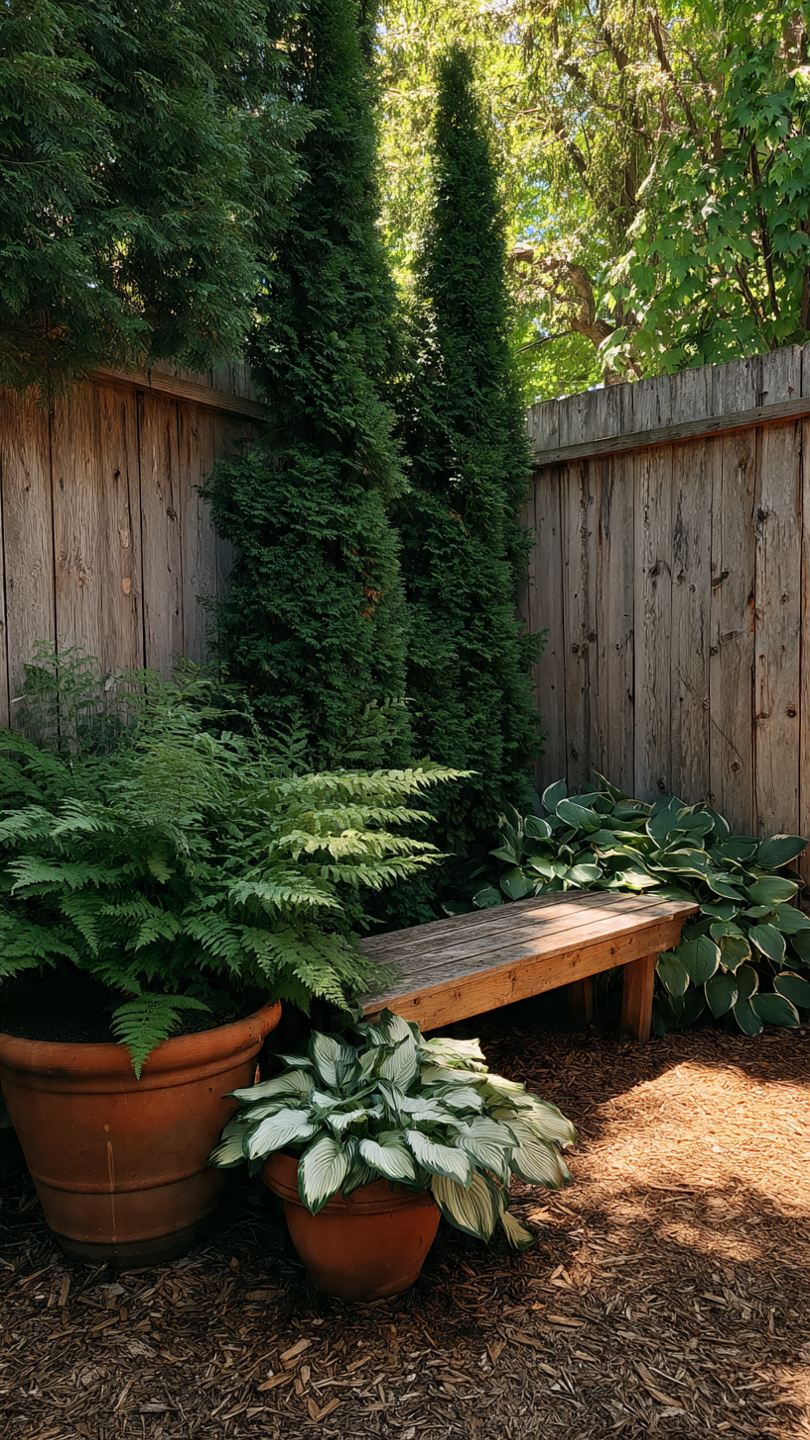
The first step in creating a successful Backyard Meditation Garden is selecting the right location. You might assume you need a large, open area to make this work, but that is rarely the case. In fact, some of the most powerful spaces are tucked away in corners. The goal is to find a spot that feels separate from the daily hustle of your household.
Assessing Your Space
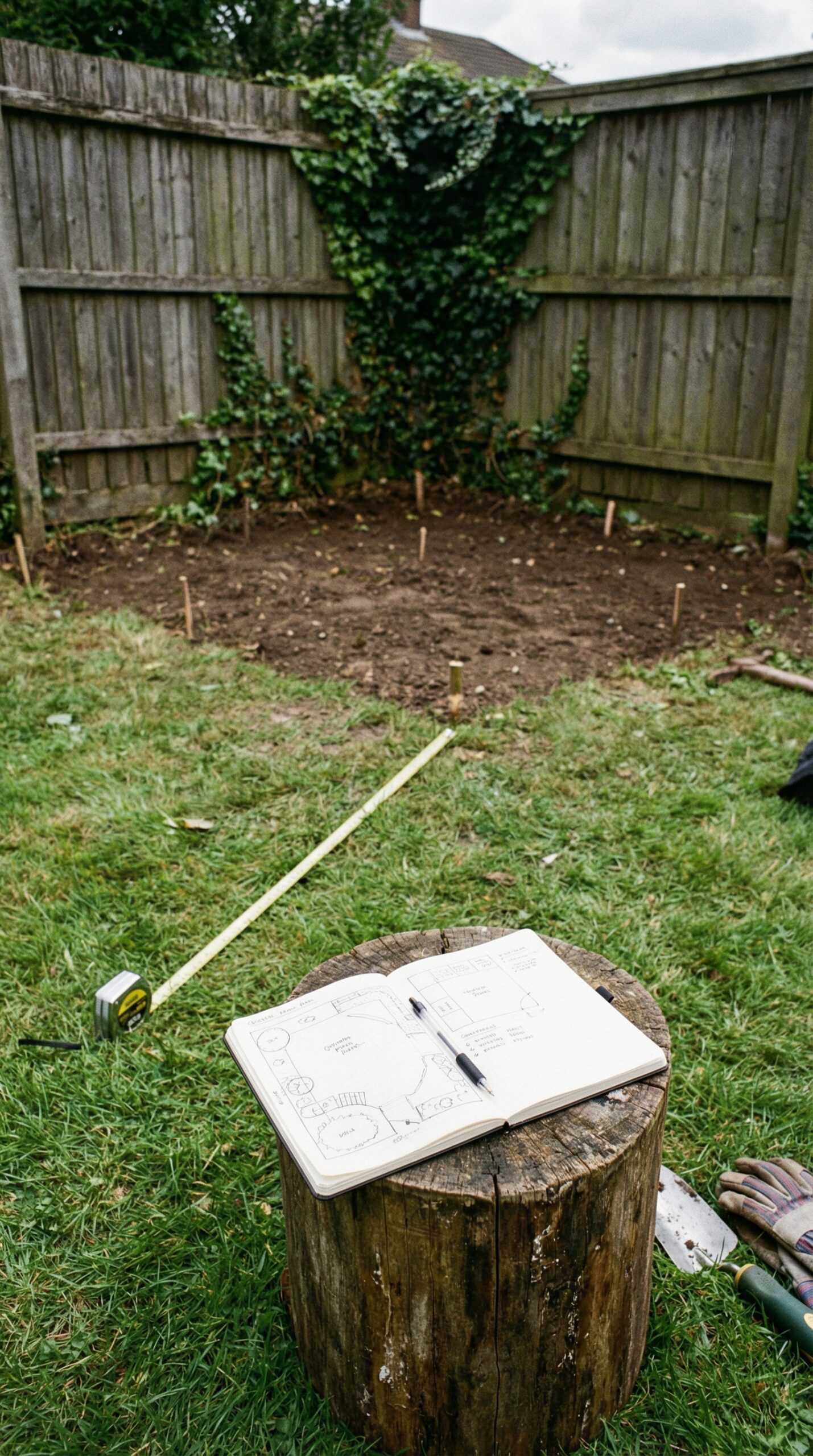
Walk around your property with a notebook in hand. Look for areas that feel naturally secluded. Is there a side yard that gets overlooked? Is there a corner behind the garage that receives dappled sunlight? These forgotten spaces are often perfect for a Small Meditation Garden. Pay attention to the sightlines. Stand in the potential spot and look around. What do you see? If you are staring at your neighbor’s air conditioning unit or a pile of recycling bins, you will need to plan for screening.
Consider the ground conditions as well. A flat area is easiest for beginners, but a gentle slope can offer opportunities for tiered seating or water features. Think about how you will access the space. A winding path adds to the journey and helps you mentally transition from the busy house to the quiet garden. If the space is near a high-traffic area of your yard, such as a play zone for children or a pet run, you might need to establish boundaries. This ensures your Outdoor Meditation Space remains undisturbed when you need it most.
Creating Privacy and Boundaries
Privacy is essential for relaxation. You cannot meditate deeply if you feel exposed or watched. There are many ways to create visual barriers without building solid walls that might make the space feel cramped. Living fences are a beautiful option. Tall ornamental grasses, bamboo, or arborvitae can grow quickly to form a green screen. These plants add movement and sound to the garden, which enhances the serene atmosphere.
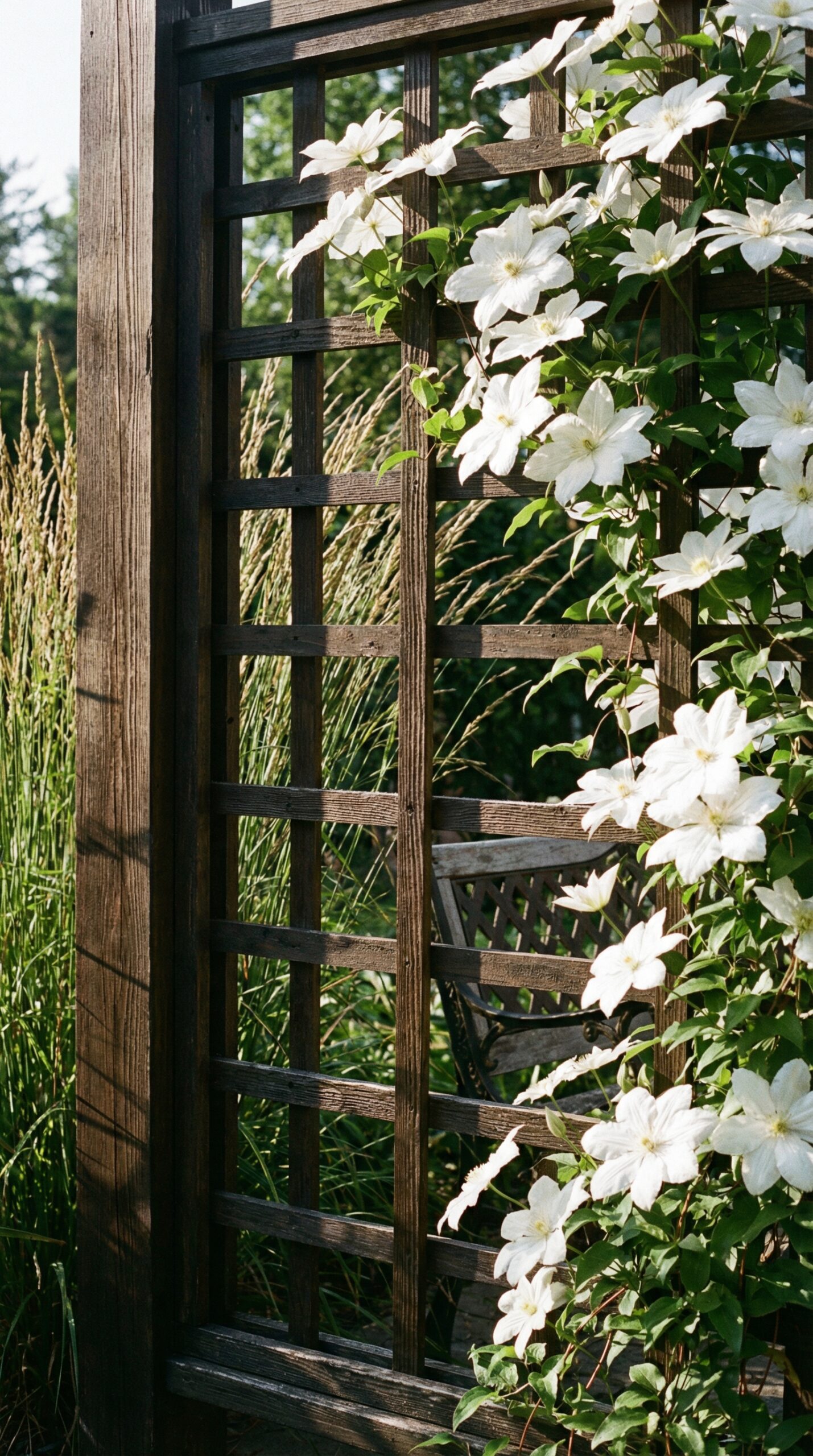
If you need an immediate solution, consider lattice panels with climbing vines. Jasmine or clematis can cover a wooden structure within a single growing season. You might also use outdoor curtains made from weather-resistant fabric. These can be drawn closed when you want total isolation and opened when you wish to enjoy the view. For a Small Meditation Garden, vertical space is your friend. Use tall planters or trellises to draw the eye upward and create a sense of enclosure. This makes the area feel like a secret room rather than just a corner of the yard.
Orientation and Light
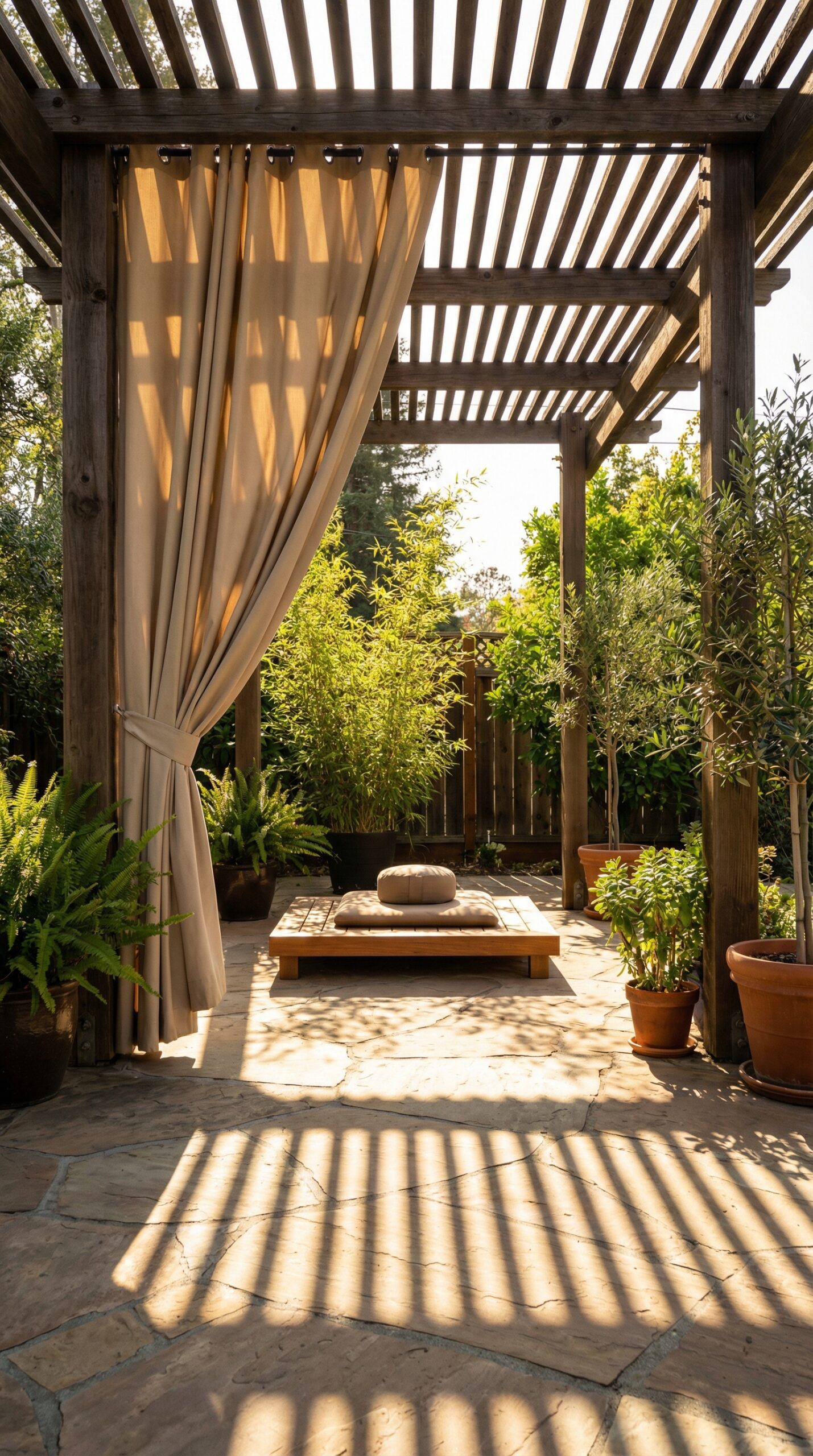
The direction your garden faces will impact its mood throughout the day. An east-facing spot catches the morning sun, which is ideal if you plan to use the space for morning mindfulness practices. The light is soft and energizing. A west-facing area will be warmer in the evening, perfect for unwinding after work. However, be mindful of harsh afternoon heat. You may need to incorporate shade structures like a pergola or a large umbrella.
Shade is often preferable for a Serene Outdoor Space. Direct sunlight can be stimulating, whereas filtered light feels calming. If your chosen spot is fully exposed, plan to plant deciduous trees that will provide canopy coverage in the summer but allow light through in the winter. This ensures your garden remains usable year-round. Think about how the light changes with the seasons. A spot that is sunny in July might be completely shaded in December. Understanding these patterns will help you design a space that feels comfortable no matter when you visit.
The Zen Blueprint: Core Design Elements
Once you have selected your location, it is time to think about design. A Meditation Garden is different from a standard flower garden. The focus is not on colorful blooms that change weekly, but on structure, texture, and permanence. We often look to Zen Garden Design for inspiration because it prioritizes balance and simplicity.
Principles of Balance and Asymmetry
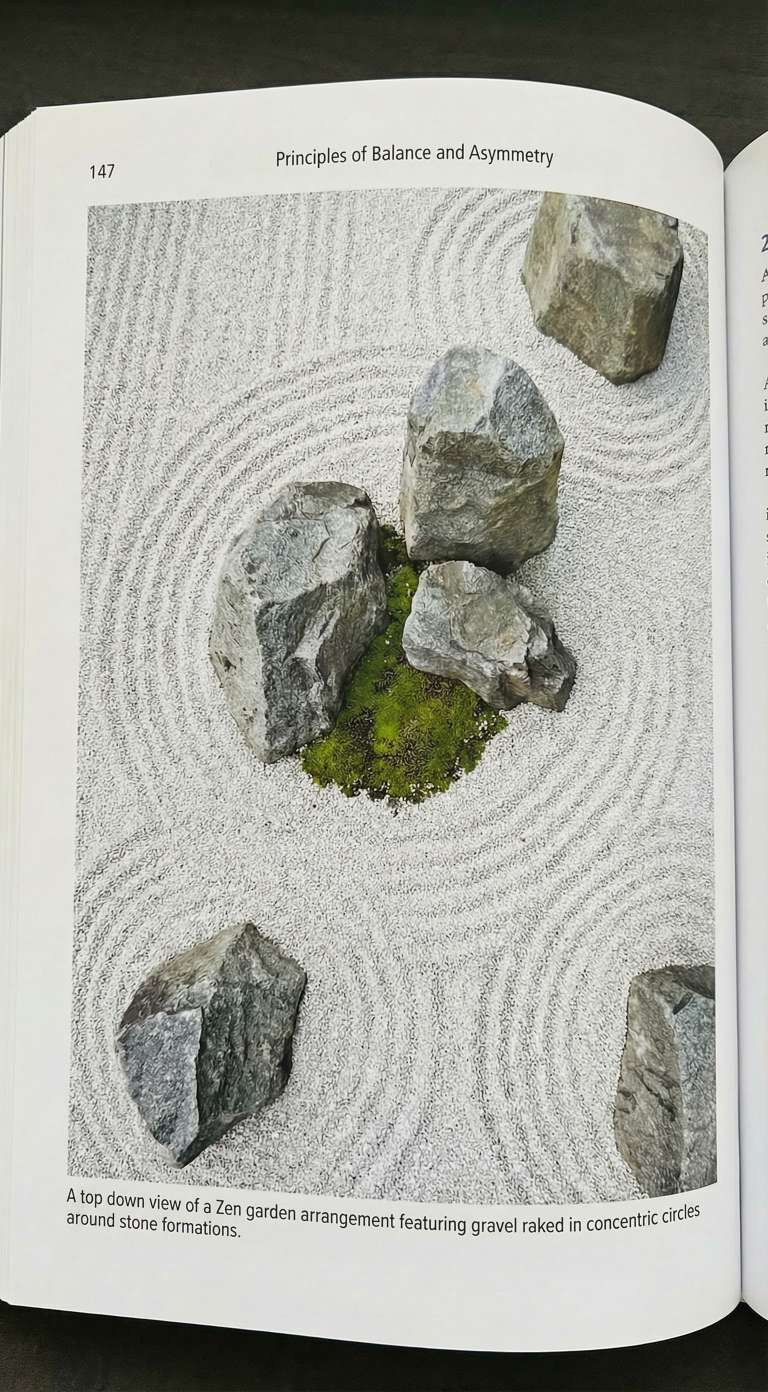
In Western gardening, we often seek symmetry. We want matching planters on either side of the door and perfectly trimmed hedges. In Japanese Garden aesthetics, asymmetry is valued higher. Nature is rarely perfectly symmetrical, so mimicking natural irregularities creates a more organic feel. Place your main focal point, such as a large stone or a bench, slightly off-center. This encourages the eye to move around the space rather than stopping immediately.
Balance does not mean everything must be equal. It means visual weight is distributed evenly. If you have a large rock on one side, balance it with a cluster of smaller plants or a grouping of candles on the other. This creates harmony without rigidity. When planning your Meditation Garden Design, sketch out your ideas on paper. Move elements around until the space feels stable but dynamic. You want the eye to travel smoothly through the area without encountering visual clutter.
Hardscaping and Materials
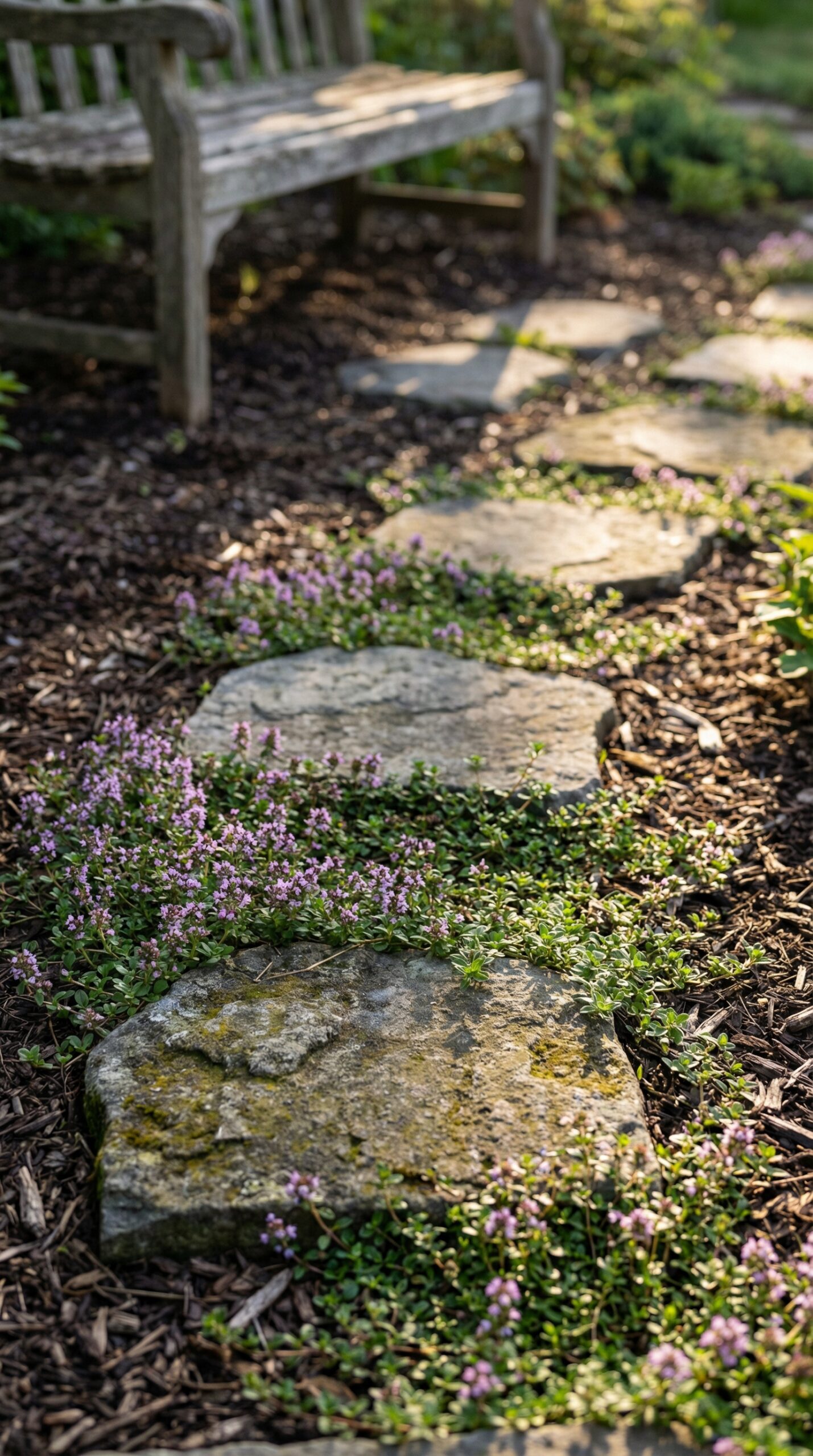
The materials you choose set the tone for the entire project. Natural materials are best for grounding the space. Wood, stone, and gravel are the pillars of this style. For pathways, consider using stepping stones set into moss or gravel. This forces you to walk slowly and mindfully, paying attention to where you place your feet. It turns the act of entering the garden into a ritual.
Seating is the most important functional element. You need a place to sit that is comfortable enough for stillness but firm enough to maintain posture. A simple wooden bench works well. Ensure it is made from weather-resistant timber like teak or cedar. If you prefer sitting on the ground, create a raised wooden platform. This keeps you off the damp earth and defines the meditation zone clearly. Add outdoor cushions that can be stored away when not in use. The texture of the materials matters too. Smooth river rocks feel calming to the touch, while rough bark adds rustic character. Mix these textures to create interest.
The Power of Water and Stone
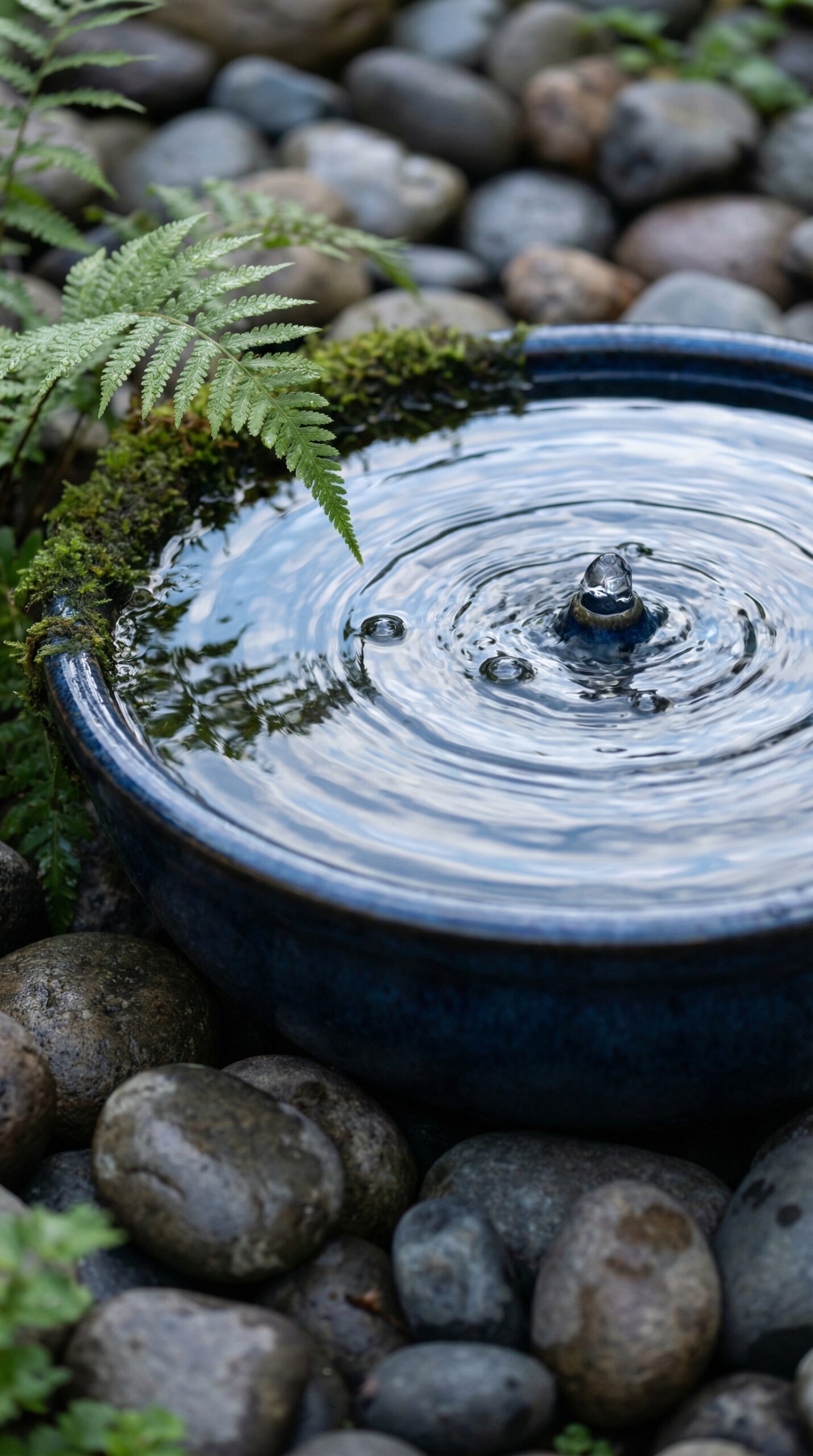
Water is a classic element in a Japanese Garden because it represents flow and purity. The sound of moving water is also excellent for masking unwanted noise from the street or neighbors. You do not need a large pond to achieve this effect. A small recirculating fountain or even a simple ceramic bowl with a floating pump can provide the necessary sound. The gentle burble of water helps drown out intrusive thoughts.
Stone represents permanence and stability. In Zen traditions, rocks are often arranged to represent mountains or islands. You can incorporate this by placing a few large boulders among your plants. Surround them with raked gravel or sand. Raking the gravel into patterns is a meditative practice in itself. It requires focus and patience. Even if you do not rake it daily, the visual of the patterns adds structure to the garden. These hardscape elements require very little maintenance, which ensures your Serene Outdoor Space does not become a source of stress.
Planting for Peace: The Mindfulness Garden
Plants bring life to the structure you have built. However, in a Mindfulness Garden, we choose plants for their ability to engage the senses and promote calm. We avoid high-maintenance varieties that demand constant pruning or deadheading. The goal is to create a backdrop that supports your practice, not a project that requires weekly labor.
Sensory Planting Strategies
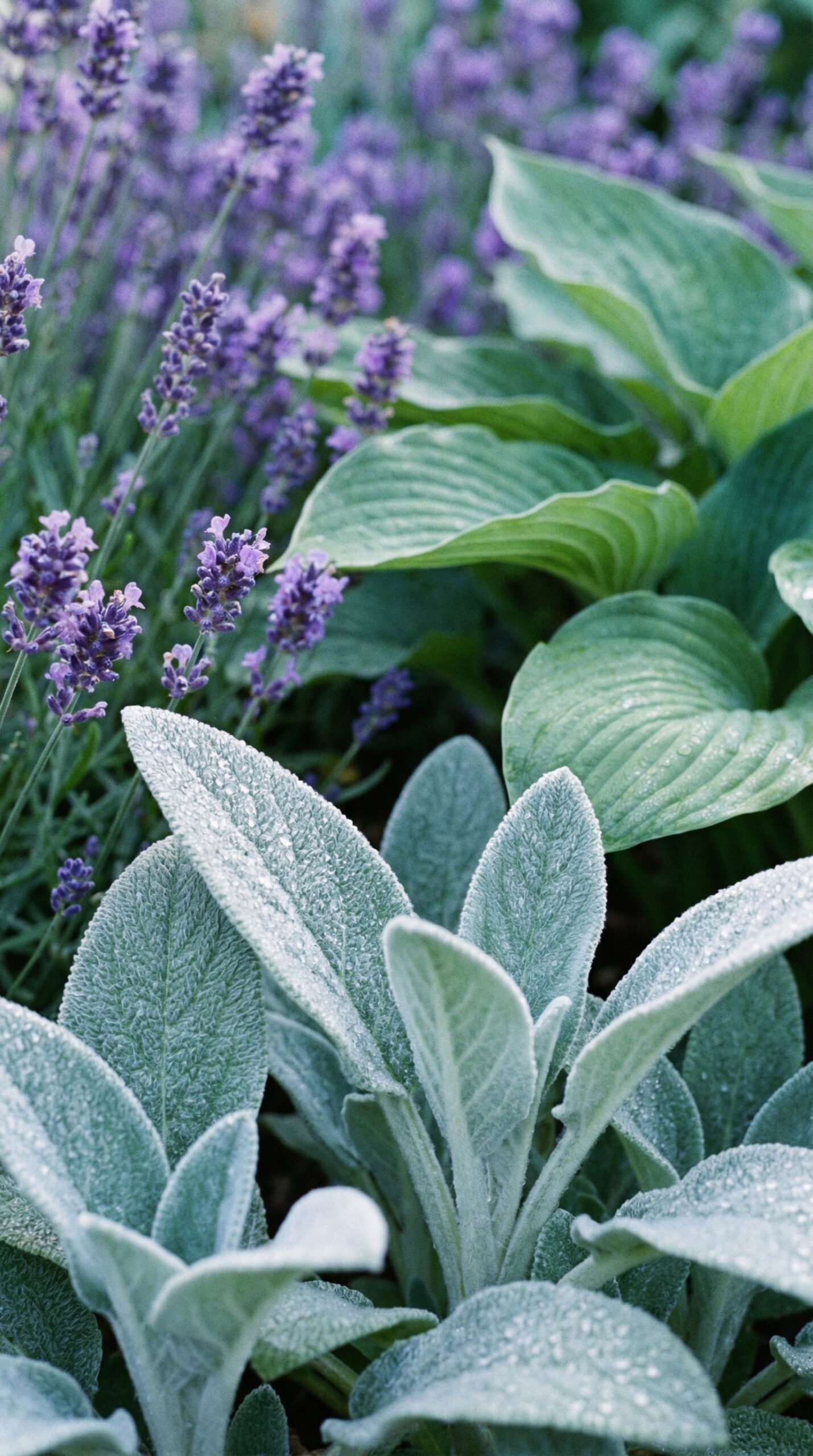
Think about how each plant engages your five senses. Sight is obvious, but do not overlook smell and touch. Scented plants can trigger relaxation responses in the brain. Lavender is a classic choice because its fragrance is proven to reduce anxiety. Plant it near your seating area so the scent is released when you brush against it. Jasmine and gardenia are also excellent for evening gardens when their perfume is strongest.
Texture is equally important. Include plants with soft foliage like Lamb’s Ear. The velvety leaves invite touch and grounding. Ornamental grasses add movement and sound. When the wind blows, the swaying grasses create a visual rhythm that is hypnotic to watch. Avoid plants with sharp thorns or aggressive growth habits that might invade your path. You want the garden to feel welcoming and safe. Every element should invite you to linger rather than rush through.
Recommended Plant Varieties
Selecting the right plants depends on your climate, but there are universal choices for peace. Bamboo is a staple in many designs because it creates a strong vertical line and offers excellent privacy. Choose clumping varieties rather than running varieties to prevent them from taking over your yard. Ferns are another great option for shady areas. Their lush green fronds create a sense of coolness and depth.
For evergreen structure, consider boxwood or holly. These plants maintain their shape and color throughout the winter months. This is crucial for a Peaceful Garden Ideas list that aims for year-round use. You do not want your sanctuary to look dead and barren when the weather turns cold. Add some flowering plants for seasonal pops of color, but keep them subtle. White or pale purple flowers are more calming than bright reds or oranges. Hostas are perfect for shade gardens with their broad, calming leaves. Remember that less is more. A few well-placed specimens look more intentional than a crowded bed of mixed varieties.
Seasonal Interest and Maintenance
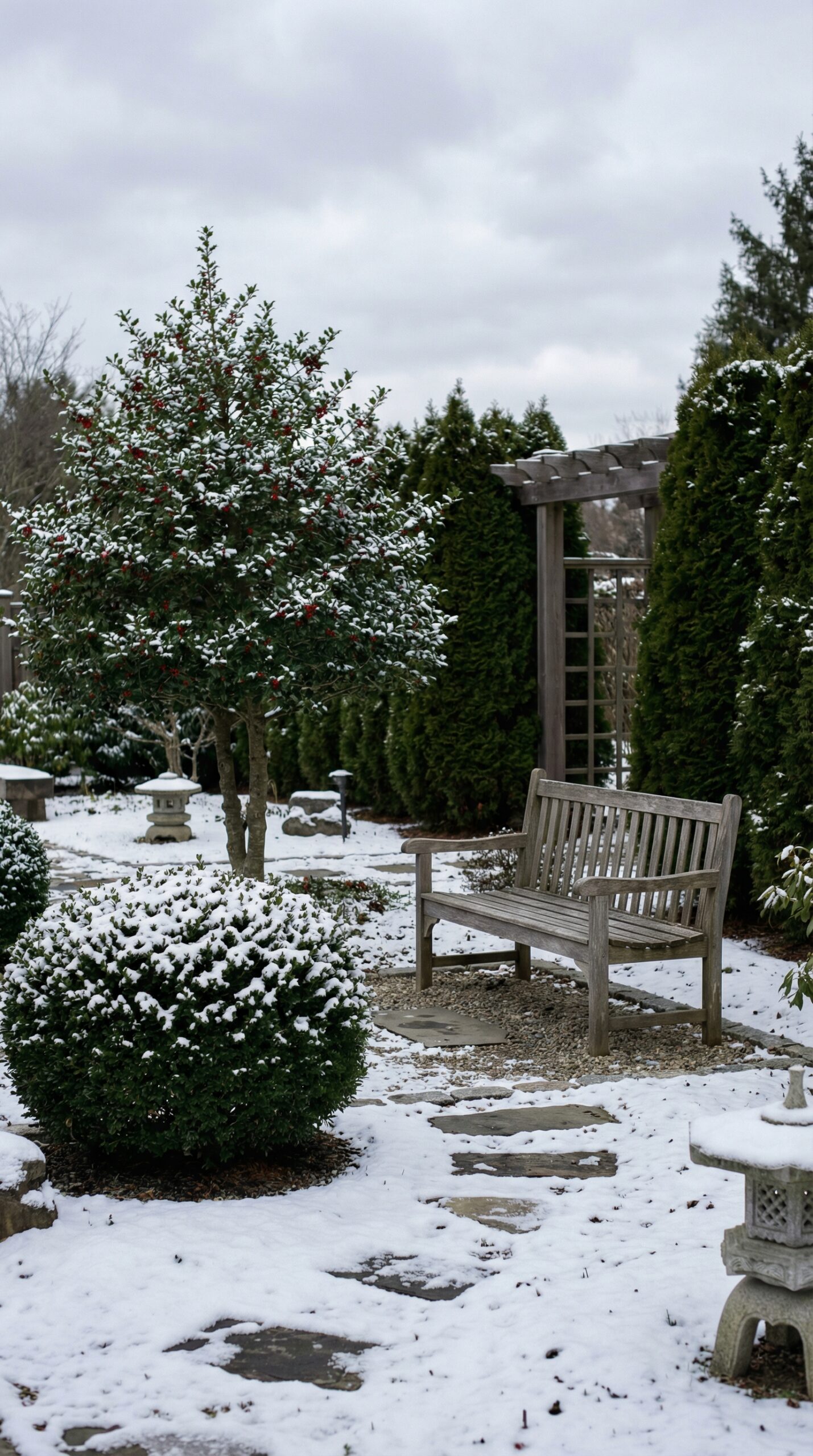
A truly functional Outdoor Meditation Space should be inviting in every season. In spring, focus on budding plants that signify renewal. In summer, ensure there is enough shade to keep the area cool. Autumn brings beautiful foliage colors that can be reflected in a water feature. Winter is the hardest season, so rely on evergreens and structural elements like stones and wood to carry the visual weight.
Maintenance should be minimal. Spend time upfront choosing plants that are native to your area. Native plants are adapted to your local rainfall and temperature, meaning they need less water and care. Mulch your beds heavily to suppress weeds. Weeds are the enemy of peace in the garden. If you spend your meditation time pulling dandelions, the purpose is lost. Design the garden so that upkeep takes only a few minutes a week. This ensures you spend your time enjoying the space rather than working in it.
Building on a Budget: DIY Tips and Tricks
You do not need to hire a landscape architect to create a beautiful retreat. Many of the most peaceful gardens are built by homeowners using creativity and elbow grease. A DIY Meditation Garden can be just as effective as a professionally installed one if you focus on the core elements of design.
Cost-Effective Materials
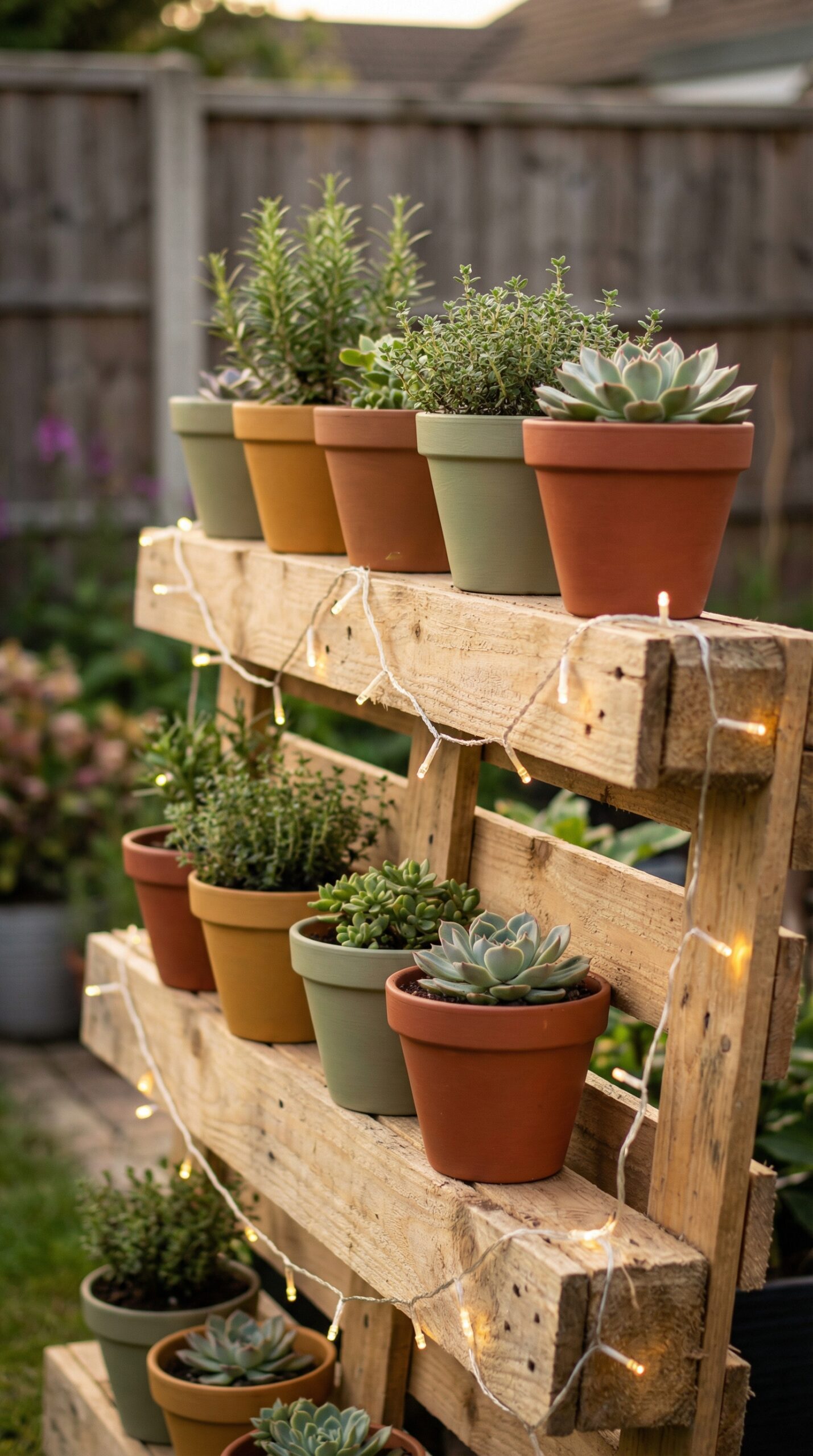
Look for materials that are affordable but durable. Gravel is much cheaper than paving stones and offers a pleasing crunch underfoot. You can often find local stone suppliers who sell bulk gravel at a low cost. Wood pallets can be repurposed into seating or planters with a little sanding and sealing. Check online marketplaces for free or cheap landscaping materials. People often give away bricks, stones, or plants when they are renovating their own yards.
Containers are another budget-friendly option. You do not need to dig up the lawn to create garden beds. Large pots can define the space and hold your key plants. Terracotta pots are inexpensive, but you can paint them to match your aesthetic. Just ensure they have drainage holes. Using containers allows you to move plants around if you decide to change the layout later. This flexibility is valuable when you are learning what works best in your specific microclimate.
Phasing Your Project
One of the biggest mistakes people make is trying to do everything at once. This leads to budget burnout and exhaustion. Instead, phase your project. Start by clearing the area and defining the boundaries. This costs very little but immediately makes the space feel distinct. Next, add your seating. You can meditate on a simple cushion on the ground if you do not have a bench yet.
In the second phase, add your hardscaping elements like paths or gravel. In the third phase, introduce plants. Start with the largest structural plants like trees or shrubs. Fill in the gaps with smaller perennials over time. This approach allows you to spread the cost over several months or even years. It also gives you time to observe how the light changes and how the space feels before committing to permanent features. A Backyard Meditation Garden is a living project. It should evolve as your needs change.
Simple DIY Projects
There are many small projects that add big value. Create your own stepping stones using concrete molds and embed pebbles or sea glass into the top. Make a wind chime from recycled materials to add sound. Build a simple trellis from bamboo poles tied together with twine. These personal touches make the garden feel uniquely yours. They also provide a sense of accomplishment. When you sit in the garden, you will know that you built this peace with your own hands. That connection deepens the sense of ownership and care for the space.
Living in the Space: Maintenance and Ritual
Creating the garden is only the beginning. The true value comes from using it consistently. A Meditation Garden is not a showpiece. It is a tool for mental health. To get the most out of it, you need to establish rituals and maintain the space with intention.
Keeping it Serene
Clutter is the enemy of calm. Keep the space free of garden hoses, tools, or toys. Have a dedicated storage box nearby for cushions or meditation props so they can be put away easily. Sweep the path regularly. Rake the gravel if you have it. These small acts of care are part of the practice. They show respect for the space and prepare your mind for stillness. If the garden becomes overgrown or messy, it will feel chaotic rather than peaceful. Set aside fifteen minutes once a week for tidying. Treat this cleanup as a moving meditation rather than a chore.
Creating Daily Rituals
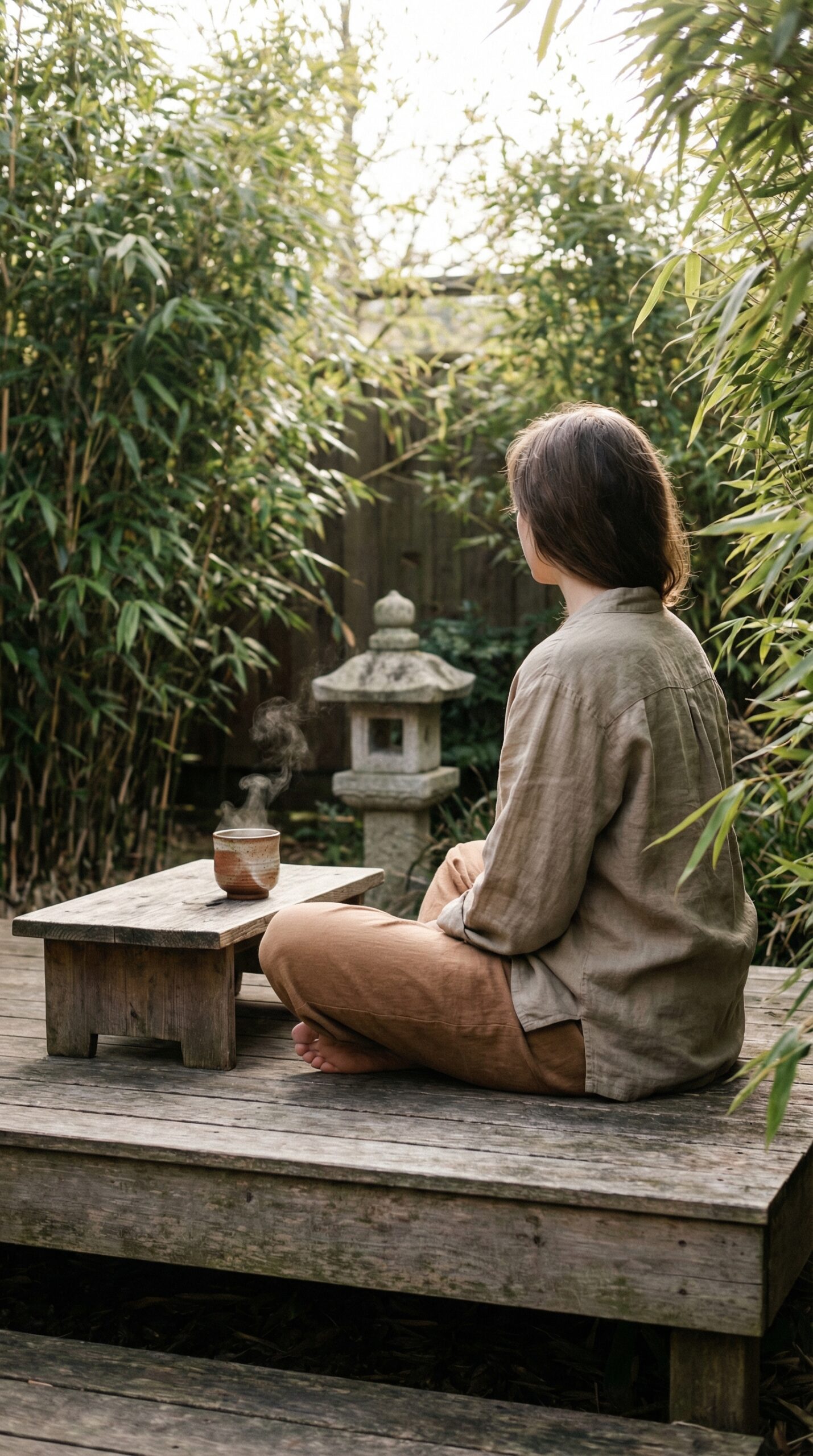
Try to use the space at the same time each day. This builds a habit. You might start your morning there with a cup of tea. Or you might end your day there to decompress. Leave your phone inside the house. The constant ping of notifications breaks the spell of tranquility. Use this time to disconnect from the digital world and reconnect with nature. Even if you only have ten minutes, that time is valuable. Sit and breathe. Watch the leaves move. Listen to the birds. Let the garden anchor you in the present moment.
Winterizing and Long-Term Care
Prepare your garden for the colder months so it is ready for spring. Drain water features to prevent cracking from ice. Cover wooden furniture or bring cushions inside. Prune plants as needed before dormancy. A well-maintained garden in winter looks intentional rather than neglected. Snow on evergreen branches can be incredibly beautiful. If you live in a climate with harsh winters, ensure your path is clear of ice so you can still access the space safely. The goal is to make the garden inviting regardless of the weather. This ensures your Outdoor Meditation Space remains a constant refuge throughout the year.
Its Time to Begin Creating Your Personal Sanctuary
Transforming a patch of yard into a Meditation Garden is one of the best investments you can make in your well-being. It provides a tangible escape from the noise of the world. You have learned how to find the right spot, design with intention, and choose plants that soothe the soul. You know that you can do this on a budget and that you can start small. The principles of Zen Garden Design are accessible to everyone. You do not need perfection. You need presence.
Remember that this space is for you. It does not need to look like the pictures in magazines. It needs to feel right to you. Maybe that means adding a wind chime that reminds you of a childhood memory. Maybe it means planting a specific flower that brings you joy. Trust your instincts. Clear a corner this weekend. Put down a mat. Sit for five minutes. Listen to what the space tells you it needs.
Your sanctuary awaits. It is outside your door, waiting for you to step into the calm. Begin today. Build your Meditation Garden and reclaim your peace.