
Modern Shed, Big Style: A Practical Guide to a Clean-Lined Backyard Retreat
You don’t need more rooms inside the house, you need one smart space outside it. A modern shed can be tidy tool storage, a bright hobby room, or a focused backyard office, all while adding a strong architectural note to the garden. Clean lines are only the beginning, though. The best results come from purpose-led planning, a dry and stable base, and a calm, well-edited material palette.
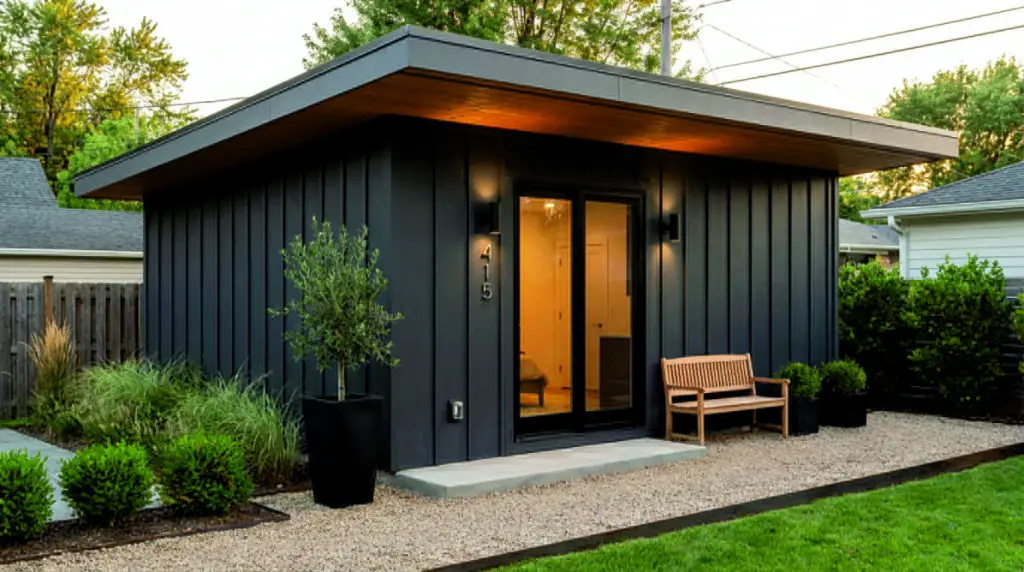
A shed is small enough to feel manageable, yet big enough to go wrong if you skip the basics. Poor drainage can shorten its life, bad placement can turn it into an overheated box, and rushed layout choices can make it feel cramped every day. Get the fundamentals right, and the payoff is immediate, you gain breathing room indoors, plus a backyard feature that looks intentional, not tacked on.
What “modern shed” really means
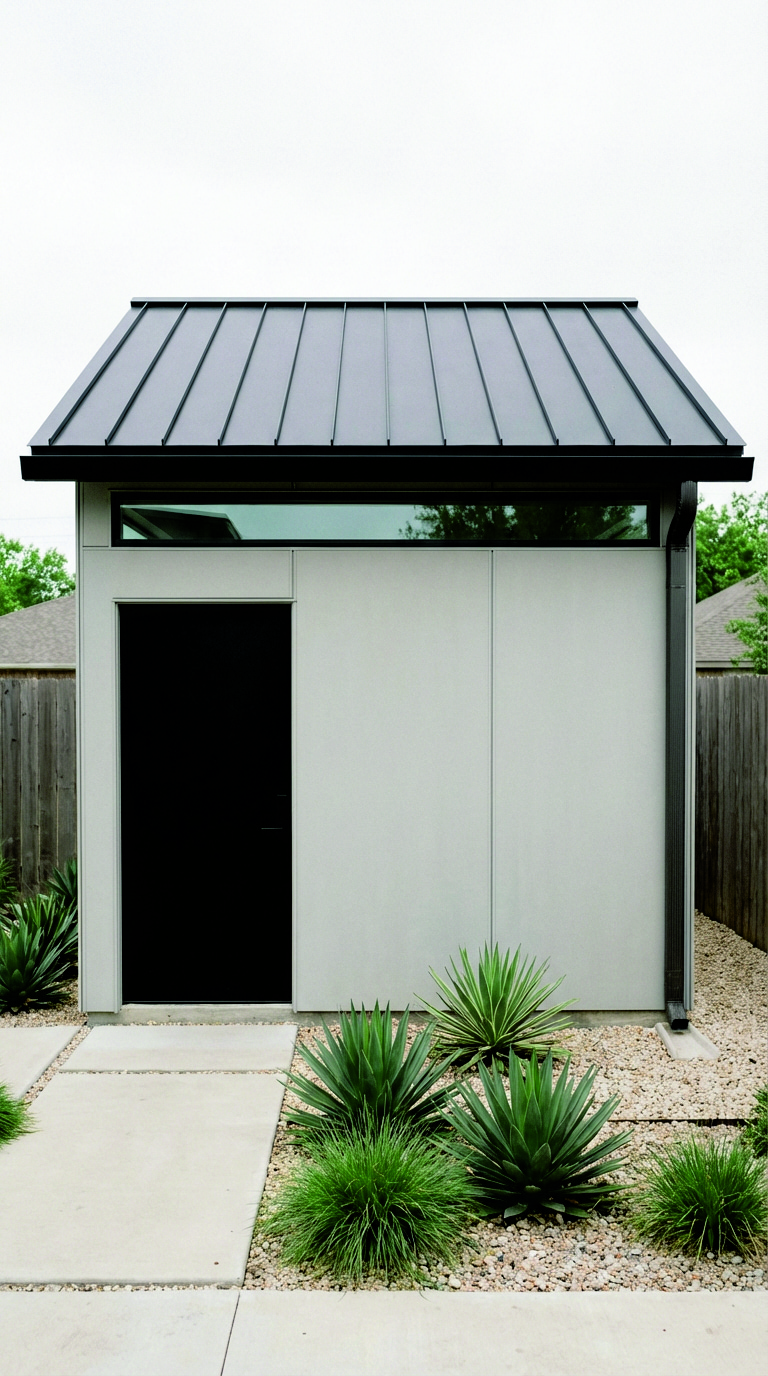
Modern, in shed terms, is less about a single style and more about a set of decisions. Shapes stay simple, trim is restrained, materials look deliberate, and openings are placed with purpose. Windows tend to be fewer and larger, rather than many small ones, and the exterior color palette is usually limited to one or two tones with a warm accent like wood.
Modern sheds also avoid visual noise. Hardware is minimal, gutters are integrated where possible, and clutter gets hidden behind doors or within built-ins. Even if the shed is mainly for storage, the outside still reads as a designed object in the garden, one that plays well with planting beds, paths, and the home’s existing lines.
Start with purpose, then choose the right size
Before you sketch a single elevation, decide what the shed needs to do on an ordinary day. “Storage” can mean anything from a few hand tools to bulky seasonal gear, bikes, and a mower. “Office” can mean a laptop perch used twice a week, or a full-time workspace that needs quiet, climate comfort, and reliable power.
Make a short list of non-negotiables, then translate it into space needs. A desk and chair need clearance to move comfortably, storage needs aisle space, and long items need uninterrupted wall runs. Add in door swing and wall thickness, especially if you plan insulation, then you’ll get a footprint that feels realistic rather than wishful.
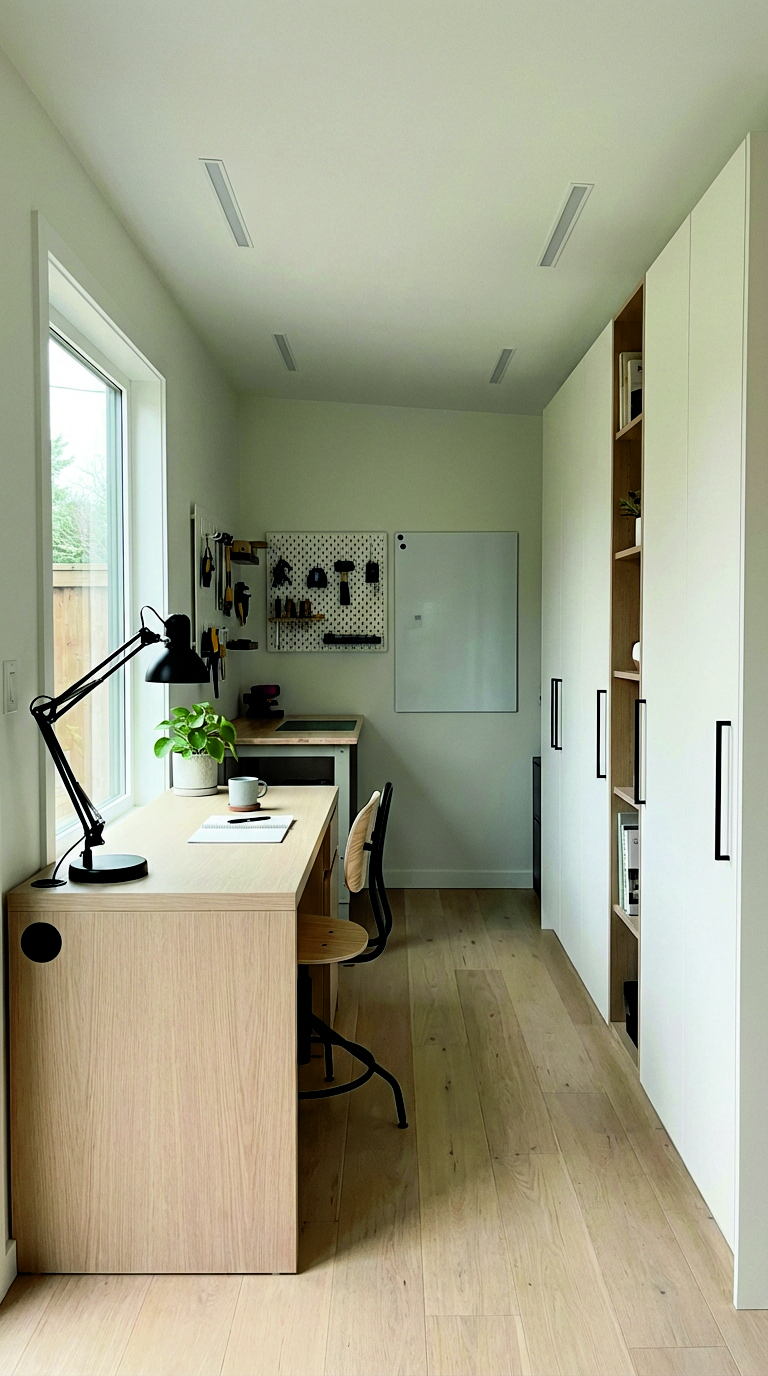
A helpful approach is to map zones instead of filling the room with furniture in your head. Reserve a “clean wall” for desk or bench work, a “mess wall” for tools and hanging systems, and a “light wall” where windows do the heavy lifting. Even a small shed feels larger when each wall has a clear job.
Placement, light, and the view from the house
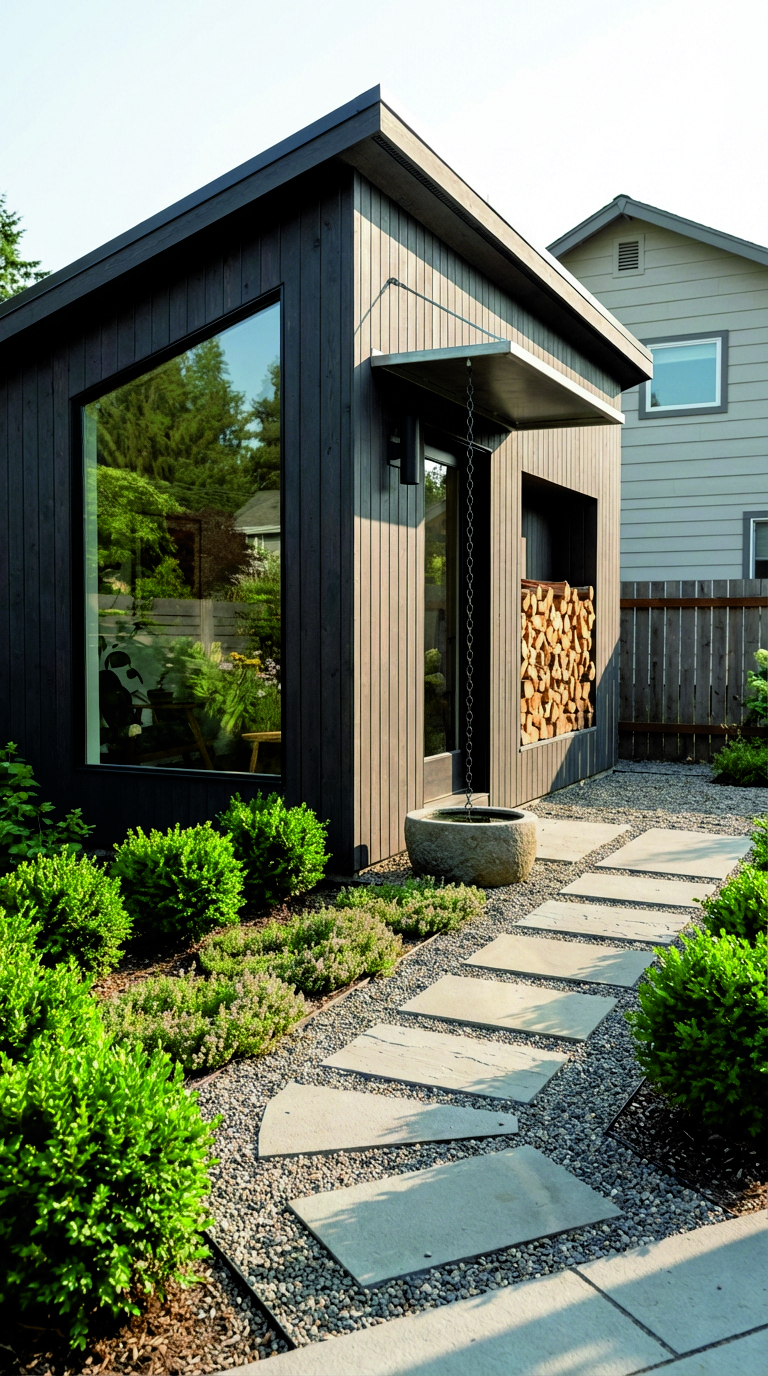
Where the shed sits matters as much as what it looks like. A modern shed is often seen from the kitchen sink, the patio, or the main path through the yard. Put it where it feels like a destination, not an obstacle, and where its clean shape reads as a calm backdrop to plants.
Sun direction changes comfort fast. South and west exposure can bring strong afternoon heat, while north-facing windows often give softer, steadier light for a studio. If the shed will be an office, consider glare on screens and the temperature swings that come with full sun. Shade from a small tree, a pergola nearby, or careful window placement can keep the interior usable.
Think about arrival, too. A straight, easy path makes the shed feel integrated. A muddy route, a tight corner for wheelbarrows, or a door that opens into a cramped spot will irritate you every time you use it. A simple stepping-stone line, compacted gravel, or a narrow paved strip often solves more than you expect.
Rules, permits, and the “shed vs habitable” line
Local rules vary, so treat this section as a mindset, not a checklist. In many areas, once a structure is heated, wired, or used as a regular workspace, requirements can change. Size thresholds, setbacks, and whether electrical work needs inspection are common dividing lines.
A safe planning habit is to decide early if your modern shed is purely accessory storage, or if it’s a finished space you’ll occupy for hours. That choice influences insulation, vapor control, window sizing, electrical layout, and the kind of foundation you’ll want. It also affects the paperwork you may face, so a quick check with your local building office early on can save time later.
If you want “shed office” comfort without getting tangled in bigger classifications, aim for a simple, well-built shell with thoughtful ventilation and wiring that meets local standards. Keep the scope clear, and it’s easier to budget, schedule, and build.
Shape and roofline: the modern silhouette
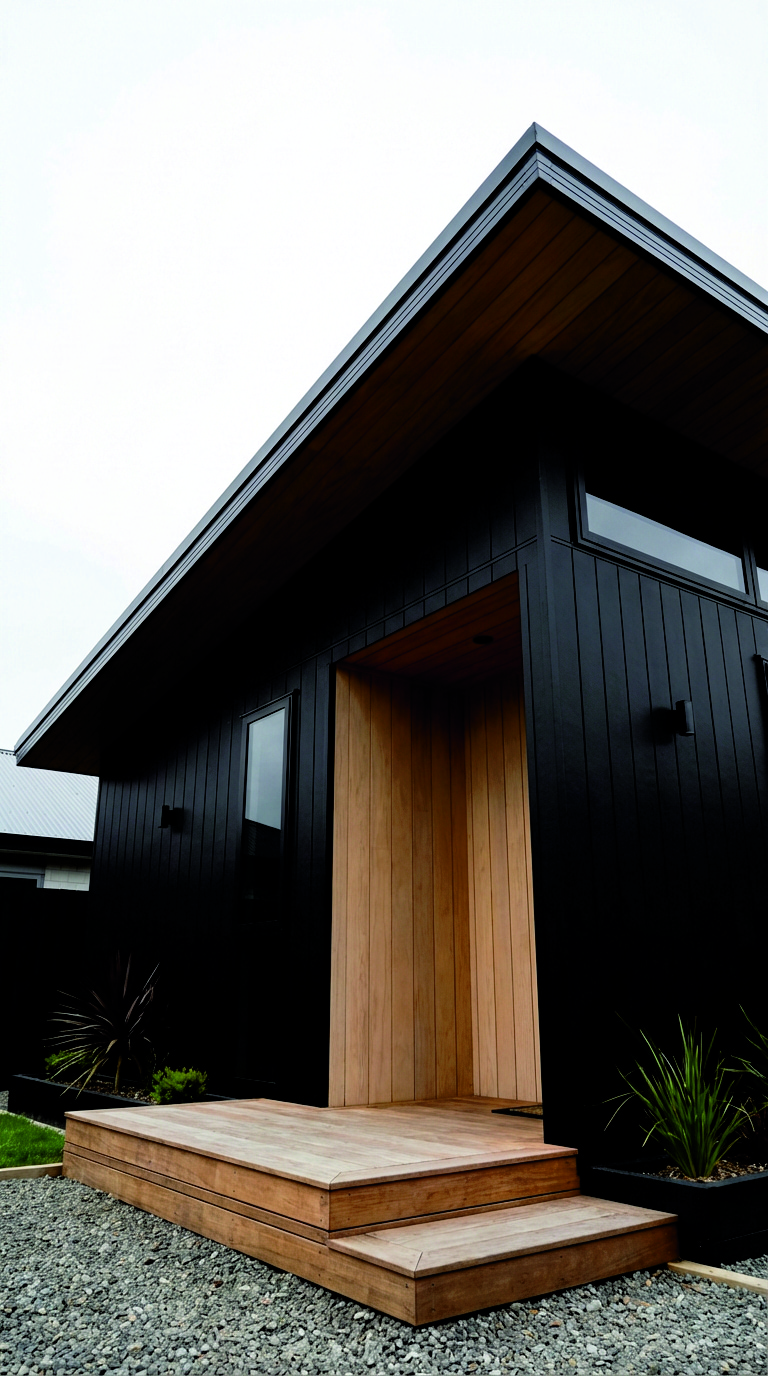
Modern sheds look best when the silhouette is confident and uncomplicated. A single-slope roof can feel crisp and contemporary, and it sheds water efficiently when detailed well. A simple gable can still read modern if trim is restrained and openings are cleanly aligned.
Proportion matters more than fancy features. A small shed often looks better with one strong window composition than with a scattered collection of small panes. Align window heads and door tops where you can, keep trim widths consistent, and avoid adding decorative elements that fight the simplicity you’re trying to achieve.
Door choice sets the tone. A flush door with minimal framing feels modern and calm. A sliding door can be space-saving and visually tidy, though it needs solid hardware and careful weather detailing. Full glass doors bring light and a studio feel, but they also raise privacy and heat-control questions, so placement is key.
Materials that age well in a garden setting
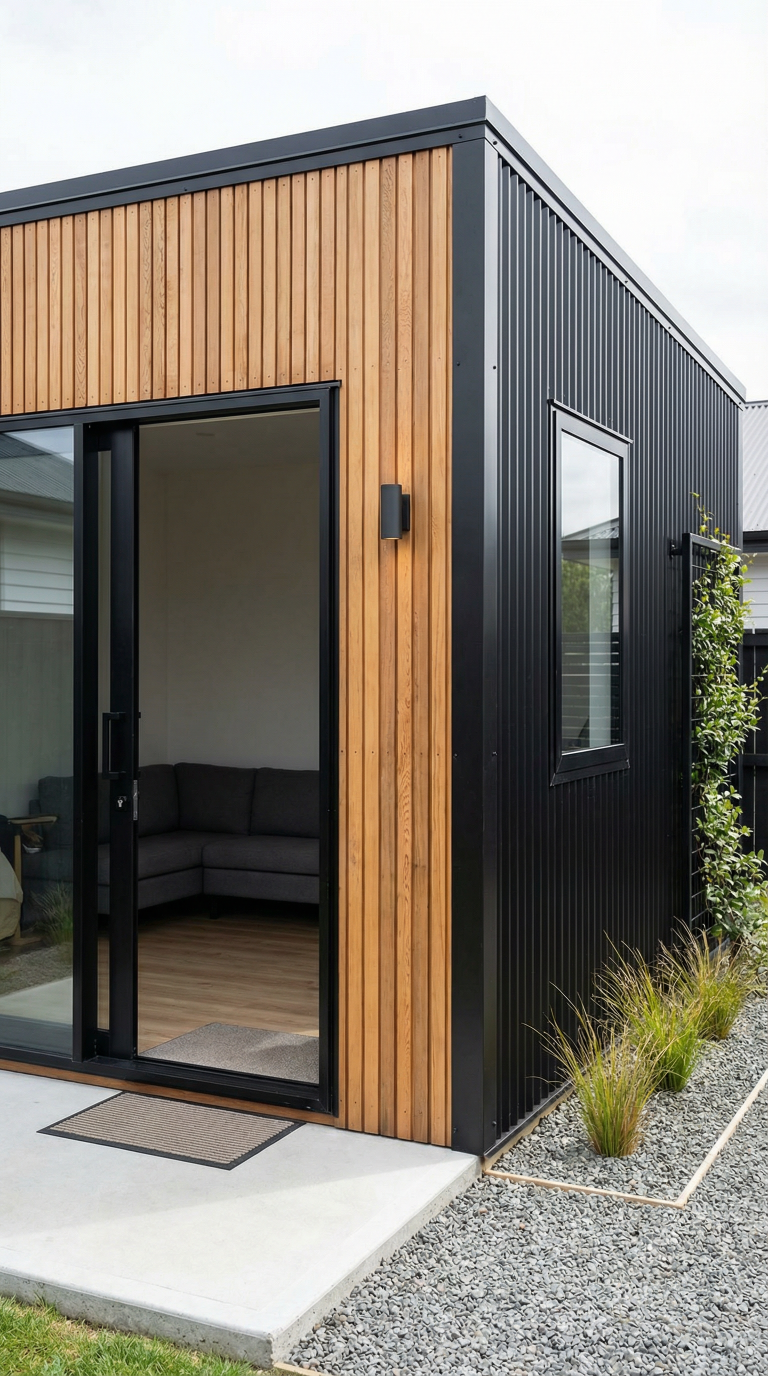
A modern shed should look good on day one, then keep its composure as seasons pass. Materials that handle moisture, sun, and temperature swings without constant fuss are your allies. Many modern sheds rely on a limited palette, then let texture do the work, a smooth painted surface paired with a warm wood accent can feel both fresh and grounded.
Wood cladding adds warmth and softens sharp lines, especially in gardens with lots of green. Vertical boards can make a shed feel taller, while horizontal runs can stretch it visually. If you love the look of natural wood, plan for how it will weather, and decide whether you want it to silver over time or stay closer to its original tone.
Painted finishes can look sharp, but they reward good prep and smart detailing. Clean edges, consistent trim, and proper flashing make a bigger difference than the exact paint color. Dark colors can look striking, yet they may show dust and pollen more, and they can absorb heat, so think about sun exposure and ventilation.
Metal siding can deliver a crisp, modern read, and it often handles weather well. Pair it with a wood soffit or a small wood entry surround, and you get contrast without clutter. Whatever you choose, keep transitions clean, and avoid mixing too many textures on one small building.
Windows: less can be more
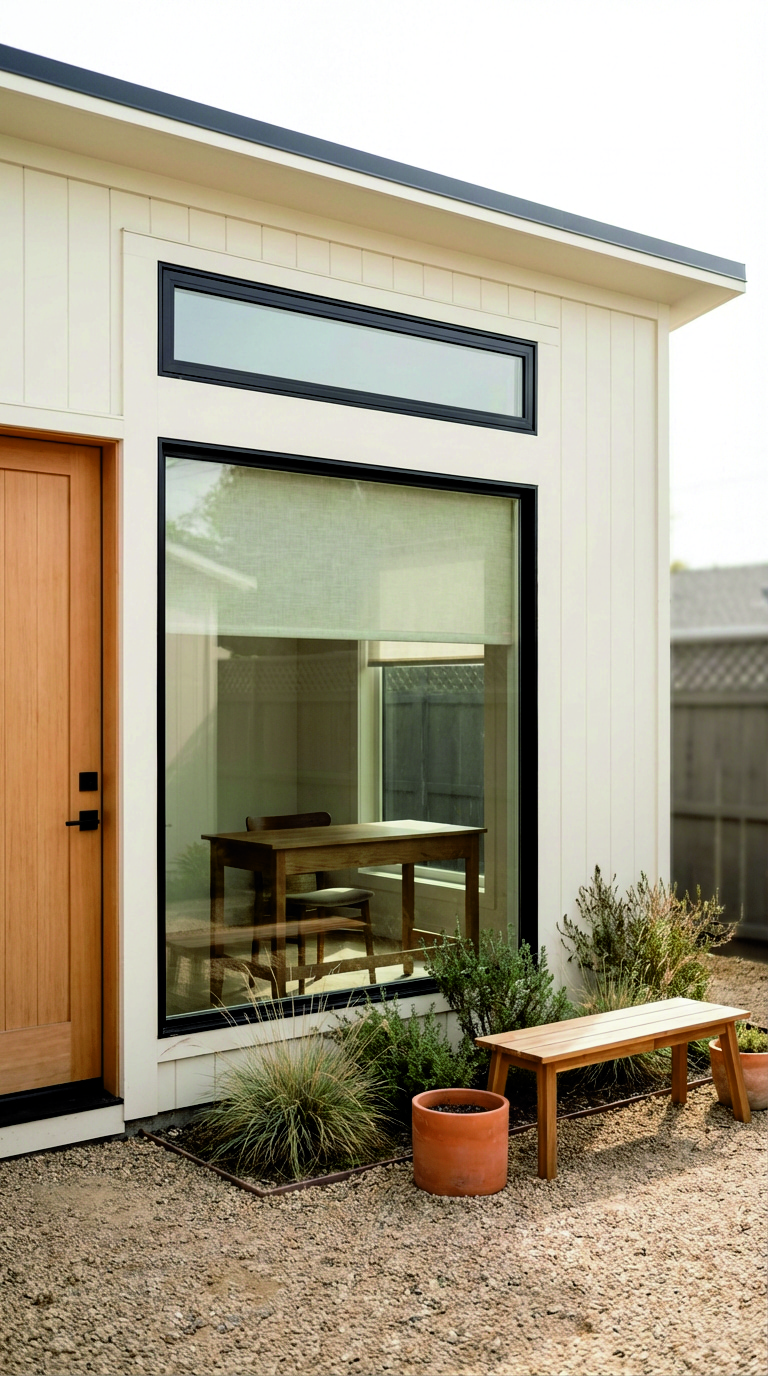
Windows are where a modern shed earns its “room” feeling. The goal is controlled light, not a greenhouse effect. For a studio, steady daylight matters, so a larger north-facing window can be a gift. For an office, a window placed to the side of the desk reduces screen glare and keeps calls comfortable.
Consider privacy from the start. A high clerestory window can bring daylight without putting your workspace on display. Frosted glazing can soften views while still letting light in. If you want a glass door for that inviting, modern look, pair it with a shade solution that feels tidy, like a simple roller shade.
Window placement should also match the exterior composition. A single horizontal band window can look clean and intentional. Two well-aligned windows can be better than four small ones scattered around. Treat the exterior like a small piece of architecture, because it is.
Foundation and drainage: the unglamorous win
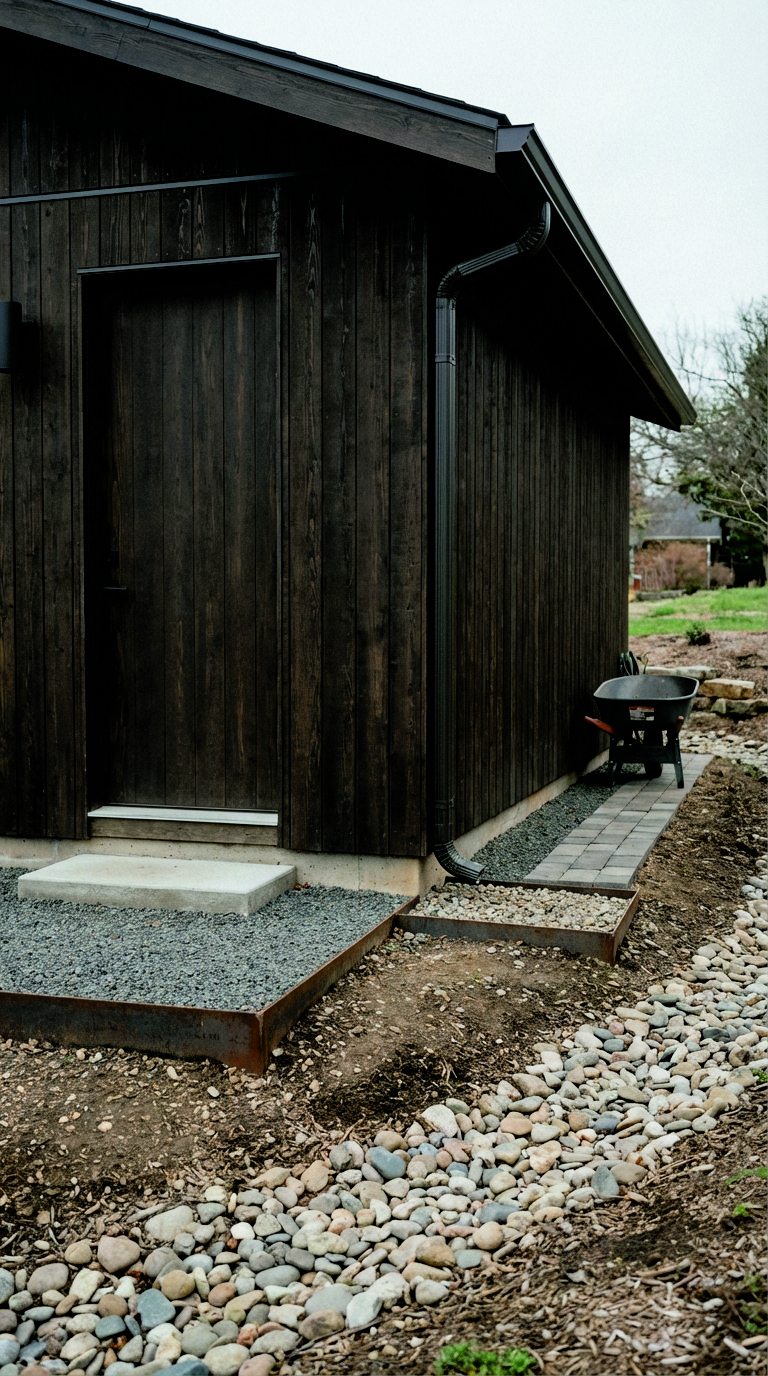
Sheds fail from the bottom more often than from the top. A modern shed may look sleek, yet it still needs a stable base and a plan for water. Choose a foundation approach suited to your site, and pay attention to grade so rainwater moves away from the structure.
Even a simple gravel pad benefits from proper preparation. Compacted layers, good edging, and thoughtful drainage keep the shed from shifting and keep moisture down. For finished interiors, a more robust foundation can make insulation, flooring, and door alignment far easier in the long run.
Gutters are not a design failure, they’re a longevity tool. A clean gutter line with a downspout that directs water away protects your foundation and reduces splashback staining on walls. Tie the drainage plan into the path and planting plan, so everything works together instead of fighting.
Comfort inside: insulation, air, and sound
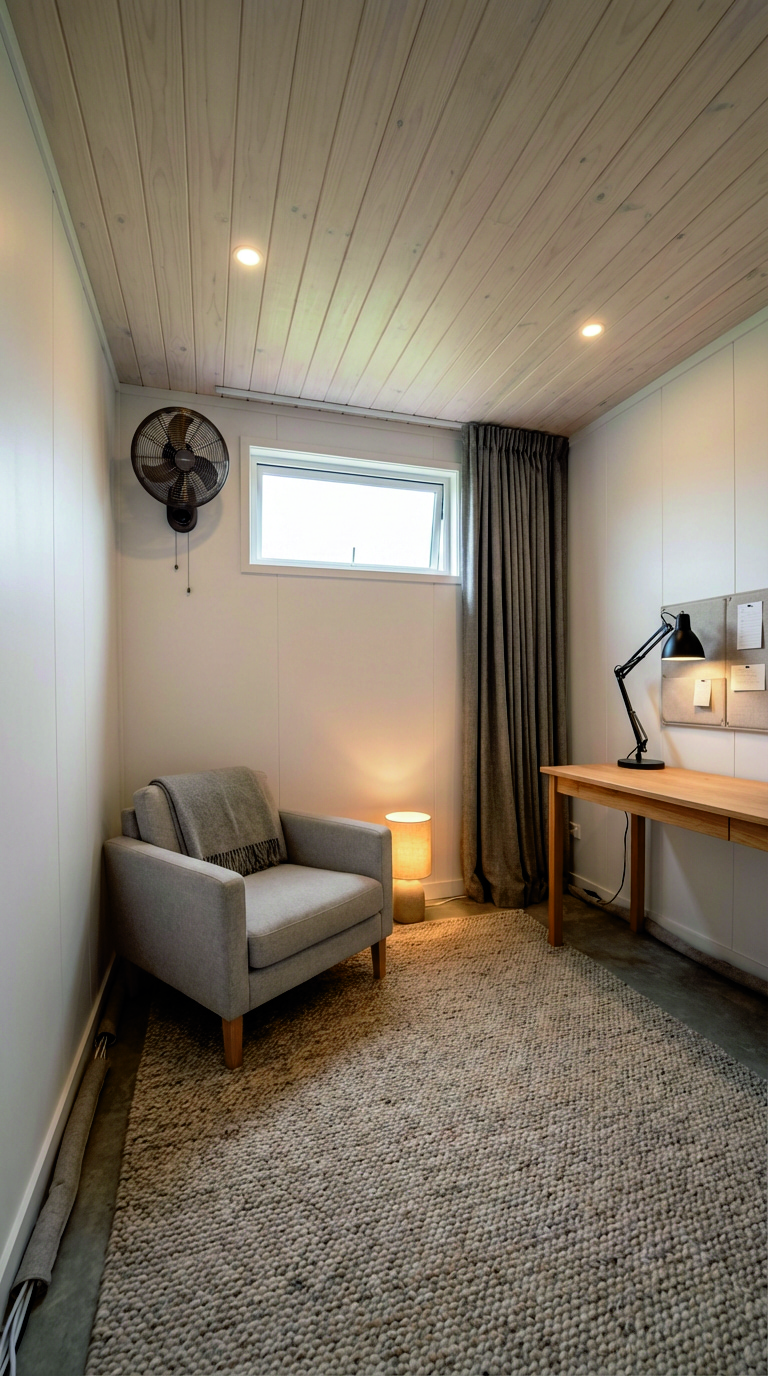
A modern shed used as an office or studio needs comfort to be more than a fair-weather hangout. Insulation is only one piece. Air movement, moisture control, and sound management turn a simple structure into a space you want to use.
Start with the building envelope. Insulate walls and roof appropriately for your climate and intended use, then address air sealing so drafts don’t undo the effort. Moisture control matters, too, especially where warm interior air can meet cold surfaces and create condensation. Good detailing in the wall and roof assembly helps prevent hidden problems.
Ventilation is often overlooked. A small, quiet fan, operable windows placed for cross-breeze, or passive vents can keep the interior from feeling stale. Sound can be improved with insulation choices, solid doors, and interior finishes that reduce echo. If you’ll be on calls, a calmer acoustic space makes a noticeable difference.
Electrical, lighting, and internet planning
A modern shed feels modern when it works smoothly. Power and lighting should be planned early, not added as an afterthought. Decide where you’ll stand, sit, and store items, then place outlets and switches where your hands naturally reach.
Layer your lighting. Overhead ambient light makes the room usable, task lighting supports detailed work, and a warm exterior light makes the shed feel inviting at dusk. A simple wall sconce near the door can look intentional, and it improves safety on dark evenings.
Internet can be easy or frustrating depending on distance and obstacles. For casual use, a mesh Wi-Fi node placed thoughtfully can be enough. For consistent work, a stronger solution may be needed. Plan it early, because the cleanest result often comes from hiding cables and keeping penetrations weather-tight.
Storage that stays calm, not chaotic
Modern style and shed storage can coexist, but only if you design the clutter out of sight. Closed cabinets, tall storage, and wall systems keep floors clear and visual noise low. A single wall of built-in cabinets can transform a shed from “stuff pile” to “useful room” overnight.
Separate dirty and clean zones. Garden tools, soil bags, and wet boots deserve a spot that’s durable and easy to clean. Office supplies, textiles, or art materials need a drier, calmer area. Even in a small shed, zoning makes the space feel organized rather than cramped.
Use the back of doors. Over-door racks, slim shelves, or hanging rails can store small items without eating up valuable wall space. Keep a few items visible for ease, then hide the rest. The modern look is maintained by editing, not by perfection.
Build paths: DIY, kit, prefab, or custom
There are several ways to get to a modern shed, and each has trade-offs. A DIY build can be satisfying and cost-aware, yet it demands time, tools, and comfort with weatherproofing details. A kit can simplify the process, especially if it comes with engineered plans and well-matched components, though site prep and finishing still require care.
Prefab options can be quick and polished, and they often look great right away. Transport access, crane needs, and site constraints become part of the decision. Custom builds make sense for tricky yards, tight setbacks, or a very specific interior plan, like a studio with controlled light and sound.
Budgeting is clearer when you break costs into buckets. Site work and foundation, the shell, windows and doors, electrical, insulation and interior finish, then exterior steps like paths and planting. A modern shed can be modest or fully featured, so aim for a scope that matches how you’ll truly use it.
Landscaping that makes the shed feel intentional
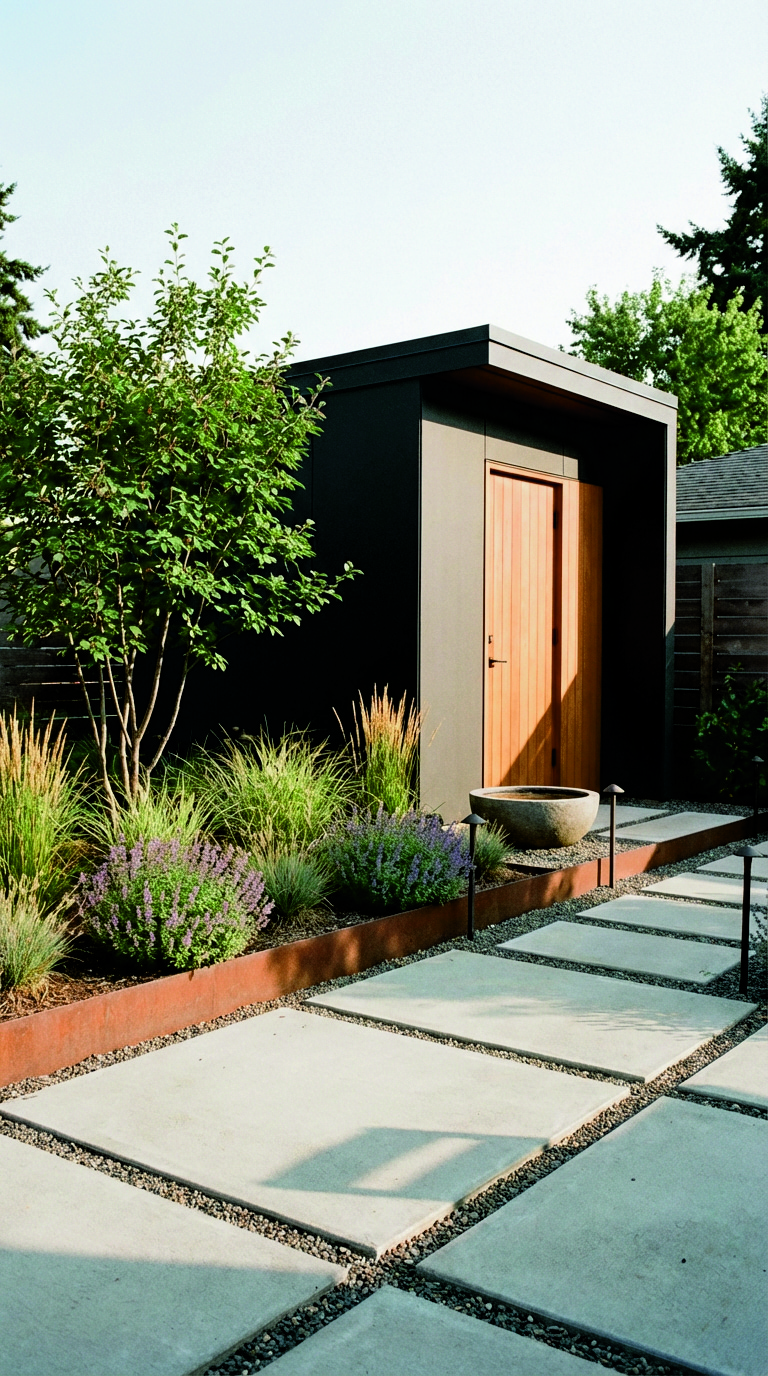
A shed can look modern and still feel at home in a garden. The trick is to treat the area around it as part of the design. A clean border, a simple path, and a small planting plan do more than decorative trim ever will.
Gravel, stepping stones, or a small paved pad can define the entry and keep mud away. Planting can echo the shed’s clean lines, ornamental grasses, clipped shrubs, and repeated shapes often pair well with modern architecture. Keep the planting palette limited, and let repetition create calm.
Add one small “stay” feature near the door. A bench, a hook rail, or a narrow pot grouping makes the shed feel like a place, not just a box. Even a tiny landing changes how the building is used, and it encourages the shed to become part of daily routines.
Maintenance that keeps it looking modern
Modern sheds look best when edges stay crisp and surfaces stay cared for. Maintenance is not constant, yet a few seasonal checks prevent bigger problems. Clear gutters, check splash zones after heavy rain, and make sure water still drains away from the base.
Inspect door seals and hardware. A door that sticks or leaks can make a shed feel cheap, even if the rest is well-built. Recoat paint or stain before it fails, rather than after peeling starts. Keep vegetation trimmed back from siding, and avoid allowing soil to build up against the wall.
Inside, keep the “mess zone” contained. A tray for muddy items, a durable mat, and a quick sweep routine protect finishes and keep the space pleasant. A modern shed stays modern because it’s maintained with small habits, not because it never gets used.
The simple recipe for a modern shed that works
A modern shed succeeds when purpose leads, placement supports comfort, and the shell is built to stay dry. Pick a clean silhouette, limit materials, place windows intentionally, and plan storage so everyday clutter has a home. Treat power, lighting, and ventilation as core features, not upgrades.
Once the fundamentals are right, the shed can evolve. Storage can become a potting spot, a studio can become a quiet office, and a basic shell can be finished later without rebuilding. A well-planned modern shed doesn’t just add square footage, it changes how the whole home and garden feel, giving you a practical retreat that earns its place in the yard.