
Reclaim Your Weekend: The 10-Minute-a-Week Veg Patch Routine
The alarm did not go off, but the children did. A glass of juice sits on the kitchen counter, half-spilled. You search for a soccer uniform that vanished sometime during the night. A laundry mountain leans precariously against the washing machine. The grocery list on the fridge mocks you with items you meant to buy yesterday. You glance out the window toward the backyard. The vegetable bed you started with such optimism is now a jungle of weeds and wilted leaves.
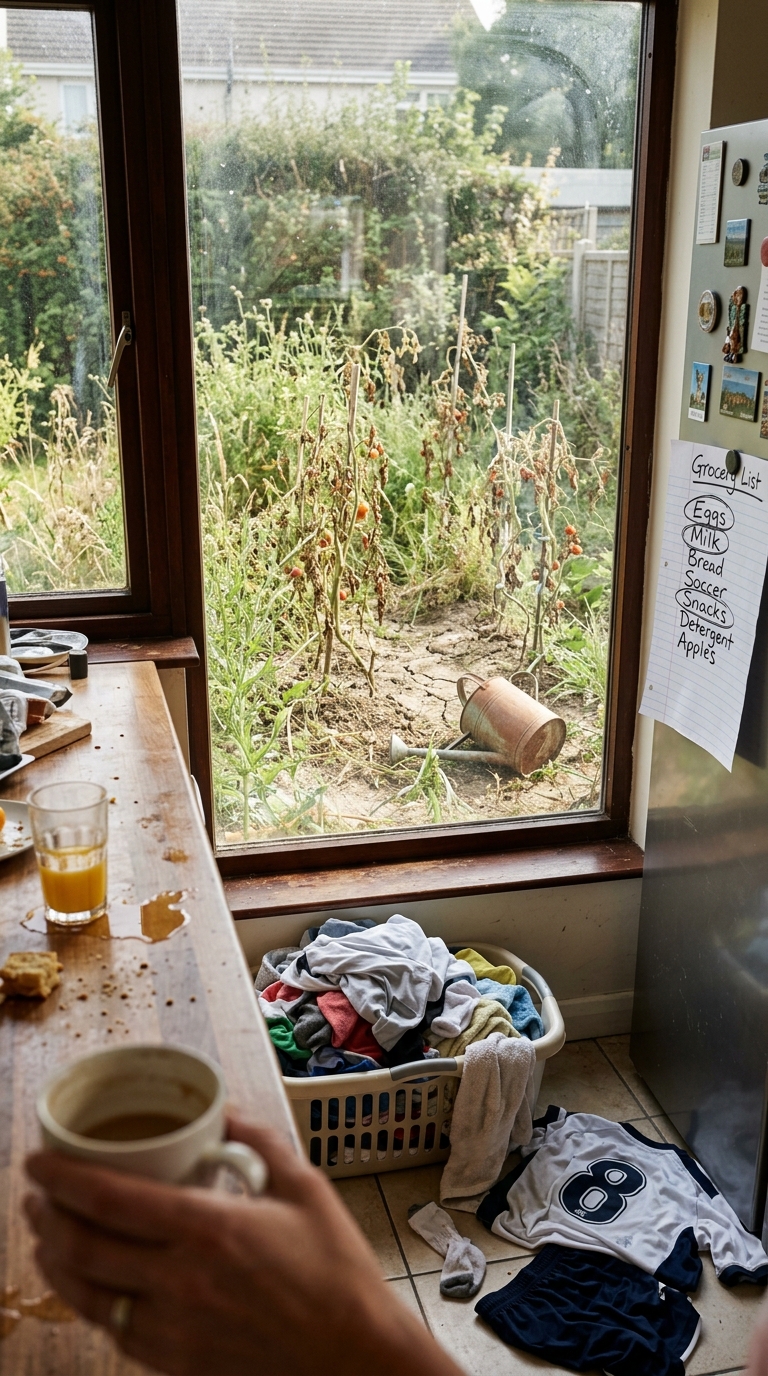
You wanted fresh vegetables for your family, not a second job that steals your only weekend. You promised yourself this season would be different. You bought the seedlings. You read the blogs. Yet here you stand, holding a lukewarm coffee, knowing you will not spend your Saturday morning pulling weeds. The garden feels like another demand on your time, another place where you are failing to keep up.
The good news is the problem is not your commitment. The problem is the system. Most gardening advice assumes you have hours of free time and a boundless supply of energy. It assumes you want to spend your weekend kneeling in the dirt. For busy parents and time-poor households, this model does not work. You need a system that fits your life, not one that consumes it. There is a way to keep a vegetable bed alive without turning your weekends into chores. It starts with a shift in perspective and a strict limit on time. Welcome to the 10-minute veg patch.
Breaking the Garden Guilt Cycle
Social media makes gardening look like a leisurely hobby. Feeds are filled with overflowing baskets of perfect produce and pristine raised beds. These images suggest that growing food is a peaceful retreat from the busy world. For many parents, the reality feels quite different. Gardening often becomes chore creep. It starts as a fun project and ends as a source of stress.
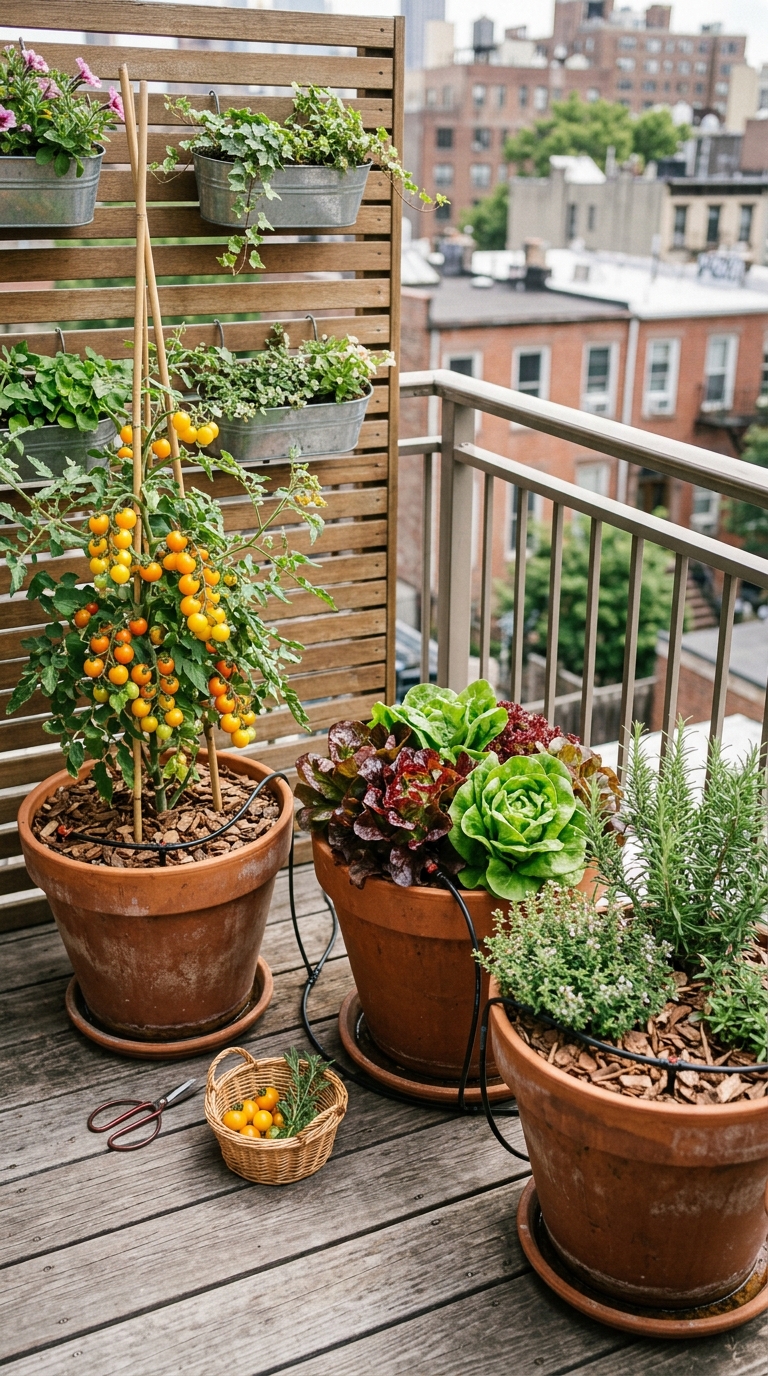
We often see a cycle of enthusiasm followed by neglect. We buy seedlings in spring when the weather is warm and the days are long. Life happens in summer. Work schedules shift, school holidays begin, and the garden gets pushed to the bottom of the priority list. By autumn, we apologize to the plants. We feel bad about the dead tomatoes and the dried-out herbs. This cycle creates a barrier to entry for many people. They stop trying because they feel they cannot maintain the standard they see online.
A productive garden does not require daily attention. It requires smart design and a micro-routine. The goal is not a magazine-cover garden. The goal is connecting your family to food without losing your sanity. Even a few handfuls of beans or a salad’s worth of lettuce is a victory. When you lower the bar for what constitutes success, you remove the pressure. You give yourself permission to keep it simple. This approach allows you to grow food sustainably within the constraints of a busy household. It changes the garden from a demand into a resource.
Designing for Neglect
The secret to low maintenance happens before you plant a single seed. Most people buy plants first and think about location second. This is a mistake. For a busy household, design dictates success. If the garden is hard to access, it will be ignored. If it is hard to maintain, it will become overgrown. You need to build a system that forgives neglect.
Location and Proximity
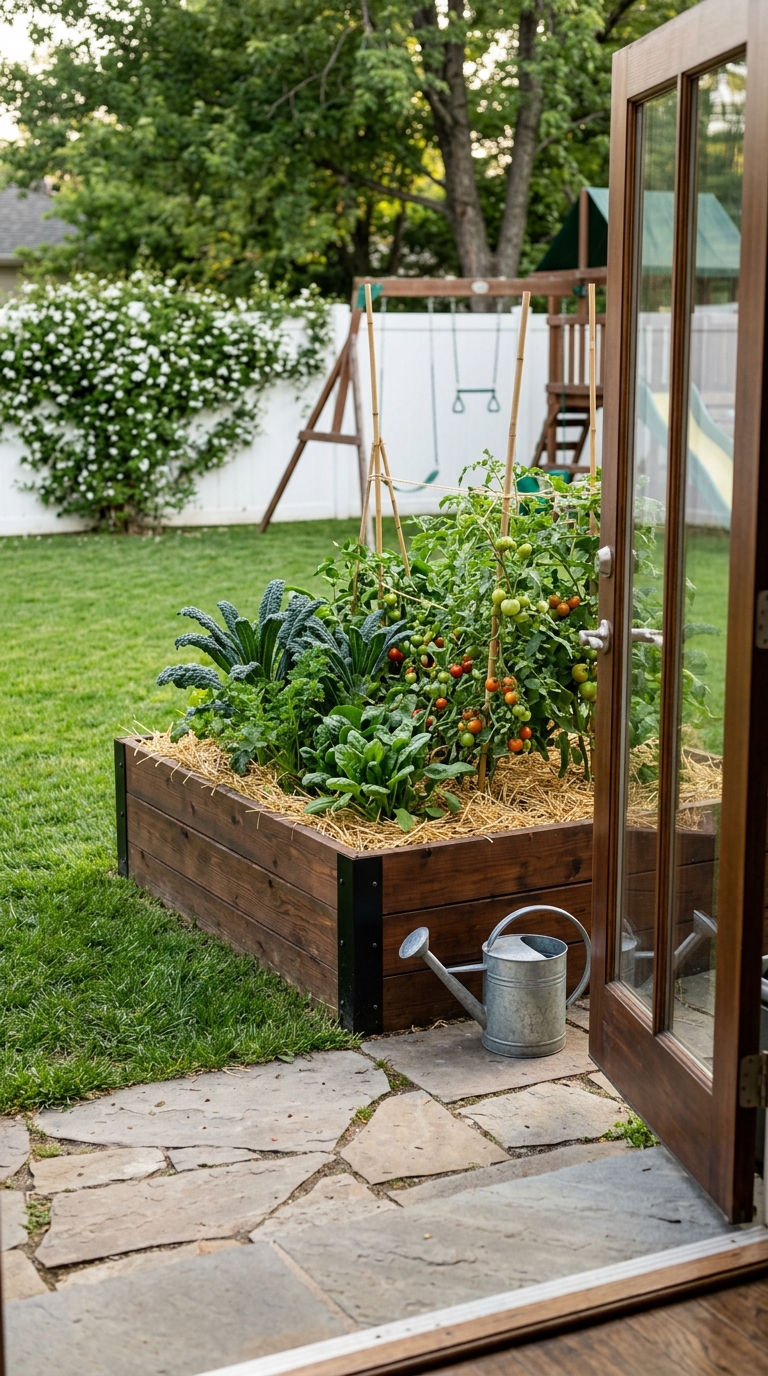
Place your garden near the back door or the coffee machine. This rule is non-negotiable. If you have to walk to the bottom of the yard to check your plants, you will not do it on a busy Tuesday morning. You need to see the garden during your daily routine. Visibility creates accountability. When you walk past the beds while taking out the trash or letting the dog out, you notice when things need water. You notice when the lettuce is ready to pick.
Proximity also saves time. Carrying watering cans across a large lawn adds minutes to every task. Those minutes add up. When the garden is ten steps from the kitchen, watering takes seconds. Harvesting becomes part of cooking dinner rather than a separate expedition. This closeness helps children engage with the plants too. They are more likely to snack on a cherry tomato if it is on the way to the play area. Keep the garden close to the life of the house.
Size and Soil Protection
Advocate for starting small. A 4×4 foot raised bed or three large containers are better than a sprawling plot you cannot manage. Many beginners dig up a large section of lawn only to realize they cannot weed it all. A small space allows you to focus your limited time on high-value plants. You can manage a small bed effectively in minutes. A large bed requires hours.
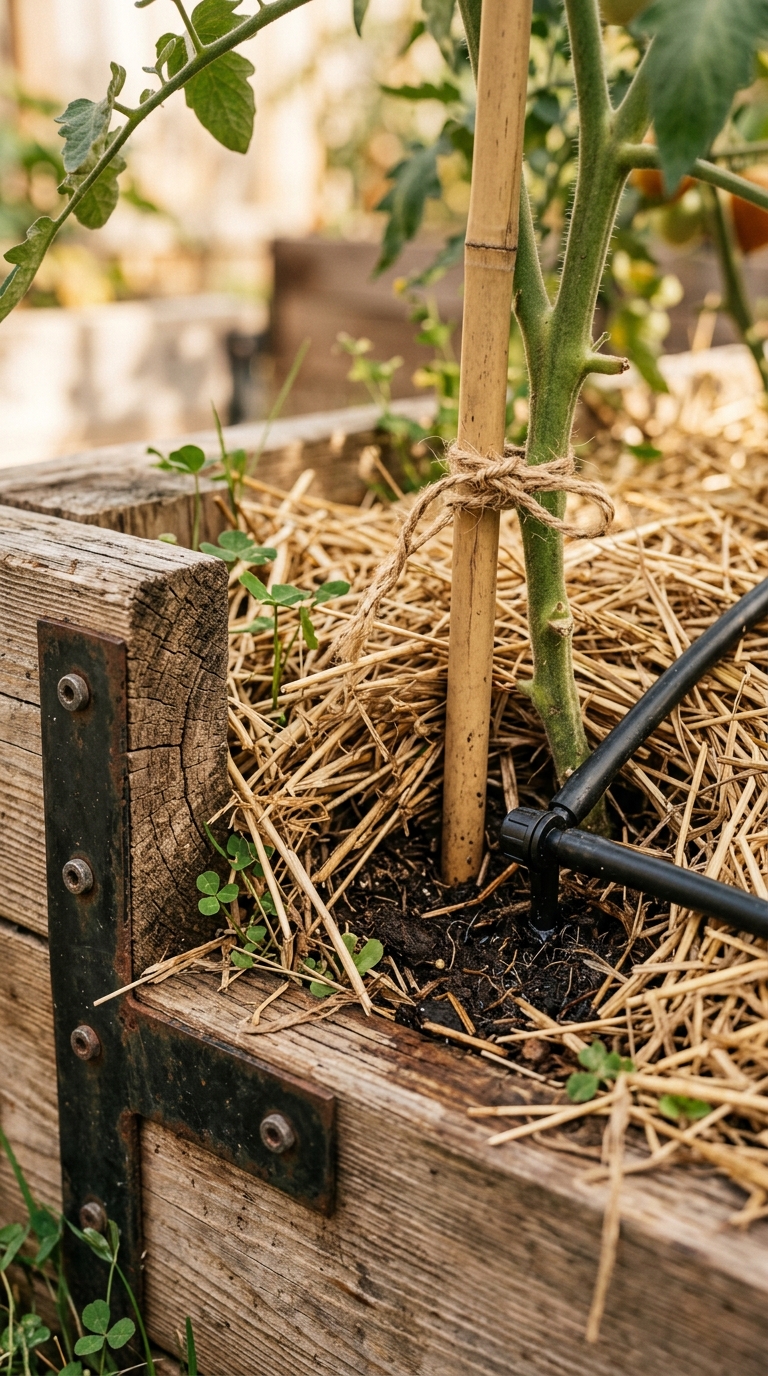
Mulch is your best friend in this system. Heavy mulching suppresses weeds and retains moisture. This simple step cuts down watering and weeding time by 80 percent. Use straw, wood chips, or shredded leaves. Cover the soil completely around your plants. This layer blocks sunlight from reaching weed seeds. It also stops the soil from drying out in the summer heat. You water less often. You pull fewer weeds. The garden looks tidy even when you are busy.
Raised beds offer another advantage for busy people. They define the boundaries clearly. You do not waste time edging or trimming grass around the plot. The soil in raised beds warms up faster in spring and drains better in winter. This extends your growing season without extra effort. You also do not need to bend as low to reach the plants. This saves your back and makes the work feel less strenuous. When the work feels easy, you are more likely to do it.
The 10-Minute Protocol
Once the garden is designed for ease, you need a routine. This is not about spending hours on Saturday morning. This is about consistency. Ten minutes is enough time to keep plants alive and productive. The key is to link this routine to an existing habit. Do it while the coffee brews. Do it right after school pickup. Do it before you start dinner. Anchor the gardening to something you already do every day.
Timing and Frequency
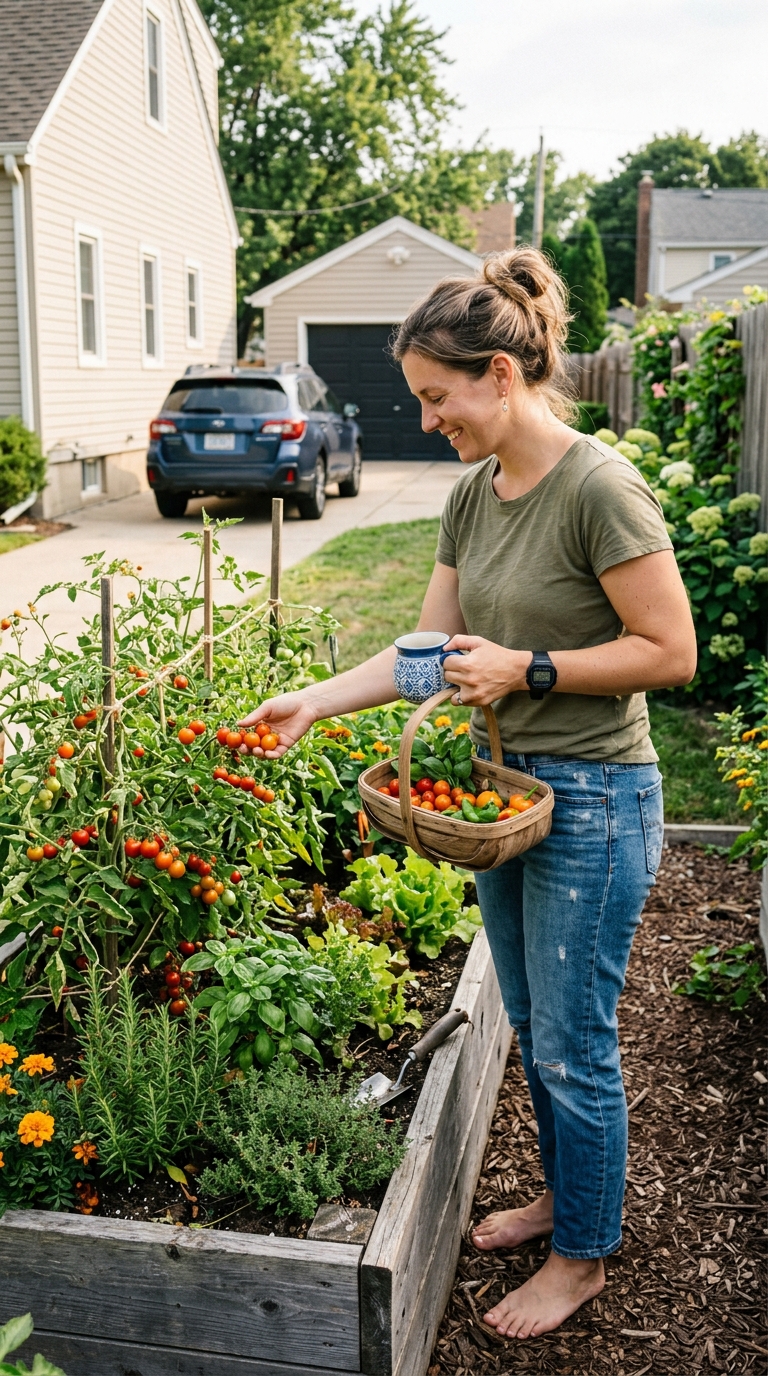
Consistency matters more than duration. Five minutes every day is better than one hour once a month. Plants respond to regular care. They suffer when you ignore them for two weeks and then drown them with water. A daily or every-other-day check-in keeps you connected to the needs of the patch. If daily is too much, aim for three times a week. Set a timer on your phone. When the alarm goes off, you stop. This prevents the task from expanding to fill your available time.
Weekdays often work better than weekends for busy parents. Weekends are for family outings and rest. Weekdays have small pockets of time between obligations. Use the transition times. The ten minutes after you walk in the door from work is a perfect window. You get fresh air before dealing with homework or chores. It acts as a buffer between work stress and home stress. The garden becomes a pause button rather than a task on a list.
The Routine Breakdown
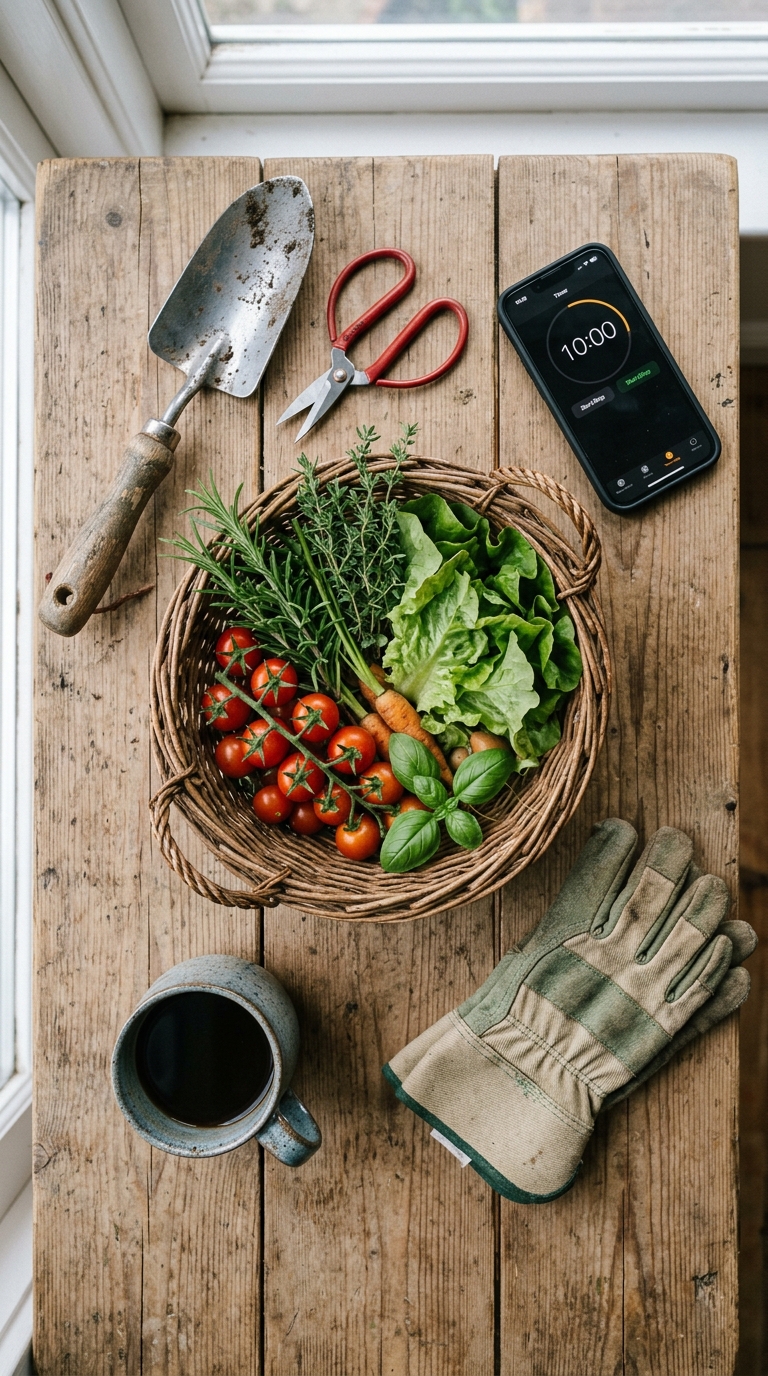
Here is how you spend your ten minutes. Minute zero to two is the walk-by inspection. Walk the patch with a basket. Look for pests. Look for thirst. Do not bring tools yet. Just look. Pick off any large bugs you see. Check the soil moisture with your finger. If the top inch is dry, the plants need water.
Minute two to seven is for harvest and hydrate. Pick anything ready to eat. This is the reward. There is nothing like eating a strawberry you grew yourself. It reinforces the value of the work. Water only if the soil feels dry. If you have irrigation, just check the connections to ensure they are working. Do not water if it rained yesterday. Trust the soil test.
Minute seven to ten is for the one-handed weed. Pull only the weeds you can grab quickly while holding your basket. Ignore the rest. If a weed takes longer than thirty seconds to remove, leave it for next week. Some weeds will not kill your crop. Perfection is the enemy of production. A few dandelions among the tomatoes will not ruin your harvest. Focus on the plants you want to keep, not the weeds you want to remove. When the timer beeps, you are done. Go inside and make dinner.
The Unkillable Plant List
Plant selection determines your workload. Some plants demand constant care. They need staking, pruning, and daily water. Other plants thrive on neglect. For a 10-minute routine, you must choose the latter. Focus on crops that give high reward for low effort. These plants tolerate inconsistent watering and resist common pests.
Greens and Hero Tomatoes
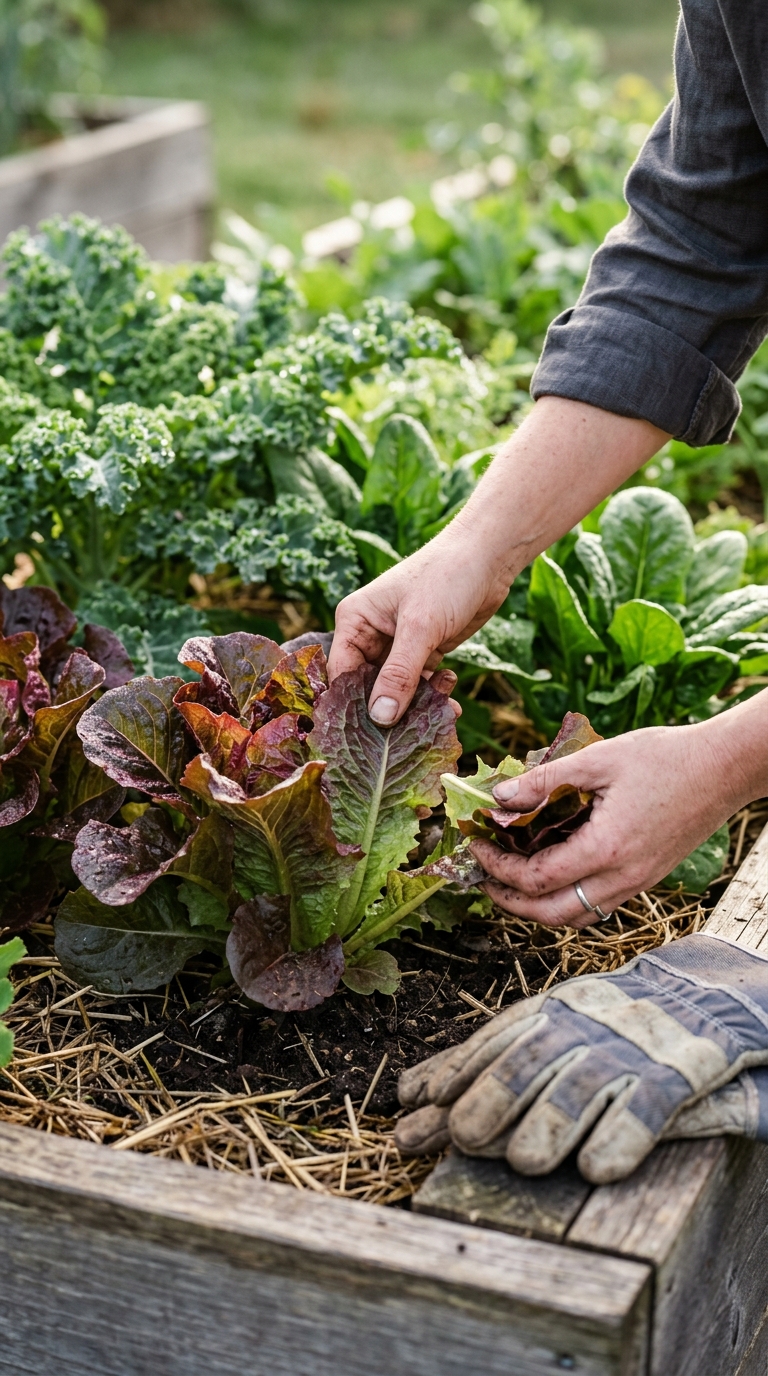
Leafy greens are the foundation of a low-time garden. Lettuce, spinach, and kale grow fast. You can harvest outer leaves while the plant continues to grow. This method is called cut-and-come-again. You do not need to harvest the whole head at once. Just take a few leaves for your salad each night. The plant regenerates. This spreads the harvest over weeks instead of one day. It reduces waste and provides steady food.
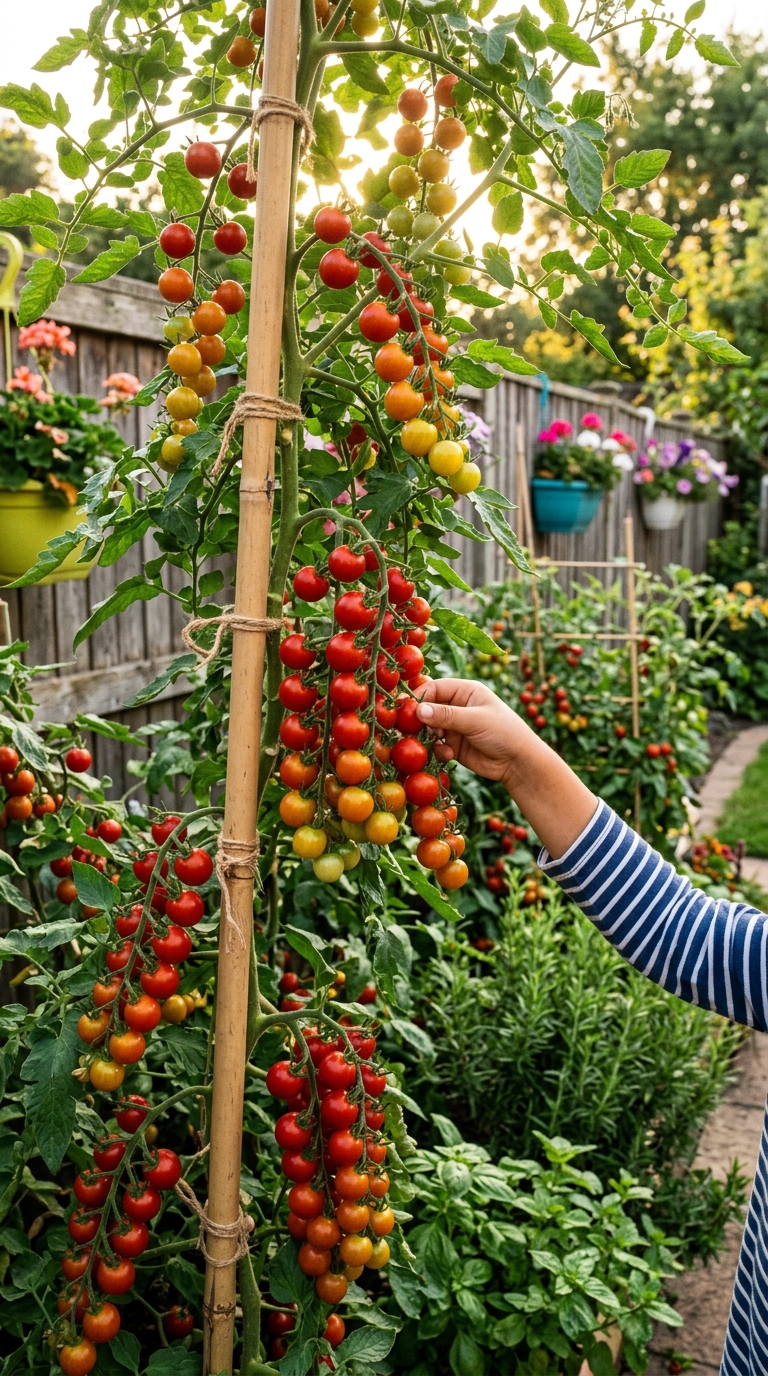
Cherry tomatoes are superior to beefsteak varieties for busy households. They produce more fruit per plant. They resist cracking when watering is irregular. Kids love snacking on them straight off the vine. Look for varieties like Sweet 100 or Sungold. These plants are vigorous and forgiving. They will produce even if you forget to water them for a few days. Beefsteak tomatoes often split or rot if care is inconsistent. Stick to the small fruits for success.
Herbs can survive with minimal attention if you choose the right ones. Rosemary, thyme, and oregano are hardy. They prefer dry soil and full sun. Mint grows aggressively and needs a pot to contain it, but it requires very little care. Avoid high-maintenance herbs like cilantro. It bolts quickly in heat and needs constant replanting. Basil is good but needs regular picking to prevent flowering. Stick to the woody herbs for a set-and-forget approach.
What to Avoid
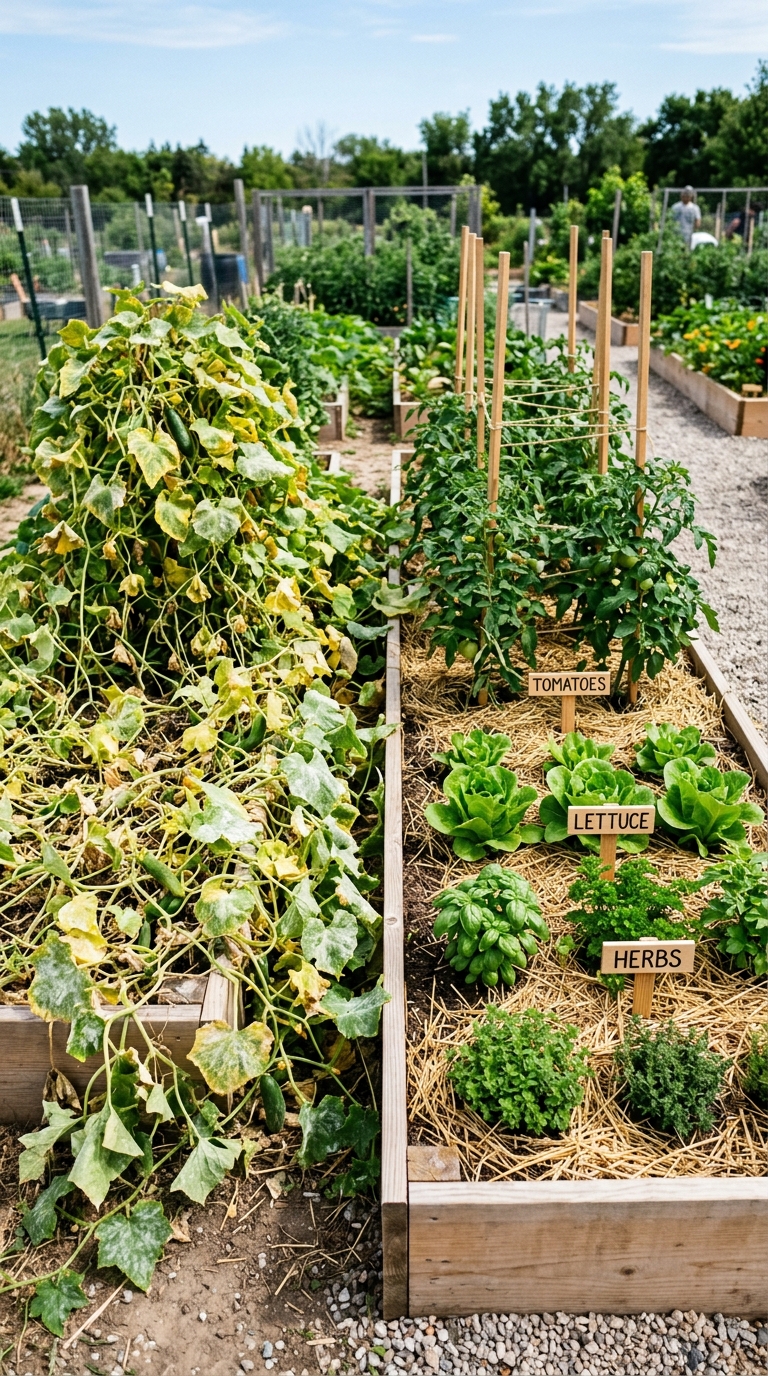
Know which plants to leave at the nursery. Cucumbers and zucchini grow fast but demand space and water. They are prone to powdery mildew and pests. They can take over a small bed and shade out other plants. Corn requires pollination and lots of space to produce a worthwhile harvest. It is not efficient for a tiny patch. Cauliflower and broccoli are finicky about temperature and pests. They often fail without strict care.
Save these challenging crops for when you have more time. Focus on the winners first. Build your confidence with easy crops. Once you have the routine down, you can experiment. For now, protect your time and your energy. A small harvest of reliable food is better than a large harvest of nothing. Choose plants that work for your lifestyle. This ensures you keep gardening year after year.
The Harvest is Yours

Reframe the goal of your garden. You are not trying to win a competition. You are trying to connect your family to food without losing your sanity. The value lies in the process and the taste, not the volume. Even a few handfuls of beans changes a meal. A few sprigs of fresh mint makes water feel special. These small wins add up over a season.
Remember that your time is valuable. Give yourself permission to keep it simple. A garden with some weeds is still a garden. A plant that looks messy might still produce fruit. Do not let the perfect be the enemy of the good. Your family will not care if the leaves have holes. They will care that you grew something for them. That connection is worth more than a flawless plot.
Start small this weekend. Find a spot near the door. Put down some mulch. Plant three tomato plants and some lettuce. Set a timer for ten minutes. See how it feels to step outside without pressure. You might find that these ten minutes become the best part of your day. It is a moment of quiet in a loud world. The harvest is yours, on your own terms.