
Small Garden Gazebo Ideas for Tight Spaces: Big Comfort in a Small Footprint
A small garden can feel like it’s missing one thing, a place that invites you to pause. A gazebo does that in a way few features can, it creates an outdoor “room” with a roof, a sense of shelter, and a clear reason to step outside. Even better, you don’t need a sprawling yard to make it work. In tight spaces, a gazebo can organize the whole layout, add privacy where you need it, and give you shade that makes summer afternoons far more comfortable.
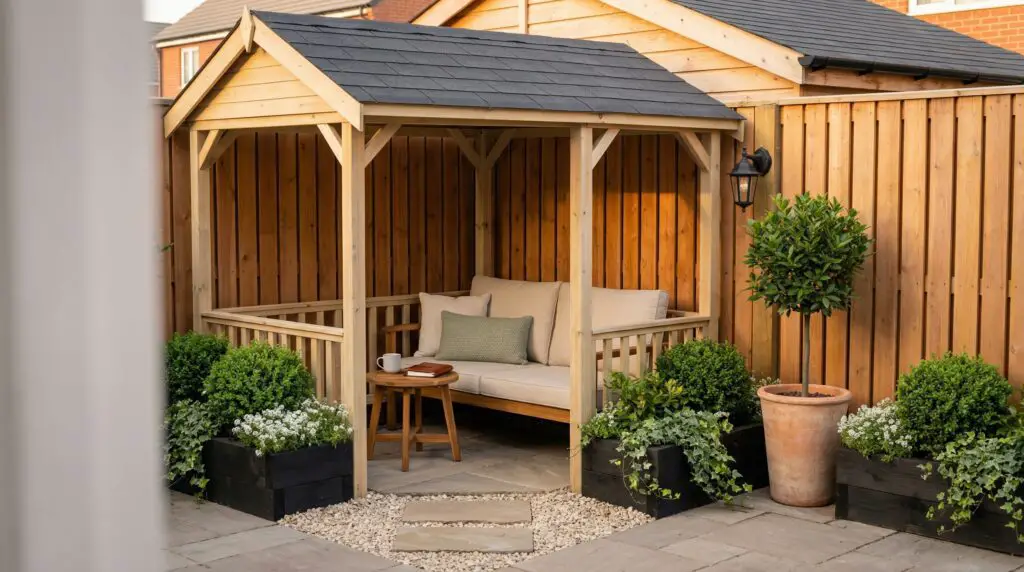
Small gazebos thrive on good choices, not big square footage. Size matters, of course, but proportion matters more. A gazebo that fits the scale of your garden feels intentional, one that’s too large can make every step feel like squeezing past furniture. The goal is simple, create a spot that feels generous and usable, while leaving the rest of the space open enough to move, plant, and enjoy.
What “small” means for a gazebo, and why it works
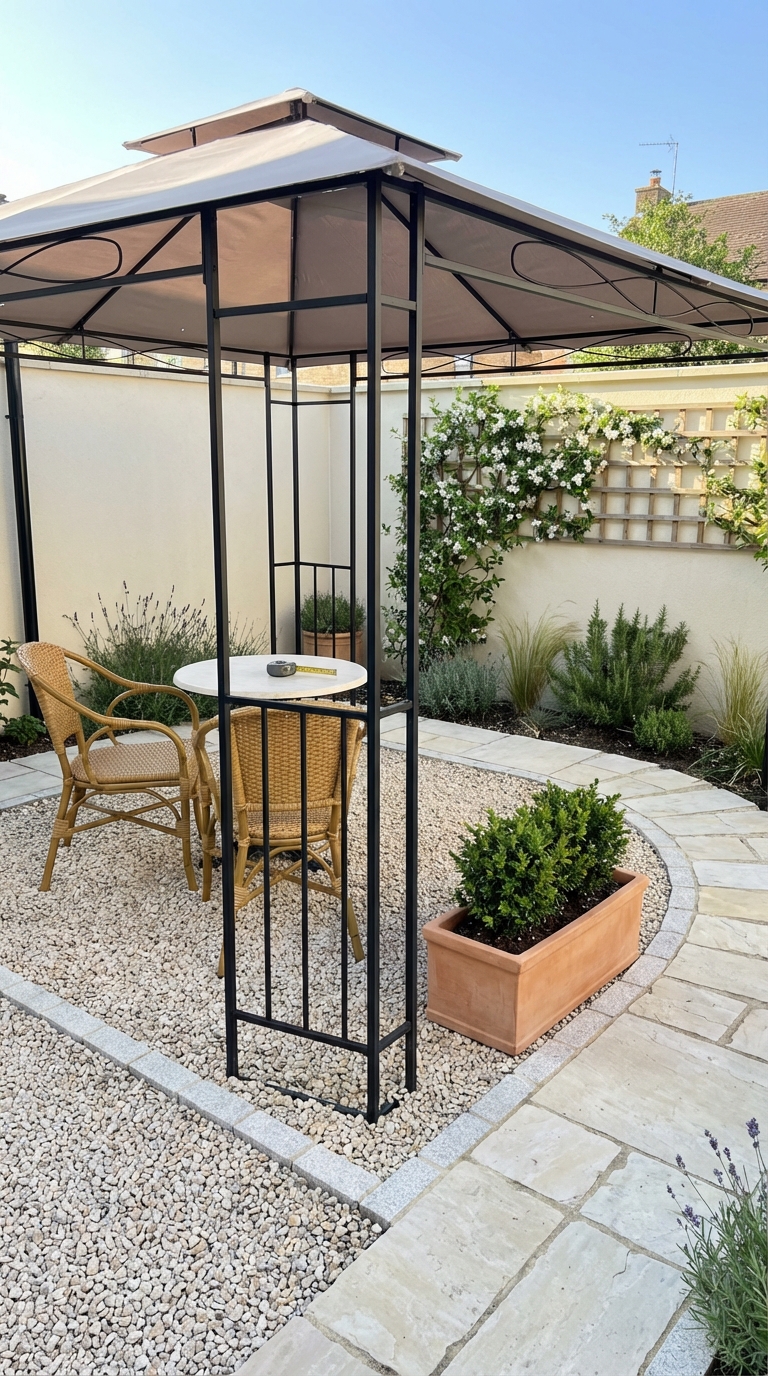
A small gazebo is less about a strict measurement and more about how it behaves in the space. In a compact yard, you want a footprint that supports your purpose without demanding a wide buffer around it. Think in terms of what you’ll do there most often, then choose a size that allows that activity to feel natural.
A quiet reading nook needs less space than a dining setup. A simple pair of chairs and a petite side table can be comfortable in a modest footprint, while even a small dining table needs clearance for chairs to slide out. Height also plays a role. A gazebo with a slightly taller roofline can feel airy, even if the footprint is compact. Lighter visual structures, open sides, slim posts, and a roof that doesn’t hang too low, help the whole garden feel less crowded.
Before you fall for a style, decide what the gazebo will do for you. Will it be a shaded coffee spot, a small dining corner, a place to chat with friends, or a sheltered zone that makes the garden usable when the weather changes? A clear answer makes every decision easier, from shape to flooring to furniture.
Pick the right spot, so it feels planned, not squeezed in
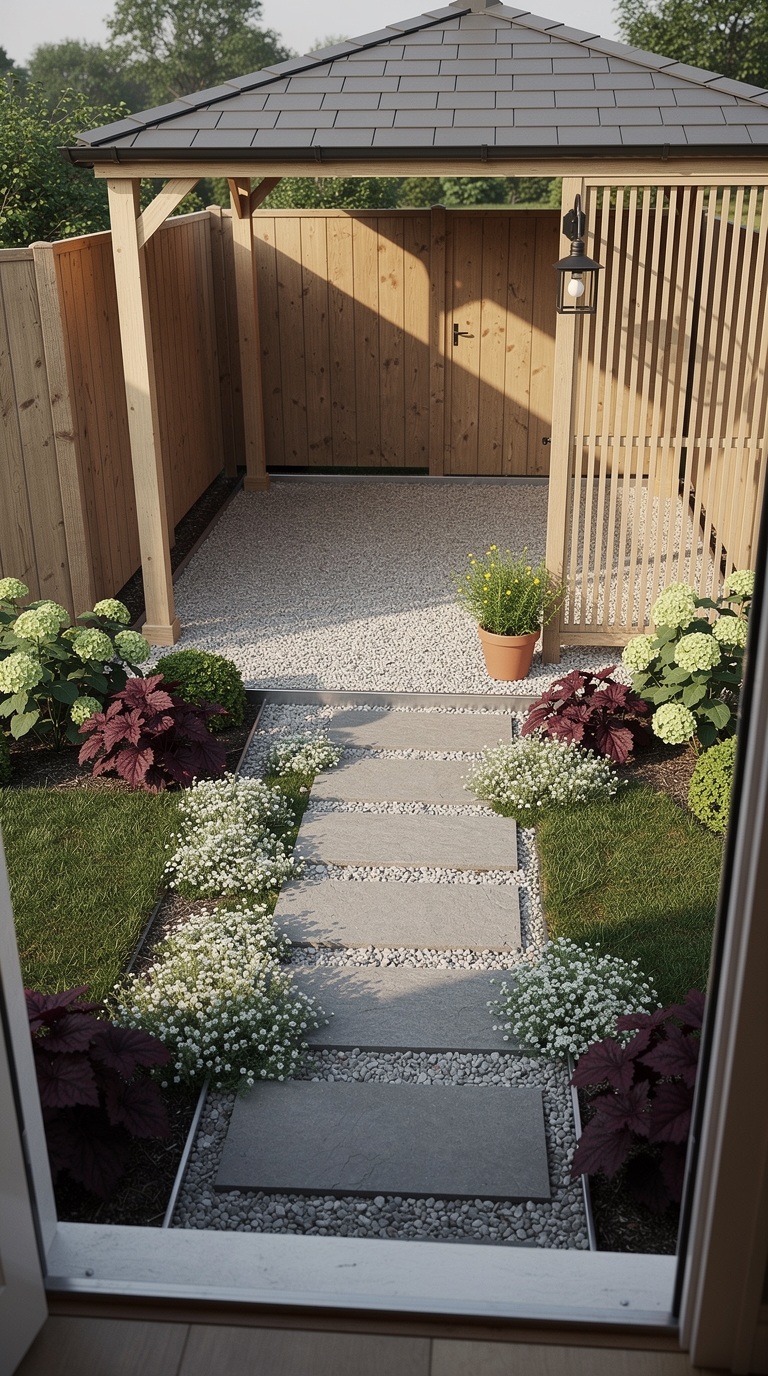
In tight gardens, placement is your superpower. A gazebo can either make the layout feel smarter, or it can interrupt the natural flow. Start by noticing how you already move through the space. Where do you step out from the house, where do you naturally pause, and which areas feel underused?
Corner placement often works beautifully in small gardens. It turns an awkward edge into a destination, and it frees up the center for a path, planting, or a small open area that keeps the yard from feeling boxed in. A gazebo placed along a boundary can also borrow privacy from a fence or wall, which is helpful if you’re working around close neighbors.
Sun and shade deserve an honest look. A gazebo that bakes at midday won’t get used, and one that sits in chilly shade all day may only feel pleasant for a short season. Spend a day noticing how light shifts, then decide whether you want morning brightness, afternoon shade, or an evening-friendly spot. Wind matters too, especially in narrow yards where gusts can funnel between buildings. If you can, choose a location with some natural shelter, or plan for a screen or panel on the windy side.
Finally, consider the ground. Small spaces can hide drainage issues, puddles that linger, soil that stays damp near downspouts, or a slope that makes furniture wobble. A level base is the difference between a gazebo you love and a gazebo you avoid.
10 small garden gazebo ideas that work in tight spaces
1) The corner gazebo that “finishes” the patio
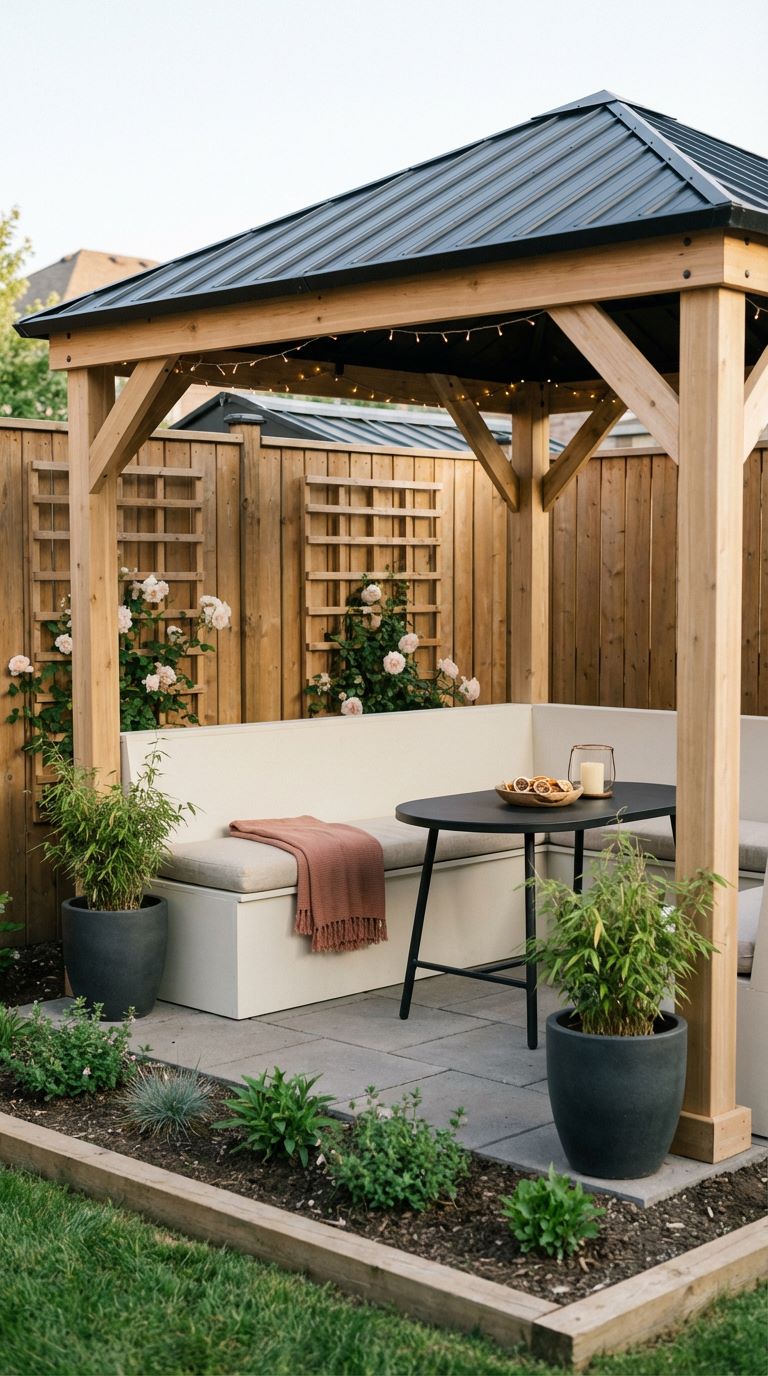
A corner gazebo is a classic small-space move because it uses an area that often goes unused. It creates a visual endpoint, like a period at the end of a sentence, making the garden feel complete.
Keep the entrance facing the main approach, then angle furniture so it welcomes you in. A compact loveseat or two chairs with a small table can be enough. If you’re short on space, built-in seating along one side keeps the center clear and makes it easier to move around.
A simple styling cue works well here, repeat the patio material in the gazebo zone, even if it’s just matching pavers or a similar gravel tone. That continuity helps the area feel bigger.
2) The slim rectangular gazebo for narrow yards
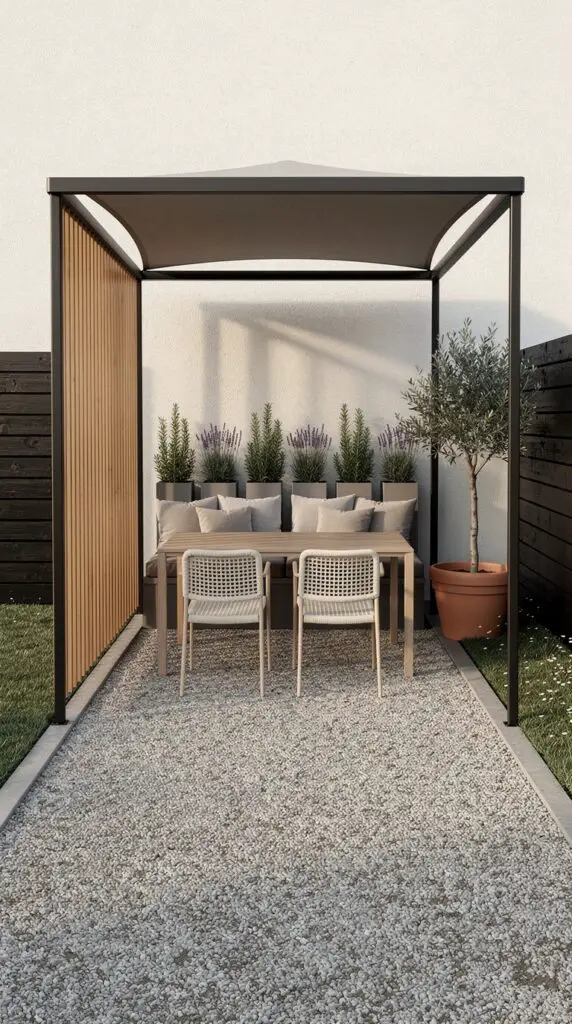
Long, narrow gardens can make square structures feel bulky. A slim rectangular gazebo can be a better match, it aligns with the shape of the space and supports seating in a way that doesn’t block the walkway.
Set it parallel to the boundary, then treat it like a sheltered corridor of comfort. A bench along the back with a pair of small chairs opposite can create a conversational setup without requiring wide clearances. For dining, choose a narrower table, or a bistro shape, so chairs don’t spill into the pathway.
Finish the look with vertical elements, a climbing plant on one panel, a tall planter, or a slim lantern. Vertical details add character without stealing floor space.
3) The café-style gazebo for two

Sometimes the best small gazebo is one that doesn’t try to do everything. A café gazebo is focused, two chairs, a small table, and a roof that makes morning coffee feel like an occasion.
Round tables work well here because they soften corners and keep movement easy. Choose chairs with a light visual profile, open backs, slim arms, and materials that don’t look heavy. In a small garden, bulky seating can make the whole arrangement feel cramped.
Add one strong detail, a small pendant-style outdoor light, a neat planter grouping, or a simple outdoor rug. Keep it calm, the goal is ease.
4) The built-in bench gazebo that saves floor space
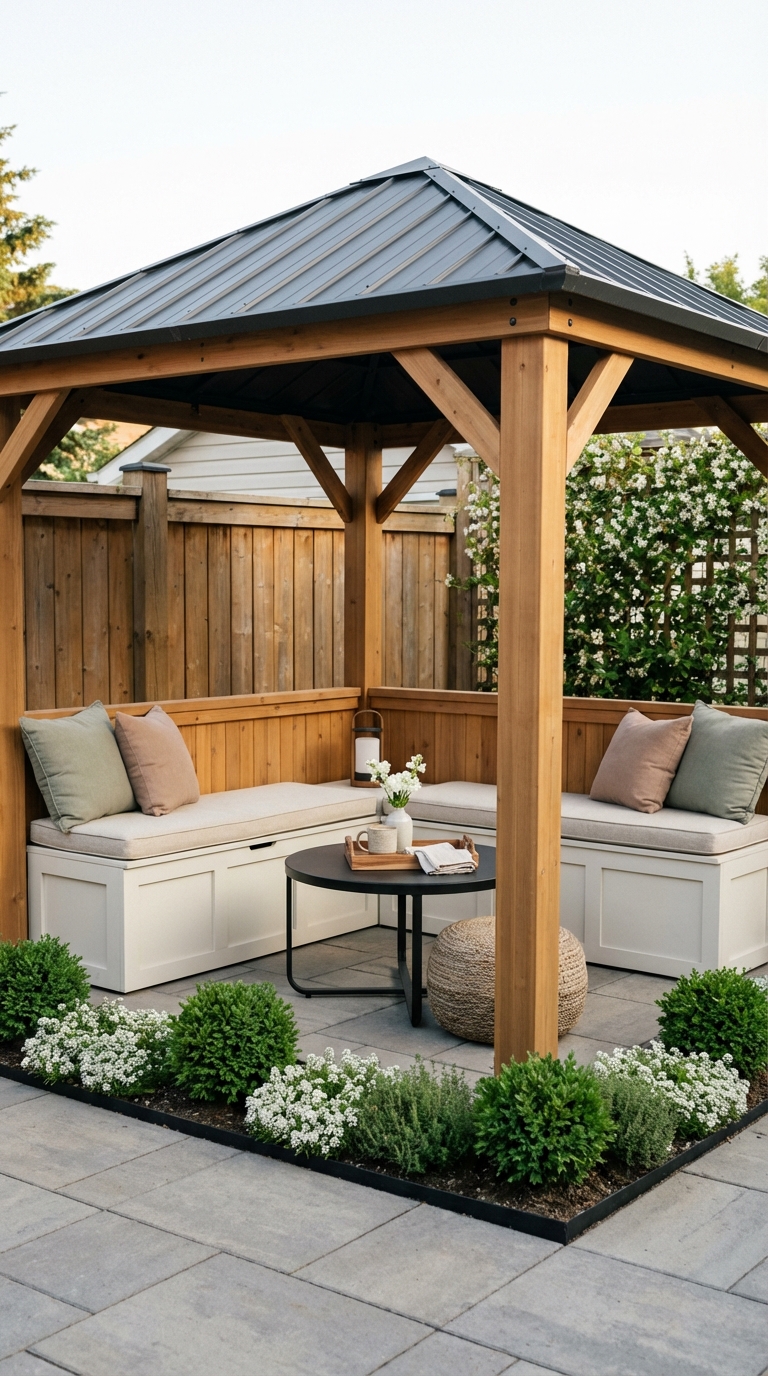
Built-in seating can make a small gazebo feel surprisingly spacious. When you remove the need for multiple chairs, you free up the center for a table, a footstool, or just breathing room.
A wraparound bench is ideal if you want to host without crowding. Add cushions that can be stored in a weatherproof box, then keep the table small and movable. A narrow coffee table, or a pair of nesting side tables, lets you adapt the setup for different moments.
If you like tidy design, consider built-in storage under the bench seat. It’s an excellent place for throws, lanterns, and spare cushion covers.
5) The gazebo over a tiny deck platform
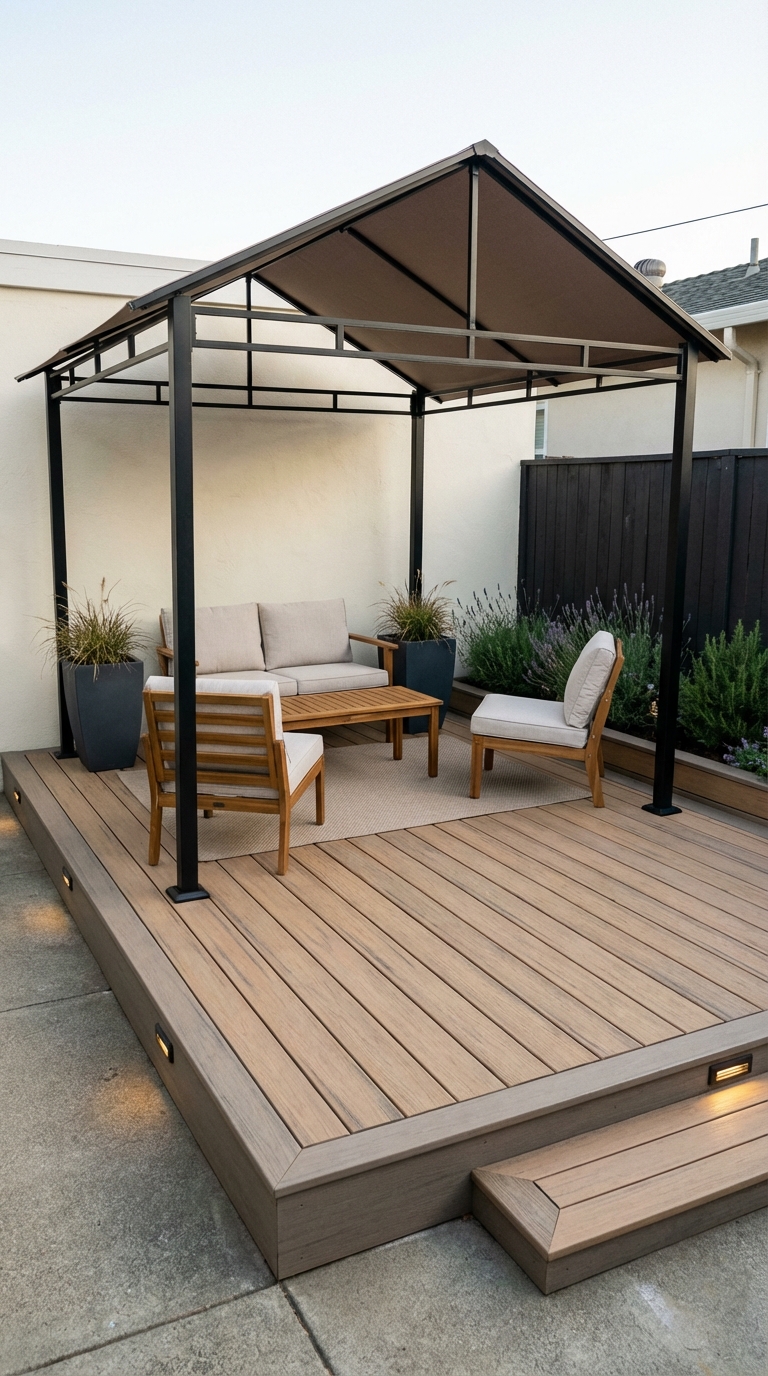
A small raised platform can define a gazebo zone with almost no visual clutter. It’s especially helpful if your garden is uneven, or if you want a clear boundary between the gazebo “room” and the rest of the yard.
Keep the platform modest, just large enough to comfortably support your furniture, and let the edges do the work. A clean trim line, or a simple step, makes it feel finished. In very small spaces, use the same wood tone or decking material as any existing structures to keep the look cohesive.
A platform also makes lighting easier. Low step lights or small lanterns on the corners can turn a compact setup into an evening favorite.
6) The wall-adjacent gazebo that borrows structure
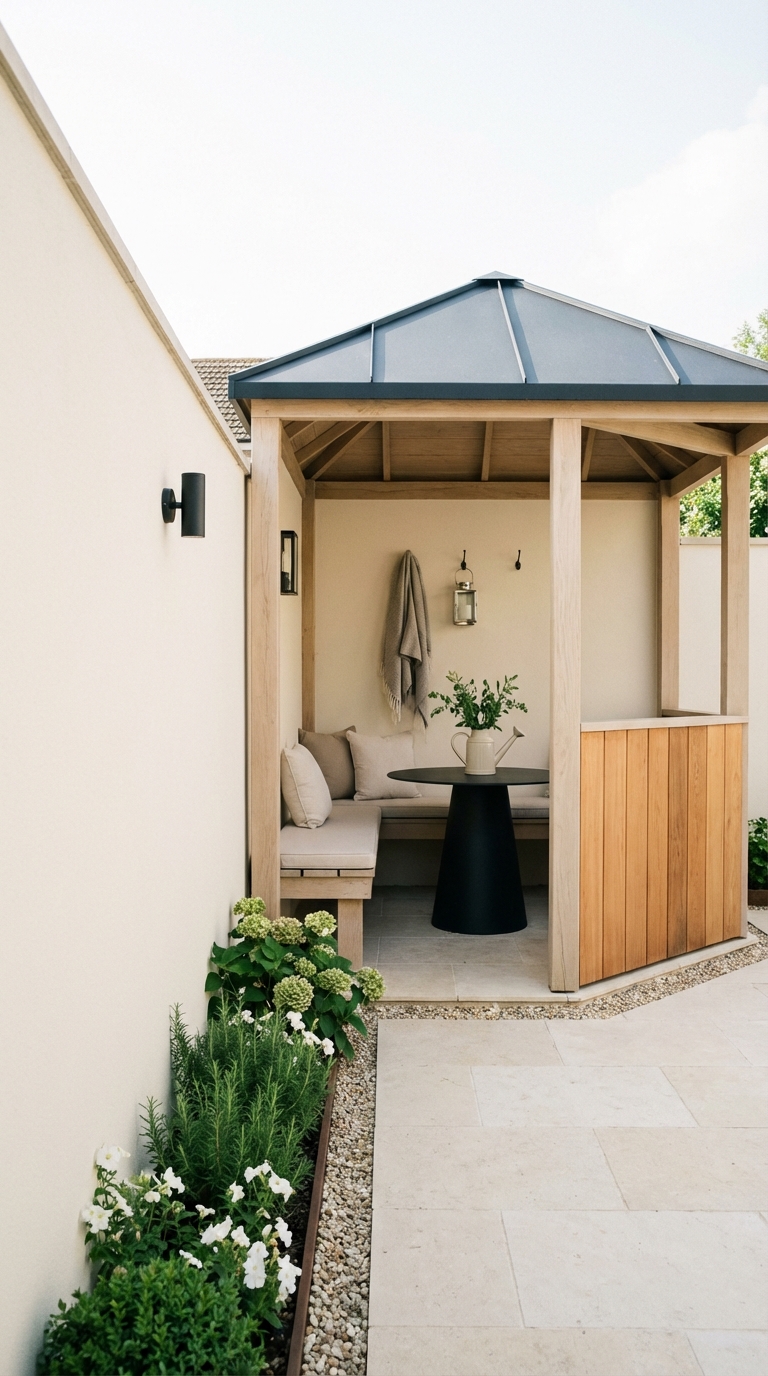
If your garden has a strong boundary wall or a tall fence, place the gazebo close enough to feel sheltered, while leaving enough space for air to move and maintenance to stay practical.
This approach works well for privacy. One side of the gazebo can feel “solid” without needing heavy screening, and you can add a slim panel or curtain on the open side that faces neighbors. In narrow gardens, that single move can change the whole mood.
Keep planting simple here. A line of narrow planters, or a clean strip of greenery, can soften the wall without narrowing your walkway.
7) The greenery-wrapped gazebo that stays controlled
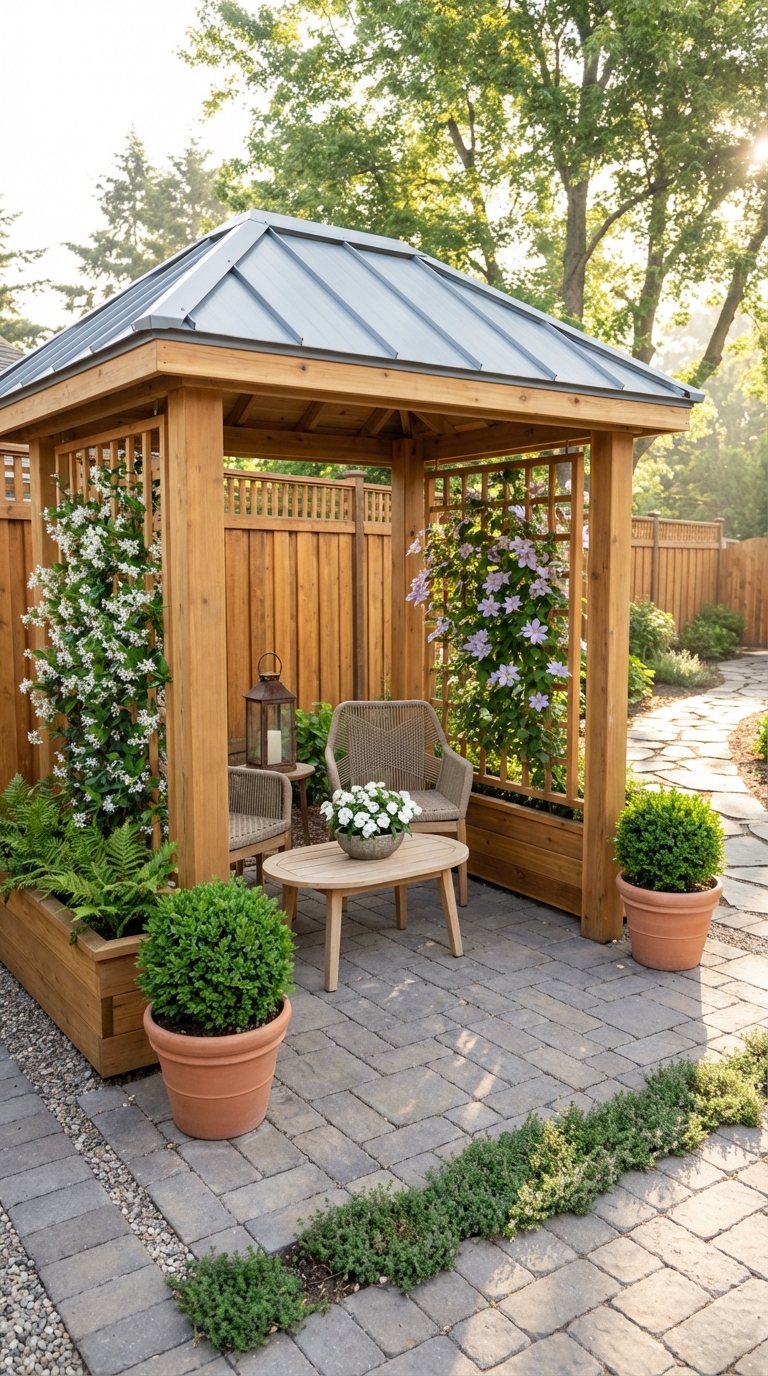
Plants can make a small gazebo feel like a secret retreat, but the key is control. In tight spaces, overgrown greenery can reduce airflow and make the area feel cramped. Choose climbers with a tidy habit, and train them deliberately.
Use one or two panels for climbing plants, and keep the entrance clear. If you want a lush look, layer greenery at different heights, a tall climber on one side, a medium-height planter near a post, and low planting at the base. That creates depth without blocking movement.
A calm palette works well with greenery. Natural wood, warm neutrals, and muted textiles let plants be the star.
8) The screened gazebo for close neighbors
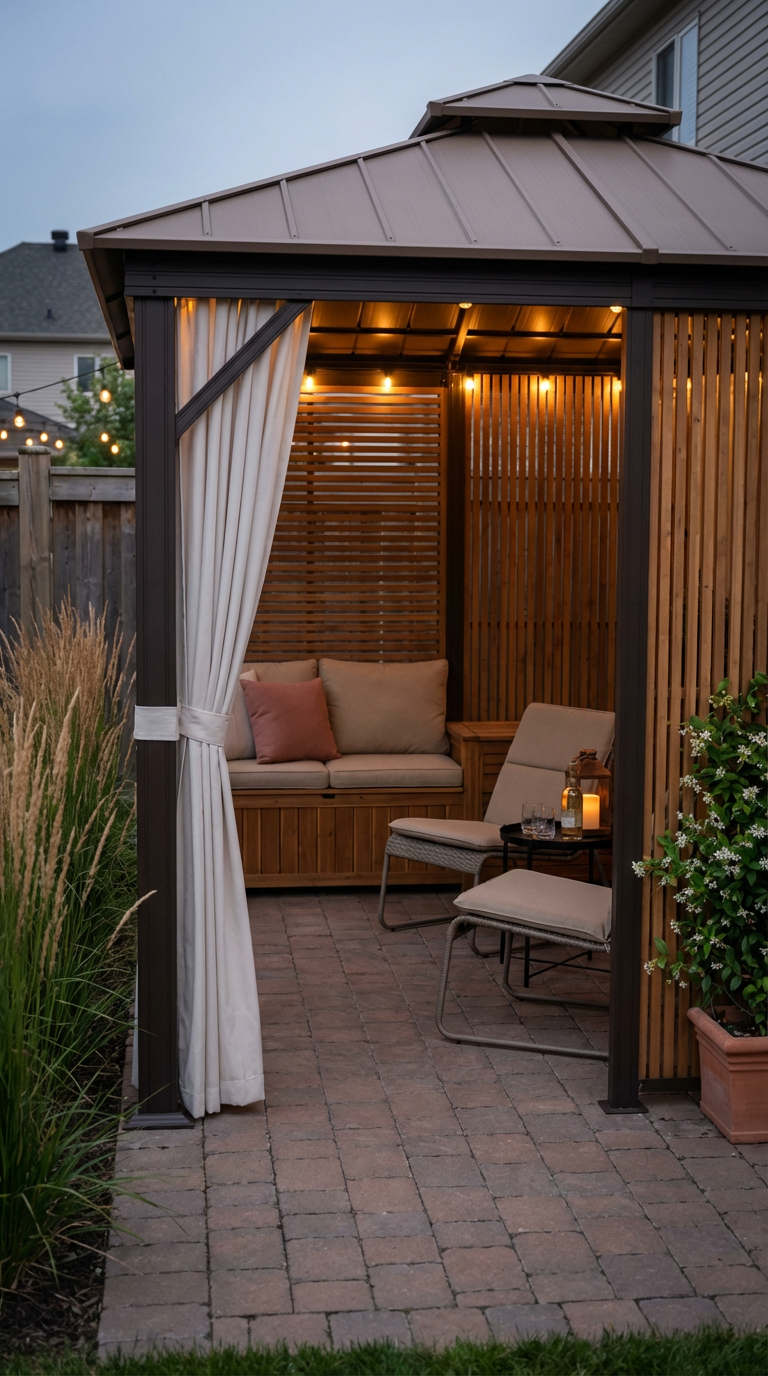
Privacy is often the real reason people want a gazebo in a small garden. When neighbors are close, a screened setup can make the space feel personal, while still letting light and breeze through.
You don’t need to screen every side. In fact, partial screening often feels better, it keeps the gazebo open, and it avoids the boxed-in feeling that can happen in a compact yard. Add screens where sightlines matter most, then leave the best view open.
For a softer look, outdoor curtains can be practical and charming. Choose a light-filtering fabric, and keep the curtain hardware simple and tidy. Tie-backs help the space feel flexible rather than closed.
9) The multi-use gazebo that includes storage
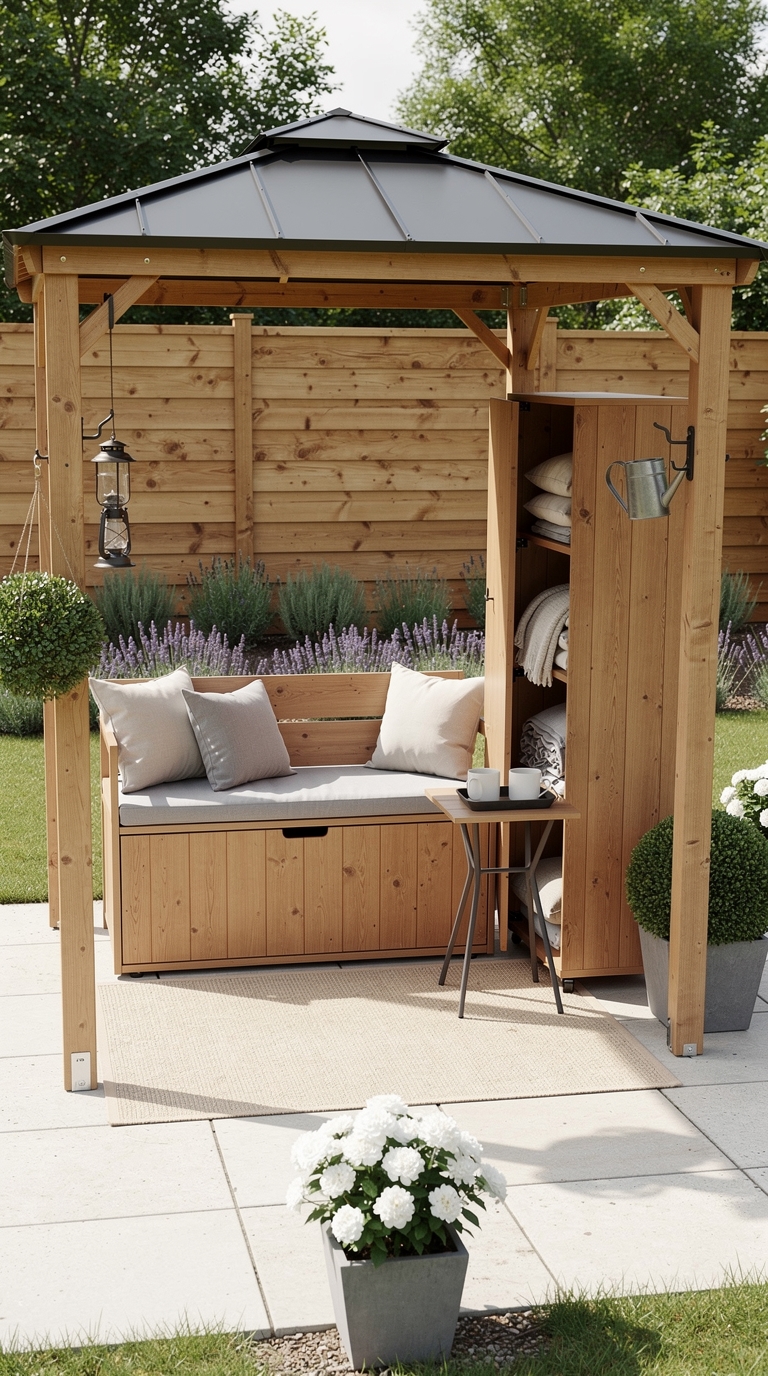
In a small garden, comfort depends on how quickly you can tidy up. A gazebo that includes storage helps you keep cushions, throws, and outdoor accessories ready without creating clutter.
Think of storage in slim, deliberate pieces. A storage bench doubles as seating. A narrow cabinet can hold gardening bits and outdoor candles. Hooks on a post can keep lanterns, a lightweight throw, or a small watering can off the floor.
Keep the visual line clean, and avoid too many small items on display. A small space looks best when the surfaces stay mostly clear.
10) The seasonal gazebo that adapts to your life
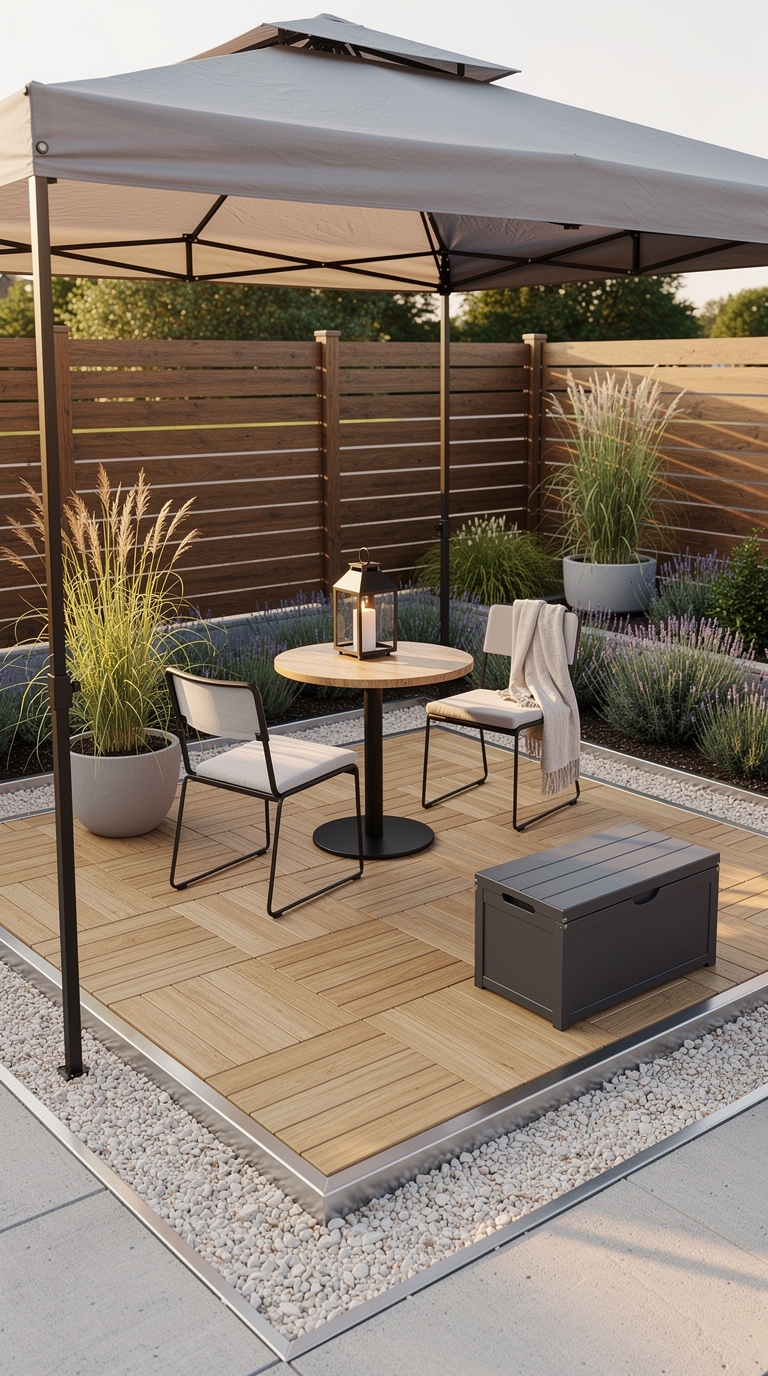
Not every garden needs a permanent structure. If your space changes through the year, or if you rent, a seasonal gazebo can be a smart solution. A foldable or pop-up option can create shade and shelter when you need it most, then pack away to open the space for other uses.
The trick is making it look intentional. Use a defined base, a simple gravel rectangle, a set of decking tiles, or a neat outdoor rug. Add two or three consistent décor pieces that live with the gazebo, like lanterns, planters, and a small table, so it feels like a designed zone rather than a temporary add-on.
Space-planning tricks that make a small gazebo feel larger
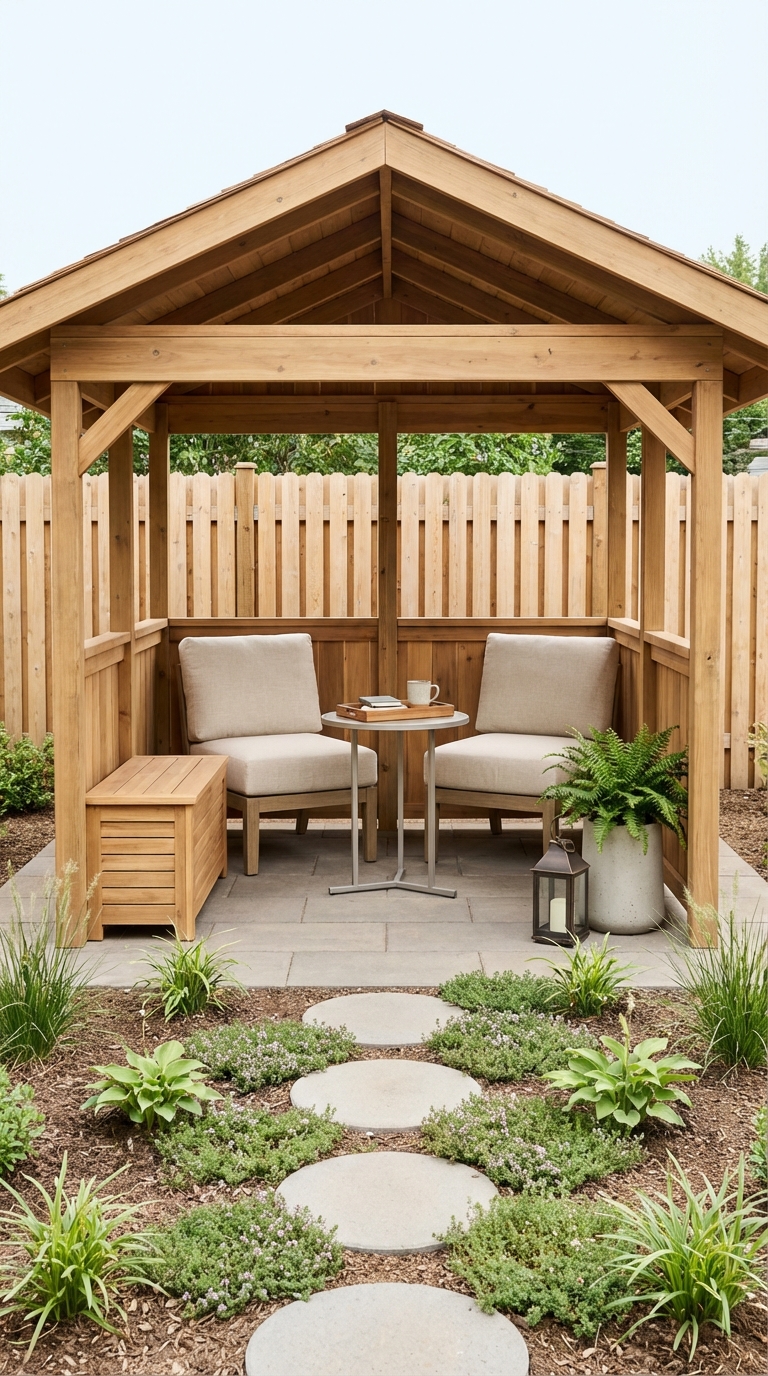
A compact gazebo can feel airy if you plan the surrounding space with care. Start with clearance. You don’t need a wide ring around the gazebo, but you do need comfortable access. One clear approach path is often enough, and it can be as simple as a stepping-stone line, or a narrow strip of pavers that guides you in.
Furniture scale makes a huge difference. Choose pieces that match the footprint, then let negative space do its job. Armless chairs, slim-profile lounge chairs, and round tables typically work better than bulky outdoor sofas. A bench tucked to one side can provide seating without taking over the floor.
Keep materials consistent across the garden. Matching pavers, repeating a wood tone, or using one main gravel color makes the space feel connected, which reads as larger. Too many competing surfaces can fragment a small garden, making it feel busy.
Clutter is the fastest way to shrink a gazebo zone. Instead of many small décor items, use fewer pieces with clear purpose, a lantern that gives light, a planter that adds height, a cushion set that makes seating comfortable. Practical objects can still look lovely, especially when they’re chosen in a coordinated palette.
Flooring and base choices for tiny areas
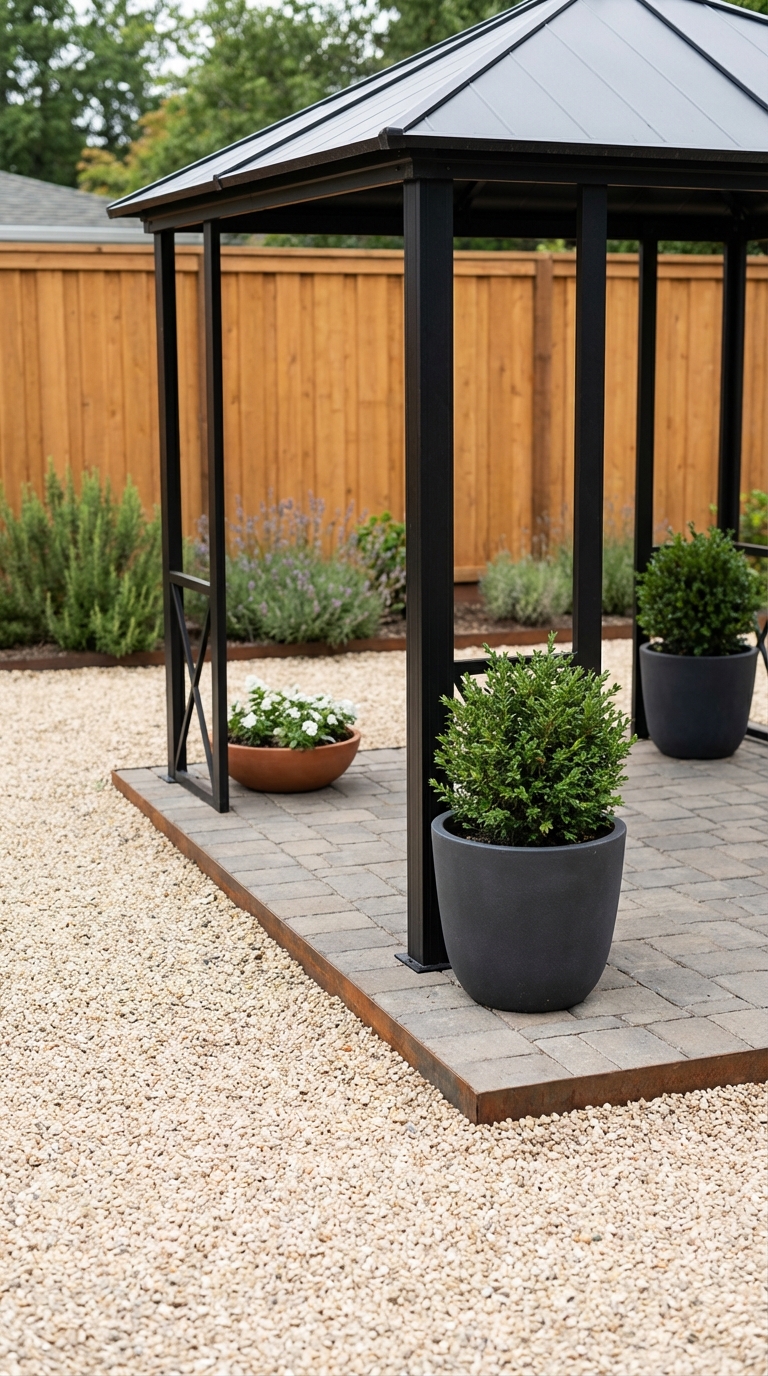
The base under your gazebo affects comfort, longevity, and the overall look. In small gardens, a tidy base also signals that the gazebo belongs there.
Pavers are a reliable choice, stable, clean, and easy to coordinate with existing patios. In compact spaces, a simple grid pattern often looks best, it feels calm, and it doesn’t fight the scale of the yard. If you already have a patio, matching or complementing those pavers creates a seamless feel.
Gravel can work beautifully too, especially if drainage is a concern. Choose a compacting gravel type that feels comfortable underfoot, then add solid stepping stones or a small paved strip in high-traffic areas. Gravel also pairs well with a lighter gazebo structure, creating an airy, garden-forward look.
Decking tiles can be a smart option for renters or for quick upgrades. They define the area fast, and they can make a small gazebo feel like a true outdoor room. Choose a simple finish, then keep the edges neat so the zone looks deliberate.
Concrete pads are practical and stable, but in small gardens they can feel heavy if they’re too large. If you choose concrete, keep the pad closely sized to the gazebo footprint, then soften the edges with planting or planters.
Shade, privacy, and comfort upgrades that don’t eat space

A gazebo should feel good to sit in, not just good to look at. In small spaces, comfort comes from a few thoughtful upgrades that don’t add clutter.
For shade control, curtains and screens are your main tools. Curtains soften the look and can be tied back easily. Screens offer structure and privacy, and they can support climbing plants if you want greenery without sprawl. Slatted panels give partial privacy while still letting light through, which can feel more pleasant than a fully enclosed setup.
Lighting is where a small gazebo can truly shine. Warm string lights add glow without taking space, and they make the roofline feel inviting in the evening. Lanterns can sit on a table or hang from a hook, creating a gentle pool of light. If you prefer a cleaner look, a small outdoor wall light mounted nearby can illuminate the area without extra décor.
Bug control can be simple. A screened gazebo is one route. Another is using a fan, or a discreet net that can be pulled down when needed. Even small changes, like keeping standing water away from the gazebo zone and planting fragrant herbs nearby, can improve comfort during warm months.
Weather readiness matters too. Outdoor fabrics made for exposure will keep cushions looking better longer. A small storage box, tucked neatly out of the way, helps you protect textiles and keep the space ready to use.
Styling ideas that feel real, not showroom-perfect
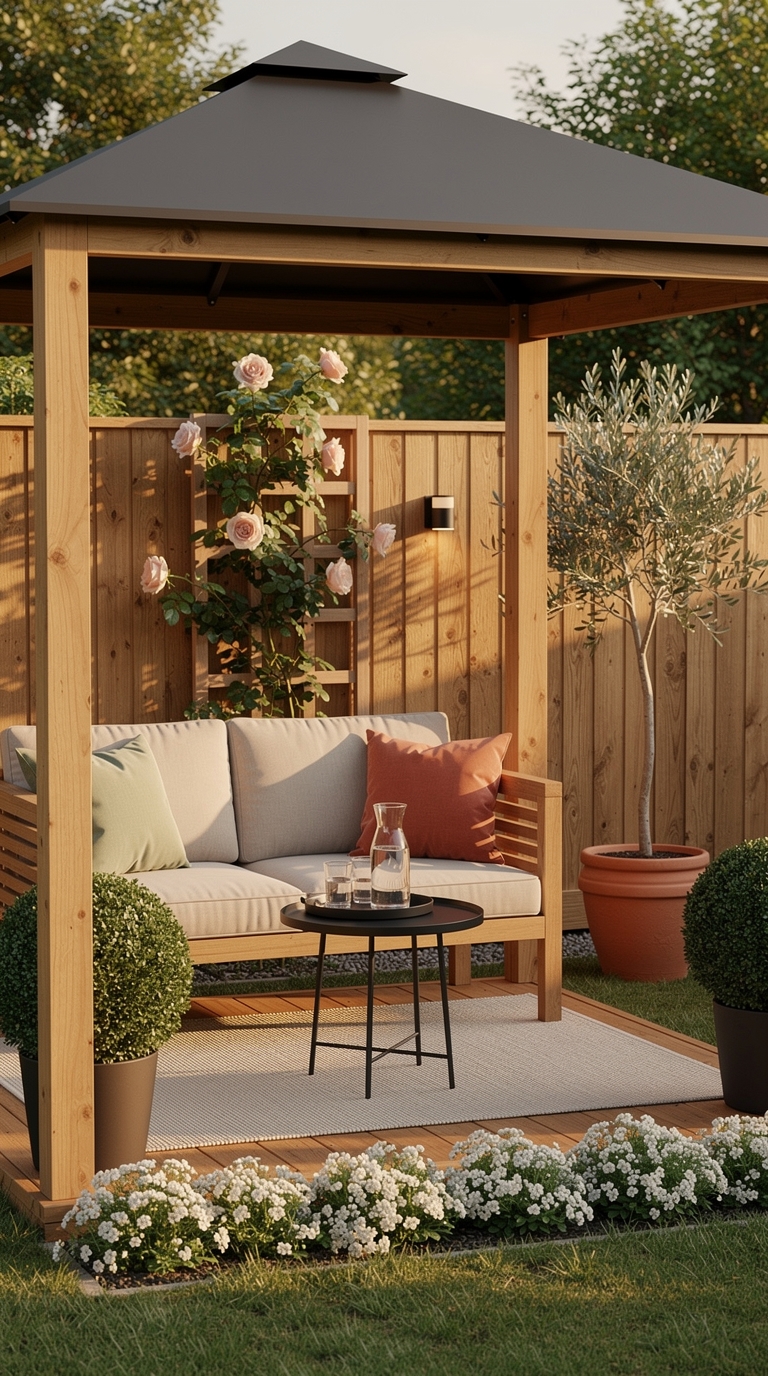
A gazebo in a small garden looks best when it feels lived-in, calm, and ready for daily use. Choose a simple style direction, then repeat a few materials so the whole space looks coherent.
Soft neutral lounge
Use warm-toned neutrals for cushions and an outdoor rug, then add texture through woven materials and natural wood. A single accent, like a muted green cushion or a terracotta planter, keeps it from feeling flat. Finish with one lantern and a small side table for practicality.
Fresh green garden nook
Let plants do the decorating. Keep furniture light in color and profile, then add a couple of planters that echo the garden palette. A small bistro set works well here, paired with soft lighting for evening use. Stick to a few plant heights, so the area stays orderly.
Evening entertaining corner
Focus on lighting and clear surfaces. Use a compact dining setup or a bench-and-table arrangement, then add a small tray, a lantern, and a simple centerpiece that won’t block sightlines. In small spaces, open views make gatherings feel easier.
Rainy-day cozy hideaway
Add a weather-friendly throw, cushions that can be stored quickly, and a small table that fits a mug and a book. Curtains or a partial screen can block wind and sideways drizzle. The goal is not to seal the gazebo, it’s to make it comfortable enough that a little weather doesn’t chase you indoors.
Common small-space mistakes, and quick fixes
A gazebo can go wrong in predictable ways, and most of them are fixable.
Going too big is the most common mistake. If you have to squeeze past furniture, or if the gazebo blocks the natural route through the garden, it will feel like an obstacle. The fix can be as simple as swapping bulky seating for a bench, using a smaller table, or choosing armless chairs that tuck in neatly.
Ignoring drainage can turn a gazebo into a spot you avoid. If puddles form, or if the base stays damp, the area won’t feel welcoming. Improve drainage with a better base, or adjust where water flows, so the gazebo zone stays dry and stable.
Over-decorating is another frequent issue. A small gazebo doesn’t need layers of accessories. Choose a few pieces that earn their place, lighting, seating comfort, and a touch of greenery, then let the structure and the garden do the rest.
Final thoughts: make the smallest space the most used space
A small garden doesn’t need to do everything to feel special, it needs one place that feels truly inviting. A gazebo can be that place, a sheltered nook that makes you step outside more often, linger a little longer, and enjoy the garden you already have. Choose the right footprint, plan the layout with a clear path and sensible furniture, then keep the styling practical and calm. The result won’t just look good, it will become the part of your garden you use the most, season after season.