
From Lawn to Life: Sustainable Garden Ideas That Transform Your Outdoor Space
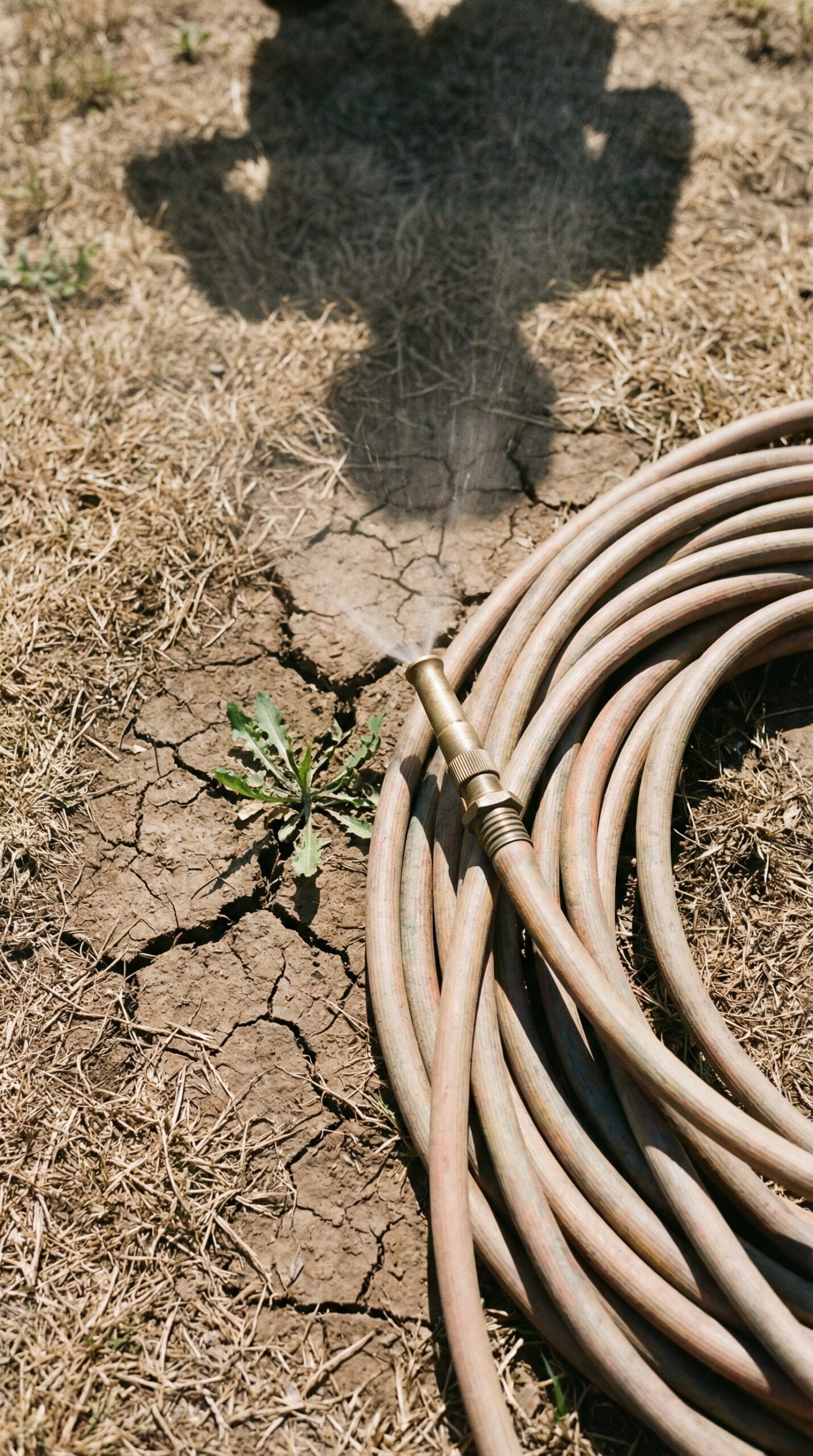
You step onto the patio with the hose in hand, staring down at a patch of scorched, brown grass. The heat radiates off the ground, and the weight of the water bill sits heavy in the back of your mind. Another weekend spent mowing, watering, and fighting weeds feels less like a hobby and more like a chore. You know there has to be a better way to enjoy your outdoor space without exhausting your resources or your energy.
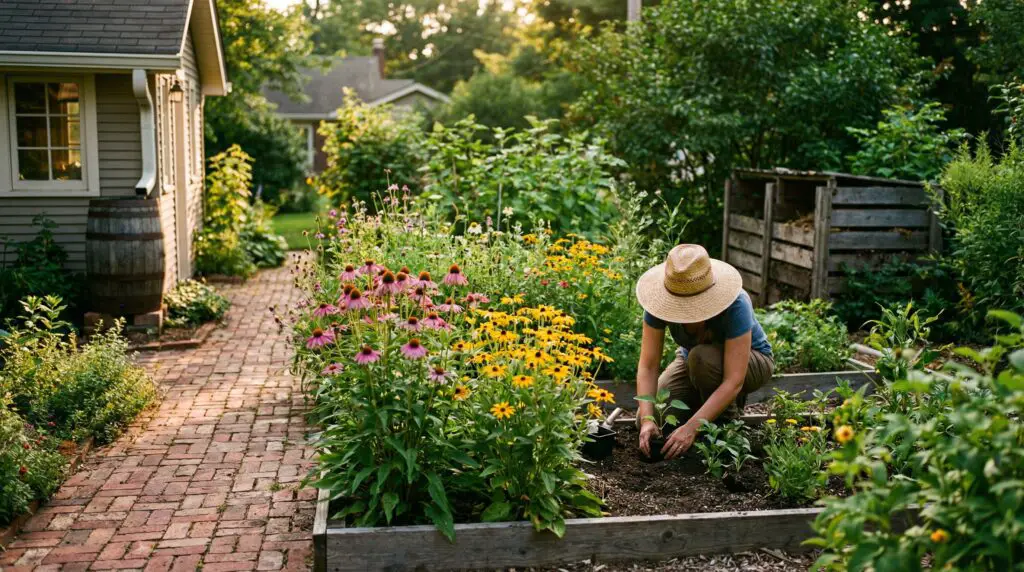
This feeling is the starting point for thousands of homeowners who are shifting away from traditional landscaping. They are moving toward a Sustainable Garden. This concept is not about perfection or having the greenest lawn on the block. It is about creating a space that works with nature instead of fighting against it. A sustainable garden saves money, reduces maintenance, and supports local wildlife. In this guide, we will walk through actionable Sustainable Garden Ideas that anyone can implement. Whether you have a sprawling backyard or a tiny balcony, you can create a thriving ecosystem that brings life back to your home.
The Green Thumb Mindset (Starting Simple)
Transitioning to an eco-conscious garden begins in your head before you ever pick up a trowel. Many people feel overwhelmed by the term sustainability. They think it requires expensive equipment or a degree in botany. The truth is much simpler. It is about progress, not perfection.
Shift Your Perspective
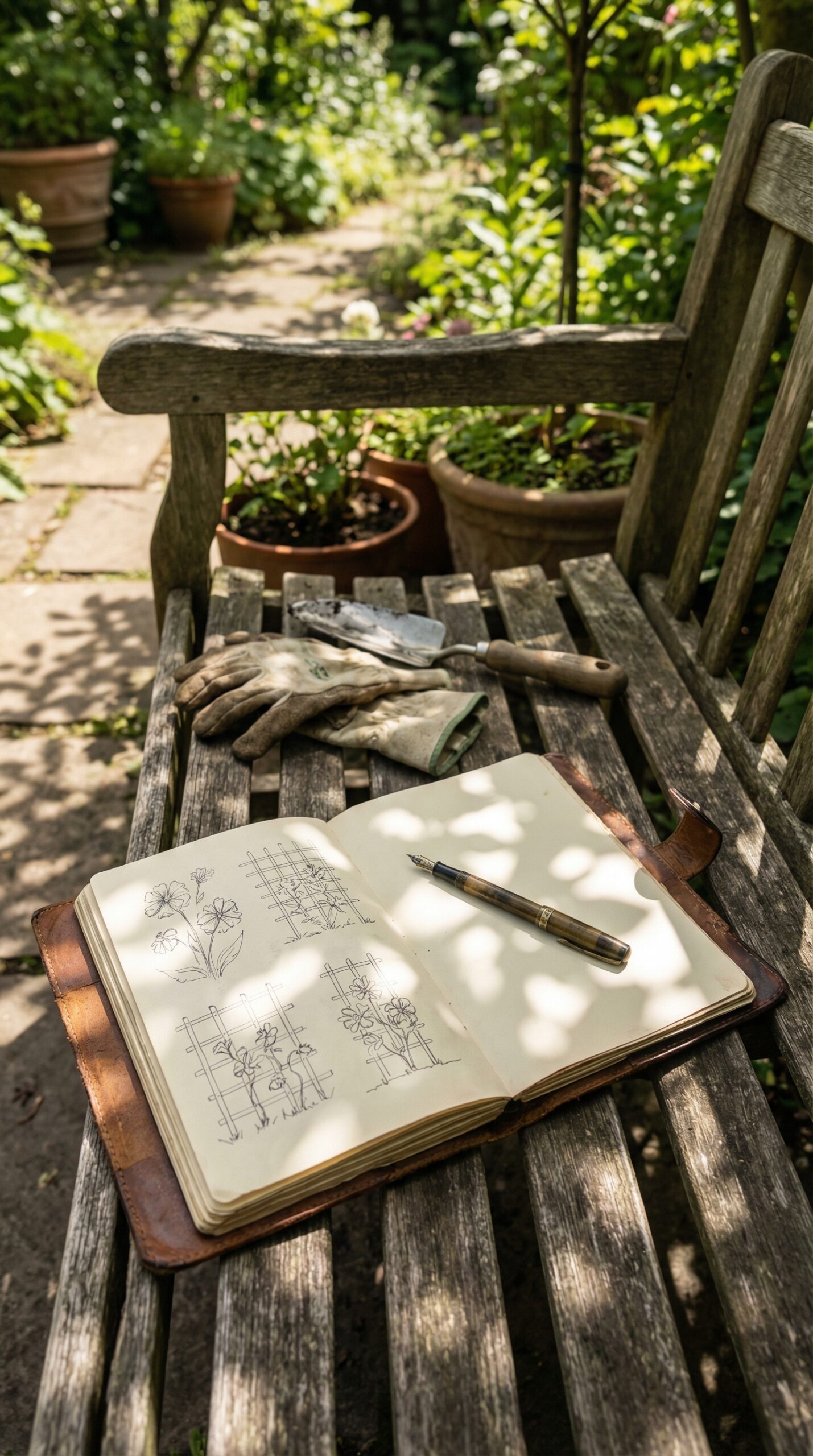
Traditional gardening often focuses on control. We try to force plants to grow where they do not belong, we fight pests with harsh chemicals, and we water regardless of the rain. Sustainable gardening for beginners starts by observing what you already have. Spend a week watching your space. Note where the sun hits in the morning versus the evening. Notice which areas stay wet after a storm and which dry out instantly. This observation phase is crucial. It helps you work with the natural conditions of your property rather than trying to change them.
When you stop fighting your environment, you save time and money. You might realize that shady corner is perfect for ferns instead of sun-loving tomatoes. You might see that the dry patch near the driveway is ideal for drought-tolerant succulents. Accepting the natural state of your land is the first step toward a healthier garden.
Three Quick Wins
If you are ready to start today, there are three simple swaps you can make immediately. First, stop using synthetic chemical fertilizers. These can harm soil health over time and run off into local waterways. Switch to organic compost instead. Second, reduce your mowing height. Keeping grass slightly longer shades the soil and retains moisture. Third, leave the leaves. In the fall, let some leaves stay on the ground to protect plant roots and provide habitat for beneficial insects. These eco-friendly gardening tips require almost no effort but yield immediate benefits for your soil and wallet.
Water Wisdom (Designing for Drought)
Water is our most precious resource, and traditional lawns are notoriously thirsty. A water-wise garden design focuses on keeping moisture in the soil and capturing free water from the sky. This approach not only helps the planet but also keeps your utility bills low during hot summer months.
Mulching Mastery
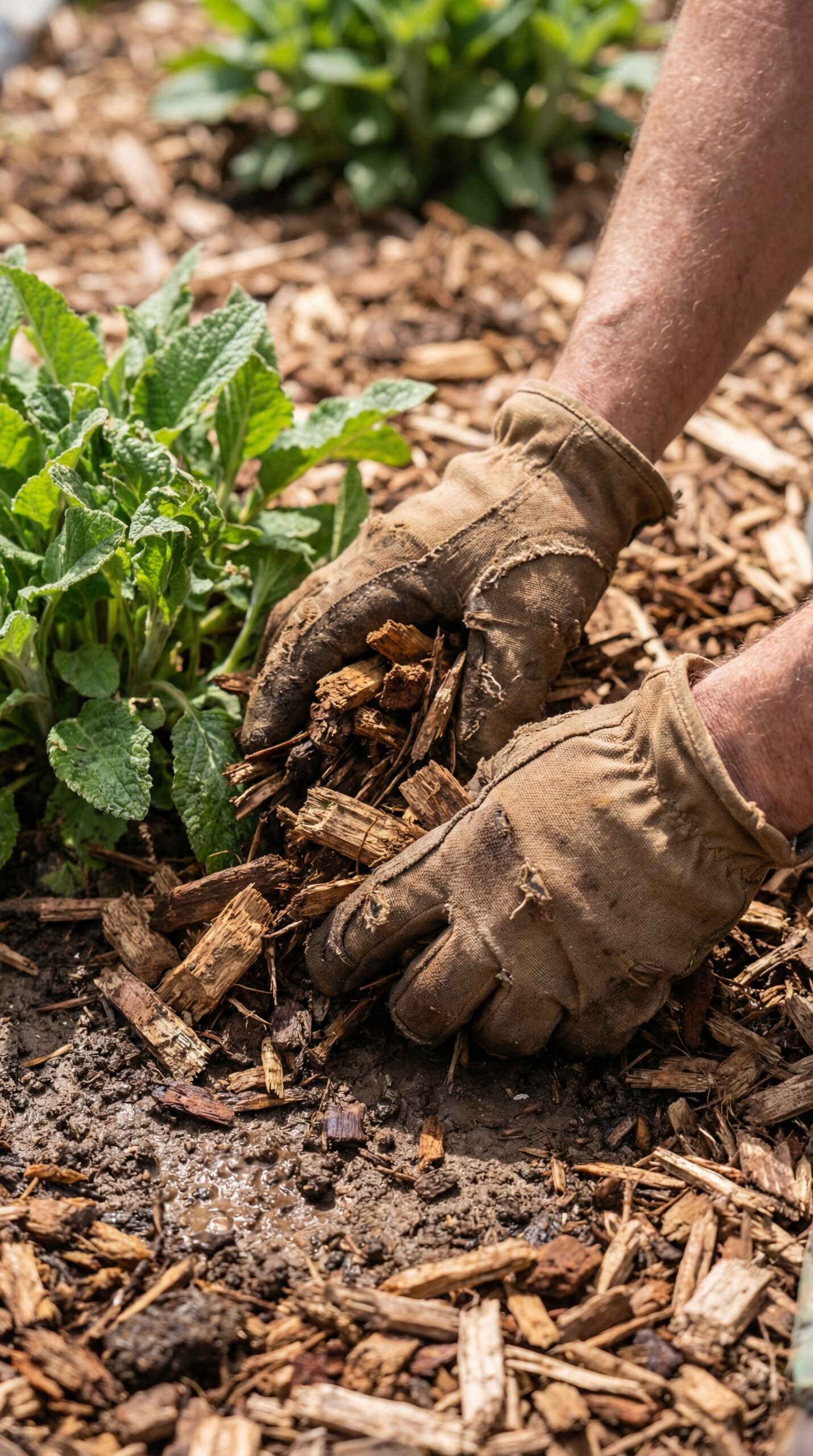
Mulch is the unsung hero of the sustainable garden. A thick layer of organic mulch acts like a blanket for your soil. It locks moisture in, suppresses weeds, and breaks down over time to feed the earth. You should aim for about three inches of coverage around your plants. Wood chips, straw, or shredded leaves all work well. Avoid using dyed mulches that might contain chemicals. When you apply mulch, keep it a few inches away from plant stems to prevent rot. This simple layer can reduce your watering needs by half.
Catching the Rain
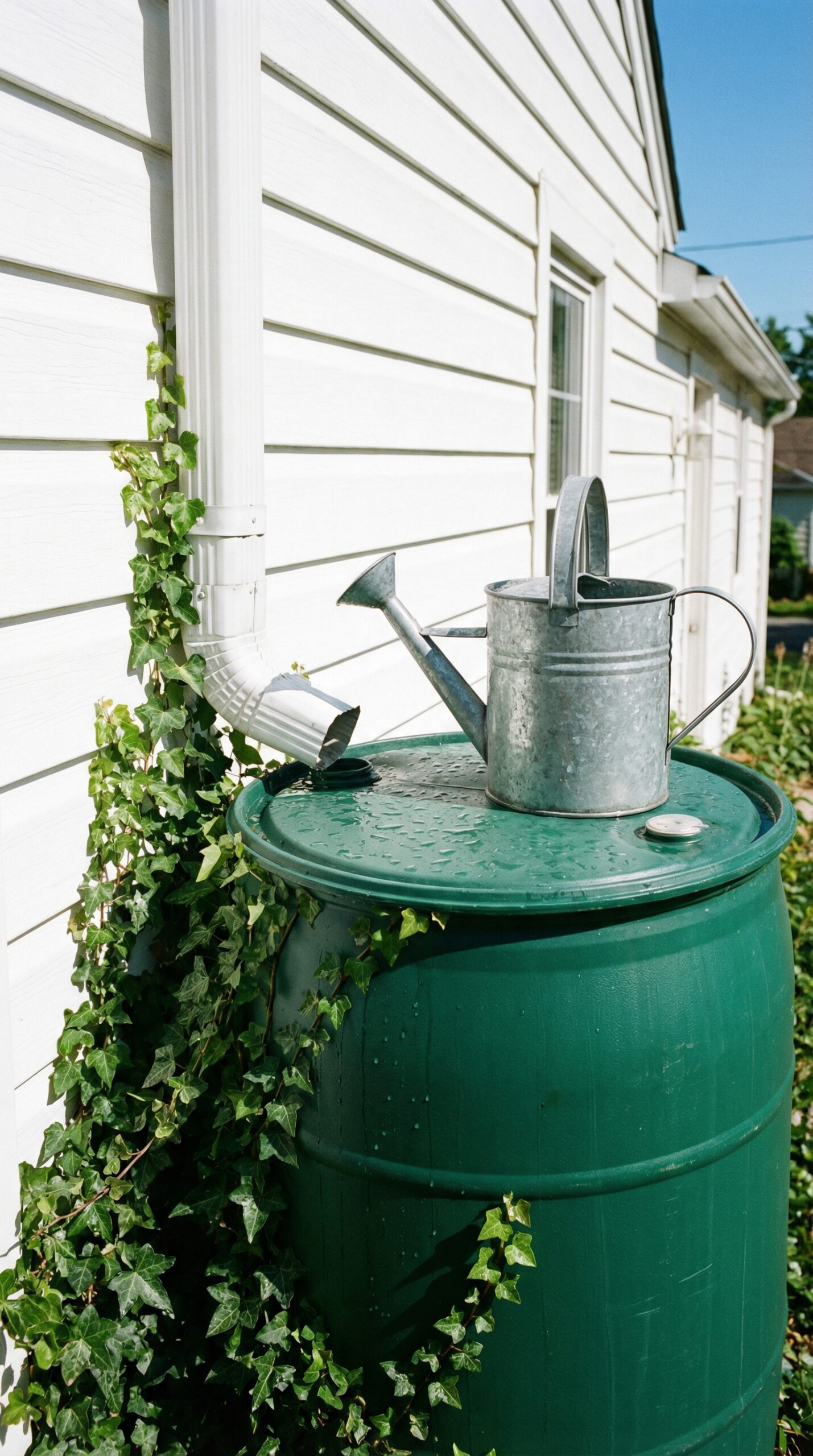
Setting up a rainwater harvesting garden system is easier than you might think. You do not need a complex infrastructure to start. A simple rain barrel connected to your downspout can collect hundreds of gallons of water during a storm. Many hardware stores sell diverter kits that allow you to switch between the barrel and the drain easily. Position the barrel on a cinder block stand to raise it up. This gives you enough gravity pressure to fill a watering can directly from the spigot. Use this free water for your containers and flower beds. It is better for plants than treated tap water because it lacks chlorine and fluoride.
Timing Is Everything
How you water is just as important as how much you water. Evaporation is the enemy. If you water in the middle of the day, much of that moisture disappears into the air before it reaches the roots. Always water early in the morning. This allows plants to drink up before the heat sets in. It also ensures foliage dries quickly, which prevents fungal diseases. Consider installing drip irrigation lines for your beds. These deliver water slowly and directly to the soil base, ensuring zero waste.
Planting for Purpose (Native & Pollinators)
The plants you choose define the success of your garden. Exotic plants often require extra care, special fertilizers, and constant protection from pests. Native plant garden ideas focus on species that evolved in your specific region. These plants are already adapted to your local rainfall, soil, and temperature patterns.
Why Native Plants Win
When you plant native species, you are choosing plants that know how to survive in your area. They have deep root systems that prevent erosion and access water deep underground. This means less watering for you. They also resist local pests naturally, reducing the need for intervention. A garden filled with natives feels connected to the surrounding landscape. It looks like it belongs there. You can find lists of native plants at local nurseries or through county extension offices. Look for labels that say “native to your region” or “pollinator friendly.”
Welcoming the Wildlife
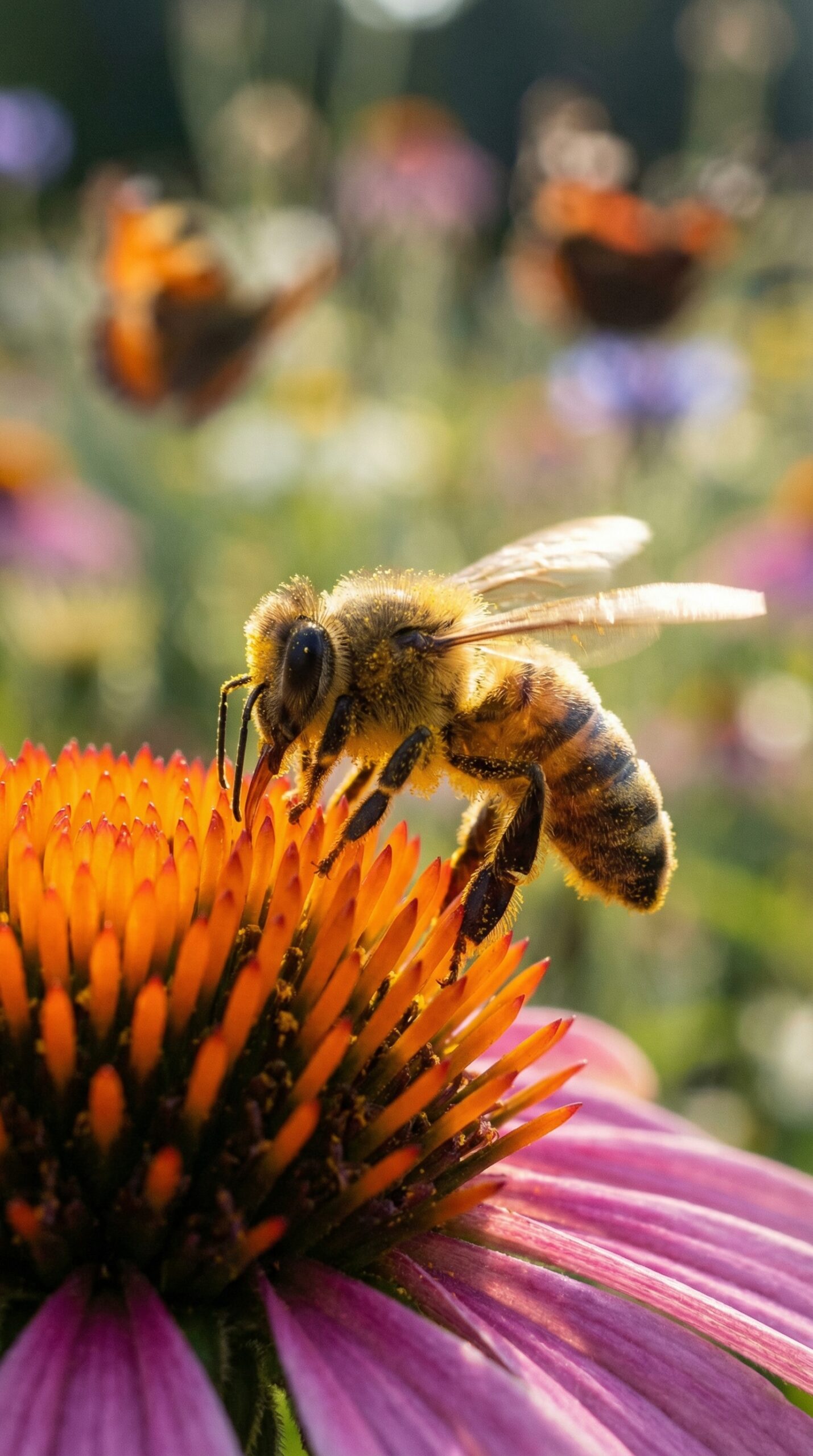
A pollinator-friendly garden is a bustling hub of activity. Bees, butterflies, and hummingbirds are essential for food production and ecosystem health. Unfortunately, their populations are declining due to habitat loss. You can help by planting flowers that provide nectar and pollen throughout the growing season. Aim for blooms in spring, summer, and fall so insects have food when they wake up and before they hibernate. Avoid double-flowered varieties, as these often lack the pollen insects need. Single-petal flowers are much easier for bees to access.
Top Five Low-Effort Plants
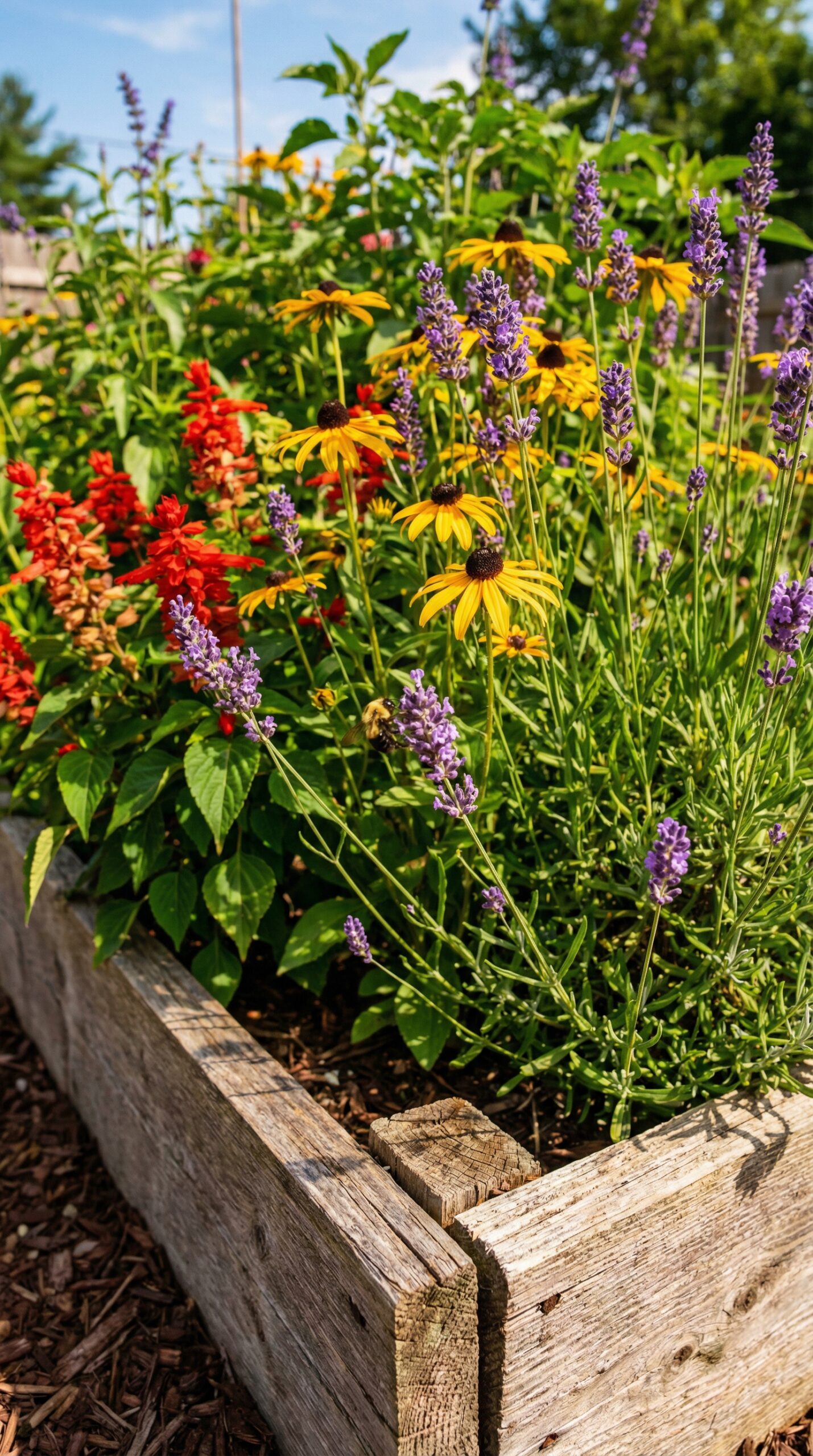
If you are not sure where to start, here are five plants that offer high impact for low effort. Coneflower is a tough perennial that drought-resistant bees love. Lavender provides fragrance and thrives in poor soil. Salvia offers long-lasting color and attracts hummingbirds. Black-eyed Susan is cheerful and spreads easily to fill gaps. Finally, consider native grasses like Switchgrass, which provide winter interest and shelter for birds. These plants form the backbone of a resilient garden. Layering them creates depth. Put taller plants in the back, shrubs in the middle, and groundcover in the front. This mimics a natural forest edge and reduces weed growth.
The Cycle of Waste (Composting & Upcycling)
In a traditional garden, waste is something you bag up and send to the landfill. In a sustainable space, waste is simply a resource in the wrong place. Zero waste gardening is a philosophy of closing the loop. You take what your kitchen and yard produce and turn it back into fuel for your plants.
Understanding Zero Waste Gardening
Every banana peel, coffee ground, and fallen branch has value. When you send these to the curb, you lose that nutrients forever. When you keep them on site, you create a self-sustaining system. This reduces your carbon footprint by eliminating truck trips to the landfill. It also saves you money on buying bagged soil amendments. The goal is to keep organic matter within your garden boundaries.
Choosing Your Compost Method
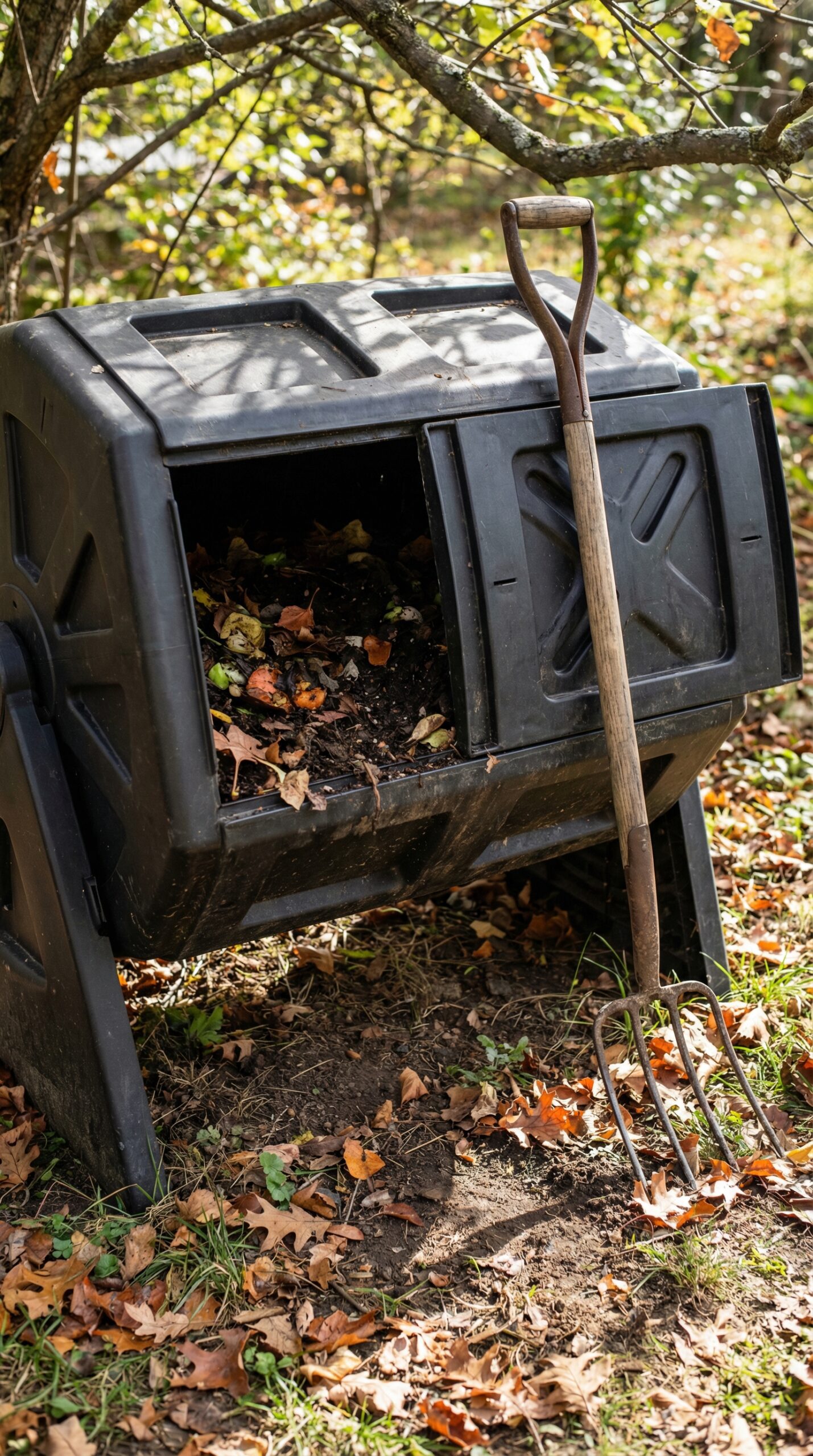
DIY composting methods vary based on your space. If you have room, a simple pile in the corner works well. Just turn it occasionally with a fork to add air. For smaller yards, a tumbler bin is neat and keeps pests out. These bins spin, making it easy to mix the materials. For apartment dwellers, a worm bin (vermicompost) fits under the sink. You feed scraps to worms, and they produce rich castings for your plants. The key to composting is balance. You need greens like vegetable scraps and grass clippings. You also need browns like dried leaves, cardboard, or paper. Aim for a ratio of two browns to one green. This prevents smells and speeds up decomposition.
Upcycling Hardscape Materials
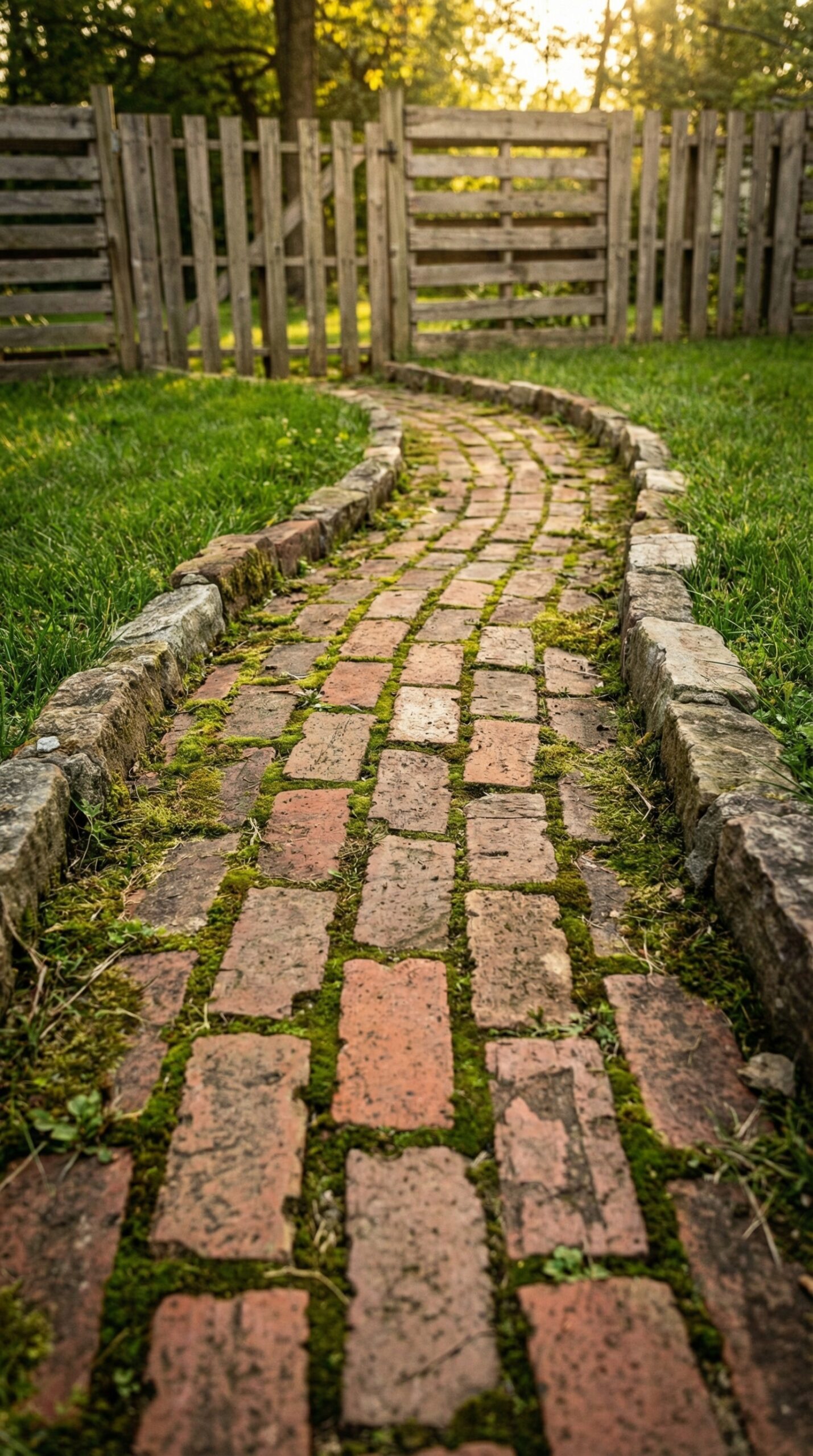
Sustainability extends beyond plants to the structures in your garden. Instead of buying new pavers or lumber, look for reclaimed materials. Old bricks from a demolition site can make charming pathways. Broken concrete can be used as urbanite for retaining walls. Reclaimed wood is perfect for raised beds, provided it has not been treated with toxic chemicals. Stone walls are also trending and offer excellent habitat for lizards and beneficial insects. Using these materials adds character and history to your space while keeping construction waste out of landfills.
Natural Defenses (Pest Management)
Pests are a reality of gardening, but chemicals are not the only solution. Harsh pesticides kill beneficial insects along with the bad ones. They can also harm pets and children playing in the yard. Organic pest control natural methods focus on balance and prevention.
Balance Over Eradication
Your goal is not to eliminate every insect. It is to manage the population so plants remain healthy. A few aphids are okay because they bring in ladybugs, which eat them. If you spray immediately, you break this food chain. Encourage beneficial insects like lacewings and predatory wasps. You can buy these online or attract them with specific flowers like yarrow and dill. Healthy soil also produces strong plants that resist pests naturally. Focus on feeding your soil with compost rather than feeding the plant with synthetic nutrients.
Companion Planting Strategies
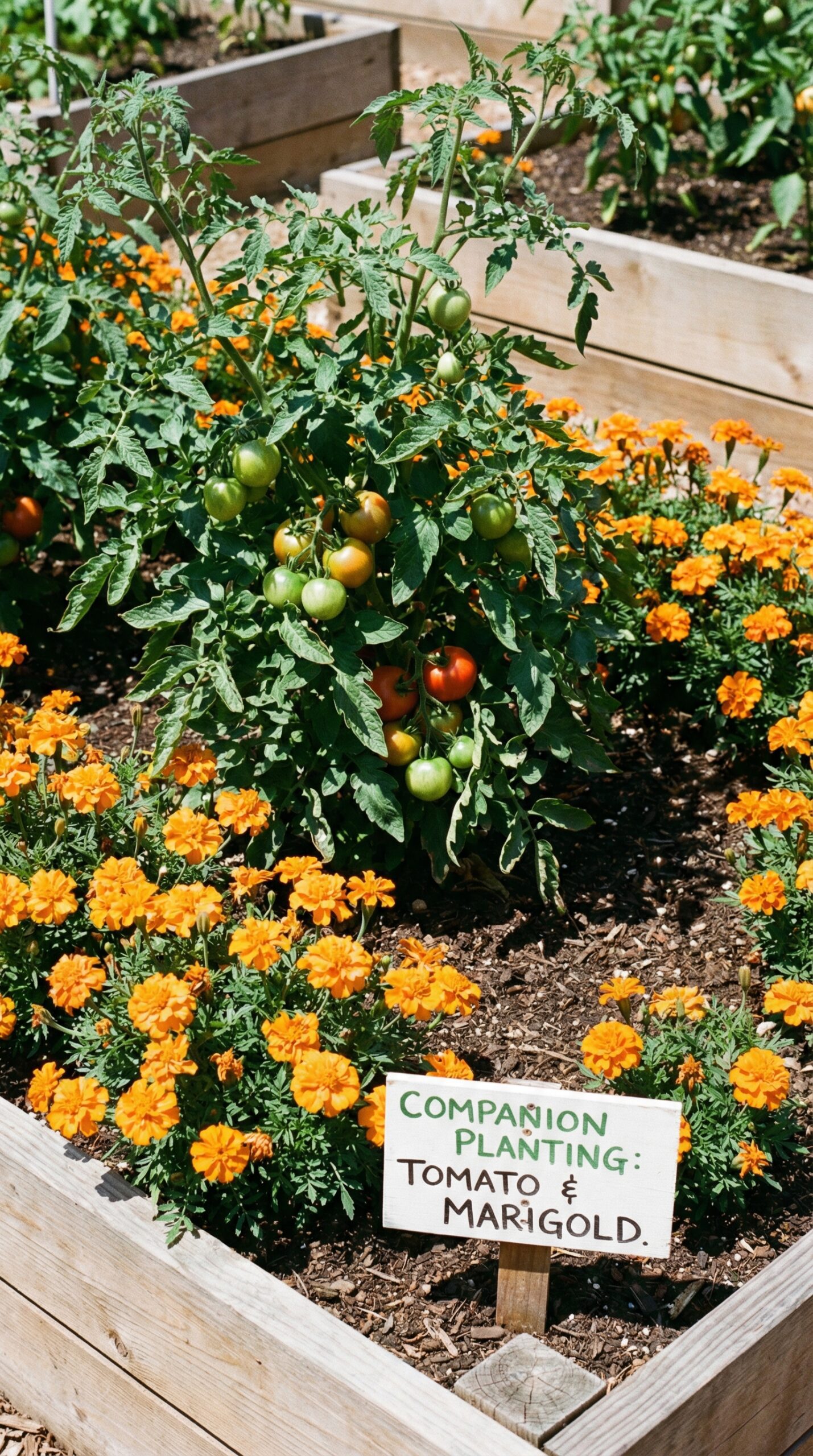
Companion planting is the art of placing specific plants together to help each other. Some plants repel pests with their strong scent. Marigolds are famous for deterring beetles and nematodes. Plant them around your tomatoes and peppers. Basil also helps tomatoes grow better and repels flies. Onions and garlic confuse pests with their strong odor. By mixing these plants into your flower beds, you create a confusing barrier for insects looking for a meal. This reduces the need for intervention later in the season.
Safe Sprays and Solutions
Sometimes you need to take action. If infestations get out of hand, use gentle remedies. A simple spray of water can knock aphids off plants. For tougher pests, mix a teaspoon of mild dish soap with a quart of water. Spray this directly on the insects. Neem oil is another organic option that disrupts the life cycle of many bugs without harming bees if applied at dusk. Diatomaceous earth is a powder made from fossilized algae. It is safe for humans but deadly to soft-bodied insects. Always test a small leaf first to ensure the plant does not react negatively.
Small Space, Big Impact (Urban & Balcony)
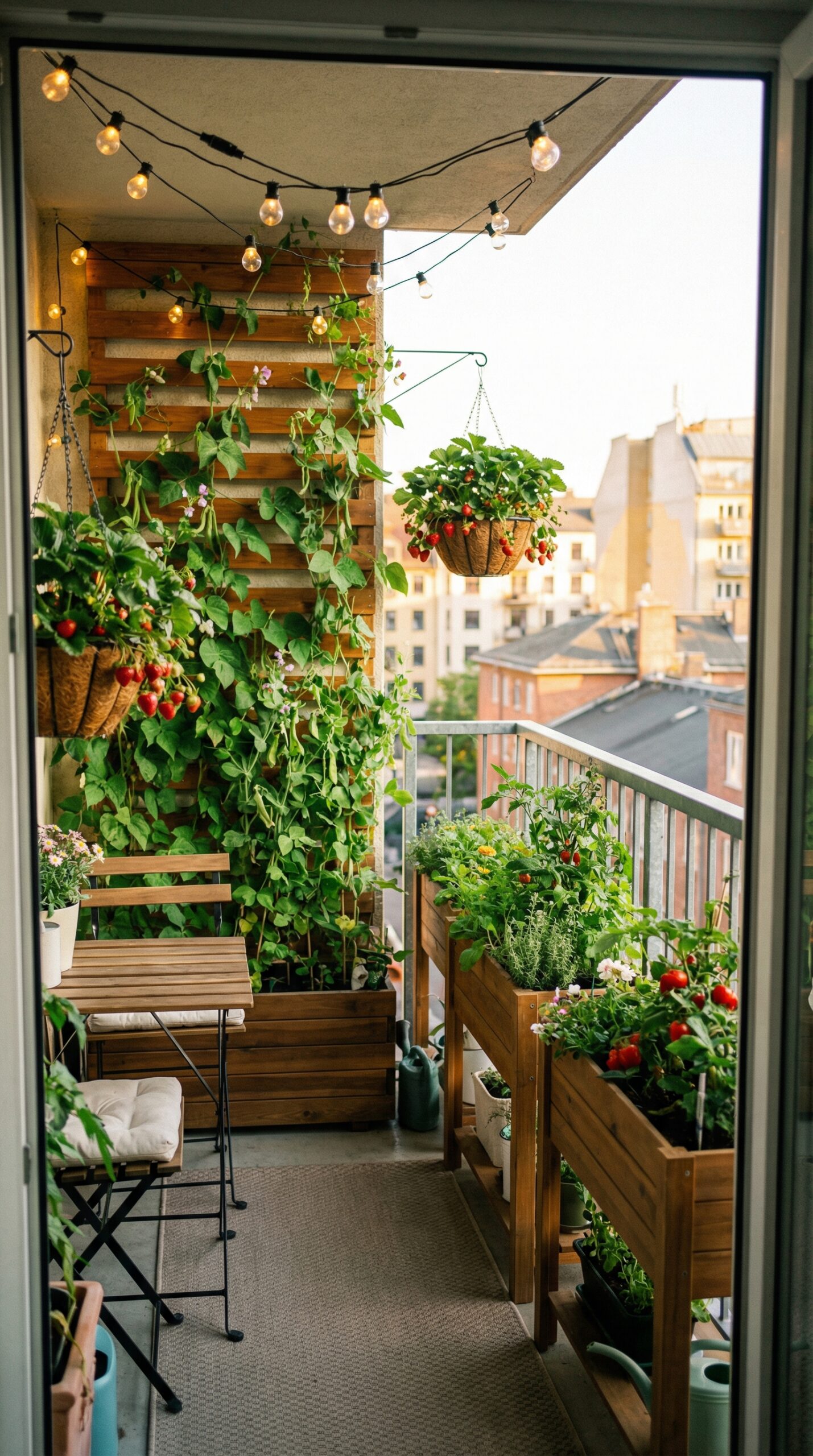
You do not need acres of land to garden sustainably. A small sustainable garden can thrive on a balcony, patio, or windowsill. Urban dwellers have unique challenges, but they also have opportunities to create green oases in the concrete jungle.
Vertical Growing Solutions
When floor space is limited, look up. Vertical gardening maximizes your square footage. Install trellises on walls for climbing beans or cucumbers. Hang baskets from railings for strawberries or herbs. Pocket planters made from felt can hold a dozen lettuce plants on a single wall. This keeps leaves off the ground and improves air circulation. Just ensure your structure is secure against wind. Vertical gardens also provide insulation for your home, keeping it cooler in the summer.
Container Care
Containers dry out faster than ground soil, so water management is key. Use high-quality organic potting mix that retains moisture. Add vermiculite or perlite to improve drainage. Self-watering pots are excellent for sustainability because they reduce evaporation and frequency of watering. You can also make your own self-watering system using two plastic pots and a wick. Group your containers together. This creates a microclimate with higher humidity, which reduces water loss for all the plants.
Community Connections
If you have no space at all, look outward. Community gardens are popping up in cities everywhere. They offer plots where you can grow food and flowers alongside neighbors. This builds community resilience and shares resources. You can also participate in guerrilla gardening by planting native flowers in neglected public strips, provided you have permission. Every patch of green counts. Connecting with local gardening groups can provide seeds, tools, and knowledge specific to your urban environment.
Your Garden, Your Legacy
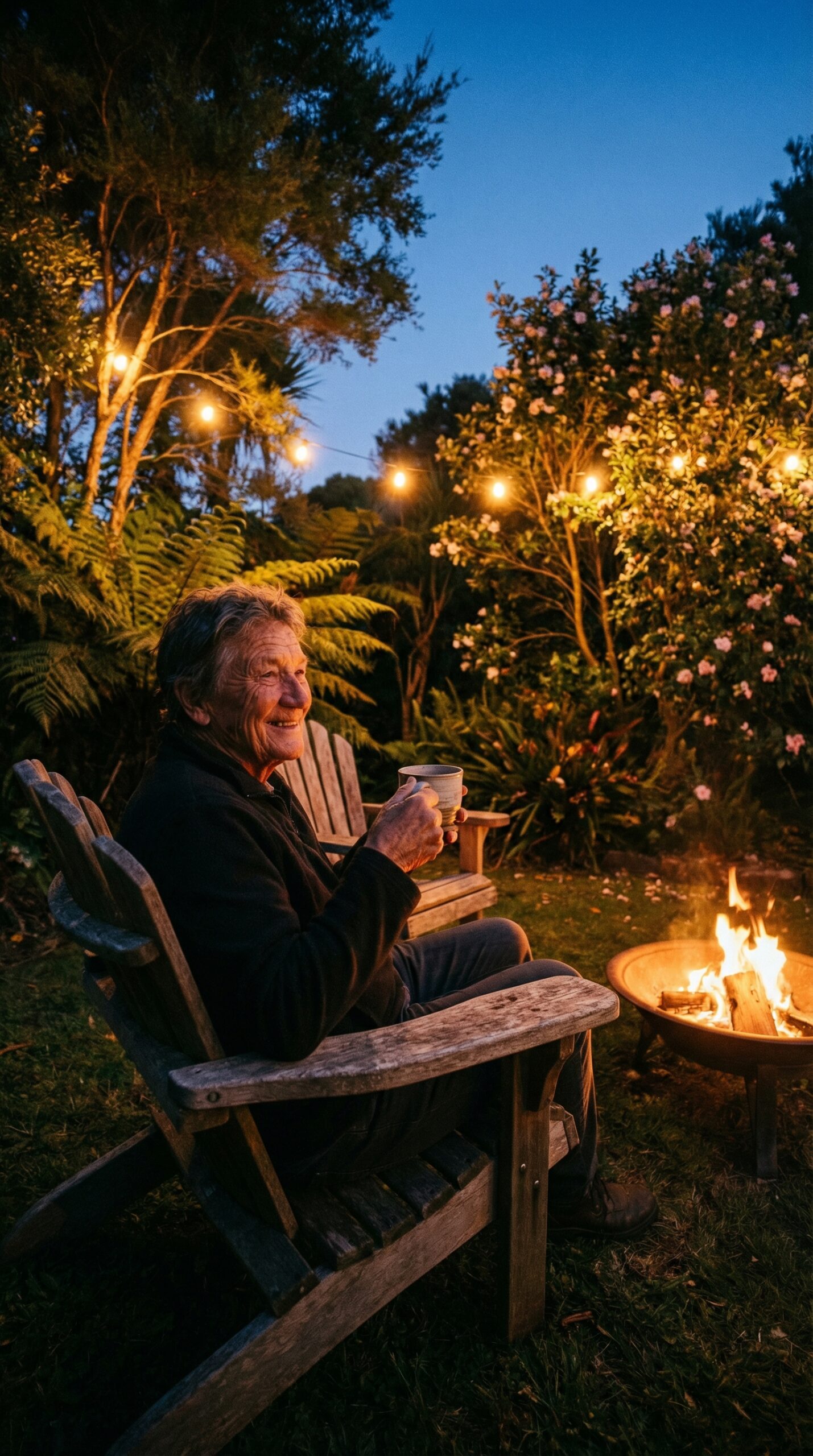
Transforming your outdoor space is a journey, not a one-day project. You do not need to do everything at once. Start with one corner or one planter box. The benefits of a sustainable garden extend far beyond your property line. You are cleaning the air, filtering water, and providing food for wildlife. You are creating a sanctuary for yourself and your family.
Think about the legacy you want to leave. A chemical-heavy lawn fades away when the water stops. A sustainable ecosystem grows stronger every year. The soil gets richer, the plants get bigger, and the wildlife returns. Pick one idea from this article to implement this weekend. Maybe you will start a compost bin or plant a single native flower. That small action is the seed of something beautiful. Your garden is alive, and it is waiting for you to work with it. Welcome to the future of gardening.