
The Best Plants for Shaded Borders That Actually Thrive
You stand over the patch of dirt beneath the old oak tree with a shovel in your hand. For the third time this season, you are digging out another batch of yellowing petunias that refused to bloom. The sun barely touches this corner of the yard, yet you keep trying to force sun-loving plants into the shadows. It is time to stop fighting the light and start working with the dark.
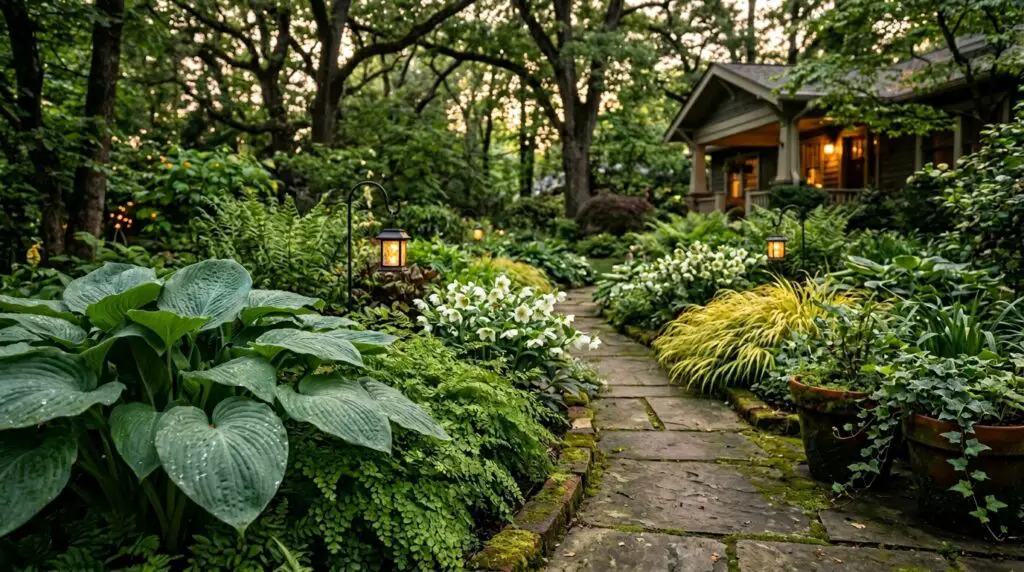
Many gardeners treat shade as a deficiency rather than an opportunity. This mindset leads to wasted money and frustrated afternoons spent staring at lackluster growth. The solution lies in embracing low-light conditions with the right selections. By choosing the Best Plants for Shaded Borders, you can transform problematic areas into lush sanctuaries. By the end of this guide, you will have a roadmap to turn your darkest corners into the most captivating features of your landscape.
Decoding the Dark: Understanding Your Light
Before you buy a single plant, you need to understand what you are working with. Not all shade is created equal. Misdiagnosing your light levels is the number one reason gardens fail. You might think you have full shade when you actually have dappled light, or vice versa. Taking the time to observe your space will save you from heartache later.
Defining Shade Levels
Garden centers often label plants with vague terms. You need to be specific. Full shade means an area receives less than three hours of direct sunlight per day. This is often found on the north side of a house or under dense tree canopies. Partial shade means the area gets between three and six hours of sun, usually in the morning or late afternoon. Dappled shade occurs when sunlight filters through tree leaves. This is often the easiest condition to manage because the plants still receive some energy from the sun.
When you are looking for Full shade border ideas, focus on areas that remain dark even at noon. These spots require specialized plants that have adapted to low energy environments. If you plant a sun-lover here, it will stretch toward the light and become leggy. It will eventually fade away. Knowing the difference allows you to shop with confidence.
The Dry Shade Challenge
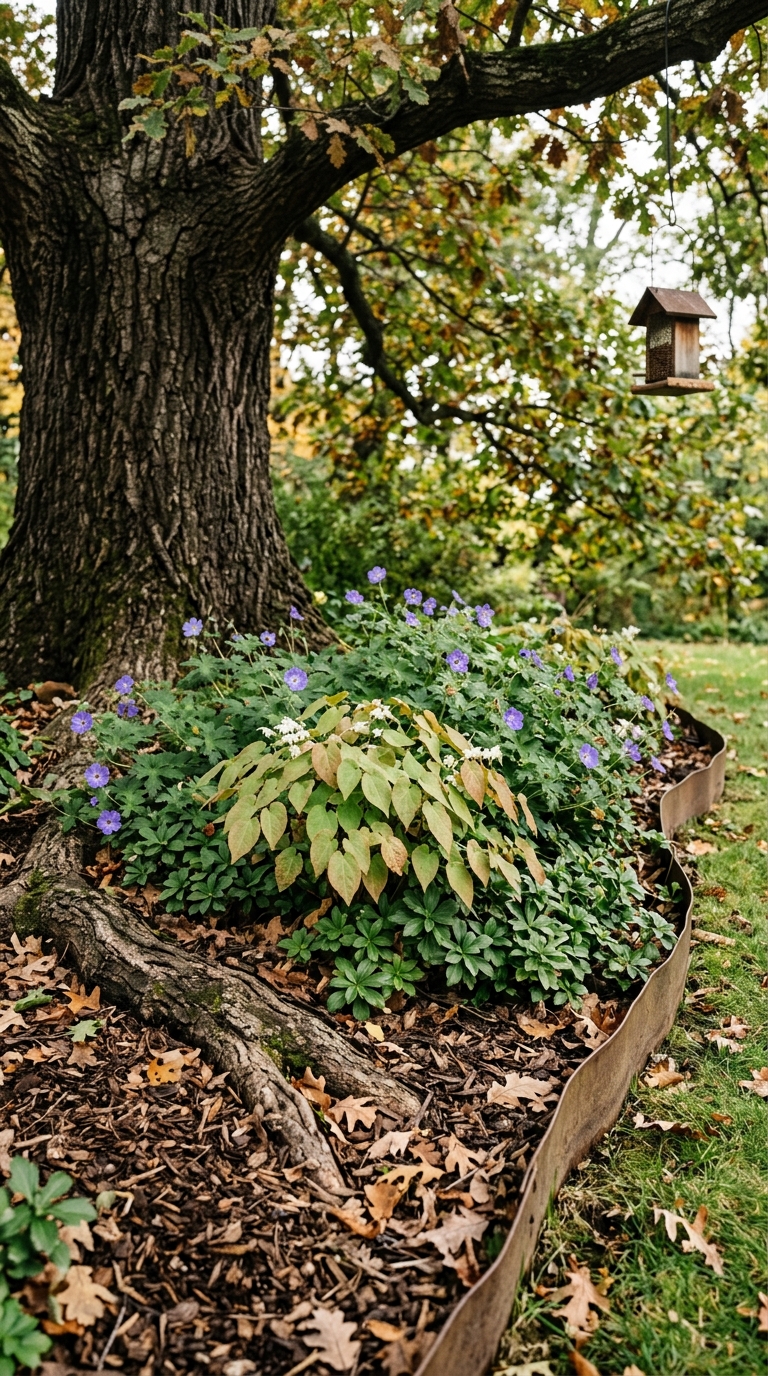
There is a specific type of darkness that troubles even experienced growers. This is dry shade. It occurs under large trees where the canopy blocks the rain and the roots compete for moisture. The soil here is often dusty and nutrient-poor. Most plants struggle here because they are both starved of light and water.
When selecting Dry shade border plants, you need tough performers. These plants must tolerate low light and drought conditions simultaneously. Ivy and certain types of Pachysandra can work, but they can be aggressive. Look for epimediums or hardy geraniums that can handle the competition. You may need to water these areas manually during the first year until the plants establish deep roots. Do not assume the rain will reach them.
The Green Backbone: Foliage and Texture
In sunny gardens, flowers are the stars. In shady gardens, foliage takes center stage. Leaves catch the little light available better than petals do. Texture and color variation in the leaves create visual interest that lasts much longer than a brief bloom period. A border filled with interesting leaves looks good from spring until frost.
Beyond the Basics
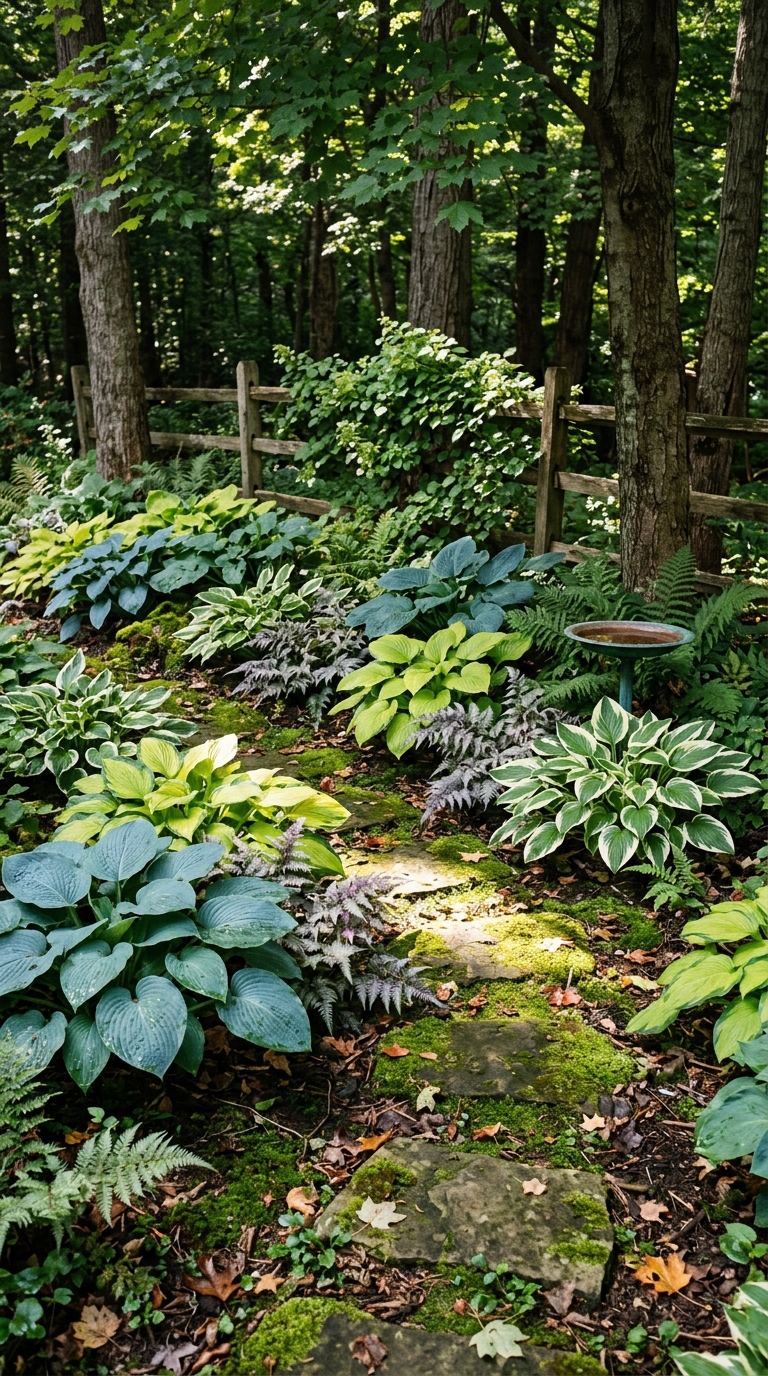
Everyone knows about Hostas. They are the classic choice for a reason. However, relying solely on them can make a garden look generic. You want to create a tapestry of shapes. Combine broad leaves with fine, lacy fronds. This contrast makes the garden feel dynamic. When you pair Hostas and ferns for borders, you create a woodland feel that is timeless.
Try mixing a large-leaved Hosta with a delicate Maidenhair Fern. The contrast in scale is striking. You can also look for Hostas with unique coloration. Blue varieties bring a cool tone to the space, while gold varieties can mimic sunlight. Ferns add movement when the breeze blows. They soften the hard edges of hardscaping or foundations. This combination provides a solid structure for your border.
Evergreen Structure
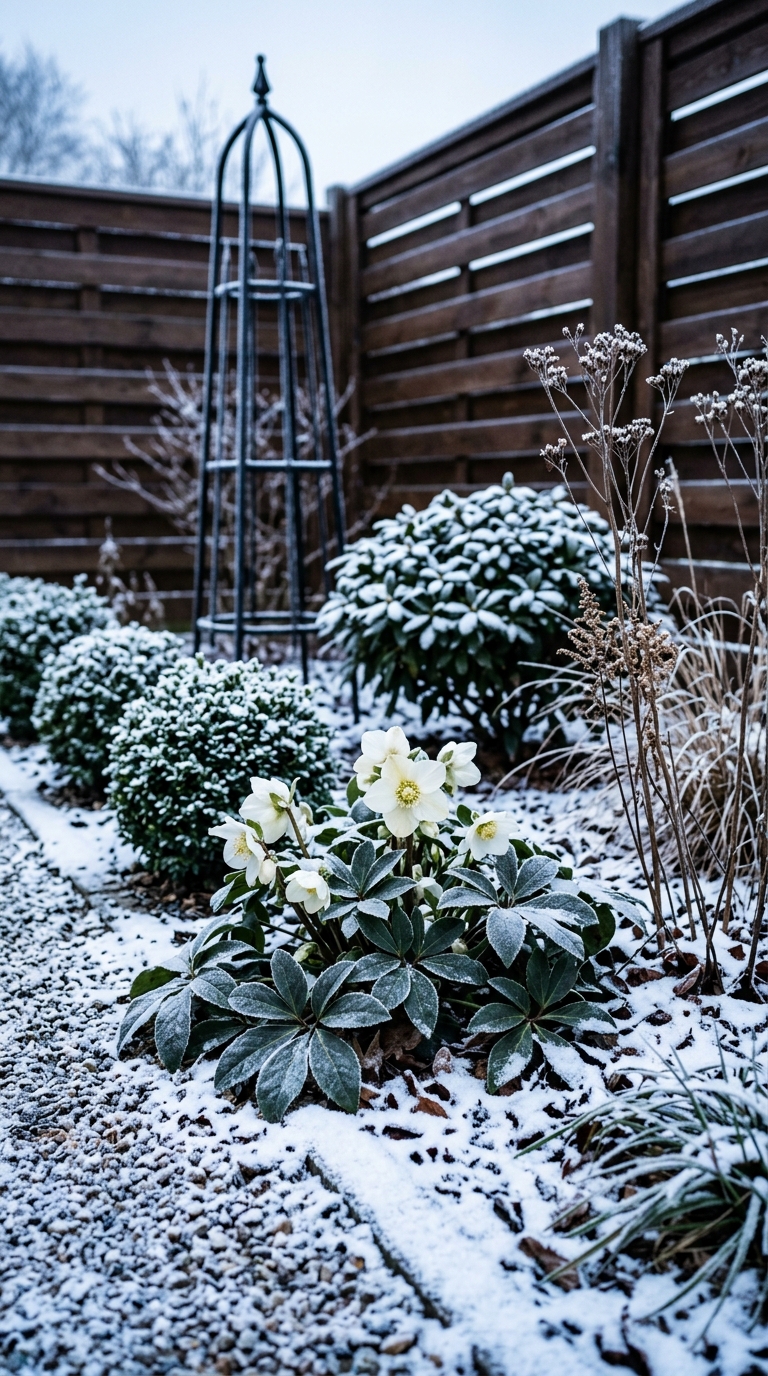
One of the biggest challenges in shade gardening is winter interest. Many perennials die back completely when the frost hits. This leaves you with bare mud for months. To combat this, you need plants that hold their form year-round. Incorporating Evergreen shade plants for borders ensures your garden does not disappear in December.
Hellebores are a fantastic option. They are often called Lenten Roses. Their leathery leaves stay green through the snow. They also bloom very early in the year, sometimes while snow is still on the ground. Boxwood is another classic choice. You can use small varieties to edge the border. This defines the space even when everything else is dormant. Rhododendrons also offer evergreen structure with the bonus of spring flowers. These plants provide the skeleton of your design.
Lighting Up the Dark: Color and Bloom
There is a myth that shade gardens must be green and boring. This is simply not true. You can have vibrant color in the dark. You just need to choose the right pigments. Some colors glow in the low light, while others vanish completely. Understanding how color works in the shade is key to a vibrant display.
Choosing the Right Hues
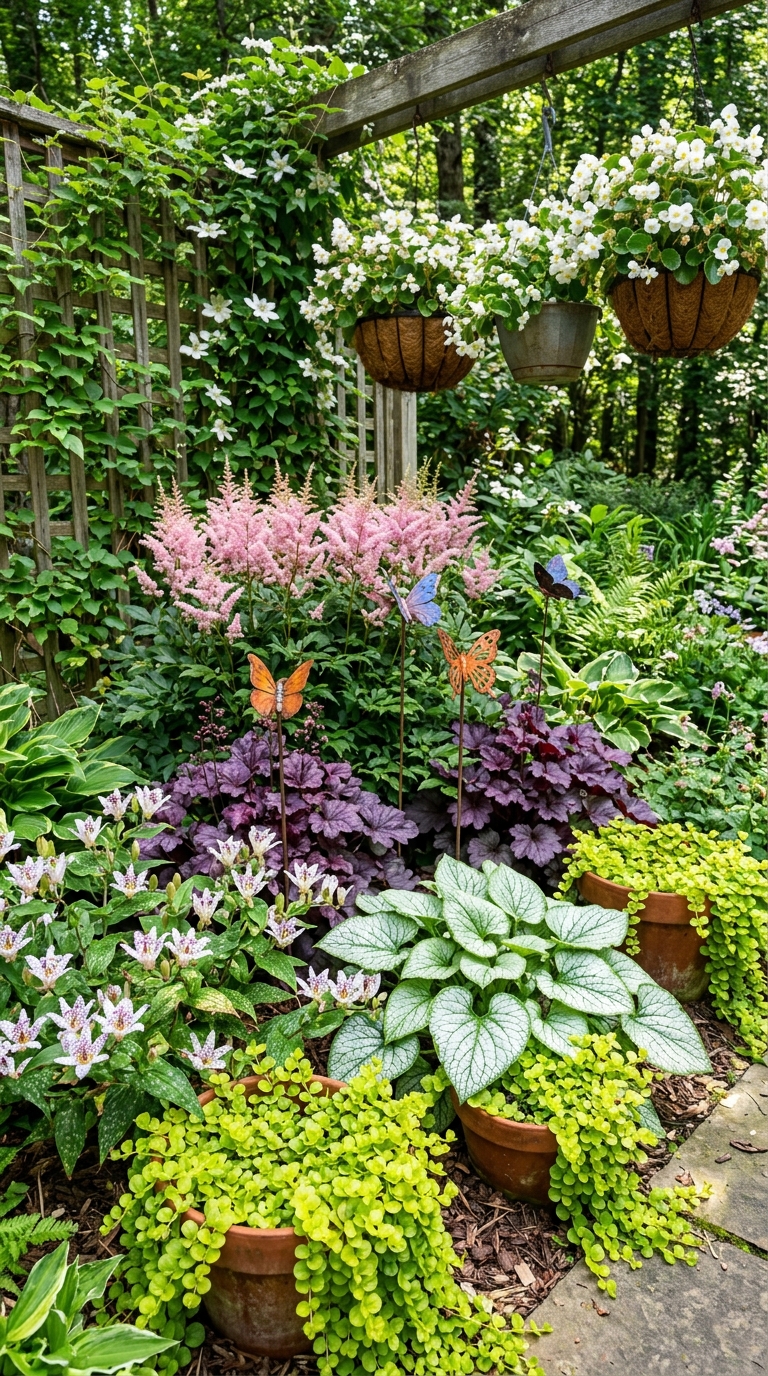
White and yellow flowers are your best friends in the dark. They reflect the available light and seem to glow from within. Pale pinks and lavenders also perform well. Deep reds and purples tend to disappear in the shadows. They look black or muddy unless they are right next to a path. When planning Colorful shade garden borders, prioritize light-colored blooms for the back of the border or deep corners.
You also need to consider the foliage color. Variegated leaves with white or cream edges brighten up dark spots. Gold-leaved plants can act as natural spotlights. Place these strategically to draw the eye. A cluster of golden Hakonechloa grass can illuminate a dark pathway. This trick makes the garden feel larger and brighter.
Seasonal Bloomers
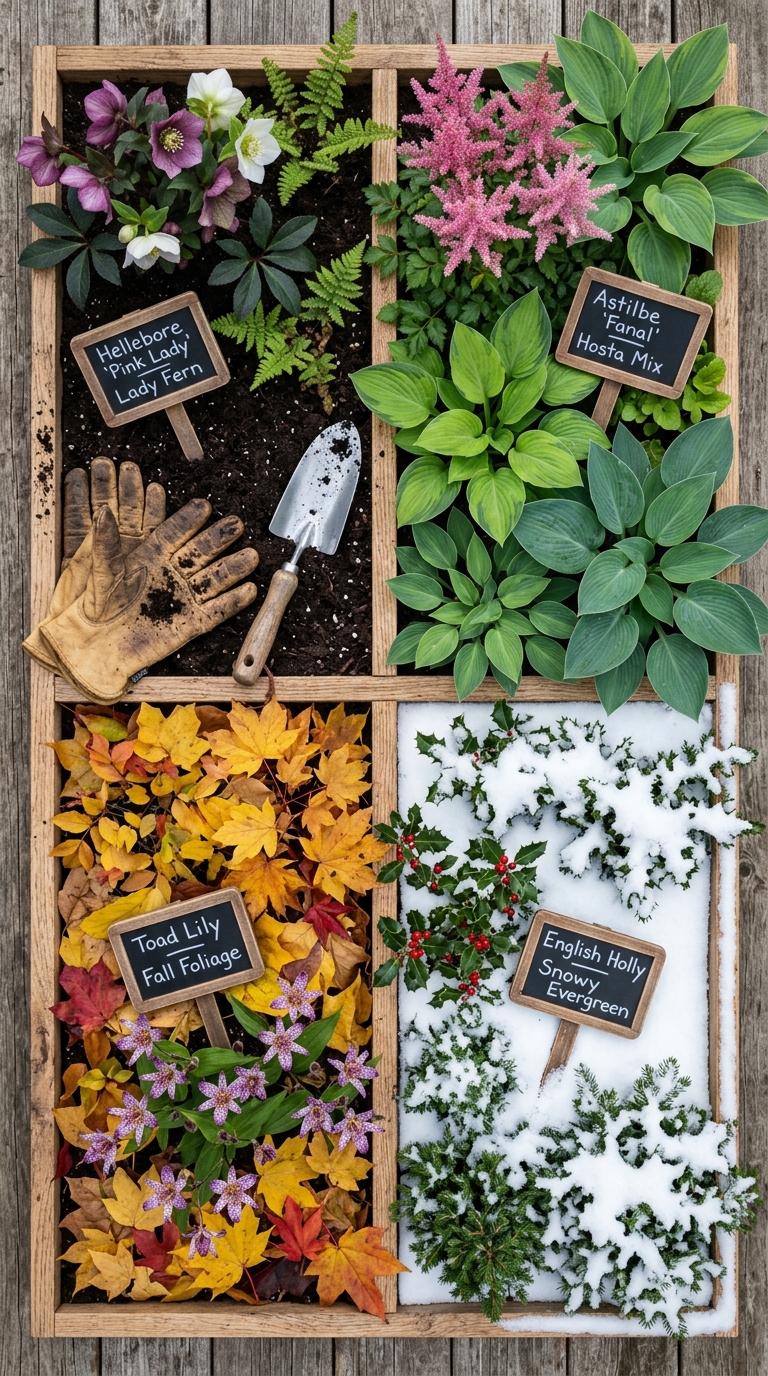
You want your garden to look good all season. This means selecting Flowering plants for shady borders that bloom at different times. Do not put all your energy into spring blooms. If you do, your garden will look empty by July.
Start with Hellebores in late winter. They are the first sign of life. Move into spring with Bleeding Hearts and Brunnera. Their blue flowers are like forget-me-nots on steroids. For summer, look at Astilbe. Their feathery plumes come in pink, red, and white. They love moisture and deep shade. In late summer, Toad Lily offers exotic spotted flowers when little else is blooming. By staggering these bloom times, you ensure Year-round shade border interest. Your garden will evolve rather than fade.
Strategic Placement: Designing the Border
Where you put your plants matters as much as what you plant. A shaded border near the street has different requirements than one hidden in the backyard. Visibility and access should guide your design. You want to maximize the impact of your hard work.
Curb Appeal in the Shadows
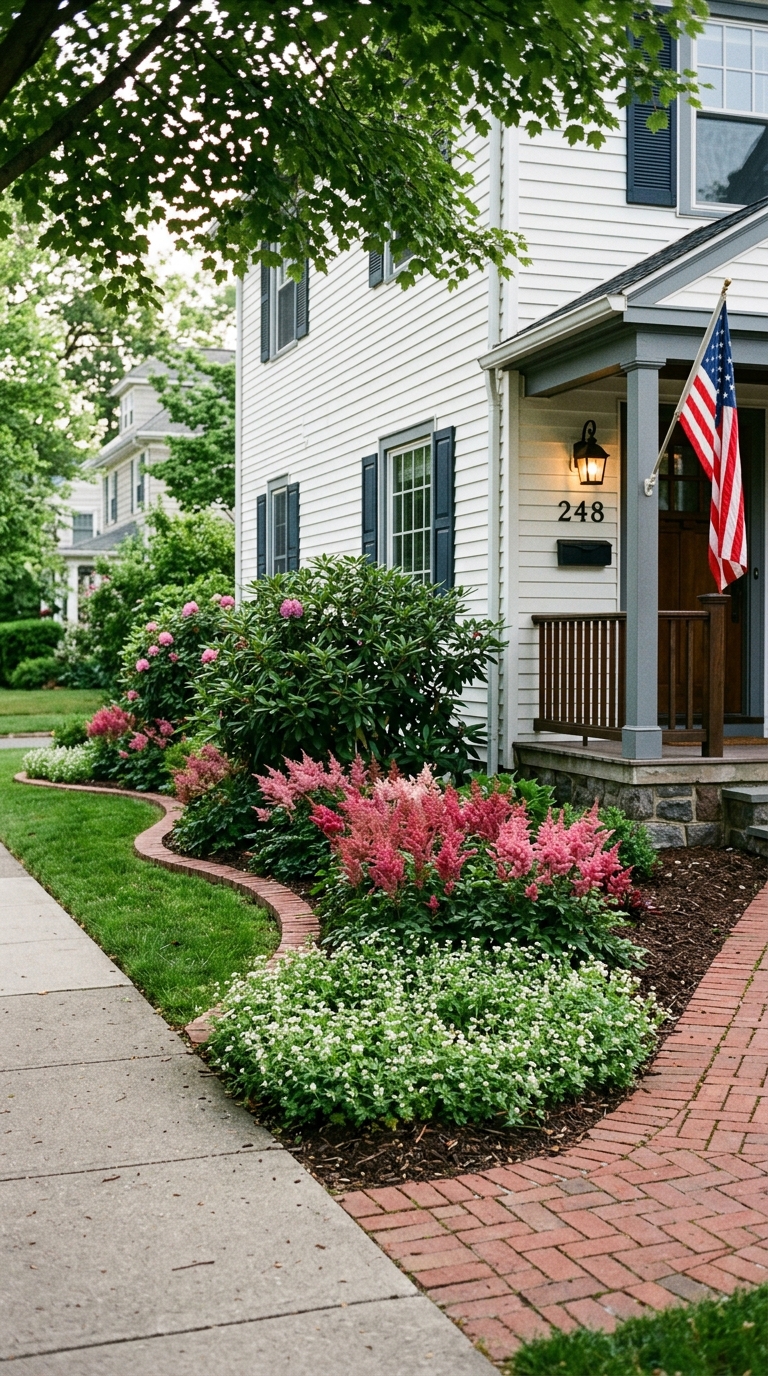
Many front yards are shaded by large street trees or the overhang of the roof. This is the first impression guests have of your home. You need Front border plants for shade that look tidy and welcoming. Avoid plants that drop excessive debris or look messy after a storm.
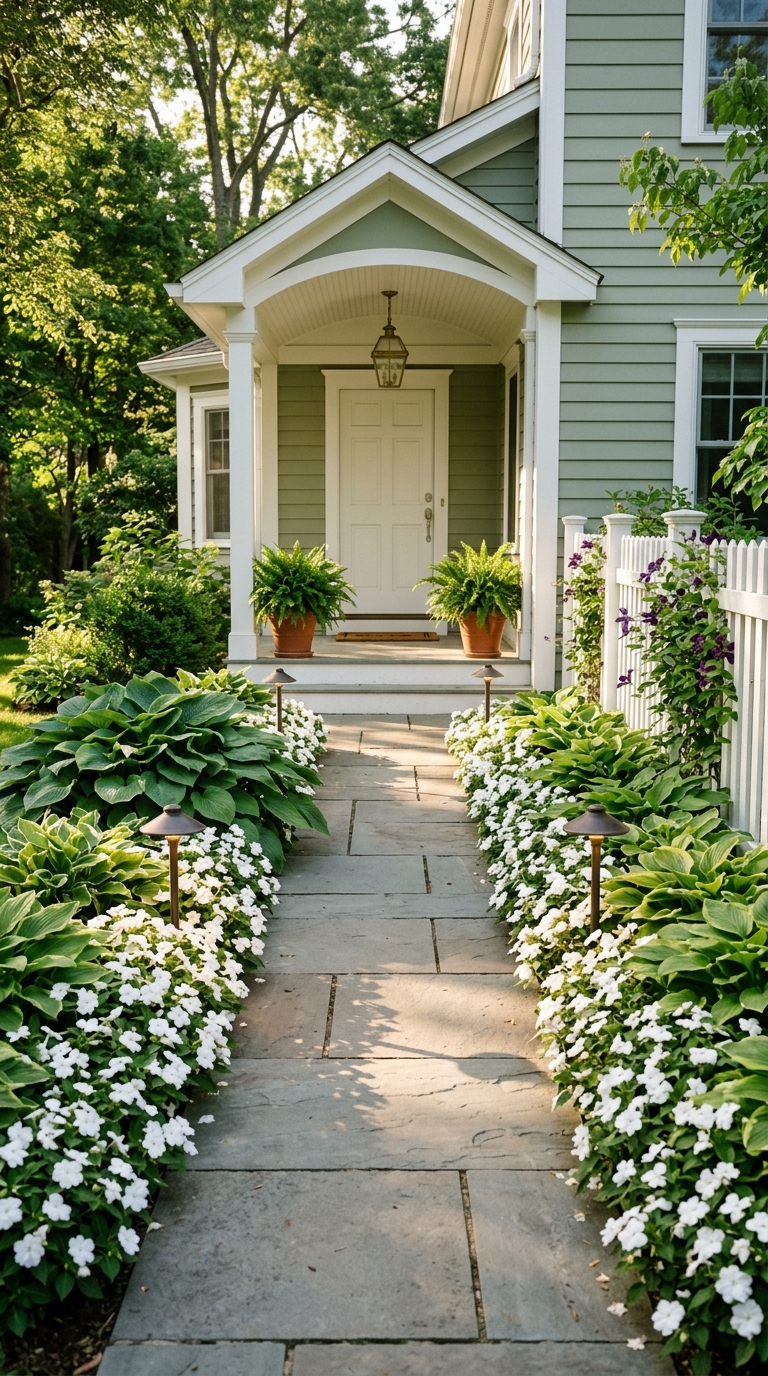
Layering is crucial here. Put taller shrubs or small trees at the back near the house. Place mid-height perennials in the middle. Use low-growing groundcovers at the edge near the sidewalk. This creates depth. It invites people to look closer. Ensure the plants near the walkway do not obstruct the path. Overgrown borders can look neglected. Keep the edges crisp. This makes the whole property feel cared for.
The Layering Technique
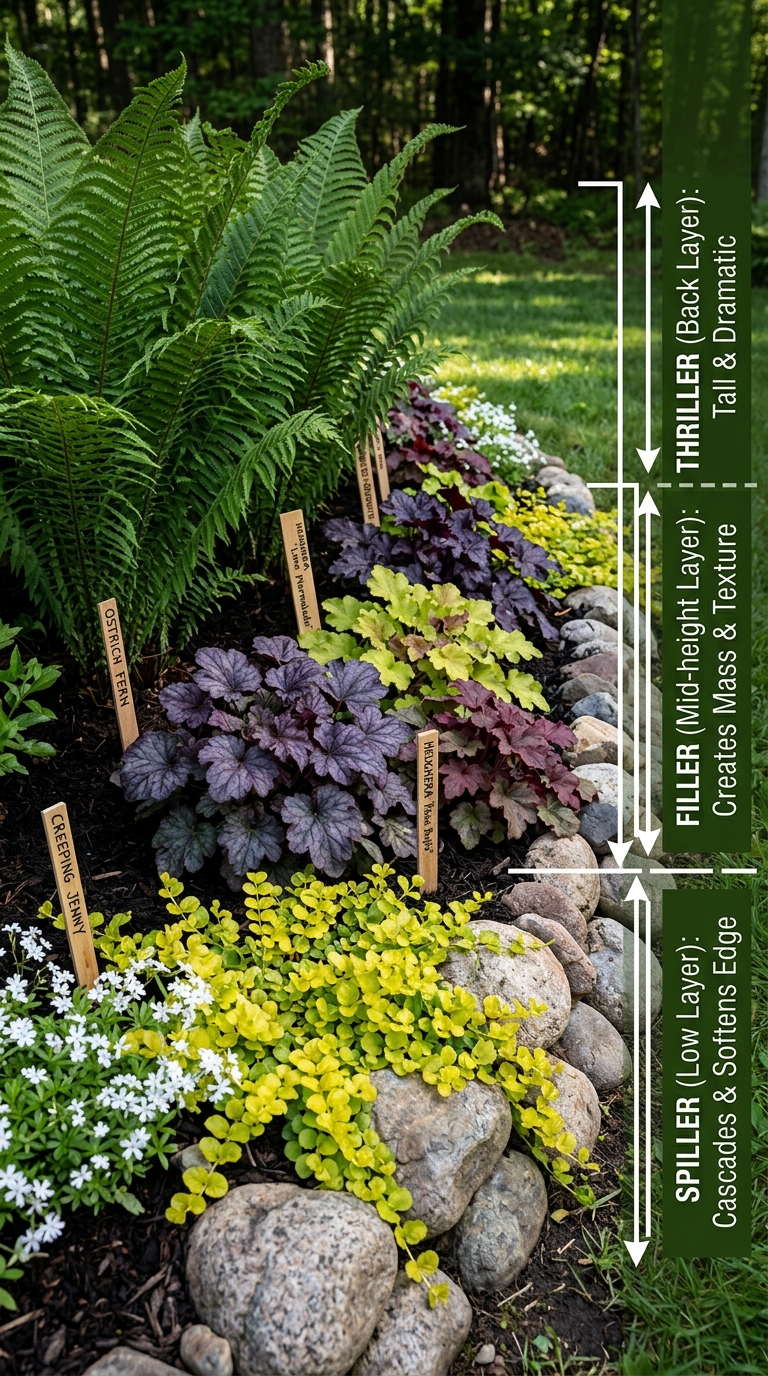
Think of your border like a stage set. You need a backdrop, a mid-ground, and a foreground. This is often called the thriller, filler, and spiller method. In shade gardening, we adapt this for perennials. The thriller is your vertical element. This could be a tall fern or a shrub. The filler is your bulk. These are your Shade-loving perennials for borders like Hostas and Heuchera. They fill the space with mass.
The spiller is your groundcover. Plants like Creeping Jenny or Sweet Woodruff cascade over edges. They soften the line between the garden bed and the lawn. This technique prevents gaps where weeds can grow. It also creates a lush, overflowing look. When you layer effectively, the border looks full and established much faster. It mimics how plants grow in nature.
Maintenance: Keeping It Effortless
A garden should be a place of relaxation, not a second job. Shade gardens often have a reputation for being high maintenance due to leaves and pests. However, with the right planning, they can be very easy to care for. You want to spend your time enjoying the space, not weeding it.
The Lazy Gardener’s Dream
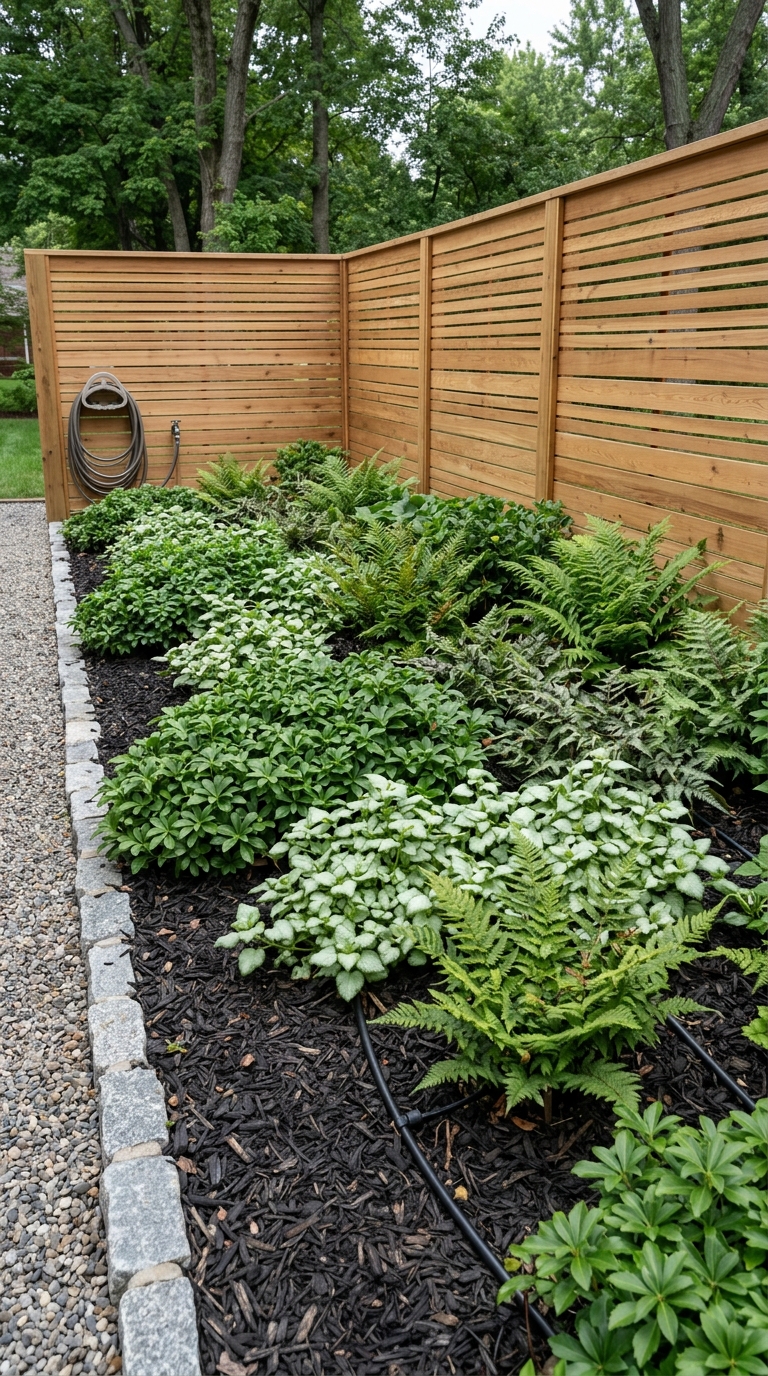
Shade gardens actually have some advantages over sunny ones. The soil stays moist longer because there is less evaporation. This means less watering for you. If you choose Low-maintenance shade border plants, you reduce the workload even further. Look for varieties that do not require deadheading. Many foliage plants do not produce showy flowers that need cutting back.
Mulch is your best tool in the shade. It mimics the forest floor. A layer of shredded bark or leaf mold keeps moisture in. It also suppresses weeds. As the mulch breaks down, it feeds the soil. This reduces the need for fertilizer. Just be careful not to pile mulch against the stems of your plants. This can cause rot. Keep it a few inches away from the base.
Troubleshooting Common Issues
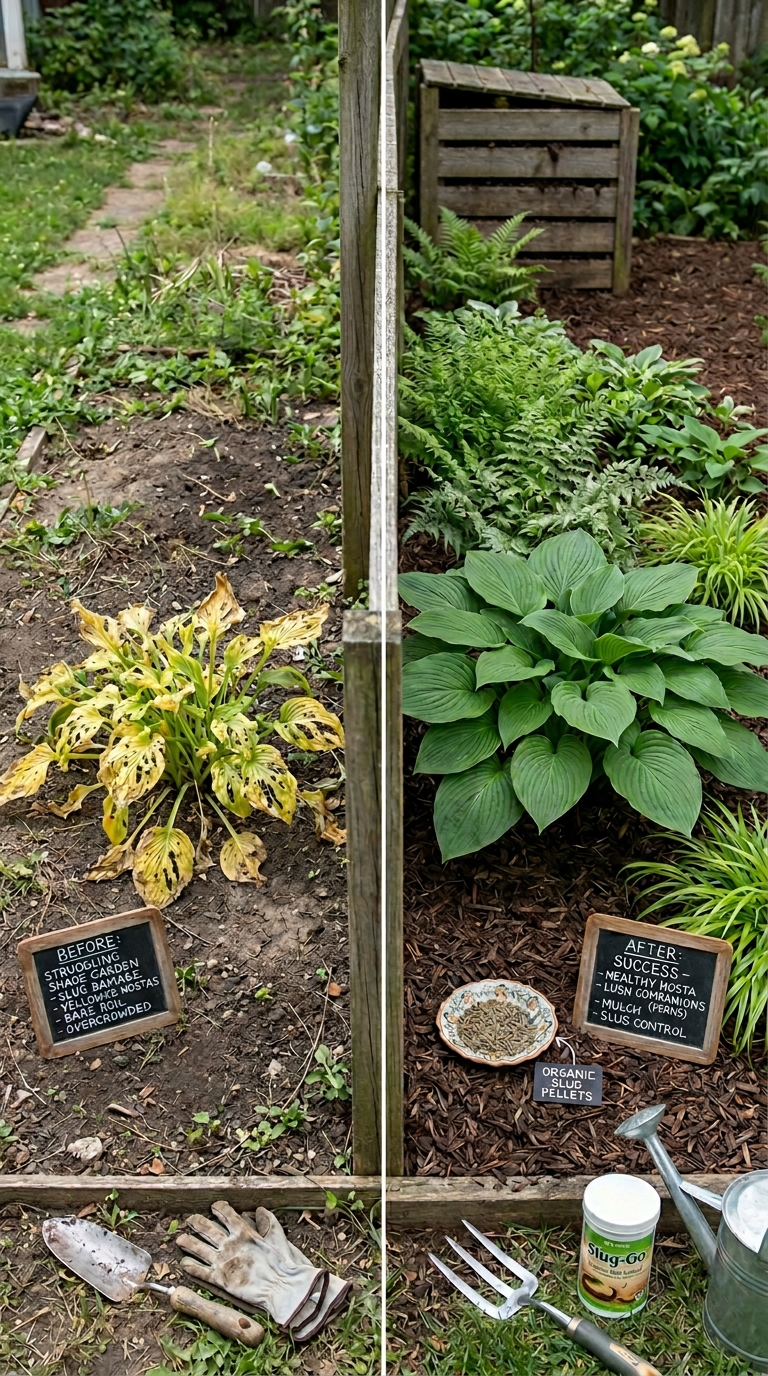
There are two main enemies in the shade garden. The first is falling leaves. In autumn, you will need to clear debris so it does not smother your perennials. The second is slugs. They love damp, dark places. They can chew holes in Hosta leaves overnight. You can manage this with organic pellets or by encouraging predators like birds.
Do not let pests discourage you. Healthy plants can withstand some damage. Focus on creating Year-round shade border interest through strong structure. If a plant fails, do not be afraid to replace it. Gardening is a process of trial and error. What works for your neighbor might not work for you. Soil conditions and microclimates vary. Observe what thrives and double down on those winners.
Your Path to a Lush Sanctuary
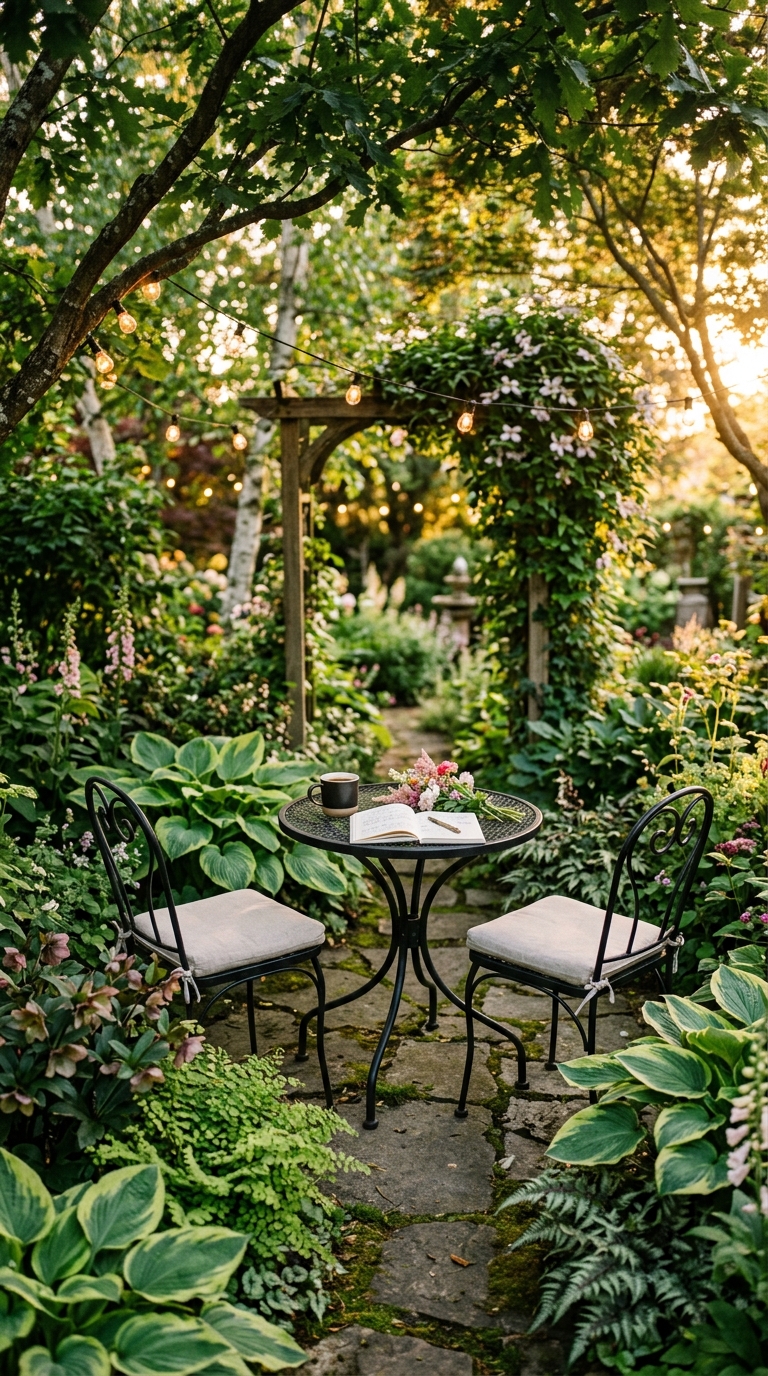
You now have the tools to transform your shadowed spaces. Embracing the shade offers a chance for tranquility and lushness that sunny gardens cannot match. The cool air and soft light create a peaceful atmosphere. It is a retreat from the harsh summer sun.
Remember that mistakes happen. Nature is resilient. If you plant something in the wrong spot, you can move it. Gardening is not about perfection. It is about connection with your land. Start small. Pick just two plants from this list to begin this weekend. Watch how they perform over the season. Learn from them.
By selecting the Best Plants for Shaded Borders, you are making a commitment to work with your environment. You are stopping the struggle against the sun. Your garden will thank you with vigor and beauty. Save these ideas to your project board and refer back to them as you plan. Your dark corners are waiting to become the brightest part of your home.