
Veg That Grows in Partial Shade: What to Plant and How to Make It Look Good
The sun shifts across the yard, slips behind a fence, and leaves your vegetable patch in shadow by early afternoon. That is usually the moment people assume they cannot grow much at all. And honestly, that idea stops a lot of good gardens before they even begin.
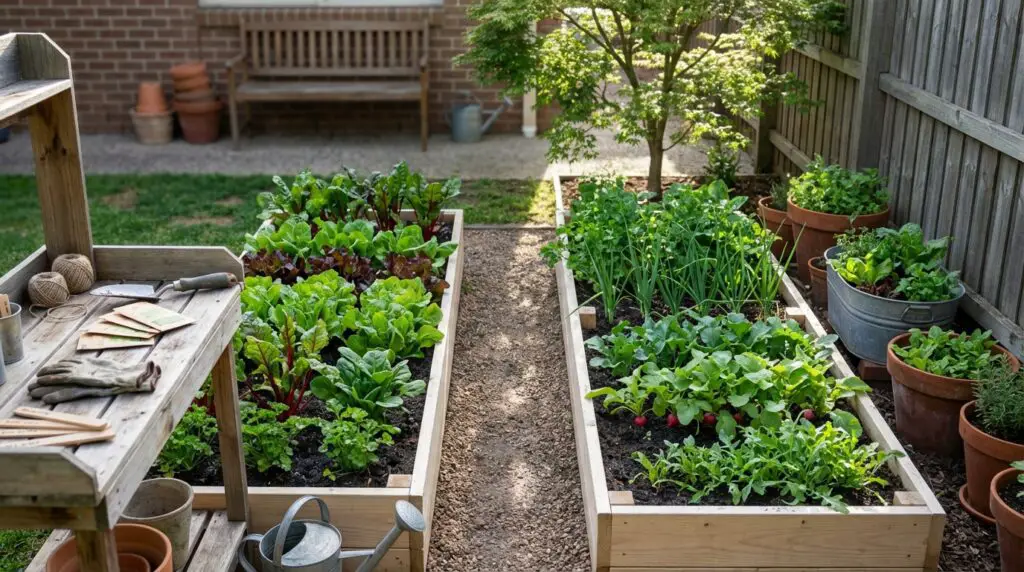
But partial shade is not a dead end. In some cases, it is a gift. Leafy crops often stay softer, sweeter, and slower to bolt when they get a break from harsh sun. A shadier bed can also feel cooler, calmer, and easier to keep looking fresh through the season. The trick is knowing what to plant, what to skip, and how to shape the space so it looks full rather than flat.
A part-shade vegetable garden will never behave like a blazing hot tomato patch. That is fine. It does not need to. Once you start growing crops that suit the light you actually have, the whole garden begins to make more sense.
What partial shade really means in a vegetable garden
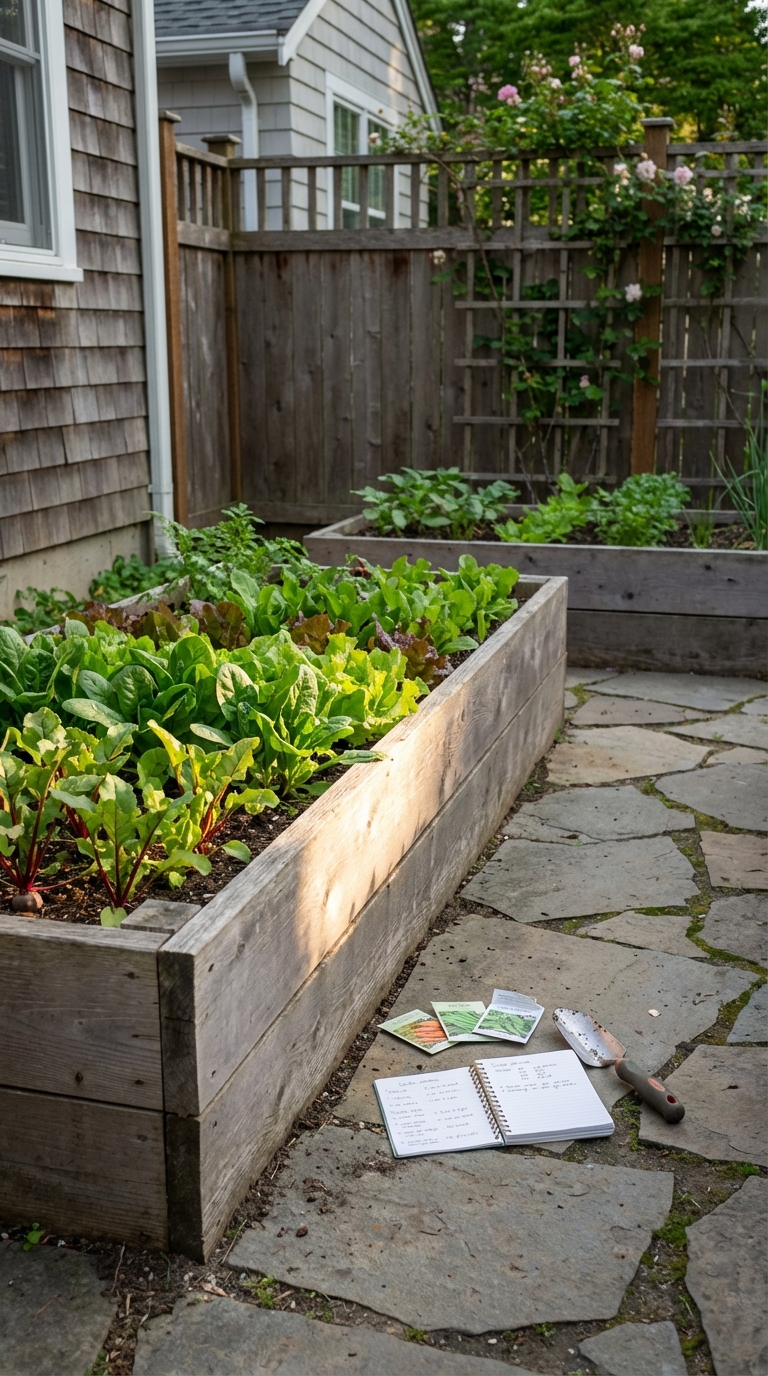
Partial shade usually means a space gets around three to six hours of direct sun, or else a longer stretch of bright filtered light through trees, fencing, or nearby buildings. Morning sun with afternoon shade is often the best version of this. It gives plants enough light to grow while protecting them from the strongest heat later in the day.
That matters because not all vegetables want the same thing. Crops grown for leaves and stems tend to cope far better with lower light than crops grown for flowers and fruit. Lettuce, spinach, chard, parsley, and spring onions can still do very well. Tomatoes, peppers, eggplants, and cucumbers are a different story. They need stronger light to flower well and ripen heavily.
This is where many gardeners get frustrated. They hear the word “shade” and picture a gloomy corner where nothing useful can grow. But that is not really what partial shade looks like in most home gardens. It might be a side yard that gets bright morning light. It might be a bed beside a fence. It might be a courtyard where the sun comes in for a few solid hours and then disappears. Those spaces can still grow plenty. You just have to stop treating them like full-sun beds.
Why some vegetables do better than others
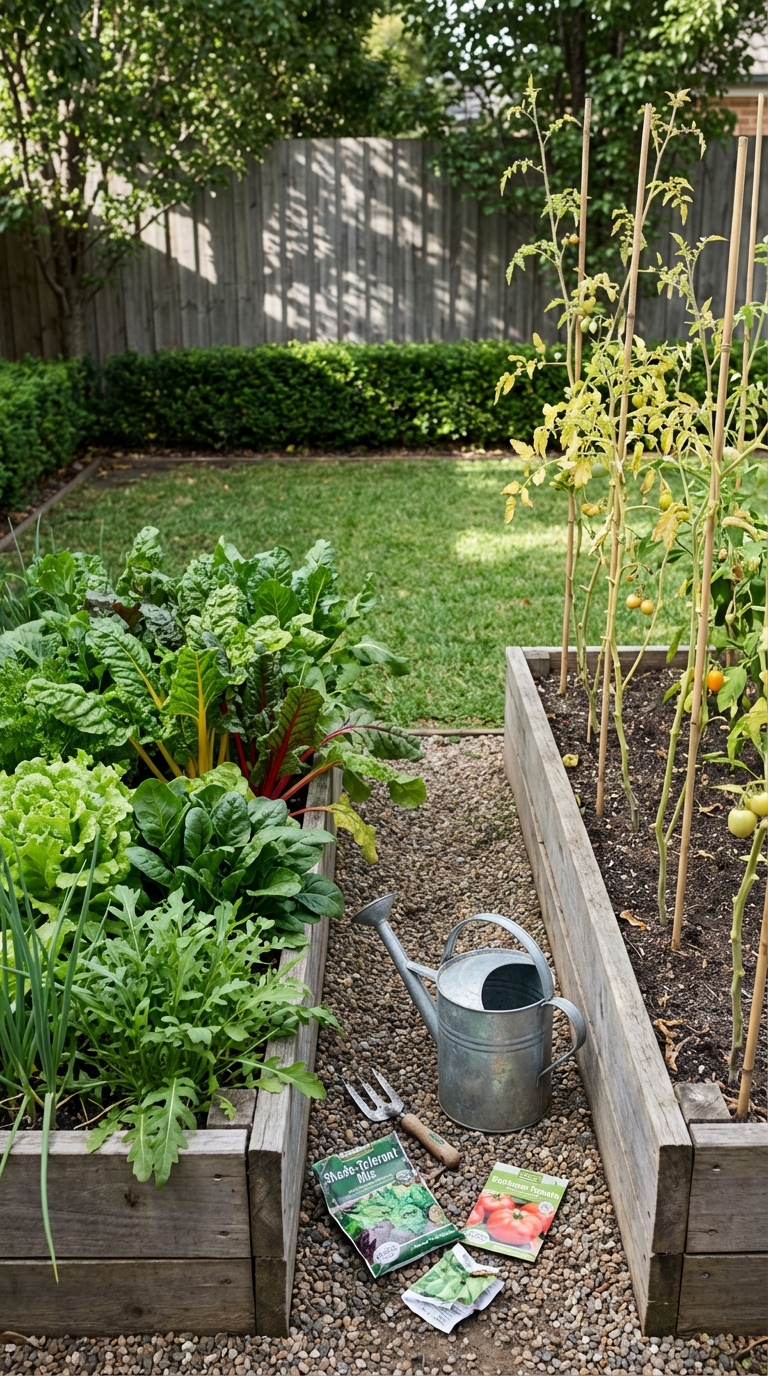
Here is the simple way to think about it. If you eat the leaves, stems, or young roots, the plant often needs less sun to be worthwhile. If you want it to produce fruit, it usually needs more.
Leafy greens are the stars of a partial-shade garden because they are already built for quicker, softer growth. In hot full sun, many of them rush toward flowering and turn bitter. In part shade, they often stay tender for longer. That makes a shady bed a smart place for salads and cooking greens.
Root crops can also work well, though they may take a bit longer to size up. Radishes, baby beets, spring onions, and smaller carrots are still worth the space, especially if you want steady harvests rather than giant show vegetables.
Fruiting crops are where disappointment tends to creep in. A tomato plant might survive in partial shade. It might even set some fruit. But if it only gives you a few slow-ripening tomatoes all season, it is taking up room that could have been filled with crops that actually enjoy the spot.
That is the big shift. A good shady vegetable garden is not about making everything survive. It is about choosing what will genuinely earn its place.
The best vegetables to grow in partial shade
If you want the easiest wins, start with leafy greens. They are quick, useful, and often look beautiful in the garden.
Leafy Greens
Lettuce
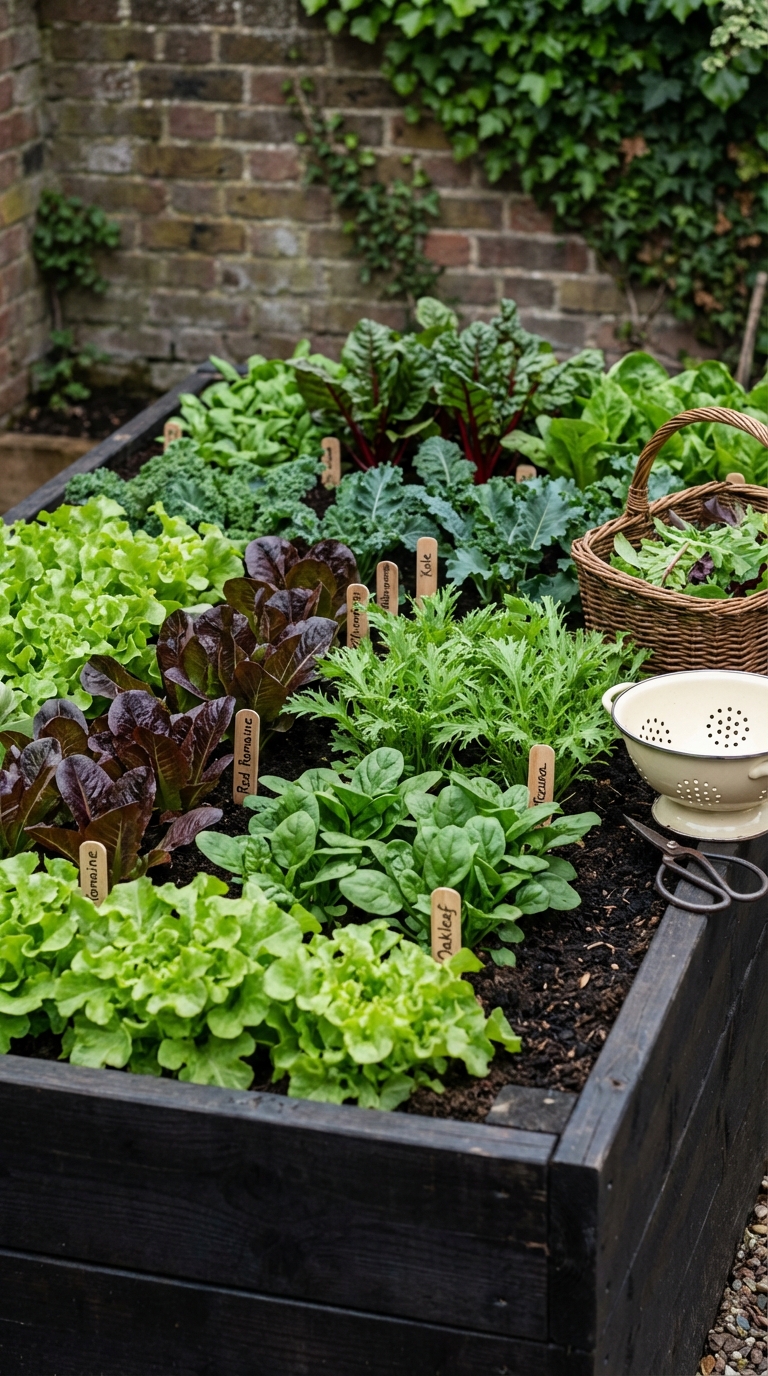
Loose-leaf lettuce is one of the best crops for partial shade. It grows fast, looks lush, and gives you that satisfying cut-and-come-again harvest. Red and bronze varieties also add color, which helps the whole bed feel more designed.
Spinach
Spinach is a classic part-shade crop. It often struggles in hot, bright spaces because it bolts fast. Give it gentler light and it tends to hold longer. That alone makes it worth growing.
Arugula and Asian greens
Arugula, mizuna, tatsoi, bok choy, and mustard greens all do well in lower light. They also bring contrast. Some have frilly leaves, some are spoon-shaped, some grow upright. That mix of forms makes a bed look fuller and more interesting.
Swiss chard and kale
These are useful when you want height and structure. Chard, especially bright-stemmed varieties, can be one of the prettiest plants in a vegetable garden. Kale adds depth with its textured leaves and stronger shape. Both help anchor a layout.
Root Crops
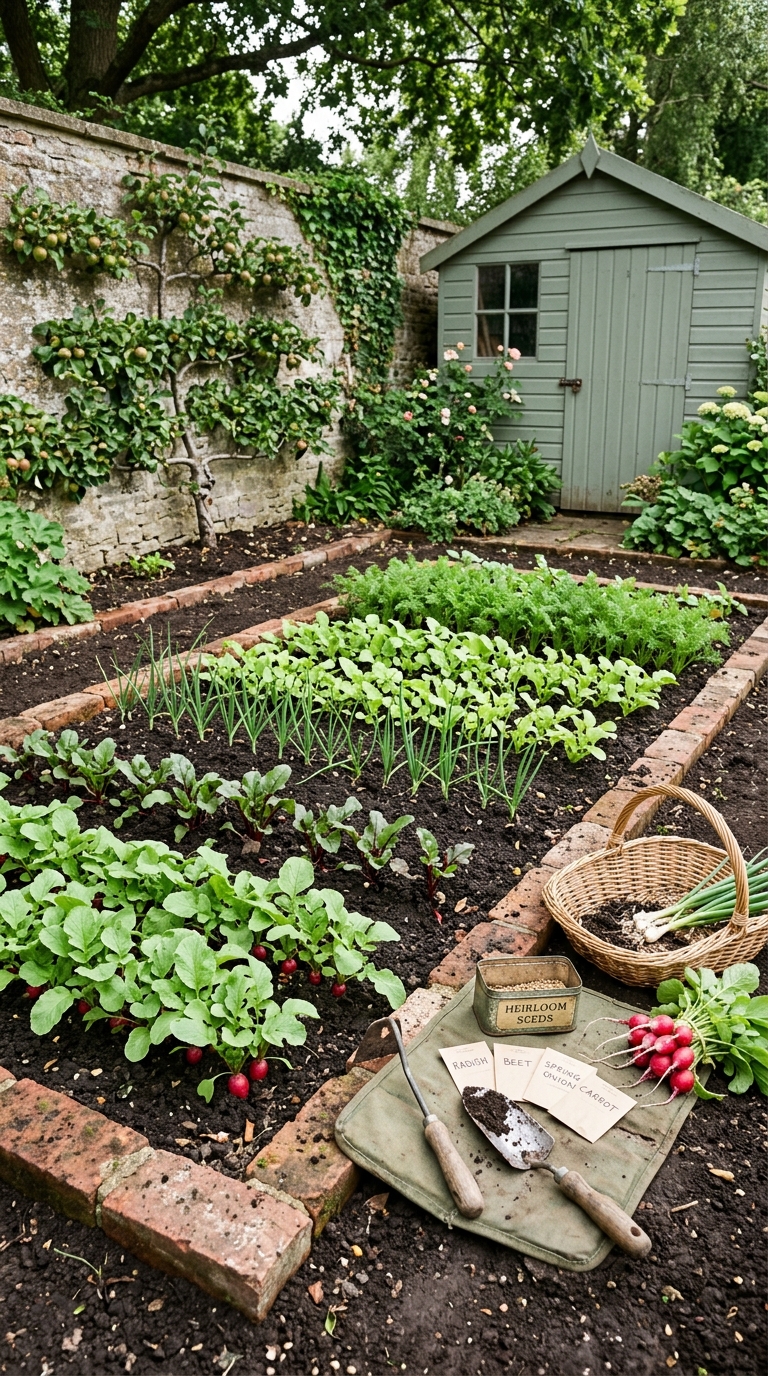
Radishes and baby beets
Radishes are one of the best quick crops for a shady garden. They grow fast, fill gaps, and give beginners an early success. Baby beets are also good value. Even before the roots size up, the leaves are worth picking.
Spring onions and chives
These are handy edge plants. They do not take much room, they look neat, and they slip easily into smaller layouts. Spring onions work especially well between slower crops.
Herbs
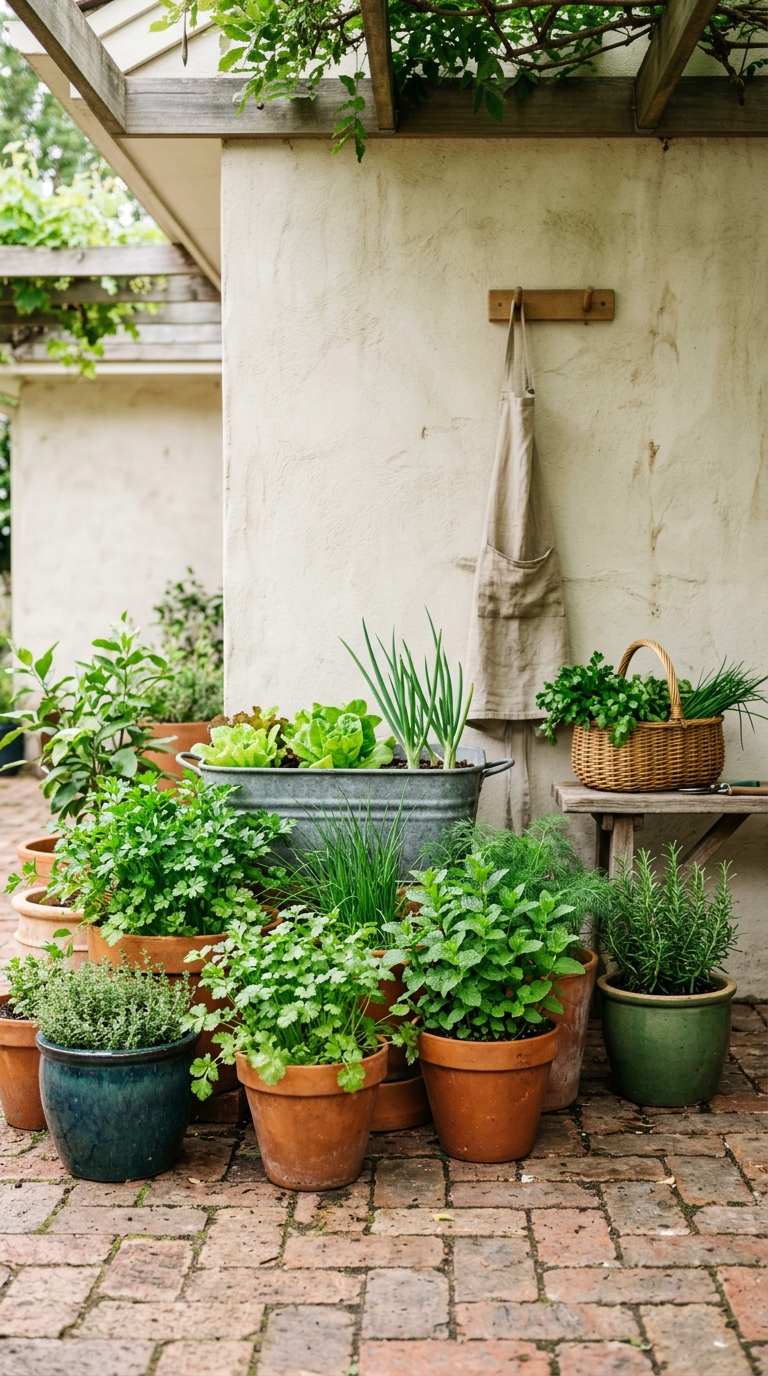
Parsley and cilantro
Herbs often earn their keep in partial shade. Parsley is dependable and bushy. Cilantro tends to last a bit longer in cooler light than it does in fierce sun. Both soften the look of a vegetable bed and make it feel generous.
What to skip, or at least not count on
This is the part many people need to hear. Not every crop belongs in a part-shade garden.
Tomatoes are the usual heartbreak. They are often the first thing beginners want to grow, but they need real sun to crop well. In a partly shaded bed, they can turn leggy, slow, and underwhelming. Peppers and eggplants are much the same. Cucumbers and squash may put out growth, but without enough light they rarely perform at their best.
Corn is another poor fit. It takes space, wants strong sun, and looks thin and sad when it does not get enough of it.
If your garden gets only partial sun, spend most of your space on crops that naturally suit it. You will get more food, less frustration, and a better-looking bed. That is a much better bargain than forcing a sun-loving plant into a spot it clearly does not enjoy.
The quickest wins for beginners
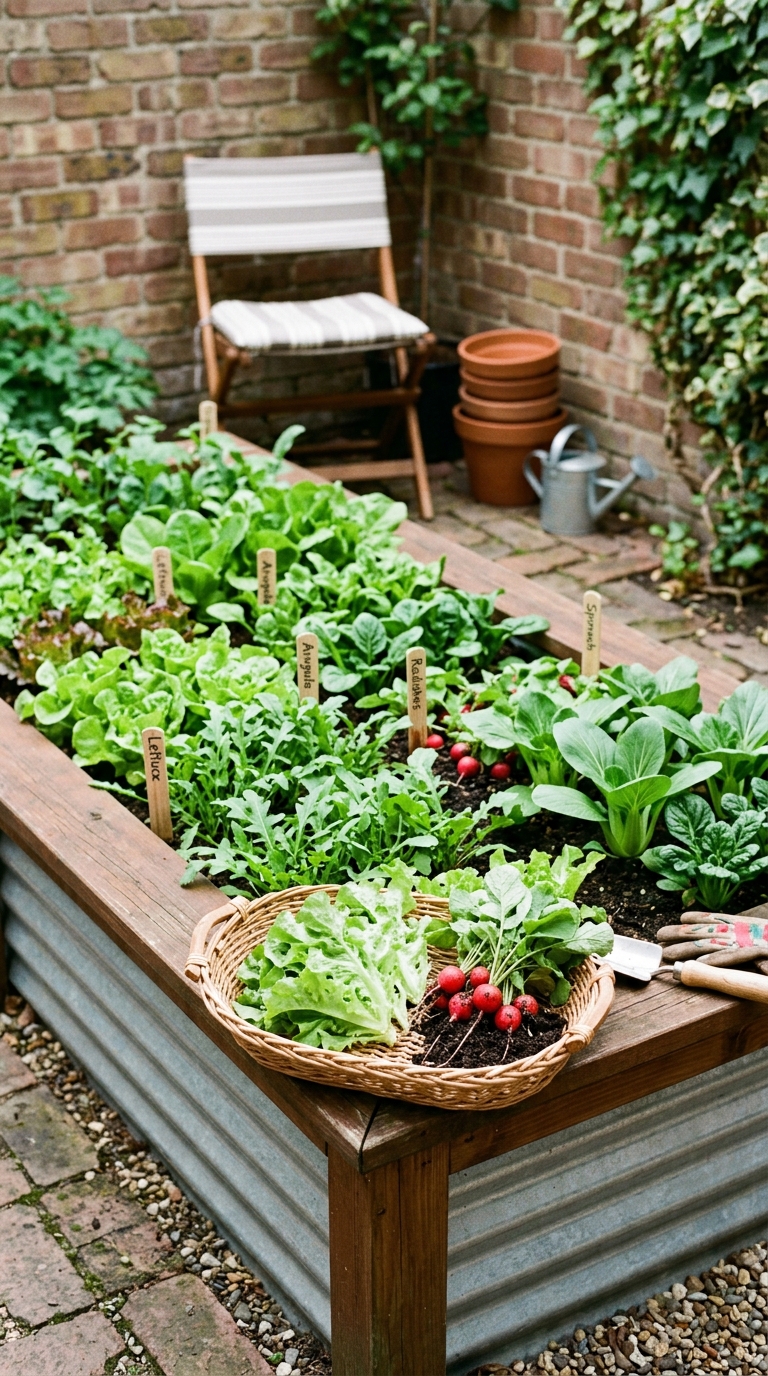
When you are working with partial shade, quick crops matter. They build confidence fast, and they stop the garden from looking bare.
Loose-leaf lettuce is top of the list. Sow it in short rows or broad patches, and you can often start picking baby leaves early. Arugula is even quicker and gives a soft, full look to the soil surface. Radishes are another smart choice because they pop up fast and give you a clear result. Spinach, baby chard, and Asian greens round out the list.
These crops also work well together visually. A bed with different greens, a few red leaves, and neat rows of radishes looks alive. It feels productive even before the first big harvest.
You can make this even better with succession sowing. That sounds technical, but it is simple. Instead of sowing one whole packet at once, plant a little every couple of weeks. That way you always have young crops coming in as older ones are being picked. The bed stays full, and your harvest lasts longer.
How to plan a partial-shade layout that still looks good
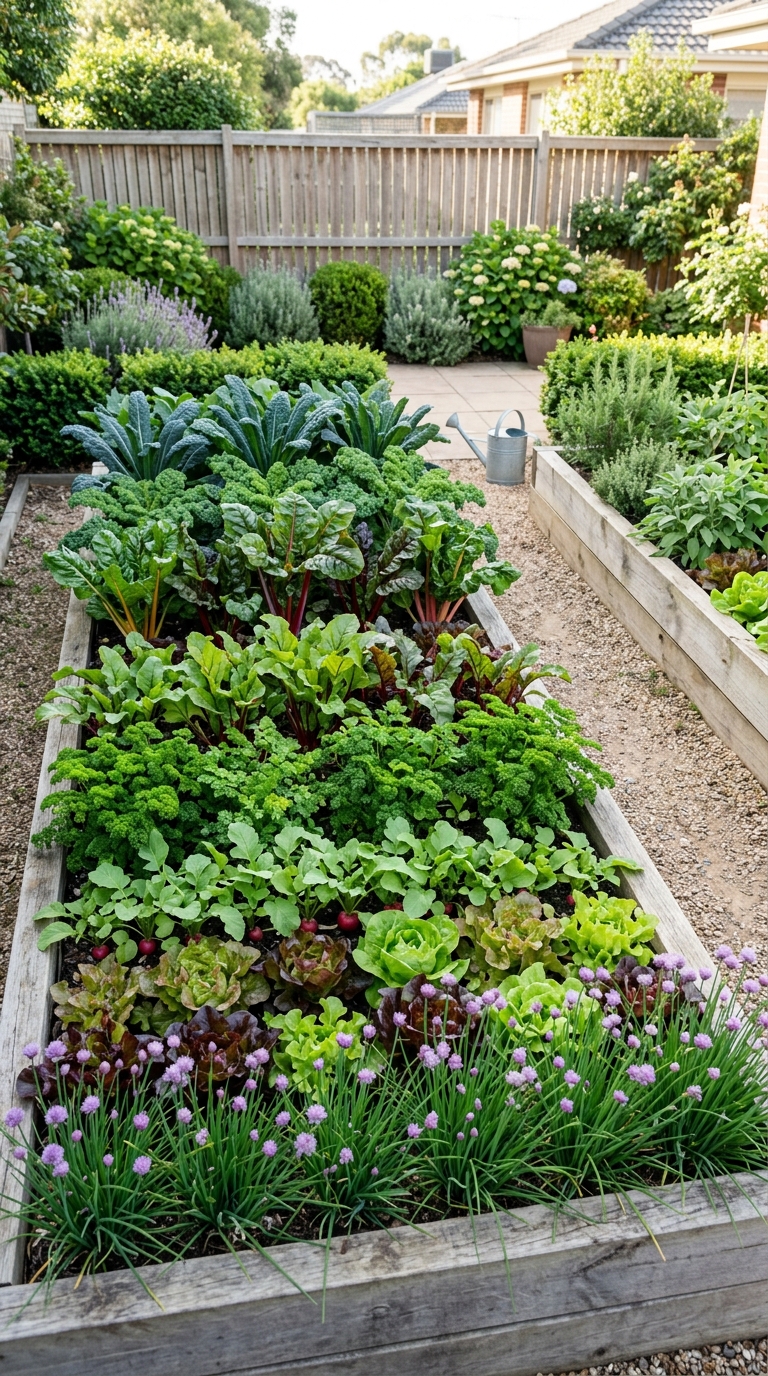
This is where a house and garden approach really matters. A vegetable patch does not have to be all function and no charm. In fact, with part shade, the look of the bed can become one of its best features.
Start by watching the light. Not for days on end. Just enough to notice what gets sun first, what stays bright longest, and where deep shadow settles. That tells you where your strongest growers should go.
Put taller crops where they will not cast more shade across everything else. In most home gardens, that means placing chard, kale, or a few herbs toward the back of a bed or along the darkest edge. Keep low growers like lettuce, spinach, and radishes closer to the front where they are easier to see and pick.
Think in layers. A good partial-shade bed often looks best when it moves from taller plants at the back to medium-height crops in the middle and low, soft greens at the edge. That creates shape, and it makes the space feel cared for.
Color helps too. Repeating a few shades across the bed pulls everything together. Deep green kale, bright lettuce, ruby chard stems, pale green parsley. Those details do a lot of work. Suddenly the bed looks less like a random vegetable patch and more like part of the garden as a whole.
The best bed styles for a partial-shade garden
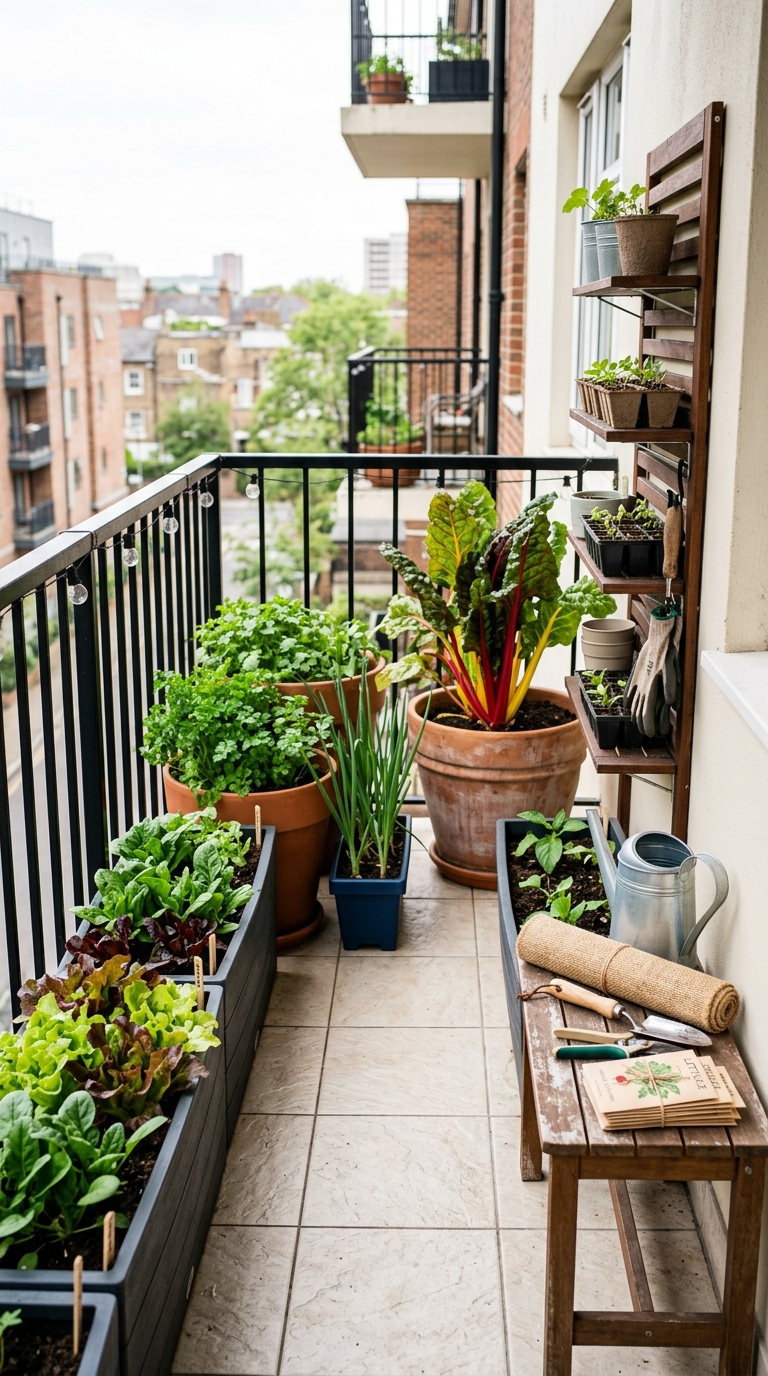
The nice thing about part-shade vegetables is that they adapt well to different kinds of setups. You do not need one perfect format.
A simple rectangular raised bed works well if you have a small backyard. It gives structure, keeps the layout neat, and helps a shady area feel tidy rather than forgotten. Timber beds are especially good in this setting because they soften the look and fit naturally into most gardens.
Containers are another strong option. They are useful when the light shifts through the season or when one corner of a patio gets the best exposure. Long troughs are great for salad crops. Deeper pots suit chard, parsley, and baby beets. Grouping containers of different heights can also make a part-shade area feel more layered and less flat.
A narrow border can work beautifully too. Along a fence or path, you can plant a strip of leafy greens, herbs, and spring onions that looks neat and earns its space. This is one of those layouts that feels surprisingly elegant when done well.
For materials, lighter finishes help a shady area feel brighter. Pale gravel, timber, terracotta, and galvanized metal all reflect light in their own way. They also pair well with the softer greens and reds of shade-friendly vegetables.
A simple planting plan that is hard to mess up
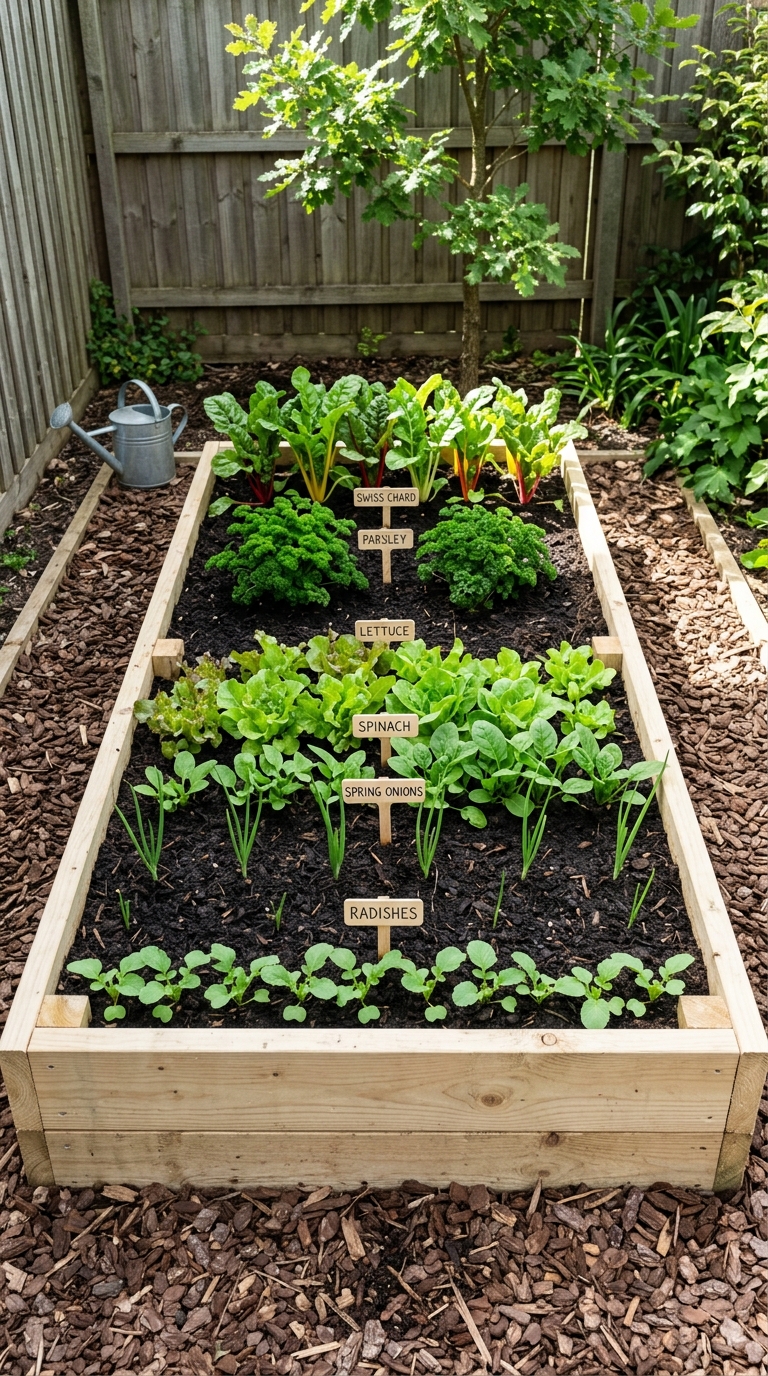
If you are starting from scratch, keep the crop list short and solid.
A very workable beginner mix would be loose-leaf lettuce, spinach, radishes, Swiss chard, parsley, and spring onions. That gives you a mix of fast and steady harvests, a range of textures, and enough variation to keep the bed from looking monotonous.
Here is one easy way to arrange it in a standard raised bed or in-ground patch. Put Swiss chard toward the back in a loose row or cluster. Plant parsley nearby to add shape and fill. In front of those, sow bands of lettuce and spinach. Tuck spring onions between them or along the edges. Use radishes in the front row and in small gaps because they grow quickly and clear out before bigger plants need the room.
This kind of plan works because it keeps the bed full without cramming it. There is enough repetition to make it look orderly, but enough variety to keep it lively.
And once you start harvesting, replant the open spaces quickly. Pull a row of radishes, and sow another. Clear a patch of lettuce, and fill it with spinach or arugula. That keeps the bed looking active instead of patchy.
Small mistakes that make shady gardens struggle
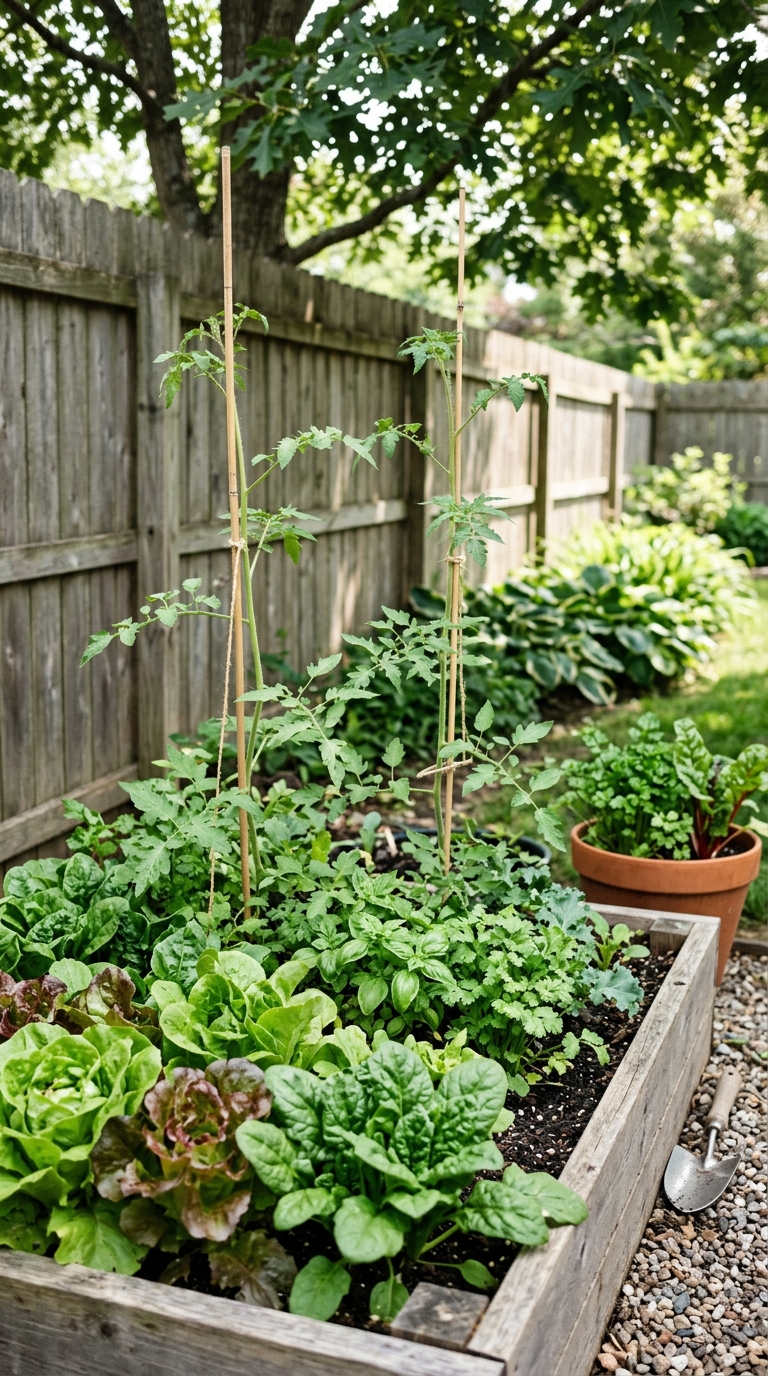
The first mistake is pretending the site gets more sun than it does. We have all done it. You want tomatoes, so you convince yourself the bed is brighter than it really is. But the plants always tell the truth in the end.
The second mistake is overcrowding. In lower light, air movement matters more. Packed beds stay damp longer, and plants have a harder time holding a clean shape. Give crops room to breathe. A bed can still look full without being jammed.
Another common problem is watering as though the bed were in full sun. Shady areas often dry out more slowly, especially if they are sheltered by walls or fences. That does not mean they never need water. It just means you should check the soil before reaching for the watering can.
And then there is the visual side. A part-shade garden can start to look dull if everything is planted in one flat block. Mix heights, repeat a few colors, and give the eye somewhere to go. That alone can lift the whole space.
How to make the whole garden feel lush, not gloomy
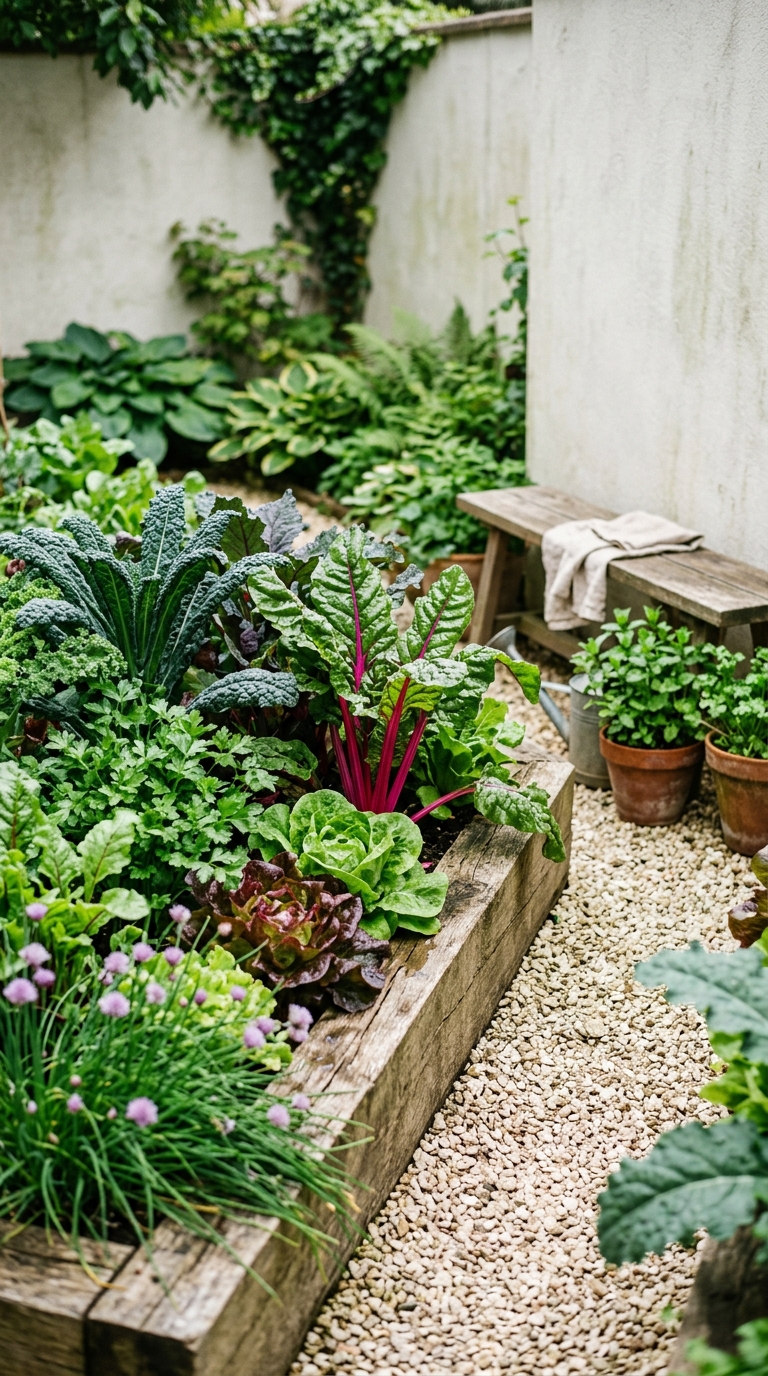
This is one of the nicest parts of gardening in partial shade. Foliage becomes the main attraction.
In a sunny summer bed, the drama often comes from fruit. In a part-shade bed, it is the leaves that carry the show. Crinkled kale, broad chard, smooth spinach, frilled mustard greens, feathery carrot tops. There is so much texture to work with.
Use that to your advantage. Group similar tones together, then break them up with a contrasting leaf shape or stem color. Add herbs as soft edging. Slip in a few flowers if the light allows. Calendula can work in brighter spots, and chives bring both structure and bloom.
Keep the hard landscaping simple. A clean bed edge, a tidy path, and a few well-placed containers can make a shady patch feel fresh rather than heavy. You do not need many extras. The plants do most of the work once the layout makes sense.
Where this kind of garden really shines
A partial-shade vegetable garden often suits real life better than people expect. It works in side yards, courtyards, narrow borders, and those awkward patches beside sheds or fences. It is especially good for gardeners who care as much about how the space feels as what comes out of it.
That is probably the quiet strength of this sort of garden. It is useful, but it is also gentle. The crops are softer. The pace is calmer. The bed often looks good for longer because leafy plants hold their freshness instead of burning out in peak heat.
So if you have been staring at a less-than-sunny patch and wondering whether it is worth bothering with, the answer is yes. Just grow the vegetables that suit the light you have, build the layout around their shapes and habits, and let the garden be what it wants to be. You may end up with one of the prettiest food-growing spaces in your yard.