
7 Reasons Michigan Gardeners Are Actually Glad to Have Opossums in the Yard
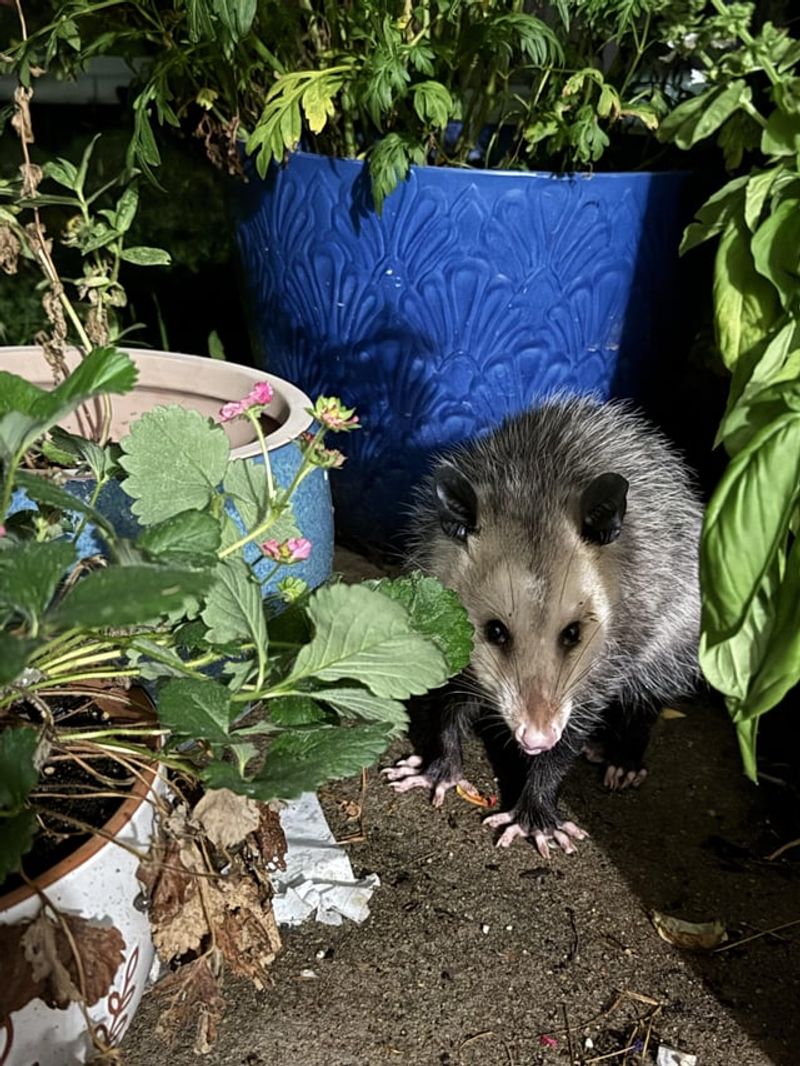
You step outside at night with a flashlight and spot a pale face with beady eyes staring back from under the tomato plants. Before you panic, meet the Virginia opossum, North America’s only marsupial and one of the hardest-working helpers a Michigan garden can have.
These shy night visitors clean up pests, leftovers, and rotting fruit while you sleep. Here is why so many gardeners from Grand Rapids to the Upper Peninsula have learned to welcome them.
1. Slug and Snail Patrol
Anyone who has grown hostas in a wet Michigan spring knows the heartbreak of lacy, chewed-up leaves. Slugs love our cool, damp nights, and they can wreck a lettuce bed in a week.
Opossums treat those slimy pests like a midnight buffet. They shuffle slowly along garden edges, nose to the ground, gobbling slugs and snails that most other animals ignore.
That means fewer slug baits and less time picking pests off by hand with a flashlight. Your hostas, cabbages, and strawberries get a fighting chance without a single chemical.
2. Tick-Eating Machines
Ticks are spreading across Michigan, and Lyme disease has become a real worry for families who love spending time outside. Here is where the humble opossum earns a gold star.
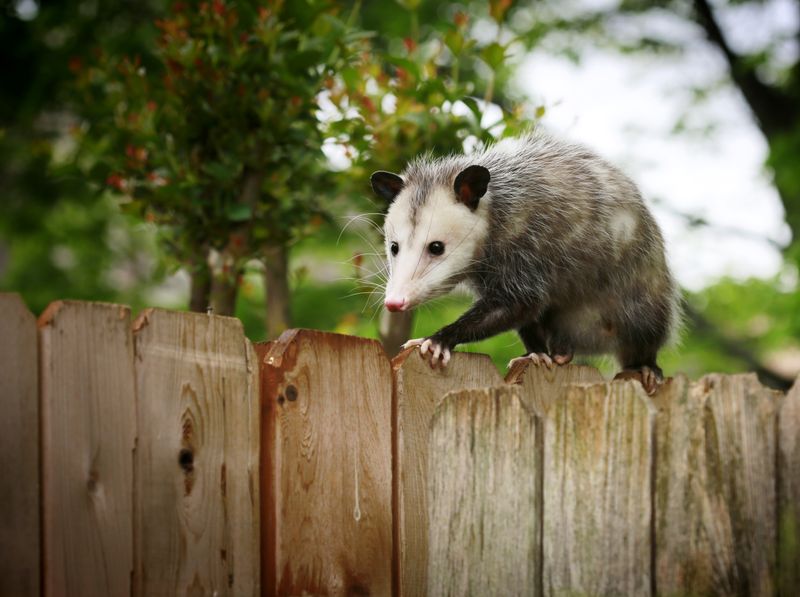
Opossums groom themselves like cats, and when ticks latch on, many get licked off and swallowed. Researchers once estimated that a single opossum could remove thousands of ticks in a season.
Later studies suggest the true number may be lower, so don’t toss your bug spray. Still, every tick an opossum eats is one less waiting in your grass for the dog or the kids.
3. Free Cleanup of Fallen Fruit
Picture a September evening in a Traverse City backyard. Apples are thumping onto the lawn faster than anyone can rake them up.
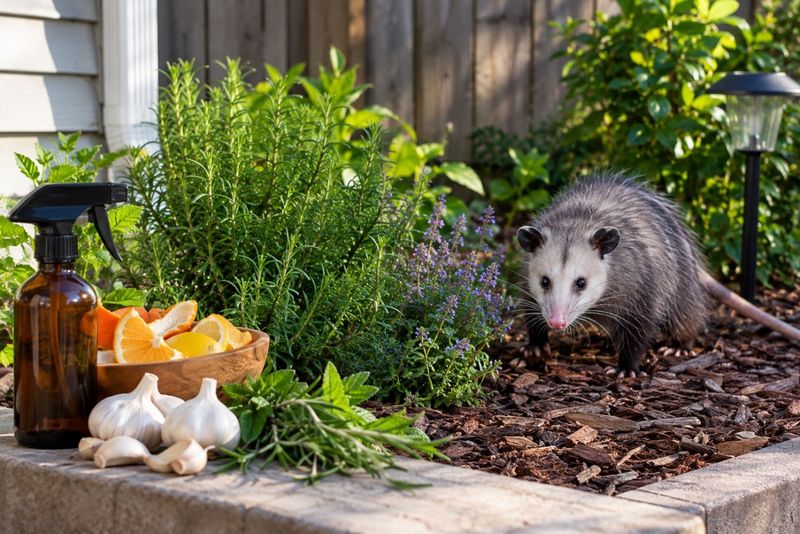
Rotting fruit draws yellow jackets, fruit flies, and diseases that can spread back into your trees. Opossums happily munch fallen apples, pears, and overripe berries, tidying up the mess before it turns into a wasp party.
Gardeners with fruit trees often notice fewer stinging insects buzzing around their picnic tables once a local opossum starts making rounds. It’s like hiring a cleanup crew that works for snacks.
4. Mice and Rat Control
Mice love Michigan garden sheds, especially when fall frosts arrive and they start hunting for warm places to hide. They chew seed packets, nest in bags of potting soil, and sometimes sneak indoors.
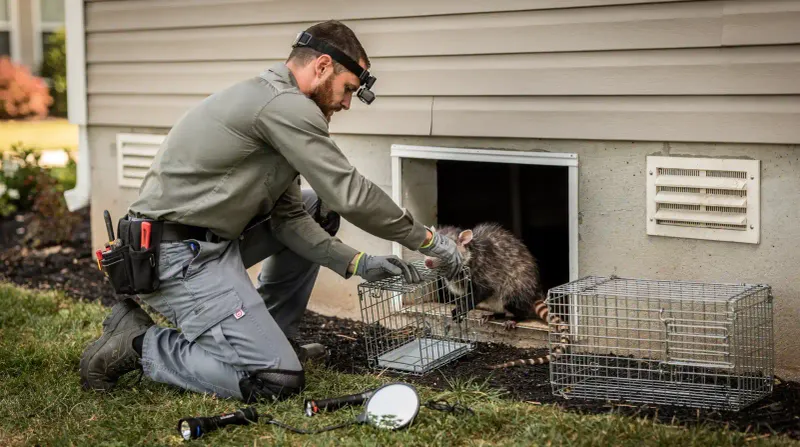
Opossums are not fast hunters, but they will eat mice, young rats, and other small critters when the chance comes along. They also compete with rodents for the same food scraps, making your yard less inviting.
Pair an opossum visitor with good habits, like sealed bins and tidy woodpiles, and you have a solid team against rodents.
5. Rarely Carry Rabies
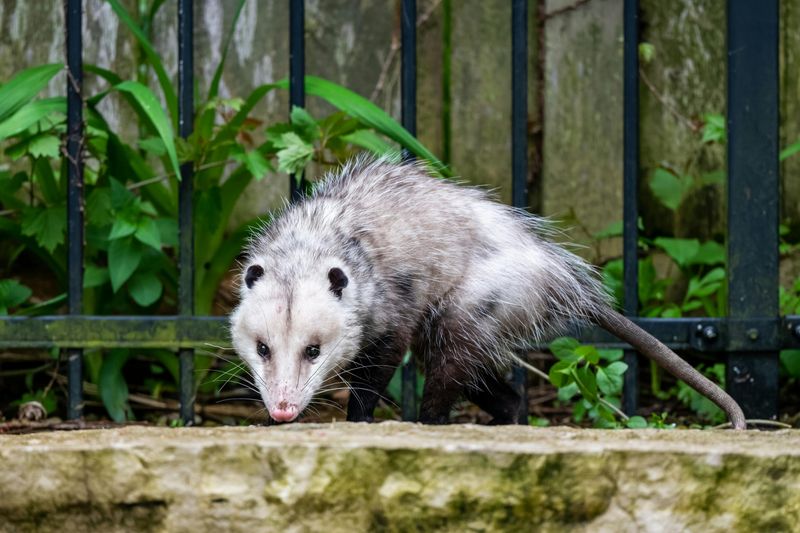
Fun fact: an opossum’s body temperature runs around 94 to 97 degrees Fahrenheit, a few degrees cooler than most mammals. That small detail makes a big difference.
The rabies virus has a hard time surviving in such a cool body, so rabid opossums are extremely rare. Compared with raccoons, skunks, or bats, they pose very little rabies risk.
Of course, any wild animal should be left alone and never hand-fed. But spotting one by the birdbath is no reason for alarm.
6. They Don’t Dig Up Your Beds
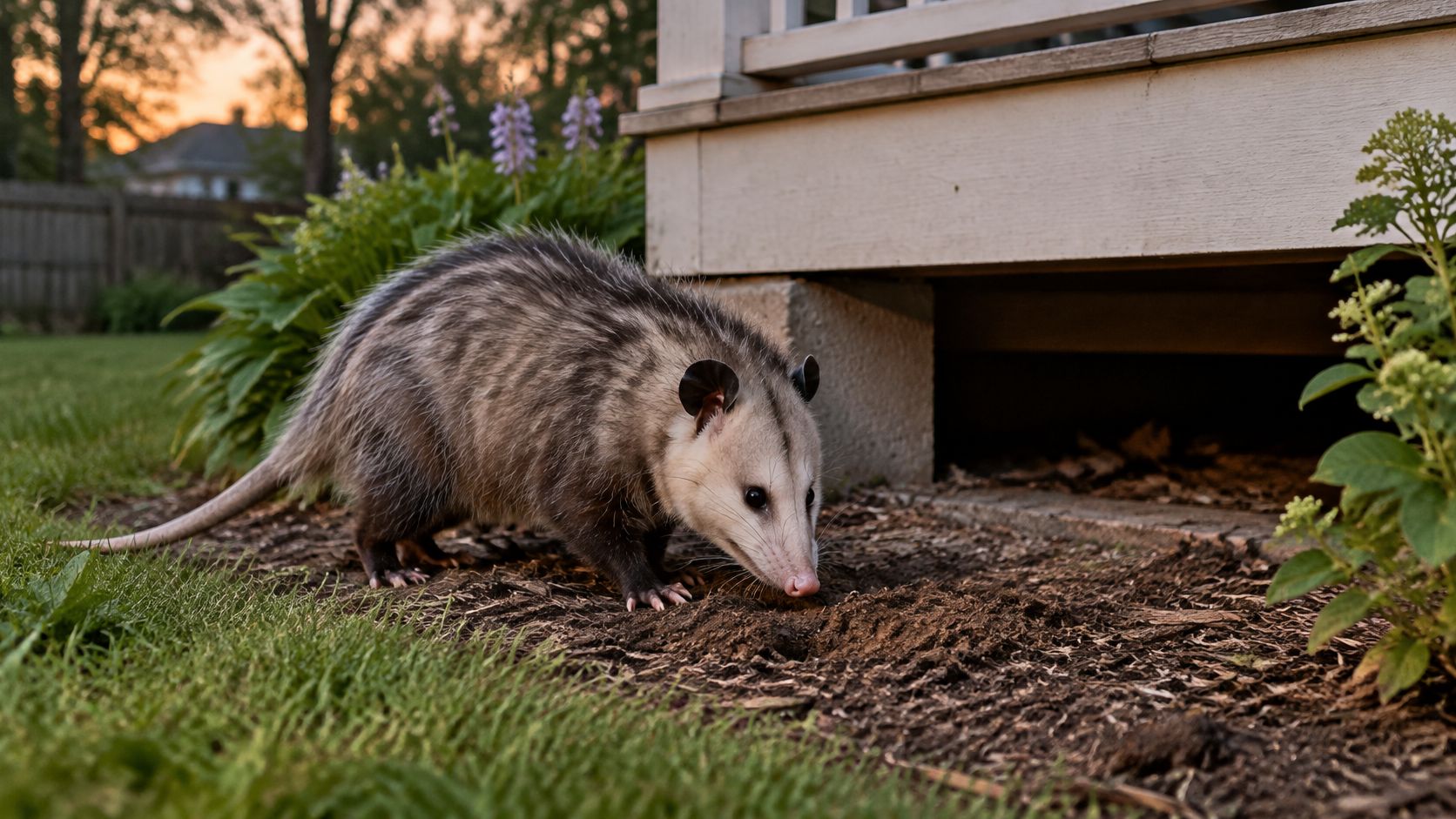
Ask a gardener who has battled groundhogs or raccoons, and you will hear stories of flattened corn and torn-up lawns. Opossums are surprisingly polite guests by comparison.
They don’t burrow under sheds or dig deep holes in flower beds. Instead, they borrow empty dens made by other animals and move on after a few nights.
Most opossums are nomads, wandering from yard to yard. You get the pest control benefits without a permanent tenant tearing things apart.
7. Nature’s Roadside and Yard Recyclers
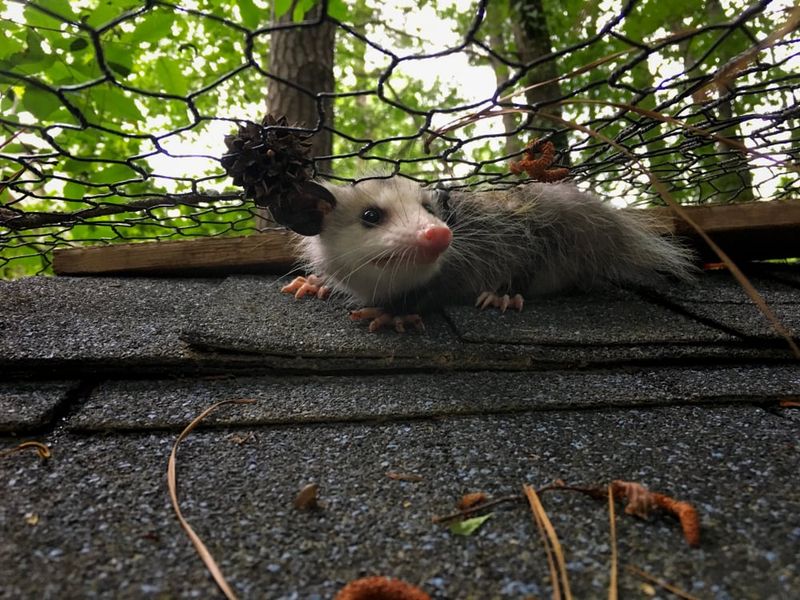
Nobody likes to talk about dead critters, but somebody has to deal with them. Opossums volunteer for the job.
They eat carrion, beetles, crickets, and even leftover pet food, helping recycle nutrients back into the soil. That keeps smells and flies down around your yard.
Think of them as tiny janitors with prehensile tails. A healthy, balanced backyard ecosystem needs cleaners, and Michigan’s opossums handle that role quietly, asking nothing more than a safe place to pass through.