
7 Things In Your Pennsylvania Yard That Quietly Invite Coyotes Closer To Your House
Coyotes now live in every county in Pennsylvania, from the Pocono woods to the edges of Philadelphia and Pittsburgh. Most of them would rather avoid people, but a few common things in your yard can make your home look like an easy place to grab a meal or take a nap.
Knowing what draws them in helps keep your pets, your kids, and your peace of mind safe. Here are seven yard features that may be sending coyotes a quiet welcome note.
1. Pet Food Left Outside
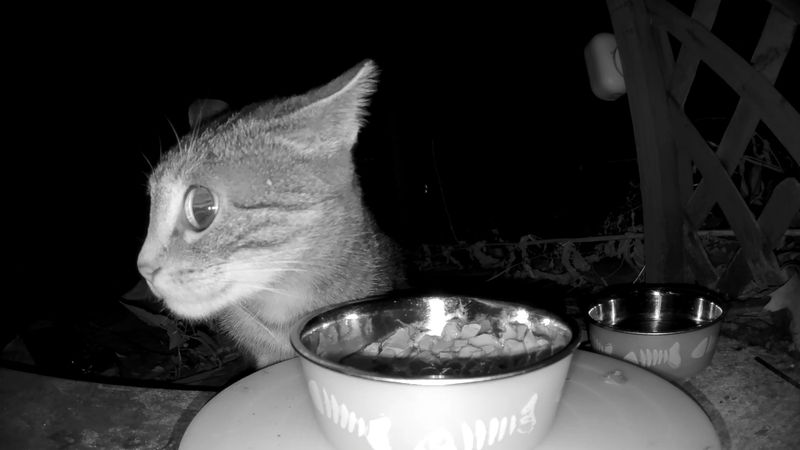
Picture a stainless steel bowl of kibble sitting on the back deck after sunset. To you, it is a forgotten chore.
To a hungry coyote trotting along the tree line, it smells like a free dinner with no hunting required.
Coyotes have a sense of smell many times stronger than ours, and dry pet food gives off a scent that travels surprisingly far on a cool Pennsylvania evening. Once a coyote finds a reliable food source, it often comes back night after night.
Over time, it can lose its natural caution around houses.
The fix is simple. Feed cats and dogs indoors whenever you can, and if you must feed outside, pick up the bowl as soon as your pet finishes.
Store bags of food in a garage or a sealed bin, not on the porch.
2. Overflowing Bird Feeders
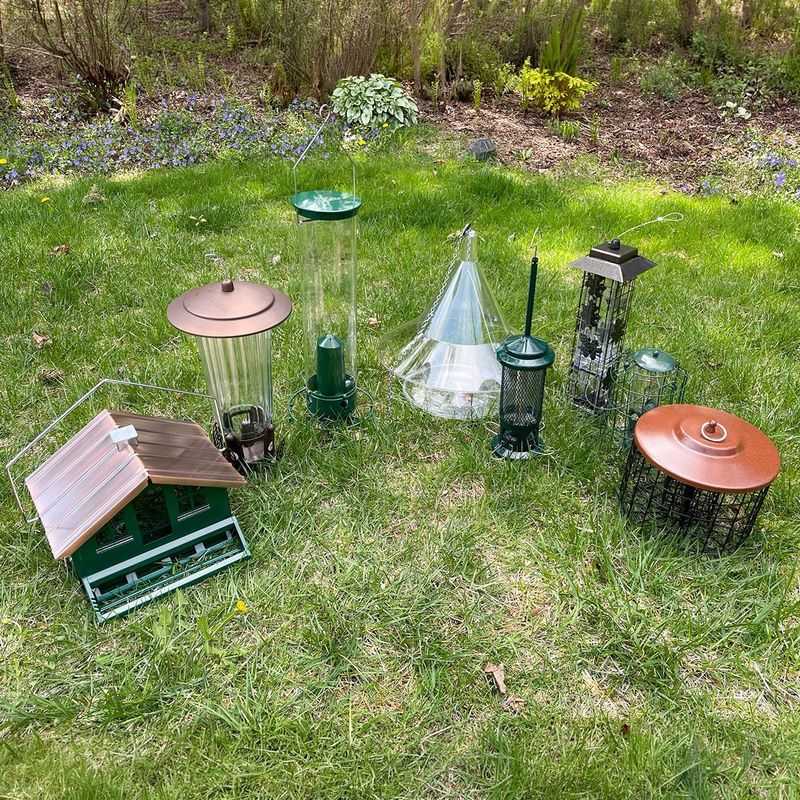
Here is a twist most backyard birders never see coming. Coyotes are not usually after the seeds themselves.
They are after the squirrels, chipmunks, rabbits, and mice that gather to snack on the mess below the feeder.
Spilled seed on the ground basically sets up a buffet line for small rodents, and coyotes are excellent rodent hunters. In winter, when food is scarce across Pennsylvania, a busy feeder can become a hotspot on a coyote’s nightly route.
You do not have to give up on cardinals and chickadees. Use a seed tray to catch the spillover, rake up fallen seed every few days, and consider bringing feeders in at night.
Hulled seeds also leave less waste behind, which means fewer critters and fewer hungry visitors following them.
3. Unsecured Trash Cans
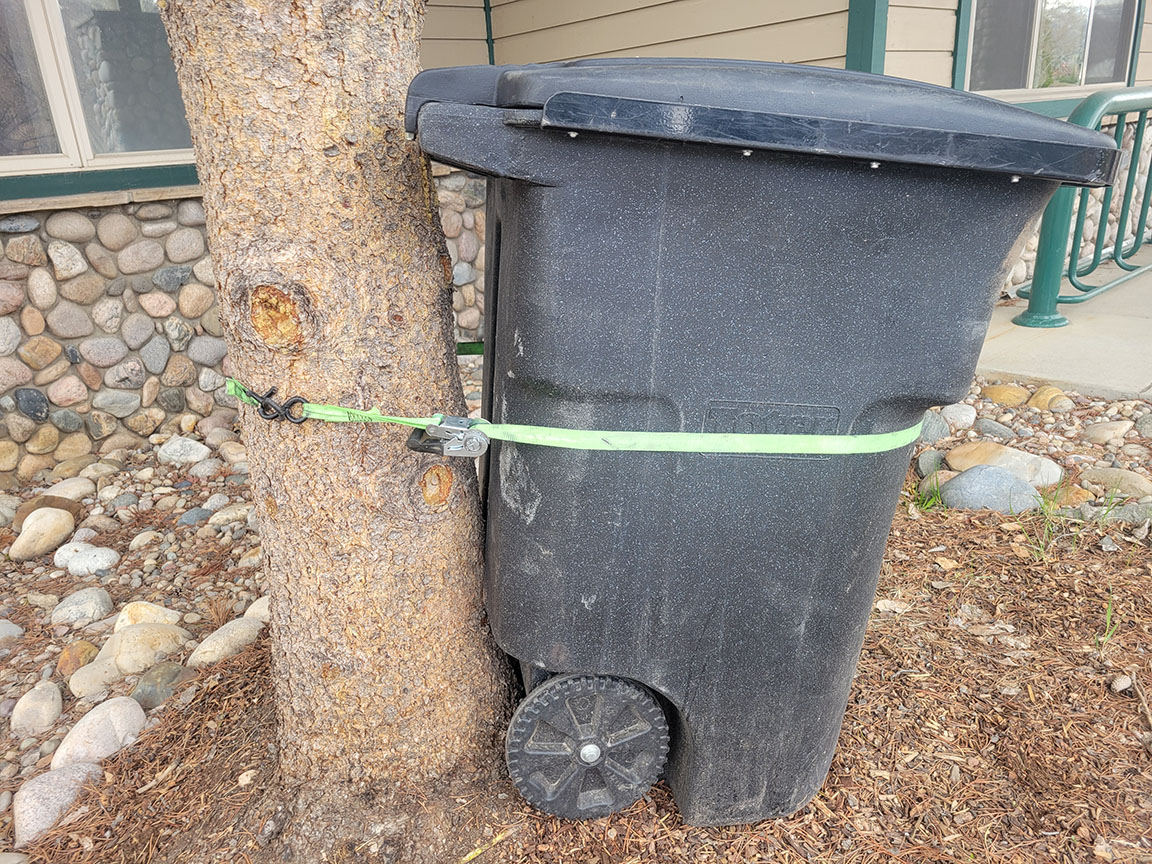
Garbage night can turn into a midnight feast faster than you might think. Leftover chicken bones, greasy pizza boxes, and meat scraps all send out powerful smells that coyotes simply cannot ignore.
A flimsy lid or a bag left at the curb is an open invitation. Raccoons often knock cans over first, and coyotes happily clean up what spills out.
Neighbors may start noticing torn bags and scattered trash before anyone actually spots the coyote.
Try these quick changes:
Keep cans in a garage or shed until the morning of pickup. Choose bins with locking or tight-fitting lids, and add a bungee cord if needed.
Rinse out cans now and then to cut down on lingering odors.
4. Fallen Fruit From Backyard Trees

Did you know coyotes have a sweet tooth? These clever omnivores eat plenty of fruit, especially in late summer and fall when apples, pears, peaches, and berries ripen all over Pennsylvania.
A tree dropping fruit onto the lawn is like a snack bar that never closes. Rotting fruit also attracts deer, mice, and insects, which adds even more reasons for a coyote to stop by.
Plenty of homeowners in orchard country find coyote scat packed with seeds right near their trees.
Gather fallen fruit every day or two during harvest season. Pick ripe fruit early instead of letting it fall, and keep compost piles covered or in a closed bin so the scraps do not become a second buffet.
5. Thick Brush and Overgrown Corners
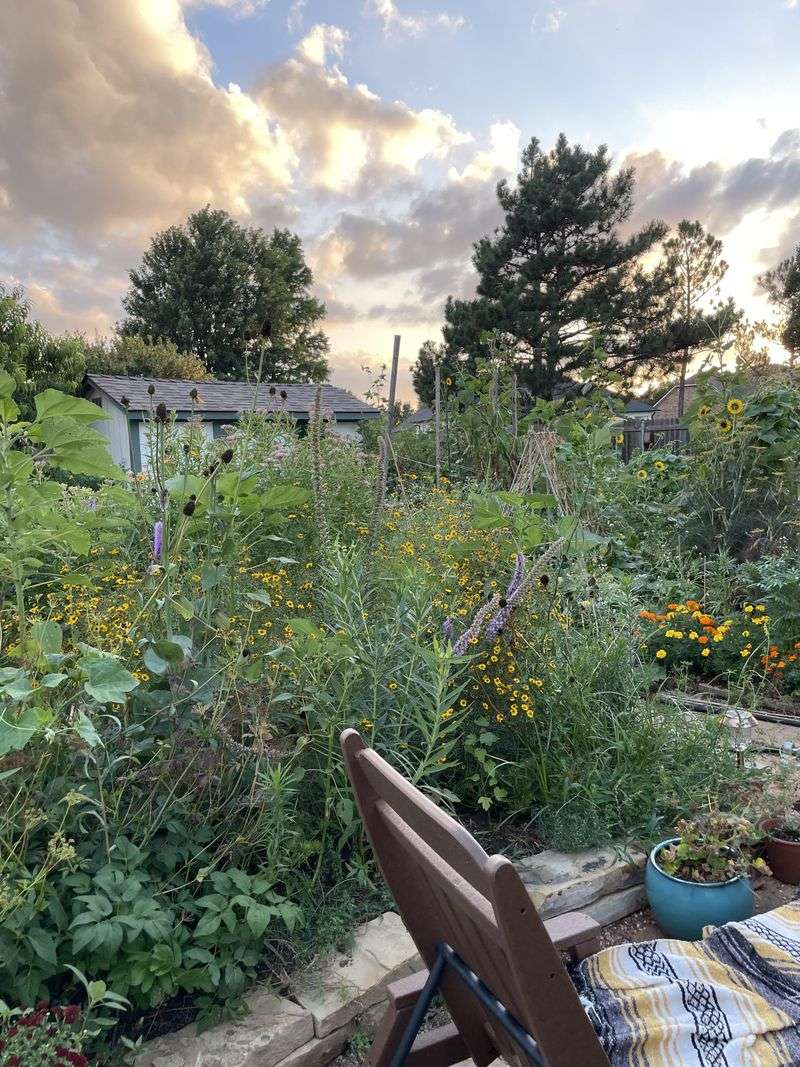
Every yard has that one corner. Maybe it is a tangle of weeds behind the shed, a brush pile from last spring’s storm cleanup, or a wall of shrubs that nobody has trimmed in years.
To a coyote, that messy spot looks like cover. Wild canines like to move through areas where they can stay hidden, rest during the day, and watch for prey without being seen.
Dense vegetation that connects to nearby woods creates a sneaky highway right up to your back door.
Clearing it out does not mean your yard has to look bare. Trim shrubs up off the ground so you can see beneath them, mow tall grass, and break down brush piles.
A tidier edge makes coyotes feel exposed, and exposed coyotes tend to keep moving.
6. Open Spaces Under Decks and Sheds
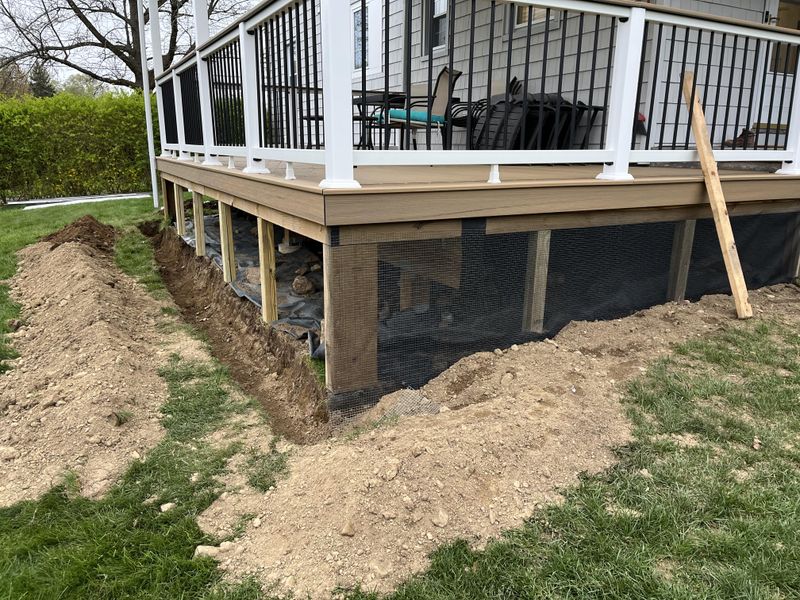
Late winter is den-hunting season. From roughly February through April, Pennsylvania coyotes look for safe, dry spots to raise their pups, and the shadowy space under your deck can look perfect.
Sheds, porches, and crawl spaces with gaps or broken lattice offer shelter from wind and snow. A coyote family that moves in will defend that area, which can mean tense moments for dogs that wander too close.
Pups are usually born in April, and by then, the den is hard to deal with.
Walk your property in early winter and look for openings. Seal gaps with sturdy hardware cloth, and bury the bottom edge several inches into the ground so nothing can dig underneath.
One afternoon of work can save you a whole spring of headaches.
7. Small Pets and Backyard Chickens Left Unattended
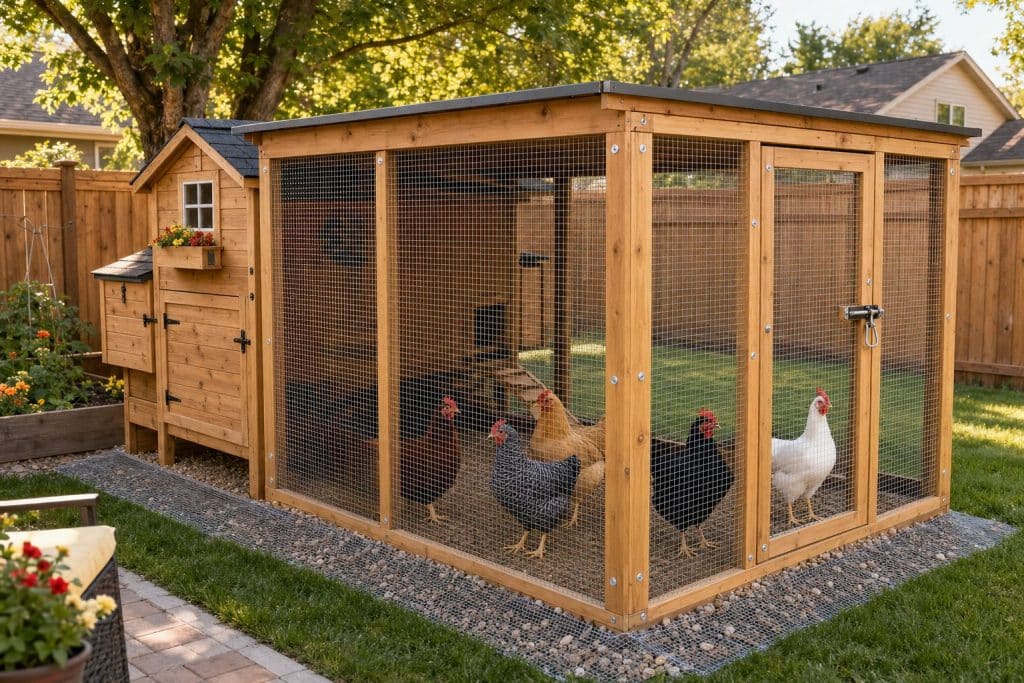
Honestly, this one is the hardest to hear. A small dog or cat roaming the yard at dawn, or a flock of hens in a flimsy coop, can look like prey to a coyote that has grown comfortable near people.
Coyotes are most active at dawn and dusk, the exact times many of us let pets out for a quick bathroom break. Free-roaming cats and chickens are especially at risk, and losses often happen within a few feet of a house.
Stay outside with small pets, especially in low light, and keep them on a leash if your fence is short. Lock chickens in a predator-proof coop every night, using welded wire instead of chicken wire.
A motion-activated light or a loud clap and shout can also remind a bold coyote that your yard is not its territory.
