
7 Venomous Creatures Indiana Homeowners Run Into More Often Once The Weather Turns Cold
When the first frosty nights roll across Indiana, you are not the only one looking for a warm place to stay. Spiders, snakes, and stinging insects start hunting for shelter, and your house, garage, or woodpile can look like a five-star hotel to them.
Most of these critters want nothing to do with people, but a surprise bite or sting can still ruin your week. Knowing who might be moving in, and where they like to hide, helps you keep your family safe all season long.
1. Brown Recluse Spider
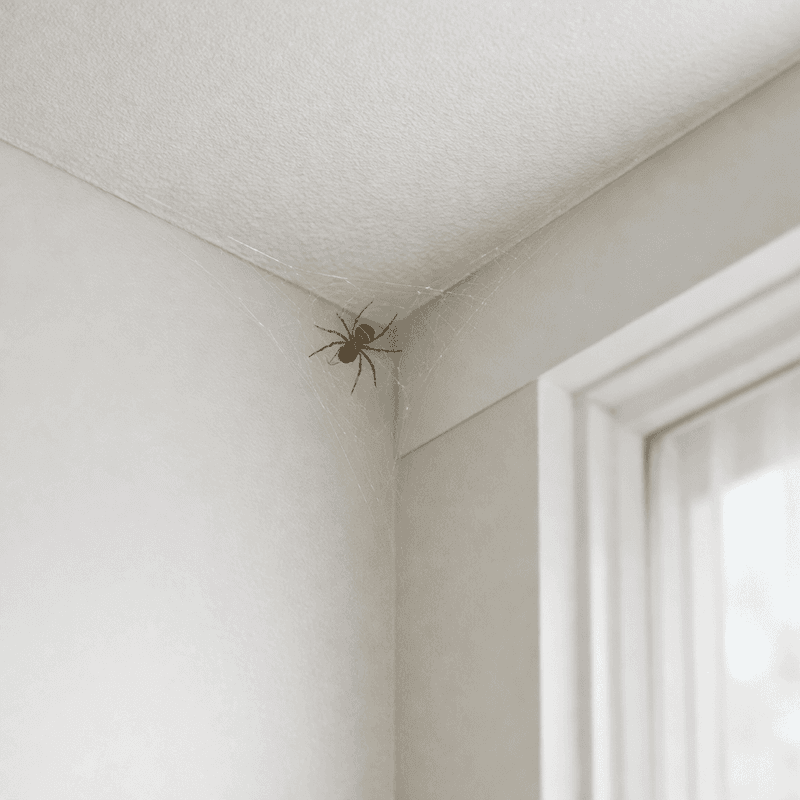
Picture a cardboard box of holiday decorations that has not been opened since last December. To a brown recluse, that box is pure luxury.
Southern Indiana sits right inside this spider’s natural range, and the cooler months push it deeper into homes.
Look for a tan to brown body with a darker violin shape on its back, pointing toward the rear. The real giveaway is its eyes, since recluses have six arranged in pairs instead of the usual eight.
They hide in closets, attics, shoes, and folded clothes.
Bites are rare and usually happen when someone presses the spider against their skin, like slipping on a jacket. Some bites cause a slow-healing sore that needs a doctor’s care.
Shake out clothing and store boxes in sealed plastic bins to cut down your risk.
2. Northern Black Widow
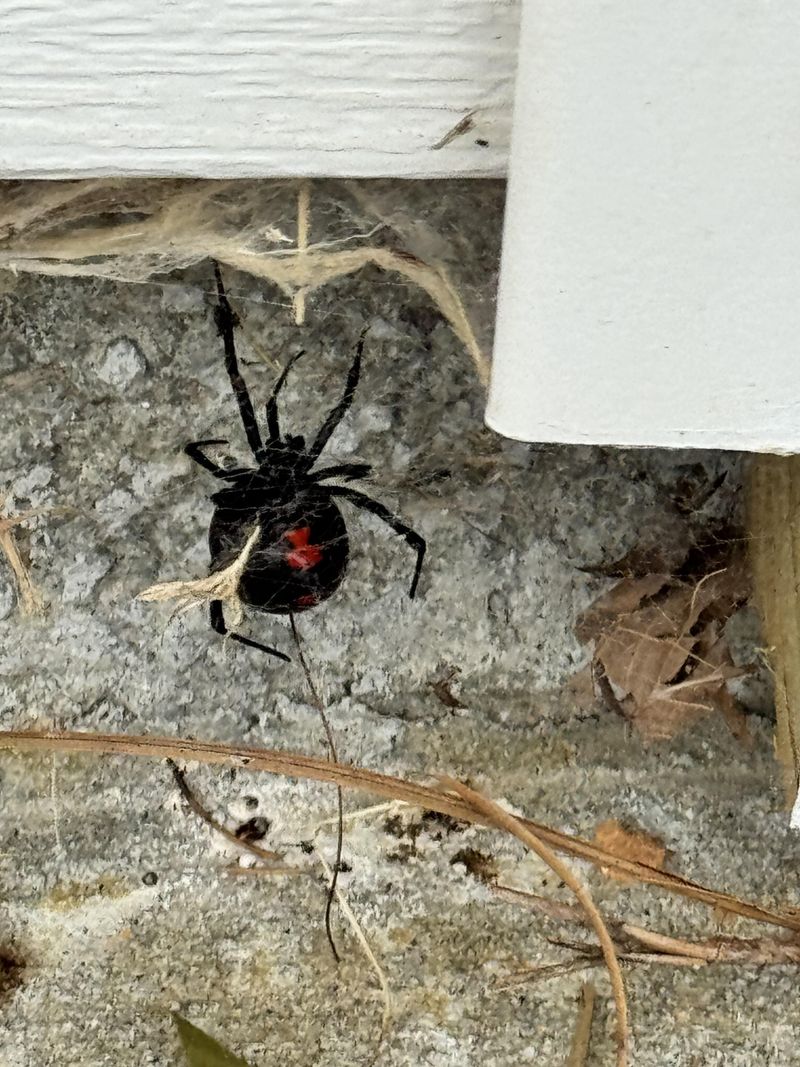
Shiny, black, and dramatic, the northern black widow looks like it belongs in a Halloween movie. Oddly enough, it shows up indoors most often right around Halloween too.
As temperatures dip, these spiders tuck into garages, sheds, and the gaps in stacked firewood.
Unlike its southern cousin, the northern species often has a split red hourglass on its belly, plus red spots along its back. The web is messy and tangled, usually built low to the ground.
Hauling in firewood with bare hands is one of the most common ways Hoosiers get bitten.
The venom affects nerves and can cause muscle cramps, sweating, and stomach pain. Deaths are extremely rare, but kids and older adults should get medical help quickly.
A good pair of work gloves is honestly the best defense you can own.
3. Eastern Copperhead
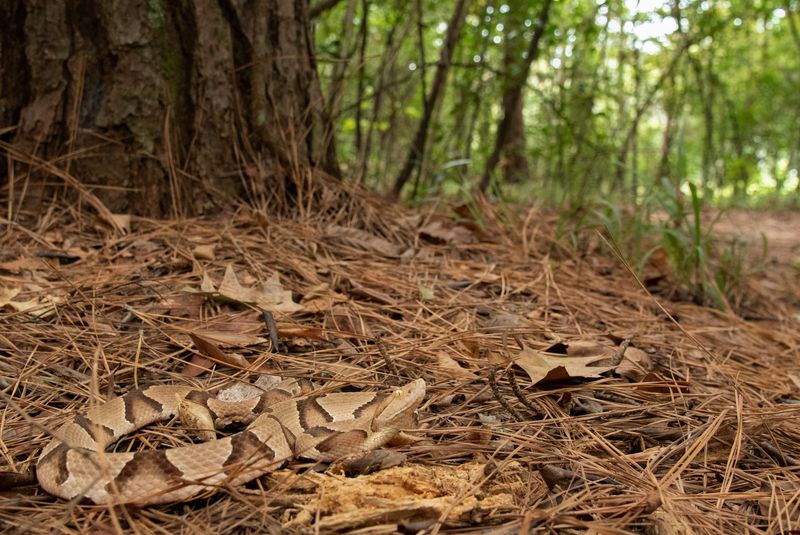
Fun fact: young copperheads have bright yellow tail tips that they wiggle like worms to lure in frogs. The adults are masters of camouflage, and that skill becomes a real problem in fall.
Their copper and chestnut bands blend perfectly into piles of dead leaves.
In southern Indiana, copperheads head toward rocky hillsides and old foundations to find winter dens. On the way, they may slip under porches, into crawl spaces, or beneath landscape rocks near your home.
Warm, sunny fall afternoons often bring them out to bask one last time.
Bites hurt a lot but are seldom deadly. Still, any venomous snake bite means a trip to the emergency room, not a home remedy.
Rake leaves away from the house and wear boots when clearing brush.
4. Timber Rattlesnake
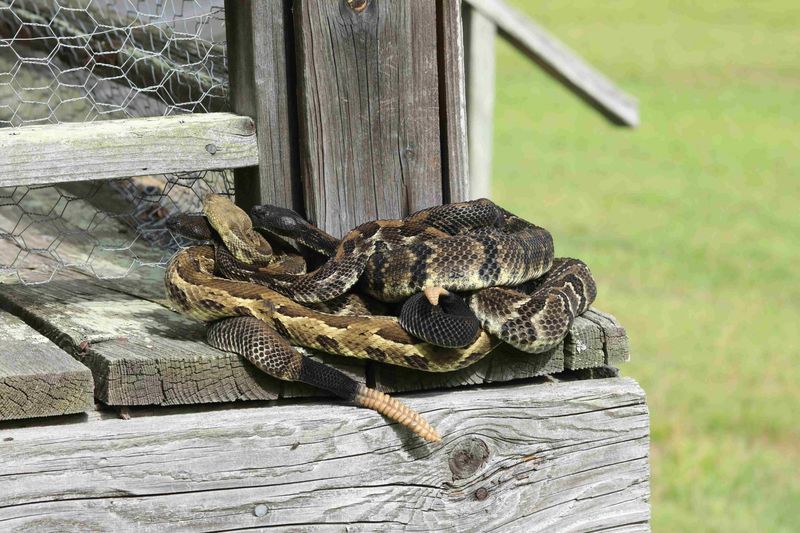
Few Indiana residents ever see a timber rattlesnake, and that makes an encounter feel unforgettable. Found mostly in the wooded hills of south-central Indiana, this big snake is a state endangered species.
It is also venomous enough to deserve serious respect.
Timber rattlers are creatures of habit. Many return to the same rocky den every winter, sometimes traveling miles to get there in September and October.
Homes built near forested ridges can sit right along those old travel routes.
Thankfully, these snakes are famously calm and usually rattle a warning long before striking. If you hear that buzz, back away slowly and give the snake plenty of room.
Never try to kill or move one yourself, since they are protected by law and a wildlife professional can handle it safely.
5. Yellowjackets
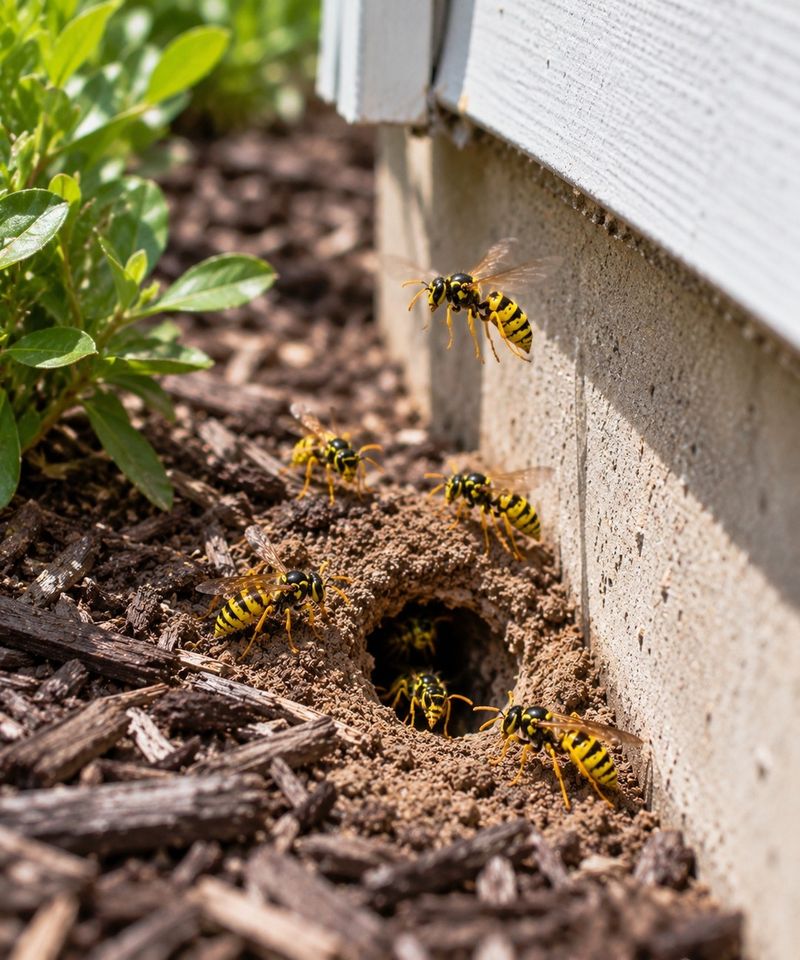
Ever notice that yellowjackets seem crankier in September? You are not imagining it.
Late summer and early fall are when their colonies hit peak size, sometimes with thousands of workers.
As flowers fade and natural food runs out, these wasps get bold about raiding trash cans, juice boxes, and tailgate snacks. They also hunt for gaps in siding and wall voids, and new queens look for protected spots to spend the winter.
A nest in the ground or inside a wall can surprise you while mowing or doing repairs.
Each yellowjacket can sting more than once, and they defend nests fiercely. People with allergies should carry their prescribed epinephrine.
Keep lids on drinks outdoors and call a pro for nests inside walls.
6. Paper Wasps
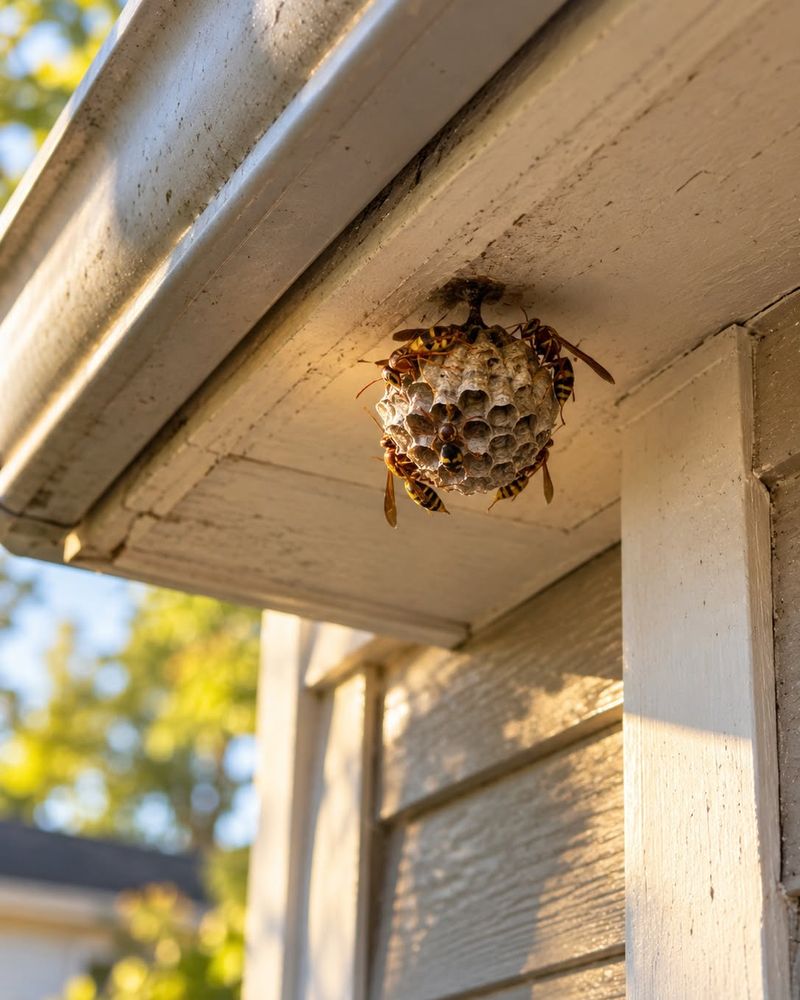
On a crisp, sunny November morning, you might spot a handful of slender wasps crawling slowly across a window. Meet the paper wasp queens, hunting for a cozy crack to wait out winter.
Attics, window frames, and soffits are some of their favorite hideaways.
Paper wasps are easy to recognize by their long legs that dangle in flight. Their nests look like upside-down umbrellas made of gray paper, often hanging under eaves or deck railings.
Overall, they are less aggressive than yellowjackets, unless you bump their home.
Indoors, sluggish wasps can still sting if you grab or step on them barefoot. Sealing gaps around windows and vents in early fall keeps most of them out.
Old empty nests can be knocked down safely once winter arrives.
7. House Centipede
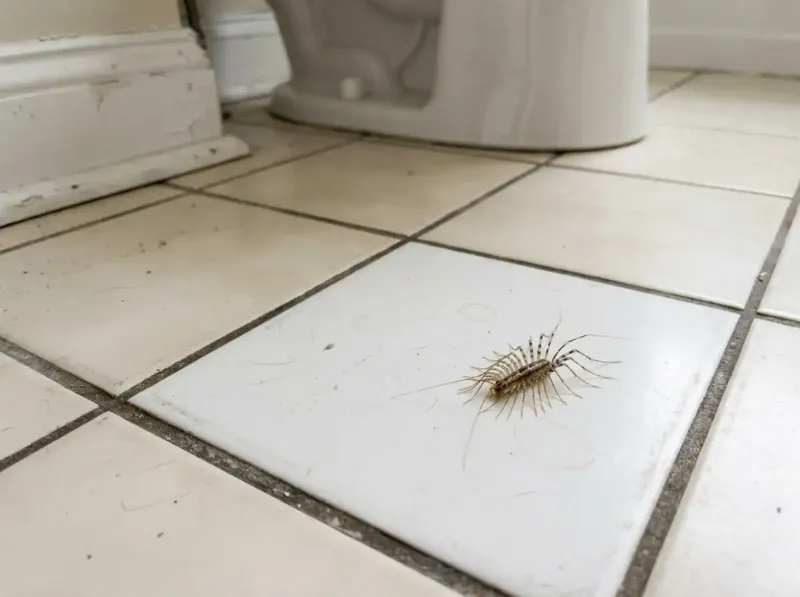
Nothing makes someone scream at midnight quite like a house centipede racing across the bathroom floor. With up to 15 pairs of long legs, it moves fast enough to seem unreal.
Cold weather drives these critters inside, where damp basements and bathrooms suit them perfectly.
Yes, they are technically venomous. They use tiny modified legs to inject venom into prey like silverfish, cockroaches, and even bed bugs.
For people, a rare bite feels a bit like a bee sting and fades quickly.
Some homeowners actually treat them as free pest control. If seeing them makes your skin crawl, run a dehumidifier and fix leaky pipes, since they need moisture to survive.
Fewer insects in the house also means fewer centipedes with a reason to stay.