
These Venomous Critters Share Maryland Yards With You, And Late Fall Is When You’ll Spot Them
When the leaves drop and the air turns crisp, Maryland yards start giving up their secrets. Creatures that hid all summer suddenly show up on porches, in woodpiles, and even inside garages as they hunt for a warm place to spend the winter.
A few of them carry venom, and knowing which ones can save you a painful surprise. Here are ten critters worth recognizing before you rake, stack firewood, or clean out the shed this season.
1. Eastern Copperhead
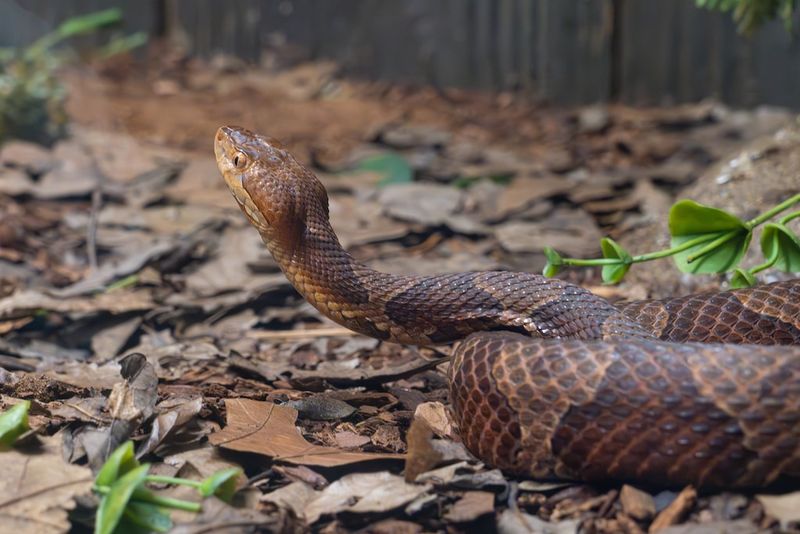
Picture yourself scooping up an armful of fallen leaves, and right there, perfectly camouflaged, lies a copper-colored snake. That scene plays out every autumn in Maryland, because the Eastern copperhead blends into leaf litter almost flawlessly.
Copperheads are the most common venomous snake in the state. Look for tan bodies with darker hourglass-shaped bands that look a bit like Hershey’s Kisses when viewed from the side.
Late fall is prime time for spotting them because they travel toward rocky dens where they spend the winter, sometimes alongside other snakes. On sunny October and November afternoons, they often bask on warm stone walls, driveways, or steps.
Bites are rarely deadly, but they hurt a lot and need medical care. Wear gloves and sturdy shoes while doing yard work, and use a rake instead of bare hands when clearing leaf piles.
2. Timber Rattlesnake

Folks living near the mountains of western Maryland share their neighborhood with a true legend. The timber rattlesnake once appeared on early American flags as a symbol of independence, back when it was found across much of the colonies.
Today it mostly sticks to rocky, forested ridges in places like Garrett, Allegany, and Frederick counties. Its body is often yellow or dark brown with black chevrons, ending in a velvety black tail and that famous rattle.
In fall, timber rattlers gather near shared dens before winter, so hikers and homeowners near ridges may see more of them in September and October. These snakes are surprisingly calm and usually rattle long before striking.
They are protected in Maryland, so killing or collecting one is not allowed. Back away slowly and give it room, and it will likely do the same for you.
3. Black Widow Spider
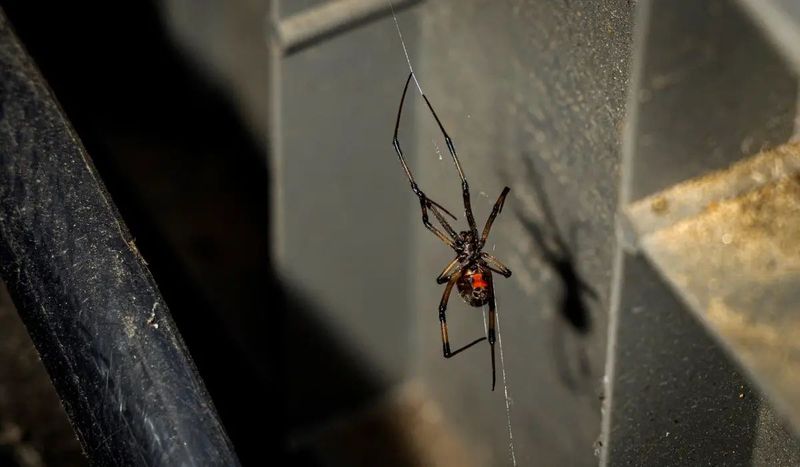
Grab a log from the woodpile without looking, and you might meet one of the most famous spiders in North America. The glossy black female, with her red hourglass underneath, is easy to recognize once you know to check.
Maryland has both the southern and northern black widow. They love dark, quiet places like woodpiles, meter boxes, outdoor furniture, and the corners of sheds.
Why fall? People start hauling firewood and storing patio cushions, which means hands go into exactly the spots these spiders call home.
Bites are uncommon but can cause muscle cramps, sweating, and stomach pain, so see a doctor if bitten.
Fun fact: the males are much smaller and rarely bite. Knocking logs together before carrying them inside is a simple habit that helps.
4. Brown Recluse Spider
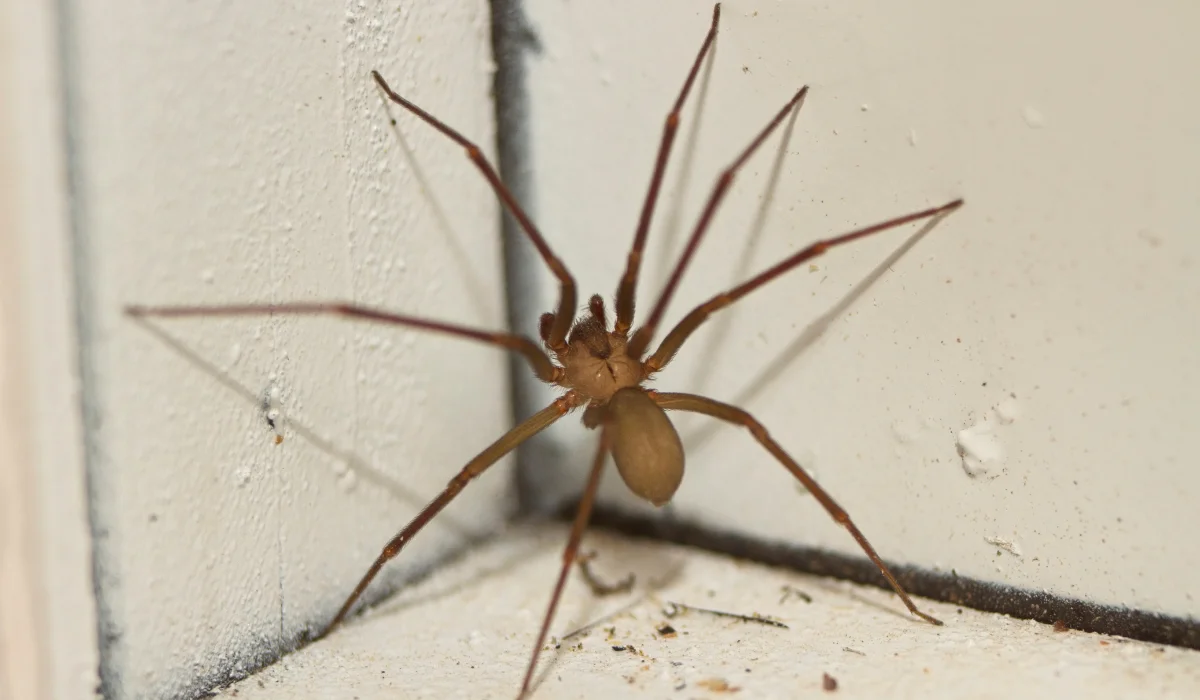
Here is a twist: the brown recluse is not native to Maryland, and sightings are rare. Still, these spiders sometimes hitchhike into the state in boxes, furniture, and moving trucks from southern and midwestern states.
A true brown recluse has a violin-shaped mark on its back and only six eyes arranged in pairs. Plenty of harmless brown spiders get mistaken for them, so a careful look matters before panicking.
As temperatures fall, any spiders tucked into stored items become more noticeable when people pull out holiday decorations and winter clothes. Shake out boxes and garments that have sat untouched for months.
Bites can cause skin sores in some cases, so seek medical help if a bite worsens. If you think you found one, capture it in a jar for an expert to identify.
5. Yellowjacket
Ever notice that wasps seem grumpier in October? You are not imagining it.
Yellowjacket colonies reach their biggest size in late summer and fall, sometimes holding thousands of workers.
As flowers fade, food gets scarce, and these black-and-yellow insects get bold. They crash picnics, tailgates, and trash cans looking for sugar and protein.
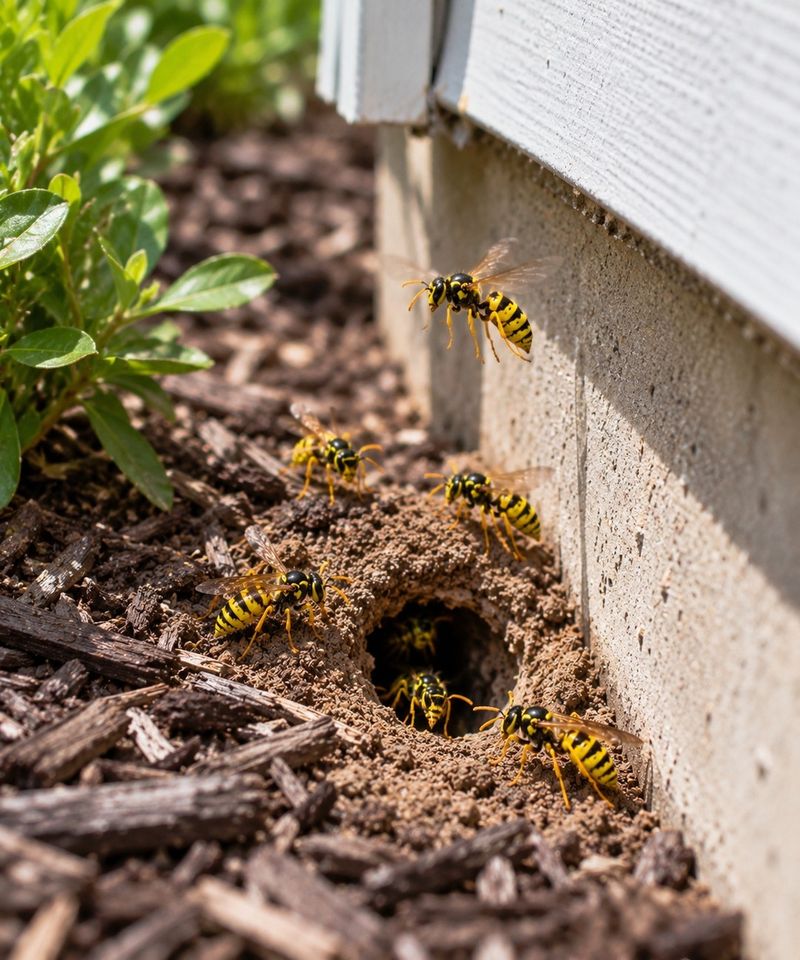
Many Maryland yellowjackets nest underground, which makes mowing and leaf blowing risky. Run over a hidden nest entrance and you may face an angry crowd that can sting again and again.
Keep drinks covered outdoors and watch for steady traffic in and out of a small hole in the lawn. The good news is that the first hard frost usually ends the colony, leaving only new queens to hide for winter.
6. Bald-Faced Hornet
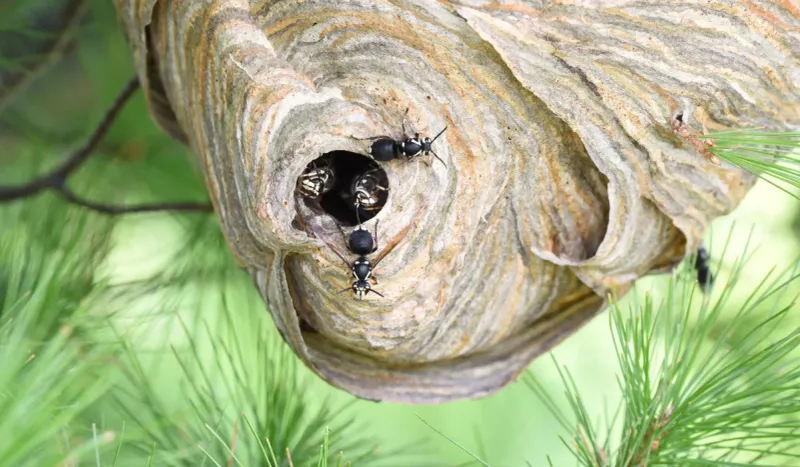
Once the trees go bare, a gray, football-shaped surprise often appears overhead. Bald-faced hornet nests stay hidden by leaves all summer, then suddenly become obvious in November.
Despite the name, these insects are actually a type of yellowjacket. They are black with white markings on the face and are known for fiercely defending their homes.
By the time most people spot the nest, it is usually empty or close to it, since workers die off with cold weather. Still, a nest found in early fall may be busy, so keep kids and pets away.
An abandoned nest is never reused, which is why some nature lovers collect them as decorations in winter. Just wait until after several hard freezes to be safe.
7. Saddleback Caterpillar
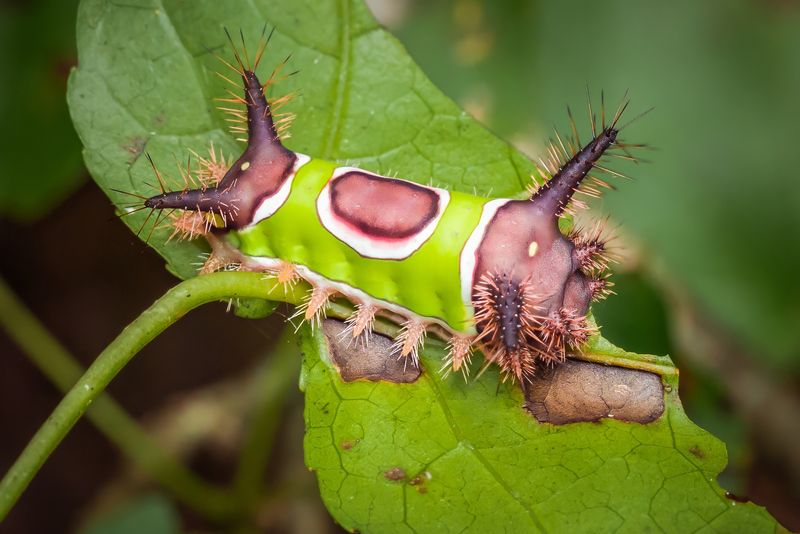
It looks like a tiny cartoon creature wearing a green blanket with a brown polka-dot saddle. Cute?
Sure. Safe to touch?
Absolutely not.
The saddleback caterpillar has spines that inject venom, causing a burning sting, swelling, and sometimes nausea. It munches on many plants, including oaks, maples, and garden shrubs.
Late summer into early fall is when these caterpillars are largest and most noticeable, often when people are trimming bushes. A sting can be treated by pressing tape on the area to pull out spines, then washing with soap and water.
Teach children that fuzzy or spiky caterpillars are for looking, not holding. Garden gloves help a lot during autumn cleanup.
8. Puss Caterpillar
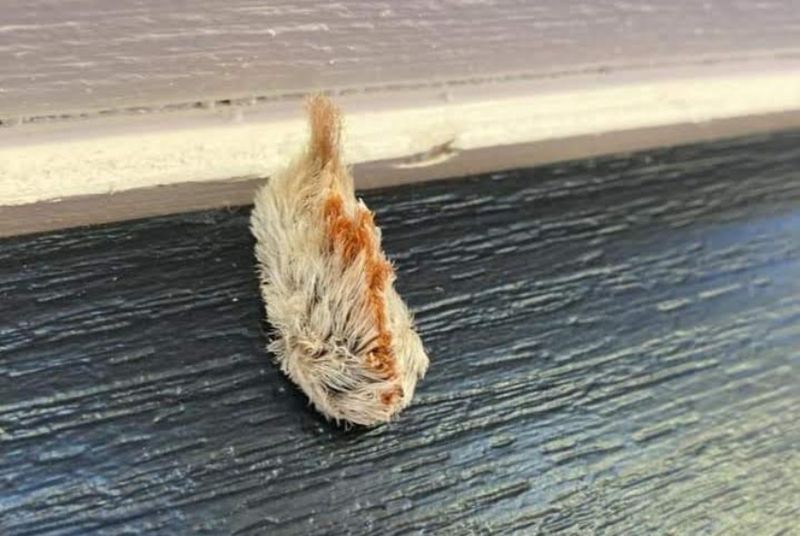
Nicknamed the asp, the puss caterpillar looks like a tiny toupee or a fluffy cotton ball. Hidden under that soft-looking fur are venomous spines that pack one of the most painful stings of any North American caterpillar.
People stung by one often describe throbbing pain that spreads up the arm, plus redness and headaches. It is more common further south, but Maryland gardeners do find them on oaks and other trees.
Fall is when they are mature and ready to spin cocoons, so they wander a bit and show up on walls, fences, and patio chairs. If stung, use tape to remove spines and call a doctor if symptoms get serious.
9. Bark Scorpion Hitchhikers and Native Centipedes
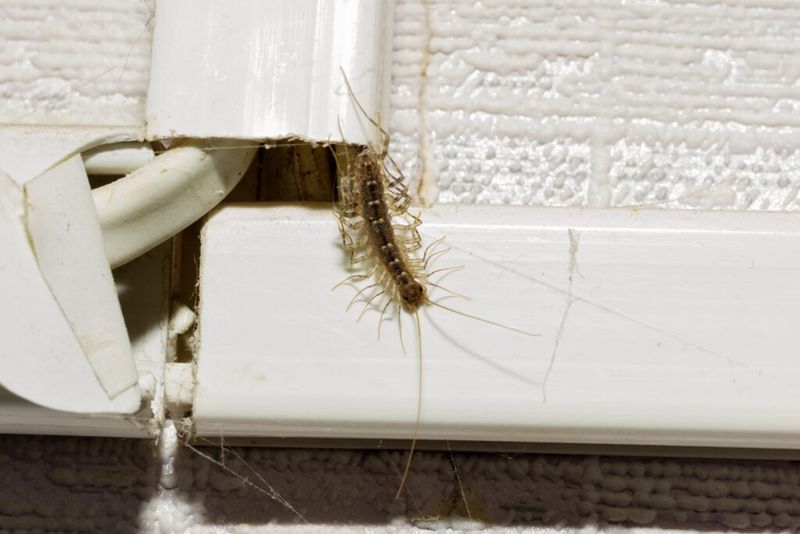
Lift a damp log or a stepping stone in November, and something with way too many legs might scurry away. Maryland has several centipedes, and every one of them uses venom to catch its prey.
Stone centipedes live outdoors under rocks and mulch, while the speedy house centipede often heads inside as nights get cold. Both are mainly helpful, eating insects, spiders, and other pests.
A bite from a larger centipede can feel like a bee sting but is rarely serious for people. Scorpions, on the other hand, are almost never found here unless they ride in on shipments, so a centipede is the far likelier find.
Fixing leaky pipes and sealing gaps around doors keeps these leggy visitors outside where they belong.
10. Northern Short-Tailed Shrew
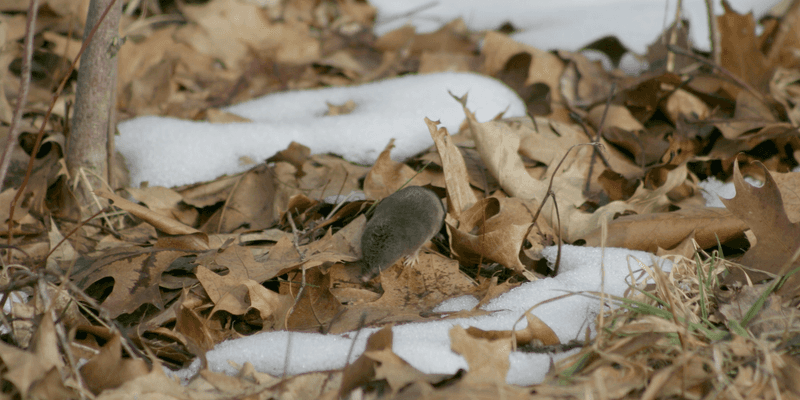
Bet you did not expect a mammal on this list. The northern short-tailed shrew is one of the very few venomous mammals in the world, and it lives right in Maryland backyards.
This small, gray, mole-like animal has toxic saliva that helps it stun worms, insects, and even mice. It must eat almost constantly to fuel its fast metabolism.
As the weather cools, shrews become more active above ground and sometimes slip into garages and basements. Cats often catch them and leave them on doorsteps.
A bite to a person can cause pain and swelling for a few days but is not dangerous. Never pick one up bare-handed, and admire this tiny predator from a distance.