
These Venomous Neighbors Share Louisiana Yards, And Here’s Where Each One Hides
Louisiana yards are full of life, from buzzing bees to croaking frogs, but a few residents carry a dangerous bite or sting. Most of them want nothing to do with people and only strike when surprised or cornered.
Knowing where each one likes to hide can help you garden, mow, and play outside with a lot more confidence. Here are eight venomous neighbors you might share your space with, and the sneaky spots they call home.
1. Eastern Copperhead
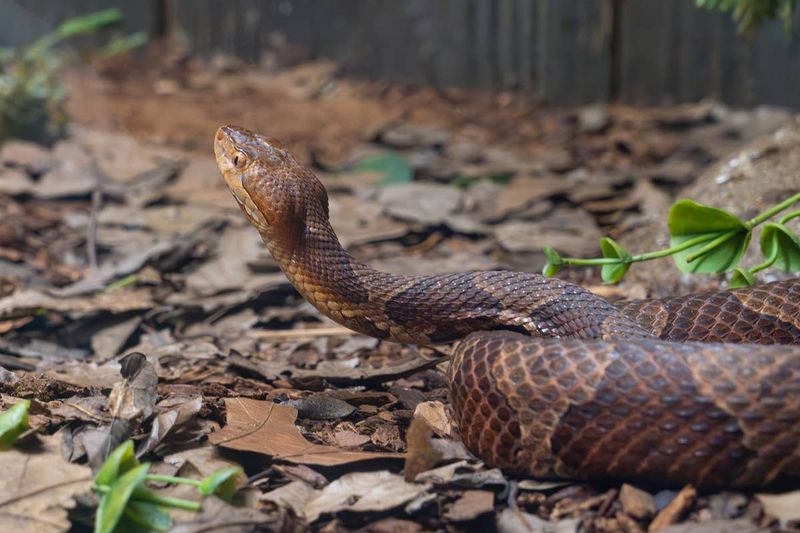
Picture yourself reaching for a log on a cool fall evening, and the leaves under it suddenly shift. That is classic copperhead territory.
With copper and tan hourglass bands, this snake blends into leaf litter so well that people often step right next to one without noticing.
Copperheads love woodpiles, stacked bricks, thick mulch beds, and the shady edges of yards that back up to woods. They also hang around overgrown fence lines where mice and frogs are easy to catch.
In north and central Louisiana, they are one of the most common venomous snakes people meet.
Their bite is rarely deadly, but it hurts a lot and needs a trip to the hospital. Wear gloves when moving firewood, and use a flashlight on warm summer nights, since copperheads often hunt after dark.
2. Cottonmouth
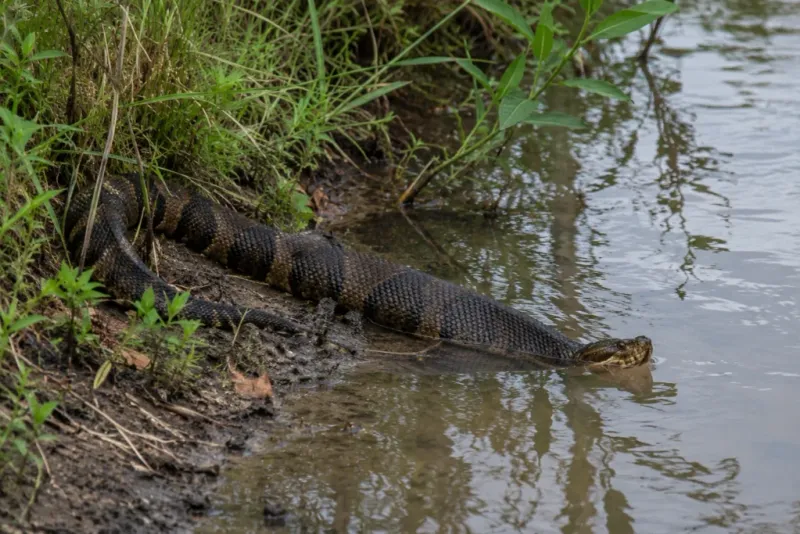
Few sights say “back off” like a cottonmouth gaping its bright white mouth at you. Also called the water moccasin, this heavy-bodied snake would rather bluff than bite, but it will defend itself if pushed.
If your property has a pond, ditch, canal, or soggy corner, cottonmouths may visit. They bask on banks, logs, and even boat ramps, and they sometimes wander across lawns after heavy rain.
Thanks to Louisiana’s endless waterways, they show up statewide.
Fun fact: many harmless water snakes get mistaken for cottonmouths. A real cottonmouth tends to float high on the water with its whole body showing, while nonvenomous water snakes usually swim with just their heads up.
Still, give any thick, dark snake near water plenty of room.
3. Timber Rattlesnake (Canebrake)
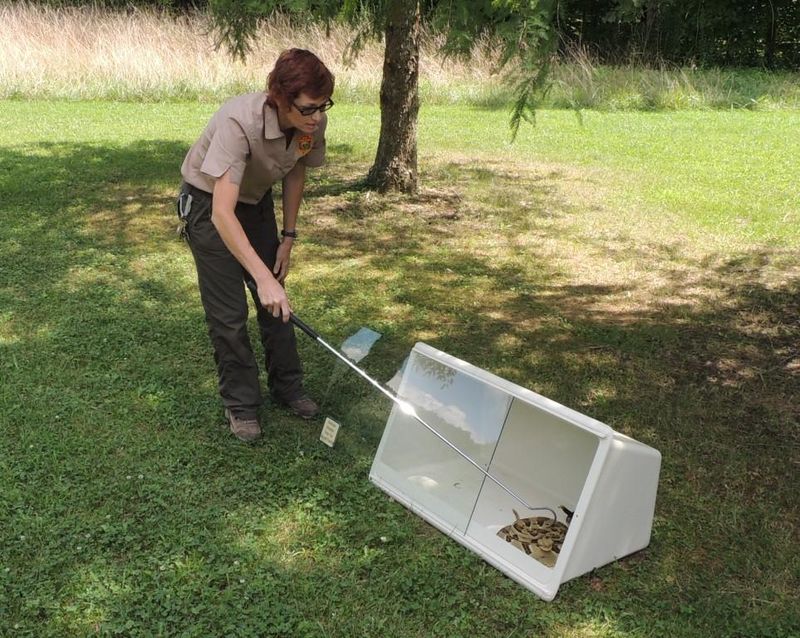
Old-timers in Louisiana call it the canebrake rattler, a name borrowed from the thick cane stands it once ruled. It is big, heavy, and wears dark zigzag bands with a rusty stripe running down its back.
Canebrakes prefer yards bordering hardwood forests, river bottoms, and thickets. They sit perfectly still for hours beside fallen logs, waiting for squirrels or rats to wander by.
Because they rely on staying hidden, many people walk past one without ever hearing a rattle.
Their venom is strong, so this is a snake to treat with serious respect. Keep brush cleared near the house and cut down on rodents by storing birdseed and pet food in sealed bins.
4. Eastern Coral Snake
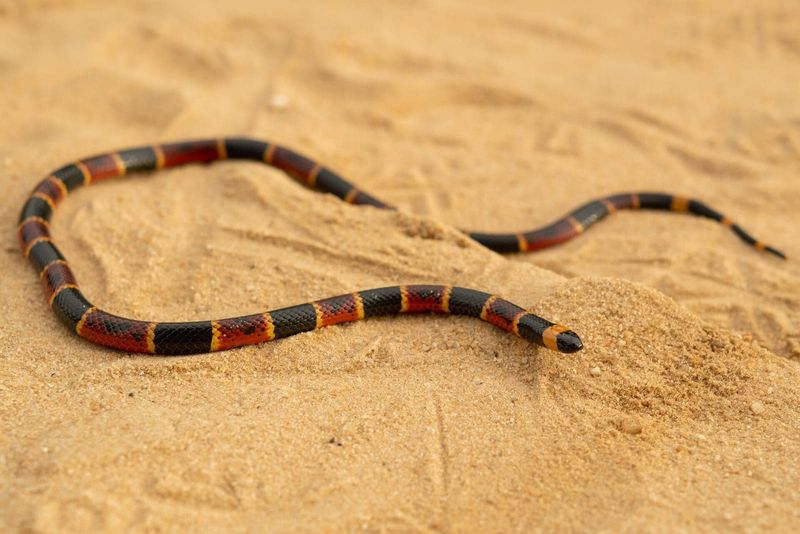
“Red touches yellow, kills a fellow.” Kids across the South learn that rhyme, and it points straight to the eastern coral snake. Its bold red, yellow, and black rings look almost like candy, but its venom attacks the nervous system.
Coral snakes are shy diggers. They spend most of their lives under pine straw, loose soil, rotting logs, and thick garden mulch, mostly in the southeastern parishes and Florida Parishes area.
Gardeners turning over flower beds are the folks most likely to spot one.
The good news is that bites are very rare, because these snakes have small mouths and avoid people. Never pick up a brightly banded snake, even a small one, and keep gloves on when weeding.
5. Pygmy Rattlesnake
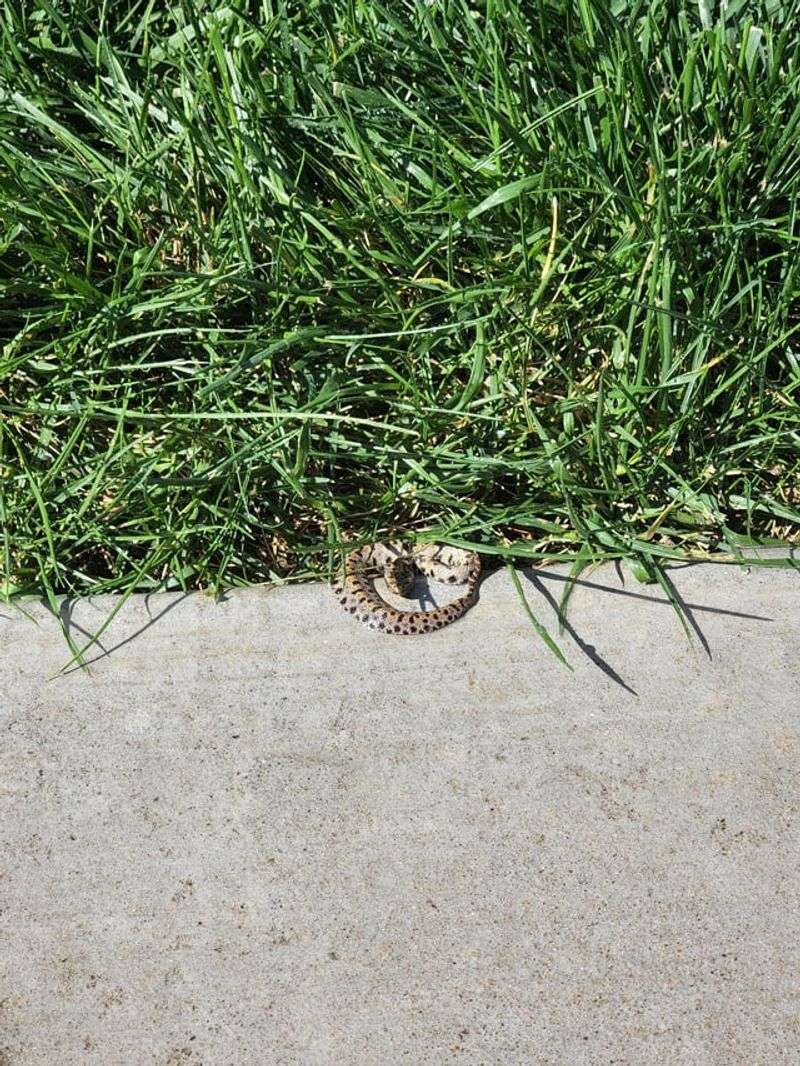
Small but feisty, the pygmy rattlesnake usually grows to only about a foot and a half long. Its rattle is so tiny that it sounds more like a buzzing insect than a warning, which is exactly why people miss it.
Look for pygmies in pine woods, near ponds, and around grassy spots at the edges of yards, especially in the Florida Parishes and western pine areas. They coil in the open on warm days, often right along garden paths or near the base of shrubs.
A bite is painful and causes swelling, though it is seldom life-threatening for adults. Pets are at higher risk, so keep dogs leashed in grassy, wooded spots.
6. Southern Black Widow
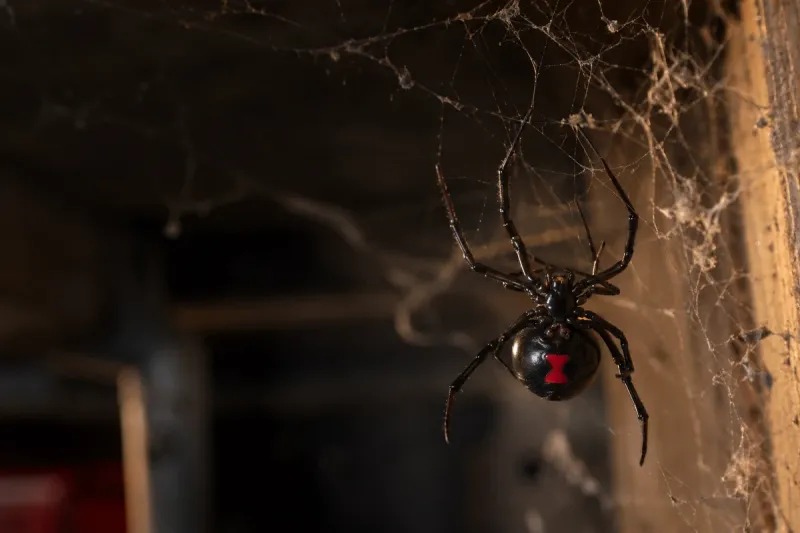
Lift the lid on your water meter, and there is a good chance a shiny black spider is waiting below. Female southern black widows wear a red hourglass on their bellies, and their messy, tangled webs are strong enough to feel when you touch them.
These spiders love dark, quiet, undisturbed places. Think garages, sheds, flower pots, under patio furniture, inside old tires, and around outdoor toys that have not moved in a while.
Their venom affects nerves and can cause cramps and pain, though deaths are extremely rare. Shake out gloves and boots stored outside, and wear gloves when cleaning out clutter.
7. Brown Recluse
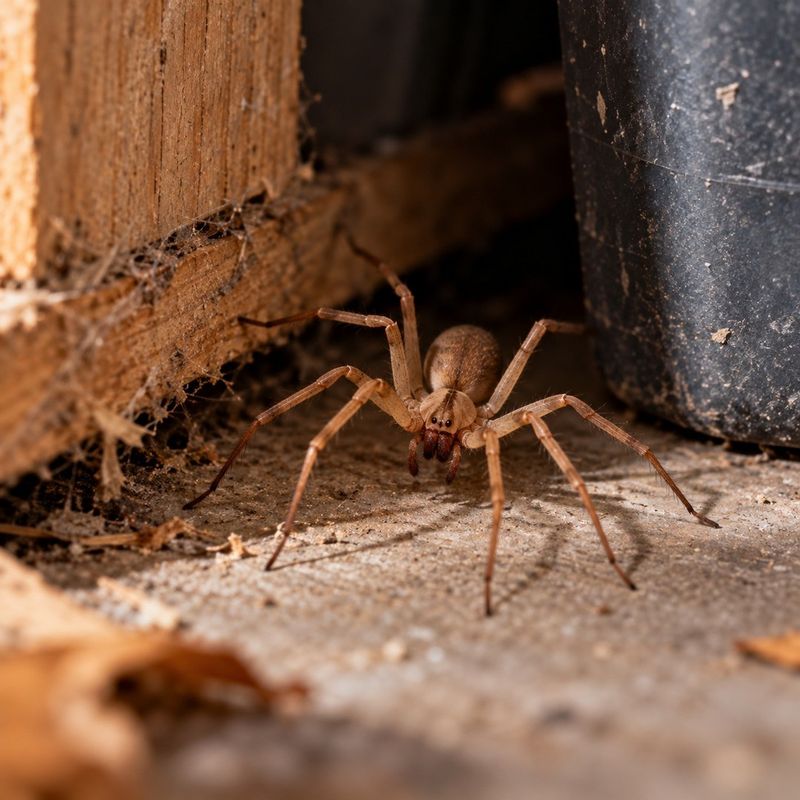
Some neighbors are polite enough to stay hidden, and the brown recluse is the champion of that. You might live alongside them for years and never see one, because they come out mostly at night.
A dark violin shape on the back is the key marking, along with six eyes instead of eight. Recluses tuck into cardboard boxes, closets, attics, garages, and piles of stored clothes.
Outdoors, they shelter under rocks, boards, and inside sheds.
Most bites happen when someone rolls onto one in bed or slips on a stored shirt. A bite can sometimes cause a slow-healing sore, so see a doctor if a wound looks worse after a day.
Plastic storage bins beat cardboard every time.
8. Southern Flannel Moth Caterpillar (Puss Caterpillar)
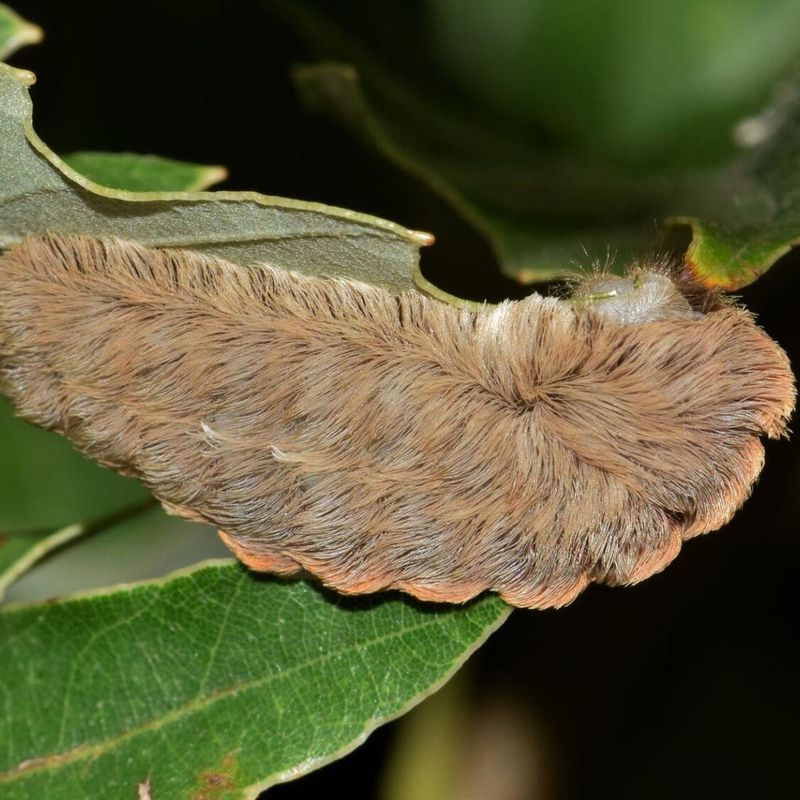
It looks like a fluffy toupee for a mouse. Kids want to pet it, and that is the problem.
The puss caterpillar hides venomous spines under its soft hair, and a single brush can cause burning pain that people compare to a broken bone.
These caterpillars feed on oaks, elms, citrus, and many shrubs common in Louisiana yards. Late summer and fall bring the most sightings, often on tree trunks, handrails, playground equipment, and patio furniture under trees.
If you get stung, press clear tape on the spot and peel it off to pull out spines, then wash and apply ice. Teach children to look but never touch fuzzy caterpillars.