
Coyote Howls Near Your Kentucky Home Offer Clues About Communication, Not a Precise Message
A burst of yips and howls outside your window at night can make your heart jump. It is natural to wonder what the animals are saying and whether you should worry.
Coyote calls do carry information for other coyotes, but they are not a message you can translate. Knowing what the sounds can suggest, and what they cannot, helps you stay calm and protect your pets.
Coyote calls offer clues, not a precise translation
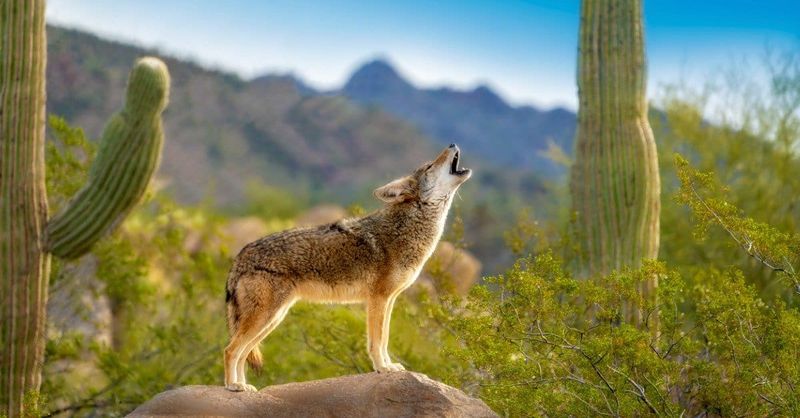
Picture two coyotes miles apart on a dark ridge, unable to see each other. Howls, yips, and barks carry across that distance, and that is a big part of their job.
They are tools for long-distance communication.
According to USDA wildlife damage management guidance, a howl can come from a coyote searching for others, and calling can also help mark out an occupied home range. In other words, a call can help coyotes locate one another or tell neighbors that an area is taken.
Researchers who studied how wild coyotes answer calls, in a peer-reviewed Wildlife Biology study, describe canid vocalizations as serving communication and territorial purposes. Several factors shape whether and how coyotes respond.
Here is the catch for the person lying awake in bed. One howl does not come with a dictionary.
The same kind of sound can fit more than one purpose, and from inside your house you cannot tell which one applies. Treat the sound as a hint that coyotes live in the area, not as a decoded message aimed at you or your yard.
That is still useful. It tells you that wildlife is moving through your neighborhood, which is a good reminder to check on pets and tidy up anything that might draw animals in.
A chorus cannot reliably tell you how many coyotes are nearby
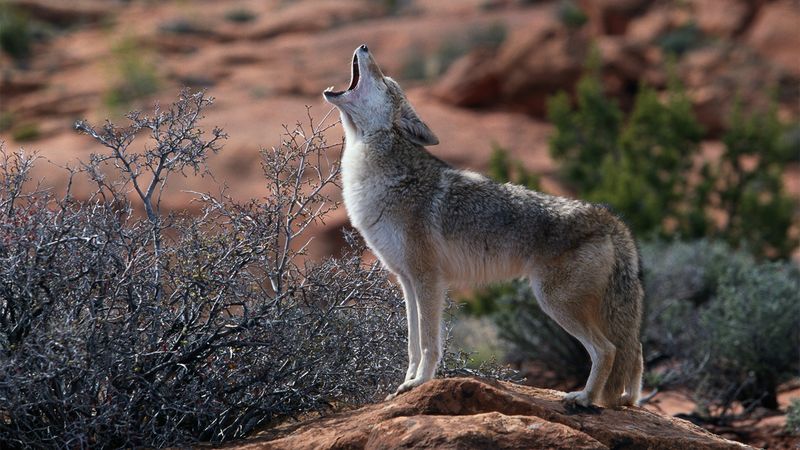
When yips and howls overlap, it can sound like a whole crowd has gathered just past the fence. Your ears may be fooling you.
Coyotes can make a small group sound much bigger than it is.
In a study in Human-Wildlife Interactions, 427 participants listened to recordings of one to four coyotes. On average, they overestimated the number they heard by nearly twofold.
That result comes from one study using recordings, so it does not describe every listener or every night, but it shows how easily the guess goes wrong.
Quick changes in pitch, rapid yipping, and echoes across open land all add to the impression of many voices. A single coyote can switch between sounds fast enough that it seems like several animals are answering each other.
So volume and complexity are poor tools for counting. A loud, tangled chorus does not prove a large group is outside your home.
If you want to know what is really out there, the sound will not settle it. Looking safely from a window, or noting what you see in daylight, tells you more than listening ever will.
Seasonal timing puts Kentucky coyote calls in context
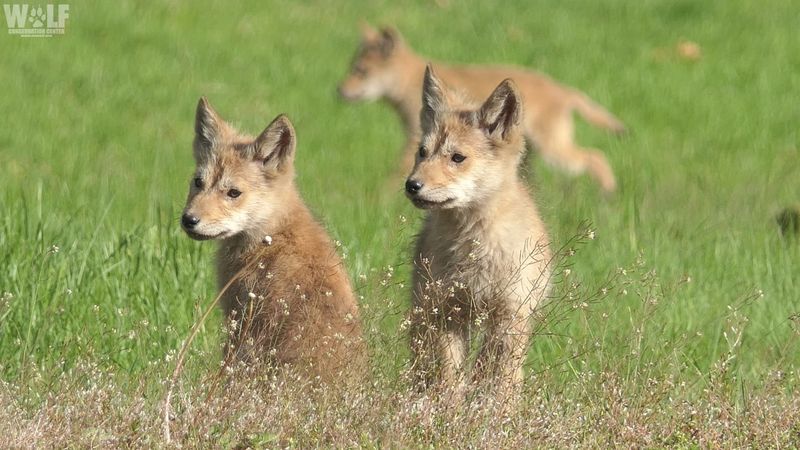
Coyote life in Kentucky follows a yearly rhythm, and knowing it gives the calls some context. Kentucky Fish and Wildlife explains in its winter mating season news release that family groups typically break up in late summer and early fall, when young coyotes disperse to find territories of their own.
Breeding generally lasts into March. During that stretch, coyotes can be more territorial and less tolerant of dogs, and people may notice more sightings.
Pups are then raised in spring and early summer.
Keeping these stages separate matters. If you hear howling in autumn, young animals on the move or adults keeping up territorial contact are plausible explanations.
Pup season is not the reason for November howls, since pups arrive in spring.
Even so, timing only sets the odds. A howl at 2 a.m. in October could come from a young coyote passing through, an adult announcing its range, or something else entirely.
The calendar makes some explanations more likely, but it cannot tell you what one individual coyote is doing at that moment.
Think of the season as the backdrop. It helps you expect more movement and more noise at certain times of year, and it is a good prompt to review your yard habits before the busy periods begin.
A howl alone cannot establish a den or imminent danger
Hearing a sound and finding evidence are two different things. USDA guidance, such as its coyote ecology and damage management publication, describes several possible functions for howling, and the context and exact call matter.
A listener cannot reliably infer a nearby den, a threat, or a prey kill from sound alone.
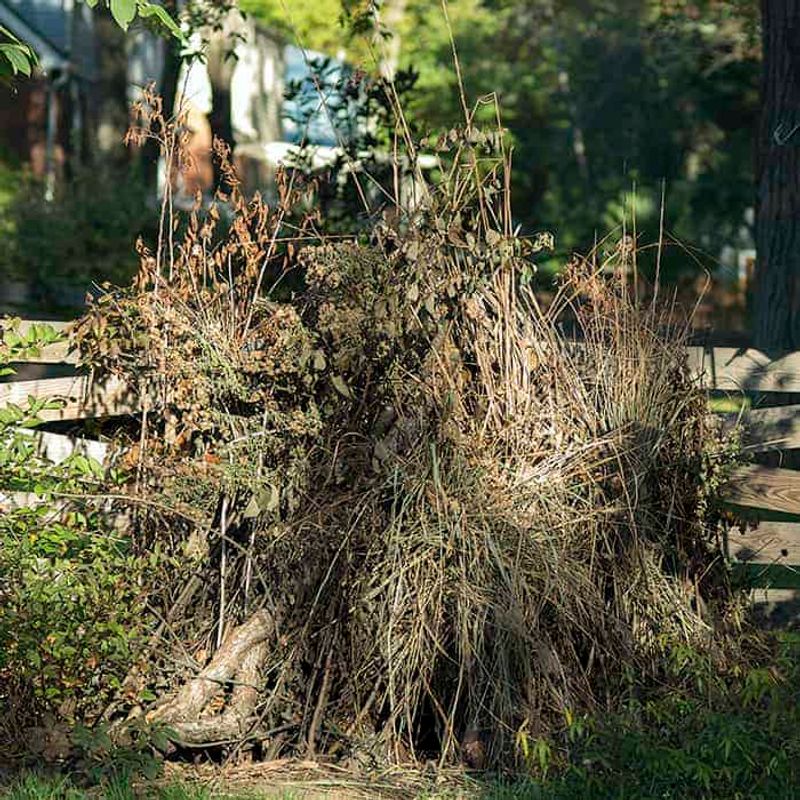
Dens can turn up in sheltered spots such as brush piles, hollow logs, burrows, and abandoned structures, as Kentucky wildlife officials note. Still, hearing howls does not mean one is on your property.
The same goes for danger. A howl alone cannot show a specific message, pups close by, or an imminent threat to people or pets.
Kentucky describes coyotes as generally shy and typically avoidant of people, which is why an ordinary call or sighting is not a reason for alarm.
That does not mean you should ignore sensible care. If you actually see signs of a den, such as an animal repeatedly going in and out of a burrow or brush pile, keep your distance and keep pets away from the spot.
Do not go closer to investigate.
Simple yard habits can reduce avoidable encounters
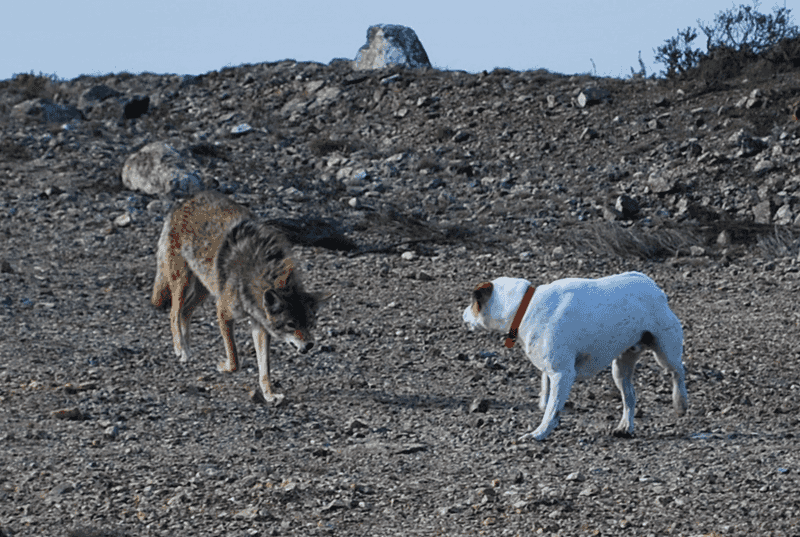
Most of what helps is ordinary housekeeping. Kentucky guidance, including the state’s coyote page, centers on supervising pets and removing reasons for coyotes to visit.
Start with pets. Stay outside with them, especially around dawn, dusk, and after dark.
Use a short, non-retractable leash for dogs, and never let a dog approach or chase a coyote. Cats are safest indoors, or at least closely supervised when outside.
Next, look at food. Secure garbage in sturdy containers, bring pet food indoors, and avoid feeding wildlife of any kind.
Food left out can teach animals that yards are worth visiting.
Bird feeders deserve a second look. Spilled seed can attract mice and other rodents, and rodents may in turn attract coyotes.
Cleaning up below feeders, or taking them down for a while, removes that link in the chain.
Kentucky officials add timing advice in their winter mating season release. Coyotes may be less tolerant of dogs during breeding season, so a leashed, supervised walk is the better choice then.
A quick evening routine can cover it all: lights on, pets in sight, bins closed, bowls inside. It takes a few minutes and works whether or not you ever hear a howl.
If a coyote approaches, respond safely and keep your distance
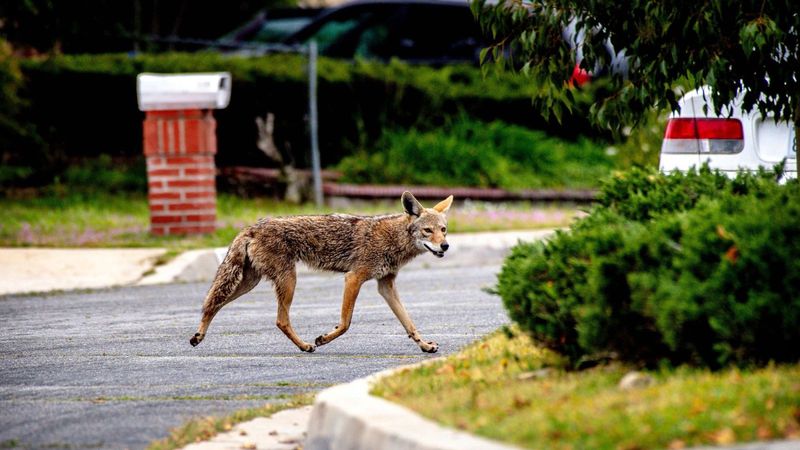
Seeing a coyote in the yard is usually brief, and most animals move on quickly. If one comes toward you, Kentucky Fish and Wildlife advises making noise, appearing larger, and continuing to deter it.
Shout, clap, wave your arms, and keep at it until it leaves, as described in the state’s coyote guidance.
There is one exception. Near a suspected den, back away rather than haze the animal.
Giving the area room is the safer move.
Do not approach wildlife for photos, and do not let pets approach either. Kentucky wildlife officials also warn against corner-and-chase situations, so keep dogs close and leashed.
If a person or pet is bitten, scratched, or exposed to saliva through a wound or mucous membrane, contact a doctor, your local public health department, a veterinarian, or animal control as appropriate. Kentucky’s rabies page also advises staying away from wildlife that acts suspiciously.
A howl or an ordinary sighting does not diagnose rabies and does not prove danger. Calls tell you coyotes are around, and a calm, prepared household handles that well.