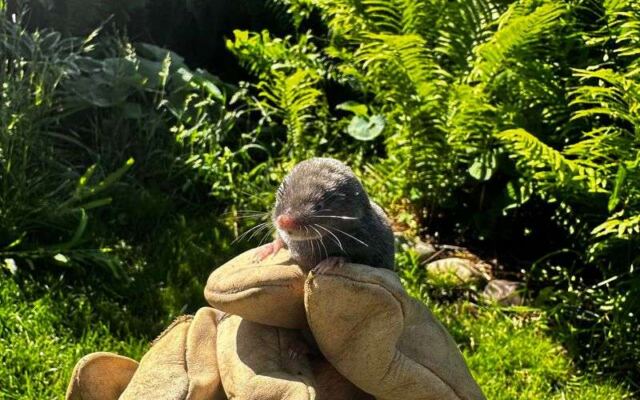
A mouse-sized animal in Pennsylvania has saliva that works like venom, and it stays busy through the cold months when most wildlife seems to vanish. It is the northern short-tailed shrew, and it can turn up in leaf litter, shallow soil, and even garden beds.
Most people never notice it, because it lives mostly out of sight. Here is what it does, how its bite works, and what to do if you ever meet one.
A small Pennsylvania shrew that can use gardens
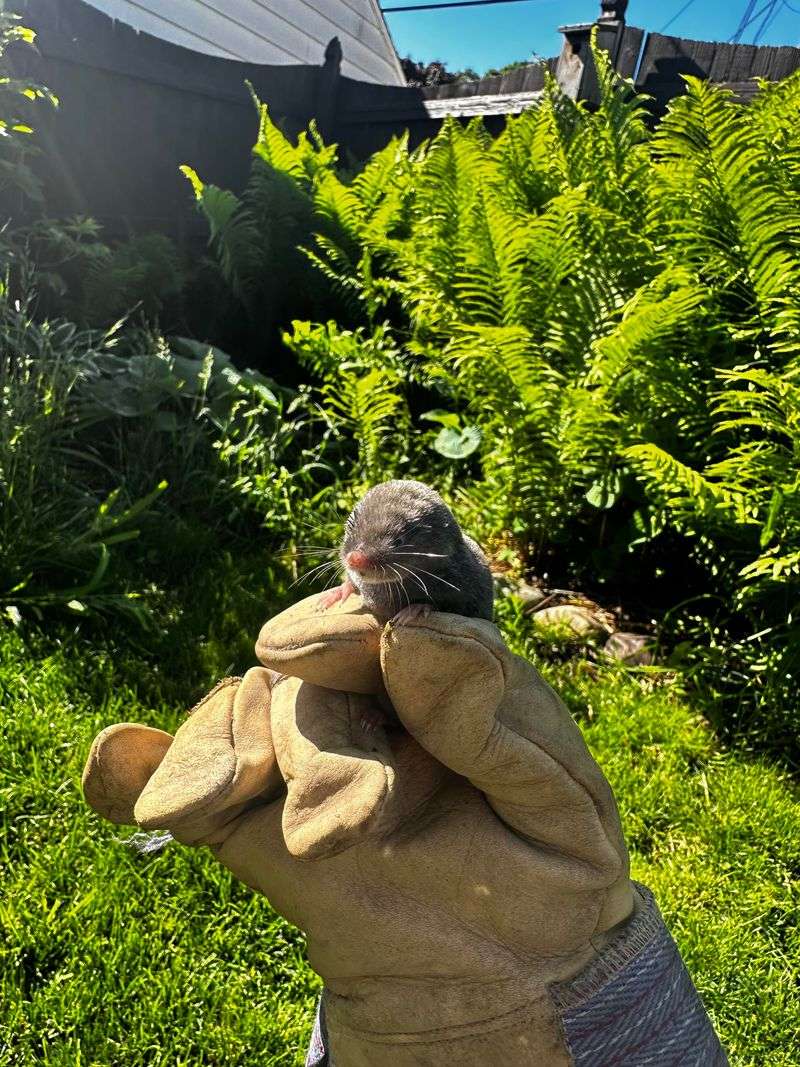
Picture an animal smaller than your hand, with velvety gray fur, tiny eyes, and a pointed nose that never stops twitching. That is the northern short-tailed shrew, Blarina brevicauda.
Adults measure roughly 4.1 to 5.2 inches from nose to tail tip, and the tail is short, as the name hints.
According to the Pennsylvania Game Commission, this is one of the most common shrews in its range, and it occurs statewide. From the Poconos to the Allegheny Plateau, it is part of the local wildlife community, even if few people ever see it.
Gardens are part of its possible habitat. University of Michigan’s Animal Diversity Web records the species in flower and vegetable gardens, along with forests, fields, and brushy edges.
Mulch, damp soil, and plenty of insects make a garden attractive to a small hunter.
Still, a statewide range and a suitable habitat only show that a shrew could be around. They do not mean one is living under your tomatoes or your hostas.
Many gardens will have none at all.
How it moves through leaf litter and soil
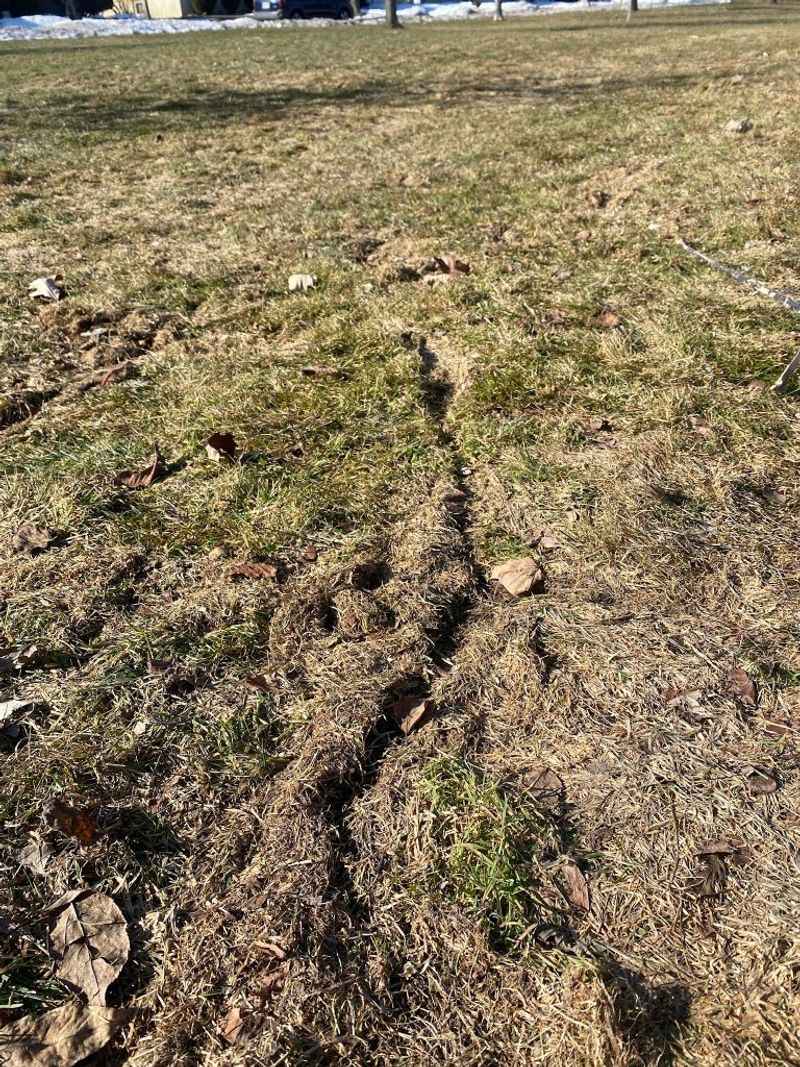
Down where fallen leaves meet the soil, there is a hidden world of little passageways. The short-tailed shrew works in this zone, using runways in leaf litter and tunnels in the top few inches of earth.
It hunts by poking its snout into every nook, always on the move.
It does not have to dig every route itself. The Pennsylvania Game Commission explains in its shrew wildlife note that these shrews use their own tunnels as well as those made by other small mammals, such as mice and voles.
Borrowing saves energy and gives the shrew a ready-made network.
Unlike many small mammals, it keeps no strict schedule. It is active both day and night, so a brief burst of foraging can happen at nearly any hour, usually hidden under cover.
That shared use of tunnels creates a puzzle for curious gardeners. A narrow trail, a small hole, or a patch of shuffled leaves might come from a shrew, but it could just as easily be a vole, a mouse, or a mole.
Surface signs cannot tell you which animal made them, and even specialists sometimes struggle to separate shrew species.
How it stays active in winter
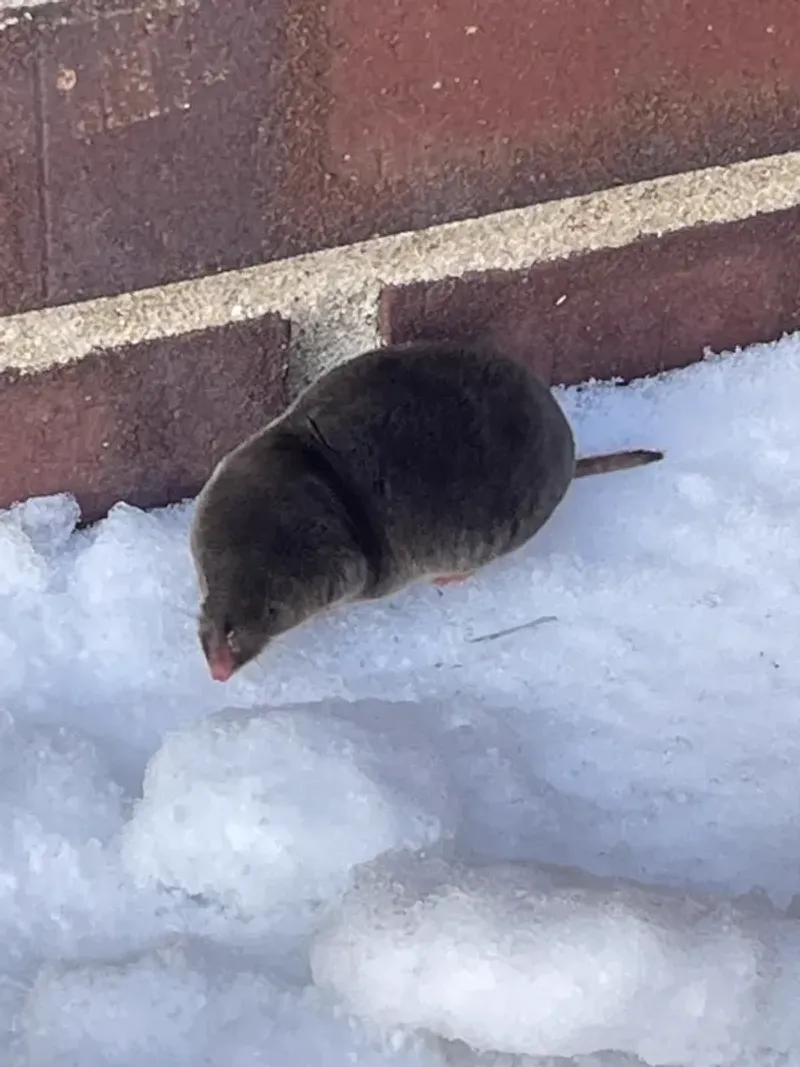
Cold weather sends many animals into hibernation, but not this one. The Pennsylvania Game Commission reports that the short-tailed shrew burrows through snow in winter.
So even when the ground looks frozen and quiet, a shrew may be moving around.
A broader look at winter life comes from a Journal of Mammalogy study of shrews in an Appalachian montane forest. It found they remained active through the cold season.
They used winter adaptations such as nests and food caches, and they foraged in a stable thermal environment, meaning a spot where temperatures stay steadier than the air above.
These are two separate pieces of the story. The agency’s observation is about snow burrowing, while the study explains how the animals survive and feed through winter.
Neither says a shrew spends the entire season tunneling beneath leaf litter.
A shrew burns energy quickly, so a nest and a pantry of stored food make sense. Think of it as a tiny, well-insulated hideout with snacks, tucked below the snow and leaves while you stay warm indoors.
What the shrew eats
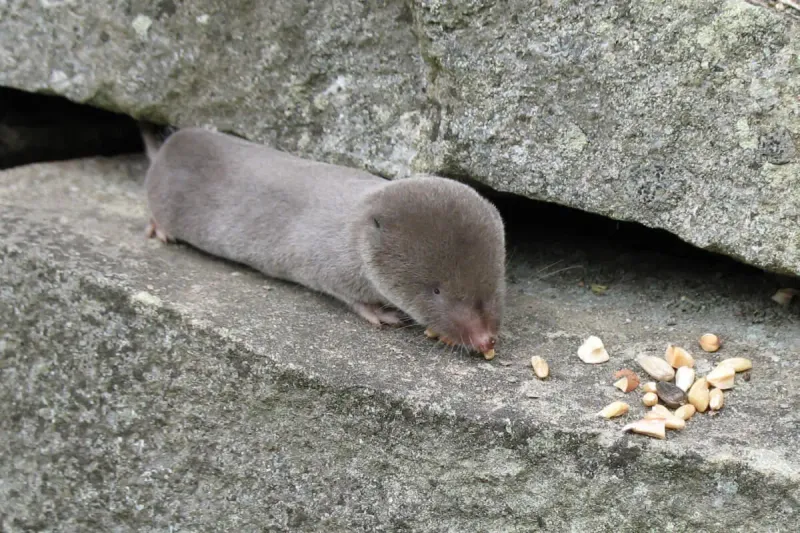
Few small animals eat as widely as this shrew. It eats insects and other invertebrates such as worms and snails, but it also takes small vertebrates and some plant material, according to the Pennsylvania Game Commission.
That means it is not simply an insect-eater.
For a gardener, the menu raises a fair question: is a shrew a pest? Its presence alone does not point to garden damage.
A shrew that hunts grubs and other soil dwellers is not necessarily chewing on your plants.
Hunting live prey, some of it nearly as large as the shrew itself, is a tall order for such a tiny mammal. That is where its saliva comes in.
Researchers have identified a toxin in the saliva, described in a study in PNAS, and it plays a role in subduing prey.
Think of the toxin as a hunting tool, not a weapon aimed at people. It helps the shrew quiet a struggling meal so it can eat before the prey gets away or fights back.
How its toxic saliva reaches prey
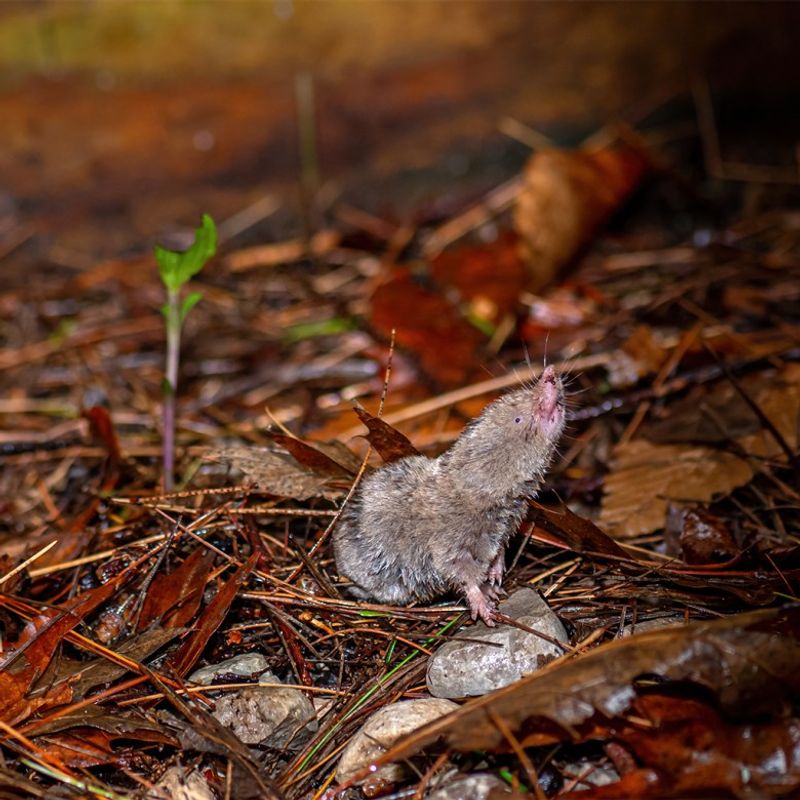
The key ingredient is called blarina toxin. Scientists isolated it from shrew saliva and described it in a PNAS paper as a kallikrein-like protein, a type of enzyme-like molecule.
In experiments, it was toxic to animals such as mice.
Getting it into prey is simpler than the word venom suggests. The Pennsylvania Game Commission says the toxin enters through cuts made by the shrew’s sharp teeth.
The shrew bites, its teeth break the skin, and the toxic saliva seeps in.
That is quite different from a snake. A rattlesnake has hollow fangs and a muscular system that injects venom deep into tissue.
The shrew has nothing like that, so toxic saliva delivered by a bite is a more accurate description than a venom-injecting animal.
It is also worth keeping the lab results in their place. Tests on mice show what the toxin can do to small animals and how it helps the shrew hunt.
They do not show what happens in a person, and they should not be read as evidence of a dangerous human bite.
Only the short-tailed shrew is described in Pennsylvania as having toxic saliva. Other shrews in the state should not be called venomous.
What a bite can mean for people
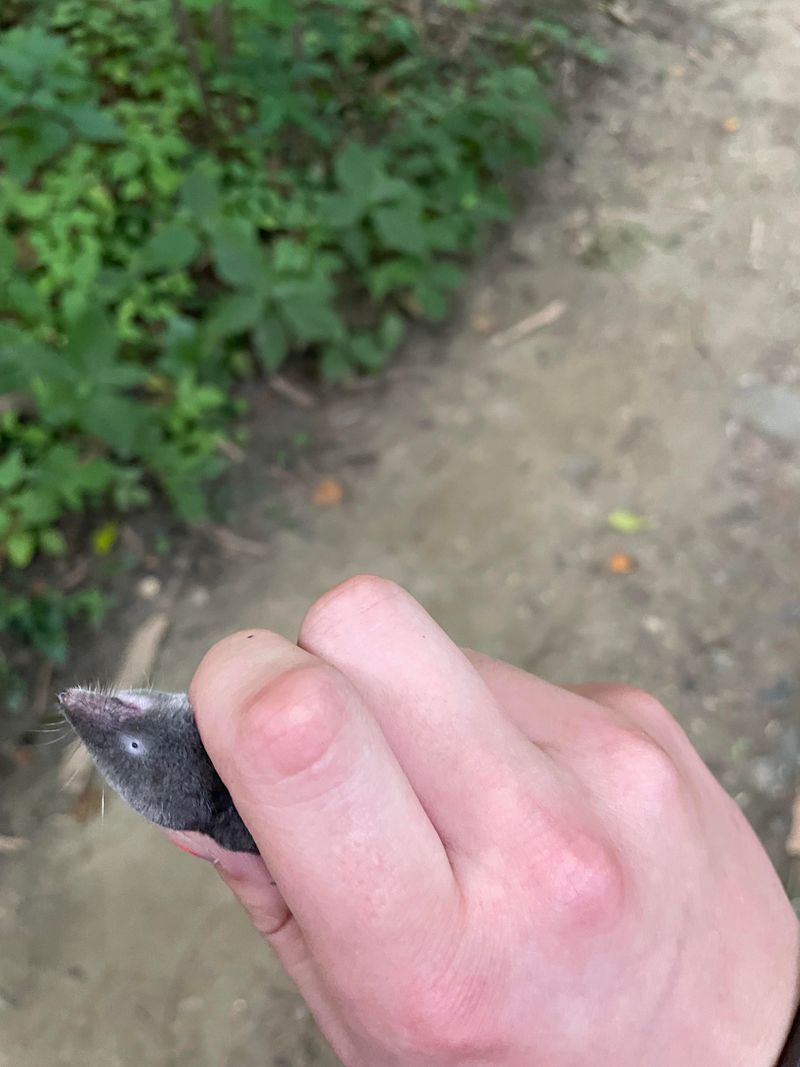
Human evidence is thin, and what exists is fairly modest. The Pennsylvania wildlife note says a bite can cause soreness and swelling.
A research paper discussed in the PNAS study recounts human reports of local burning and swelling.
In other words, the documented effects are local, around the bite itself. Nothing in this evidence shows that a shrew bite typically causes severe illness, and nothing supports the claim that it can kill a person.
Stories like that go well beyond the facts.
Why stay careful, then? A shrew bite is a wound from a wild animal, and wounds can hurt, swell, or get infected.
Skin that has been broken by sharp teeth deserves proper care, whatever the animal.
The lab findings about mice are another reason people sometimes jump to alarming conclusions. Mice are far smaller than humans, and a result in mice cannot be stretched into a claim about us.
The sensible takeaway is simple: a shrew bite is avoidable, usually minor in the reports we have, and not worth risking by handling the animal.
What to do if you encounter one
If you spot a shrew darting across the mulch, the best move is to let it go on its way. Keep your distance, and do not try to pick it up, trap it, or catch it for identification.
CDC guidance on wildlife advises staying away from wild animals, and a shrew bite is easy to avoid that way.
Wear sturdy gloves when you move leaf piles, boards, or stones, since small animals may hide there. Pets that corner a shrew may also get nipped, so watch for that.
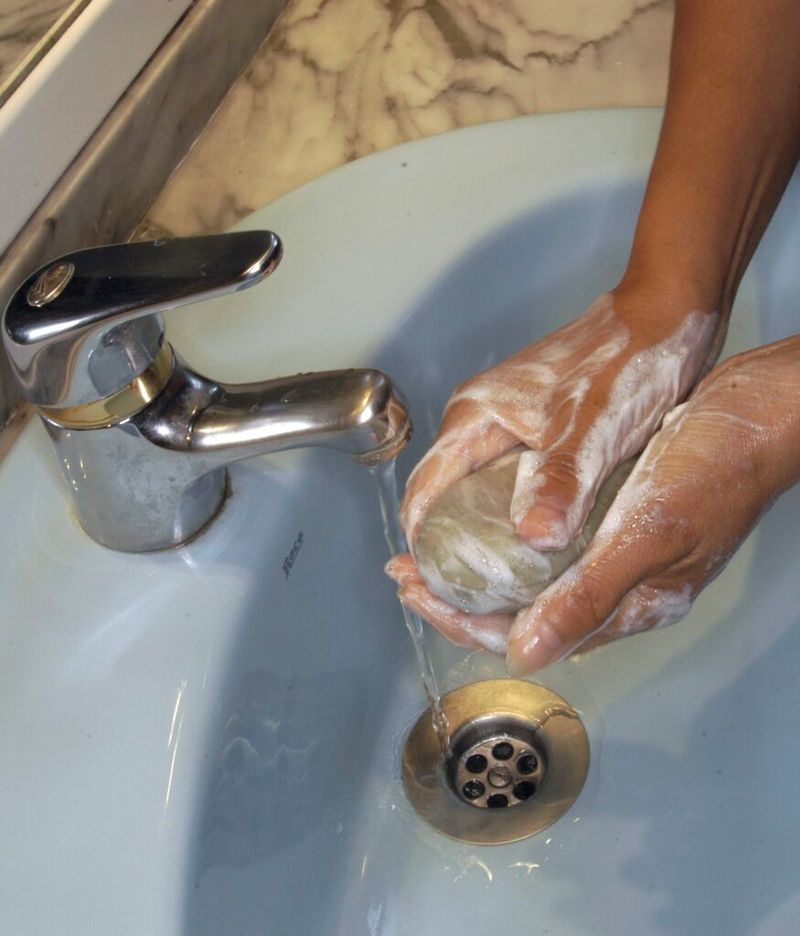
If a bite does happen, wash the wound promptly with soap and water. Then contact a healthcare professional for advice.
Do this especially if the bite is painful, swelling, or getting worse, or if the animal seemed sick or acted strangely. The same Pennsylvania wildlife note mentions soreness and swelling as possible effects.
Rabies is a separate question. According to CDC clinical guidance, a healthcare provider can weigh the circumstances and decide whether rabies advice is needed.
It is a risk-based call, not something to assume.
A hidden animal is not proof of danger
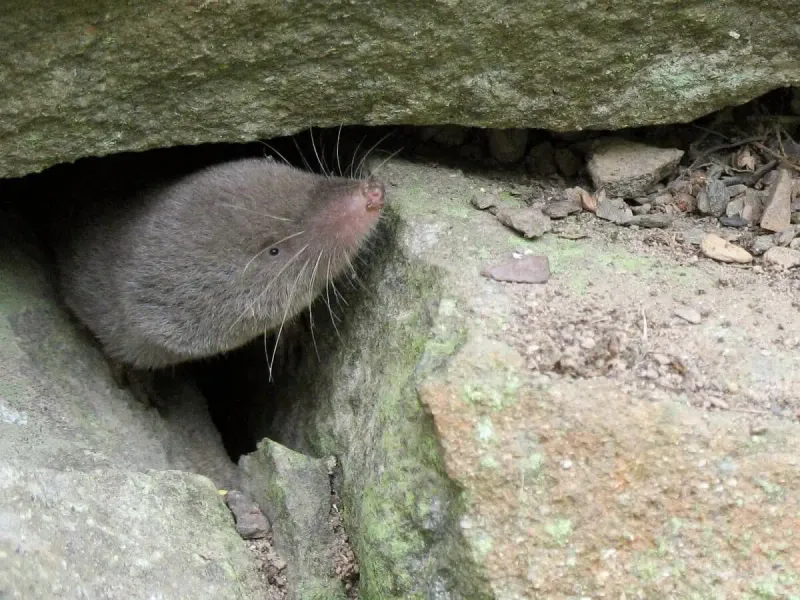
The northern short-tailed shrew can use Pennsylvania garden habitat, and the state wildlife agency says it keeps burrowing through snow in winter. Its toxic saliva is a good reason not to handle one.
Yet neither fact proves a shrew lives in your garden or that its bite is a serious hazard.
Following CDC advice to keep wildlife at arm’s length is respect, not fear. A small hunter under the leaves is simply doing its job.
Share this story