When snow covers the woods and acorns run out, Pennsylvania deer start looking at your yard like a free buffet. Some plants get nibbled a little, but others get stripped bare in just a night or two.
Knowing which ones deer go after first can save you money, heartbreak, and a lot of spring replanting. Here are the ten plants that tend to vanish first once winter settles in.
1. Arborvitae
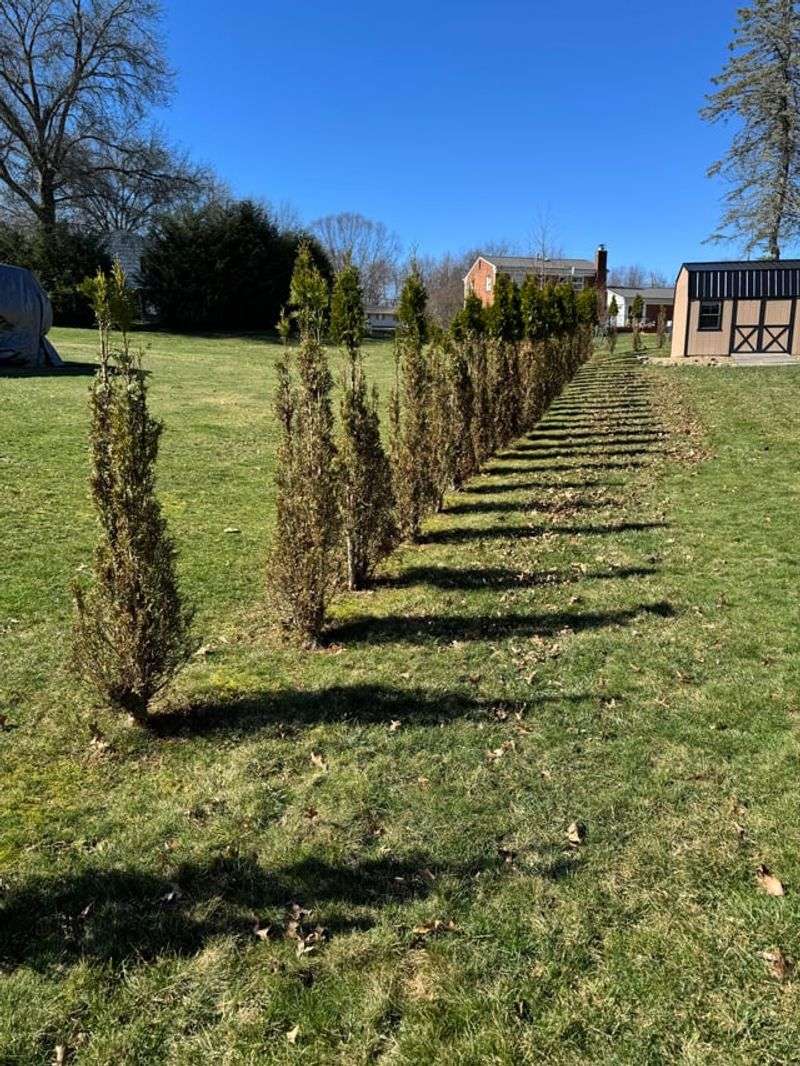
Picture a tidy green privacy screen in November, then the same row in February looking like someone shaved its bottom half. Pennsylvania homeowners see this all the time.
Deer love arborvitae so much that some foresters jokingly call it deer candy.
The soft, flat needles stay green and tender all winter, which is rare when most other food is brown and woody. Deer stand on their hind legs and eat as high as they can reach, leaving a clear browse line around five or six feet up.
Once stripped, those lower branches often never grow back.
If you already have arborvitae, wrap it in burlap or deer netting before the first heavy snow. Planting new?
Consider swapping in a more resistant evergreen like spruce or boxwood instead.
2. Yews
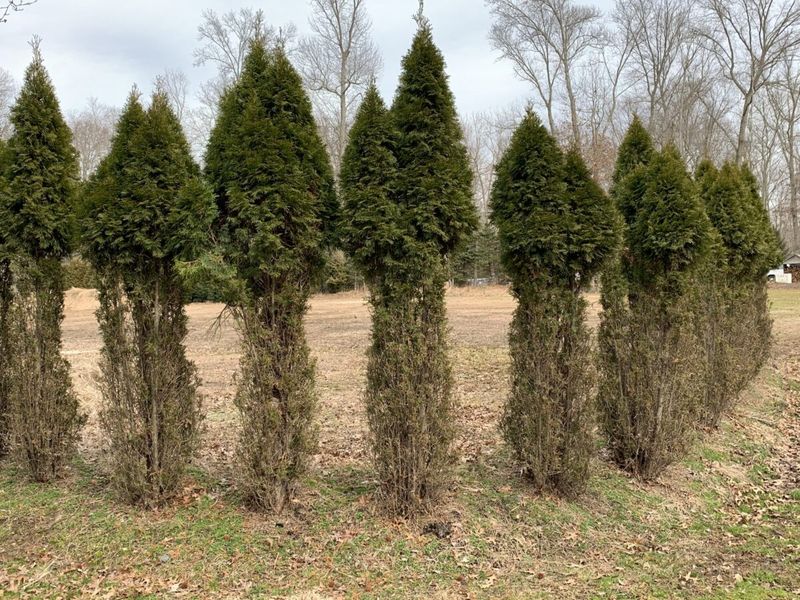
Here is a strange twist. Yews are toxic to horses, dogs, and people, yet white-tailed deer munch them without much trouble at all.
Across Pennsylvania suburbs, yews line countless front porches and foundations. That makes them an easy midnight snack for deer passing through.
A full, rounded shrub can turn into a skinny skeleton of bare stems by late winter.
Deer seem to handle yew better because of how their four-part stomach breaks down plant compounds. Still, it is not great for them in huge amounts.
Protecting yews with a light fence or a regular spray of repellent keeps both the shrub and the deer in better shape.
3. Rhododendrons and Azaleas
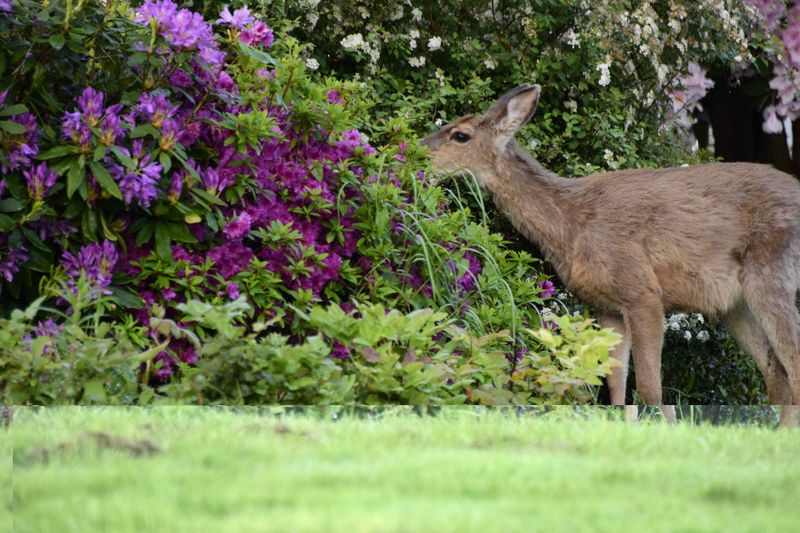
Funny thing about Pennsylvania’s love for rhododendrons. The wild ones grow all over the mountains, and deer know them well.
In winter, rhododendron leaves curl up tight when it gets cold, but deer still pull them off and chew the flower buds. Azaleas are even worse off, since their buds sit right at the branch tips where a deer can grab them easily.
That means fewer blooms come May.
You might not notice the damage until spring when your shrub flowers on only one side. A good trick is to look for ragged, torn tips instead of clean cuts.
Rabbits snip neatly, but deer have no top front teeth, so they rip.
4. Hostas
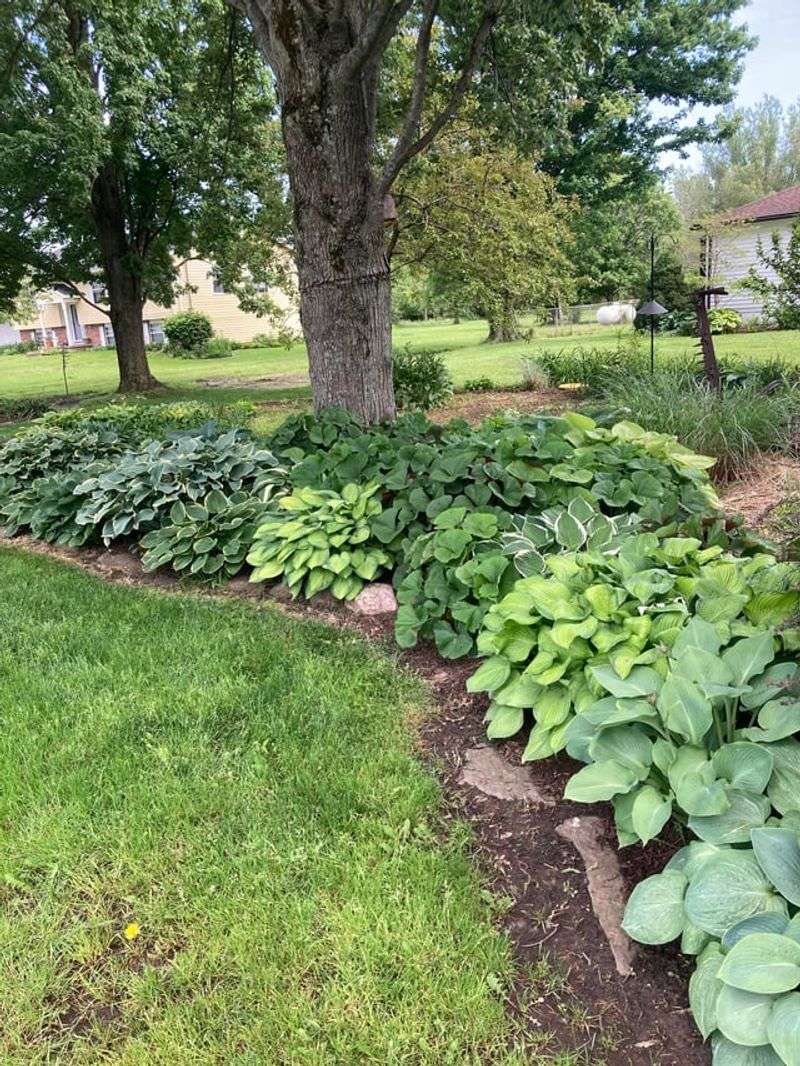
Gardeners sometimes call hostas the deer salad bar, and honestly, the nickname fits.
Now you may wonder why a summer plant makes a winter list. Hostas die back in the cold, but deer remember where they grew.
In mild Pennsylvania winters or the first warm thaw of late February, they dig at the crowns and snatch the earliest shoots as they poke up.
Those first tender spears are packed with moisture and nutrients that hungry deer badly want after months of eating twigs. Losing them early can stunt the plant for the whole season.
Covering beds with a floating row cover or wire cage during the thaw can make a big difference.
5. Eastern Hemlock
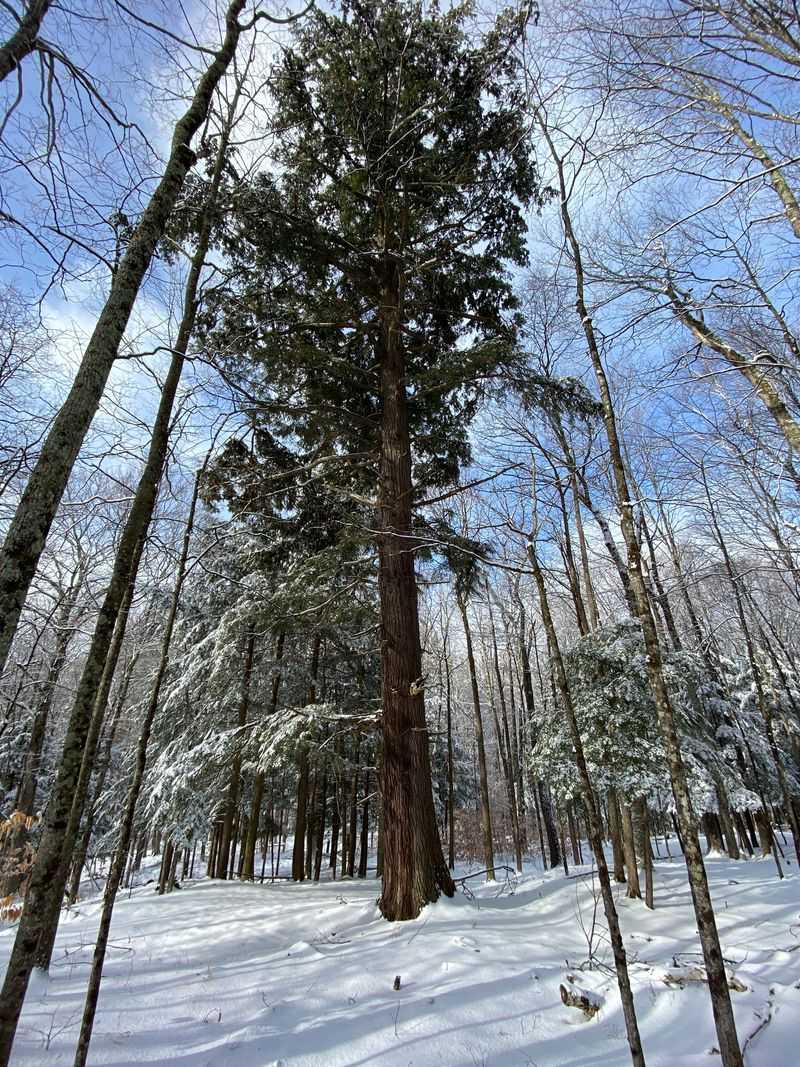
Pennsylvania’s official state tree is also one of its most snacked-on. Eastern hemlock has soft, short needles that deer eat straight off the branch.
In deep snow, deer gather in hemlock groves called deer yards because the thick canopy blocks wind and keeps snow shallower. While they shelter, they eat whatever hemlock they can reach.
Young trees in backyards near the woods often get hit hardest.
Small hemlocks under six feet tall are at real risk of being killed. A circle of wire fencing around each young tree is cheap insurance.
Mature hemlocks usually survive since most of their needles are out of reach.
6. Fruit Tree Saplings
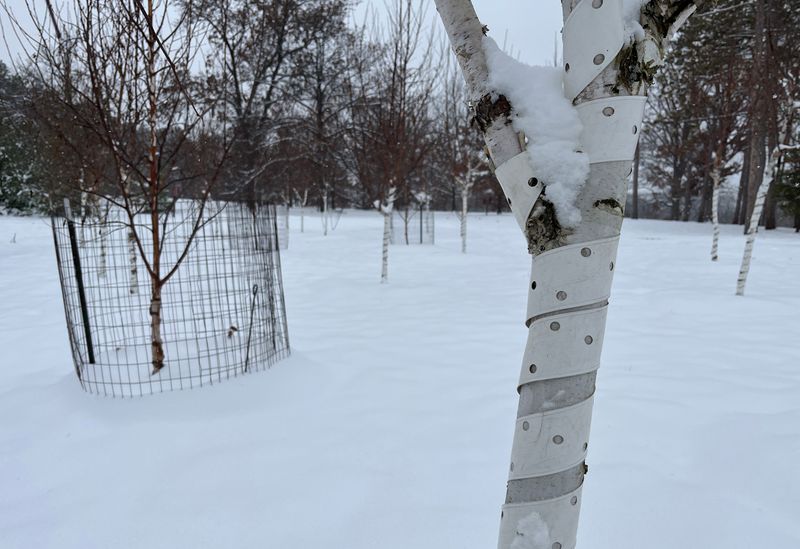
Ask anyone who planted a little apple tree in fall, and you might hear a sad story. One morning the twigs are just gone.
Apple, pear, cherry, and peach saplings have juicy buds that deer find irresistible. On top of eating the tips, bucks sometimes rub their antlers on the thin trunks, scraping off bark.
Lose too much bark all the way around, and the tree can die.
- Use tree guards or tubes on the trunk.
- Put a wire cage around young trees until they grow above deer height.
Fruit trees are an investment, so a little protection early on pays off for years.
7. Hydrangeas
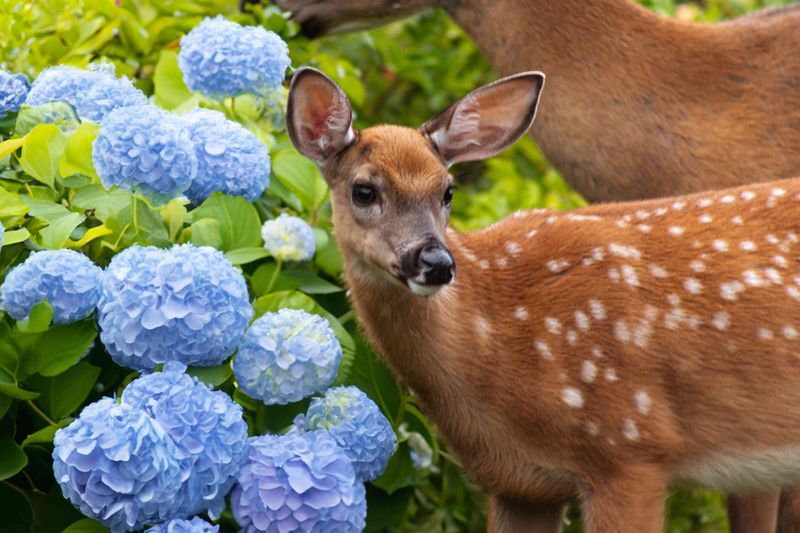
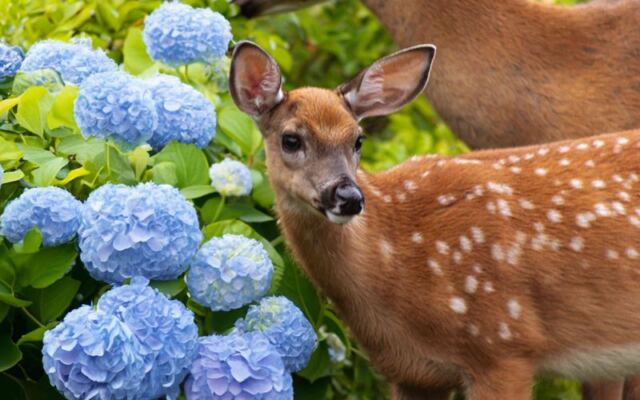
Blue mophead blooms are a summer favorite, but there’s a catch most people learn the hard way. Bigleaf hydrangeas form next year’s flower buds on old stems, and deer eat those stems in winter.
So a deer nibbling in January can quietly cancel your July flowers. The plant leafs out fine, yet no blooms show up, and many folks blame the weather.
Panicle and smooth hydrangeas bloom on new wood, so they recover better from winter browsing. If you love the bigleaf types, try a burlap wrap or a short fence around them.
Your summer self will thank you.
8. Burning Bush
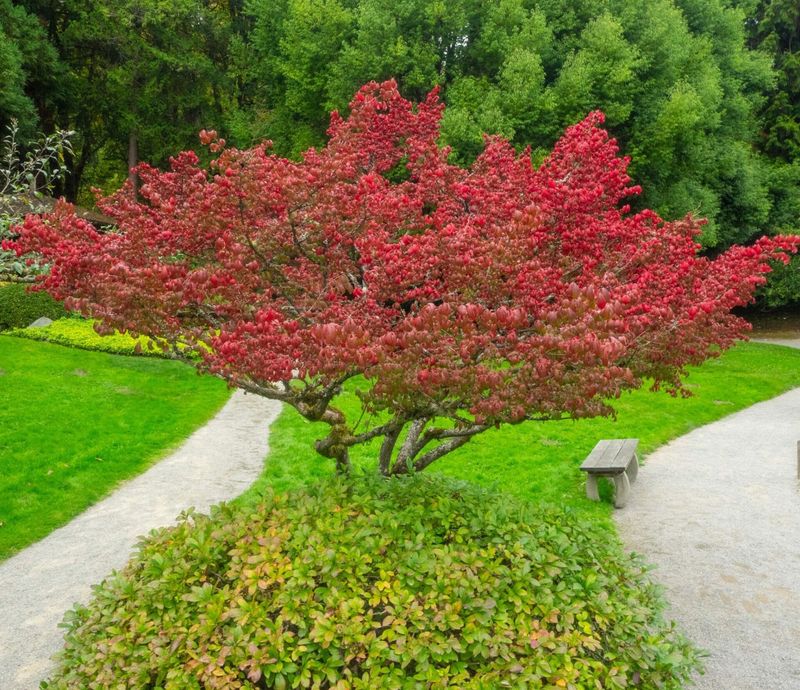
Bright red in October, plain twigs by winter. Burning bush looks pretty boring once the leaves drop, but deer still find it tasty.
The green twigs with corky ridges are soft enough to chew, and deer will trim a shrub like a hedge clipper. Fun fact: burning bush is actually listed as an invasive plant in Pennsylvania, and sales are being phased out.
That gives you a good excuse to replace it. Native shrubs like red chokeberry offer fall color too, and some handle deer pressure a bit better.
Either way, you will be helping local wildlife and woods.
9. Roses
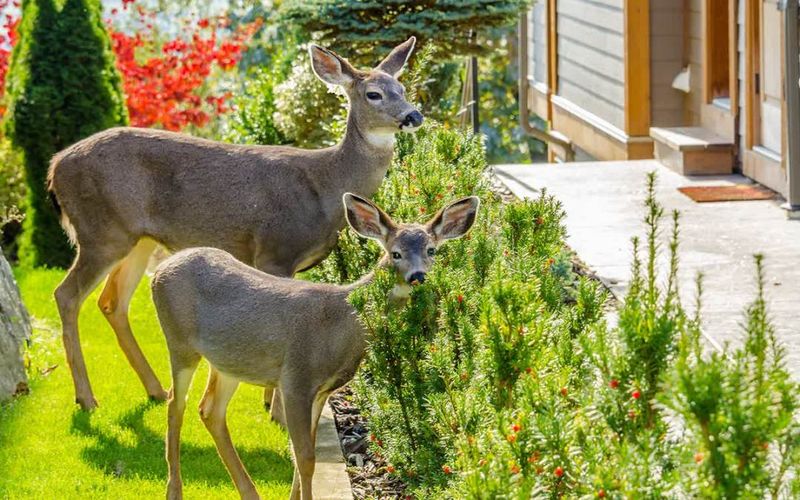
Thorns should stop a deer, right? Sadly, no. Deer eat rose canes, buds, and even rose hips without seeming to care about the prickles.
In winter, roses offer green canes and leftover hips full of vitamin C. Knock Out roses, a super common Pennsylvania landscape choice, get chewed down to stubs in some neighborhoods.
The good news is that roses bounce back well if the roots stay healthy. Still, constant browsing weakens them over time.
Netting or a scent-based repellent applied before snow arrives can keep your roses looking full.
10. Tulip and Crocus Shoots
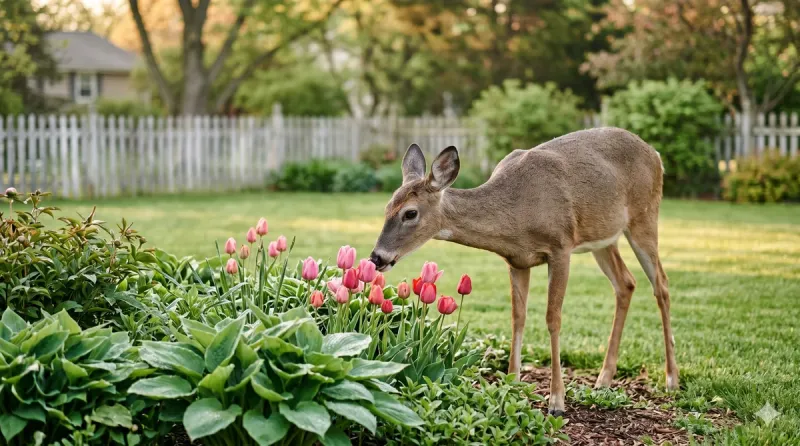
Late winter brings a little thrill when the first green tips break through the snow. Deer feel that thrill too, and they act on it fast.
Tulips are a top target, with deer biting off leaves and buds just as they rise. Crocus shoots also get grazed in a hungry year.
Daffodils, on the other hand, are poisonous, and deer leave them alone.
A smart plan is to mix daffodils around your tulips or tuck tulips closer to the house. Spraying repellent as soon as shoots appear helps too.
Reapply after rain, since many sprays wash off quickly.
With a few simple steps, you can keep more of your yard green and growing until spring finally arrives.
Share this story