Get the latest garden guides in your inbox →
Gardening Latest
  • General Gardening
  • Lawn Care
  • Plant Care
  • Composting
  • Soil Health
  • Backyard
  • Garden Muse Magazine
  • General Gardening
  • Lawn Care
  • Plant Care
  • Composting
  • Soil Health
  • Backyard
  • Garden Muse Magazine
  • News
  • Gardening Calendar
  • Garden Structures
  • Vegetable Garden
  • Vertical Garden
  • Raised Beds
  • Hydroponics
  • General Equipment
  • Community Gardens
Garden Themes
  • Spiritual Garden
  • Hydroseeding
  • Seeding and Laying Sod
  • Artificial Grass
  • Lawn Care Equipment
  • Plants
  • Trees
  • Planting Tools
  • Composting Basics
  • Fertilizer
  • Alternative Growing Mediums
  • Front Yard
  • Backyard Activities
  • Landscaping
Gardening Latest

Explore by state

Which state is your garden in?

All states

Northeast

  • Connecticut —
  • Delaware 8
  • Maine —
  • Maryland 3
  • Massachusetts 10
  • New Hampshire —
  • New Jersey 3
  • New York 4
  • Pennsylvania 4
  • Rhode Island —
  • Vermont —

Southeast

  • Alabama 3
  • Arkansas —
  • Florida 3
  • Georgia 3
  • Kentucky 9
  • Louisiana 2
  • Mississippi —
  • North Carolina 1
  • South Carolina 8
  • Tennessee —
  • Virginia 2
  • West Virginia —

Midwest

  • Illinois 2
  • Indiana 4
  • Iowa 8
  • Kansas —
  • Michigan 3
  • Minnesota 2
  • Missouri 2
  • Nebraska —
  • North Dakota —
  • Ohio 3
  • South Dakota —
  • Wisconsin 9

Southwest

  • Arizona 3
  • Colorado —
  • Nevada —
  • New Mexico —
  • Oklahoma —
  • Texas 2
  • Utah —

West

  • Alaska —
  • California 3
  • Hawaii —
  • Idaho —
  • Montana —
  • Oregon —
  • Washington —
  • Wyoming —

No state matches that search.

Site menu

Gardening Latest
  • General Gardening
    • News
    • Gardening Calendar
    • Garden Structures
    • Vegetable Garden
    • Vertical Garden
    • Raised Beds
    • Hydroponics
    • General Equipment
    • Community Gardens
    Garden Themes
    • Spiritual Garden
  • Lawn Care
    • Hydroseeding
    • Seeding and Laying Sod
    • Artificial Grass
    • Lawn Care Equipment
  • Plant Care
    • Plants
    • Trees
    • Planting Tools
  • Composting
    • Composting Basics
  • Soil Health
    • Fertilizer
    • Alternative Growing Mediums
  • Backyard
    • Front Yard
    • Backyard Activities
    • Landscaping
  • Garden Muse Magazine

Explore

  • About GardeningLatest.com
  • Contact Us

Get the latest from the garden

New guides on lawn care, plants and backyard projects, sent when they go up.

Subscribe →

Follow

  • Facebook
  • X
  • Pinterest
  • YouTube
Latest News

Are Teabags Compostable | The Answer is Complicated!

Are teabags compostable? The answer is currently probably no, particularly with bigger brands, but things are changing…

By Keith Hardy

April 10, 2023 · 5 min read

Are Teabags Compostable | The Answer is Complicated!

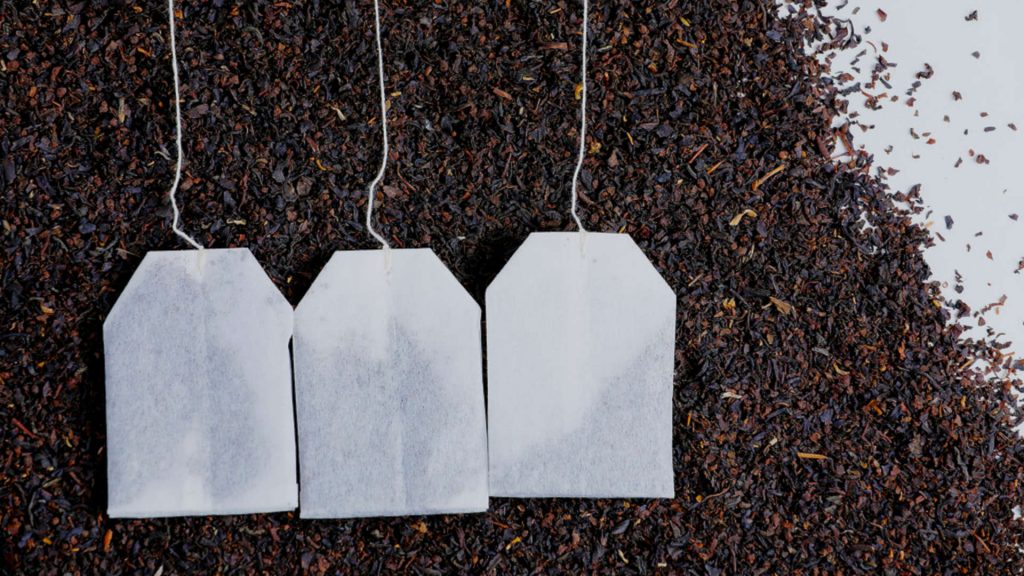
Are teabags compostable? The answer is currently probably no, particularly with bigger brands, but things are changing and there are some tea bags that are compostable. It all comes down to the brand and the composition of the bag. Unfortunately, the tea bags of many of the most common brands contain large amounts of polypropylene plastic; yes plastic! This means these are definitely not compostable.

Table of Contents
  • The plastic content of tea bags
  • How far away are we from having tea bags that are compostable?
    • What are the big brands doing to make their teabags compostable?
  • Which tea bags are compostable?
  • Other solutions | Composting the Tea
  • Summary | Are Teabags Compostable?
  • Notes

At a glance

Filed under
Latest News
Read
5 minutes
Published
April 10, 2023

The plastic content of tea bags

It has generally been a common assumption that teabags were made of compostable material and in truth many are and hopefully, within a few years, the majority will be too. But as things stand many are made from nylon and polypropylene plastic.

The reason for this is the compounds used to seal the tea bags. These have to be able to withstand boiling water so that the bag doesn’t break or dissolve into the drink. 

There are though, a number of issues with this both in terms of health and the environment. It has been the desire over the last decade or so to reduce the amount of plastic that we use that has driven the desire to find places where plastic is unexpectedly present. A group of Canadian researchers discovered plastic in tea bags and worked with the University of East Anglia[1] to discover how extensive the problem was in leading brands.

How far away are we from having tea bags that are compostable?

In terms of the big brands, they are working on transitioning to plant-based tea bags that are compostable, many though, are not there yet.

The problem has been the way that the bags have been sealed but some manufacturers have moved away from plastic and instead are sealing their tea bags with polylactic acid. This is a plant-based plastic that is home compostable, but at the moment though, this technology has been adopted by only a relatively few manufacturers.

Tea leaves that have been steeped in water are a fantastic organic material for your home composting pile.

Other options have been to make the bags from cotton, wood pulp, or abaca. All three of these materials are home compostable but might push the price of manufacture up.

What are the big brands doing to make their teabags compostable?

What are the big brands doing to make their teabags compostable?

In 2007, UK teabag manufacturer Tetley, working with the University of Leeds, produced a biodegradable teabag made from corn starch. The teabags were said to be strong enough to hold a cup of tea and to degrade within 12 weeks if put in food waste composting bins.

Yorkshire Tea, another prominent brand announced toward the end of 2021 that all their teabags would now plant-based tea bags. However, they still contain some elements that prevent home composting but they can be commercially composted, a step in the right direction.[2]

One big UK manufacturer, PG Tips,  has committed to making a home compostable teabag utilizing a fully plant-based bag [3]

However, the biodegradable teabags have not hit grocery stores yet. While some developments mean the bags may cause less of a problem than regular tea bags, they are still made from plastic, and teabags are not composted by the normal composting process. Some local governments will collect teabags for recycling. But generally, they are too small to be processed by conventional recycling machinery, so have to be thrown away.

Which tea bags are compostable?

It is difficult to know which teabags are home compostable and which are not. Below we have put together a useful chart showing the brands in the US and the UK that are home compostable.

The chart is not comprehensive and if a brand is not on the list check their packaging or website.  

BrandTypeHome Compostable
US Brands
Numi TeaString & TagYes
Celestial SeasoningPillow StyleYes
BigelowString & TagYes
Republic of TeaPillow StyleYes
Red DiamondString & TagYes
Yogi TeaString & TagYes
UK Brands
PG TipsPyramidYes
ClipperPillow StyleYes
Harney & SonsPillow StyleYes
TeapigsPyramidYes
LiptonString & TagYes
Hampstead TeaString & TagYes
Waitrose TeaPillow StyleYes
TwiningsString & TagYes

Other solutions | Composting the Tea

Although the bags themselves might not be compostable the tea inside certainly is. 

Why Tea Leaves Are Good for Composting

Tea leaves that have been steeped in water are a fantastic organic material for your home composting pile. This is because tea leaves contain elevated levels of nutrients such as nitrogen, potassium and phosphorus which can help with your carbon to nitrogen ratio (C/N) especially if you have a lot of carbon-rich brown materials to offset.  

In addition, the tea leaves can aid in keeping moisture in the composting pile which is necessary for decomposition to take place efficiently. Tea leaves steeped in water may also aid to increase oxygen levels in the water, making it a more welcoming habitat for earthworms.

Therefore, even if your teabags are not compatible you can still empty out the tea from the bags and add the steeped leaves to your composting pile.

Summary | Are Teabags Compostable?

As we have seen the compostability of teabags is a complex situation. Eventually, we are probably going to get to a point where most teabags are compostable but currently we a long way short of that point yet.

The chart above gives you a good idea as to which teabags can be composted at home. If you are unsure check the outer packaging, it is likely that they will tell if they are.

Don’t get confused between Home Compostable or Compostable as they are very different things. Confusingly, compostable on the packaging means that it is commercially compostable, like the teabags from Yorkshire Tea.

So, unless the outer packaging says otherwise or, you have information to the contrary,  it is best to throw them away or empty the leaves to compost those separately. 

Notes

[1] University of East Anglia: Investigating the common tea bag

[2] Yorkshire Tea: An update on plant-based tea bags

[3] PG Tips: Biodegradable Tea Bags

Tagged
  • what you can compost

Share this story

Written by

Keith Hardy

More from Keith Hardy →

Keith has been involved in the gardening and landscaping industry fro the past 21 years. From a jobbing gardener to running his own landscaping services. He is now dedicated to bringing you the latest in gardening news.

About Gardening Latest

Gardening Latest provides in-depth guides to maintaining and enhancing your garden and backyard. Learn how to make the most of the space you have and create a beautiful garden.

More about us →

Latest stories

  • Wisconsin GardeningThese 7 Harmless Wisconsin Critters Look Venomous Enough to Make People Run

    These 7 Harmless Wisconsin Critters Look Venomous Enough to Make People Run

    4 min ago
  • Iowa GardeningWhat Those Coyote Howls Near Your Iowa Home at Night Really Tell You, and What They Don’t

    What Those Coyote Howls Near Your Iowa Home at Night Really Tell You, and What They Don’t

    5 min ago
  • Massachusetts GardeningMassachusetts Has Venomous Spiders That Sneak Indoors as Nights Get Cold, and Here’s How to Spot Them

    Massachusetts Has Venomous Spiders That Sneak Indoors as Nights Get Cold, and Here’s How to Spot Them

    1 hr ago
  • Delaware GardeningDelaware’s Northern Short-Tailed Shrew Has a Venomous Bite, and Fallen Leaves Can Make Good Habitat

    Delaware’s Northern Short-Tailed Shrew Has a Venomous Bite, and Fallen Leaves Can Make Good Habitat

    1 hr ago
  • Kentucky GardeningWhy You Hear Coyotes Howling After Dark in Kentucky

    Why You Hear Coyotes Howling After Dark in Kentucky

    1 hr ago

Gardening by state

Stories for your state, and the hardiness zone most of it gardens in.

Keep exploring

Read next

All Latest News →
General GardeningWinter is Coming But Your Garden Still Needs You – November Gardening Tasks
General Gardening

Winter is Coming But Your Garden Still Needs You – November Gardening Tasks

Jul 28
CompostingWorm Castings vs Compost the Key Differences
Composting

Worm Castings vs Compost the Key Differences

Sep 14
CompostingCompost vs Fertilizer – What Are the Differences
Composting

Compost vs Fertilizer – What Are the Differences

Sep 14

More from Latest News

  • Should You Rake Dead Grass From Your Lawn?

    Oct 31, 2023
  • How to Clean Artificial Turf: Frequency Matters

    Jun 28, 2024
Back to top
Gardening Latest

In-depth guides to maintaining and enhancing your garden and backyard: how to make the most of the space you have, and how to make it beautiful.

  • Facebook
  • X
  • Pinterest
  • YouTube

We may earn a portion of sales from products or services that are purchased through our site as part of our affiliate partnerships with retailers.

Explore

  • About GardeningLatest.com
  • Contact Us
  • Terms and Conditions
  • Privacy
  • Editorial Note:
  • FTC Disclosure

Newsletter

New garden guides and seasonal tips, straight to your inbox.

We’ll email you a link to confirm. Unsubscribe any time.

Almost there! Check your inbox and tap the link to confirm.

© 2026 Gardening Latest. All rights reserved.

Back to top

Last Updated on April 10, 2023