
Feast Under the Stars: Designing Outdoor Dining Spaces You’ll Actually Use
The charcoal crackles to life. Ice clinks in a pitcher of lemonade. As the sun dips below the fence line, the backyard does not just become a view. It becomes a destination. This is the moment every homeowner chases. It is the perfect evening where the kitchen extends past the sliding door and the dining room has no ceiling. But too often, that vision stalls at the threshold. The chairs are uncomfortable. The bugs are relentless. The space feels too exposed. Transforming a patch of grass or a concrete slab into functional Outdoor Dining Spaces requires more than just dragging a table outside. It demands planning, design, and a little bit of magic.
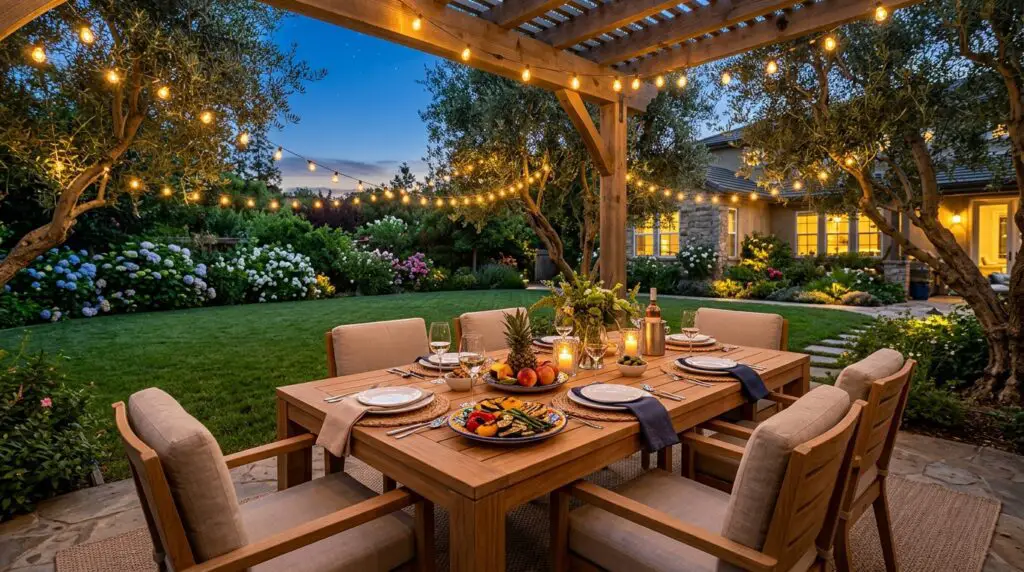
We often treat the outdoors as an afterthought. We buy a cheap table set during a spring sale and hope for the best. Yet, the potential for connection and relaxation outside is immense. When done correctly, an outdoor dining area becomes the heart of the home during the warmer months. It is where birthdays are celebrated, where quiet morning coffees happen, and where long dinners stretch late into the night.
Below, will walk you through creating a space that works as hard as you do. We will cover everything from zoning your layout to selecting the perfect lighting. You will learn how to build a space that feels like a true extension of your interior design. Let us turn your yard into a place where memories are made under the open sky.
Assessing Your Canvas: Space and Structure
Before you buy a single cushion or light bulb, you must understand the ground you are working with. Many people make the mistake of filling every available inch with furniture. This creates a cluttered environment that feels cramped rather than inviting. The key is to treat the outdoors with the same respect you would give your interior living room.
Defining Your Footprint with Outdoor Room Design
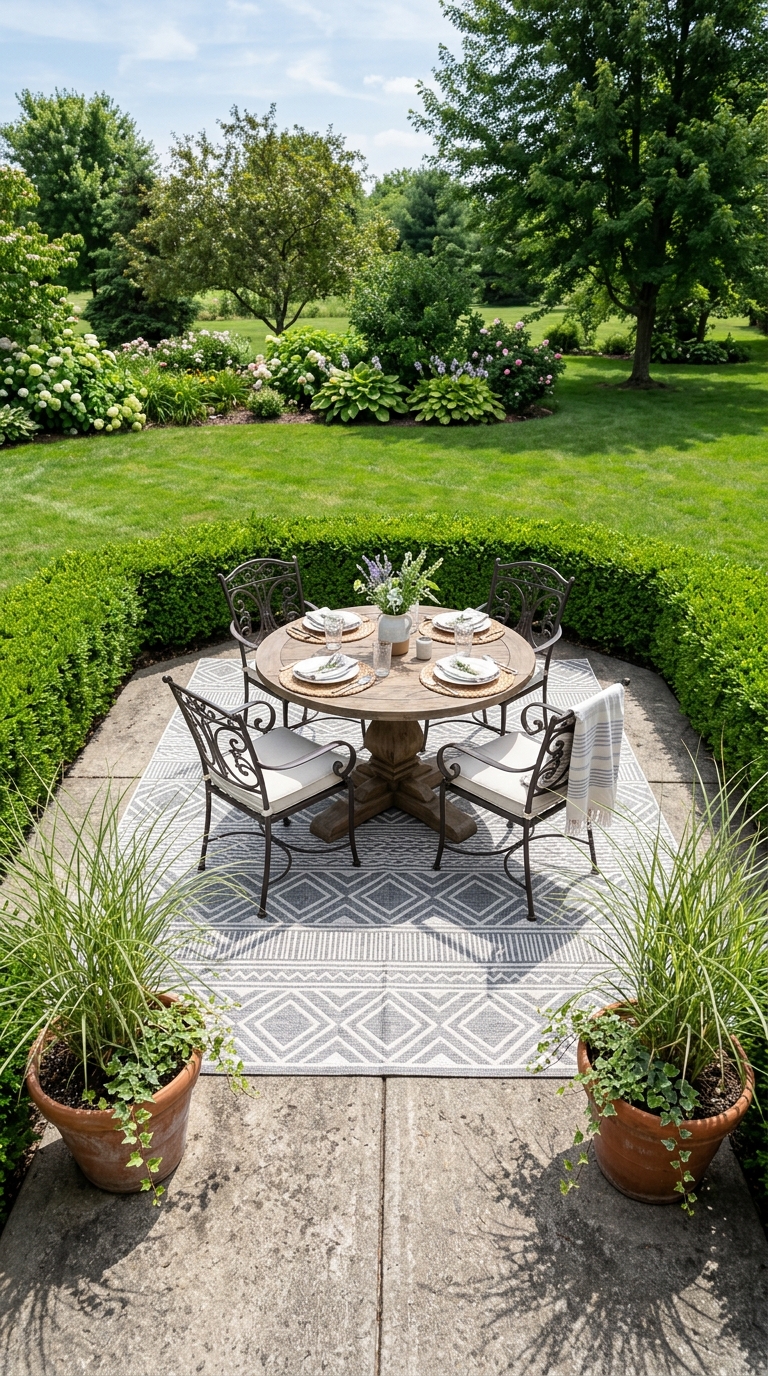
Think of your yard as a series of rooms. You might have a cooking zone near the grill. You might have a lounging zone near the fire pit. The dining zone should sit comfortably between these areas without blocking traffic flow. Using Outdoor Room Design principles helps you visualize this separation. You do not need walls to define a space. You can use changes in flooring to signal a shift in function.
Consider laying down an outdoor rug to anchor the table and chairs. This simple trick tells guests where the dining area begins. If you have a concrete patio, you might use wooden decking tiles to create a distinct platform for eating. Pavers arranged in a different pattern can also serve this purpose. Overhead elements help too. A change in ceiling height, such as moving from an open sky to a pergola structure, psychologically defines the room. By zoning your area, you create a sense of order. This makes the space feel larger and more purposeful. It allows guests to know where to go and what to do without needing directions.
Maximizing Every Inch with Small Patio Dining Ideas
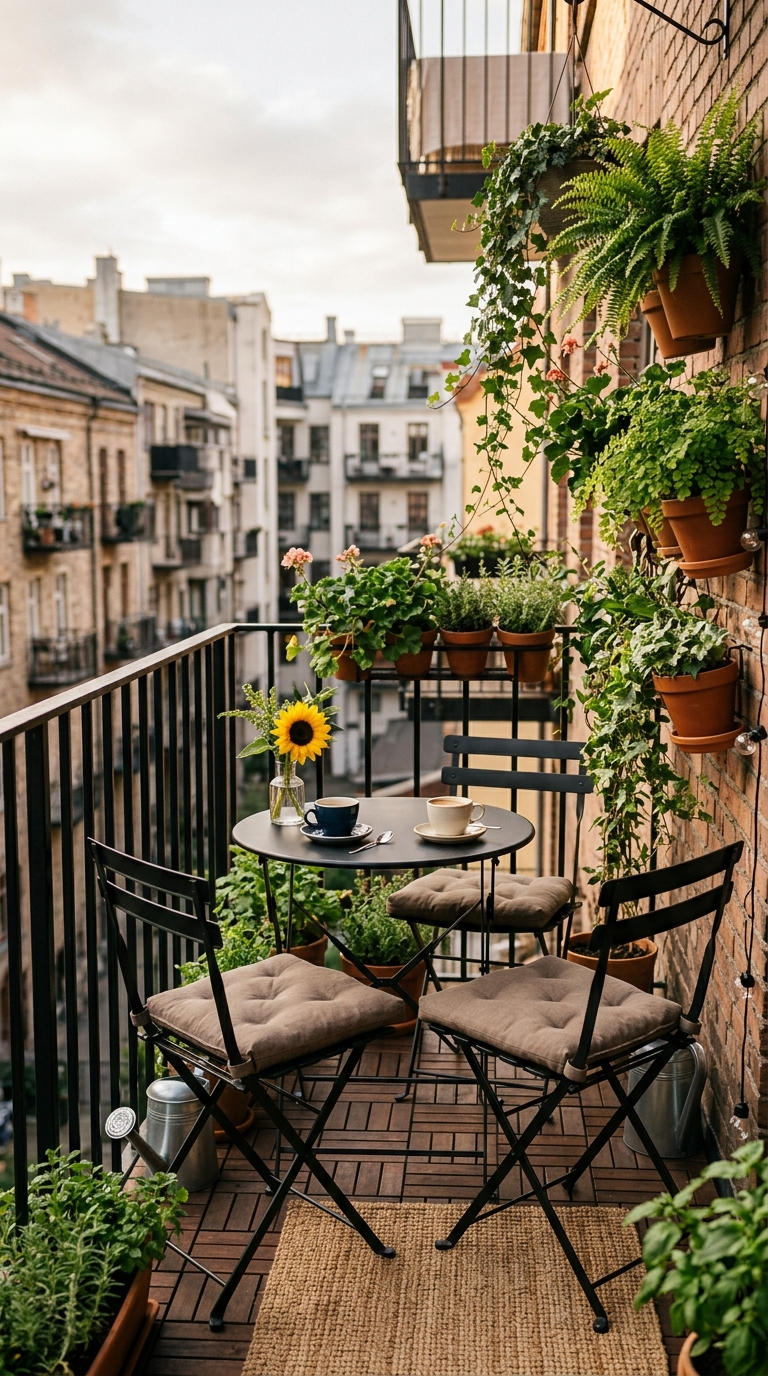
Not everyone has a sprawling estate. Many of us are working with compact balconies, narrow side yards, or modest decks. Do not let limited square footage stop you from dining al fresco. Small Patio Dining Ideas focus on versatility and scale. The goal is to maximize utility without sacrificing comfort.
Start by looking at vertical space. If floor space is tight, move your storage upward. Use wall-mounted planters or shelving for herbs and condiments. This keeps the table clear for food and guests. When selecting furniture, look for pieces that can fold away. A drop-leaf table attached to a railing can serve as a breakfast nook for two. When not in use, it folds flat against the wall. Bench seating is another excellent strategy. Benches can tuck completely under the table when not in use, freeing up walking space. They also seat more people than individual chairs.
Consider the shape of your table. Round tables are often better for small spaces because they eliminate sharp corners that can bruise hips in tight walkways. They also encourage conversation since everyone faces inward. If you have a long narrow balcony, a rectangular table against the railing works best. This leaves the walkway open. Remember that transparency helps. Glass tabletops or chairs with open frames allow light to pass through, making the area feel less crowded. With the right layout, even a tiny corner can become a cozy cafe spot.
Weatherproofing Your Feast
The biggest enemy of outdoor dining is the weather. Too much sun makes the experience unbearable. A sudden shower can ruin a meal. To make your space usable throughout the season, you need to plan for protection. This does not mean building a permanent enclosure. It means creating options that allow you to adapt to the elements.
Creating Covered Outdoor Dining Areas
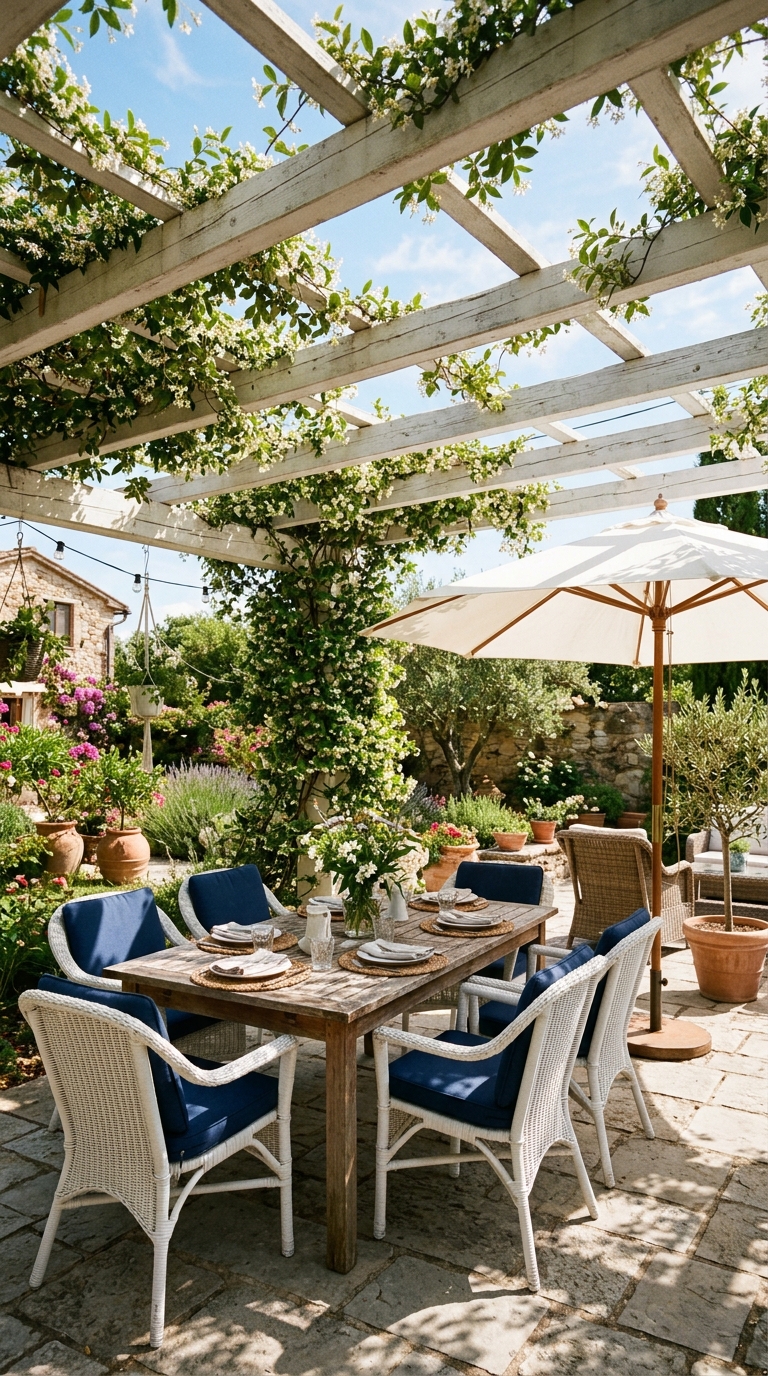
Shade is a necessity, not a luxury. Covered Outdoor Dining Areas allow you to host during the heat of the day and protect you from light rain. There are several structures to consider, each with its own benefits. Pergolas are popular because they offer partial shade while still letting you see the sky. You can grow vines over them for natural cooling. Gazebos provide full shelter from sun and rain. They feel more like a separate room and offer the most protection.
Cantilever umbrellas are a flexible choice. Unlike standard market umbrellas, the pole is off to the side. This means it does not obstruct the view or get in the way of guests sitting down. You can rotate the canopy to follow the sun as it moves across the sky. Retractable awnings attached to the house are another strong option. They provide wide coverage and can be rolled away when you want full sun. When choosing your cover, think about ventilation. A solid roof might trap heat. Slatted structures or fabric canopies allow air to circulate. This keeps the dining area cool even when the sun is high.
Building It Yourself: A DIY Outdoor Dining Setup
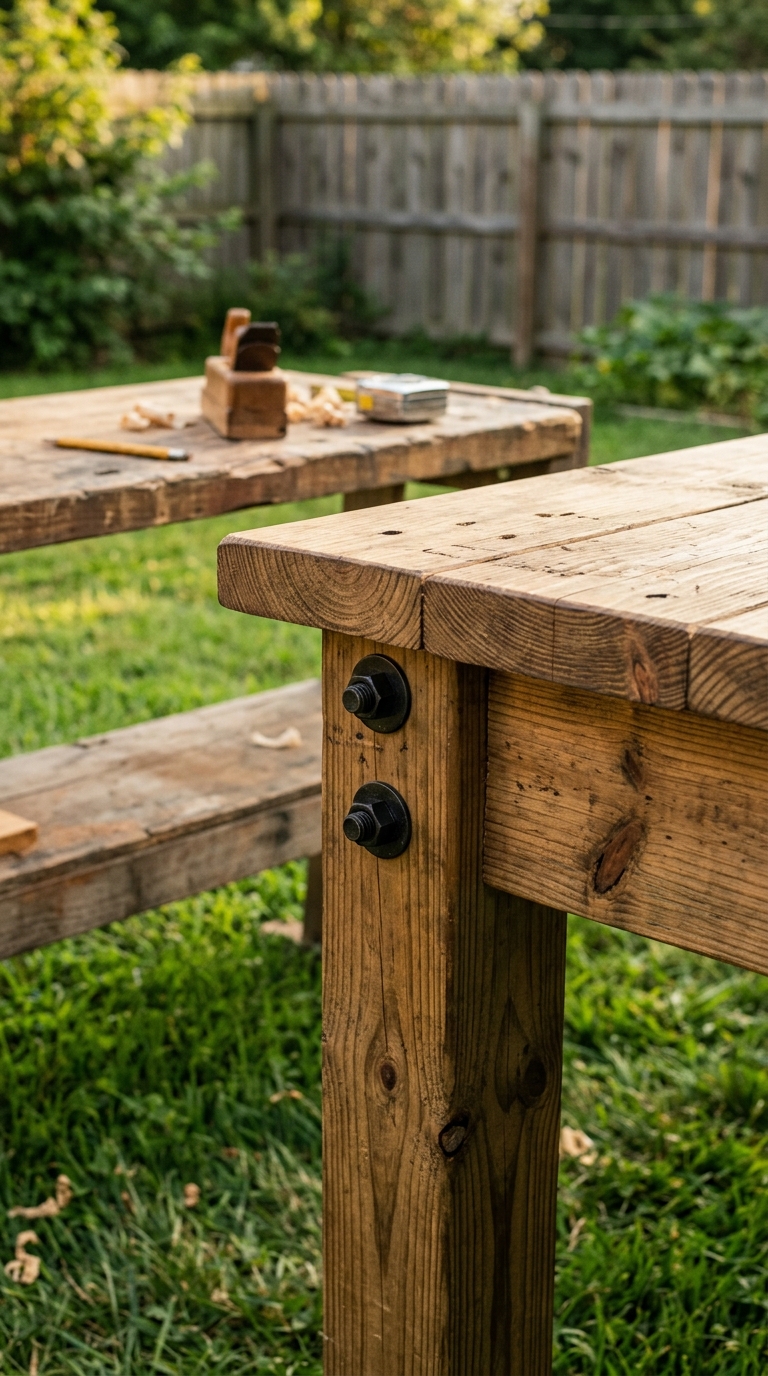
If permanent structures are outside your budget, you can create shelter and style with a DIY Outdoor Dining Setup. Building your own furniture or shelters adds a personal touch and saves money. One popular project is building a simple wooden table using pressure-treated lumber. You can customize the size to fit your exact space. Seal the wood properly to ensure it lasts through rain and snow.
You can also build privacy screens using lattice panels and outdoor fabric. This blocks wind and creates a sense of enclosure without building a wall. Another fun project is creating a lighting rig. String wires between sturdy posts or trees to hold heavy-duty bistro lights. This defines the space overhead without a solid roof. If you are handy, consider building built-in benches around a central table. This reduces the number of furniture pieces you need to buy and store. Just ensure you use outdoor-rated screws and hardware. Rust is the enemy of DIY outdoor projects. Taking the time to seal and protect your work ensures your setup lasts for years. It gives you pride in ownership and a unique look that store-bought items cannot match.
Style and Furniture: Setting the Tone
Once the structure is in place, it is time to focus on aesthetics. The furniture you choose dictates the vibe of the space. It should complement your home’s architecture while standing up to the elements. You want a look that feels cohesive when viewed from the inside looking out.
Choosing Between Modern Backyard Dining and Rustic Charm
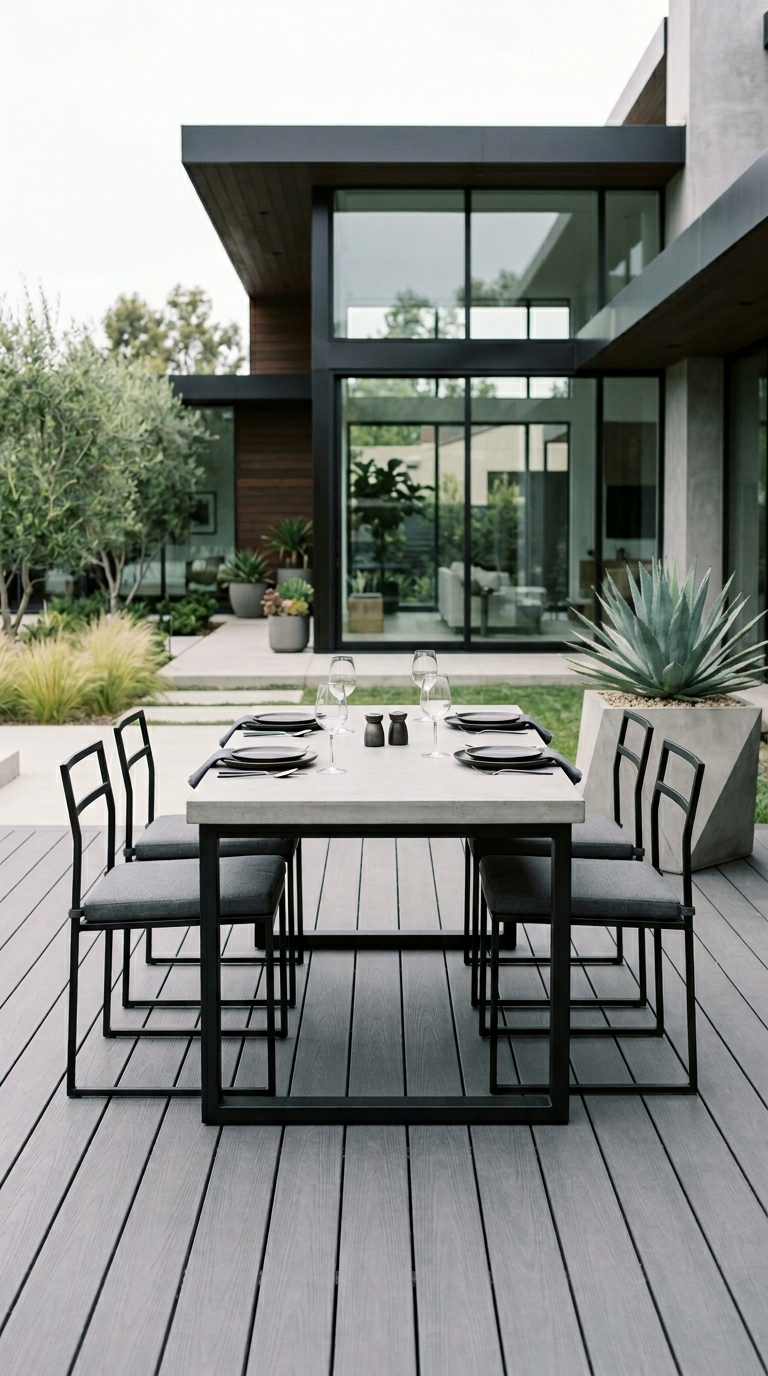
Your personal style should lead the way. Modern Backyard Dining focuses on clean lines and minimalism. Think metal frames, concrete tops, and neutral cushions. The color palette is usually restrained, using grays, blacks, and whites. This style works well with contemporary homes. It feels sleek and uncluttered. Maintenance is often easier since there are fewer nooks for dirt to hide.
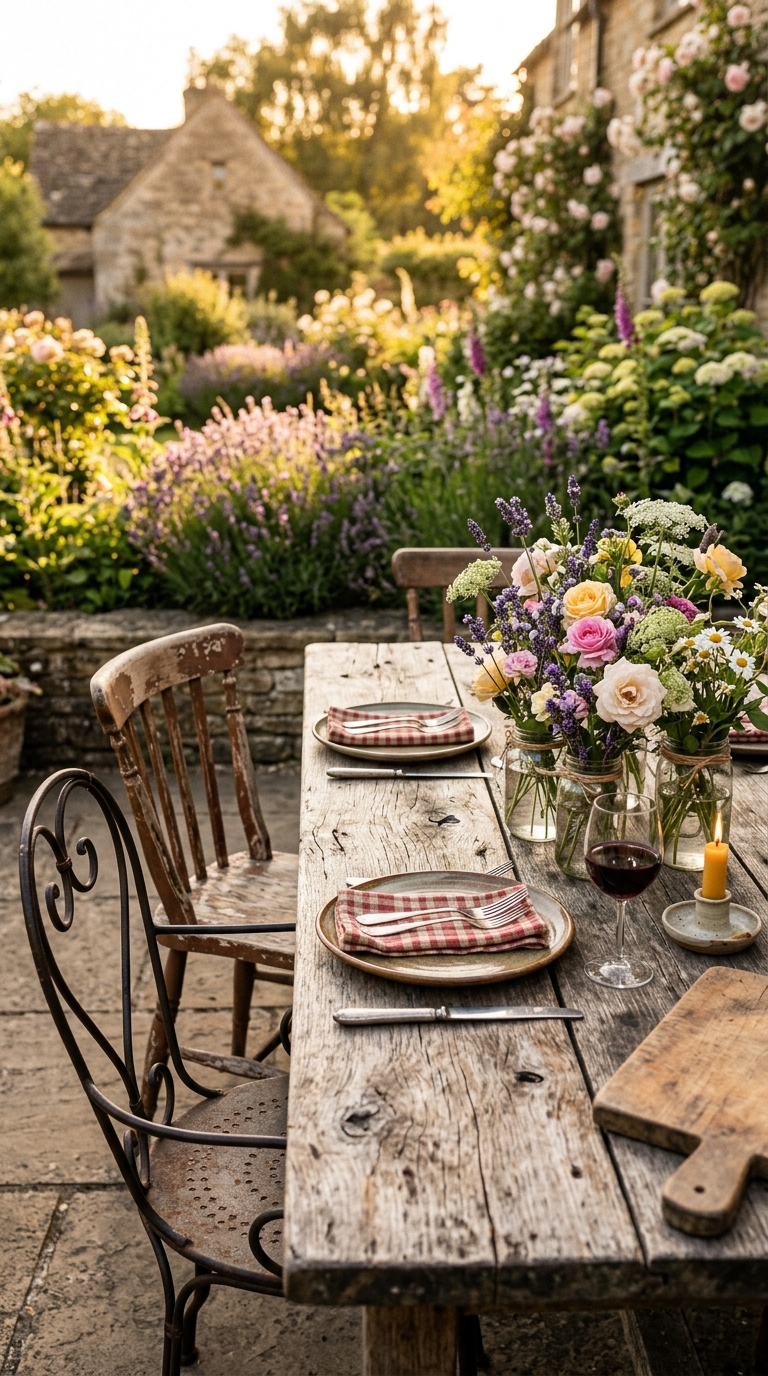
On the other hand, Rustic Outdoor Dining Spaces embrace texture and warmth. Reclaimed wood tables are a staple here. Wrought iron chairs with intricate details add character. The colors are earthier, with terracotta, greens, and warm browns. This style suits cottages and traditional homes. It feels lived-in and welcoming. You can mix materials to create a transitional look. A modern table paired with rustic wooden chairs creates visual interest. The key is balance. Do not let one style overwhelm the other. Choose a dominant theme and use the other for accents. This ensures the space feels curated rather than chaotic.
Selecting the Perfect Garden Dining Table Ideas
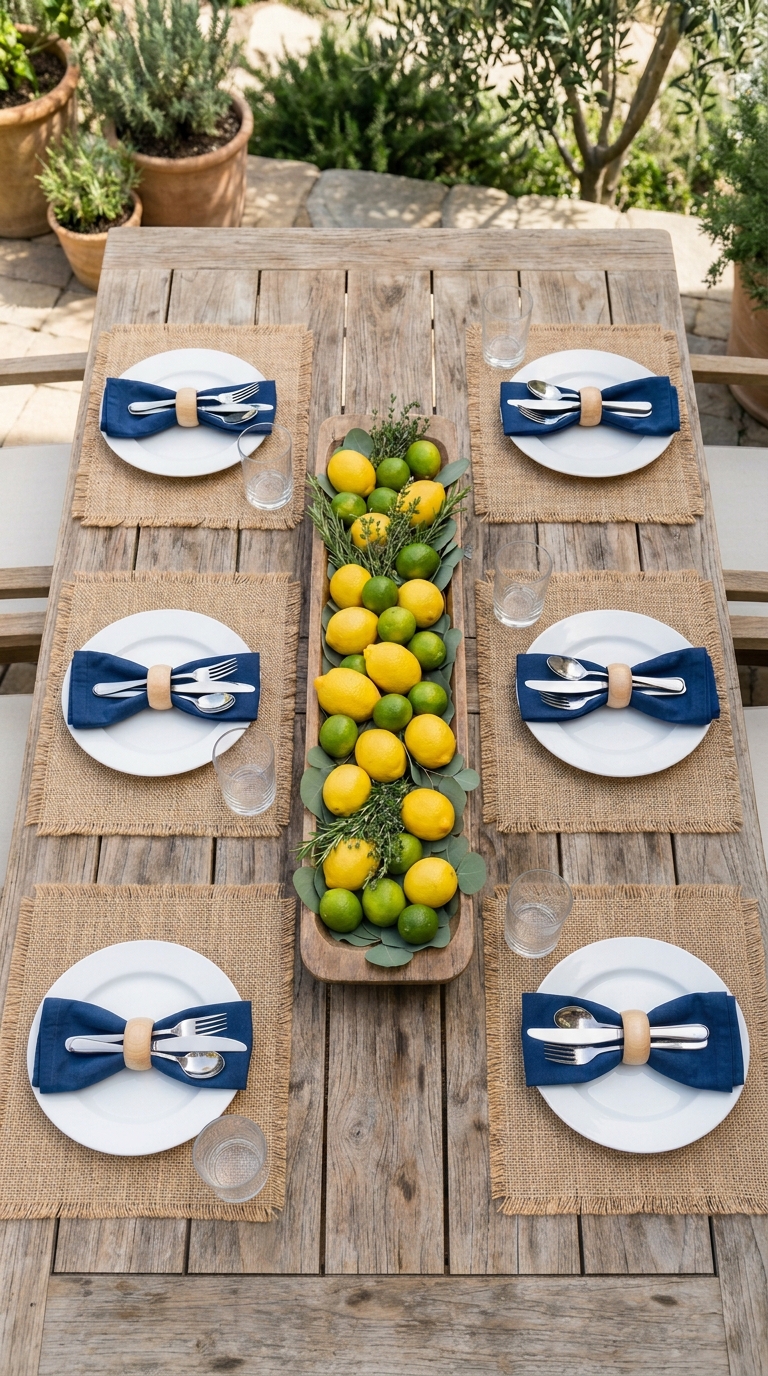
The table is the anchor of the entire setup. When exploring Garden Dining Table Ideas, material is the most critical factor. Teak is a classic choice because it is naturally resistant to rot and insects. It weathers to a beautiful silver gray if left untreated. Aluminum is another great option. It is lightweight and will not rust. Powder-coated steel is durable but can get hot in the sun.
Composite materials are gaining popularity. They look like wood but require almost no maintenance. You do not need to oil or seal them. Just wash them with soap and water. Size matters too. Allow at least 24 inches of width per person. This ensures elbows do not collide during meals. If you host large groups, consider an extendable table. This allows you to keep the footprint small during the week and expand for weekend parties. Round tables promote better conversation since everyone faces each other. Rectangular tables are better for fitting into long spaces. Choose the shape that fits your room layout and your hosting style.
Ambiance: Lighting and Decor
Furniture provides function, but ambiance provides feeling. The right decor and lighting transform a practical area into a magical one. This is where you inject personality. It is also where you ensure the space works after the sun goes down.
The Magic of Outdoor String Lighting Ideas
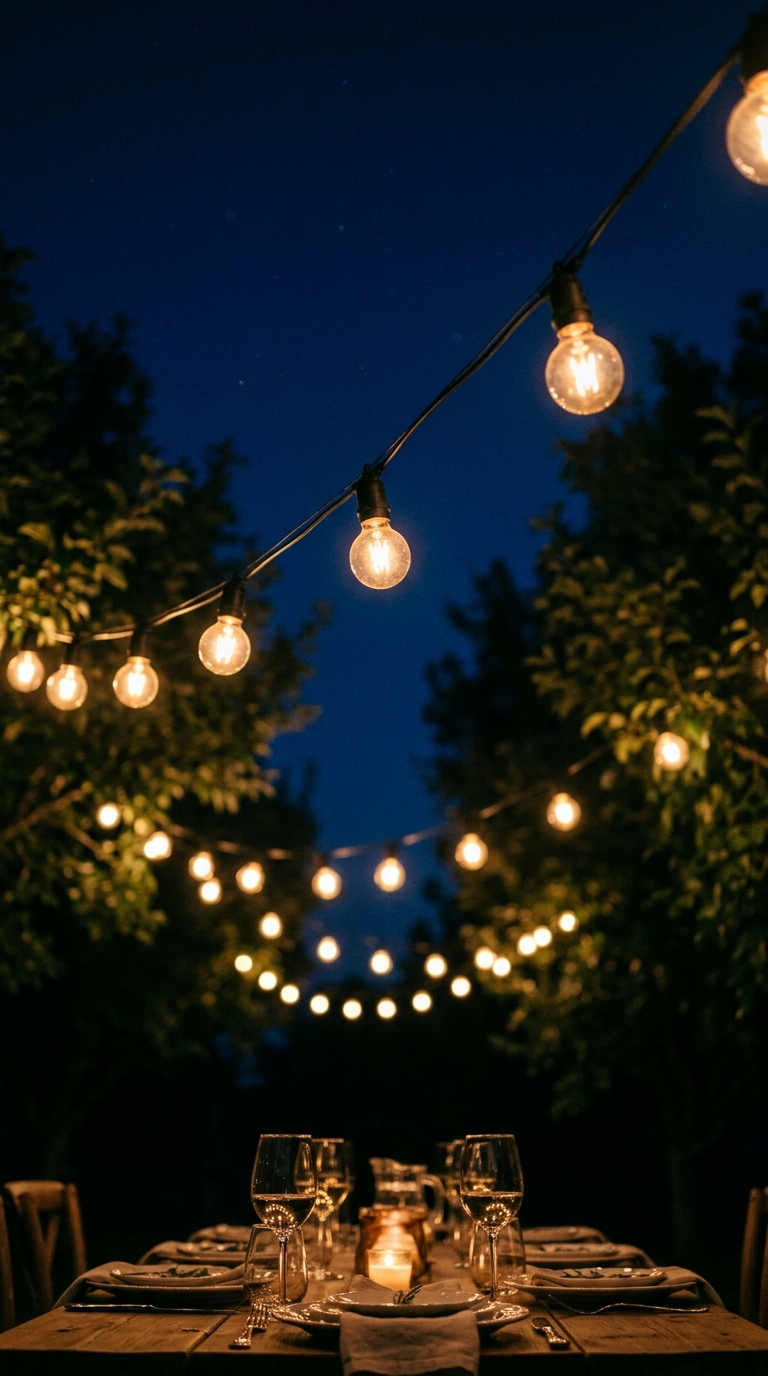
Lighting is the most important element for evening dining. Outdoor String Lighting Ideas can change the entire mood of the yard. Warm white bulbs are essential. Avoid cool blue tones as they feel clinical and harsh. Edison bulbs with visible filaments add a vintage charm. Hang them in a zigzag pattern overhead to create a ceiling of light. This draws the eye up and makes the space feel enclosed and cozy.
Layer your lighting for the best effect. Use string lights for general illumination. Add lanterns on the table for intimate glow. Path lights should mark the way to the bathroom or kitchen. This prevents trips and falls. Solar lights are convenient, but wired lights are often brighter and more reliable. If you have trees nearby, wrap lights around the trunks. This adds depth to the background. Dimmer switches are a worthy investment. They allow you to lower the lights as the night progresses. Soft lighting encourages guests to linger. It signals that the evening is relaxed and unhurried.
Curating Outdoor Dining Table Settings
Do not reserve your nice dishes for indoors. Outdoor Dining Table Settings should be elevated yet practical. Plastic plates are convenient but can feel cheap. Look for melamine that mimics ceramic or glass. It is durable and dishwasher safe but looks elegant. Weighted linens are a must. Cloth napkins and tablecloths should be heavy enough not to blow away in a breeze. You can use clips or heavy centerpieces to secure them.
Centerpieces should be low so guests can see each other. Tall vases block视线 and hinder conversation. Use potted herbs or succulents as centerpieces. They add greenery and guests can take them home as favors. Avoid flowers that attract bees if you are serving sweet foods. Candles add romance but use hurricane glasses to protect the flame from wind. Battery-operated flickering candles are a safe alternative. They provide the same glow without the fire risk. Set the table with the same care you would inside. This signals to your guests that the outdoor meal is just as important as an indoor banquet.
Adapting with Seasonal Outdoor Decor
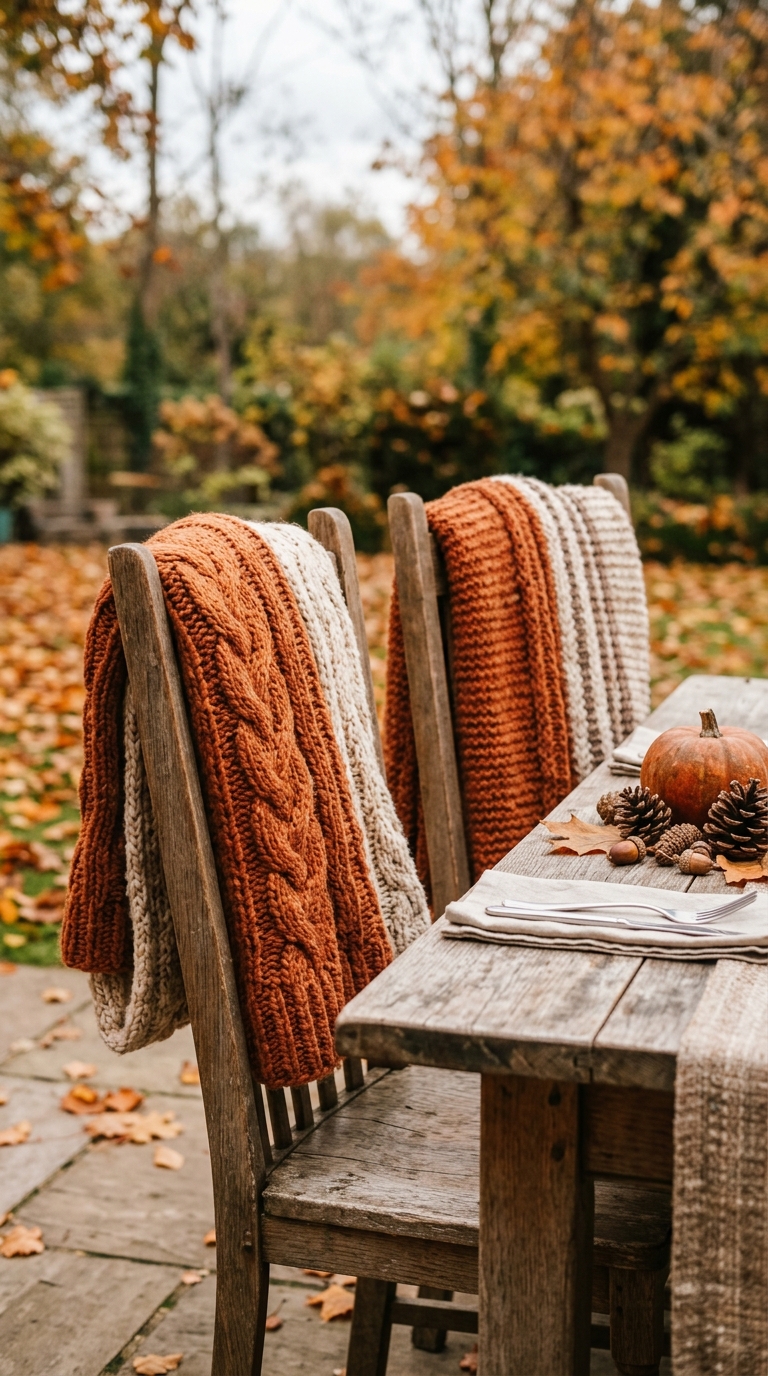
Your space should evolve throughout the year. Seasonal Outdoor Decor keeps the area feeling fresh and relevant. In the spring, focus on fresh flowers and bright cushion covers. Pastels and greens reflect the new growth in the garden. Summer calls for breathable fabrics like cotton and linen. Add fans or misters to combat the heat.
As autumn approaches, swap in warmer tones. Throw blankets draped over chair backs invite guests to stay longer as the air cools. Pumpkins and pinecones make natural centerpieces. In winter, if you live in a mild climate, use weather-resistant covers to protect furniture. You can still decorate with evergreen boughs and lights. Storage is key during the off-season. Cushions should be kept dry to prevent mold. By rotating your decor, you maintain interest. It gives you a reason to go outside and adjust the space. This keeps the area from feeling stagnant or neglected.
Hosting and Budget: Making it Happen
Creating a beautiful space is one thing. Using it effectively is another. You also need to manage costs so the project does not become a financial burden. Smart planning ensures you can enjoy the space without stress.
Achieving Luxury on a Budget Friendly Outdoor Dining Plan
High style does not require a high spend. A Budget Friendly Outdoor Dining plan focuses on where to splurge and where to save. Splurge on the table and chairs. These items take the most wear and tear. Cheap chairs will wobble and break within a season. Investing in quality frames saves money in the long run. Save on decor and accessories. Pillows, rugs, and table settings can be found at discount stores or thrift shops.
Shop at the end of the season. Retailers clear out patio furniture in late summer to make room for holiday inventory. You can find high-quality items at a fraction of the cost. Paint is another budget saver. A coat of outdoor paint can unify mismatched chairs. It makes a cheap set look custom. DIY planters using concrete pots or wooden crates add greenery without the nursery price tag. Focus on one big statement piece, like a great table, and build around it. You can add accessories over time. This spreads the cost out and allows you to refine your style as you go.
Mastering Backyard Entertaining Tips
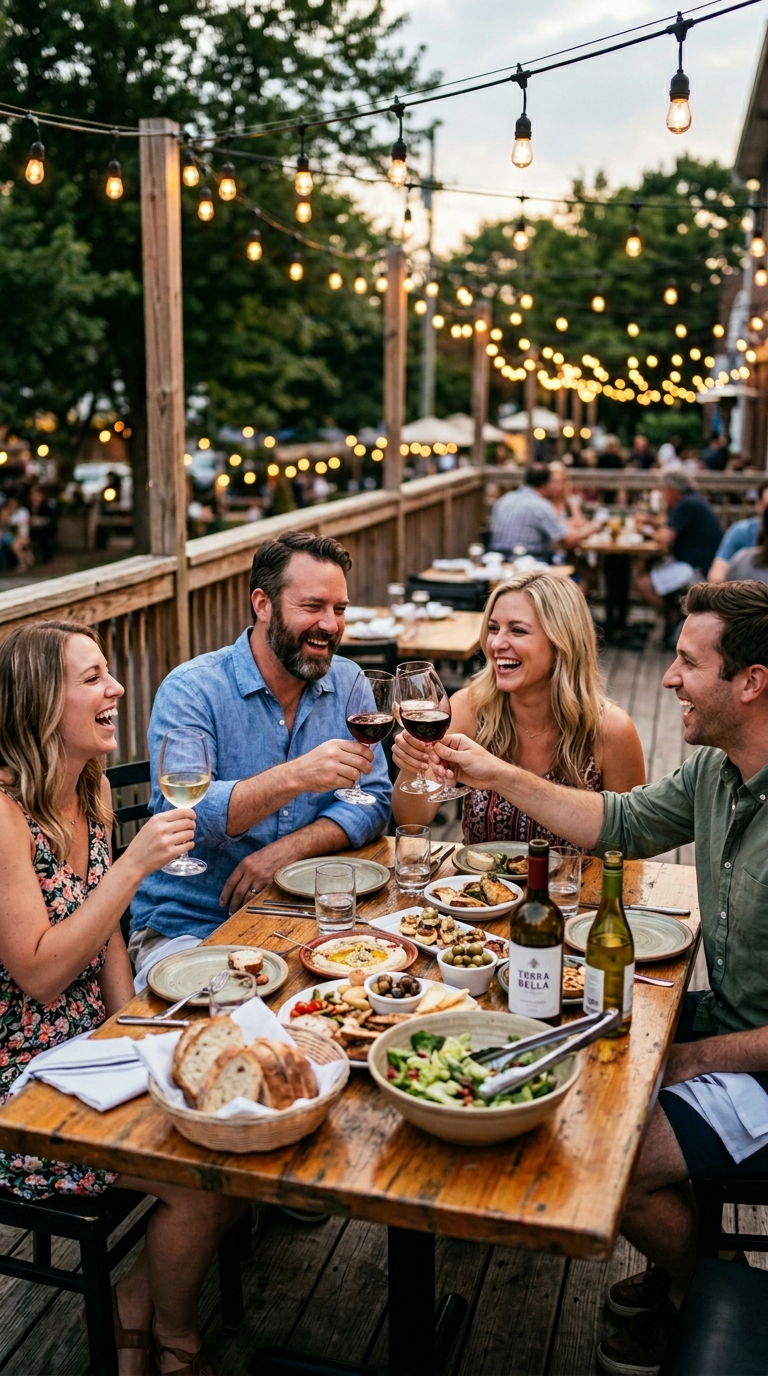
Once the space is ready, you need to host with confidence. Backyard Entertaining Tips focus on flow and comfort. Keep the traffic pattern clear. Guests should be able to get from the kitchen to the table without squeezing past seated diners. Set up a separate drink station. This keeps people from crowding the dining table when they want a refill.
Bug control is critical. Place fans around the perimeter. Mosquitoes struggle to fly in strong breezes. Citronella candles help, but fans are more effective. Have a basket of blankets available. Guests often get cold as the evening progresses without asking for one. Music should be background noise, not the main event. Keep the volume low enough for conversation. Prepare as much food as possible indoors. You do not want to be stuck at the grill while your guests sit idle. Bring out platters ready to serve. This allows you to sit and enjoy the party you worked hard to create.
Ready to Gather
You now have the tools to transform your yard. The journey from a bare patch of ground to a vibrant dining destination is rewarding. It starts with a plan and ends with a meal shared under the stars. Remember that the best Outdoor Dining Spaces are the ones that get used. They do not need to be perfect. They need to be welcoming.
Start with one element. Maybe it is the lighting. Maybe it is a new tablecloth. Do not wait until everything is finished to host your first dinner. The space will evolve as you use it. You will discover what works and what does not. That is part of the process. The goal is connection. It is about the laughter that happens between bites. It is about the quiet moments with a cup of tea in the morning sun. Your table is waiting. The chairs are ready. All that is left is to invite your people and feast.