
Driftwood Planters That Look Collected, Not Crafted
A piece of driftwood can make an ordinary plant feel like it belongs in a styled room, the kind you linger in a little longer. Weathered grain, pale salt-worn ridges, and odd angles do a lot of design work on their own. Add greenery, and the look lands somewhere between garden craft and natural sculpture.
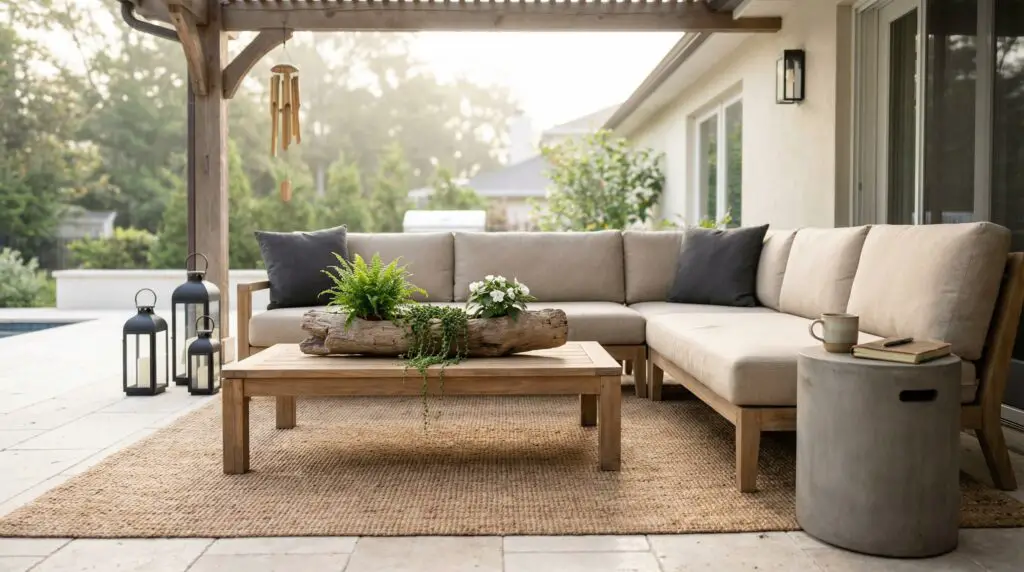
Driftwood planters also solve a common decorating problem, you want plants, but you don’t want more visual clutter. Wood gives the arrangement a single “base note,” so even a mix of pots can read as one cohesive moment. Done well, it looks collected over time, not assembled in a rush.
Driftwood Planters, What Makes Them Feel Finished
Good driftwood has presence without shouting. Its curves guide your eye, its neutral color plays well with terracotta, stoneware, black metal, or light oak. A planter built around driftwood often needs fewer extra accessories, because the wood already adds texture and contrast.
Scale matters, too. A long branch can stretch across a dining table like a natural runner, while a chunky piece can anchor a bare patio corner. Aim for one strong driftwood shape, then let plants soften the edges.
Choosing Wood That’s Safe, Stable, and Worth the Effort
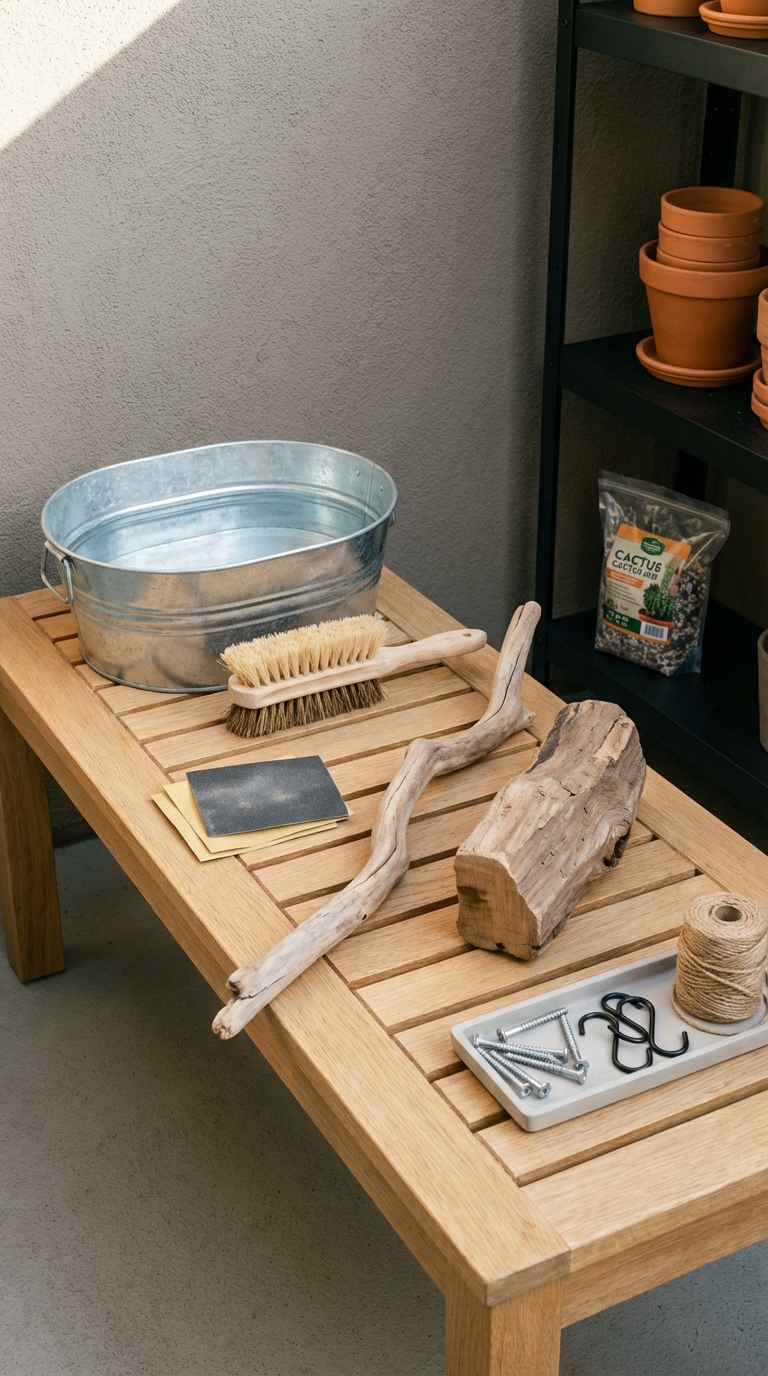
Start with structure. Lift the piece, press gently with your thumb, and avoid anything that feels spongy or sheds fibers easily. Hairline cracks can be fine, deep splits that flex under pressure usually aren’t. If the wood smells like fuel, chemicals, or mildew that won’t fade, leave it behind.
Think about where it will live. A tabletop piece needs a flat “resting” side so it won’t wobble, a porch piece can lean into irregular shapes. Hanging designs demand strength at the ends, because that’s where the load pulls.
Cleaning and Prep, the Quiet Step that Prevents Most Problems
Driftwood carries grit, salt, and sometimes hitchhikers. A stiff brush and a long rinse remove surface debris, then a soak helps flush lingering salt if the wood came from the sea. Change the water a few times, especially if it tastes or smells briny, then let the piece dry fully in a warm, airy spot.
Drying is not a small detail. Adhesives, sealers, and liners behave better on dry wood, and plant roots appreciate a mount that isn’t already waterlogged. If your piece feels cool and damp days later, keep drying.
Two Approaches that Keep the Look Realistic, and The Plants Happier
You can treat driftwood as a decorative “frame,” hiding ordinary pots inside or behind it. That method keeps watering simple, lets you swap plants, and avoids soil sitting against wood. The second option turns driftwood into the container itself, by carving pockets, hollowing sections, or lining cavities.
Both are valid, and the best choice depends on your plant. Succulents can handle lean media and quick drying, orchids often prefer mounting rather than potting, flowering annuals want consistent moisture that wood rarely loves.
Drainage, the Myth that Keeps Showing up In Pretty Photos
A driftwood piece can tempt you to improvise, adding pebbles in the bottom and hoping for the best. Rocks don’t fix drainage inside a container, they can raise the saturated zone closer to the roots. Holes that let water escape, plus a media that drains quickly, usually does more for plant health than any “layer” trick.
If a design can’t drain, treat it like a cachepot, keep the plant in a nursery pot with holes, lift it out to water, then return it after dripping stops.
A Gentle Starting Point: Pots Framed by Wood, Not Planted Into It
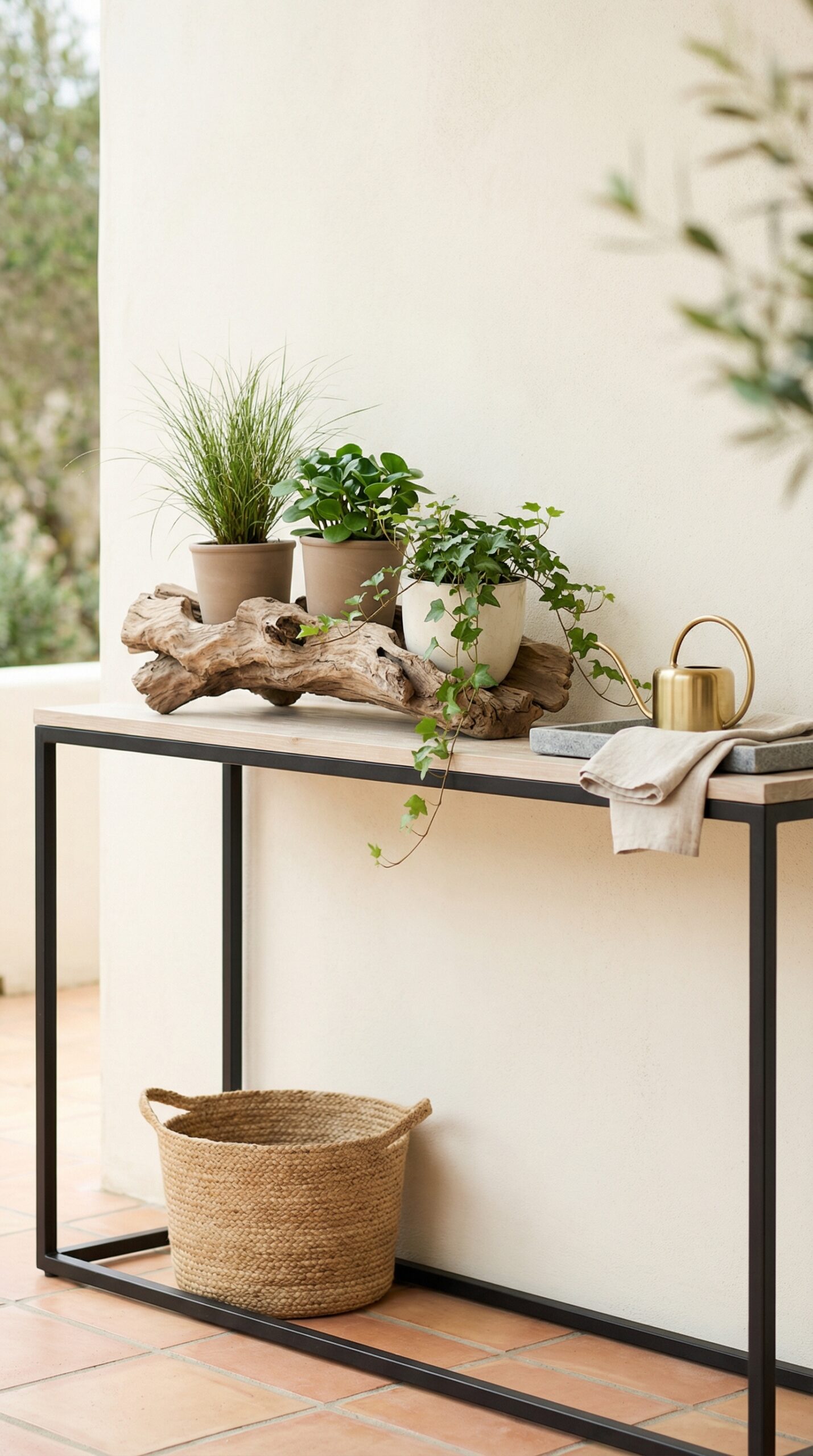
If you want a low-risk look, build around standard containers. Nestle small pots into natural crooks, or attach discreet brackets on the back side, so the wood reads as one sculptural piece from the front. The plant stays in its own pot, the driftwood supplies the atmosphere.
Use this approach for fresh herbs, compact ferns, begonias, or seasonal color. Swap plants as light changes through the year, and the driftwood still feels intentional even when the pot contents change.
Driftwood Planters Flower Pots
Pair three to five small pots with one long driftwood piece, and treat it like a centerpiece. Keep the pot shapes similar, then vary plant texture, one upright, one trailing, one round and dense. A narrow tray under the pots catches stray water without stealing attention.
If the wood has dramatic twists, reduce the number of pots. Negative space helps the driftwood read as a design element rather than a busy base.
Driftwood in Planters, Using Wood as An Accent Instead of A Container
Sometimes driftwood works best as a supporting actor. Slide a slim branch into a larger planter as a simple trellis for a light vine, or place a pale piece at the soil surface as a sculptural “stone substitute.” The plant still lives in a normal container, yet the look gains height, movement, and a natural focal line.
Keep wood away from constant wet soil in this setup, let it sit above the surface, with airflow around it.
Driftwood Succulent Planters, the Sculptural Option that Stays Tidy
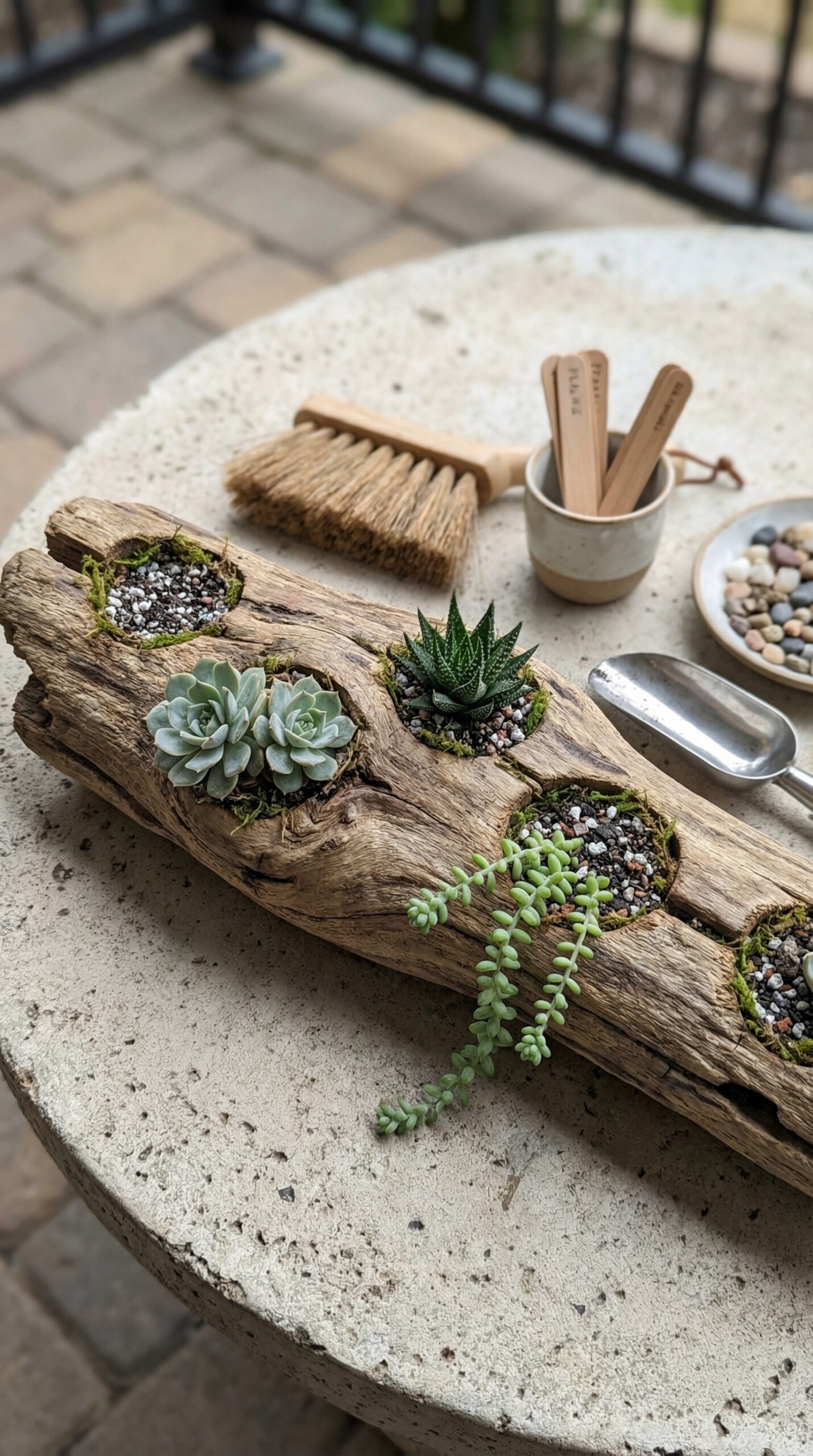
Succulents shine on driftwood because they don’t ask for heavy watering. You can create shallow pockets with a drill or chisel, line them with a thin layer of fibrous material, then tuck in gritty mix and small plants. Choose compact varieties that hold their form, rosettes and small clumps read cleanly at close range.
Pocket depth matters. Shallow pockets dry faster, deeper pockets hold moisture longer, so match depth to your light levels and watering habits.
Driftwood Planters with Succulents
A driftwood-and-succulent piece looks best when the planting feels deliberate. Concentrate plants in one “flow” across the wood, rather than scattering them everywhere. Let a trailing succulent drape over an edge, then echo that direction with a second plant that leans the same way.
Water lightly at first. Roots settle better after they’ve had a short healing window, especially if you used cuttings.
Succulents on Driftwood Planters
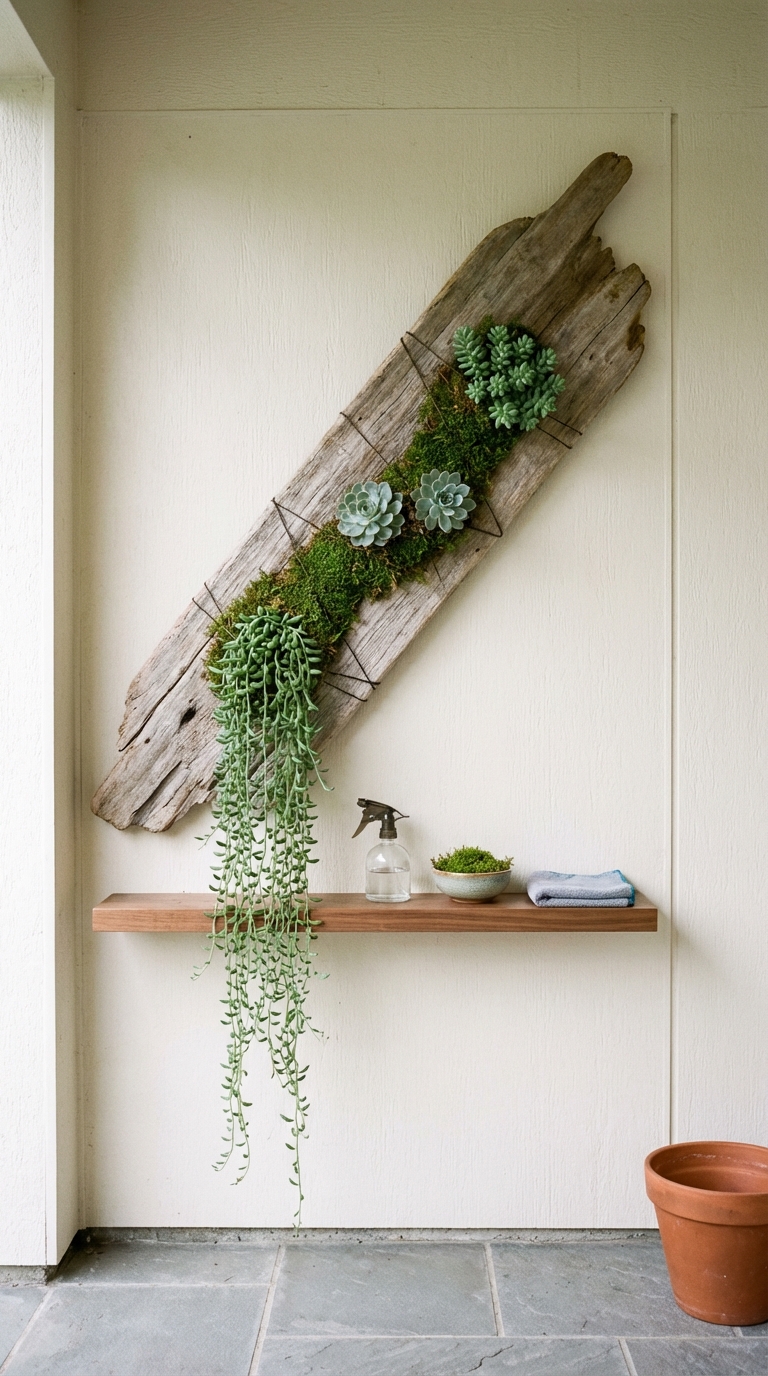
Mounted or pocketed succulents live on the edge of too dry and too wet, so technique matters. Use a soak-and-drip routine rather than a casual splash, then let the piece dry completely before the next watering. A bright spot with airflow helps, while humid corners can keep the wood damp for too long.
If a plant loosens, don’t panic. Re-tie it, refresh the fibrous layer, and give it time to re-root.
Hanging pieces that feel airy, not cluttered
Hanging driftwood can change the whole mood of a space. A simple branch across a window turns a blank zone into a layered plant display, while still keeping the floor clear. The secret is restraint, too many pots can turn a graceful bar into a heavy mobile.
Pick a strong piece with solid ends. Sand sharp edges where cords will rub, and plan for how you’ll water without dripping everywhere.
Hanging Driftwood Planters
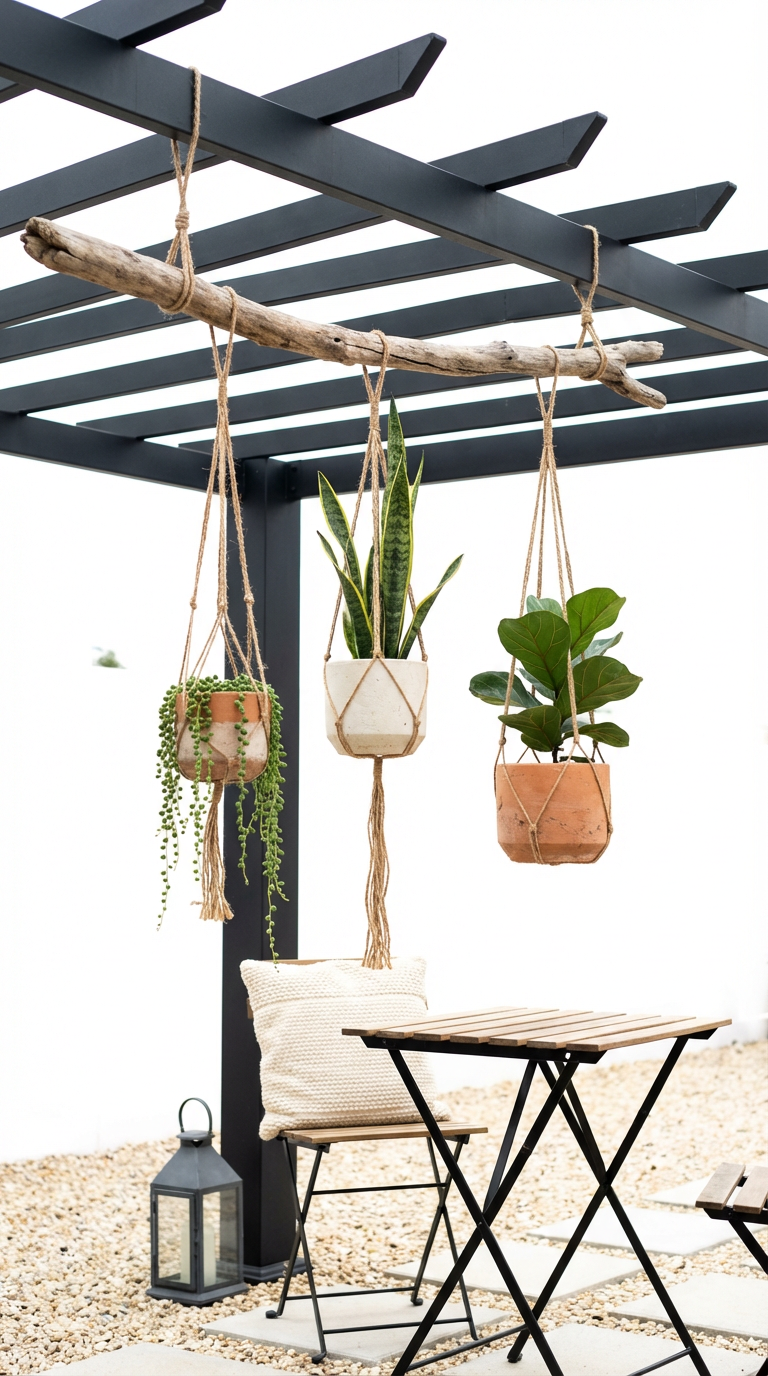
Treat the driftwood as a horizontal “header,” then hang two to four pots below it. Use cords in one material for cohesion, cotton rope, jute, or thin leather. Vary drop lengths slightly, keep pot sizes within a tight range, and leave a clear gap between each plant so the shapes read.
Mount the hardware into a solid structure, not just drywall. Hanging weight adds up faster than it looks.
DIY Driftwood Hanging Planters
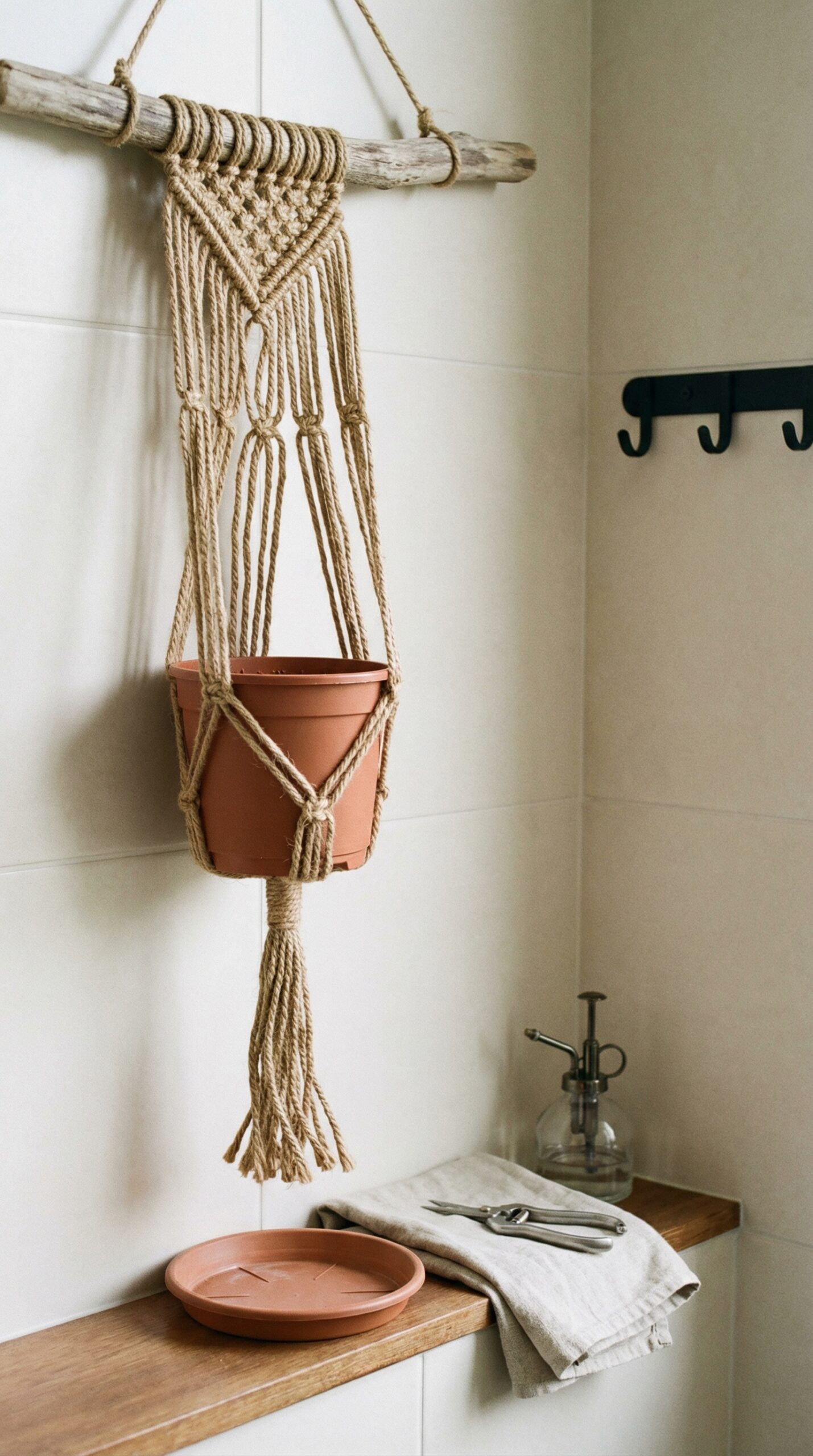
A clean, minimal version uses three cords per pot, tied to a ring or hook above, then knotted under the pot for support. Skip elaborate macramé if you prefer a modern look. Add a removable liner pot inside each hanger, so watering can happen at the sink, then the plant goes back once it stops dripping.
Consider a drip tray on the floor during watering days, especially indoors.
Wall Mounted Hanging Driftwood Planters
Wall-mounted hanging also works, especially on a covered patio or a bright kitchen wall. A sturdy bracket can hold a short driftwood bar, then two small hangers create a balanced “pair” that frames the wood. Keep the wall behind it simple, plain paint or a quiet tile, so the wood grain stays the star.
Use plants that tolerate occasional missed waterings if the setup is high and hard to reach.
Driftwood Planters Tree Stumps, a Grounded Look for Patios and Entries
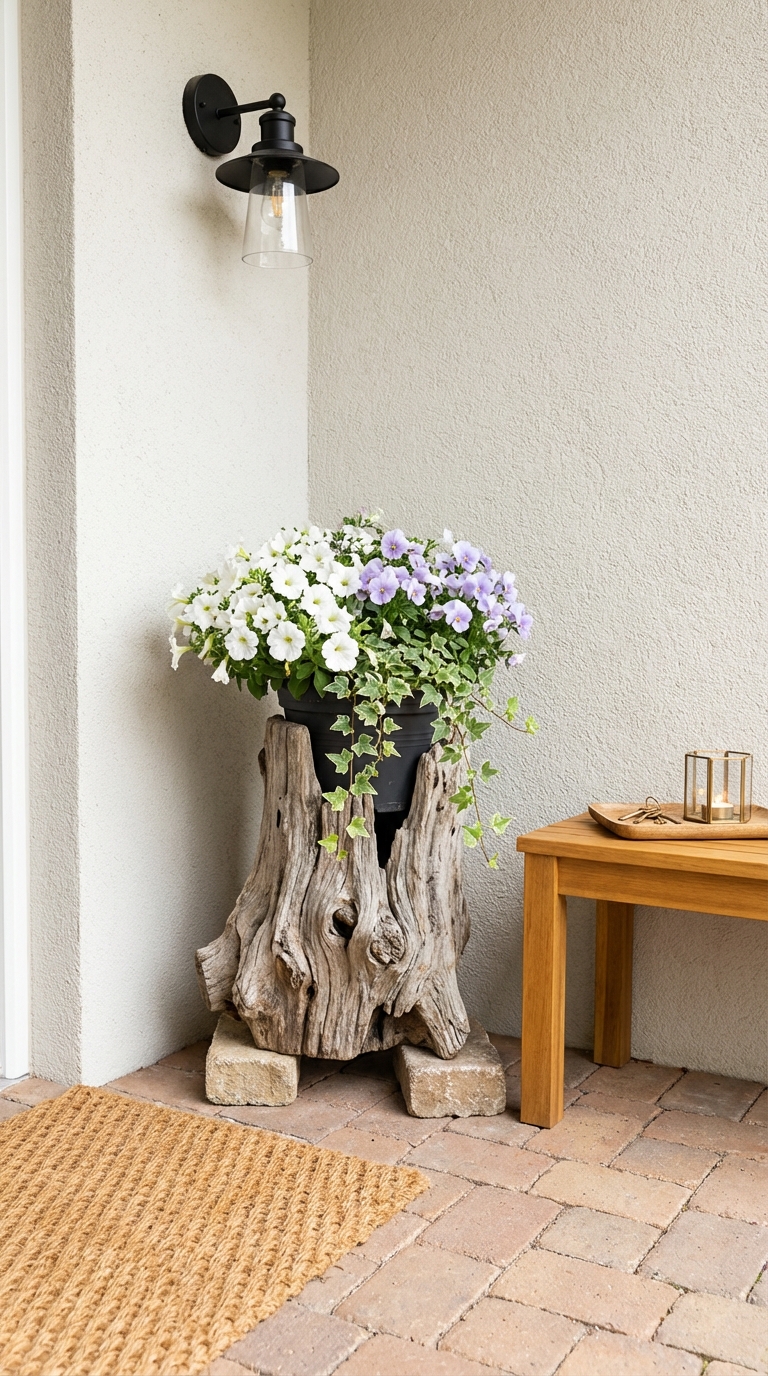
A stump-style planter feels substantial, almost like outdoor furniture. If you have a thick driftwood chunk or a weathered stump, hollow the center enough to fit a standard nursery pot, then treat the wood as a sleeve. That “pot inside” move prevents soil from staying wet against wood, and it lets you lift the plant out if the season turns rainy.
Set the stump on small feet or thin stones, airflow under the base helps it dry after storms.
Orchids, the One Plant Group that Truly Belongs on Wood
Orchids can be the perfect match for driftwood because many types naturally cling to trees rather than living in dense soil. A driftwood mount mimics that airy lifestyle, giving roots space and oxygen. The result looks calm and natural, especially in bright, indirect light where the wood warms in tone.
Keep expectations realistic. Mounted orchids often need more frequent attention than potted houseplants, because mounts dry faster.
Driftwood Planters for Orchids
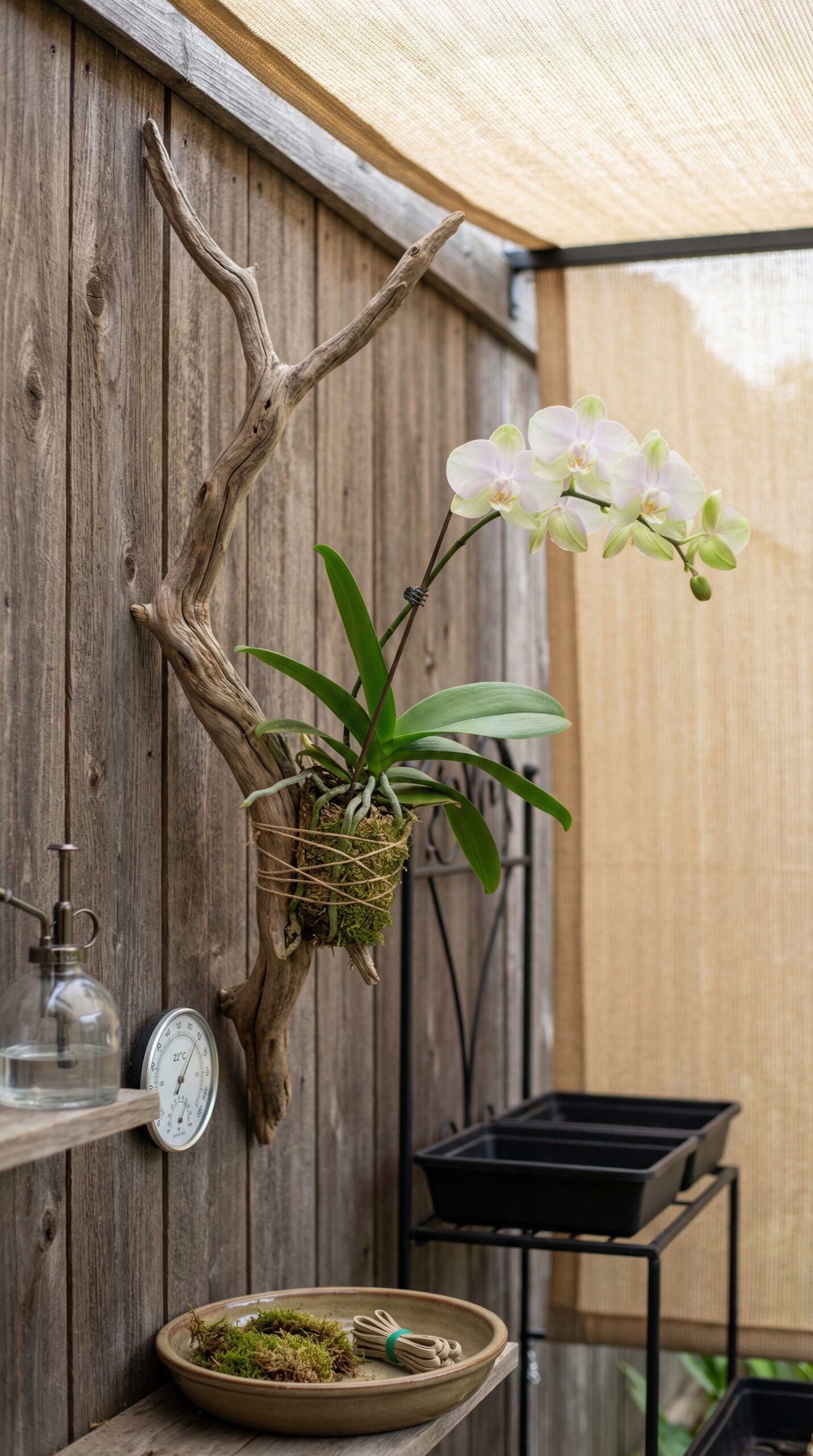
Think of the wood as a mount, not a pot. A small pad of sphagnum behind the roots holds just enough moisture, while the rest stays open to air. Secure the plant with coated wire, fishing line, or soft ties, wrapping around the base without crushing tender roots.
Avoid packing moss too tightly. Airflow matters as much as moisture, especially after watering.
Soak the roots briefly before mounting, then position the orchid so new growth has room to expand. Add a thin cushion of damp sphagnum at the root zone, then fasten the plant at several points, so it won’t twist as it settles. After mounting, water thoroughly, let excess drip away, and return it to bright, filtered light.
Watch the roots. Silvery roots often signal dryness, green roots after watering can mean good hydration.
Creative Ways to Display Driftwood Planters without Making a Room Feel Themed

A driftwood planter can lean coastal, rustic, modern, or bohemian, depending on what sits near it. Keep the styling grounded by pairing organic wood with one structured object, a rectangular tray, a clean-lined lamp, or a simple frame. The contrast makes the driftwood look curated rather than random.
Try one statement placement per room. A driftwood piece on every surface can feel busy, while a single focal moment reads confident.
A Few Placements that Work in Real Homes
On an entry console, choose a long, low driftwood arrangement that won’t snag bags and jackets. In a living room, place a driftwood planter near a reading chair, then echo its tone with one neutral textile, a woven basket, or a linen cushion. In a kitchen, hang a driftwood bar near a bright window, keep the countertop below clear.
On covered patios, driftwood looks best against plain backgrounds, stucco, painted fence boards, or dark metal railings.
Care that keeps plants healthy, and wood looking good
Watering is the main make-or-break. Driftwood doesn’t like staying wet for days, and roots don’t either. For pocketed succulents, water deeply, then let the piece dry out fully. For framed pots, lift the pot out to water, drain well, then return it. For mounted orchids, water more often, but aim for quick drying afterward.
Airflow protects both roots and wood. Place pieces where breezes move, and avoid cramped corners with stagnant humidity.
Common Issues, Solved without Drama
A little algae on damp wood is common outdoors, yet indoors it can look messy. Reduce watering, increase light, and improve airflow. If you see soft spots forming, switch to the pot-inside method, so wet mix is no longer touching wood.
Loose plants on mounts usually need better fastening, not more water. Re-secure, refresh the moss pad, then resume a steady routine.
Where “diy” Fits, without Turning the Whole Idea Into a Craft Project
Some readers want a hands-on build, others want styling that feels attainable. Both paths can meet in the middle. Start with a driftwood base, frame a few pots, and live with it for a couple of weeks. If you enjoy the look, step up into drilled pockets or a hanging bar.
For search clarity, you’ll see terms like diy driftwood planters and driftwood planters diy used online, yet the most successful results usually share one trait, practical watering that keeps wood from staying soggy.
Closing Thoughts
Driftwood planters sit at a sweet spot between decorating and gardening, because the wood shapes the whole scene before the plant even enters. Focus on stable pieces, smart watering, and placements that let the grain show. A single driftwood planter can carry a shelf, brighten a porch corner, or turn a window into a living display.
Once you find your favorite format, framed pots, succulent pockets, hanging designs, or orchid mounts, the driftwood stops feeling like a trend and starts acting like a timeless base you’ll reuse for years.