
Eating Celery Every Day In New York? Here’s What It Does To Your Body
Celery shows up in lunch boxes, soups, and backyard gardens all over New York. Some people say a daily stalk can melt fat, calm blood pressure, or flush out toxins.
Others just like the crunch. Here is what a daily celery habit can and cannot do for your body.
What does celery add to an everyday diet?
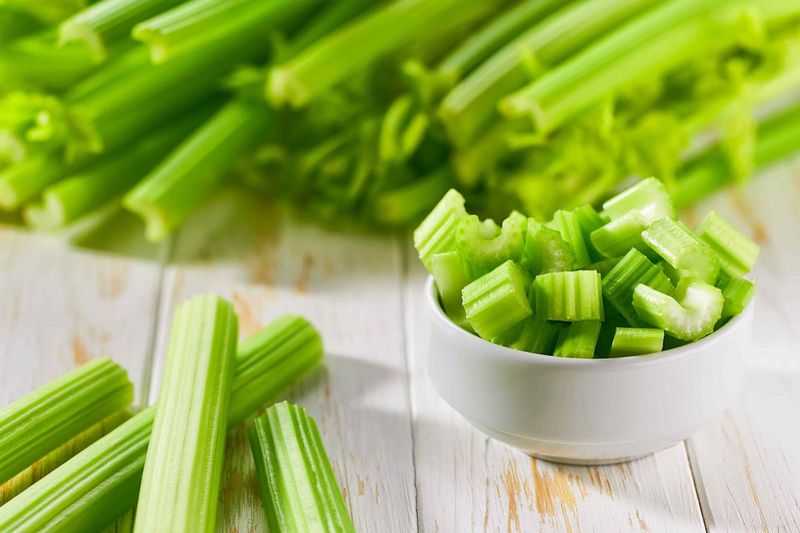
Celery is a plain, crunchy vegetable, and that is its main job. USDA FoodData Central lists raw celery at about 14 calories and 1.6 grams of fiber per 100 grams.
That is roughly the weight of a couple of medium stalks.
Those numbers are estimates. Nutrient values shift from one celery sample to the next, and they change with how much you actually eat.
A big handful of sticks will not match the lab number exactly, and your serving will not do the same thing for your body as it does for someone else’s.
Celery also counts toward your vegetable intake. USDA food data treat one cup of raw celery as one cup from the vegetable group.
So if you chop some into a salad or tuck sticks into a lunch, you are adding a vegetable to the day.
What the data do not give you is a magic amount. No official daily celery dose exists, and eating it every day is not a promise of a health transformation.
Think of celery as one useful, low-calorie piece of a varied plate, alongside beans, whole grains, fruit, and other vegetables with different colors and nutrients.
If you like the taste, a stalk a day is an easy habit. If you do not, plenty of other vegetables do similar work.
Celery can replace a higher-calorie snack, but it does not burn calories
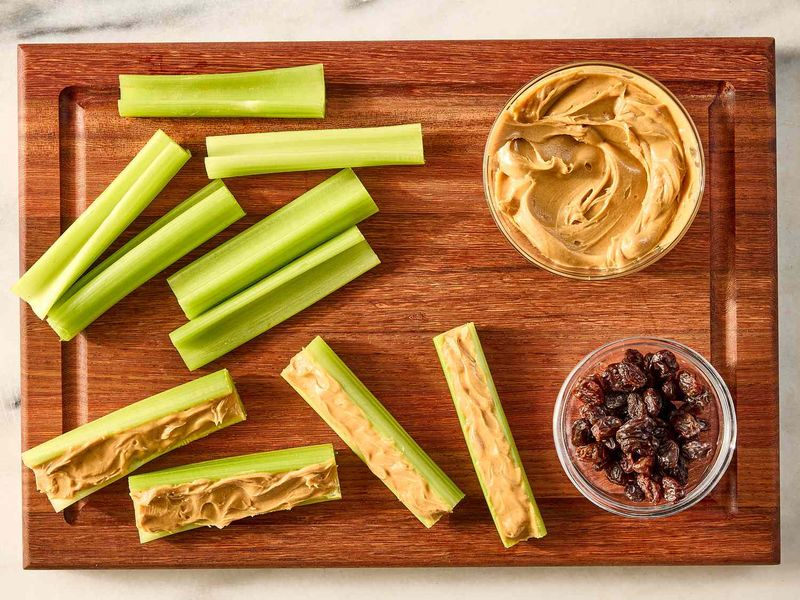
Picture a 3 p.m. slump in a Brooklyn apartment. One person reaches for a bag of chips, another for celery sticks with a little peanut butter.
The celery route usually means fewer calories, mostly because celery is mostly water and has little fat or sugar.
That is a swap, and swaps are where the benefit lives. Celery takes the place of something denser in calories.
It does not reach into your body and burn extra energy.
You may have heard that celery is a negative-calorie food, meaning chewing and digesting it burns more than it supplies. A Tufts Health & Nutrition Letter myth check takes on this idea and explains that celery is low in calories but is not a proven negative-calorie food.
So adding celery on top of everything else you eat will not melt weight away. What you eat across the whole day matters far more than one crunchy stalk.
If you want a filling snack, try cutting celery into sticks and keeping them ready in the fridge. Pair them with something that has protein, like yogurt dip or a thin spread of nut butter, so the snack holds you over.
Just remember that the dip adds calories too.
Blood-pressure research does not settle the question for daily stalks

Headlines love to link celery with lower blood pressure. The real research is smaller and messier than the headlines.
A systematic review in Frontiers in Nutrition pulled together nine trials with 10 intervention groups and 511 participants. It looked at blood pressure, blood sugar, and blood fats in adults.
Some results hinted at possible effects, but the studies varied a lot and had limitations.
One big catch is what people actually took. Many trials used celery preparations such as capsules, not a normal daily serving of fresh stalks.
A result from a capsule cannot be copied over to the celery in your crisper drawer.
So the honest reading is this: early signals exist, but they do not show that eating stalks every day lowers blood pressure. They also do not show that celery treats diabetes or high cholesterol.
If you have any of these conditions, keep taking prescribed medicine and keep your regular appointments. Celery can sit on a healthy plate next to that care, but it cannot stand in for it.
A practical step is to ask your doctor or a registered dietitian about eating patterns with strong track records. Those usually focus on lots of vegetables, fruit, whole grains, and less sodium, with celery as one small piece.
Juice does not make celery a detox

A tall glass of green juice looks like a reset button. But eating celery stalks and drinking celery juice are different things, and neither one cleanses your body.
Your liver and kidneys already handle waste around the clock. The National Center for Complementary and Integrative Health says in its guide to detoxes and cleanses that there is no compelling research showing detox diets remove toxins or help manage weight.
It also notes that restrictive cleanses can carry risks.
Juice is not simply liquid celery. Pressing out the juice changes what you are drinking compared with a whole stalk, so you should not assume the two have the same effects.
Nothing here shows that juice gives a special benefit.
There is also a food-safety angle. Unpasteurized juice, including juice from a shop or a stand, can carry germs that cause foodborne illness.
That risk is usually small, but it is higher for young children, older adults, pregnant people, and anyone with a weakened immune system.
If you enjoy celery juice as a drink, that is a personal choice. Just skip the cleanse claims and do not use it to replace meals.
Wash celery and consider a few personal cautions
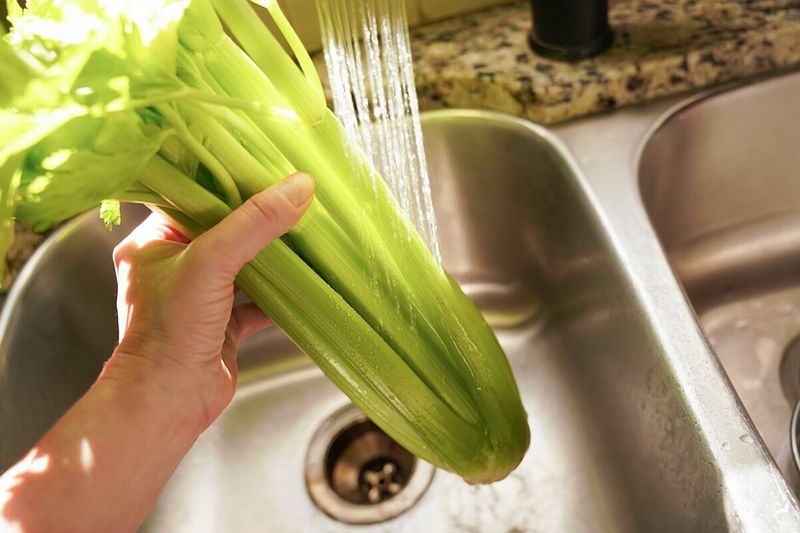
Start with the sink. The FDA’s produce safety guidance says to wash produce under running water and not to use soap, detergent, or commercial produce wash.
Washing lowers the number of bacteria but does not wipe them all out, so keep celery away from raw meat and clean your cutting board.
Next, a note for people on warfarin. Celery is listed as low in vitamin K in normal portions by the American Heart Association.
The bigger issue is consistency. The NIH Office of Dietary Supplements advises people on warfarin to keep vitamin K intake steady and talk with their care team before major diet changes.
You do not need to avoid celery automatically.
Finally, some people react to celery because of pollen allergies. This is called pollen-food allergy syndrome, and the American College of Allergy, Asthma & Immunology describes it as causing itching or swelling in the mouth or throat after eating certain raw foods.
If symptoms go beyond the mouth, such as hives, trouble breathing, vomiting, or dizziness, get medical attention right away. Systemic reactions, including anaphylaxis, can happen.
For most people none of this is a reason to worry. It is simply good kitchen habit: rinse well, stay consistent if your medicine calls for it, and pay attention to how your body responds.
The everyday takeaway for New York readers
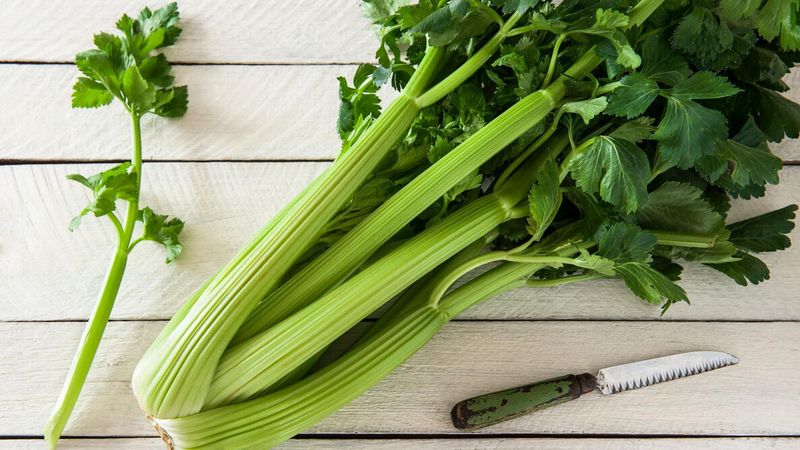
Celery works well as an ordinary vegetable. Its calorie and fiber numbers from USDA data are modest, and it makes an easy, crunchy swap for a heavier snack.
Eating it daily is fine for most people, but there is no set amount to aim for.
The bigger claims fall short. Celery stalks do not detox you, burn calories, or treat disease, and results from blood-pressure trials and the lack of support for cleanses keep that in check.
The New York link is about gardening. Cornell Cooperative Extension includes celery in its guidance for New York vegetable gardens, but growing it locally does not give it special health effects.
So eat it if you enjoy it. A stalk is a good crunch, and a garden-grown one is a nice bonus.
