
The Best Way to Grow Vegetables in Low-Light Areas Such as Terraces, Small Plots & Overlooked Corners
You step through the back door, trowel in hand, ready to cut fresh herbs for supper. Sunlight filters through the neighbour’s oak canopy, dappling the only patch of ground you have. You’ve been told vegetables need full sun, so is this shady corner useless? Not even close. A space that gets just a few hours of direct sun, or a gentle wash of filtered light all day, can still pump out salads, roots and fragrant herbs. And it can look lovely doing it.
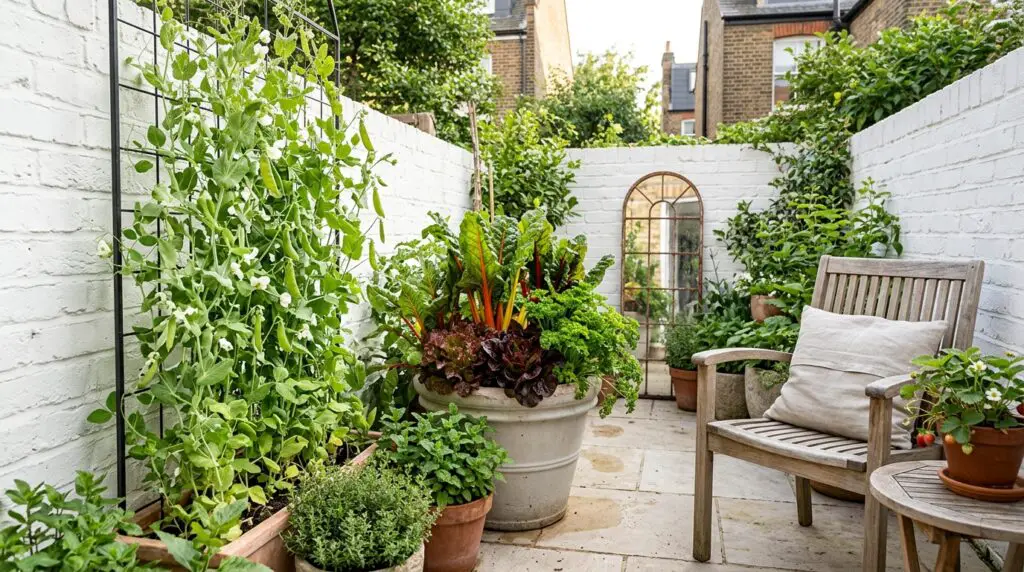
Seed packets love the phrase “full sun,” but real gardens rarely offer perfect conditions. Terraces get swallowed by shadow after lunch, side returns see a blink of morning light, and north‑facing balconies spend most of the day in cool twilight. Instead of fighting for light you don’t have, you can lean into a whole world of vegetables that grow in partial shade. Below, we’ll walk you through the best varieties, a partial shade vegetable garden layout that looks as good as it tastes, solutions for vegetables for shady corners, clever light‑maximising tricks, and ways to turn a shady balcony into a productive little Eden.
15 Vegetables That Grow in Partial Shade (No Full Sun? No Problem!)
Before we dig in, let’s define what partial shade really means. Most experts agree it equals about three to five hours of direct sun, or bright dappled light for much of the day. That’s plenty for a surprisingly long list of edibles. The trick is knowing which plants shrug off lower light and which ones sulk.
Shade‑Tolerant Vegetables – The List That Keeps on Giving
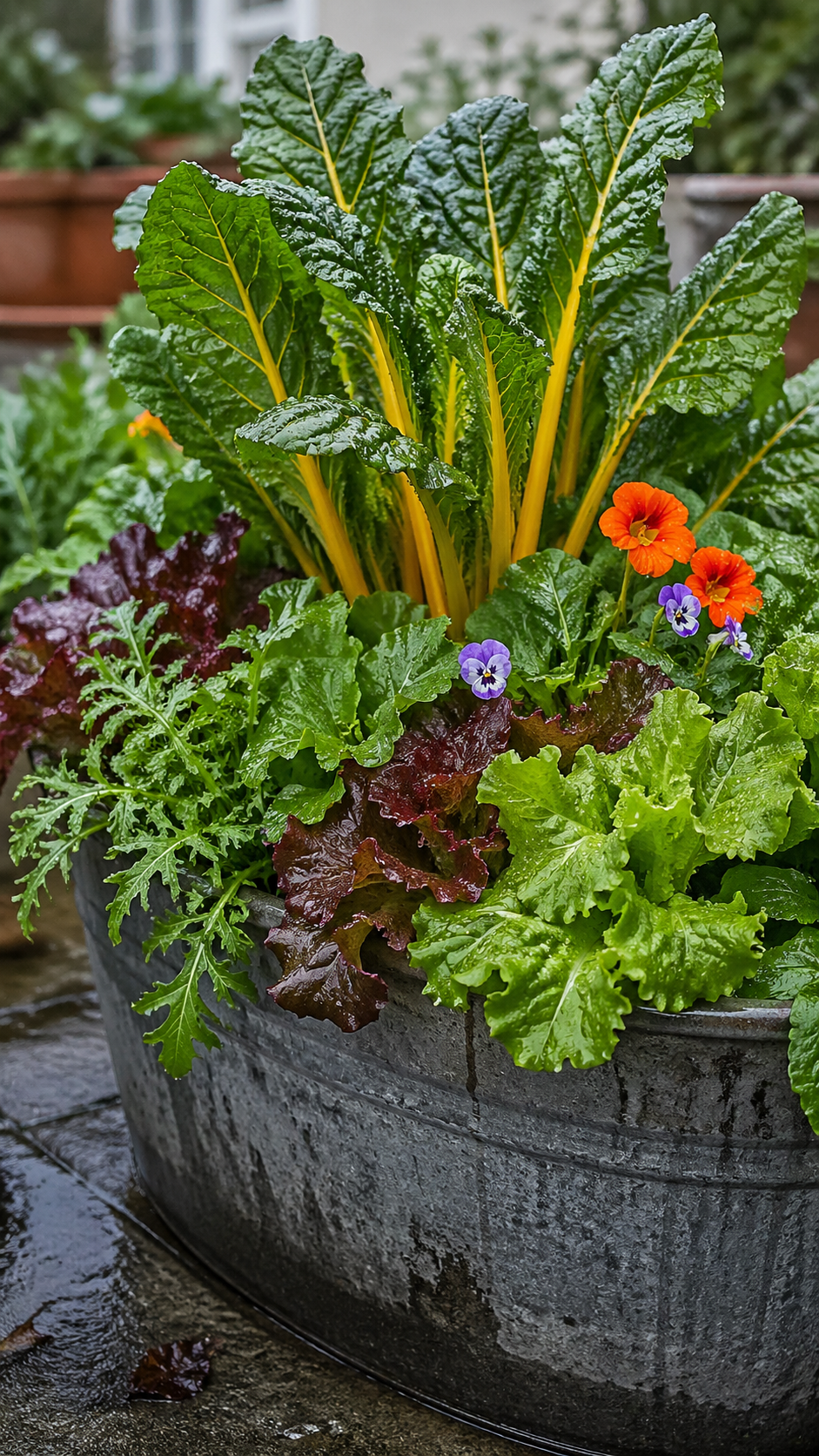
The first rule of shade gardening: leafy crops and roots are your best friends. They store energy in leaves or swollen roots rather than pouring it all into fruit, so they cope with less sun. Here are 15 vegetables that tolerate shade and deserve a spot on your partial shade veggies list.
- Spinach – True spinach adores cool, low‑light conditions and bolts far slower in part shade.
- Swiss chard – ‘Bright Lights’ chard brings neon stems that double as an ornamental feature.
- Kale – ‘Cavolo Nero’ and ‘Red Russian’ produce tender leaves in dappled light.
- Lettuce – Loose‑leaf and butterhead types thrive; cut‑and‑come‑again mixes give weeks of salads.
- Mizuna and mibuna – Wispy Japanese greens that grow almost anywhere, adding texture.
- Rocket (arugula) – Peppery leaves stay mild when grown away from scorching midday sun.
- Claytonia (winter purslane) – A succulent ground cover that shrugs off deep shade.
- Radishes – Quick and easy; try ‘French Breakfast’ for a crisp snack in four weeks.
- Beetroot – Grown for roots and leaves; smaller roots develop in shade but taste sweeter.
- Turnips – Japanese hakurei turnips are salad‑ready in six weeks.
- Carrots – They take longer in lower light, but a well‑drained, deep pot still yields sweet roots.
- Bush beans – Dwarf French beans produce a decent crop with just four hours of sun.
- Peas – Snap and snow peas prefer cool roots; a shady trellis keeps them productive longer.
- Strawberries – Alpine strawberries fruit acceptably in semi‑shade and make lovely edging.
- Herbs – Parsley, coriander, mint, chives and lemon balm all prosper without full sun.
Many of these are what home cooks reach for most often, so you never feel short‑changed.
Best Low‑Light Vegetables for a Productive Shade Garden
If your spot leans towards the shadier end of the spectrum, stick with the elite performers: low light vegetables that genuinely prefer being shielded from hot afternoon rays. These are your best vegetables for 3‑4 hours sun. Salad leaves, chard, kale, perpetual spinach and parsley often become sweeter and more tender in part shade. The leaves produce fewer bitter compounds when light softens. You also spend less time watering and worrying about bolting. On a small terrace where the sun vanishes behind a wall at lunchtime, a trough of shade tolerant crops for vegetable garden success (rainbow chard, red lettuce and chives) gives you a cut‑and‑come‑again bar for months.
Partial Shade Vegetable Garden Layout – A Design That Still Looks Good
A productive patch doesn’t have to look like an allotment. With a few design tweaks, your partial shade vegetable garden layout can rival any ornamental border.
How to Design a Shade Vegetable Garden That’s Both Edible and Ornamental
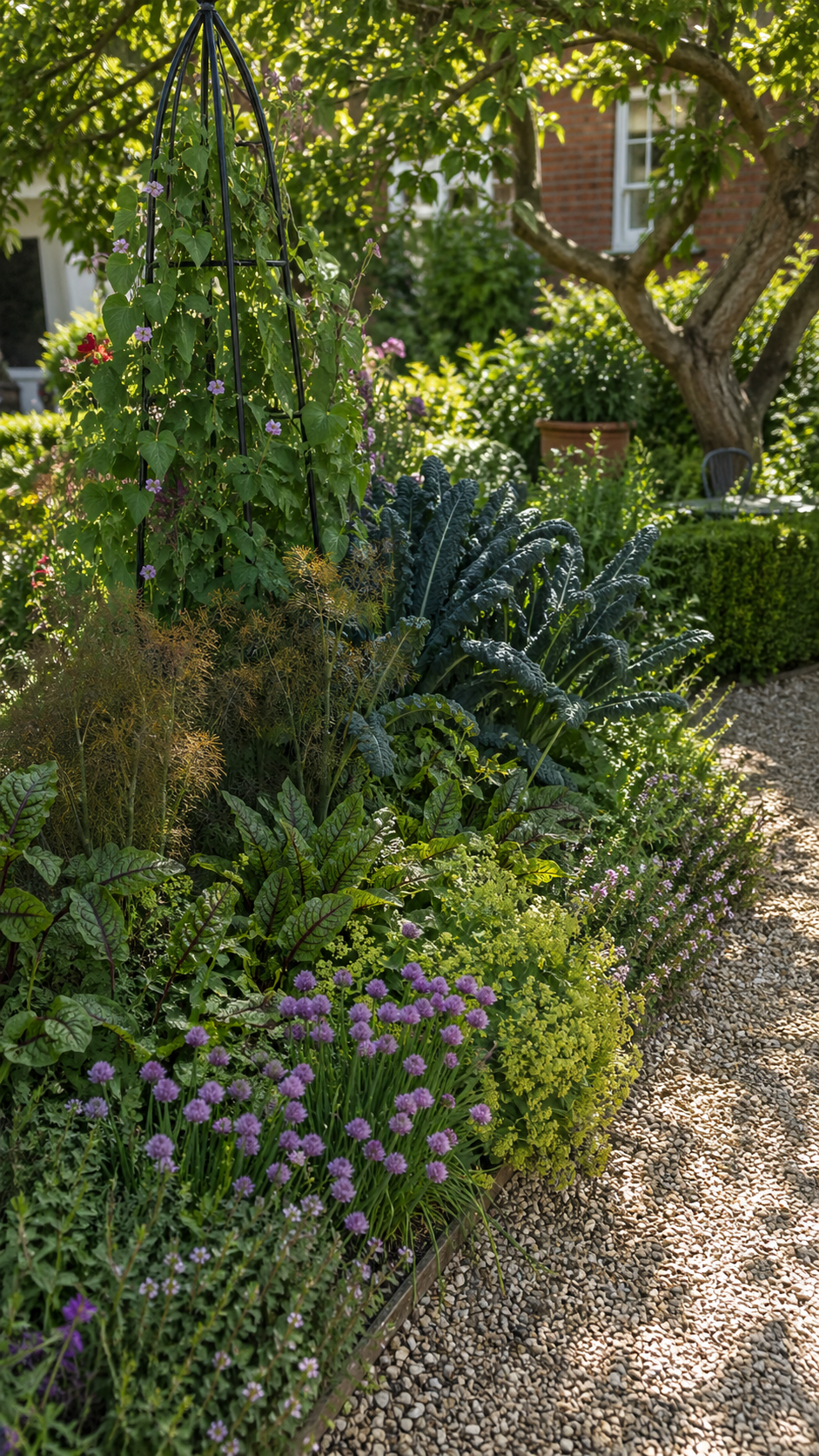
Start by thinking of your plot as a layered picture. Place taller elements at the back (a bamboo tepee for climbing beans or peas). Fill the middle with medium‑height leafy stars like chard, kale and bronze fennel. Then edge the front with creeping herbs, strawberries and edible flowers such as violas and nasturtiums. This tiered approach borrows from classic border design but keeps everything edible. A large glazed pot with a single kale specimen rising above a tumble of creeping Jenny and trailing rosemary creates a moment that feels like a considered planting, not a veg patch that’s just happened to survive in the shade.
Colour makes the difference. Choose red‑veined sorrel, purple mizuna, golden oregano and the magenta stems of beetroot. Interplant with annual fillers like calendula (yes, the petals are edible) to add bright blooms that also lure pollinators. The result is an ornamental edible shade garden design you’d be proud to show off, even if the sun only visits in the morning.
Small Vegetable Garden Design for Partial Shade – Layout Ideas for Tiny Spaces
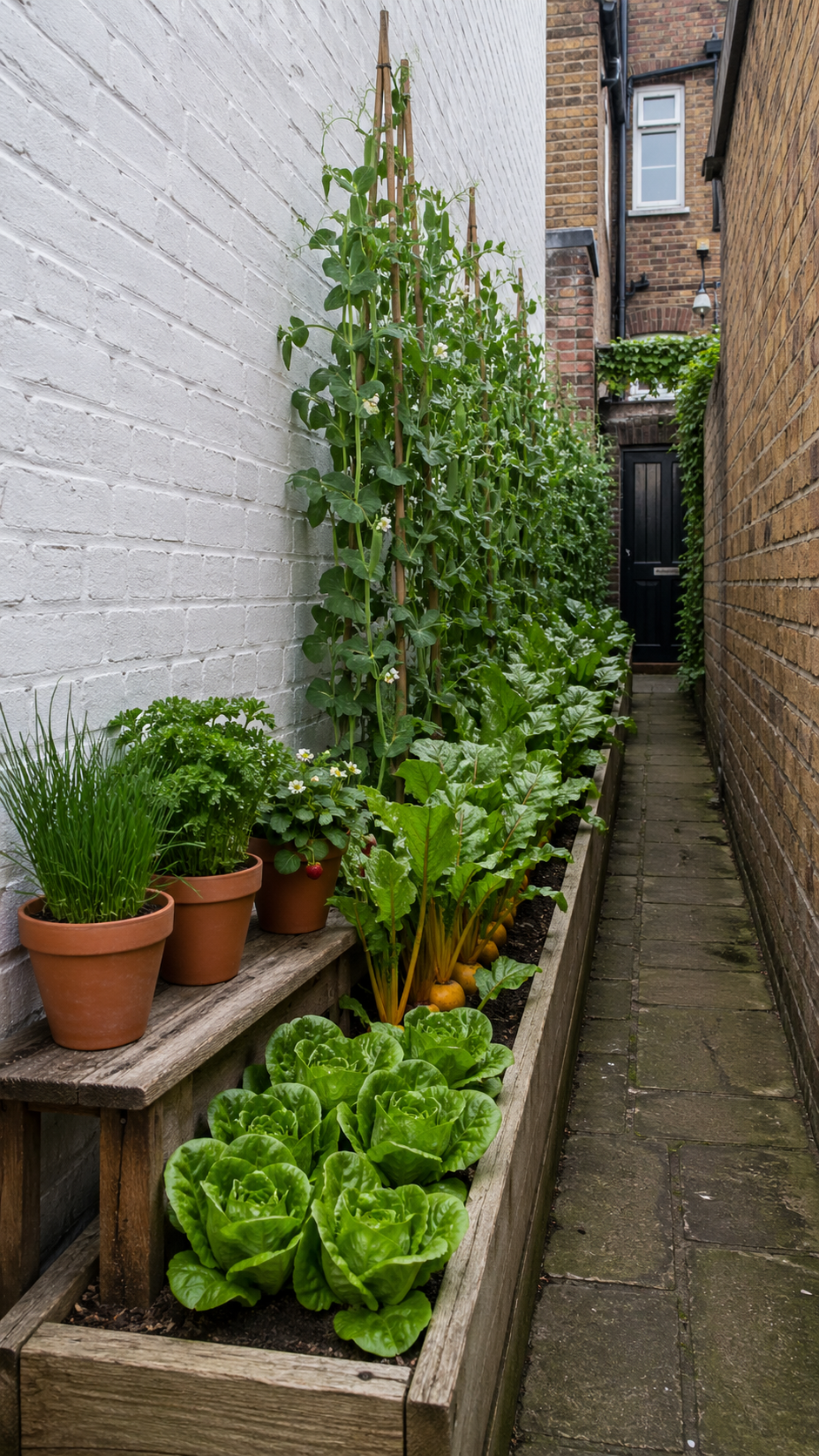
If you’re working with a skinny side return or a bed that’s barely a metre deep, think vertical first. A small vegetable garden design partial shade plan works when you use every inch of height. Fix a trellis to a wall for climbing beans or snap peas. Beneath them, plant a mid‑layer of chard and lettuce varieties, then soften the front edge with chives and creeping thyme. This compact vegetable garden for partial sun uses a stair‑step effect: tall at the back, mid‑height in the middle, cascading at the front.
A simple 1 m × 2 m bed can feed two people for weeks if you pack it wisely. Use cut‑and‑come‑again lettuce along the edges, a row of beetroot down the centre, and a teepee of mangetout at the far end. The small space shade vegetable garden layout gains visual weight when you add a tiny obelisk or a cluster of terracotta pots filled with parsley and alpine strawberries. The secret is keeping the soil rich (part‑shade veg are greedy feeders) and not letting plants compete too tightly for light.
Terrace Vegetable Garden Ideas – Containers, Style and Shade
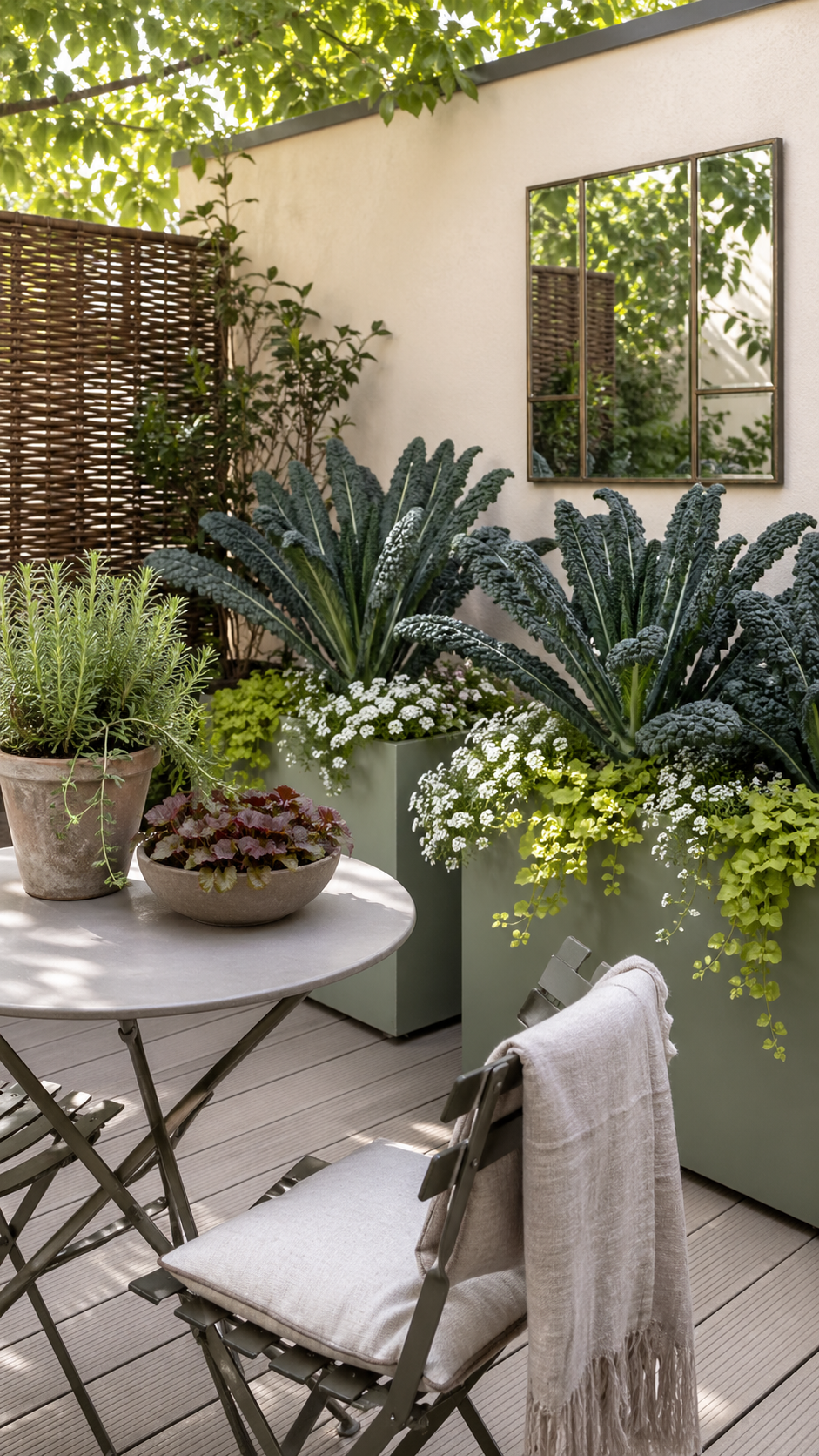
A sunny terrace is a dream; a shady terrace is a design challenge. Yet terrace vegetable garden ideas really sing when you lean into the cooler palette. Big, light‑coloured containers (pale stone, whitewashed terracotta, even galvanised tubs) reflect a little more daylight onto leaves and keep roots from overheating. A terrace container vegetable garden arranged on two levels (some pots on the ground, some raised on low benches or plant stands) catches far more light than a single flat row.
Choose a hero pot for each season. In spring, fill a wide bowl with mixed salad leaves and edible violas. In summer, replace it with bright‑stemmed chard and a tumble of tumbling tomatoes, which tolerate less sun than cordon varieties. The apartment terrace vegetable garden feels even cosier when you tuck a folding café chair nearby and a small table for your coffee cup. Style doesn’t need to bow out just because you’re harvesting lunch.
Vegetables for Shady Corners and Overlooked Spaces
Every garden has that one spot languishing behind the shed, tucked beside the bins or crammed into a narrow side passage. Those forgotten nooks can turn into productive pockets with the right vegetables for shady corners.
What to Plant in a Shady Corner of Garden – Overlooked Space Vegetable Ideas
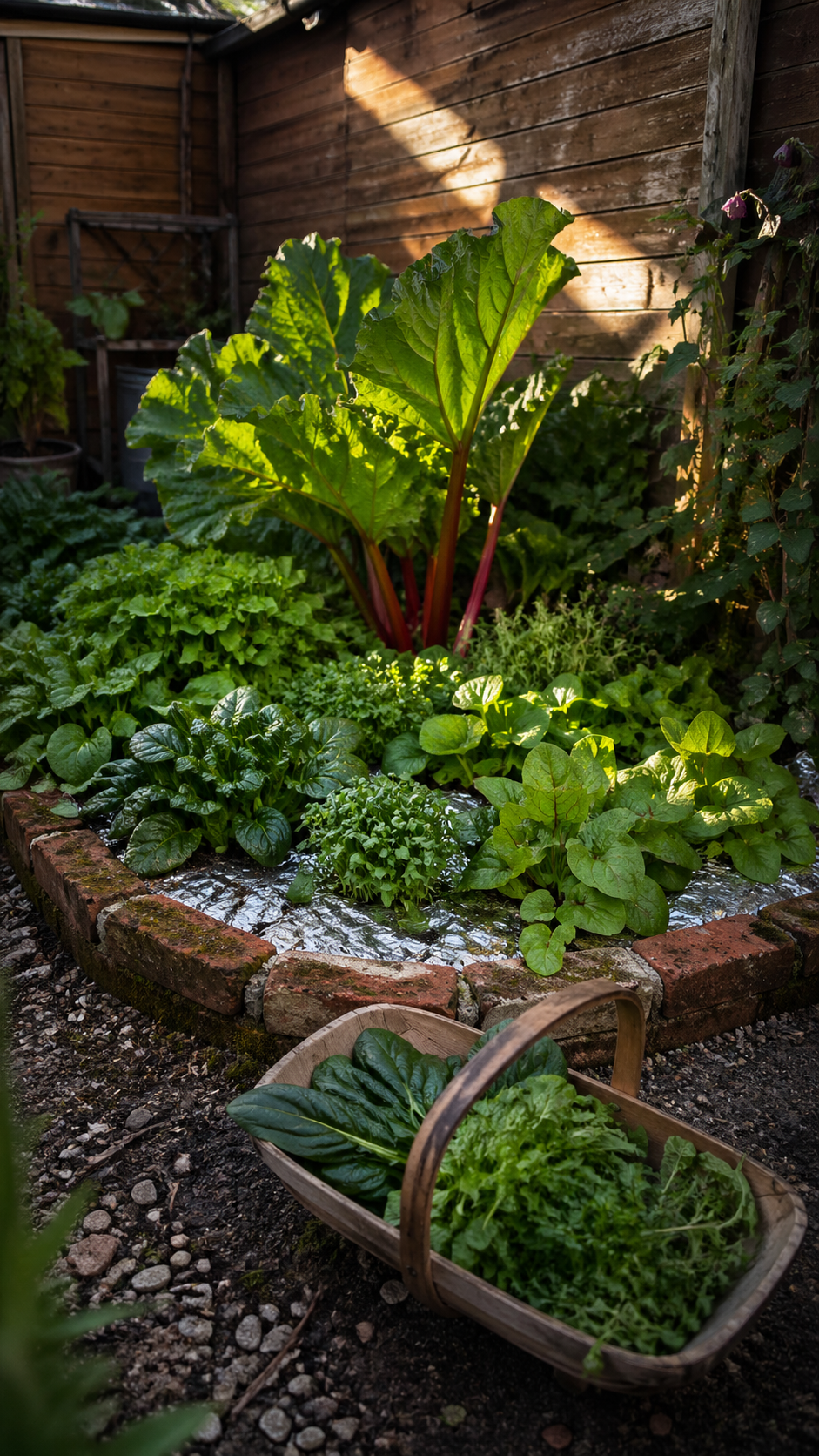
Your first task is to make the light count. Paint a dark fence white, spread pale gravel and watch the space brighten overnight. Then plant the workhorses of the shade world. For a damp, cool corner, try land cress, sorrel and perpetual spinach. They grow thick and lush with almost no direct sun. A row of ‘Golden’ beetroot adds warm colour, and a tangle of nasturtiums along the base of a wall will scramble happily, their round leaves and jewel‑toned flowers making the corner feel cared for.
The phrase what to plant in a shady corner of garden always brings the same answer: greens first. But don’t stop there. A pot of rhubarb or a clump of Jerusalem artichokes will tower up each year, using the shadows to keep their roots cool while their tops reach for whatever light is available. That’s overlooked corner vegetable gardening at its most satisfying. You stop thinking of it as a problem area and start calling it the larder.
Vertical Edible Garden for Small Shade Spaces and Forgotten Nooks
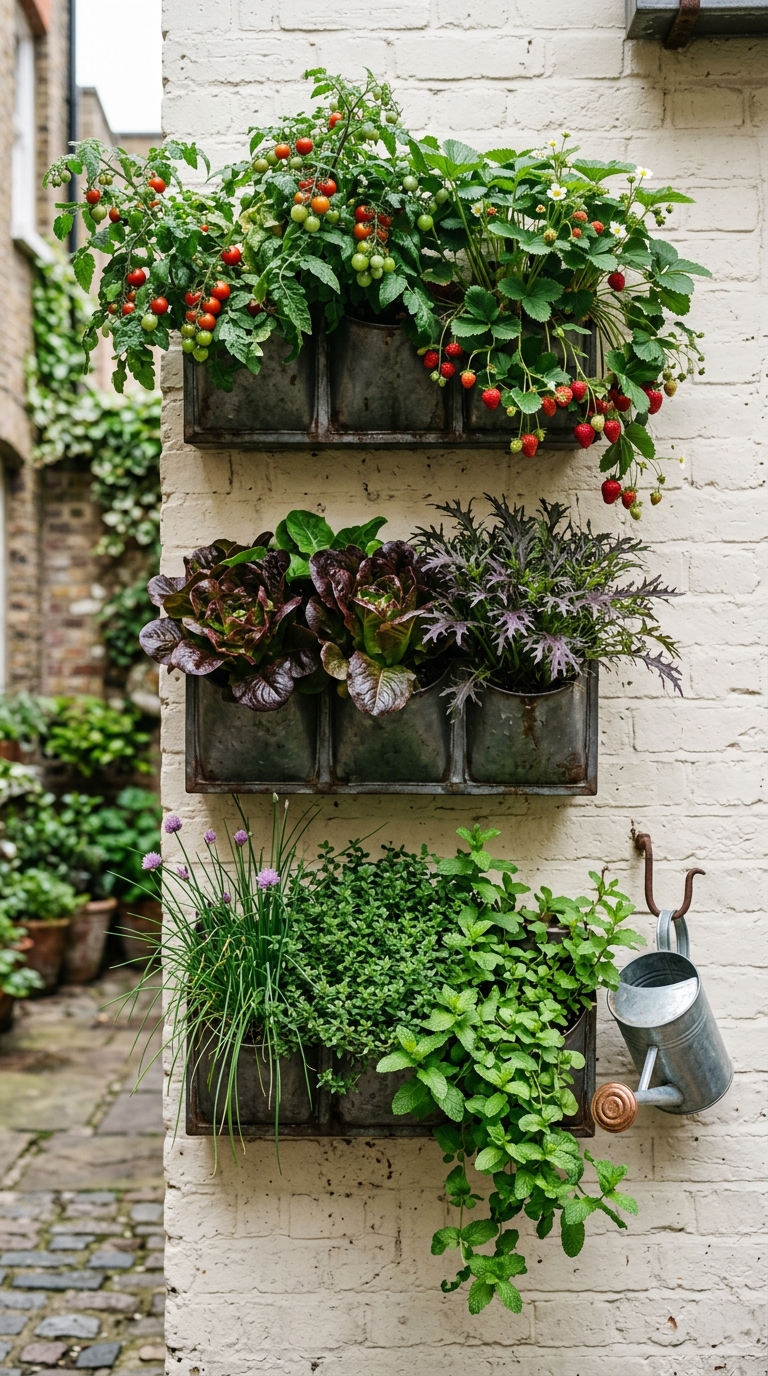
If you’re short on floor space, go up. A vertical garden in shade small spaces setup can turn a bare wall into a lush cascade of edibles. Wall‑mounted planters, pocket pouches and tiered stands let you grow strawberries, lettuces, chives and small bush beans at waist height, where they’re easy to pick. Keep the soil free‑draining (shade plus soggy compost is a recipe for slugs) and use a liquid feed every two weeks because high‑density planting gobbles nutrients.
The best bit of utilising shady nooks in garden spaces this way is the surprise factor. A guest walking down a side passage doesn’t expect to brush past a wall of alpine strawberries and mint. It turns the most overlooked space vegetable ideas into a talking point. Start with a single living‑wall pocket filled with ‘Mignonette’ strawberries and a few ‘Red Sails’ lettuce. Within a month, you’ll be hunting for more vertical real estate.
Vegetable Garden Shade Solutions – Hacks to Maximise Your Harvest
You can’t drag the sun lower or push buildings out of the way, but you can cheat a little. Vegetable garden shade solutions are all about amplifying what light you have and adjusting how you grow.
Clever Shade Gardening Hacks for a Bigger Yield
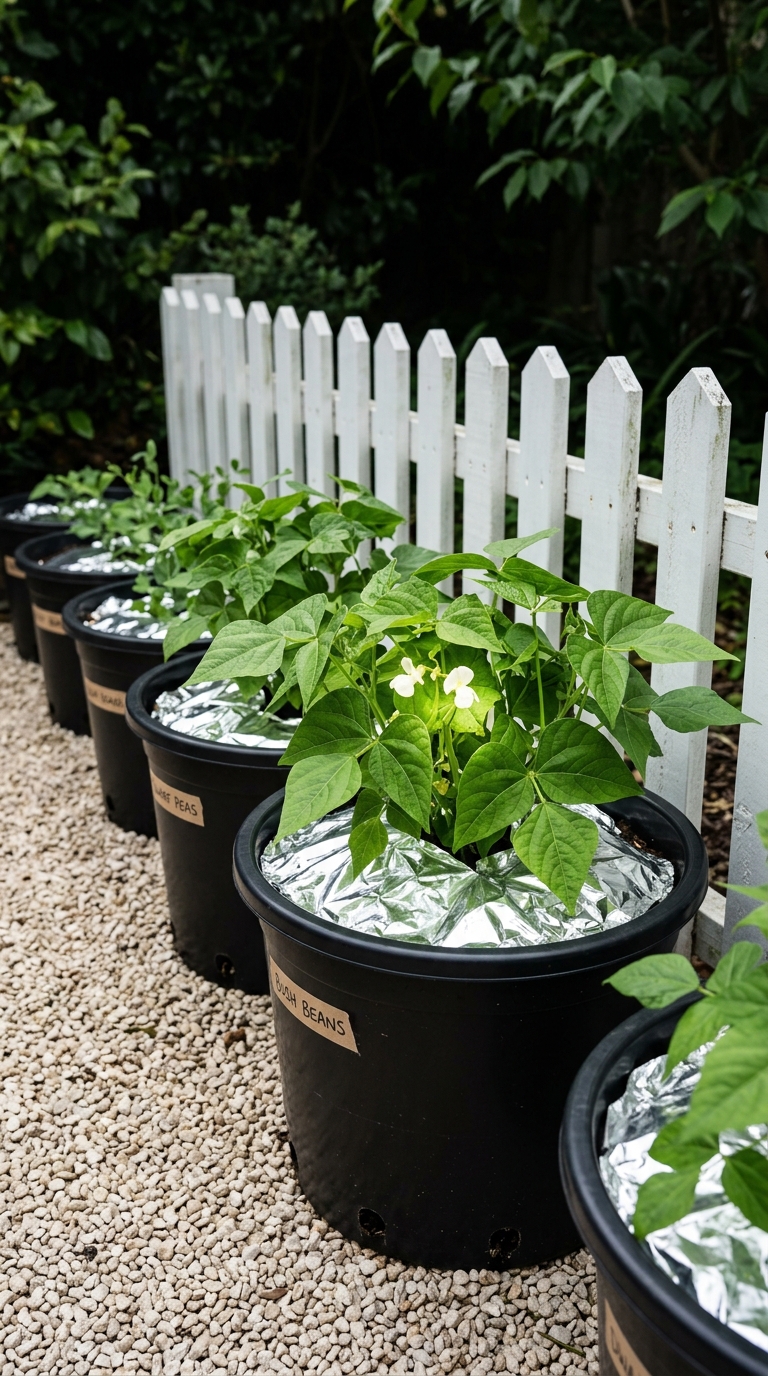
Boosting yield in a shady plot often comes down to reflection. Paint walls and fences white or pale cream to bounce available light back onto your plants. A sheet of silver reflective mulch (laid on the ground) throws light up onto the undersides of leaves, effectively doubling the intensity your crops receive. You don’t need anything fancy; even a white painted board propped behind a pot of beetroot makes a difference.
Another trick is to place dark‑coloured containers in the path of morning sun. They warm up faster than pale ones, nudging the soil temperature into the comfort zone for beans and tomatoes. If an overhanging tree is the culprit, prune a few lower branches to let low‑angled morning light slice through. These shade vegetable gardening hacks can maximize vegetable yield in partial shade without a major redesign. Small changes compound fast.
Best Practices for Growing Vegetables in Shade – Soil, Water and Spacing
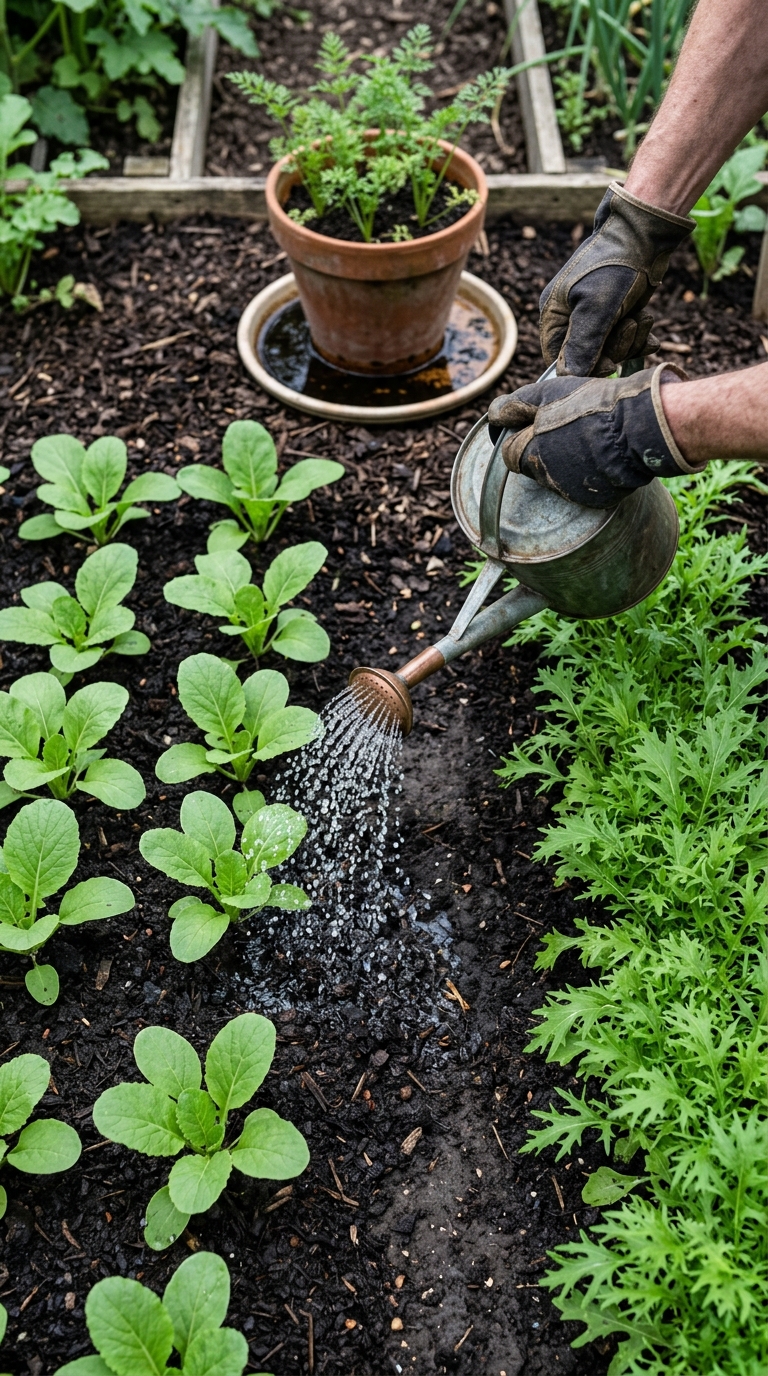
Sunlight isn’t the only variable. Shade vegetable gardening tips often skip the basics that matter most: soil, water and airflow. Because shady spots stay damp longer, good drainage is non‑negotiable. Work plenty of organic matter into beds and containers so roots never sit in cold, soggy soil. Space plants a little wider than you would in full sun. Better airflow means fewer fungal problems, and each leaf gets a bigger share of the available light.
Water early in the day so foliage dries before evening, cutting down on mildew. If you grow in containers, check moisture more often than you’d think. Shaded pots can look damp on top while being bone‑dry at root level, especially if a high wall blocks a lot of rain. A sunken saucer or a self‑watering insert can even out the swings. And if all else fails, a temporary cloche of clear plastic hoops in spring warms the soil enough to kick‑start growth. These best practices for shaded vegetable growing cost almost nothing and turn a surviving patch into a thriving one. As for vegetable garden shade cloth ideas, reserve them for the hottest afternoons if a sudden heatwave turns your cool corner into a steam room.
Growing Vegetables on a Shady Balcony – No Garden? No Worries
Apartment living often means a single balcony, and if that balcony faces north or gets blocked by neighbouring buildings, it’s easy to assume nothing edible will grow. That assumption is gloriously wrong.
Balcony Vegetables Partial Shade – North‑Facing Never Looked So Good
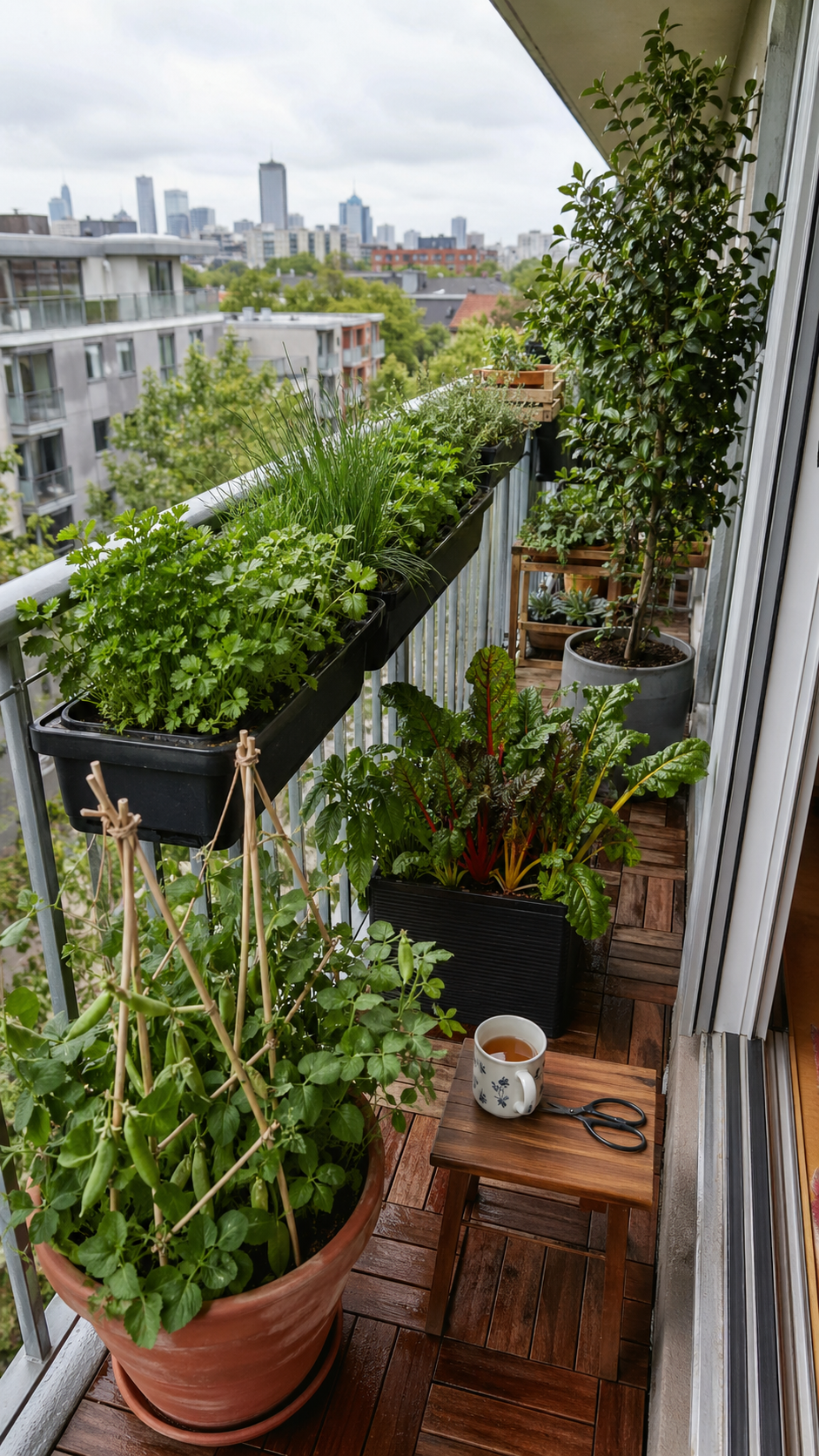
A north‑facing balcony might feel like a lost cause, but balcony vegetables partial shade success stories are everywhere. Start with the deep‑shade champions: leafy salads, mizuna, claytonia, parsley and chives. These barely flinch at grey skies. Add a few pots of dwarf peas trained up a bamboo wigwam and a tub of ‘Bright Lights’ chard in the brightest corner. The trick is positioning. Move pots around through the season to chase the light as the sun’s angle shifts.
Container vegetables for north‑facing balcony spots also include alpine strawberries and bush tomatoes (try ‘Tumbling Tom’ or ‘Balconi Red’). They won’t produce grocery‑store volumes, but they give you enough sweet fruit to snack on while you water. A well‑fed container (liquid seaweed once a week) compensates for lower light, encouraging strong stems and deep green leaves. You’ll be surprised how lush a “dark” balcony can look.
Edible Balcony Garden Low Light – Planter Ideas That Harvest All Season
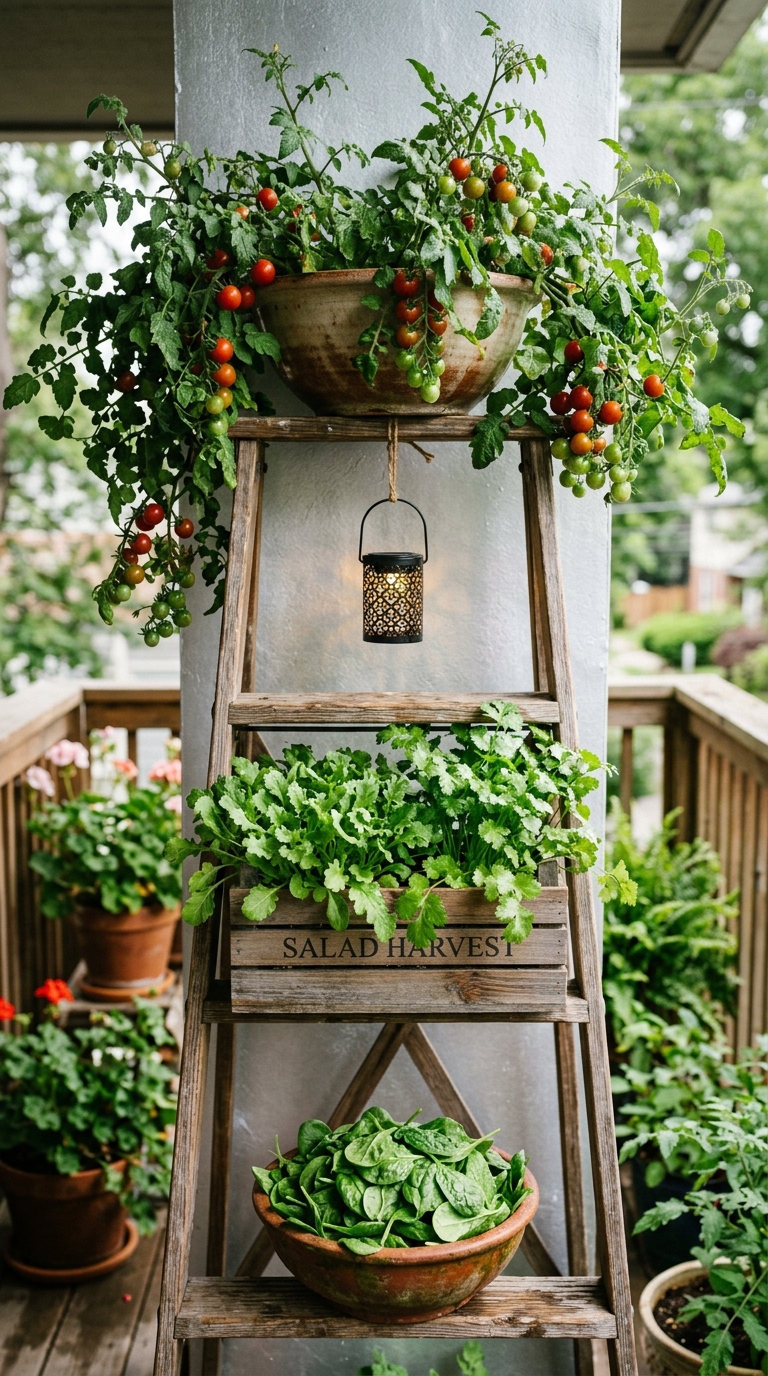
A small balcony vegetable gardening shade plan is at its best when you treat each container as a mini‑border. Start with a large oblong trough. In early spring, scatter a mesclun mix of lettuce, rocket and chervil. By late spring, tuck a dwarf French bean seedling between mature lettuce plants. When the beans finish, pull them and replant with winter purslane and coriander. This relay planting keeps the edible balcony garden low light productive eight months a year.
For the ultimate balcony shade veggie planter ideas, think in verticals here too. A folding step‑ladder shelf unit holds three levels of pots: spinach at the bottom, herbs in the middle, a cascading tumbler tomato on top. Add a clip‑on bird feeder and a small solar lantern, and suddenly your shady balcony is the seat everyone wants. You’ll be harvesting a handful of leaves, a few pods and a sprig of mint for your drink; the small scale becomes the charm, not the compromise.
Your Shady Patch is Ready
The old rulebook says veg needs full sun. The new rulebook, the one you just wrote by reading this far, says leafy greens, sweet roots and a carpet of herbs are perfectly happy when the sun plays hide and seek and still make the vegetable area look good. Pick three varieties from our shade tolerant vegetables list, choose a corner or a container, and plant them this weekend. A small vegetable garden design partial shade approach isn’t about settling, it’s about working with the light you have and discovering just how much it can give you. No full sun? No problem. Now go get your trowel.
