
The Fruit Tree Arizona Gardeners Say Is Easiest to Plant Before Winter Arrives
A fig tree can turn a bare corner of a low-desert yard into a source of homegrown fruit. University of Arizona Cooperative Extension calls figs a simple fruit for home gardeners in this region.
Fall is a planting season that works for the low desert, but it does not fit every spot in Arizona. Here is how to decide whether a fig belongs in your yard, and how to give it a good start.
A practical fruit-tree choice for the low desert
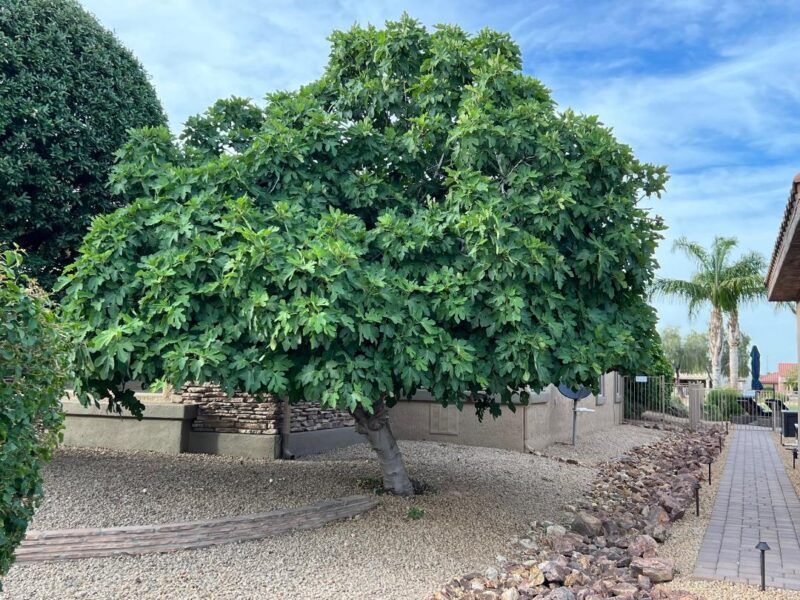
Gardeners in Arizona’s low desert often want a fruit tree that does not demand constant fussing. A common fig (Ficus carica) is a strong candidate.
University of Arizona Cooperative Extension describes figs as a simple fruit for home gardeners and says they suit the low desert.
Two varieties stand out there. ‘Brown Turkey’ and ‘Black Mission’ are both listed as performing well in low-desert conditions, so they are good names to look for at the nursery.
The title of this article suggests that Arizona gardeners agree figs are the easiest tree to plant. No survey or documented consensus backs that up, and nobody has shown that figs are the easiest fruit tree across the whole state.
A better way to put it is that figs are a relatively simple, practical option for the low desert.
Figs also are not the only choice. University of Arizona describes pomegranates as easy to grow and well suited to the desert, though they still need irrigation for good fruit quality.
Think of the fig as one solid pick among a few. The rest of this article explains when to plant it, where it fits, and what care to expect.
Fall planting suits the low desert, not every Arizona location
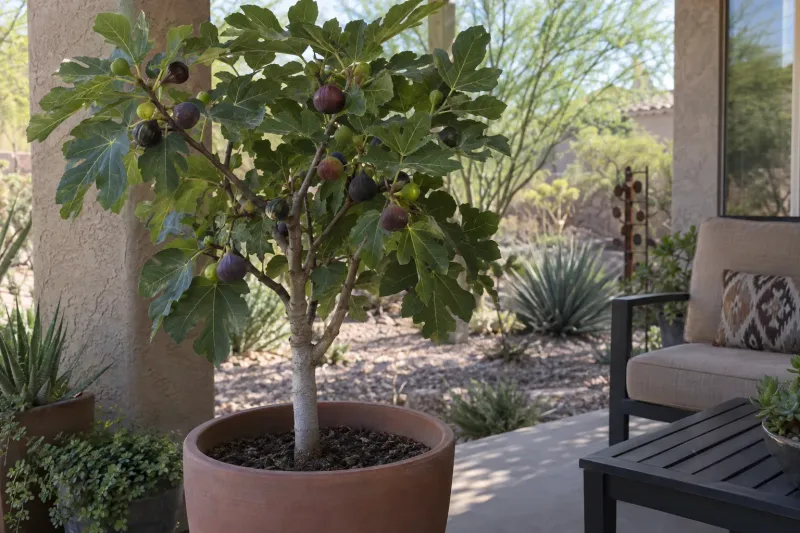
Arizona covers everything from hot desert basins to cold mountain towns, so one planting date cannot fit everyone. For the low desert, University of Arizona supports planting figs in fall because it gives roots time to settle in before the harsh heat of summer arrives.
That support has limits. Fall planting does not guarantee a tree will be well established before winter cold arrives, and no single cutoff month is given in the guidance.
Your local weather, the tree, and the year all matter.
The same guide also advises people in areas with cold winter temperatures to wait until the coldest part of winter has passed. If you live somewhere that freezes hard, planting before winter may be the wrong move for you.
Elevation changes the advice too. For bare-root fruit trees at elevations of 3,500 to 6,000 feet, University of Arizona guidance favors February and March.
That recommendation is about bare-root trees at higher elevations, which is a different situation from a container-grown fig in the low desert.
If you are outside the low desert, check with your local Cooperative Extension office before you buy. A quick call can save you a lost tree and a lost season.
Match the fig variety to its use and give it room
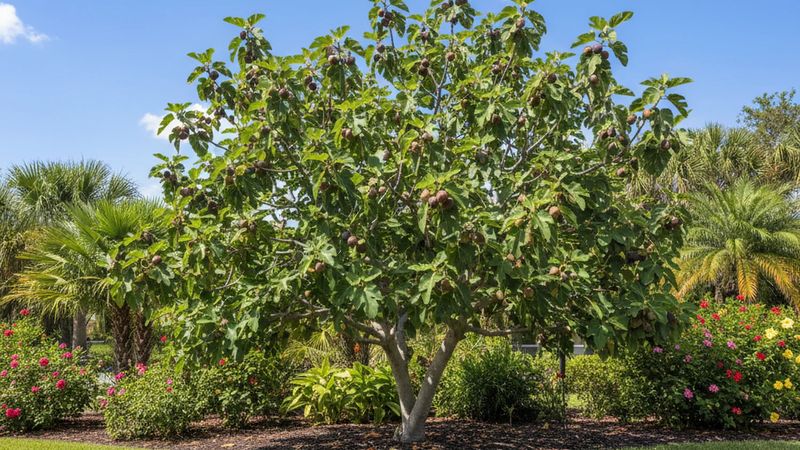
Picking a variety starts with how you plan to eat the fruit. University of Arizona suggests ‘Brown Turkey’ for fresh eating and ‘Black Mission’ for preserving.
If you want jam, go with the Mission. If you want to snack straight off the tree, Brown Turkey is the pick.
One bit of good news: common figs self-pollinate. You do not need a second tree to get fruit, so a single fig can work in a small yard.
Space is the bigger question. A fig likes full sun, about 8 to 10 hours a day, and soil that drains well.
Water that sits around the roots is a poor match for this tree.
Size matters too. These trees can reach 10 to 30 feet tall and often grow wider than they are tall.
Walk the spot and picture a big, spreading canopy rather than the small pot you bring home.
Leaves are another thing to plan for. A fig drops them, so a spot beside a pool or patio can turn into a sweeping chore.
A planting space with room to spread and a spot where leaf litter will not bother you makes for a happier tree and a happier gardener.
Plant a container-grown fig without amending the hole
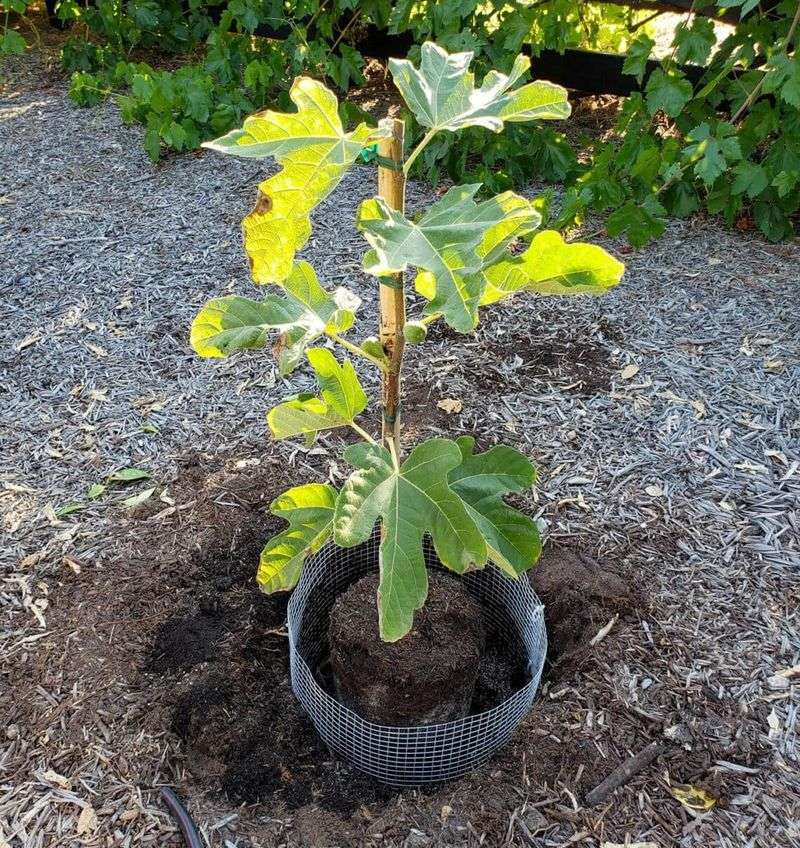
Once you have a spot, the planting steps for a container-grown tree are straightforward. University of Arizona’s guidelines for container trees and shrubs start with the hole.
Dig it no deeper than the root ball.
Next, set the root ball level with the surrounding ground, or slightly above it. Then fill the hole back in with the native soil you dug out, and water it thoroughly to settle things.
Many gardeners want to mix compost or other organic material into the hole. The university advises against adding organic amendments to the planting hole, so skip that step and let the roots reach into the native soil.
Finish with mulch over the disturbed area. Keep it pulled back from the trunk so it does not sit against the bark.
These steps are for container-grown trees. A bare-root tree has different needs and timing, so look up guidance for that type if you go that route.
A relatively simple fig still needs regular water
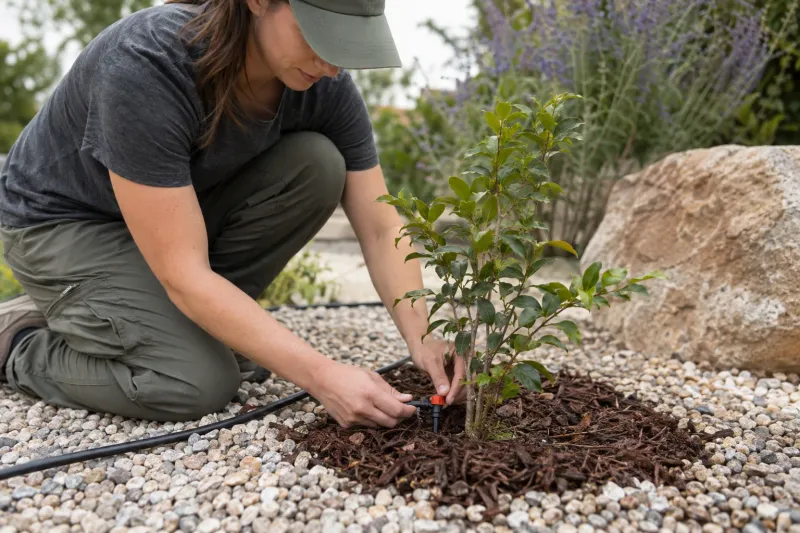
Simple does not mean you can walk away. Newly planted trees need follow-up irrigation after that first deep watering, and a fig is no exception.
Once the tree is established, the schedule changes with the seasons. The University of Arizona fig guide describes watering about every three to five days in normal summer heat.
In extreme heat, water more often. In winter, about every two weeks is the reference.
Treat those numbers as a starting point. Sandy soil dries out faster than clay, and a cool, cloudy week asks for less than a scorching one.
Adjust your intervals to your soil and the weather.
Summer water matters for the fruit itself. The guide calls for adequate summer irrigation to support fruit size and production, so a stressed tree can mean smaller figs.
A simple habit helps. Check the soil a few inches down before you water, and let what you find guide your next watering.
Expect some pests and take serious disease risks seriously
Figs are relatively pest-resistant, but that is not the same as pest-free. University of Arizona names green fig beetles, birds, and gophers as concerns.
Birds can peck at ripe fruit, and gophers can damage roots from below.
Diseases deserve more attention than the occasional pest. The same guide warns that crown gall and cotton/Texas root rot can kill figs.
These are the problems that can end a tree’s life, not just nibble at it.
The practical advice is to avoid planting in sites known to have these diseases. If a previous tree in that spot died from root rot, pick a different location rather than hoping for the best.
Keep the worry in proportion. Plenty of gardeners grow figs without trouble, and the point is simply to know what to watch for.
A little attention to the site before planting is the best protection you have.
Give a new fig years, not months, to produce
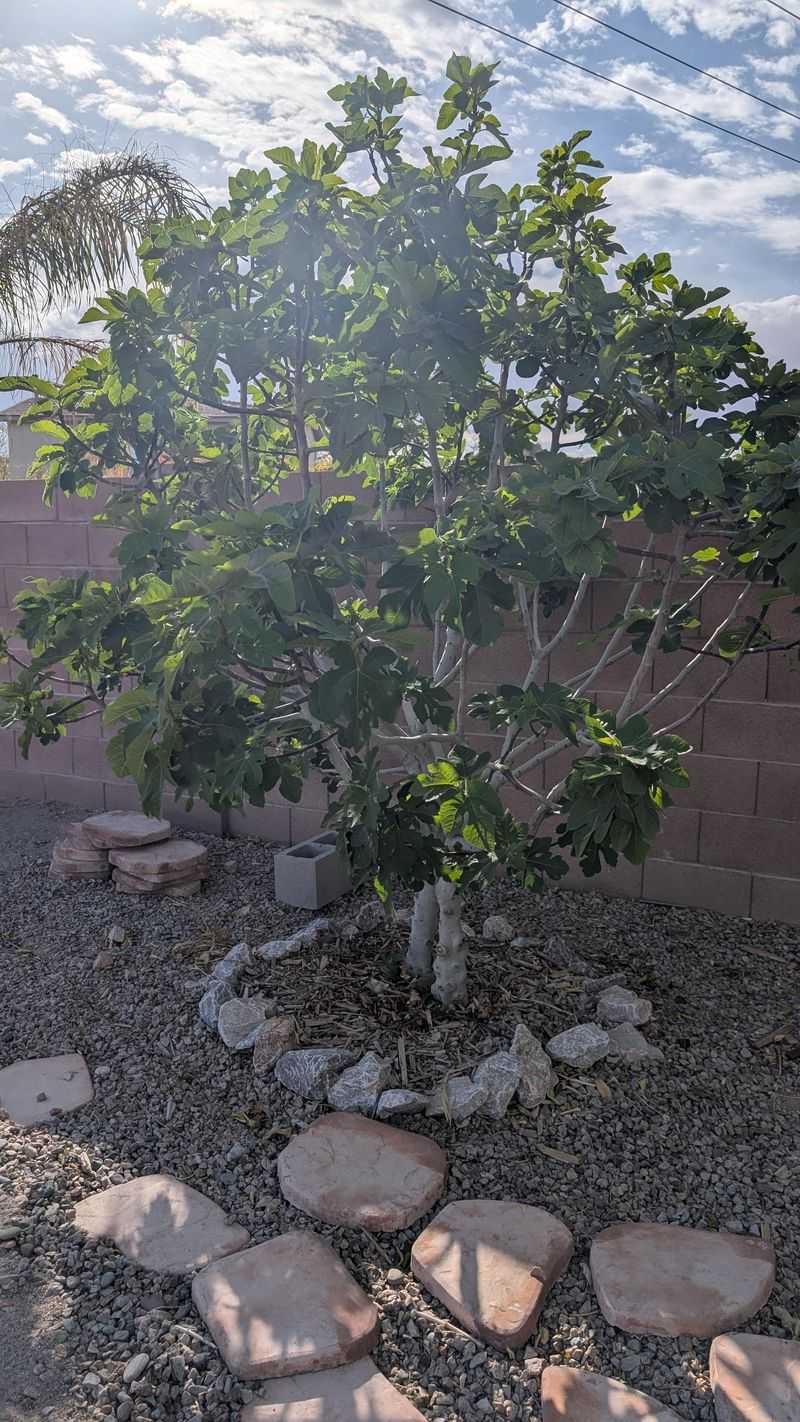
Patience is part of growing a fig. University of Arizona says a newly planted tree may take three to four years to produce a viable crop. Do not count on figs next season.
Those early years are when the tree builds roots and branches, so steady watering and a good site matter most. Think of the first few seasons as an investment.
The fall-planting case here applies to suitable low-desert conditions. It is not a rule for every corner of Arizona, and it does not promise that a tree will be established before winter.
If you live at a higher elevation or somewhere with cold winters, check local climate and planting guidance before you buy.
A fig planted well today may reward you with fruit a few summers from now.