
The Persimmon Seed Folklore Some Ohioans Know: Spoon, Knife, or Fork?
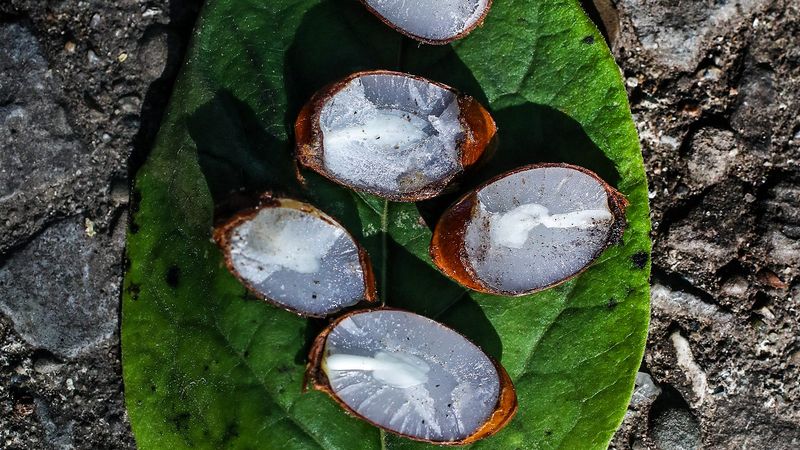
Split open a persimmon seed, and some people say a tiny pale shape inside hints at what winter may be like. The shape might look like a spoon, a knife, or a fork, and each one carries a different old saying.
It is a fun custom to learn about, especially if you have a persimmon tree nearby. Here is what the tradition says, how to look at a seed safely, and where to turn for real winter planning.
A persimmon-seed custom recorded in Ohio
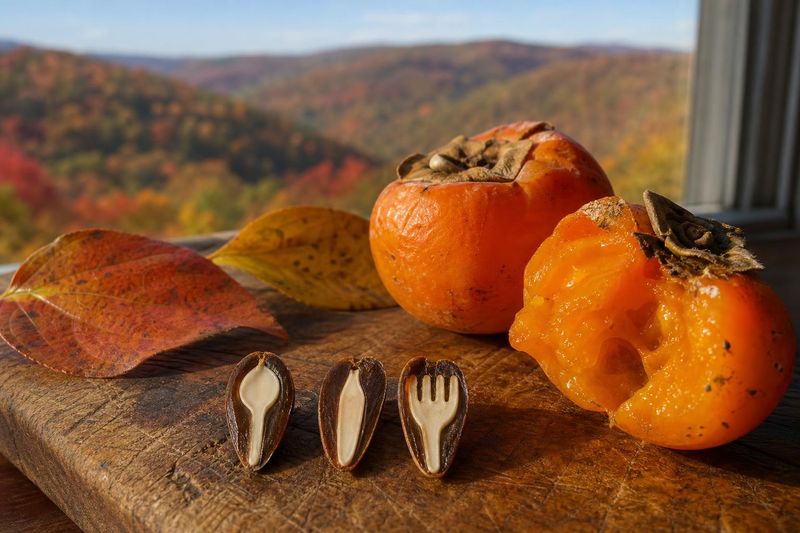
Ohio farm coverage has recorded the persimmon-seed reading, so it is fair to call it a custom some Ohioans know. Ohio’s Country Journal mentions the utensil idea, which shows that people here have heard of it.
That is different from saying every family in the state practiced it, and plenty of Ohio households never heard of it at all.
The tradition also stretches well beyond Ohio. University of Illinois Extension describes it as weather folklore, and the sources reviewed tie it to Ozark, Appalachian, and Southern traditions.
A University of Vermont exhibit on persimmon folklore also gathers stories about the fruit from several places.
Nobody can point to a single starting place or date for the practice. So the safest way to think about it is as a regional folk custom that has been recorded in Ohio, passed along by people who enjoy a seasonal ritual.
If a relative ever showed you this trick, you are part of that story. If not, you are welcome to try it as a curiosity, with a clear view of what it can and cannot do.
What people see inside an American persimmon seed
The tradition centers on the American persimmon, also called the common persimmon, with the scientific name Diospyros virginiana. Ohio DNR says it is native across the southern two-thirds of the eastern United States, with central Ohio near the northern edge of its range.
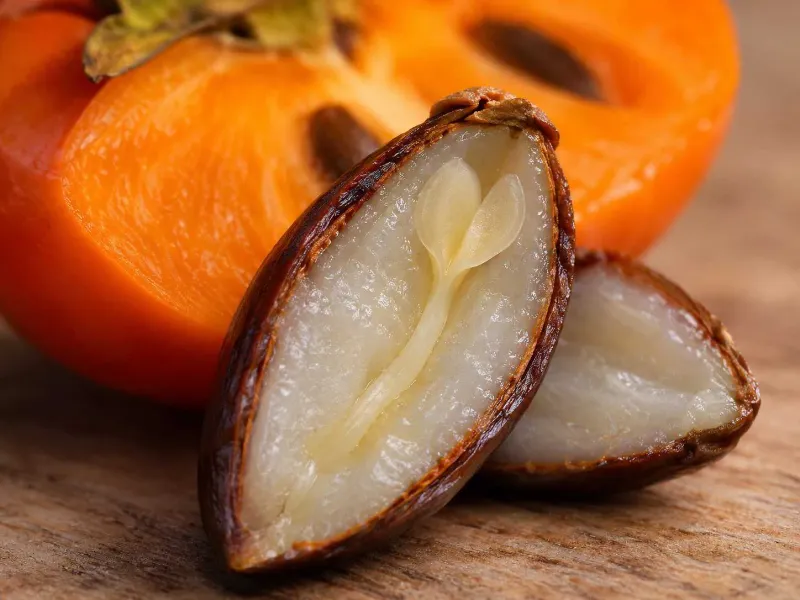
Its fruits hold several flattened, dark-brown seeds.
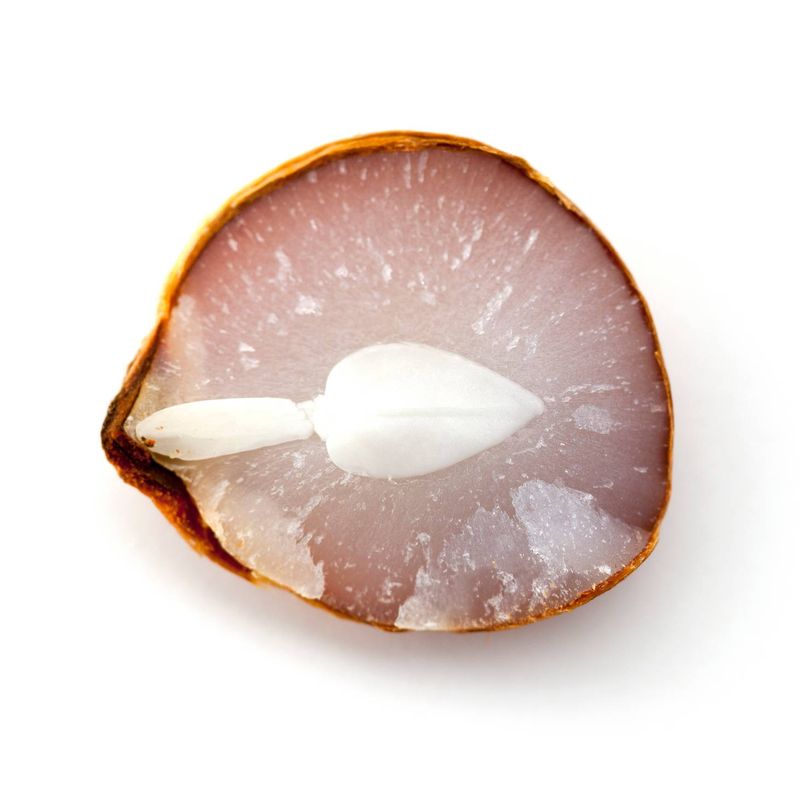
Inside each seed is a pale form that people read as a utensil. Missouri’s conservation department and a University of Tennessee museum post describe it as the embryo or cotyledon, which is the baby plant and its first leaf-like parts.
So the spoon, knife, or fork is plant anatomy that people interpret, not a real utensil tucked in a seed. Some seeds may show a shape that is hard to name, so do not expect a perfect cutlery drawing every time.
What the spoon, knife, and fork supposedly mean
Folklore gives each shape its own winter message. A spoon is usually linked to heavy or abundant snow, the idea being that you will need a shovel, a big scoop.
Missouri’s conservation department shares these meanings as folklore.
A knife stands for bitter cold, with icy or cutting winds that slice right through your coat. A fork points to a mild winter, sometimes with only light snow, as if the weather is going easy on you.
Wording changes from one account to the next. Illinois Extension relays its own version, so you may hear a slightly different story from a neighbor or relative.
Keep in mind that these are traditional readings. None of them promises snow, cold, or mild days, and a shape in a seed cannot guarantee anything about the months ahead.
How to examine a seed more safely
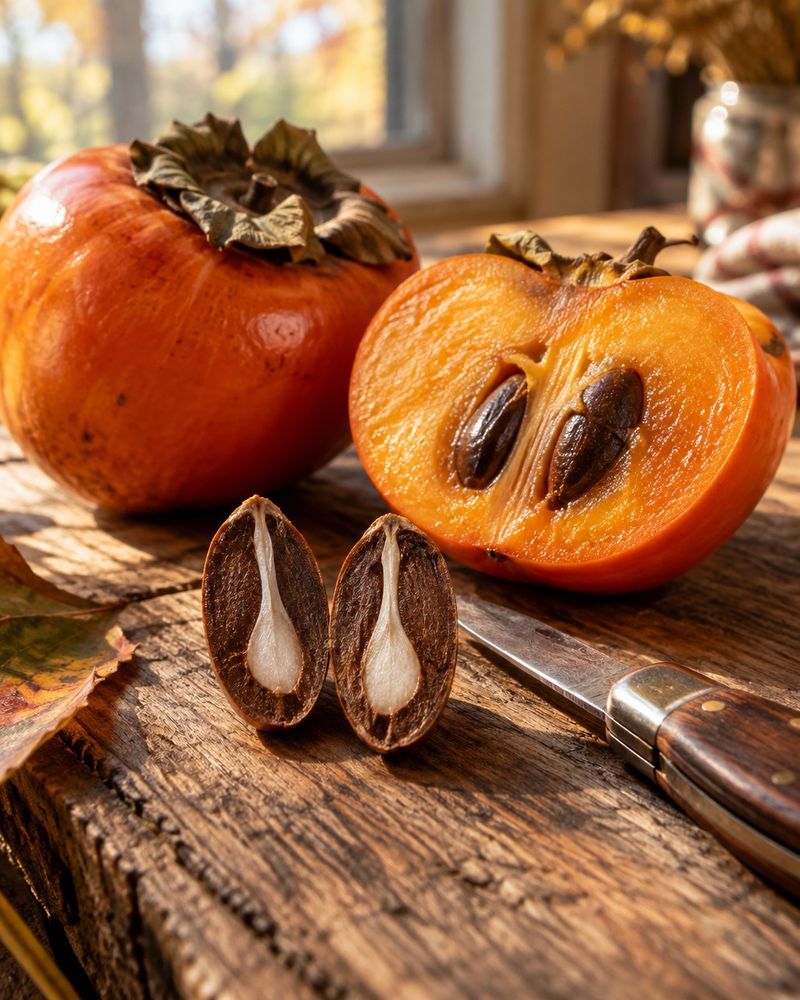
Cutting a seed with a knife sounds like the obvious method, but it is the risky one. Missouri’s Department of Conservation warns that fresh seeds are slippery and a blade can slip into your fingers.
Its safer advice is to let the seeds dry for a few days. After that, squeeze one with pliers until it cracks open, and look for the pale shape inside.
Work on a stable surface, keep your fingers clear of the jaws, and have an adult handle the tool if kids are helping. Safety glasses are a smart extra, since a seed can pop.
Treat this as a way to see a folk custom up close. It is a fun fall activity, not a weather test you should trust.
What the evidence says about prediction
You may hear that the seed was right 13 winters out of 17. Illinois Extension relays that number from a Missouri Extension office’s observations.
It is an anecdotal account. The post does not provide the underlying records, the criteria used to judge a prediction, or a scoring method, so nobody can check how it was counted.
That means the figure is not a scientific success rate. With no way to see what counted as a hit, it cannot be treated as proof that a seed can forecast anything.
The sources reviewed describe a tradition and nothing more, and no peer-reviewed accuracy study turned up. Missouri’s conservation department frames the meanings as folklore too.
Part of the charm is that it is a story people enjoy telling, whether or not it holds up.
Use official weather information to plan for winter
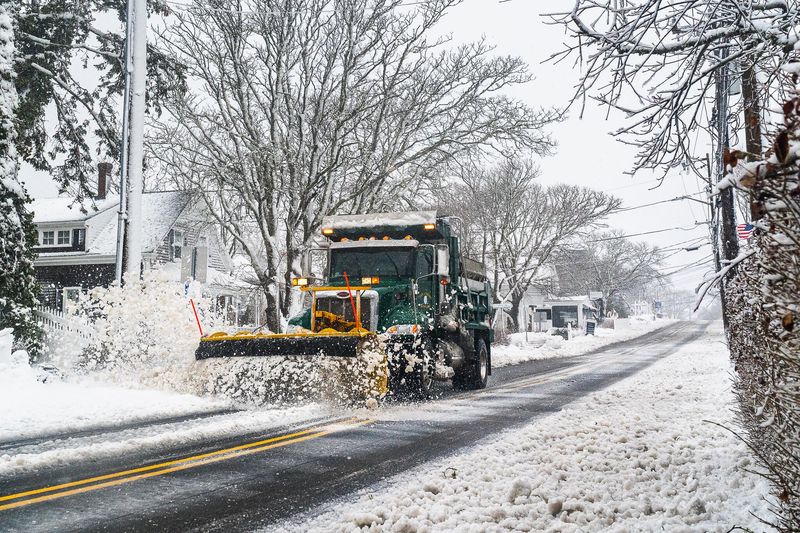
For real decisions, such as stocking salt, planning travel, or prepping the car, turn to the National Weather Service. Its forecasts, watches, and warnings are built from current data and updated often.
Seasonal outlooks help with the big picture. NOAA Climate.gov explains that they give probabilities for above-, near-, or below-average temperature and precipitation.
They are not snowfall forecasts. NOAA’s winter outlook release notes that seasonal snowfall totals generally cannot be predicted more than about a week ahead.
So check the official outlook in the fall, then watch short-term forecasts and alerts as storms approach. Crack open a seed for the fun of it if you like.
The seed can start a good conversation at the table, and the forecast can tell you when to buy the salt.