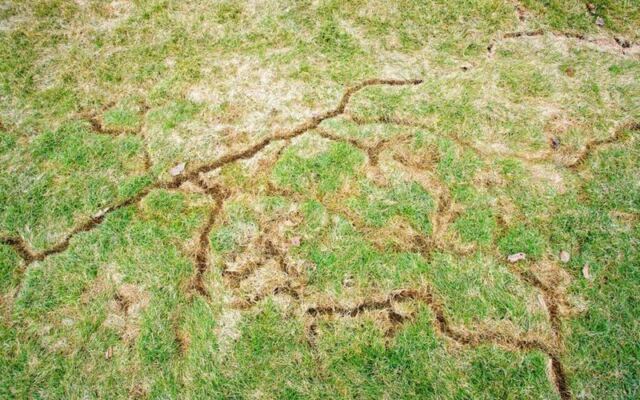
Narrow, winding trails in your lawn after the snow melts mean a small visitor has been busy, and that visitor is most likely a meadow vole. These little rodents travel and feed along grassy paths, often hidden under the snow all winter.
The trails look dramatic, but they usually tell a smaller story than you might fear. Here is how to read the clues, judge the damage, and get ready for next winter.
What the trails can tell you
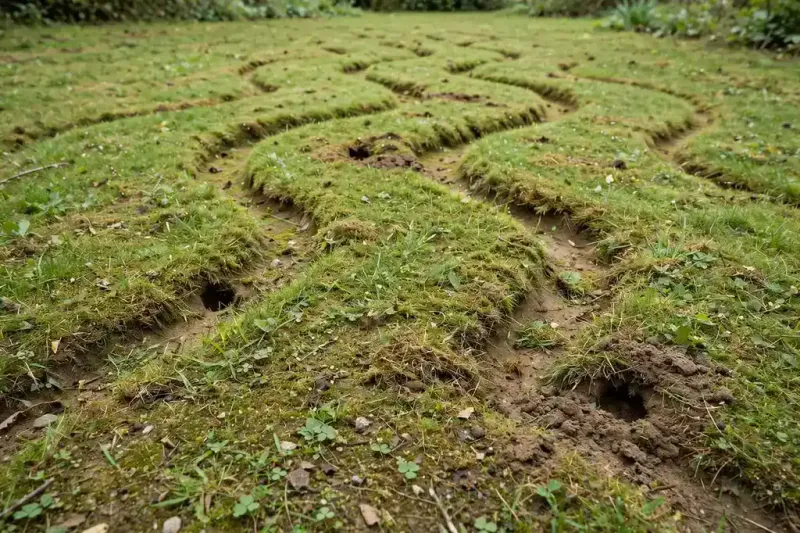
Narrow, irregular paths of flattened or clipped grass are the classic calling card of meadow voles. Think of them as tiny walking routes that the animals wear into the turf as they move between cover and food.
According to Cornell Cooperative Extension guidance on voles, runways are commonly about 1 to 2 inches wide. That is roughly the width of a few fingers, so a path much wider than that may point to something else.
A winding pattern alone is not enough to name the culprit. Look for other clues that strengthen the case: grass blades clipped into short pieces, small droppings along the path, or little burrow openings about the size of a quarter hiding at the edge of the trail.
Finding two or three of these together gives you far more confidence than one clue by itself.
It also helps to be clear about what a runway does and does not show. A trail is evidence of travel and feeding.
It does not mark the spot of a nest, and it does not prove that an animal has set up permanent housing directly beneath your lawn. The nest could be some distance away, under a brush pile, a thick garden bed, or a tangle of tall grass.
Think of the trail as a message that a vole passed through, not an address. That framing keeps your response calm and sized to the actual problem.
Why trails appear after snowmelt
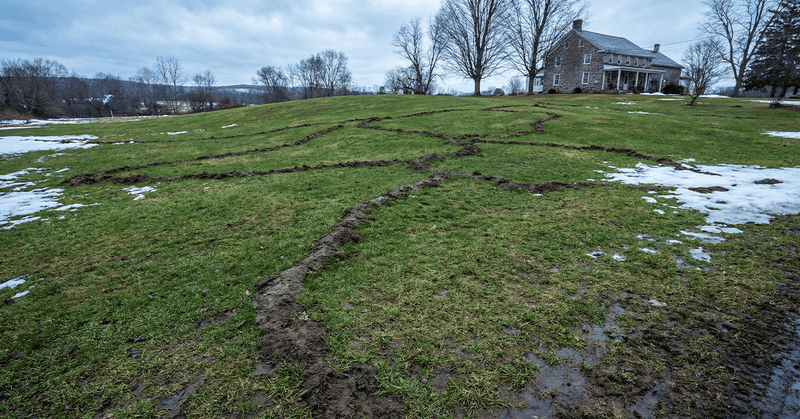
Snow works like a blanket for small animals. Voles can travel and feed along surface paths beneath it, safe from hawks, owls, and cold wind, so their work often goes unseen for weeks or months.
When the snow finally pulls back, every path they made is revealed at once. According to the Cornell vole fact sheet, snow cover gives voles shelter as they move and eat, which is why spring is when homeowners tend to notice the trails.
That timing matters for how you read what you see. A lawn full of trails in March or April looks alarming, but it reflects a whole winter of activity showing up in a single moment.
Visible trails do not by themselves mean a large or permanent infestation.
The UMass Extension lawn guide also treats the damage as a seasonal pattern, one that often looks worse than it turns out to be. Once the ground warms and the grass starts growing, the trails tend to fade from view.
If you want to know whether activity continues, check again in a few weeks. Fresh clipping and new droppings suggest ongoing movement, while old, dry trails that are greening over suggest the busy season has passed.
Raised ridges are a different sign
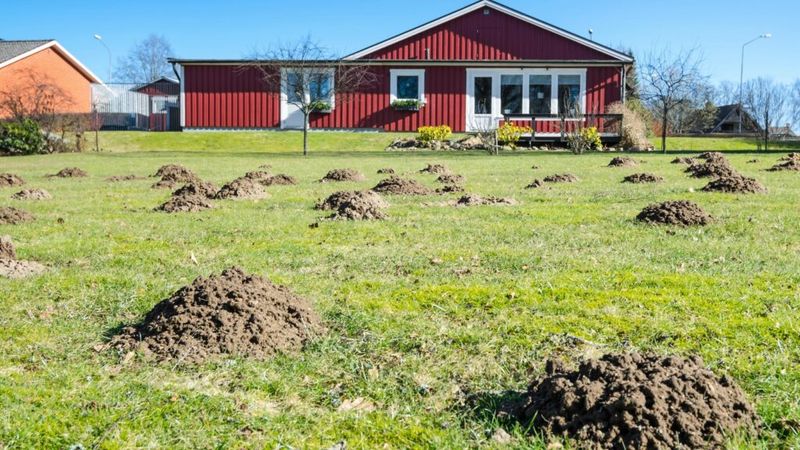
Not every lawn mark comes from voles, and the surface of the ground is your best clue. Vole trails are irregular paths in the grass with no raised soil.
You can see the turf is simply flattened or clipped along a narrow track.
Moles leave a different signature. The University of Minnesota Extension lawn diagnostic page describes raised ridges and soil mounds as the more typical signs of moles tunneling just beneath the surface.
If you can feel the ground squish or rise under your foot along a line, think mole.
Diet is another difference. According to the UMass Extension fact sheet on mole and vole damage, moles eat invertebrates such as earthworms and grubs rather than grass or roots.
Voles are the ones nibbling on plant material.
Keep in mind that one sign rarely tells the whole story. A lawn can host more than one kind of visitor, and a single ridge or a single trail will not reveal everything an animal has been doing.
Walk the whole yard, note what you see in each area, and match the evidence patch by patch.
Give the lawn time to recover
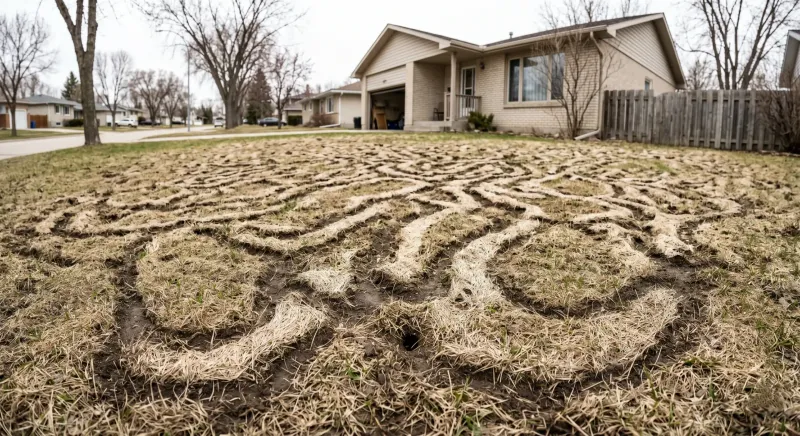
Spring lawns often look their worst right when you first see them, so patience pays off. Voles can chew grass down to the crown, yet they typically do not disturb the root system, and turf often regrows once temperatures rise.
The UMass Extension lawn fact sheet notes that this kind of damage is often superficial. A trail that looks brutal in early April may be green again by late May.
Start by raking out loose, matted, or damaged material with a light leaf rake. That lets air and sunlight reach the crowns and helps new growth push through.
Then wait. Overseed only the areas that fail to recover after the lawn has had a fair chance to wake up.
Also keep in mind that voles are not always the cause of a bad patch. Snow mold and cold injury can discolor grass or leave bare spots in spring, as covered in University of Illinois Extension guidance on winter lawn damage.
Snow mold often shows up as grayish or pinkish matted circles, which look quite different from a narrow trail.
If a damaged area has no trail shape at all, look for another explanation before blaming voles. Matching the pattern to the cause keeps you from fixing the wrong problem.
Reduce shelter around the lawn
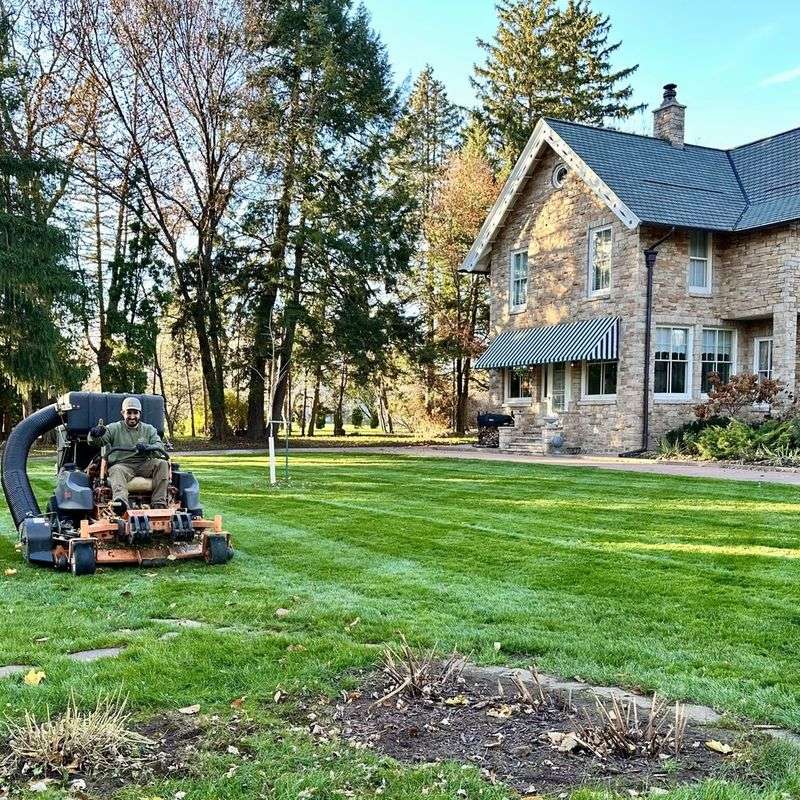
Voles like cover. Thick grass, brush, and clutter give them hiding spots from predators, so the most useful prevention happens in fall, before the first snow arrives.
Based on Cornell Cooperative Extension recommendations, keep your grass maintained and remove excess brush and debris, especially near the lawn edges that border fields, gardens, or woods.
A few practical jobs make a difference. Mow the lawn one last time before winter so the grass is not left long and floppy.
Clear leaf piles, old plant stalks, and stray boards from the edges. If you stack firewood or keep a compost pile, move it away from the lawn where practical.
Walk the perimeter of your yard in October and look at it the way a small animal would. Any spot that looks like a cozy tunnel of cover is worth tidying.
Be realistic about the payoff. These steps reduce shelter, but they cannot guarantee voles will skip your yard.
A snow-covered lawn can still offer protection, and voles may travel in from nearby properties. Think of habitat cleanup as lowering the odds, not closing the door.
Protect young trees and shrubs separately
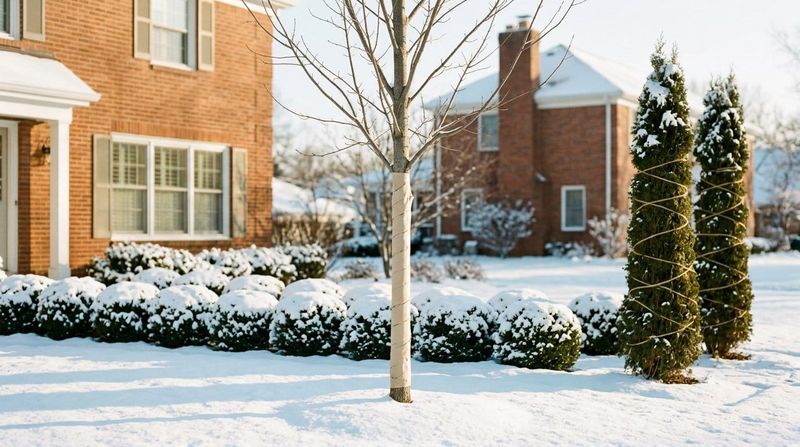
Lawn trails are mostly a cosmetic issue, but young trees and shrubs are a different matter. In winter, voles can gnaw bark near the base of a plant and may girdle it, cutting off the flow of nutrients that keeps it alive.
Cornell’s guidance, found in the Cornell Cooperative Extension vole publication, is specific. Use a hardware-cloth cylinder with mesh no larger than ¼ inch, bury it at the base, and extend it above the depth snow is expected to reach.
Burying the bottom matters because voles can tunnel underneath a guard that only sits on the surface. Making it tall enough matters because voles traveling on top of deep snow can reach bark higher up the trunk than you might expect.
Leave a little room around the trunk so the tree can grow, and check the cylinder each fall to make sure it is still snug in the soil.
Keep this job separate from your lawn plan. A guard around a trunk protects that plant only.
It will not stop runways from forming in the surrounding grass.
Escalate only when the problem warrants it
For most yards, the sensible plan is simple. Check for clipped grass, droppings, or burrow openings.
Tidy the edges before winter, guard vulnerable young plants, and give the turf time to bounce back before you take bigger steps.
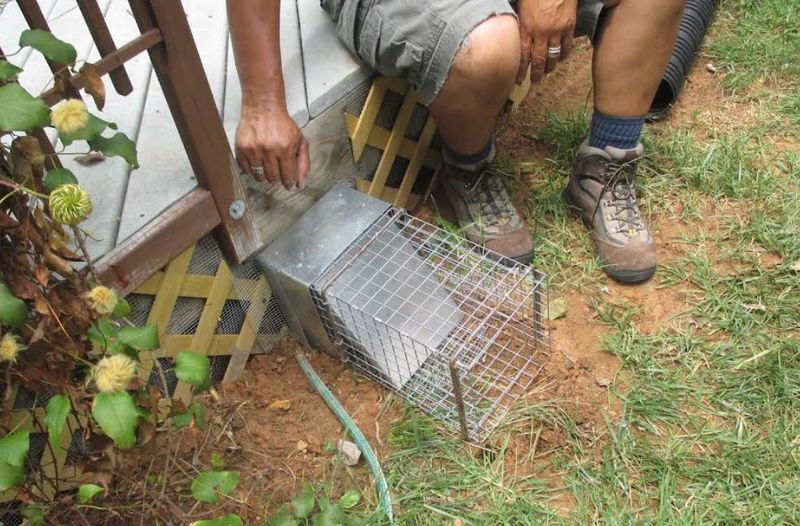
If you want to try trapping, know that results vary. Penn State Extension describes trapping as most suitable for small areas or populations, and it also says evidence for repellents is limited and frightening devices are not effective at reducing damage.
The UMass Extension guide adds that trapping is rarely needed for ordinary residential lawn damage.
Rodent bait deserves extra caution. The EPA guidance on rodent bait says products must be used according to their label and placed and stored so people, pets, and wildlife cannot reach them.
In New York, the DEC guidance on taking nuisance animals does not allow captured wildlife to be relocated off the property. Check current rules or call a licensed professional before you act.
A winding trail is a short note from a small neighbor, and most springs it asks for nothing more than patience.
Share this story