
Vegetable Container Gardening Made Easy: Pots, Patios, and Plenty to Pick
Fresh vegetables taste different when they come from a pot you can reach in a single step, a quick snip of greens, a warm cherry tomato, a handful of basil that turns a plain meal into something you want to linger over. Container gardening vegetables make that kind of everyday moment possible, even if your “yard” is a balcony, a patio, a rooftop, or a sunny apartment window.
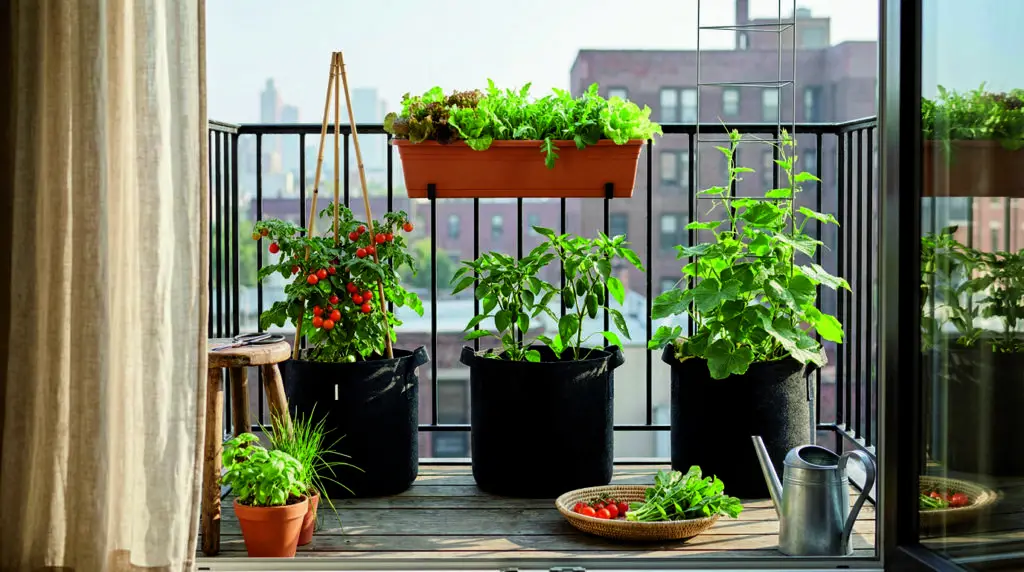
The best part is how adaptable vegetable container gardening can be. Hot-humid regions, mild temperate zones, and true four-season climates all support great container harvests, the main difference is timing, and a few small adjustments to heat, rain, and cold. Once you understand the basic setup, growing vegetables in containers becomes less about luck, more about a repeatable routine.
Why vegetable container gardening works so well
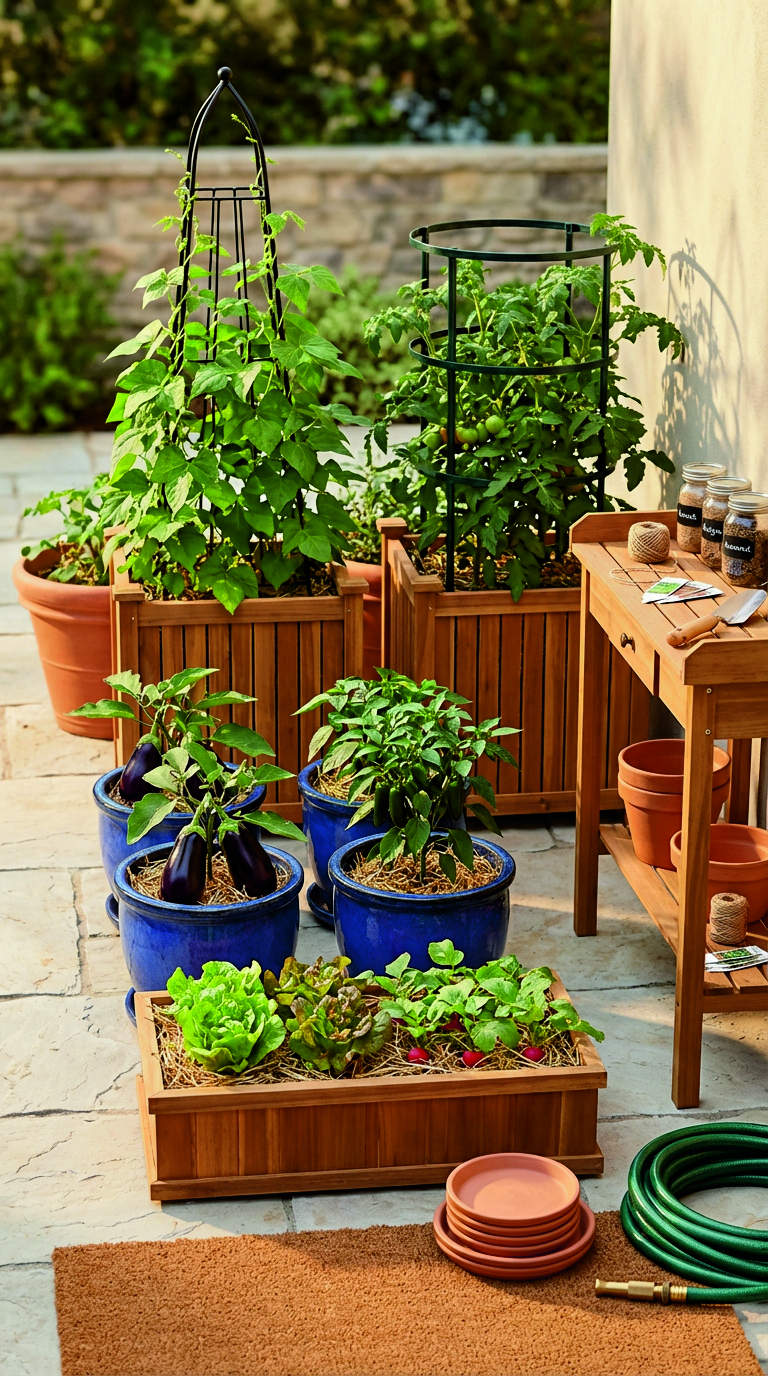
Containers give you control, and control is the quiet secret behind consistent harvests. You choose the soil instead of inheriting whatever is in the ground. You decide where the plant lives, which matters in urban container gardening vegetables where sunlight can shift, wind can funnel, and heat can bounce off walls.
A container also acts like a mini growing system. Water goes in, excess drains out, nutrients can be managed with intention, and weeds rarely get a foothold. For many people, that translates into less frustration, fewer pests, and a garden that feels tidy rather than sprawling.
Even better, containers are flexible. You can pull a pot under cover during a heavy downpour, slide it into shade during a heat spike, or tuck it close to a wall when nights start to cool. That mobility is valuable in a balcony vegetable container garden, a patio vegetable container garden, or a rooftop container vegetable garden where conditions can shift faster than they do at ground level.
Start with four decisions that shape the whole season
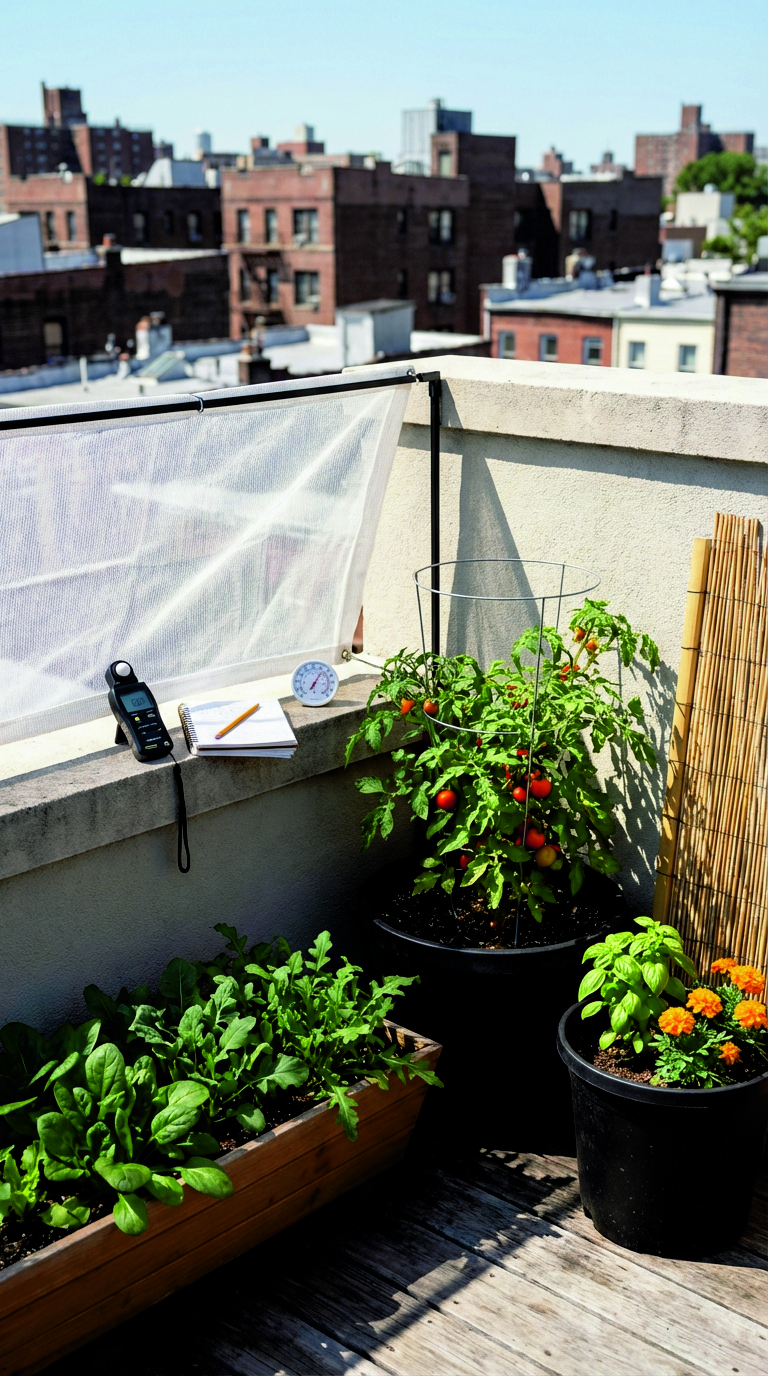
Container gardening for beginners vegetables often fails for one reason, the setup doesn’t match the plant. Make these four choices carefully, and the rest gets easier.
Sunlight, what your space actually gets
Most vegetables want strong light. “Full sun” usually means six to eight hours of direct sunlight, yet many successful small space container vegetable garden setups work with slightly less by choosing the right crops.
Morning sun is gentle and helpful, afternoon sun is hotter and can scorch leaves in summer, especially in hot-humid regions. Spend a day noticing where sun lands, which corners stay bright, and when shade arrives. A sunny rail might be perfect at 9 a.m., then shaded by a building at 1 p.m., that detail guides what you plant and where you place it.
Container size, roots need room
A vegetable’s top growth mirrors its root space. Small pots dry quickly, heat up faster, and run out of nutrients sooner. Larger containers buffer moisture and temperature, and they usually produce better.
As a practical rule, greens and herbs can thrive in shallow planters, peppers and bush beans prefer medium pots, tomatoes and other heavy feeders do best with large containers. If you’re unsure, sizing up is rarely a mistake.
Drainage, the non-negotiable feature
Healthy roots need oxygen. If water sits in the bottom of a container, roots suffocate, disease follows, and growth stalls. Choose pots with drainage holes, elevate them slightly so water can escape, and avoid “decorative outer pots” that trap runoff unless you manage them carefully.
Saucers can protect balconies and patios, yet they should not hold standing water for long. Empty them after watering, or use pot feet to lift the container above the saucer so the base stays dry.
Placement, wind, weight, and heat
Balconies and rooftops bring wind, and wind can snap stems, shred leaves, and dry soil faster than expected. Secure tall plants to sturdy supports, group pots so they shelter each other, and consider a simple windbreak like a lattice screen.
Weight matters too. Wet potting mix is heavy, and large containers can be surprisingly dense. Choose lightweight materials if you need portability, and spread weight across the space rather than clustering everything in one corner.
Choosing containers that perform, and look good doing it
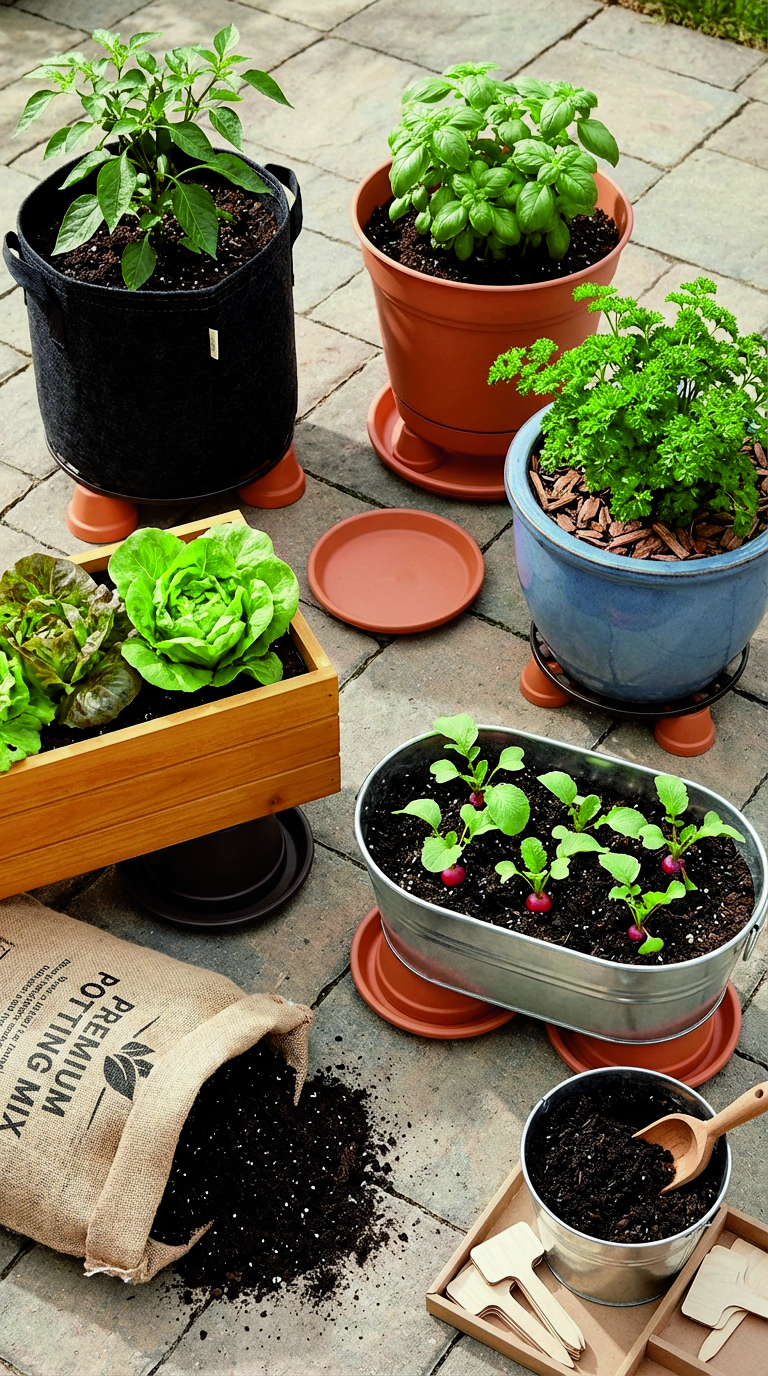
The best container is the one that fits your space, drains well, and keeps roots comfortable. A beautiful pot that bakes roots or stays soggy becomes a headache, so let function lead, style can follow.
Materials, what to know before you buy
Fabric grow bags breathe well, which can be a gift in hot-humid climates where constant moisture can invite root problems. They also drain quickly, so watering may be more frequent in hot weather.
Plastic and resin are lightweight and practical, great for balconies where you may move pots around. They hold moisture longer than fabric, which helps in dry spells, yet they can also stay wetter after long rains.
Glazed ceramic looks polished and holds moisture, but it can be heavy. In four-season climates, freezing temperatures can crack some ceramics, so check if they are rated for outdoor winters, or plan to store them.
Wood planters insulate roots nicely. They can last for years if built well and lined, and they suit patio vegetable container garden layouts where you want a cohesive look.
Metal tubs can be charming, yet they heat up fast in strong sun. In hot regions, metal is best in partial shade, or wrapped and insulated, or used for cool-season crops.
Sizing, a straightforward guide
For vegetables to grow in pots, size is less about rules and more about matching the crop’s appetite.
- Greens and herbs: shallow planters, window boxes, wide bowls
- Peppers, bush beans, compact eggplant: medium pots that hold enough soil to stay evenly moist
- Tomatoes, cucumbers, squash: large containers with depth and volume, plus strong support
If you want fewer decisions, choose three “workhorse” sizes, a shallow planter for greens, a medium pot for peppers, and a large container for tomatoes. That trio covers most of what people crave.
Support, vertical space is your secret weapon
A trellis turns a tight corner into a productive zone. Cucumbers, peas, pole beans, and many tomatoes grow upward happily, leaving floor space open.
Install supports at planting time, not after roots fill the pot. A stable cage, a trellis tied to a railing, or a stake anchored securely prevents midseason damage, and it keeps plants tidy, which matters in apartment balcony vegetable garden setups.
Soil and nutrients, the engine of your harvest
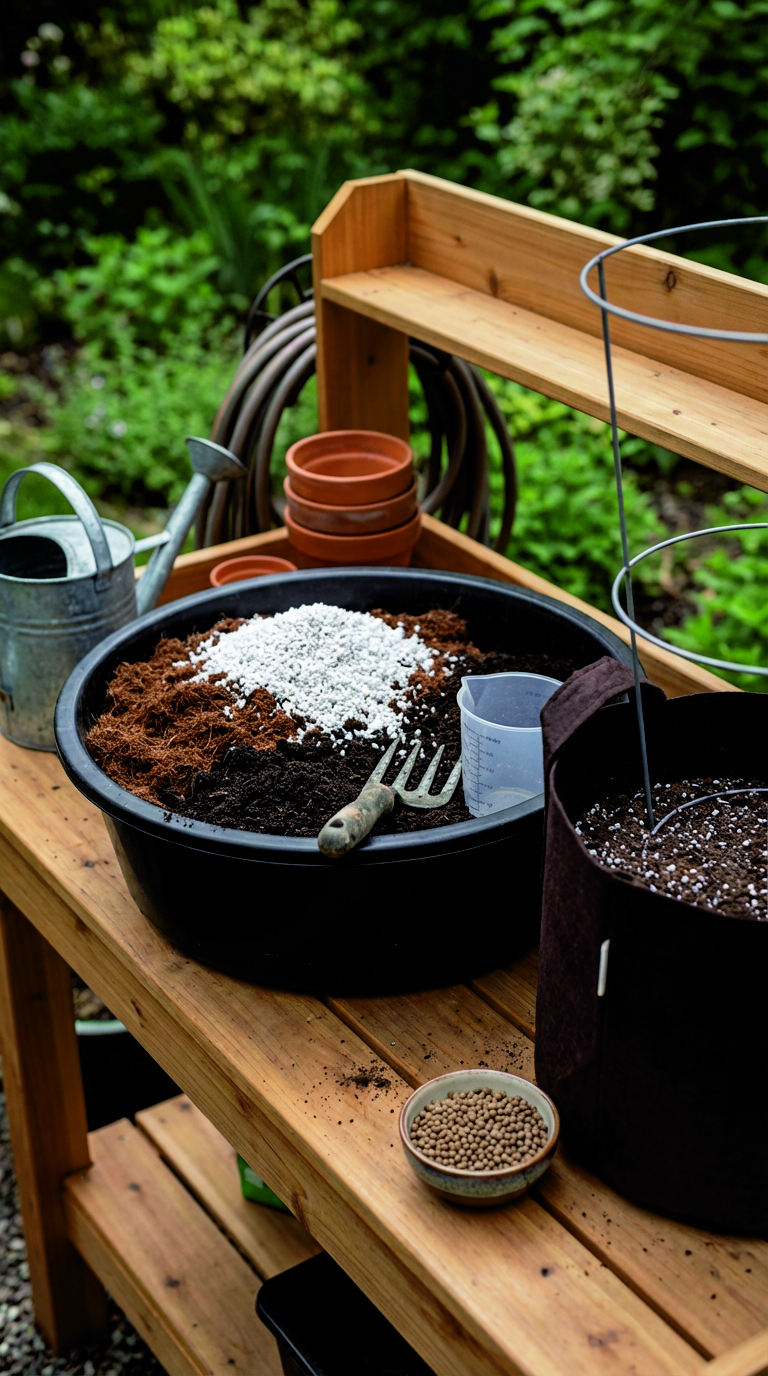
If containers are the structure, soil is the engine. Many problems that look like pests or disease are really soil issues, poor drainage, compaction, or inconsistent nutrition.
Skip garden soil, choose a container-friendly mix
Garden soil compacts in pots, drains poorly, and can carry weed seeds or pathogens. Use a quality potting mix designed for containers, then improve it with a few additions.
A reliable blend includes:
- Potting mix for structure and drainage
- Compost for nutrients and beneficial microbes
- A drainage booster, such as perlite, pumice, or fine bark, if your mix feels dense
In hot-humid climates with heavy rain, better drainage is especially helpful. In four-season regions, a mix that stays airy through cool, wet spring weather helps prevent root stress.
Feeding, steady is better than intense
Container plants use nutrients quickly. A simple approach is a slow-release organic fertilizer mixed into the potting mix at planting time, then small supplemental feeds as plants grow.
Leafy crops tend to appreciate a gentle, regular nitrogen source. Fruiting crops, tomatoes and peppers, often do better with balanced feeding that supports flowering and fruiting without pushing endless leaves.
If you prefer an easy rhythm, think in two phases. First, build strong growth early with a baseline feed, then shift to lighter, regular support once flowering begins.
Watering without stress, a routine that adapts to climate
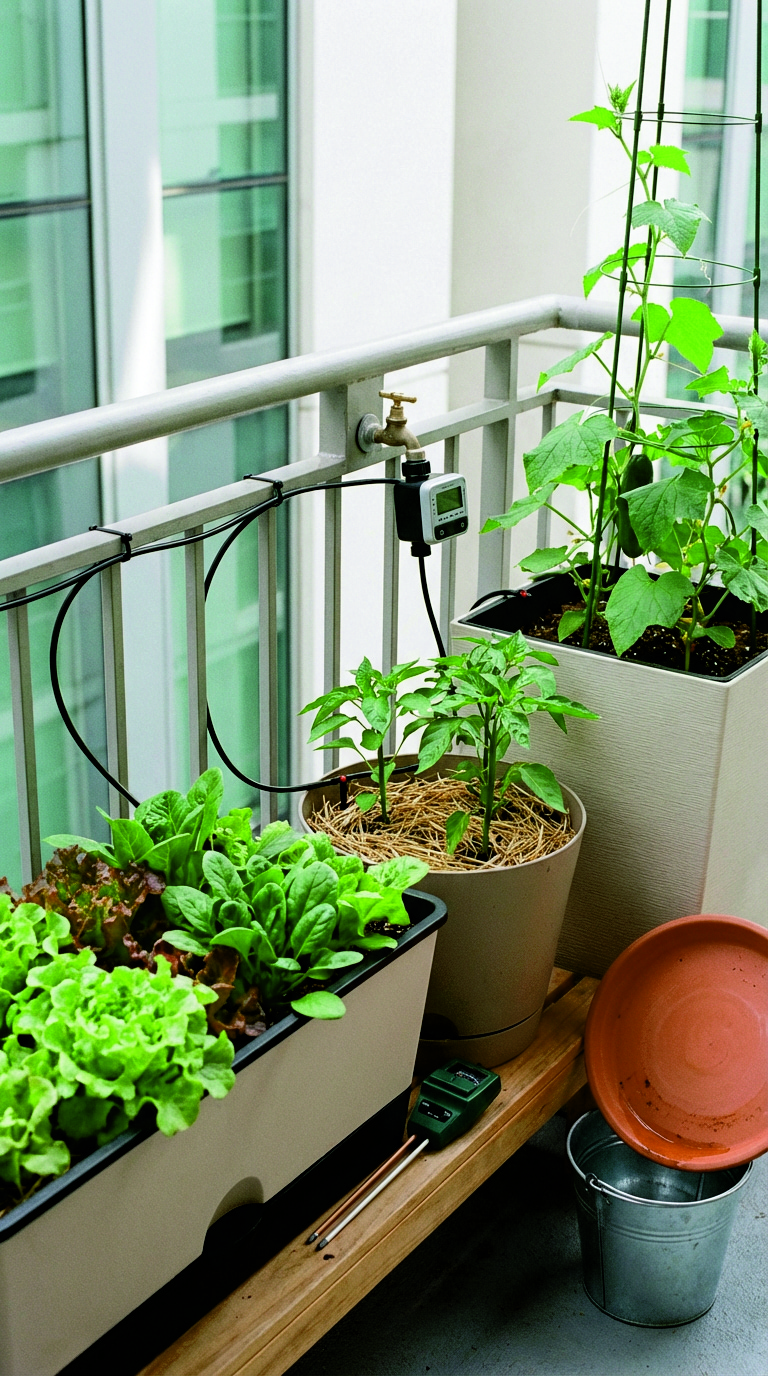
Watering is the task you do most often, so it should feel simple. Containers dry out faster than in-ground beds, but they also respond quickly when you correct a mistake.
How to tell if your pot needs water
Stick a finger into the soil. If the top inch feels dry, it may be time to water, yet don’t rely only on the surface, especially in hot weather when the top dries fast. Lift the pot if you can, a light pot usually needs water, a heavy one often doesn’t.
Watch the plant too. Leaves that droop in the midday heat can be normal, but drooping early morning or evening can signal real thirst.
Watering patterns for three climate types
Hot-humid: Water early in the day, so leaves dry quickly, and aim at the soil rather than the foliage. During rainy stretches, protect pots from being constantly saturated, move them under an awning, raise them on feet, and trim dense growth to improve airflow.
Temperate: Consistency is the main goal. Water deeply until it drains, then allow the top layer to dry slightly before watering again. Windy days and heatwaves can double your watering needs, so check pots more often during those stretches.
Four seasons: Spring can be cool and wet, and pots may stay moist longer than expected. Summer may bring rapid drying. In fall, growth slows and watering needs drop. Before winter freezes, avoid leaving pots waterlogged, freeze-thaw cycles can stress roots, and cracked containers are more likely when soil stays saturated.
Helpful upgrades for busy weeks
Self-watering planters can stabilize moisture, which is great for greens and herbs. Simple drip systems work well on patios and rooftops, and they reduce leaf wetness, a plus in humid regions.
A thin mulch layer, straw, shredded leaves, or fine bark, can reduce evaporation and keep soil temperatures steadier. Keep mulch away from plant stems to prevent rot, especially during rainy weather.
Vegetables to grow in pots, top picks for flavor and payoff
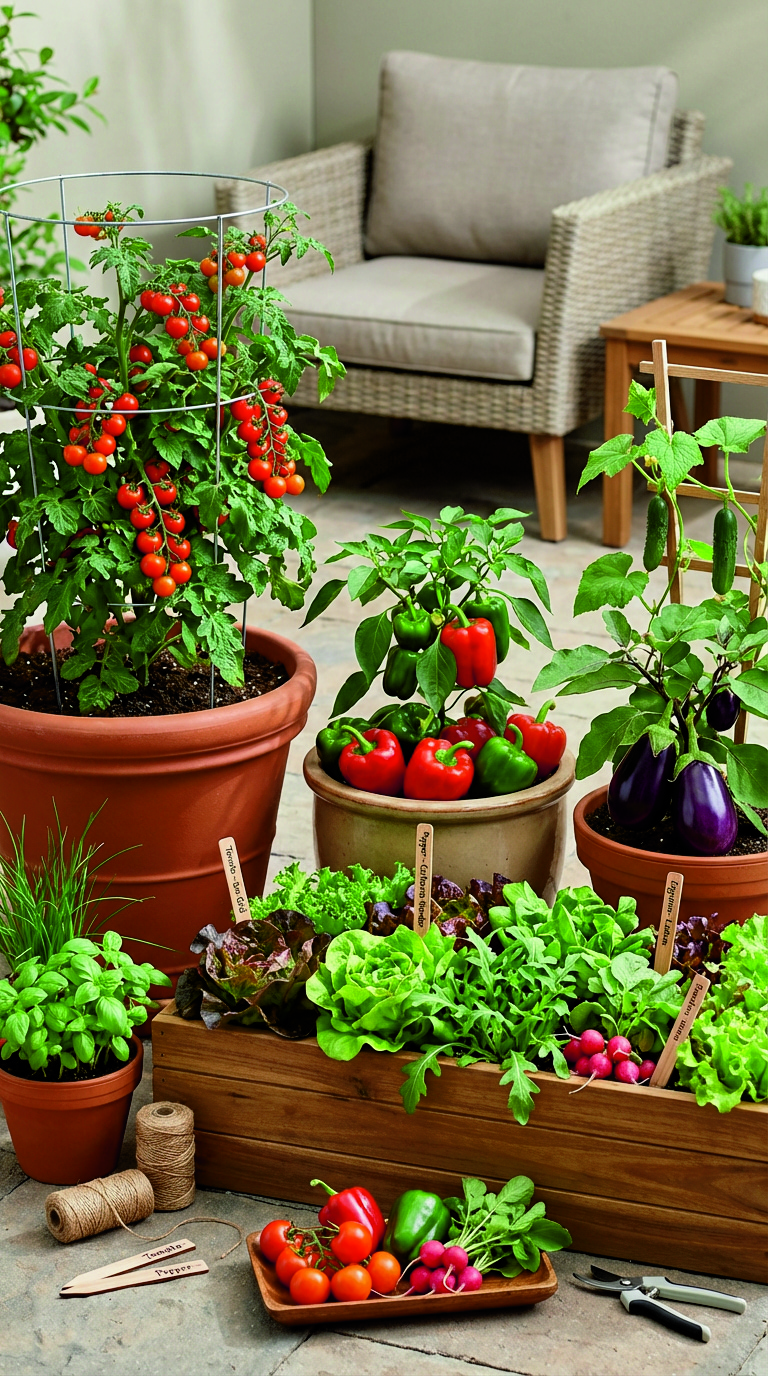
Choosing the right crops makes container gardening vegetables feel rewarding fast. The best vegetables in containers share a few traits, they tolerate root limits, they produce reliably, and they fit your light and climate timing.
Fast rewards, great for beginners
Leafy greens: lettuce, arugula, spinach, baby kale, Asian greens
They grow quickly, you can harvest repeatedly, and they fit in shallow planters.
- Hot-humid: grow greens in the cooler part of the year, or give afternoon shade
- Temperate: spring and fall are prime, summer can work with shade and consistent water
- Four seasons: start early, protect from late chills, replant for fall harvests
Radishes and scallions:
Radishes mature fast and love cool conditions. Scallions are forgiving and fit in small containers.
Medium-pot champions, steady and satisfying
Peppers:
Sweet and hot peppers handle container life well, and they can produce for a long season when fed steadily. Choose compact varieties if space is tight.
- Hot-humid: support airflow, water at soil level, watch for fungal issues after rain
- Temperate: reliable yields, especially with consistent feeding
- Four seasons: start early indoors if your warm season is short
Bush beans:
Bush types suit containers without a tall trellis. They like warmth and even moisture.
Compact eggplant:
Smaller varieties can be surprisingly productive in pots, and the plants look ornamental too.
Big producers, choose larger containers and strong support
Tomatoes:
Cherry tomatoes are often the easiest win, they ripen faster and tolerate container life well. Determinate types stay compact, indeterminate types keep growing and need taller support.
- Hot-humid: prioritize disease resistance, prune lightly for airflow, avoid wet leaves at night
- Temperate: most types work, pick based on your space and taste
- Four seasons: choose earlier varieties, and use sturdy cages to prevent wind damage
Cucumbers:
Trellised cucumbers save space. Bush cucumbers can work without vertical support, though yields may be smaller.
Zucchini and summer squash:
One plant per large container is usually enough. Provide steady water, and be ready to hand-pollinate if flowers appear but fruit doesn’t set, which can happen in breezy urban spots.
Roots and “surprise wins”
Beets and turnips:
They grow well in deeper pots and give both greens and roots.
Carrots:
Choose shorter varieties for containers unless you have very deep pots.
Potatoes in bags:
Grow bags are a practical way to raise potatoes, add soil as stems grow, harvest by tipping the bag.
- Hot-humid: focus on cooler windows, and protect from heavy rain
- Temperate: flexible timing, follow local patterns for spring or late summer planting
- Four seasons: plant once soil warms, harvest before hard frost
Herbs, the high-impact companions
Basil thrives in warm weather and pairs well near tomatoes.
Parsley tolerates cooler conditions.
Cilantro prefers cool windows and often bolts in heat.
Chives and thyme are compact and forgiving.
Herbs can fill edges of larger pots, yet avoid cramming them too tightly. Airflow matters, and crowded containers invite mildew and pests.
Planting and spacing, avoid the crowded-pot slump
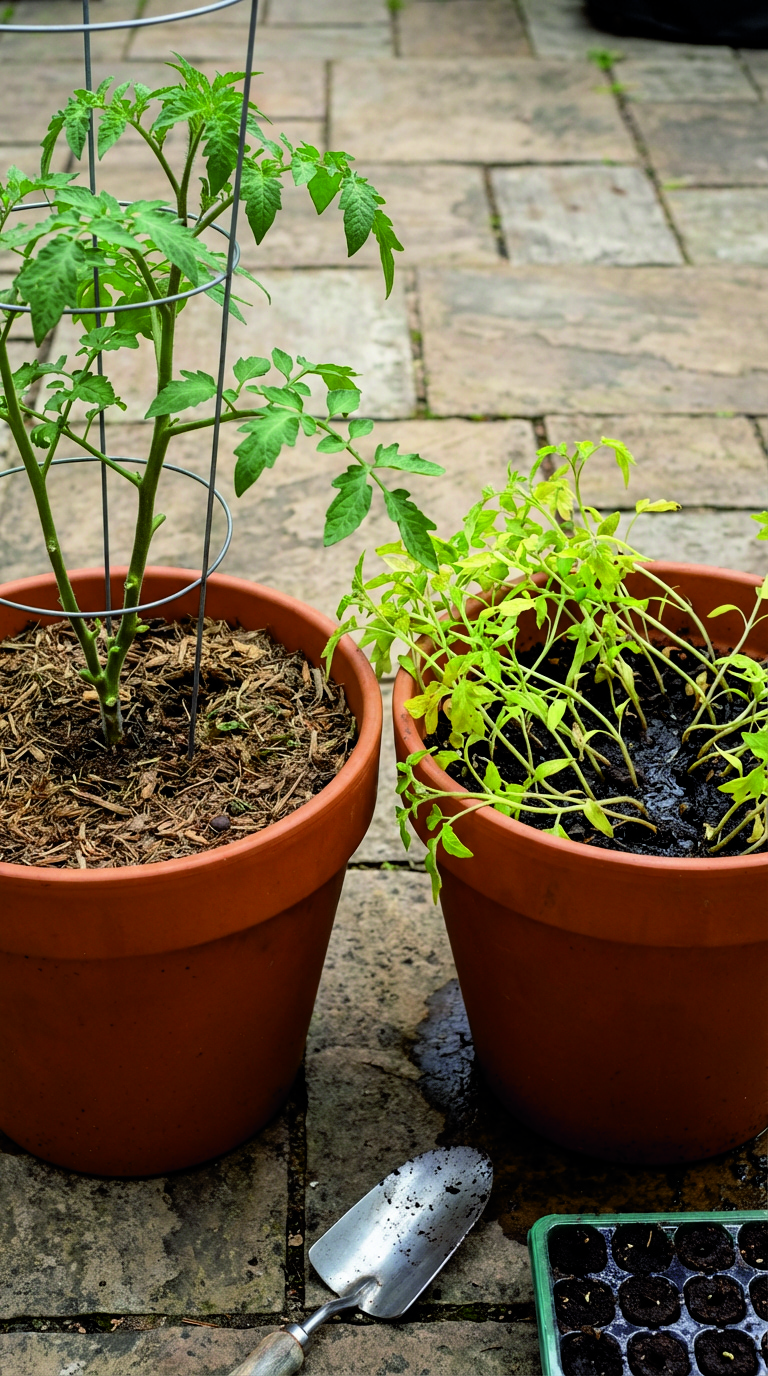
It’s tempting to pack a container full, especially when seedlings are small. Overcrowding leads to weak growth, more disease, and smaller harvests.
A simple rule helps, pick one “main” vegetable per pot for fruiting crops, then add small companions only if there is clear space, such as a few scallions around the edge. Greens are the exception, they can be sown more densely, then harvested as baby leaves to thin the planting naturally.
Transplants are often easiest for beginners, especially for tomatoes, peppers, and eggplant. Seeds are wonderful for greens, radishes, and beans, and they can be more economical for succession planting.
Container vegetable garden ideas for balconies, patios, rooftops, and small spaces
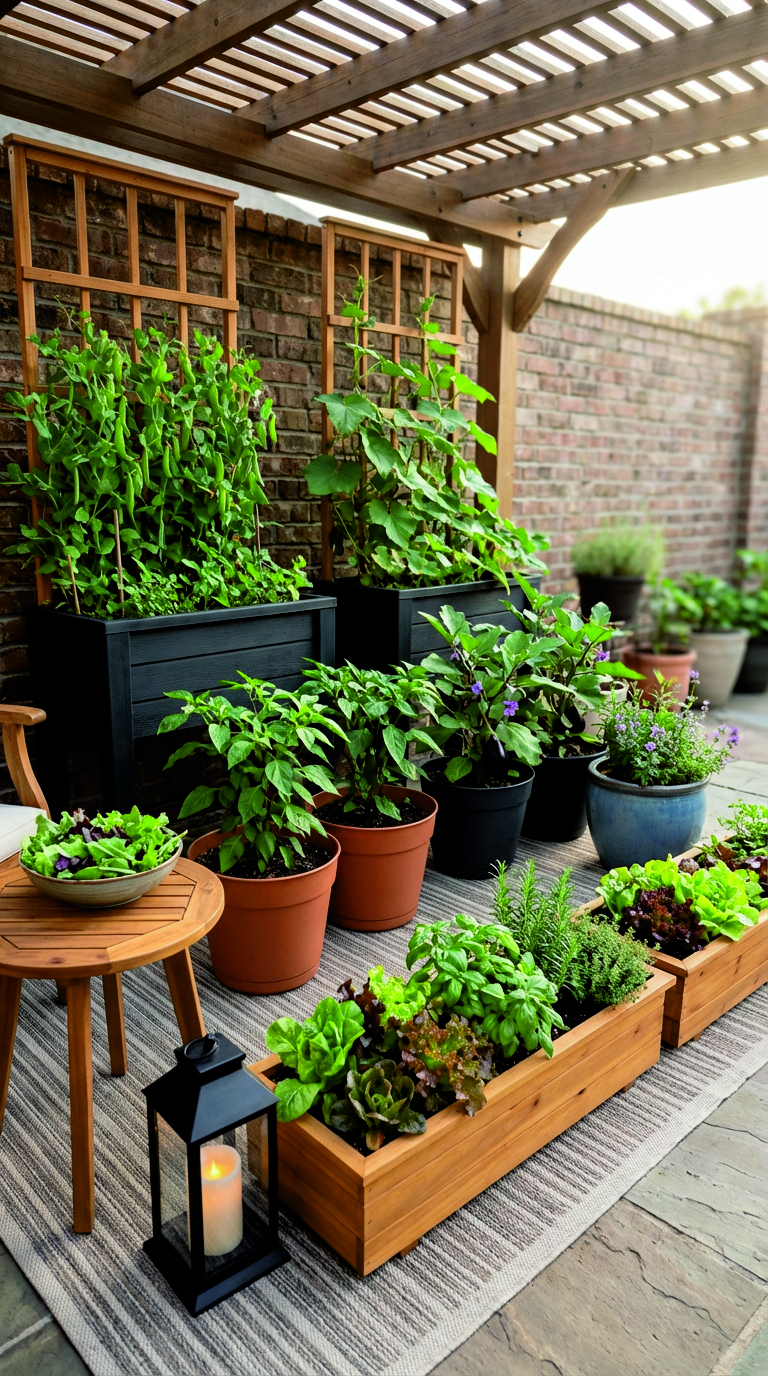
A container vegetable garden can be productive and magazine-worthy at the same time. Think of your layout as a set of zones, tall plants behind, compact plants in front, and a clear walkway so the garden feels inviting rather than crowded.
Balcony and apartment balcony setups
Use vertical space. A trellis against a wall, a railing planter for herbs, and one large pot for tomatoes can create a full harvest without eating up floor space.
Wind is the main challenge, so anchor supports well, and avoid top-heavy containers that can tip. Keep watering tidy, use saucers, empty runoff, and aim water at soil level to reduce splashes.
Patio layouts that feel intentional
Group pots by water needs. Put thirsty crops together, cucumbers and tomatoes often drink more, and keep tougher herbs nearby.
Mix heights for a layered look. A tall trellis pot, a medium pepper pot, and a low trough of greens can feel like a designed arrangement, while still being practical.
Rooftop container gardening
Rooftops often mean stronger sun and more wind. Choose sturdy containers, consider heavier pots for tall plants, and add wind protection where possible.
Heat reflection can be intense, so afternoon shade cloth may help in summer, even in temperate regions. Check moisture more often, rooftop pots can dry out quickly.
Urban container gardening in general
Urban spaces create microclimates. A wall can add warmth in cool climates, extending your season slightly. In hot regions, that same wall can be too intense, so move sensitive crops to brighter shade.
Keep a small “garden station,” pruners, gloves, ties, and a watering can, so daily care feels easy. A garden you enjoy touching is the garden that thrives.
A seasonal game plan for hot-humid, temperate, and four seasons
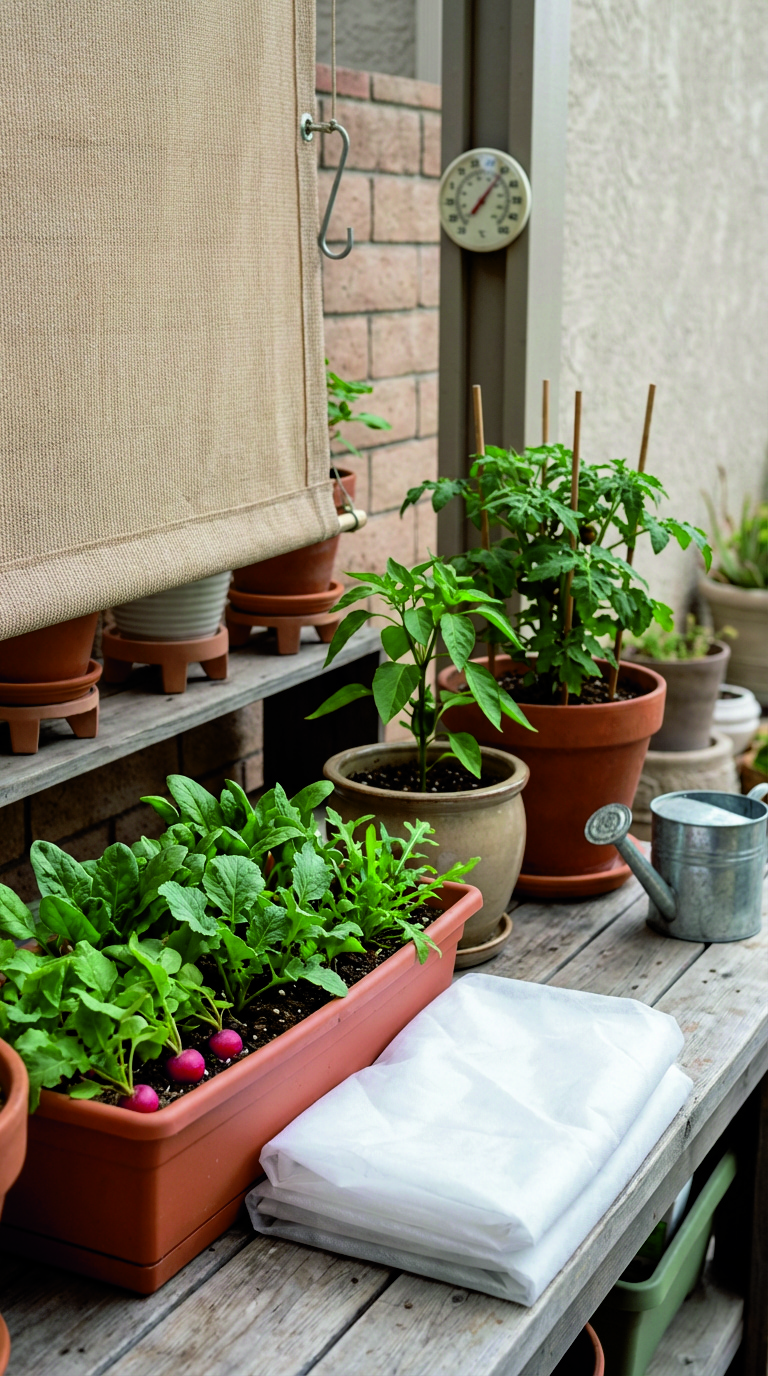
The method stays the same, the calendar changes. Think in terms of cool-season crops and warm-season crops, then plug them into your local pattern.
Hot-humid climates
Cool-season crops, greens, radishes, many roots, often shine during the cooler months. Warm-season crops, peppers, eggplant, okra in some regions, can thrive when heat is steady.
Rain can be the biggest hurdle. Improve drainage, raise pots, trim dense growth, and avoid constant wetness. In peak heat, provide afternoon shade for greens and keep watering consistent for fruiting crops to prevent stress.
Temperate climates
Temperate regions often enjoy two strong windows, spring and fall for greens and roots, summer for tomatoes, cucumbers, beans, and peppers.
Heatwaves can interrupt cool-season crops. Shade cloth and careful watering can stretch the season, yet it’s normal to switch to heat-loving vegetables mid-summer, then return to greens as nights cool.
Four-season climates
In four-season regions, timing and protection matter more. Starting seeds indoors, hardening plants off, and using simple covers can widen your growing window.
Containers warm up faster than ground soil in spring, which can help, yet they also cool faster at night. In early spring and late fall, move pots near a wall for warmth, and be ready to cover plants when frost threatens.
Fall container gardening can be excellent. Many greens taste better as nights cool, and compact pots are easy to protect with a lightweight cover.
Maintenance that keeps the harvest coming
Feeding and pruning are the two habits that separate “pretty plants” from truly productive ones.
For fruiting crops, use consistent support, tie stems gently, remove damaged leaves, and keep growth open enough for airflow. For greens, harvest regularly, cutting outer leaves first, so plants keep producing.
Pollination can be slower in windy, high-rise environments. If squash flowers appear but fruit doesn’t form, hand pollinate in the morning, brushing pollen from a male flower to a female flower, which has a small swelling at its base.
Common problems, and practical fixes
Yellow leaves can mean many things, often overwatering, underwatering, or hunger. Check moisture first, then consider feeding. If a plant is root-bound, growth slows and leaves can yellow, moving it to a larger container can revive it.
Blossom end rot on tomatoes is linked to inconsistent watering and uneven growth, so aim for steady moisture, and avoid letting a pot swing from dry to soaked.
Aphids, mites, and whiteflies can show up anywhere. A strong spray of water, targeted insecticidal soap, and improved airflow usually handle small outbreaks. Remove heavily infested leaves rather than trying to “save” every part of the plant.
In humid climates, fungal issues can appear after long wet stretches. Water early, avoid wet leaves at night, and give plants space. In cool, damp periods, mildew can arrive even in temperate and four-season regions, so keep foliage open and remove affected leaves promptly.
Closing, a container system you can repeat every season
Container gardening vegetables bring the garden closer to daily life, right where you cook, relax, and step outside for a breath of air. Start with a few dependable pots, choose crops that match your light, build a soil mix that drains well, then let your climate guide the timing.
Over time, your space becomes a reliable little harvest zone, greens in cooler stretches, tomatoes and peppers when warmth settles in, herbs that keep meals bright, and a rhythm that makes fresh food feel normal, no matter how small your footprint is.