
Virginia’s Most Dangerous Venomous Snakes And Spiders Still Lurking In Yards As Temperatures Drop
Cooler weather makes it feel like snake and spider season is over, but Virginia’s venomous critters do not get the memo right away. Many of them are busy looking for warm, safe places to spend the winter, and that can mean your woodpile, shed, or garage.
Knowing which ones to watch for can keep your family and pets safe during fall yard work. Here are seven creatures worth knowing before you grab those leaf bags.
1. Eastern Copperhead
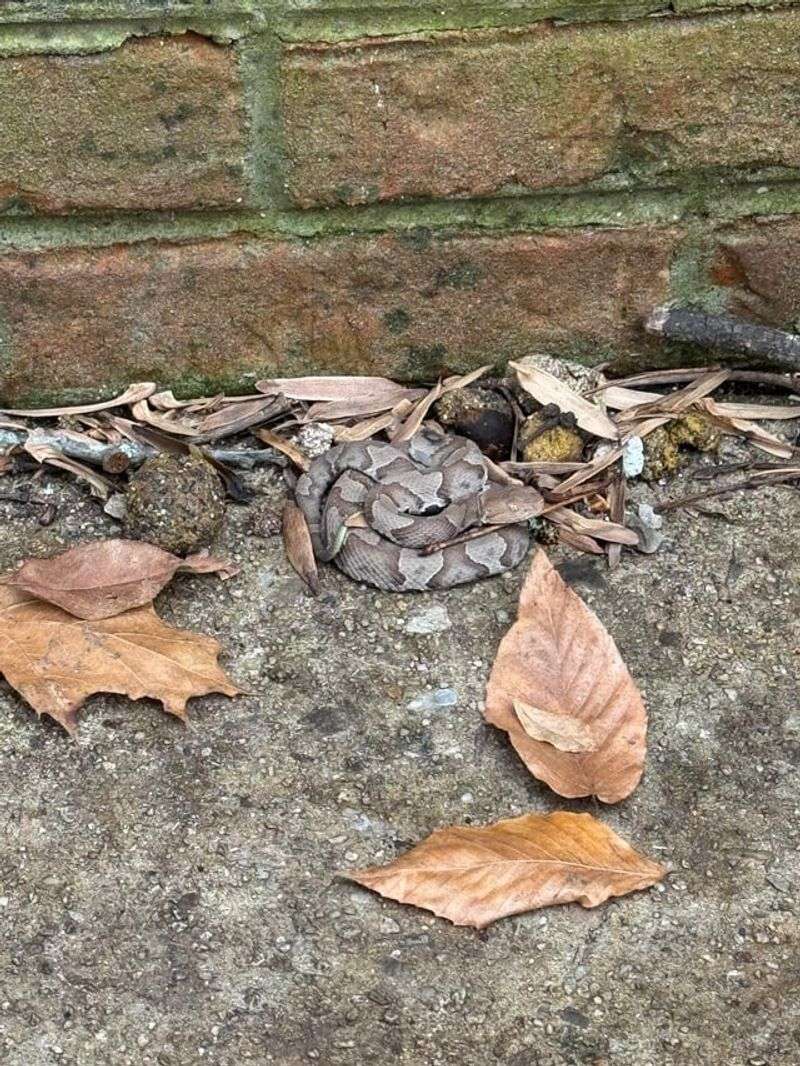
Picture yourself raking a pile of orange and brown leaves on a crisp October afternoon. Hidden right in that pile could be the most common venomous snake in Virginia.
Copperheads blend into fall foliage so well that many bites happen simply because someone never saw the snake.
These snakes have tan bodies with dark, hourglass-shaped bands that look almost like Hershey’s Kisses when viewed from the side. They show up statewide, from Northern Virginia neighborhoods to the Blue Ridge foothills.
In fall, they often gather near rocky slopes and old stone walls where they will spend the winter together.
Copperhead bites are painful and need a trip to the hospital, but they are rarely deadly. Wear thick gloves and use a rake instead of your hands when clearing leaves.
Fun fact: young copperheads have bright yellow tail tips they wiggle like worms to lure frogs.
2. Timber Rattlesnake
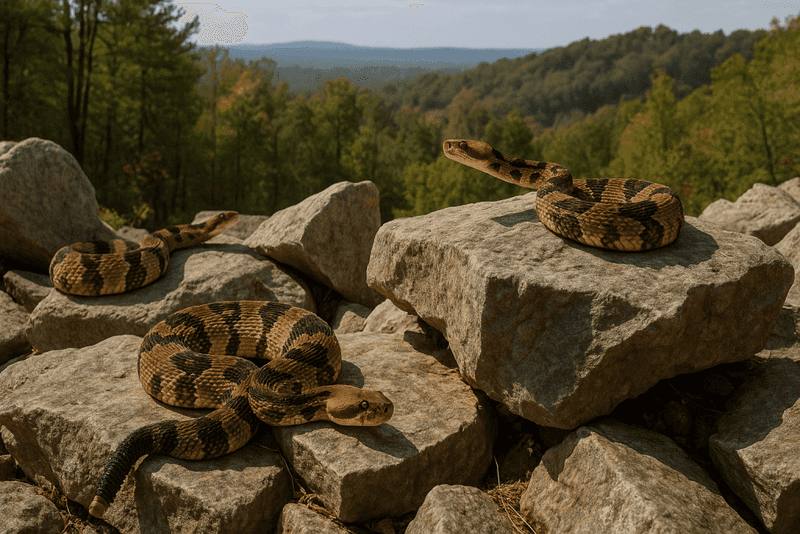
Few sounds stop a hiker faster than the dry buzz of a rattle. The Timber Rattlesnake is the largest venomous snake in most of Virginia, sometimes stretching over five feet long.
It lives mainly in the western mountains, though some populations remain in the southeastern part of the state, where it is called the canebrake rattlesnake.
As temperatures dip, timber rattlers travel back toward their dens, often crossing yards and trails near wooded hillsides. They love to bask on warm rocks during sunny fall afternoons.
Homes near the Shenandoah Valley or Appalachian areas may see one passing through.
Thankfully, these snakes are shy and usually rattle a warning first. Give them plenty of space and never try to move or kill one.
Their venom is strong, so any bite is a true medical emergency.
3. Northern Cottonmouth
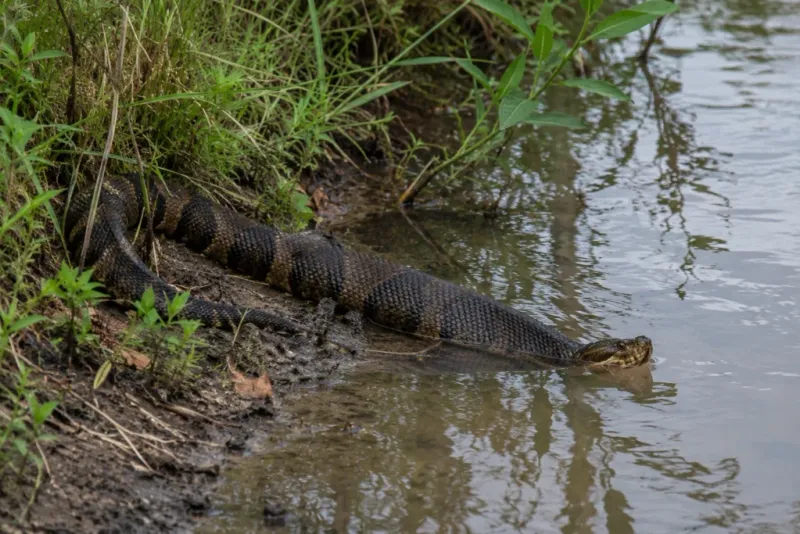
Open wide! When a cottonmouth feels threatened, it pulls back its head and flashes the bright white inside of its mouth.
That cotton-colored warning is how the snake earned its name, and it is a signal you should respect.
Cottonmouths, also called water moccasins, live in southeastern Virginia. You will find them around the Great Dismal Swamp, Chesapeake, Suffolk, and Virginia Beach.
Yards near ponds, drainage ditches, or marshy creeks are their favorite spots.
Many harmless water snakes get mistaken for cottonmouths, so do not panic at every snake in the water. Still, a cottonmouth bite can cause serious tissue damage.
Keep grass short near water edges and watch your step on warm fall days when they come out to soak up sun.
4. Southern Black Widow
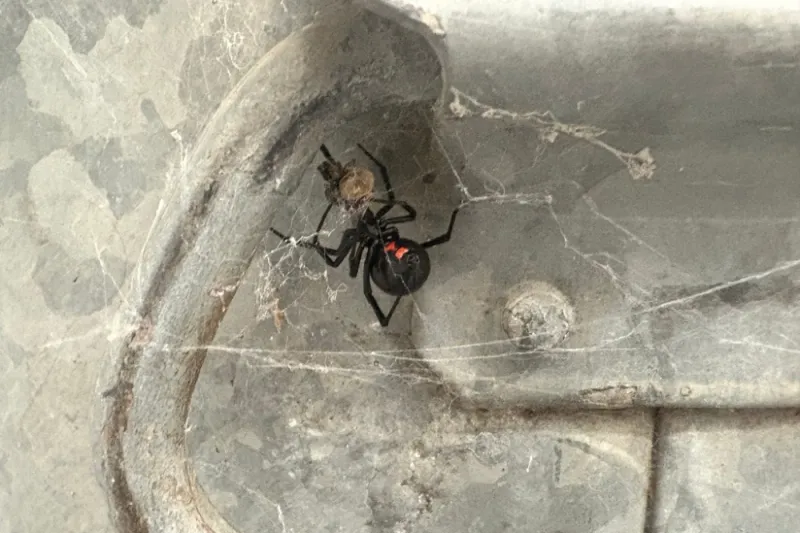
Here is a spider with a reputation bigger than its body. The female Southern Black Widow is glossy black with a red hourglass on her belly, and her venom is about 15 times stronger than a rattlesnake’s, drop for drop.
Luckily, she only injects a tiny amount.
Fall is when black widows sneak into sheds, garages, flower pots, and the underside of patio furniture. They spin messy, tangled webs close to the ground.
Reaching into a dark corner without looking is how most people get bitten.
A bite can cause muscle cramps, sweating, and stomach pain. Shake out gloves and boots that have been sitting outdoors.
If you are bitten, wash the area, apply ice, and call a doctor or poison control right away.
5. Northern Black Widow
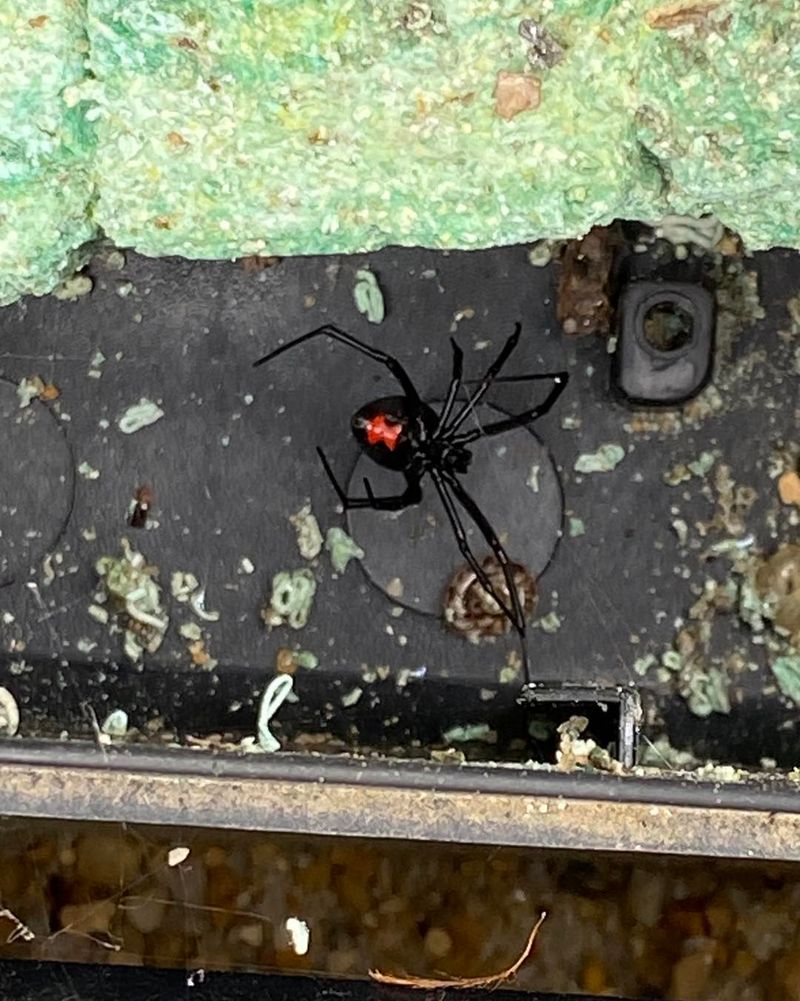
Not every black widow wears a perfect hourglass. The Northern Black Widow has a split, broken red mark on its underside and often a row of red spots down its back.
Spotting that difference helps you know exactly what you are dealing with.
These spiders prefer woodsy places, so firewood stacks are prime real estate. As families bring in wood for chilly nights, a hitchhiking widow might come along.
Stone walls and old stumps are other hideouts.
Their venom works much like their southern cousin’s. Store firewood at least 20 feet from your house and wear gloves when carrying it.
Knock each log gently before bringing it inside.
6. Brown Recluse
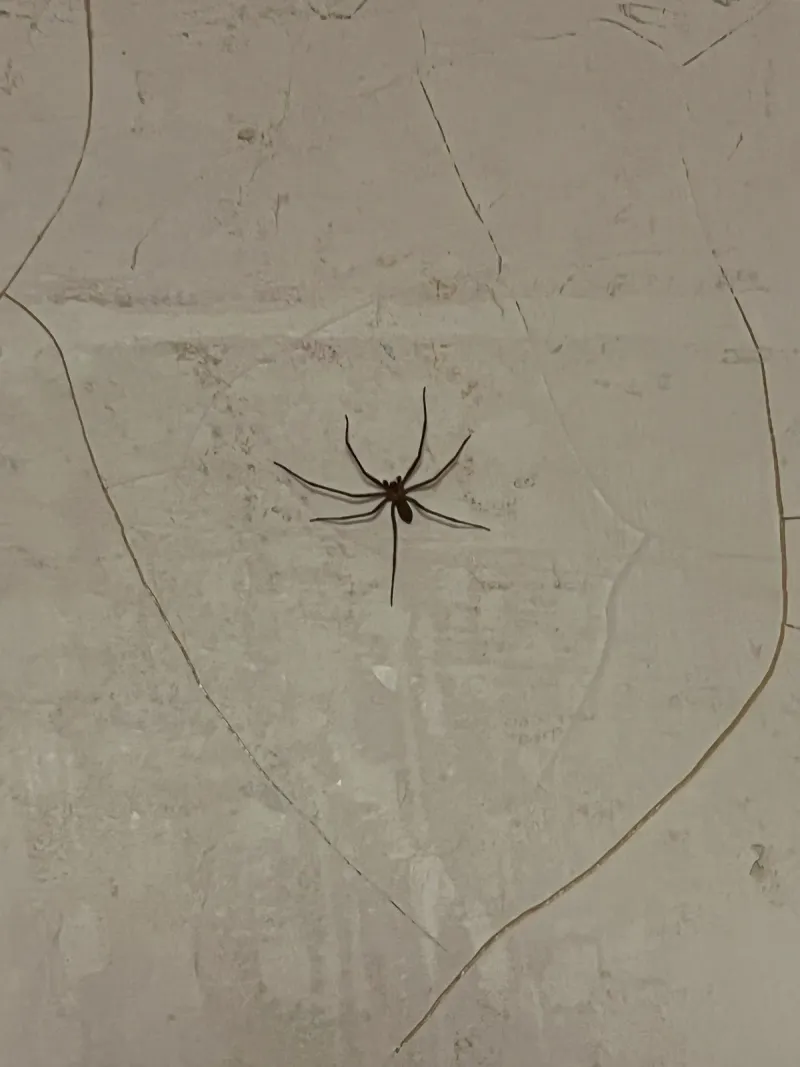
Brown recluses are actually rare in Virginia, and that surprises plenty of people. Most spiders blamed for recluse bites here turn out to be harmless look-alikes.
Still, a few have been found, often after riding along in boxes or furniture from other states.
The real thing is light brown with a dark violin shape on its back and six eyes instead of eight. It loves quiet, cluttered places like attics, closets, and basements.
When fall arrives, it stays tucked away indoors where things are warm.
A recluse bite can sometimes cause a slow-healing wound. Reduce clutter and use plastic bins with tight lids instead of cardboard.
If you think you found one, catch it in a jar so an expert can identify it.
7. Yellow Sac Spider
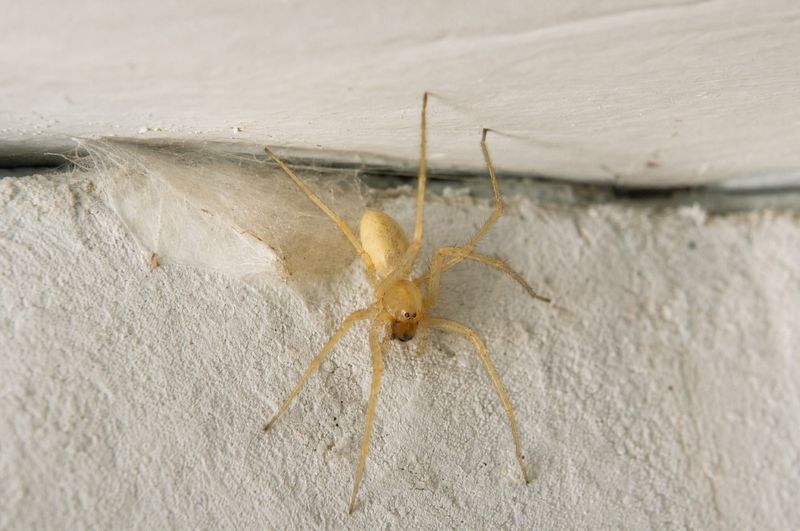
Small, pale, and quick, the yellow sac spider is easy to overlook. It does not even build a web to catch food.
Instead, it roams at night hunting insects and hides by day in a little silk pouch.
As nights cool, these spiders wander indoors through cracks around windows and doors. They are one of the most common causes of spider bites in homes.
You might find one in a curtain fold or on a bedroom wall.
The bite stings and can leave a red, itchy spot, but it is usually mild. Seal gaps around windows, and move beds away from walls.
A cold compress usually helps if one does bite.
Staying aware is the best protection as Virginia cools down. Wear gloves, check dark spaces before reaching in, and enjoy your fall yard with a little extra caution.
