If you garden anywhere in New York, from Long Island to the Adirondacks, you have probably found a row of tulips chewed down to stubs overnight. Deer lead with their noses, and they can pick up scents far better than we can.
That means the smells in your yard can either send them packing or ring a dinner bell. Here are 12 scents that make deer turn away and 4 that practically invite them in.
1. Garlic
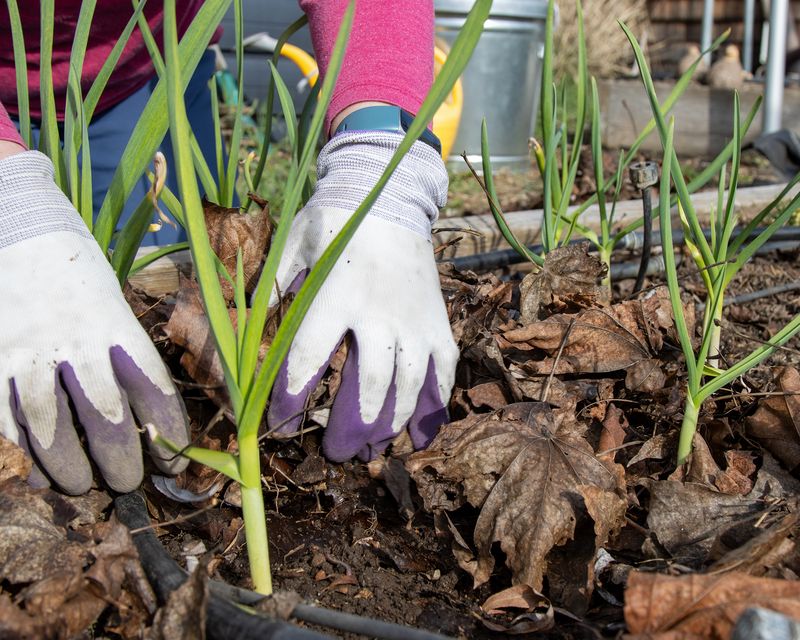
Grandma’s kitchen might smell wonderful to you, but to a deer, a garlic patch is like walking into a wall. The sulfur compounds that make garlic so punchy are overwhelming to an animal whose nose is many times stronger than ours.
Many New York gardeners tuck garlic cloves along the edges of vegetable beds in October, right when they would plant them anyway. By spring, the green shoots form a smelly border that deer tend to skip.
You can also blend a few crushed cloves with water and a drop of dish soap for a homemade spray. Reapply after rain, since the scent fades fast once it washes off.
2. Lavender
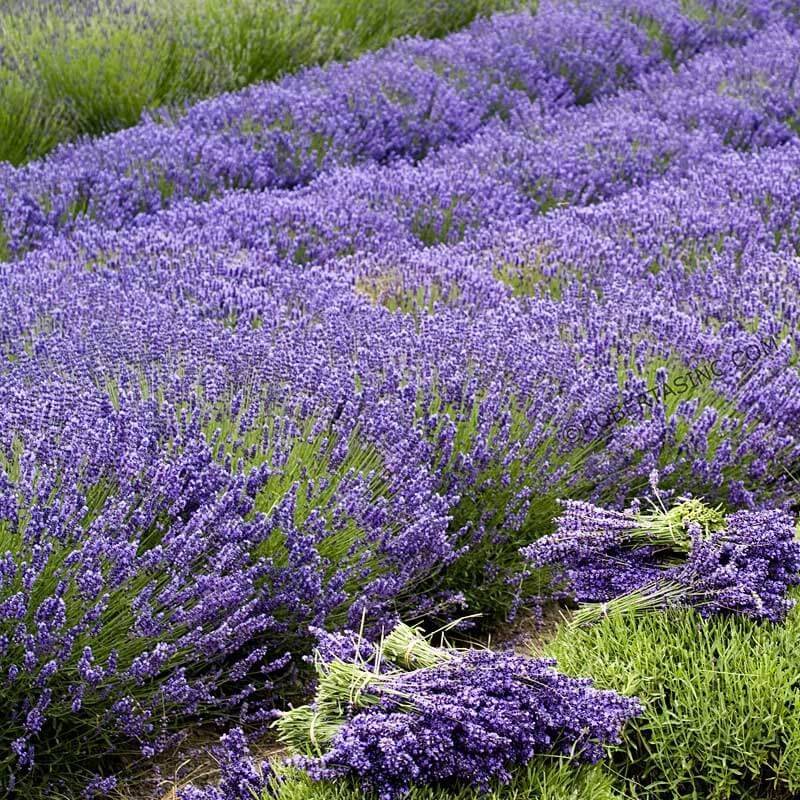
Picture a sunny July afternoon in the Hudson Valley, with bees humming over purple spikes. Lavender looks calm and pretty, yet deer find its strong, oily perfume completely unappetizing.
The plant’s fuzzy leaves add another layer of protection, since deer dislike that texture in their mouths. Put lavender near roses or other treats, and its scent can help mask what deer would rather eat.
Choose hardy types like Munstead or Hidcote, which handle New York winters well. Give them good drainage, because soggy roots are the main thing that kills lavender here.
3. Mint
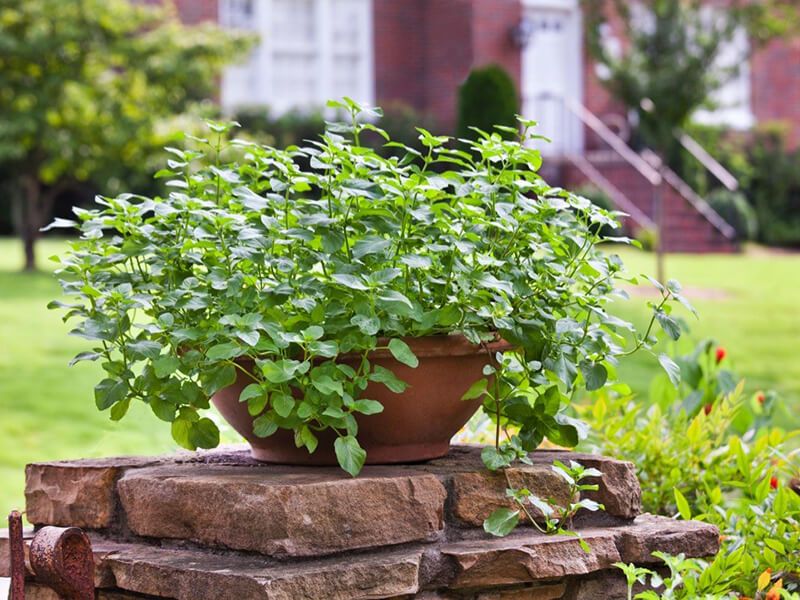
Fair warning: mint is a bit of a bully. Plant it in open ground and it will spread across your yard like it pays rent there.
That bold attitude comes with a bonus, though. Peppermint and spearmint give off menthol scents that deer find sharp and unpleasant, so they rarely nibble it.
The smart move is to grow mint in pots and place them near the plants you most want to protect. A few containers by your hostas or beans can make deer think twice, and you get fresh leaves for iced tea all summer.
4. Rotten Eggs
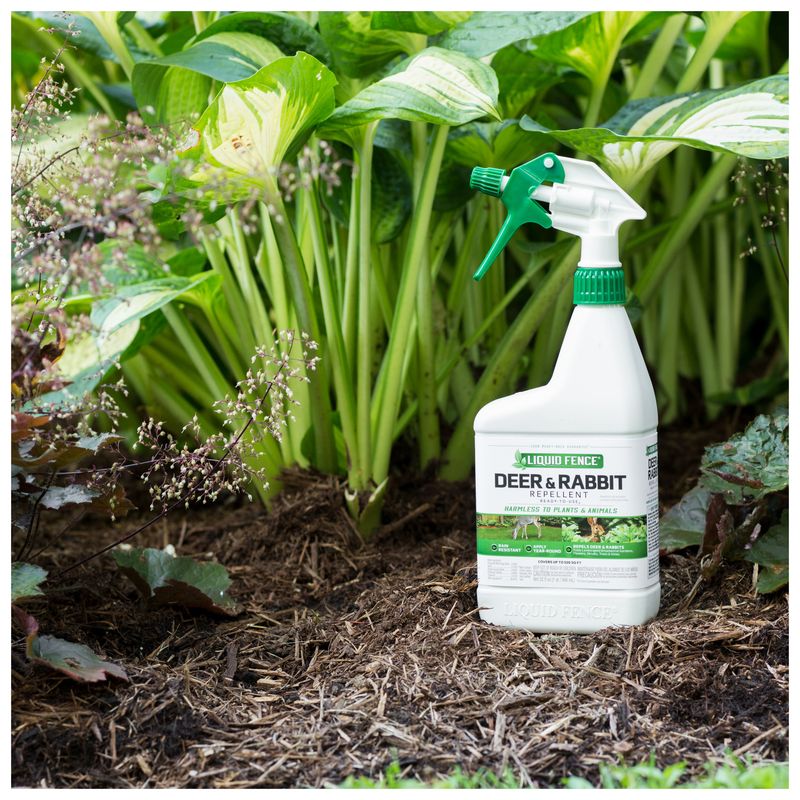
Nobody wants their garden to smell like a science lab accident. Still, putrid egg is one of the most proven deer repellents out there, and it shows up as the main ingredient in many store-bought sprays.
Why does it work so well? Deer link the smell of rotting protein with predators and death, so their instincts tell them to leave.
Good news for your nose: once the spray dries, people can barely notice it, while deer still can. Many products last a few weeks, which makes them handy for protecting arborvitae and yews during long New York winters.
5. Hot Pepper
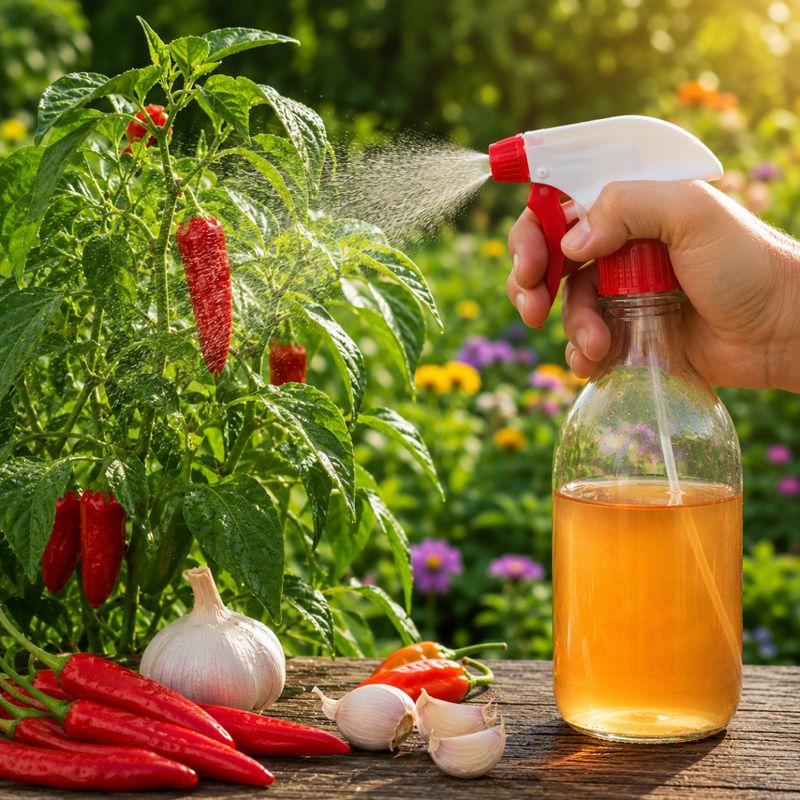
Ever bitten into a pepper hotter than you expected? Deer get the same fiery shock from capsaicin, the compound that gives chilies their burn.
Hot pepper works through both smell and taste. The scent warns deer off, and if one ignores the warning, a single bite usually teaches the lesson.
Mix hot sauce or cayenne with water and a little oil so it sticks to leaves. Wear gloves, keep it away from your eyes, and spray again after every heavy rain.
6. Irish Spring Soap
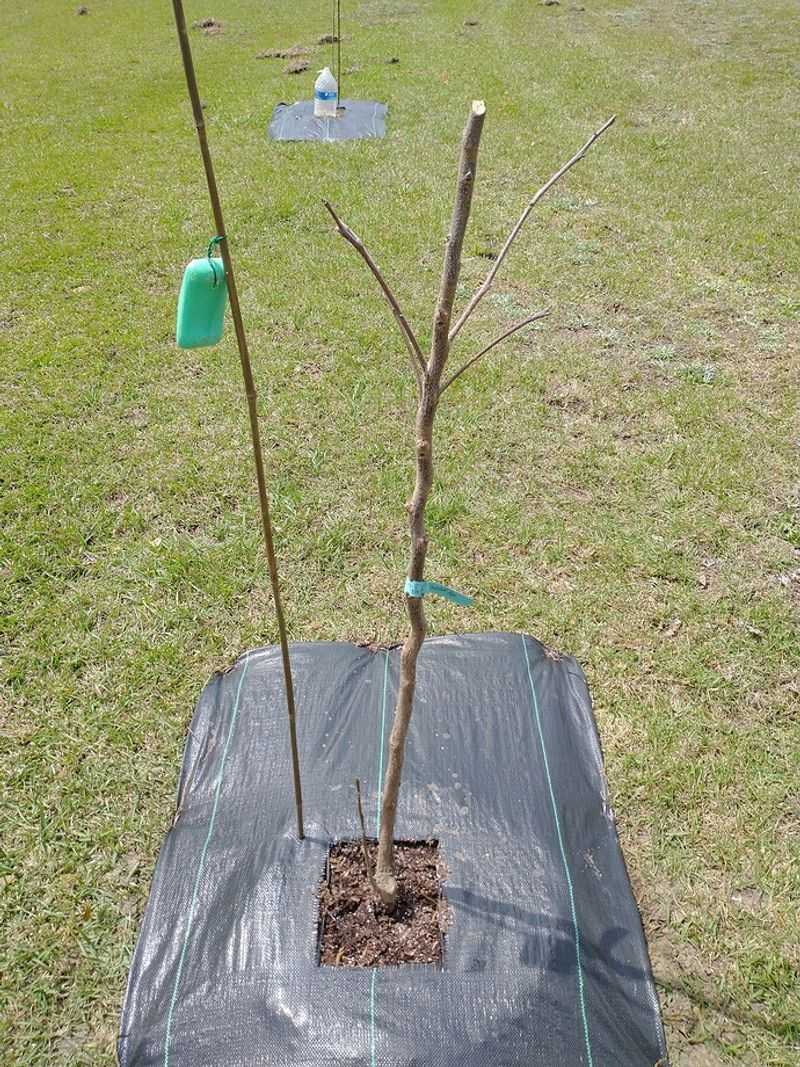
Here is a trick that sounds like an old wives’ tale but keeps showing up in garden forums across the state. Gardeners cut bars of Irish Spring into chunks, slip them into mesh bags, and hang them from fence posts.
The heavy, perfumed scent seems to confuse deer and mask the smell of tasty plants. Some people swear by it, while others say results are hit or miss.
It is cheap and easy, so it is worth testing. Hang bars about every ten feet, at deer nose height, and swap them out when the smell fades.
7. Predator Urine
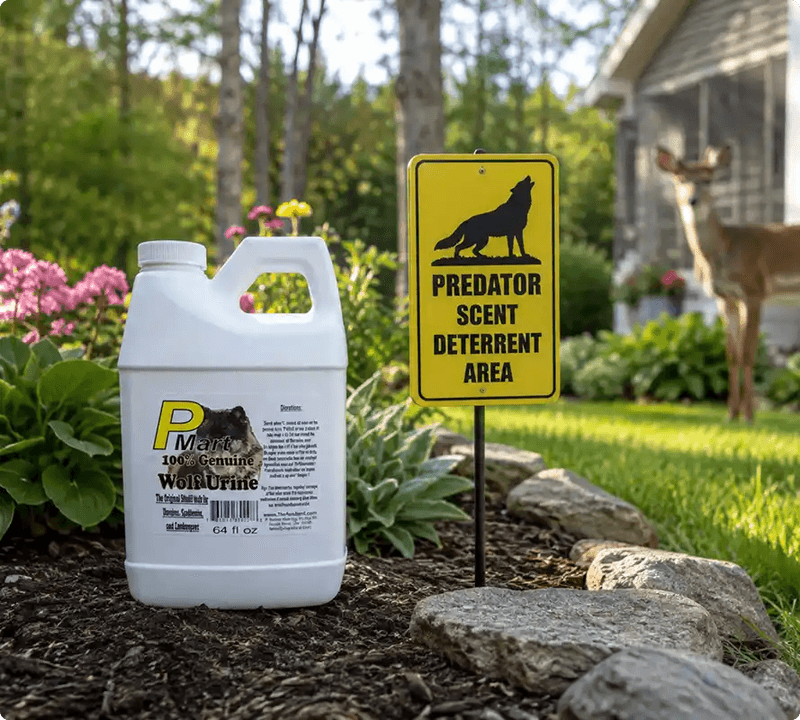
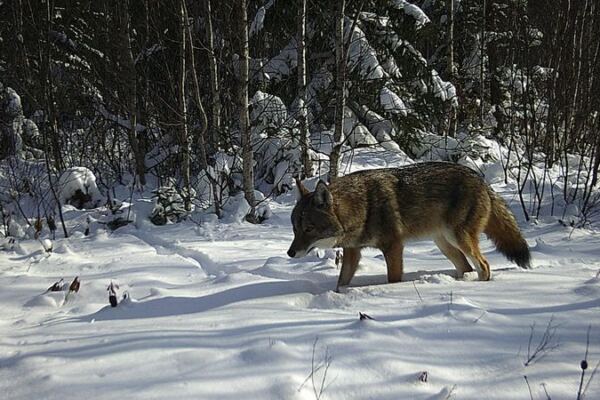
Coyotes roam much of New York, even parts of the Bronx. Deer know that smell well, and it makes them nervous.
Bottled coyote or wolf urine taps into that fear. Placed around a garden’s edge, it tells deer that a hungry hunter has been here recently.
The catch is that deer can get used to it if no real danger appears. Use it in short bursts, such as during spring planting, and rotate it with other repellents to keep deer guessing.
8. Human Hair
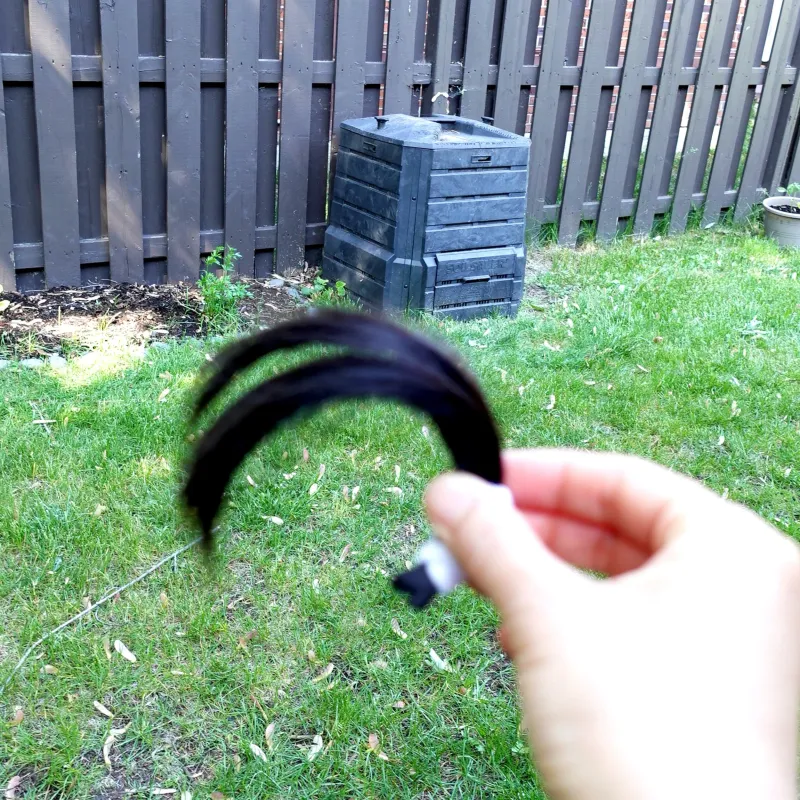
Your next haircut could help your hydrangeas. Some old-school gardeners collect clippings from barbershops and scatter them around their beds.
Deer associate human scent with danger, since people have hunted them for thousands of years. Hair holds that scent for a while.
Results vary, and the effect wears off after rain. Think of it as a free, quirky add-on rather than your main defense.
9. Marigolds

Those cheerful orange flowers from elementary school science projects have a secret weapon. Marigolds give off a musky, bitter smell that deer usually avoid.
They make great edging plants around tomatoes and lettuce. Many gardeners also like that marigolds can help with certain pests in the soil.
They are not a guarantee, especially in a hungry late summer. Still, a bright border looks lovely and adds another scent barrier.
10. Rosemary

Rub a rosemary sprig between your fingers and you will smell pine and camphor right away. Deer get a blast of that same resin and decide to move on.
Rosemary is not winter hardy in most of New York, so treat it as a potted herb you bring indoors in fall. During the warm months, set it near beds that deer love to raid.
Fun fact: ancient Greek students wore rosemary to help their memory. Deer, it seems, would rather forget it.
11. Catmint

Cats roll in it, but deer walk right past it. Catmint, also called nepeta, has gray-green leaves with a minty, musky smell deer dislike.
It blooms for weeks with soft blue flowers and is very hardy in New York. Pollinators love it too.
Plant it along paths and in front of perennials. Shear it after the first bloom and it will often flower again.
12. Daffodils

Tulips get gobbled every spring, but daffodils stand tall and untouched. The difference comes down to chemistry.
Daffodils contain toxic compounds and give off a scent that tells deer to stay away. Deer seem to learn early that these bulbs are bad news.
Plant them in fall around tulips or other tempting bulbs. Their smell and bitter taste can help shield the whole bed.
13. Apples
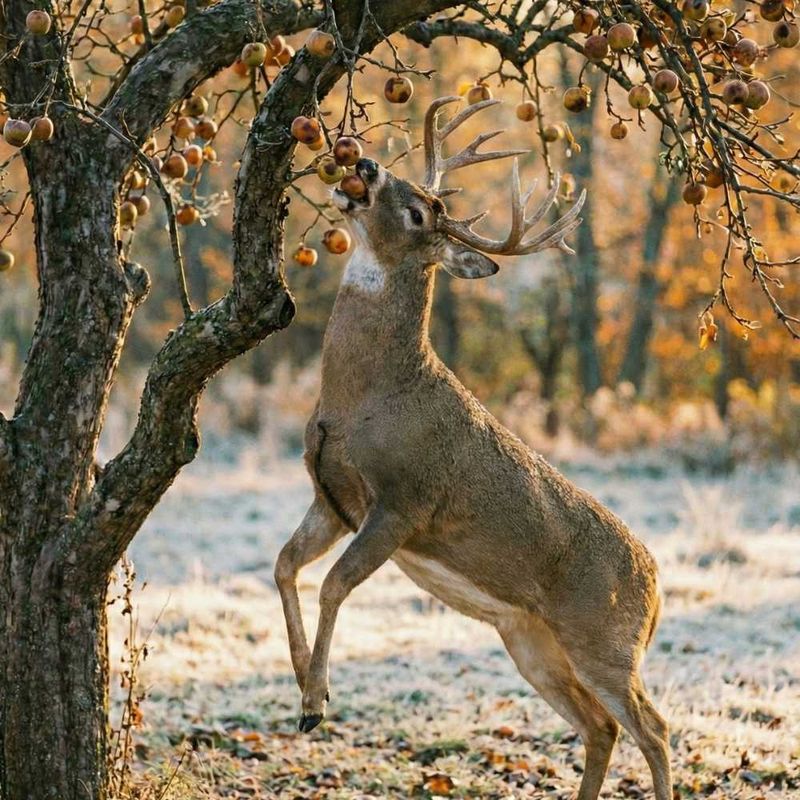
Now for the scents that work against you. New York grows tons of apples, and deer know exactly where the trees are.
Fallen fruit gives off a sweet, fermenting smell that can draw deer from far away. Once they come for apples, they often stay to snack on everything else.
Pick up dropped fruit often, especially in September and October. Your garden beds will thank you.
14. Fresh Fertilizer
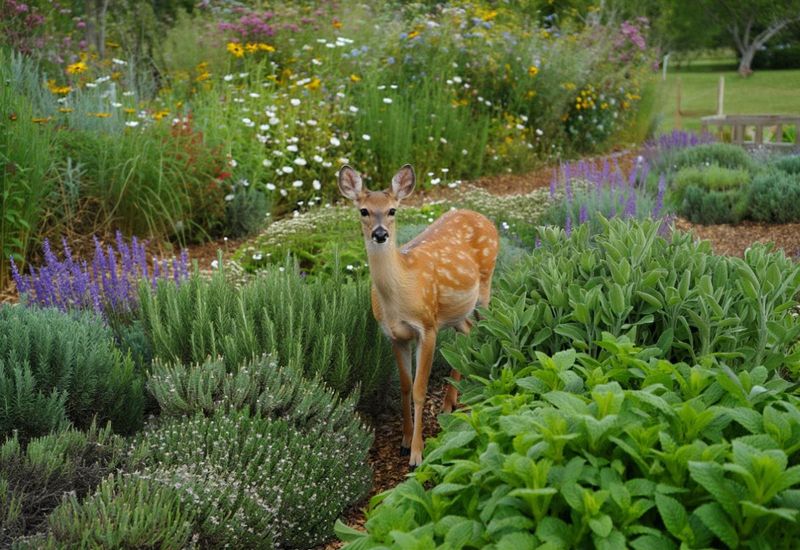
Feeding your plants can accidentally feed the deer too. Fresh nitrogen fertilizers and blood meal produce lush, tender growth that smells and tastes great to deer.
Some fertilizers, like fish emulsion, also carry scents that grab their curiosity. New growth after feeding is often the first thing nibbled.
Fertilize lightly and protect beds right after feeding. Compost is a gentler choice that does not create such a smell.
15. Hostas

Gardeners joke that hostas are deer candy, and sadly it is true. Their juicy leaves give off a fresh green scent that deer find irresistible.
A full hosta bed can disappear in a single night. Once deer find it, they will come back again and again.
If you love hostas, plant them close to the house or behind a fence. Spray them with repellent before they leaf out fully.
16. Corn and Bird Feed
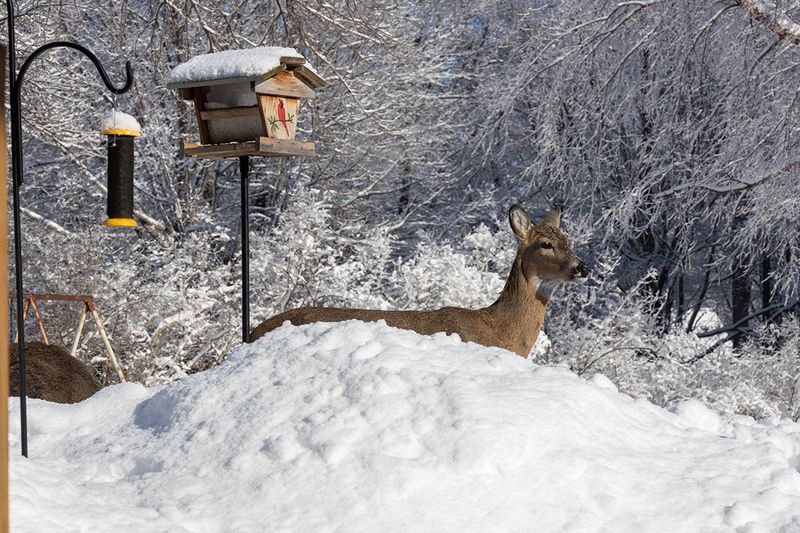
Bird feeders seem harmless, but spilled seed and corn are a big deer magnet. The grainy, sweet smell travels well, especially in winter when food is scarce.
Deer that come for seed often stay for your shrubs. In New York, feeding deer is also discouraged by state wildlife officials because it can spread disease.
Use trays to catch spilled seed and keep feeders away from garden beds. A tidy feeder area can make a big difference.
Share this story