
8 Winter Habits That Quietly Invite Pack Rats Into Arizona Garages and Attics
When the desert nights turn chilly, pack rats start looking for a warm, safe place to spend the winter. Your garage or attic can look like a five-star hotel to them, especially if a few common habits roll out the welcome mat.
These furry hoarders chew wires, ruin insulation, and build messy nests that can cost hundreds of dollars to fix. The good news is that small changes in how you live during the cooler months can keep them outside where they belong.
1. Leaving the Garage Door Cracked for Airflow
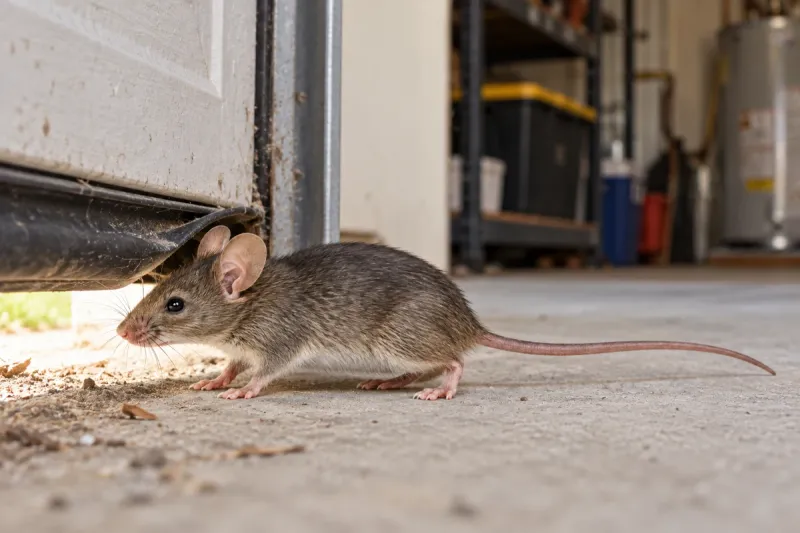
A two-inch gap feels harmless. Plenty of Arizona homeowners leave the garage door slightly raised to keep a fridge cool or let paint fumes escape, but a pack rat can squeeze through an opening about the size of a quarter.
Winter nights in places like Tucson and Phoenix can dip into the 30s and 40s. That cold pushes rodents to hunt for shelter after dark, and a cracked garage door is basically a front entrance with the porch light on.
Close the door all the way at night, every night. Then check the rubber seal along the bottom, since sun-baked seals crack and curl quickly in the desert.
A fresh threshold seal is cheap and blocks one of the easiest routes inside.
2. Stacking Firewood Against the House
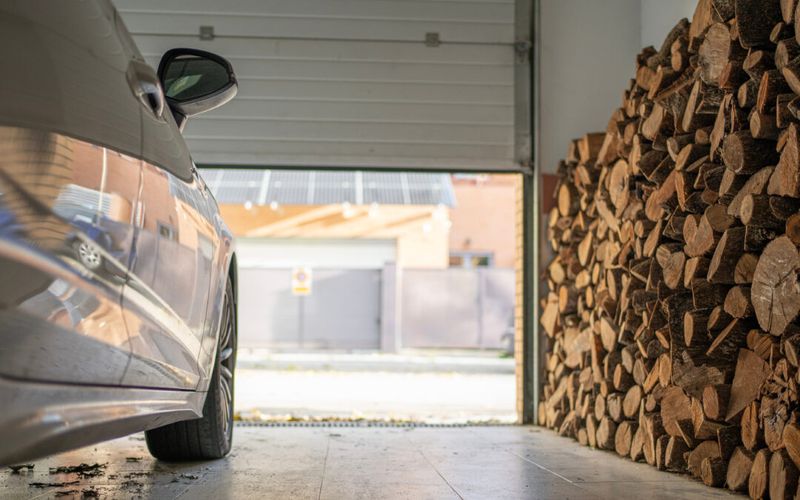
Nothing says cozy like a mesquite fire on a crisp January evening. Unfortunately, that tidy stack of logs leaning on your wall is also prime real estate for a family of woodrats.
Pack rats love cramped, sheltered gaps, and a woodpile gives them dozens. Once they settle in, the jump from the woodpile to a vent, a gap in the eaves, or a garage corner is short and easy.
Store firewood at least 20 feet from the house and raise it a foot off the ground on a rack. Bring in only what you will burn that day.
Fun fact: pack rats got their name from their habit of collecting shiny objects, and some even trade a stick for a bottle cap they like better.
3. Storing Holiday Decorations in Cardboard Boxes
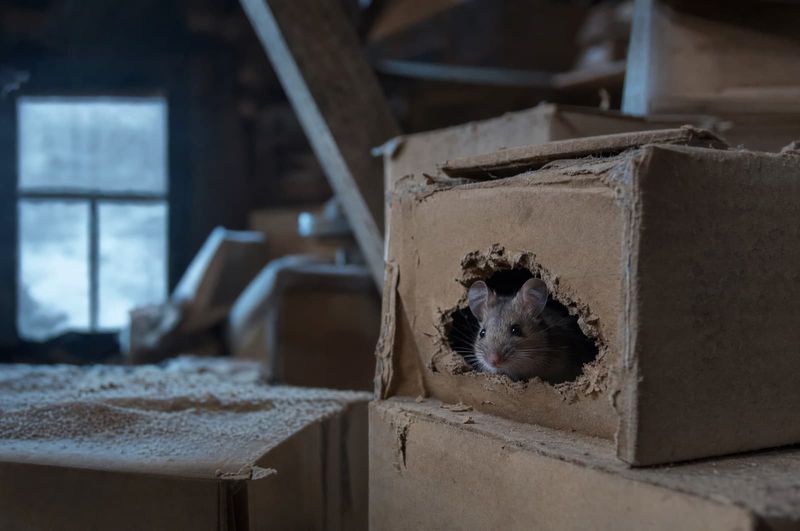
Picture pulling down your box of ornaments next December and finding it stuffed with shredded tinsel, chewed paper, and droppings. Sadly, that happens in Arizona attics every year.
Cardboard is soft, easy to chew, and makes perfect nesting material. Tissue paper and fabric decorations inside are even better, at least from a rat’s point of view.
A stack of boxes also creates hidden tunnels where they can move around unseen.
Switch to hard plastic bins with tight, locking lids. Label them clearly so you are not opening every container to find the lights.
It is a one-time upgrade that protects both your keepsakes and your attic.
4. Keeping Pet Food and Birdseed in Open Bags
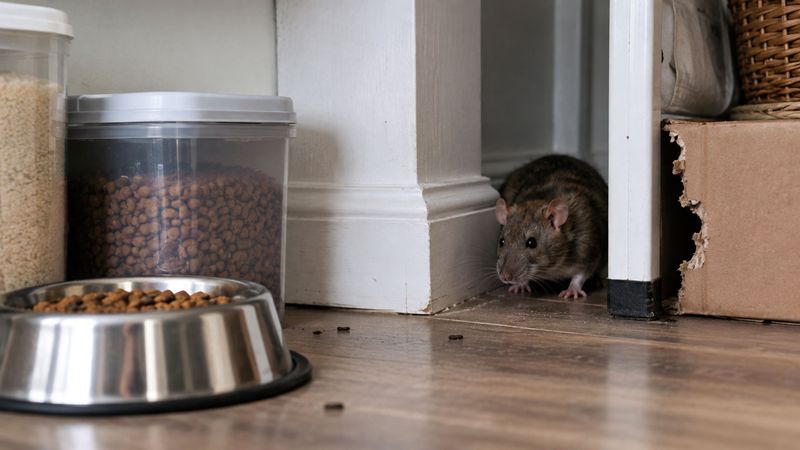
Ask any pest control tech in Mesa what they find most often in infested garages, and the answer is usually the same: a slumped bag of kibble with a hole chewed in the corner.
Food is a big reason rats stick around once they find a warm spot. Dog food, cat food, chicken feed, and birdseed are packed with calories, and winter is when wild food is scarce in the desert.
Move all of it into metal or thick plastic containers with sealed lids. Sweep up spilled seeds under feeders too.
If the buffet closes, many rats will simply move on to easier pickings.
5. Letting Cars Sit Unused for Weeks
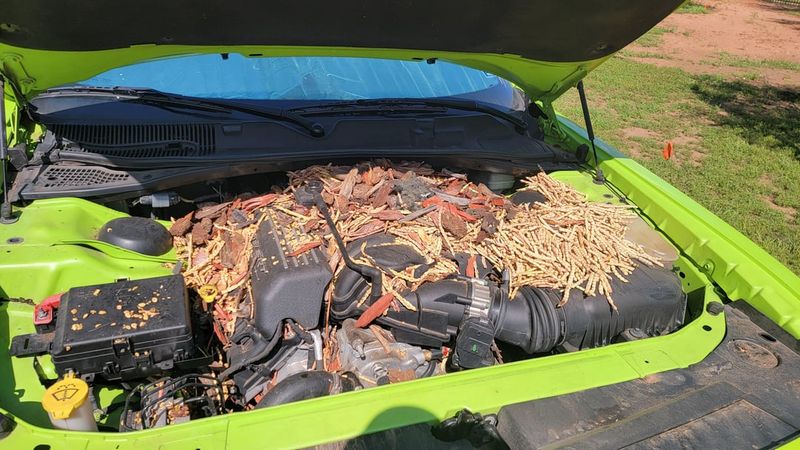
Snowbird season brings a strange problem. Folks fly back north for the holidays, park a car for a month, and come home to a dashboard full of warning lights.
An engine bay stays warm for hours after driving, and an unused car is quiet and dark. Pack rats drag sticks, cactus pieces, and trash under the hood to build nests.
Many newer cars use soy-based wire coatings, which rats seem happy to chew.
Start parked vehicles every few days if possible, and pop the hood to check for debris. Leaving the hood open in a closed garage, or placing a bright light near the engine, can make it less inviting.
Some owners also use rodent-repellent tape on wiring.
Repair bills for chewed harnesses can run into the thousands, so a quick peek is well worth it.
6. Ignoring Gaps Around Pipes, Vents, and Eaves
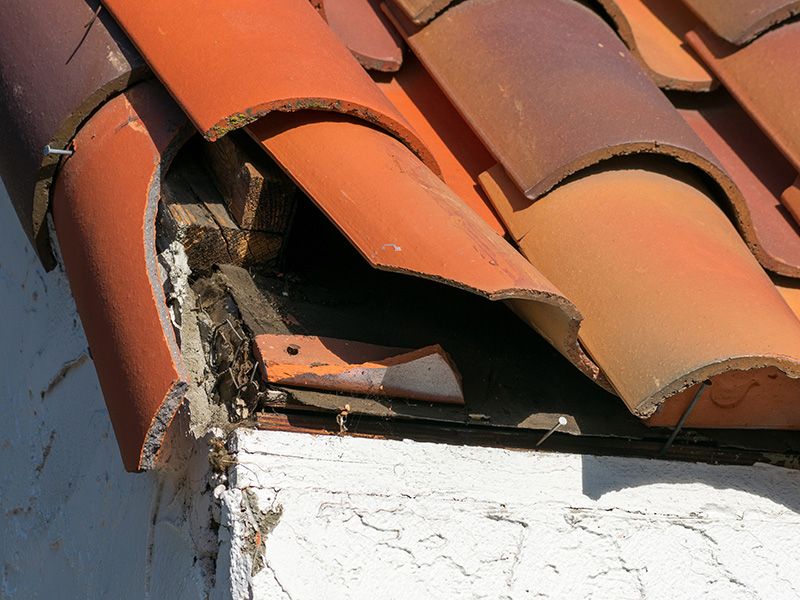
Here is a question worth asking on your next walk around the yard: when did you last look closely at where pipes and cables enter your house?
Small gaps around AC lines, plumbing, and cable wires are often left unsealed. Tile roofs, common across Arizona, also have openings at the edges called eave gaps, and loose vent screens make attic access easy for a climbing rat.
Seal small holes with copper mesh or steel wool plus sealant, and repair vent screens with heavy hardware cloth. Bird stops for tile roofs close those rounded openings nicely.
Skip foam alone, since rats chew right through it.
7. Letting Clutter Pile Up in the Garage
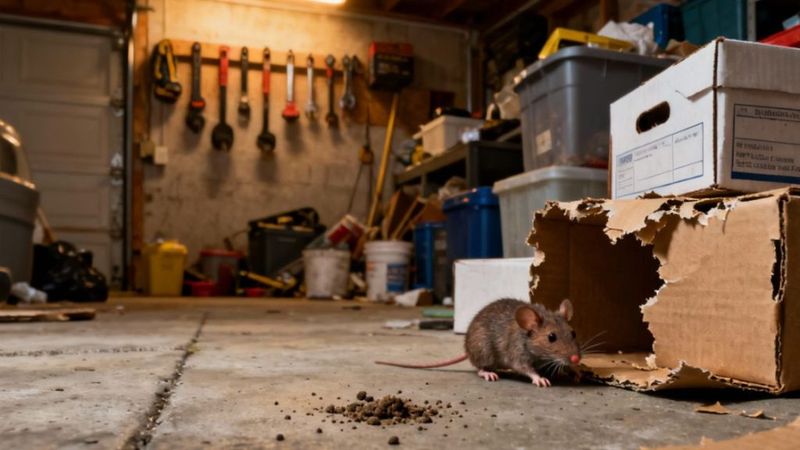
Winter is often when the garage turns into the family junk drawer. Leftover packaging from gifts, old rugs, broken patio chairs, and bags of stuff for donation all end up on the floor.
To a pack rat, clutter means cover. They can build a nest deep inside a pile and go unnoticed for months, quietly stealing small items like keys and screws along the way.
Get things off the floor using shelves at least a foot high, and leave space along the walls so you can see the corners. Drop off donations quickly instead of letting them sit.
A clean garage makes droppings or nests easy to spot before problems grow.
8. Overlooking Prickly Pear and Overgrown Landscaping
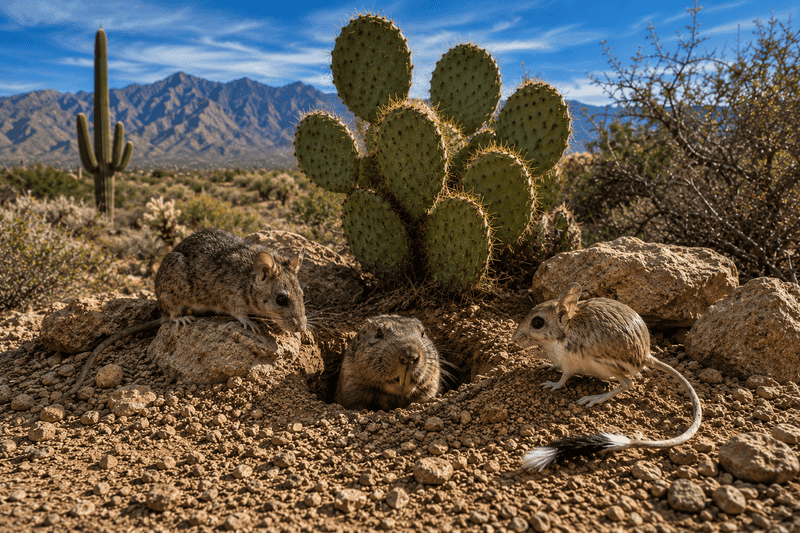
Funny as it sounds, many pack rat problems inside the house actually start out in the cactus bed. White-throated woodrats in Arizona love prickly pear, using the spiny pads for both food and protection.
Dense bushes, cholla, and overgrown plants near the foundation give rats a safe base camp. From there, it is a short trip to your garage or roofline, especially if branches touch the house.
Trim shrubs so they sit a few feet away from walls and roofs, and look for big messy piles of sticks and debris, known as middens. Fun fact: some ancient pack rat middens in the Southwest are over 40,000 years old, and scientists study them to learn about past climates.
Your yard, however, does not need a new one.