
Pruning California Plumeria Before Winter: When It Can Cost You Blooms and When It Won’t
You love those fragrant plumeria flowers, so one wrong cut can feel like a big deal. Many gardeners hear that pruning before winter wipes out next summer’s show.
The truth is more mixed, and it depends on what you cut, when you cut it, and where in California you live. Here is how to protect your blooms and still keep your plant in shape.
Why a cut at the tip can cost flowers
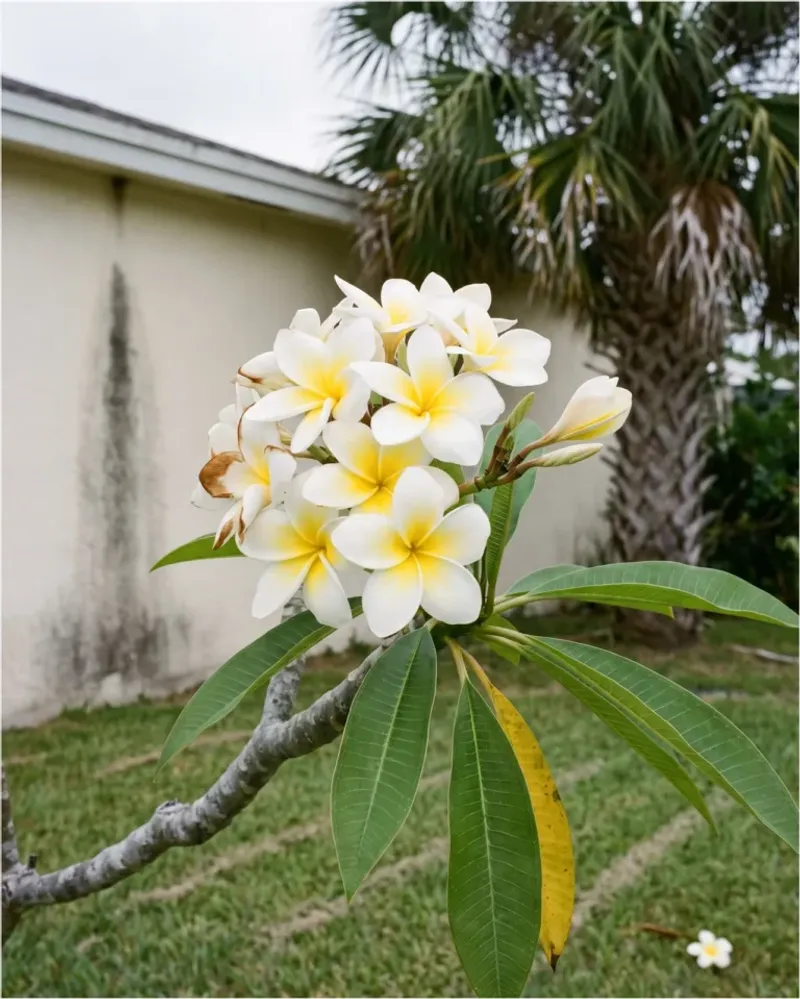
Look at the very end of a plumeria branch and you will find where the flowers come from. Blooms form in clusters at the stem tips, so snipping off a healthy tip can remove a spot where flowers might have opened.
That is the simple reason a heavy trim can shrink a coming display.
A University of Hawaii extension bulletin warns that heavy pruning sacrifices the spring bloom. The same bulletin points out big differences between cultivars.
Some peak once in spring, while others can flower again in a long growing season.
So the title’s warning is too absolute. Not every cut costs you flowers, and a light trim of a few branches is very different from lopping off most of the tips.
What you lose depends on the cultivar, the length of your growing season, the plant’s overall condition, and how many flowering tips you remove.
The University of Wisconsin Extension guide also describes flowers forming in terminal clusters. Think of each tip as a possible bouquet, and count how many you are about to remove before you pick up the pruners.
No cut can promise more blooms, either, so treat any trim as a trade-off rather than a boost.
Fall pruning is not the same as dormant pruning
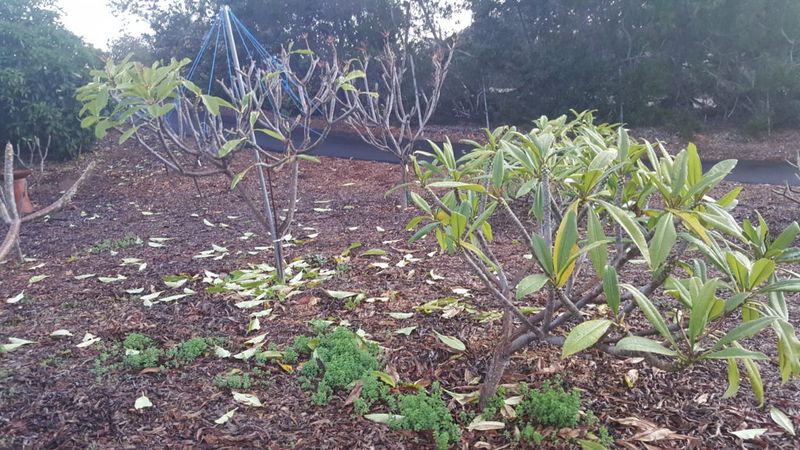
“Before winter” can mean two very different things. A cut in early fall happens while the plant is still growing and holding leaves.
A cut after the leaves drop happens while the plant is dormant, and that is a separate situation.
The Hawaii bulletin says winter pruning after leaf drop is the easiest time to work on the plant, because the bare branches are simple to see and handle. It also repeats its caution that heavy pruning sacrifices spring bloom, so even a dormant cut has a cost if you take too much.
The Wisconsin guide gives a different answer for routine shaping. It recommends pruning in spring, before deciduous types leaf out.
Two respected extension sources, two slightly different windows, and neither one sets a single correct date for every garden.
The practical lesson is to match the cut to the plant’s stage. A fall trim of a growing plant leaves fresh wounds and removes active tips.
A dormant or pre-leaf-out trim is easier on you and the plant, but it still removes flowering ends. Pick one of these windows for any necessary shaping, and keep the cuts modest if flowers matter most.
California has no single pruning calendar
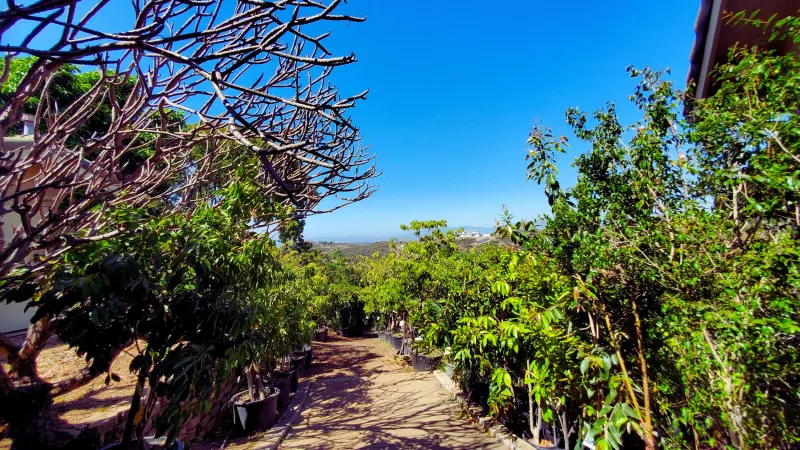
California stretches from foggy coast to desert heat, so one statewide pruning date simply does not work. Gardeners in Sacramento face different frost risks than growers near Palm Springs.
UC Master Gardeners in Sacramento County advise avoiding pruning tender plants after August. That is regional frost-risk guidance meant to limit vulnerable new growth.
It is not a rule for the whole state.
Farther south, the Coachella Valley Plumeria Society says its warmer, longer season lets trimming begin earlier than on the Southern California coast. Treat that as local experience from one specialist group, not proof of a universal schedule.
Plant type matters too. The Wisconsin Extension guide notes that Plumeria rubra types are deciduous, while Plumeria obtusa and some other white-flowered types are evergreen.
A before-leaf-out cue makes sense for a plant that drops its leaves, but it may not fit an evergreen one.
Use the nearest regional advice as a starting point, then watch your own plant and your own frost patterns.
Keep healthy tips when flowers are the priority
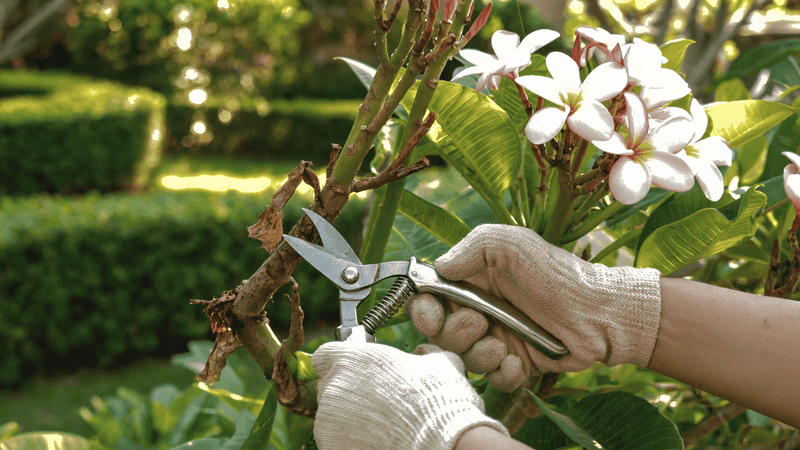
If blooms are what you want, the safest plan is to leave healthy branch tips alone. Hard pruning is the move most likely to reduce a coming display, since it takes off many flowering ends at once.
Selective shaping is a better fit. Remove a dead branch, a crossing stem, or one limb that is throwing the plant off balance, and leave the rest.
That is very different from cutting back every branch to a stub.
The Hawaii bulletin describes how heavy pruning costs spring flowers, and the Wisconsin guide describes pruning in spring before leaf-out for deciduous types. Together they suggest choosing a dormant or pre-leaf-out window for the cuts you do need, based on your plant type and local conditions.
Keep expectations honest. Neither guide promises that pruning will bring more blooms.
Cultivar, season, and plant health still shape the result, so think of trimming as shaping and not as a flower booster.
A simple test helps. Before each cut, ask whether that branch is dead, damaged, or in the way.
If it is healthy and ends in a growing tip, give it a pass this year.
Wait for new growth before judging freeze damage
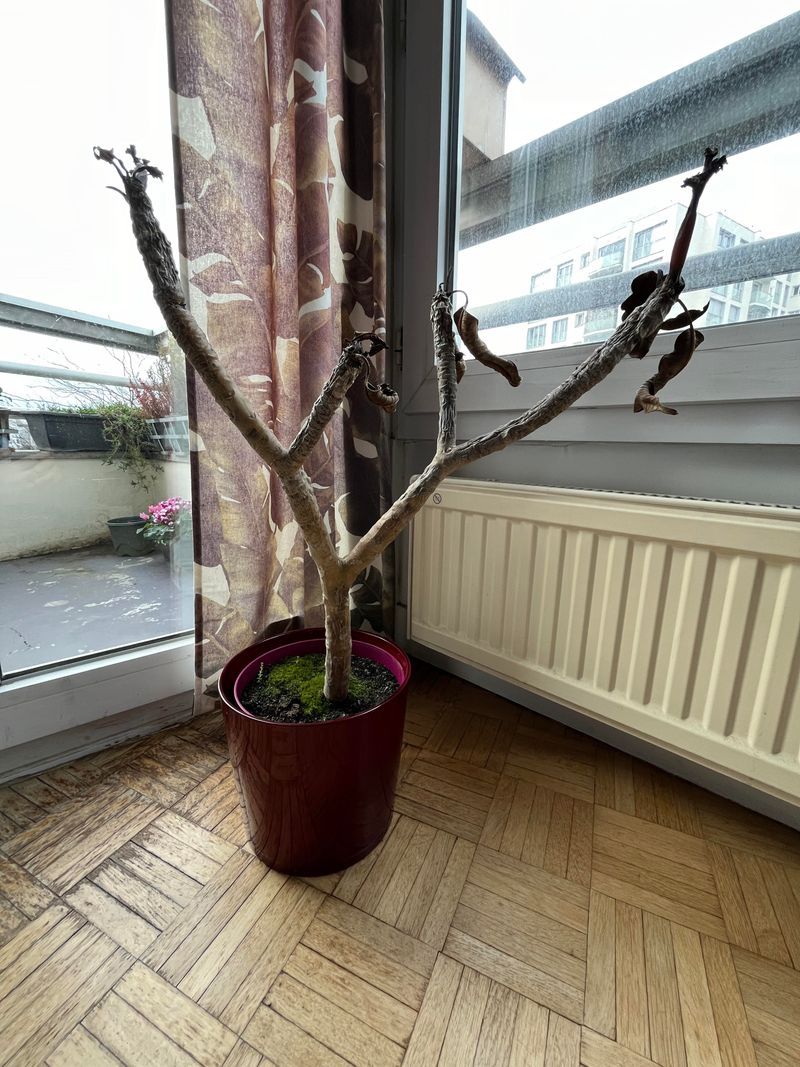
After a cold snap, a plumeria can look awful. Limp, darkened tips tempt you to grab the pruners right away, but that urge is worth resisting.
UC IPM advises waiting until spring or summer, after new growth shows which tissue is dead. Cold injury may not be visible for days, so what looks ruined on Monday may tell a different story later.
The Sacramento County Master Gardeners give similar guidance. Patience lets the plant show you where it survived, and you cut only what is truly dead.
There is one exception. If a damaged limb is an immediate hazard, such as one hanging over a walkway or a driveway, remove it for safety.
Otherwise, hold off.
A practical habit is to tie a bit of ribbon on questionable branches, then check them as the weather warms. Buds breaking along a stem are a clear sign of life, while a stem that stays dry and shriveled after other growth has started is likely finished.
Protect the plant from frost instead of pruning preemptively
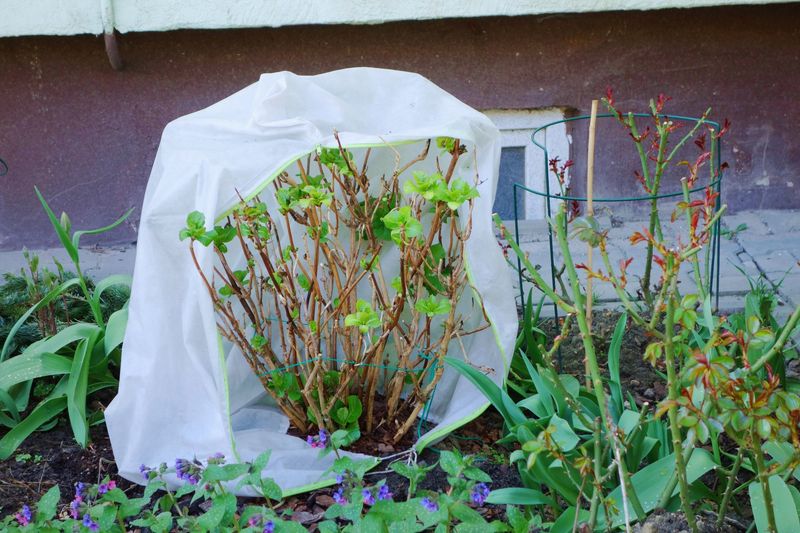
Cutting a plant back ahead of cold does not shield it from frost. Covering it does a better job, and it keeps your flowering tips in place.
UC IPM recommends covering sensitive plants with cloth during frost and removing the covers during the day. Letting the cover stay on through sunny hours can trap heat and cause other problems, so make uncovering part of your routine.
If your plumeria lives in a pot, you have an extra option. Move it to a warmer protected spot, such as a covered porch or against a house wall, when cold is expected.
The Sacramento County Master Gardeners also point to relocating movable plants.
These steps are separate from pruning advice. Protection is about getting the plant through cold nights, while pruning is about shape and timing.
Mixing them up can lead to unnecessary cuts.
Keep a few frost cloths or old sheets handy by late fall, and check your local forecast so you are ready before a cold night arrives.
Protect yourself when you prune
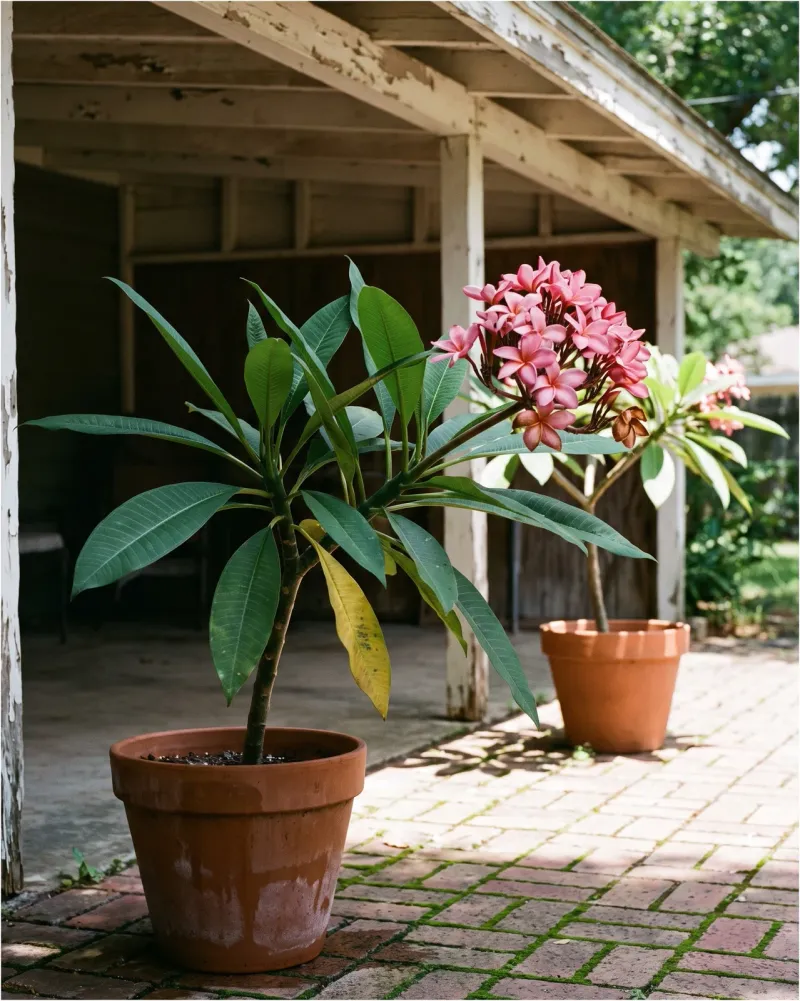
Plumeria is a lovely plant, but it is not one to handle casually. UC ANR says the sap can cause a rash in sensitive people, and it considers all parts of the plant toxic.
Before you cut, put on gloves, long sleeves, and eye protection. Bare hands are a bad idea, and a splash of sap near your face is something you want to avoid.
Keep children and pets away from the work area, and supervise them around the plant in general. Clean up trimmings so no one picks them up later.
Wash your tools and your hands when you finish. A few minutes of preparation makes pruning a calm job instead of a regret.
Prune for a reason, not a date
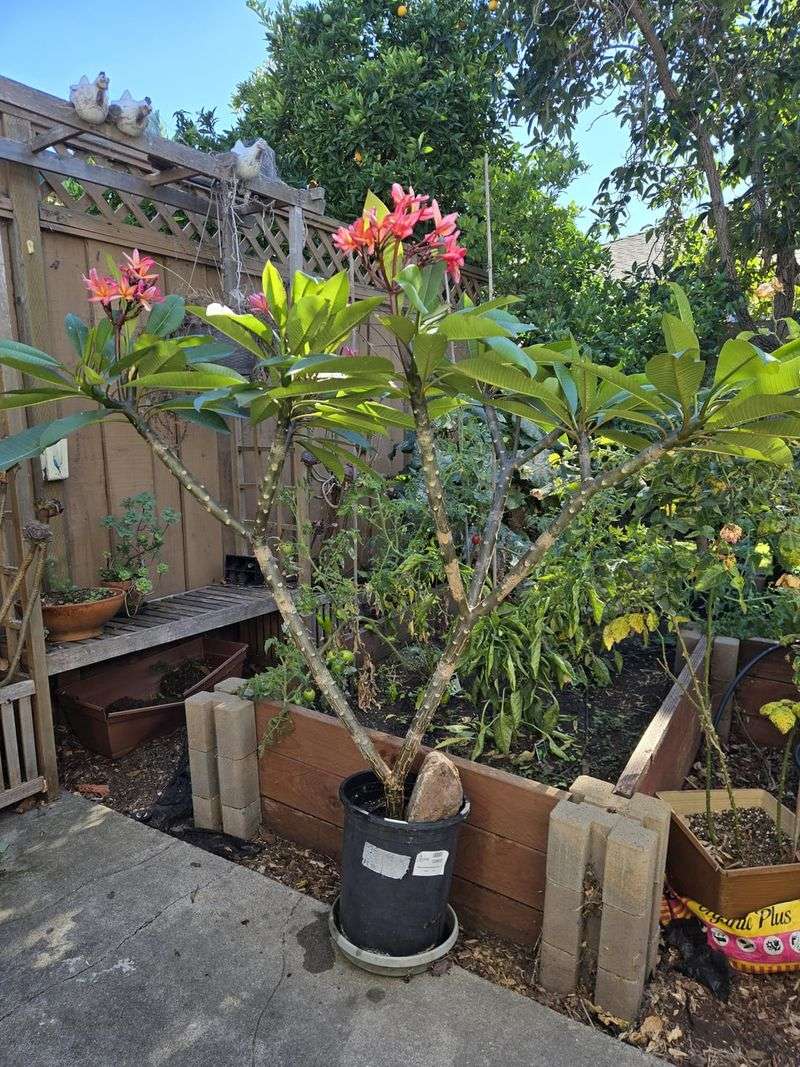
Let the purpose of the cut guide you. If flowers matter most, keep healthy tips, trim selectively, and choose a dormant or pre-leaf-out window that suits your plant type and your local frost risk, as the Hawaii and Wisconsin guides each suggest in their own way.
Heavy pruning can reduce a coming display, but no date or cut can promise blooms. A plumeria rewards patience more than a calendar.