You step outside, spot a strange tall plant by the fence, and a worry hits: could this get me in trouble? Pennsylvania does keep a legal list of noxious weeds, but finding one is not the same as being punished for it.
Knowing how the rules really work can save you stress and help you avoid a risky mistake. Here is a calm, step-by-step look at what to do next.
If you suspect a hazardous plant, do not disturb it
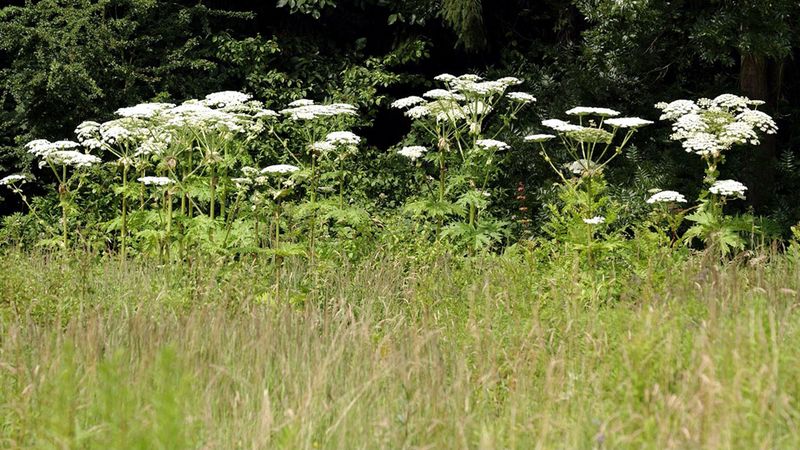
Start by treating the phrase “banned plant” as shorthand. It is not a precise legal category, and it does not mean every unwanted or invasive plant is prohibited.
If you cannot tell what a plant is, leave it alone. Do not pull it, cut it, or hit it with a trimmer.
Instead, note where it is growing and take photos from a safe distance, including the whole plant, the leaves, the stem, and any flowers.
Pennsylvania gives very direct advice for one suspected plant in particular. Pennsylvania Department of Agriculture guidance on giant hogweed warns against cutting, mowing, or weed-whacking it, since that can raise the risk of sap contact and may not control the plant.
Not every unknown plant is dangerous, so there is no need to panic. But if sap does touch your skin, Poison Control guidance says to wash the area promptly with soap and water and keep it out of sunlight.
Get medical advice if sap reaches your eyes or if symptoms get worse.
What Pennsylvania means by a state-listed noxious weed
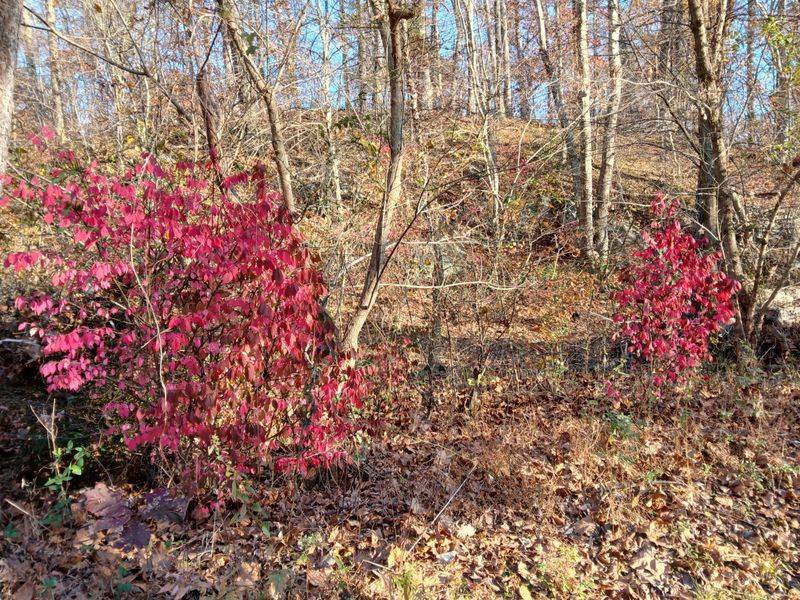
Pennsylvania keeps a specific legal list of noxious weeds. It is maintained by the Department of Agriculture, and it is separate from the much wider group of plants people call invasive.
That difference matters. The state’s Governor’s Invasive Species Council materials discuss invasive plants such as Norway maple and butterfly bush, yet an invasive label alone does not make a plant a listed noxious weed.
The Department’s current list includes plants such as giant hogweed, Japanese knotweed, burning bush, and Callery pear. It sorts them into three classes based on how established they are and whether eradication is realistic.
Class A weeds are limited in where they grow and are targeted for eradication. Class B weeds are widely established, so wiping them out is not feasible.
Class C weeds are potential threats that are not known to exist in Pennsylvania and are included by reference to the federal list.
The list also carries exceptions. Some groups have native-species exceptions, and certain plants have approved exempted varieties.
So a common name alone cannot tell you whether the plant in your yard is legally listed.
Confirm the plant’s identity before taking action
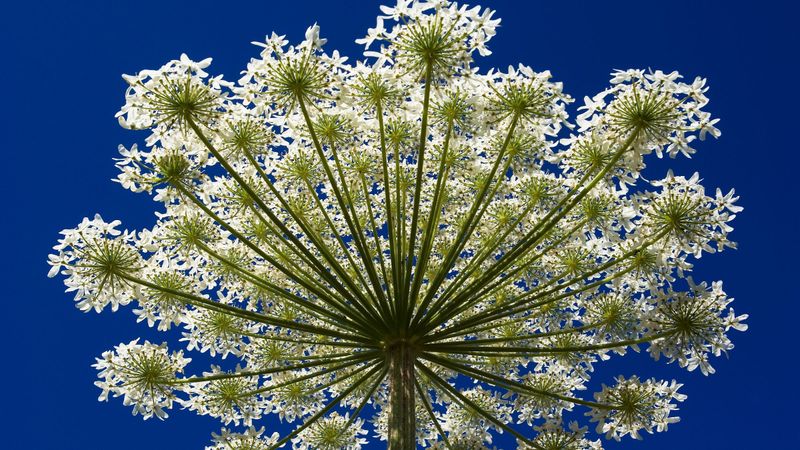
Many plants look alike, and a quick glance can mislead. A tall white-flowered plant might be giant hogweed, but it might also be a harmless lookalike.
Begin with the state’s controlled plant and noxious weed list. Compare the exact species name and any listed exceptions or exempted varieties, not just a nickname you heard from a neighbor.
A photo can help, but it is not proof. An app result or an online image match may be wrong, especially when leaves, stems, and flowers are only partly visible.
For suspected giant hogweed, the state’s brochure recommends contacting the agency for identification and management help rather than guessing.
Take clear photos from a distance, and write down the date and spot where you saw it. Do not pick samples barehanded.
Once you have good documentation, you are ready to ask the state to take a look.
Report a suspected state-listed weed through current channels
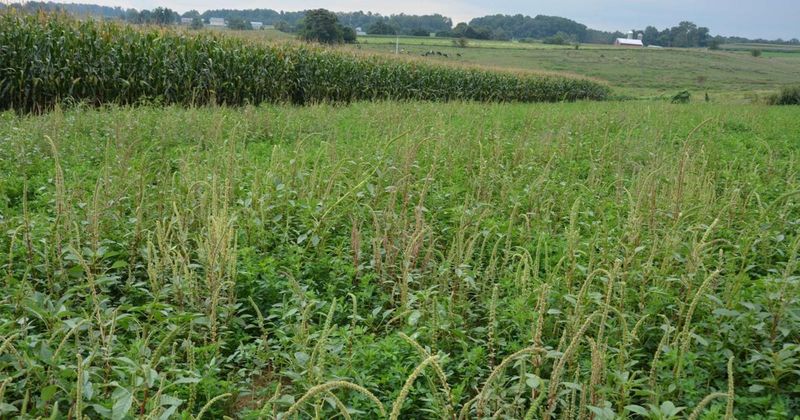
Reporting is simple once you have your photos and location. The Pennsylvania Governor’s Invasive Species Council lists the current contacts: RA-plant@pa.gov and 1-833-INVASIV (1-833-468-2748), as shown on its reporting page.
Use these rather than an older hotline number you may find online.
The Department also has a noxious weed complaint form. It asks for details about the plant and the property, so have your notes and photos ready.
Keep in mind that the form requests reports for Class A noxious weeds. The Department says it will investigate qualifying Class A complaints.
That does not mean every report about every invasive plant gets the same response. If your plant turns out to be a Class B weed or not on the list at all, you may get guidance instead of an investigation.
Reporting is a good-faith step, and it puts the question in the hands of people who deal with these plants. Be as specific as you can about where the plant is and what you have seen.
A control order—not discovery alone—sets out required action
Here is the question most people really want answered: will I be in trouble? Finding a plant that may be listed does not, by itself, mean you will be fined or prosecuted.
No source reviewed shows an automatic penalty just because a plant turns up.
State law, found in Title 3, Chapter 15 of Pennsylvania’s statutes, does prohibit distributing, cultivating, or propagating a noxious weed. But that rule is not the same as automatic blame for every plant that appears on private land.
The law also lets the Department of Agriculture issue a control order. The order must describe the situation, the required treatment measures, and a date by which the work must be finished.
If you receive one, you may request an administrative hearing within 15 days of receiving it. That deadline is short, so read the order right away.
If a recipient does not comply, the law provides for notice to that person and to the municipality. The municipality may then carry out the ordered treatment and recover its costs from the person subject to the order.
None of those steps happen automatically upon discovery. They follow an order and a failure to act on it, so the practical goal is to respond to any order promptly and keep records of what you do.
Get management guidance before removing the plant
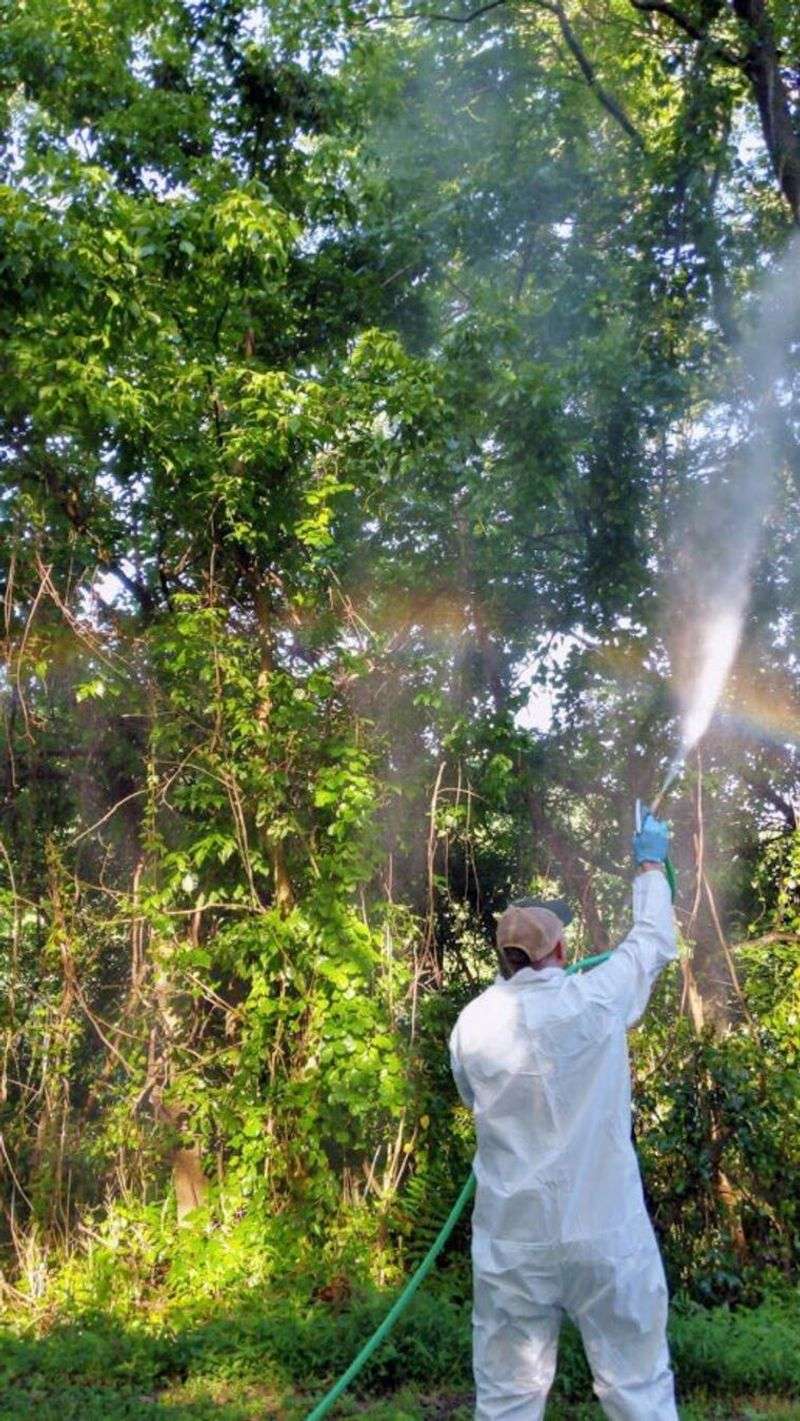
It is tempting to grab a shovel or a mower and be done with it. But no single method fits every listed plant.
Pulling, burning, mowing, or tossing it in yard waste can spread seeds or injure you, depending on the species.
Giant hogweed shows why. Pennsylvania’s giant hogweed guidance specifically warns against mowing or cutting it.
That is advice for that plant, not a rule for every weed.
Yard rules are a separate matter. Some towns regulate vegetation height or type, as Penn State Extension explains, and those local rules can vary.
They are different from the state noxious-weed law, so check your municipality’s requirements on their own.
If a control order ever arrives, the statute says it will spell out the required treatment, so you will not have to guess.
Until then, keep to a simple order: document safely, confirm the identity, report when it fits, and follow any control order. A plant you wait on for a few days costs far less than an injury you cannot undo.
Share this story