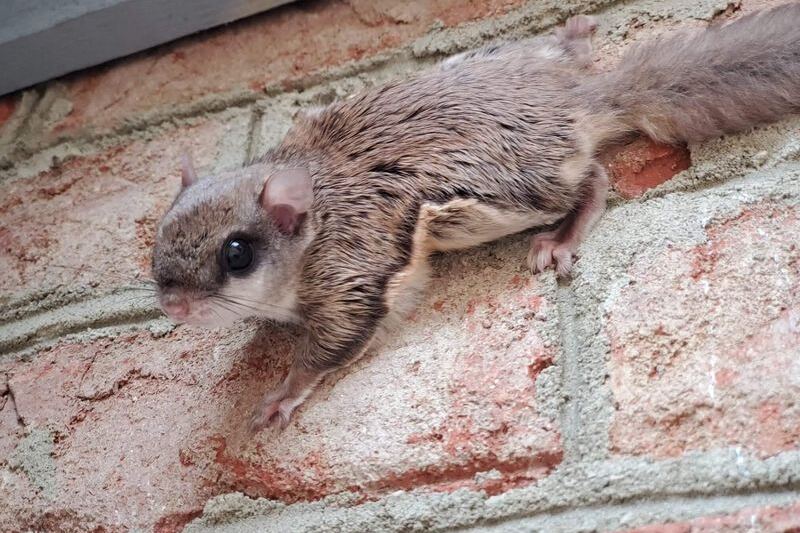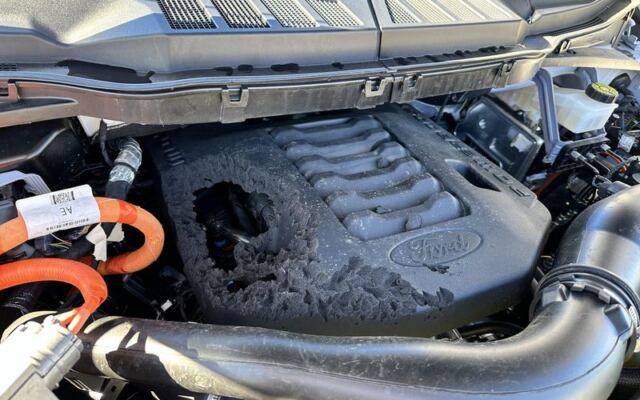
Popping the hood to find chewed wires is a gut punch for any driver. Squirrels can damage car wiring, and they stay active all winter in Massachusetts.
But does cold weather really make this more likely? Here is what is known, what is only a guess, and what you can do about it.
Can squirrels chew car wires in Massachusetts?
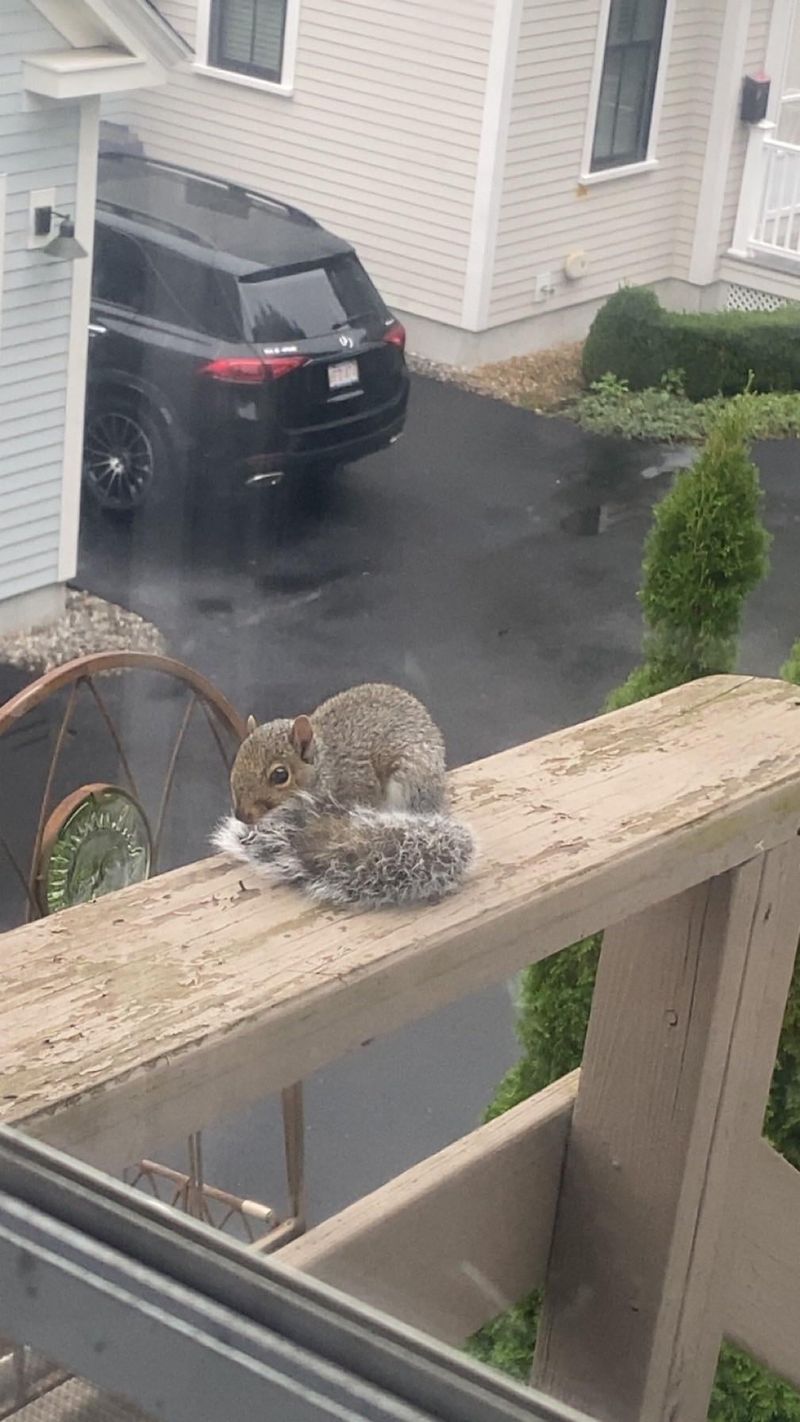
Yes, they can. Alabama Cooperative Extension notes that gray squirrels damage wiring in automobiles and machinery, so a squirrel is a real possibility when a driver finds gnawed cables.
Squirrels do not vanish when the temperature drops. MassWildlife says gray squirrels are active during winter, usually around midday, and Mass Audubon also describes year-round activity.
So a squirrel near your car in January is normal.
Here is the catch. The sources reviewed do not show that squirrel-related car damage goes up in winter.
Activity in cold months is not the same as more chewed wiring.
It is possible that a parked car offers shelter when the weather turns harsh, but that is an idea, not a measured seasonal trend. Treat it as one possible risk factor, not a rule.
The rest of this article separates what is well supported from what is only plausible. It also covers steps that can lower your odds of a repair bill, with the honest note that no step guarantees protection.
Their teeth explain the damage, not a taste for wires
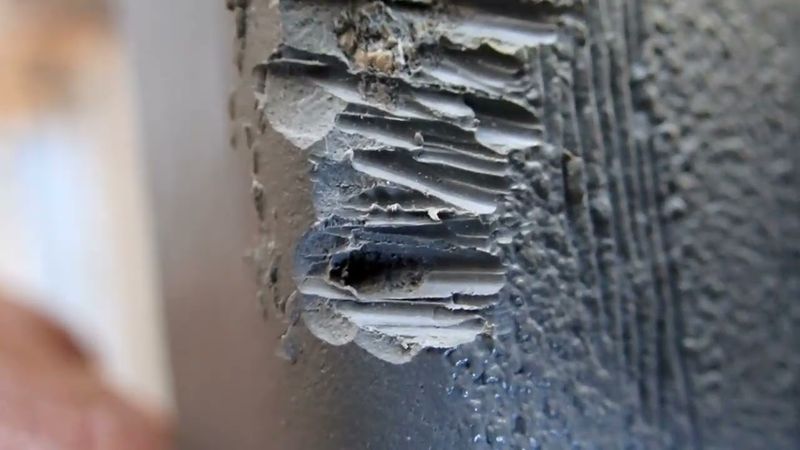
A squirrel’s front teeth, called incisors, never stop growing. According to the Alabama Cooperative Extension guide on gray squirrel damage, that constant growth is part of why squirrels can gnaw through so many materials, including automobile wiring.
Think of it as a built-in tool. A squirrel that can gnaw wood, plastic, and cable coverings has the ability to damage wiring if it gets access to it.
Ability is not the same as preference. Nothing in the reviewed sources shows that squirrels seek out car wires, or that they like them better than other materials.
You may also hear that squirrels chew wires to sharpen their teeth. That claim is not supported.
Nor do the sources show that squirrels eat the insulation.
So the practical point is simple. A car engine bay is a place where a gnawing animal may end up, and the damage can be costly.
But the cause is the animal’s teeth and its access to your vehicle, not a special craving for your wiring.
That is also good news. If the problem is access, then limiting access is where your effort belongs.
A warm engine can attract rodents—but not prove a squirrel did it
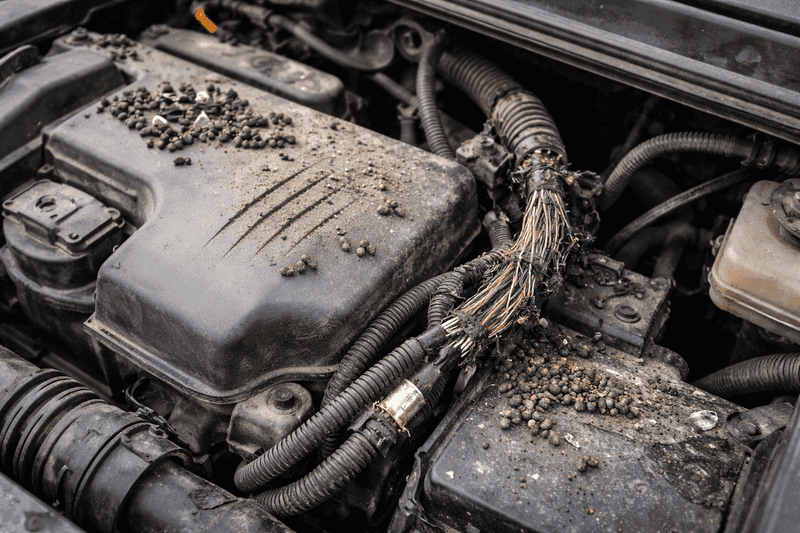
After you shut off a car, the engine stays warm for a while. A British Columbia government guide to rodent management says rodents may be attracted to vehicle-engine warmth, and it identifies damage to wiring and other car parts.
On a freezing night, a warm, enclosed, hidden space makes sense as a shelter. That is a reasonable idea, and it is the one that most often gets repeated.
Keep its limits in view, though. The guide talks about rodents in general.
It does not show that Massachusetts squirrels behave this way, and it does not prove that warmth caused a seasonal jump in damage here.
A warm engine also cannot tell you why a particular car was damaged. An animal might have been looking for shelter, passing through, or storing food.
You cannot read motive from chewed cables.
Use the warmth idea as a reason to think about access and shelter, not as a diagnosis. It helps explain why an engine bay might be a place rodents visit, while leaving the question of which animal did it open.
Could the culprit be a mouse or rat?
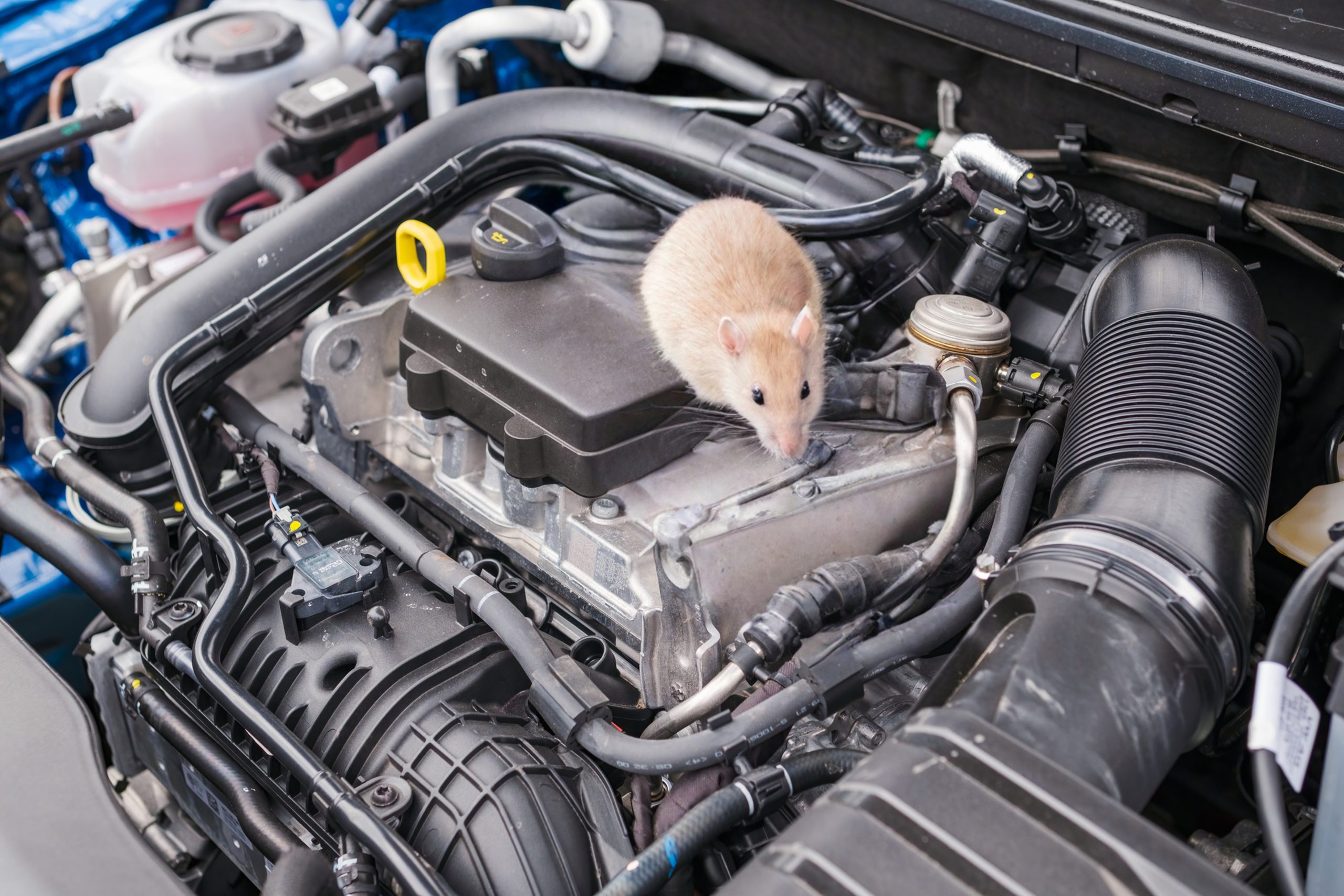
Chewed wiring is labeled “rodent damage” for a reason: the damage alone does not tell you which animal did it. Mice, rats, and squirrels are all rodents, and the reviewed evidence does not show that squirrels cause most vehicle wiring damage in Massachusetts.
The National Park Service Rodent Exclusion Manual documents rodent damage to vehicle wiring and hoses without singling out one species. Guidance for vehicles tends to speak about rodents broadly.
That means you should not play detective from tooth marks. Guessing wrong could send you after the wrong prevention steps or give you false confidence.
What you can do is act on what you see. Shredded nesting material, stored food, droppings, or chewed cables are all signs that something got in.
If you find nesting or damage, CDC guidance advises consulting a qualified automotive professional. A mechanic can check which parts are hurt, including ones you cannot see, and repair them safely.
Pay attention to dashboard warning lights, rough starts, or a car that will not start at all after sitting. Those can point to hidden wiring trouble even when the engine bay looks tidy.
Parking choices can reduce easy access
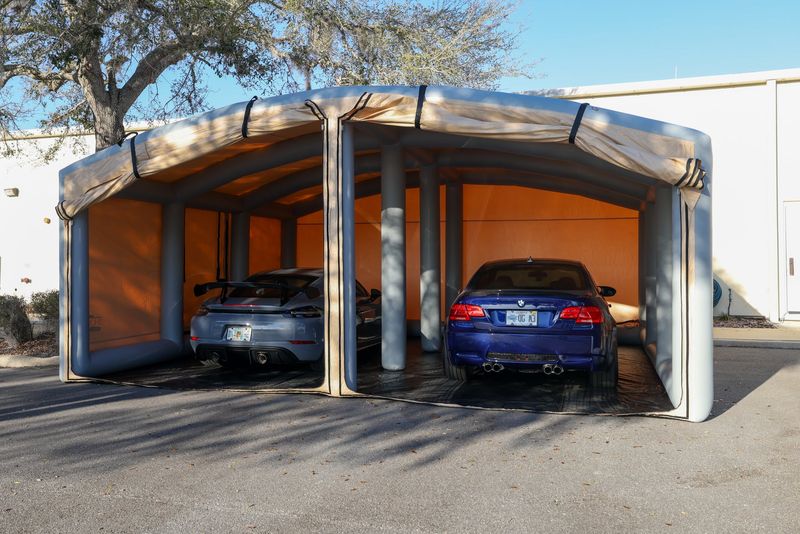
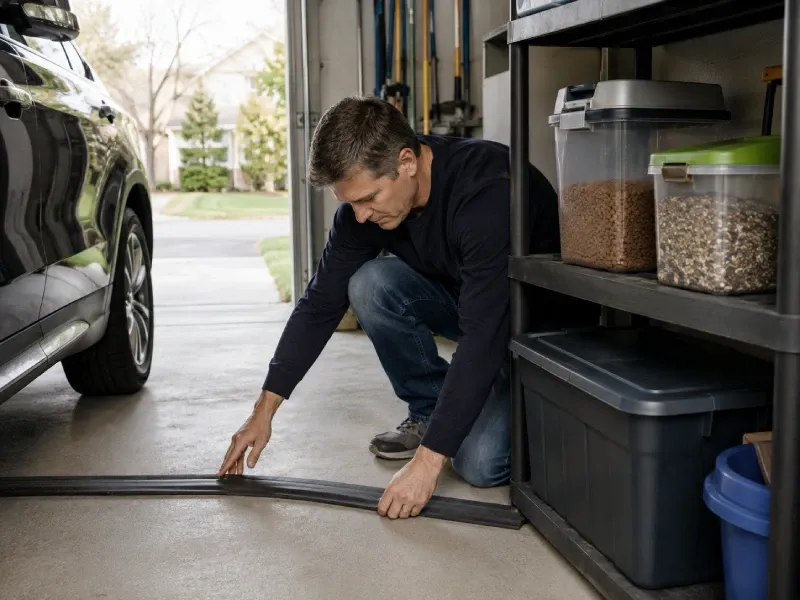
Start with the biggest step. If you can, park in a closed garage that rodents cannot easily enter.
Even then, check for gaps around doors and walls, since a garage only helps if it is truly closed up.
Next, clear out the car itself. Remove food, wrappers, and crumbs, including those tucked in seat pockets and cup holders.
The British Columbia rodent guide points to removing food sources as part of reducing rodent problems.
Then look at where you park. Avoid spots beside vegetation, leaf piles, trash, firewood stacks, or anything else that offers shelter or food.
A car parked next to a woodpile is closer to a rodent hideout than one in the open.
If you have no garage, you face a tougher job. The National Park Service says outdoor parking makes rodent exclusion difficult, so an outdoor vehicle is hard to protect fully.
Moving your car even a few car lengths from a brush pile or bird feeder is a cheap change worth making. Cleaning up spilled birdseed beneath feeders is another easy one.
All of these steps cut down opportunities. None of them is a guarantee, so keep checking your car now and then.
Barriers may help, but no add-on is a sure fix
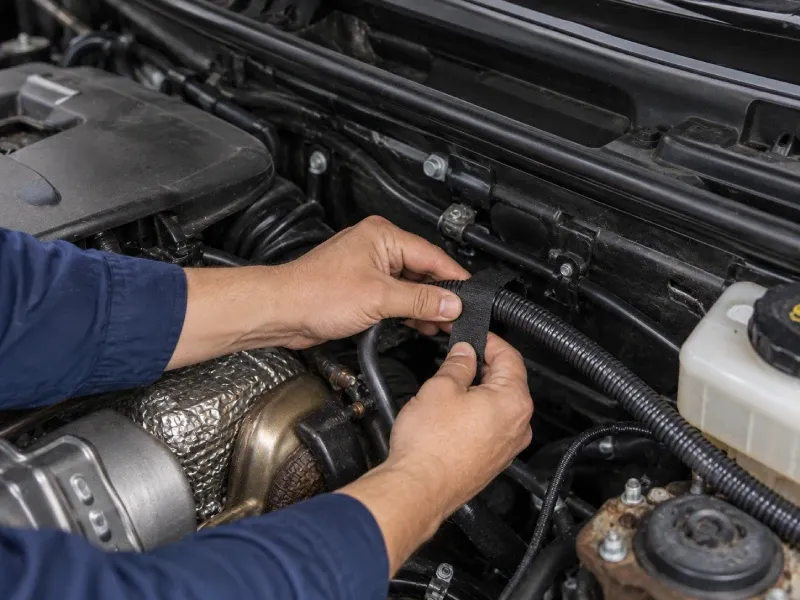
Some drivers ask a shop about extra protection for the wiring. The British Columbia guide mentions that capsaicin-treated wiring tape or protective mesh may deter gnawing.
The key word is may. These are options worth discussing with a mechanic, not cures.
A determined animal can still find a gap or a bare spot.
Sprays are a different story. The National Park Service says spraying wiring and hoses with rodent repellents is not effective.
Skip the spray bottle and save your money.
You may also hear about leaving the hood partly open overnight. Park Service and British Columbia guidance mention it, but neither source shows it suits every vehicle or every parking spot.
Weather, security, and the layout of your driveway all matter, so do not treat it as a standard routine.
The same caution applies to peppermint oil and ultrasonic gadgets. They are not reliable prevention, so do not count on them.
A long-idle car needs a careful check before starting
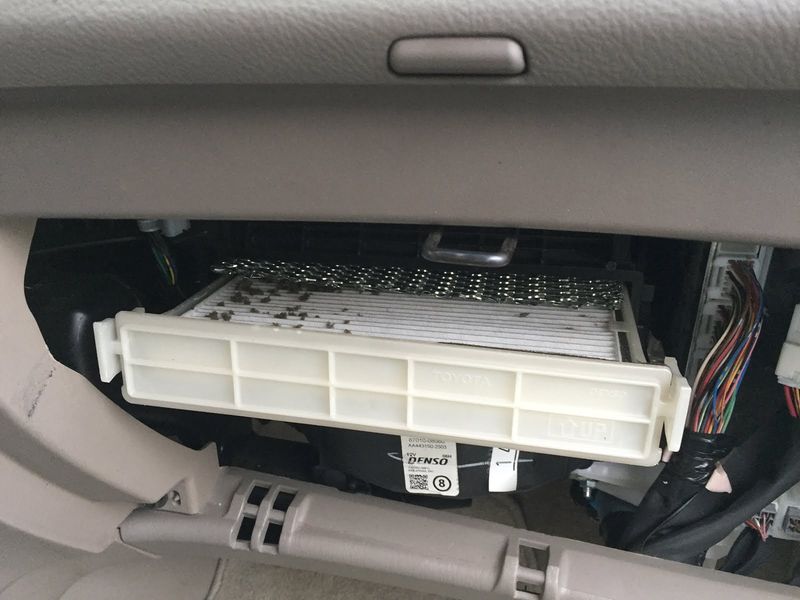
A car that has sat for weeks or months deserves a slow, careful look before you turn the key. CDC guidance advises airing the vehicle out first, then inspecting the air intakes and filters before starting it.
This is for a long-idle vehicle, not a nightly habit.
Open the doors and hood and let fresh air move through for a while. Then check the air intake and filter for nesting material or debris.
If you see nests, droppings, or chewed wiring, stop. Call a qualified automotive professional rather than starting the engine.
Cleanup needs care too. Ventilate the area and wear gloves.
Disinfect contaminated material before you remove it.
Do not vacuum or pressure-wash droppings or urine before they have been disinfected, because that can stir up particles you do not want to breathe. Handle nests and dry droppings only with these precautions, never casually.
Also skip poison as a quick answer. Massachusetts warns that rodenticides can harm pets and wildlife, including through secondary poisoning.
Reduce the opportunity, not just the worry
Squirrels can gnaw wiring, and rodents may be drawn to engine warmth, but nothing reviewed shows a Massachusetts winter surge in squirrel-caused damage. Keep food out of the car, park away from shelter, and use a garage when you can, following government rodent guidance.
No step is a guarantee, especially outdoors. A tidy car in a tidy spot simply gives a hungry animal fewer reasons to visit.
Share this story