Get the latest garden guides in your inbox →
Gardening Latest
  • General Gardening
  • Lawn Care
  • Plant Care
  • Composting
  • Soil Health
  • Backyard
  • Garden Muse Magazine
  • General Gardening
  • Lawn Care
  • Plant Care
  • Composting
  • Soil Health
  • Backyard
  • Garden Muse Magazine
  • News
  • Gardening Calendar
  • Garden Structures
  • Vegetable Garden
  • Vertical Garden
  • Raised Beds
  • Hydroponics
  • General Equipment
  • Community Gardens
Garden Themes
  • Spiritual Garden
  • Hydroseeding
  • Seeding and Laying Sod
  • Artificial Grass
  • Lawn Care Equipment
  • Plants
  • Trees
  • Planting Tools
  • Composting Basics
  • Fertilizer
  • Alternative Growing Mediums
  • Front Yard
  • Backyard Activities
  • Landscaping
Gardening Latest

Explore by state

Which state is your garden in?

Currently viewing Massachusetts

All states

Northeast

  • Connecticut —
  • Delaware 5
  • Maine —
  • Maryland 3
  • Massachusetts 7
  • New Hampshire —
  • New Jersey 3
  • New York 2
  • Pennsylvania 2
  • Rhode Island —
  • Vermont —

Southeast

  • Alabama 3
  • Arkansas —
  • Florida 3
  • Georgia 3
  • Kentucky 6
  • Louisiana 2
  • Mississippi —
  • North Carolina 1
  • South Carolina 5
  • Tennessee —
  • Virginia 2
  • West Virginia —

Midwest

  • Illinois 2
  • Indiana 4
  • Iowa 5
  • Kansas —
  • Michigan 3
  • Minnesota 2
  • Missouri 2
  • Nebraska —
  • North Dakota —
  • Ohio 3
  • South Dakota —
  • Wisconsin 6

Southwest

  • Arizona 3
  • Colorado —
  • Nevada —
  • New Mexico —
  • Oklahoma —
  • Texas 2
  • Utah —

West

  • Alaska —
  • California 3
  • Hawaii —
  • Idaho —
  • Montana —
  • Oregon —
  • Washington —
  • Wyoming —

No state matches that search.

Site menu

Gardening Latest
  • General Gardening
    • News
    • Gardening Calendar
    • Garden Structures
    • Vegetable Garden
    • Vertical Garden
    • Raised Beds
    • Hydroponics
    • General Equipment
    • Community Gardens
    Garden Themes
    • Spiritual Garden
  • Lawn Care
    • Hydroseeding
    • Seeding and Laying Sod
    • Artificial Grass
    • Lawn Care Equipment
  • Plant Care
    • Plants
    • Trees
    • Planting Tools
  • Composting
    • Composting Basics
  • Soil Health
    • Fertilizer
    • Alternative Growing Mediums
  • Backyard
    • Front Yard
    • Backyard Activities
    • Landscaping
  • Garden Muse Magazine

Explore

  • About GardeningLatest.com
  • Contact Us

Get the latest from the garden

New guides on lawn care, plants and backyard projects, sent when they go up.

Subscribe →

Follow

  • Facebook
  • X
  • Pinterest
  • YouTube
Massachusetts Gardening

These Harmless Massachusetts Critters Look Dangerous Enough to Send You Running, But They’re Not

Some animals in Massachusetts look like they belong in a horror movie, with big jaws, creepy legs, or scary colors…

AT

By Abigail Thatcher

November 17, 2026 · 5 min read

These Harmless Massachusetts Critters Look Dangerous Enough to Send You Running, But They’re Not
These Harmless Massachusetts Critters Look Dangerous Enough to Send You Running, But They're Not

Some animals in Massachusetts look like they belong in a horror movie, with big jaws, creepy legs, or scary colors. The truth is that many of them are totally harmless to people and actually help keep nature in balance.

Knowing which critters are safe can save you a lot of panic on hikes, in the garden, or even in your basement. Here are ten Bay State creatures that look tough but would rather leave you alone.

At a glance

Where
Massachusetts Gardening
Hardiness zone
6 −10 to 0°F
Read
5 minutes
Published
November 17, 2026

1. Eastern Milk Snake

Eastern Milk Snake
© The Cool Down

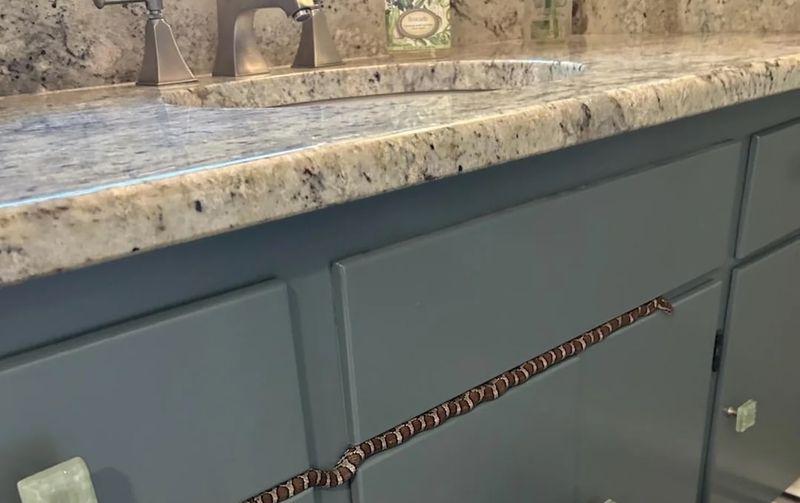
Farmers once swore these snakes sneaked into barns to drink milk straight from cows. That story is pure myth, but the name stuck.

The real reason milk snakes hang around barns is the mice.

With bold reddish blotches, a milk snake can look a lot like a copperhead. When nervous, it even shakes its tail in dry leaves to sound like a rattlesnake.

Clever trick, but it has no venom at all.

If you find one in your shed, consider it free pest control. Just give it space and it will slip away quietly.

2. Eastern Hognose Snake
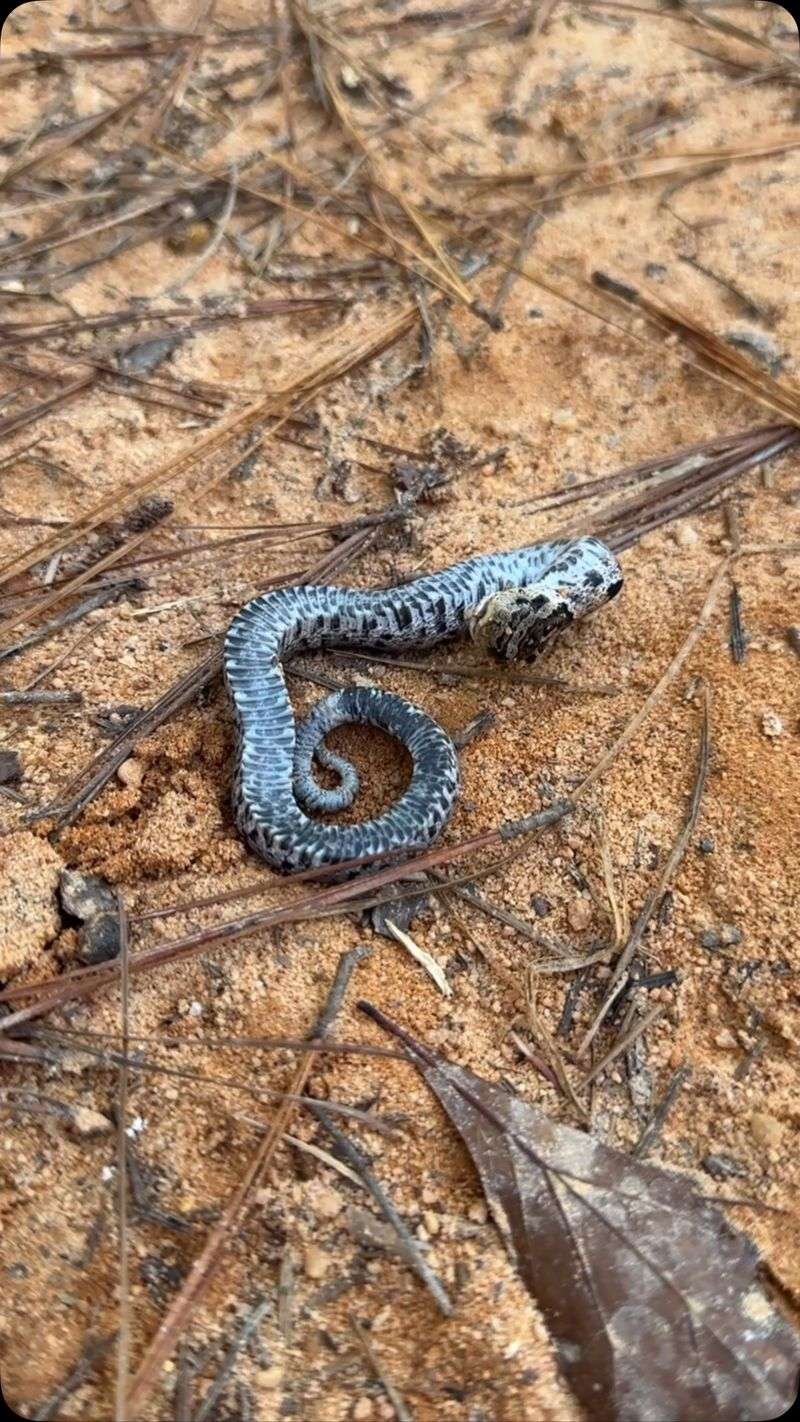
Eastern Hognose Snake
© nkfherping

Picture a snake that hisses, flattens its neck like a cobra, and then, when that fails, flips over and plays dead with its tongue hanging out. Meet the hognose, the drama queen of Cape Cod’s sandy woods.

All that theater is a bluff. Hognose snakes almost never bite people, and their mild saliva is meant for toads, their favorite food.

Funny detail: if you flip a fake-dead hognose right side up, it will often roll back over. It really commits to the act.

3. Northern Water Snake
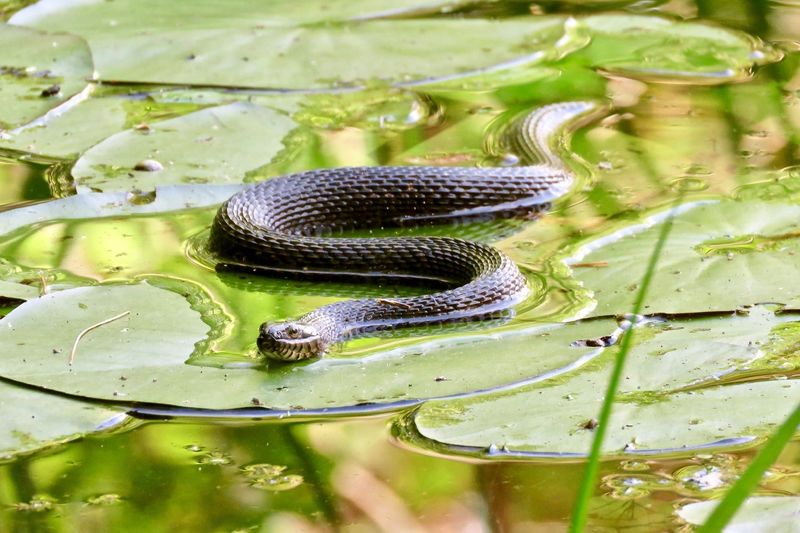
Northern Water Snake
© Mass Audubon

Kayakers on Massachusetts ponds sometimes paddle away fast after spotting a thick, dark snake on a log. People often call it a water moccasin.

Here’s the good news: cottonmouths do not live anywhere in the state.

Fun fact: some fishing spiders can walk on water and even dive under to catch tiny fish.

Northern water snakes are nonvenomous fish eaters. They can be grumpy if grabbed and may bite or release a stinky musk, so look and don’t touch.

Left alone, they would much rather drop into the water and swim off than deal with you.

4. House Centipede
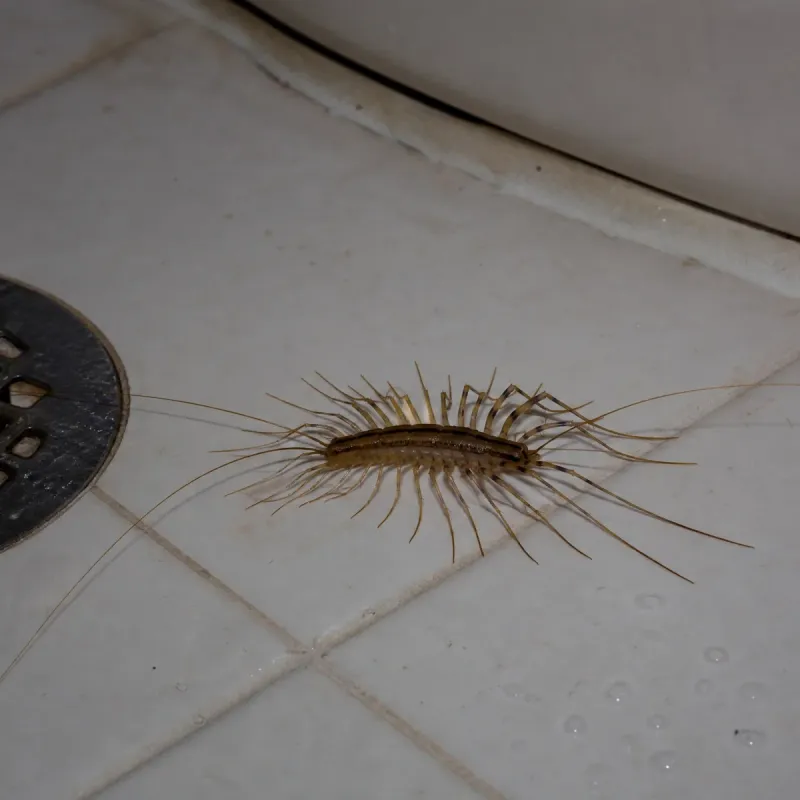
House Centipede
© M.A.D. Extermination

Fifteen pairs of legs zooming across your bathroom wall at midnight. Few sights send people shrieking faster.

Yet the house centipede is one of the best roommates you never asked for. It hunts cockroaches, silverfish, spiders, and bedbugs.

Bites on humans are rare and feel like a tiny bee sting at worst.

So next time one races by, take a breath. It’s on bug patrol for you.

5. Eastern Dobsonfly
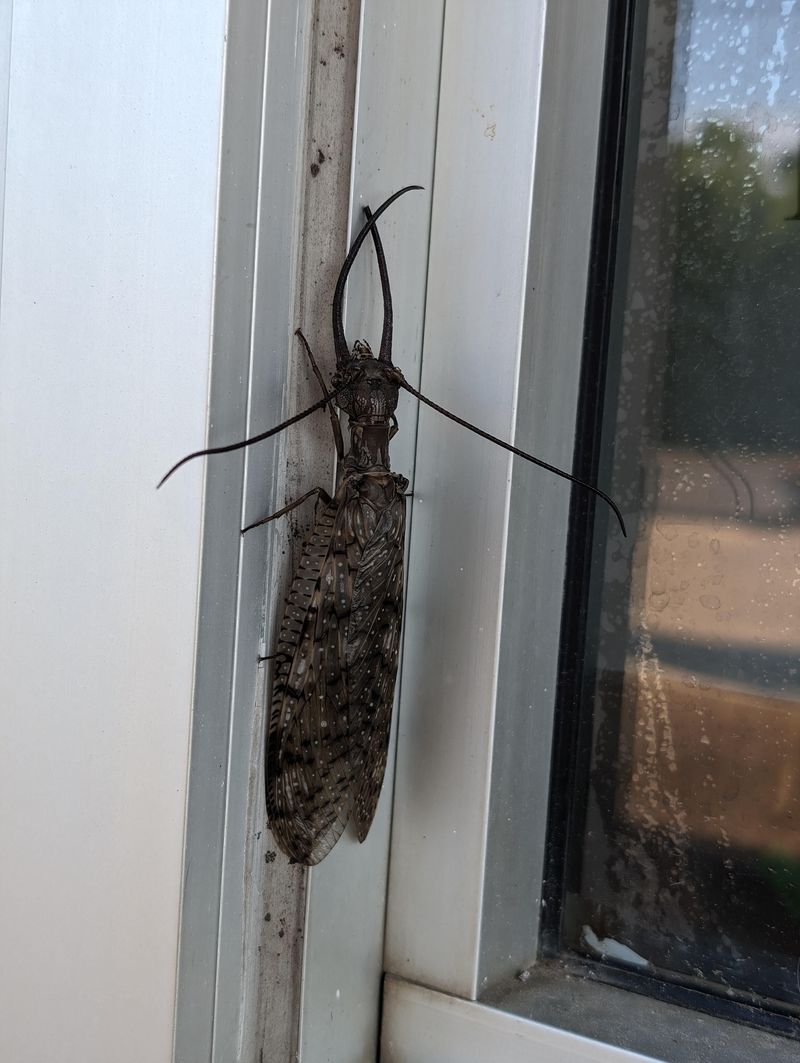
Eastern Dobsonfly
© Reddit

Did you know the male dobsonfly’s jaws can be half as long as its body? Those curved tusks look like something from a monster movie.

Here’s the twist. Males use them to impress females, not to fight you, and they are too long to give a strong pinch.

Females have shorter jaws and can nip, but it’s minor.

Adults live only about a week. Their larvae, called hellgrammites, live in clean streams, so seeing dobsonflies means the water nearby is healthy.

6. Cicada Killer Wasp
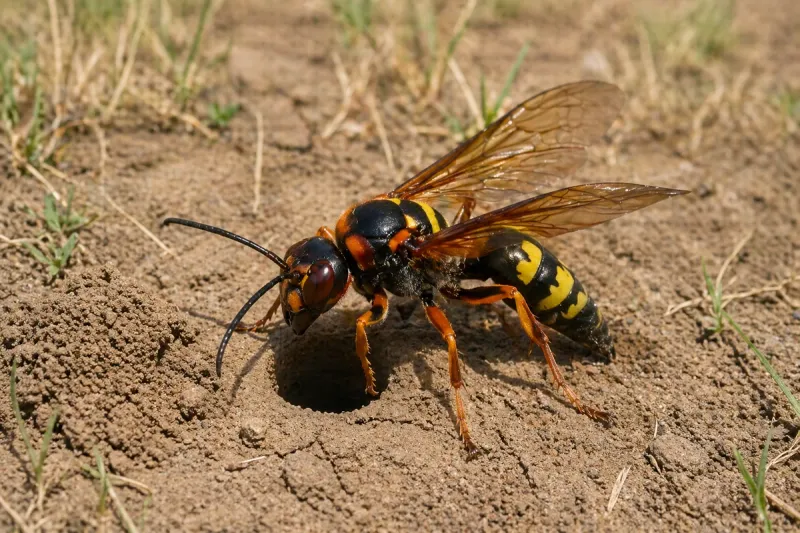
Cicada Killer Wasp
© Pest Me Off

Late summer brings giant yellow-and-black wasps buzzing over lawns and sandy spots. At nearly two inches long, they look ready to start a war.

Cicada killers save their energy for cicadas, which they paralyze and drag underground for their young. Males, the ones that dive at you, cannot sting at all.

Females can, but they are very calm and rarely bother people.

Kids can play nearby without trouble. Just avoid stepping barefoot on their burrows.

7. Fishing Spider
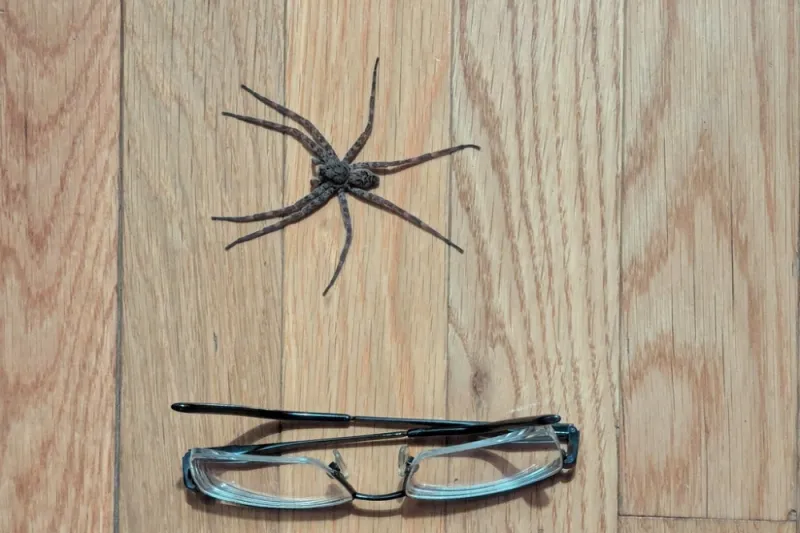
Fishing Spider
© Insectio

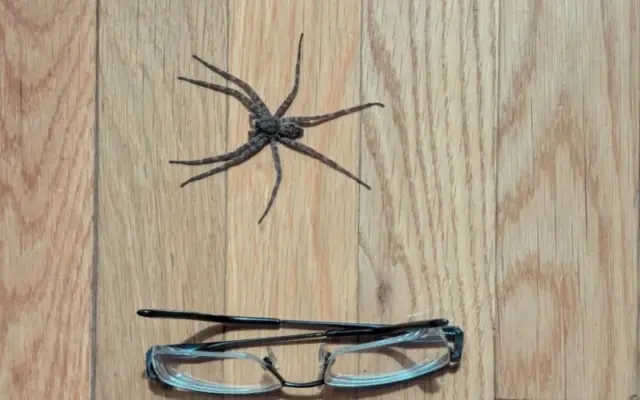
Spread out, a dark fishing spider can be as wide as your palm. Finding one on a dock or in a basement is a real heart-stopper.

Size aside, these spiders are shy. Their bite is about as painful as a bee sting and is not dangerous to healthy people.

Most of the time they just run.

Fun fact: some fishing spiders can walk on water and even dive under to catch tiny fish. Pretty cool for a creature most folks want to flee.

8. Spotted Salamander
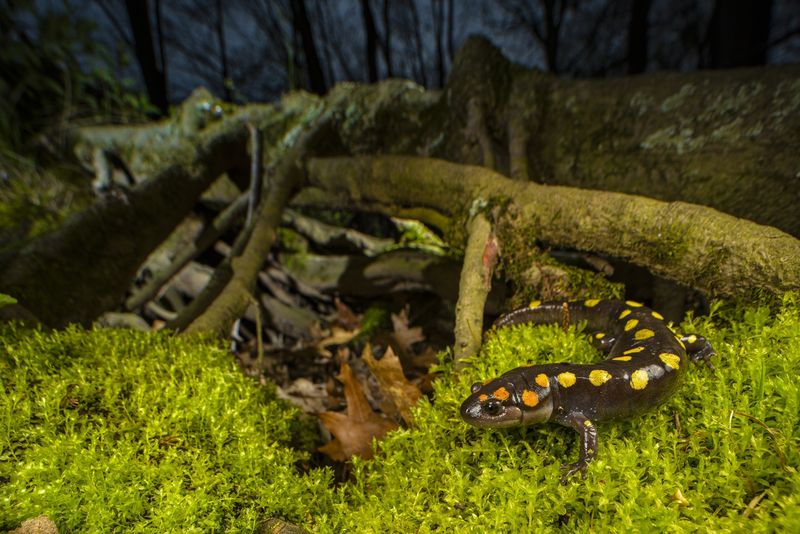
Spotted Salamander
© National Geographic

On rainy April nights, towns across Massachusetts actually close roads so spotted salamanders can cross safely to breeding pools. Volunteers even help carry them.

The bright yellow spots on black skin look like a warning sign, and in a way they are. The skin has a mild toxin that tastes awful to predators.

For people, it’s no threat as long as you don’t lick one and wash your hands.

Shy and slow, these amphibians spend most of their lives underground. Spotting one is a lucky moment.

9. Opossum
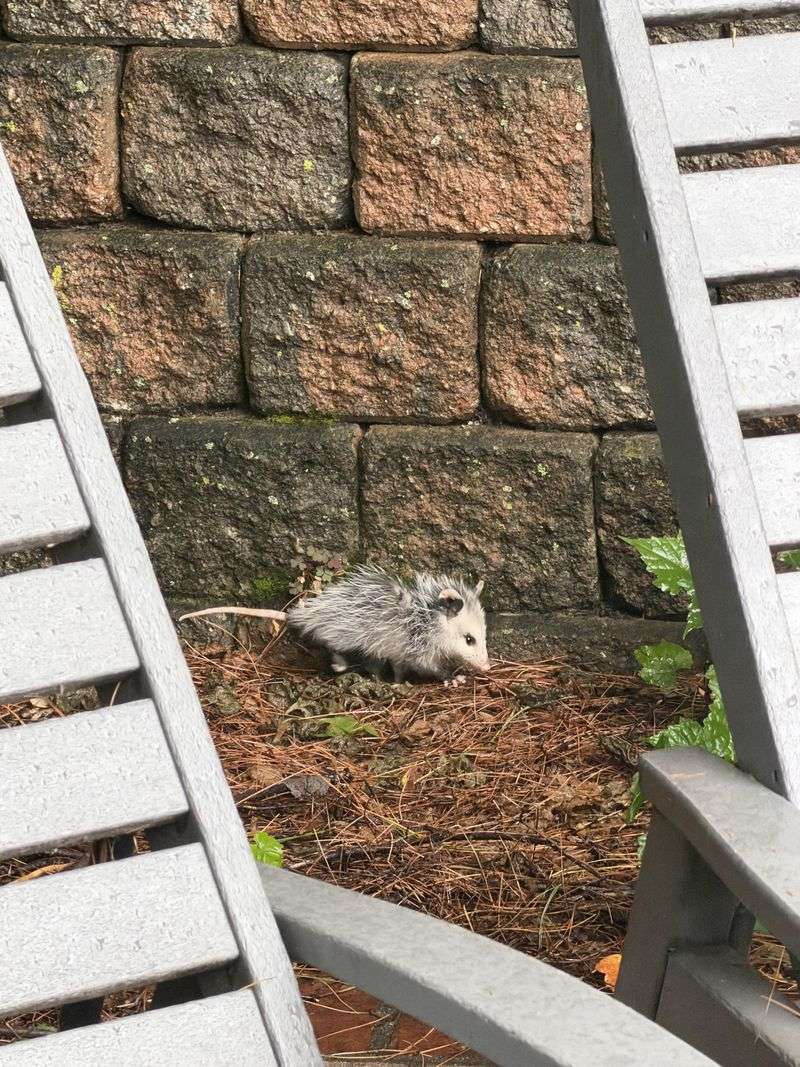
Opossum
© Reddit

Fifty teeth. That’s more than any other North American land mammal, and an opossum will show you every one when it hisses.

Behind that scary grin is a slow, peaceful animal. Opossums rarely carry rabies because their body temperature is low, and they eat thousands of ticks each season.

In Lyme disease country, that’s a huge help.

When truly scared, they faint and play dead for hours. Not exactly a fierce fighter.

10. Turkey Vulture
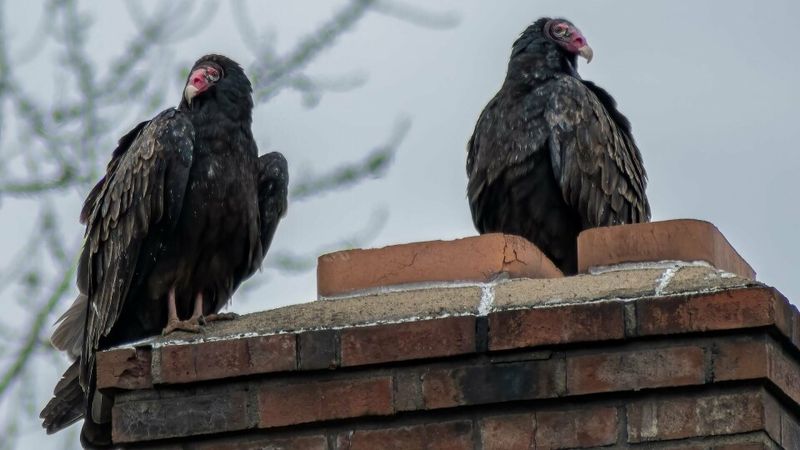
Turkey Vulture
© Berkshire Eagle

Bald red head, hunched shoulders, and a habit of circling overhead. Turkey vultures look like they’re waiting for you to fall over.

Honestly, they’re nature’s cleanup crew. They only eat animals that are already dead and have no strong talons for grabbing anything alive.

Their stomach acid kills germs that would make other animals sick.

If one gets scared, it may throw up to lighten its load and escape. Gross, yes.

Dangerous, no.

Share this story
AT

Written by

Abigail Thatcher

More from Abigail Thatcher →

About Gardening Latest

Gardening Latest provides in-depth guides to maintaining and enhancing your garden and backyard. Learn how to make the most of the space you have and create a beautiful garden.

More about us →

Latest stories

  • Wisconsin GardeningWhat Happens To Your Body When You Eat Celery Every Day In Wisconsin

    What Happens To Your Body When You Eat Celery Every Day In Wisconsin

    9 hr ago
  • Iowa GardeningIowa Yards Hide These Venomous Creatures, And Here’s How To Tell Each One Apart

    Iowa Yards Hide These Venomous Creatures, And Here’s How To Tell Each One Apart

    9 hr ago
  • Massachusetts GardeningWhat Does a Dead Mouse on a Massachusetts Doorstep After Frost Really Tell You?

    What Does a Dead Mouse on a Massachusetts Doorstep After Frost Really Tell You?

    10 hr ago
  • Delaware GardeningProtecting Delaware Bigleaf Hydrangeas From Winter Cold: When a Leaf-Filled Cage Can Help Save Next Summer’s Blooms

    Protecting Delaware Bigleaf Hydrangeas From Winter Cold: When a Leaf-Filled Cage Can Help Save Next Summer’s Blooms

    10 hr ago
  • Kentucky Gardening7 Harmless Kentucky Critters That Send People Running Because They Look Venomous

    7 Harmless Kentucky Critters That Send People Running Because They Look Venomous

    11 hr ago

Gardening by state

Stories for your state, and the hardiness zone most of it gardens in.

Keep exploring

Read next

All Massachusetts Gardening →
Massachusetts GardeningWhat Does a Dead Mouse on a Massachusetts Doorstep After Frost Really Tell You?
Massachusetts Gardening

What Does a Dead Mouse on a Massachusetts Doorstep After Frost Really Tell You?

10 hr ago
Massachusetts GardeningDo These Five Things to Your Outdoor Spigots Before a Hard Massachusetts Freeze Splits Them
Massachusetts Gardening

Do These Five Things to Your Outdoor Spigots Before a Hard Massachusetts Freeze Splits Them

20 hr ago
Massachusetts GardeningA Northern Short-Tailed Shrew May Use Massachusetts Leaf Litter This Winter, and It Is Easy to Miss
Massachusetts Gardening

A Northern Short-Tailed Shrew May Use Massachusetts Leaf Litter This Winter, and It Is Easy to Miss

Yesterday

More from Massachusetts Gardening

  • Iowa Yards Hide These Venomous Creatures, And Here’s How To Tell Each One Apart

    9 hr ago
  • Protecting Delaware Bigleaf Hydrangeas From Winter Cold: When a Leaf-Filled Cage Can Help Save Next Summer’s Blooms

    10 hr ago
Back to top

Leave a response Cancel

Your email address stays private. Required fields are marked with an asterisk.

Gardening Latest

In-depth guides to maintaining and enhancing your garden and backyard: how to make the most of the space you have, and how to make it beautiful.

  • Facebook
  • X
  • Pinterest
  • YouTube

We may earn a portion of sales from products or services that are purchased through our site as part of our affiliate partnerships with retailers.

Explore

  • About GardeningLatest.com
  • Contact Us
  • Terms and Conditions
  • Privacy
  • Editorial Note:
  • FTC Disclosure

Newsletter

New garden guides and seasonal tips, straight to your inbox.

We’ll email you a link to confirm. Unsubscribe any time.

Almost there! Check your inbox and tap the link to confirm.

© 2026 Gardening Latest. All rights reserved.

Back to top