Many Wisconsin yard workers figure the first frost sends ticks away for the season. It is not quite that simple.
Adult blacklegged ticks, often called deer ticks, can show up during some mild spells in late fall and winter. Knowing what is true, and what is exaggerated, helps you stay safe without worrying all winter.
A first frost does not end tick activity
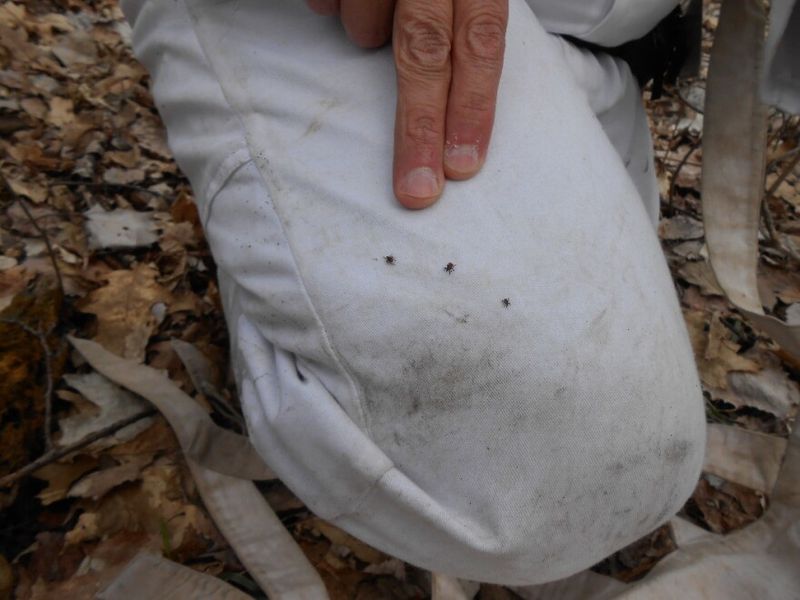
Plenty of people think the first frost wipes out ticks and clears the yard for safe work. It does not work that way.
Blacklegged ticks, also called deer ticks, are most active in spring and fall, and a single frosty morning does not end the season.
According to UW-Madison’s Wisconsin tick resource, adult activity in an average year continues in November until sustained freezing temperatures set in. The same source says adults may quest, meaning climb up and wait for a passing host, during warm spells in December.
Frost on the grass at dawn and a mild afternoon can happen on the same day.
Winter activity is generally low and comes and goes. In January and February, adult activity is described as low.
That is very different from the busy spring and fall periods, so a mild day in winter is a chance for contact, not a sign that risk matches peak season.
The CDC’s guidance on where ticks live notes that adult blacklegged ticks may search for hosts when winter temperatures are above freezing. The key word is may.
Ticks are not out in force every day, and they are not gone just because the calendar says winter.
A practical way to think about it: frost is not an all-clear, and a warm winter afternoon is not an alarm. If you are working in leafy or brushy areas, a little care still makes sense.
What counts as a mild winter day?
Ask five people what a mild winter day is and you will get five answers. Ticks do not follow a single rule either, and the sources describe slightly different conditions.
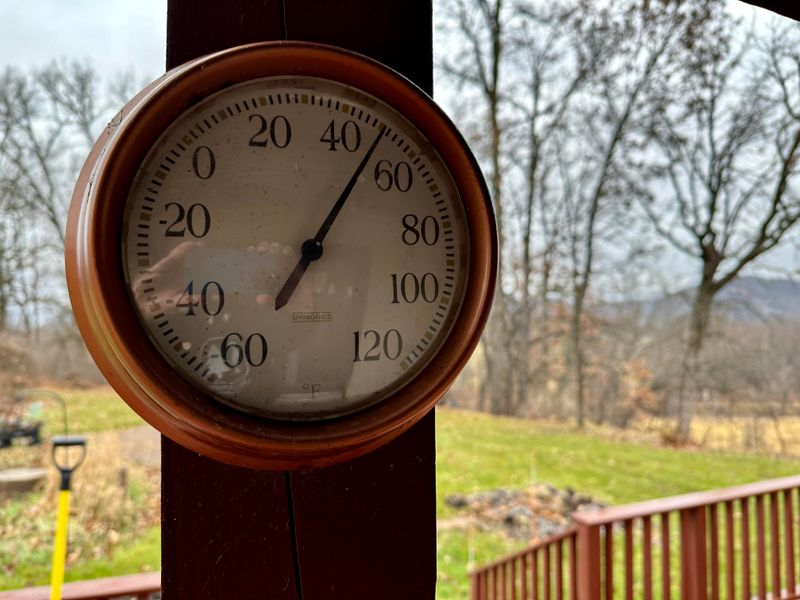
Two numbers come up most often: freezing and 40 degrees Fahrenheit.
The CDC gives the broad version. Adult blacklegged ticks may search for hosts when winter temperatures are above freezing, as described in its where ticks live guidance.
Wisconsin’s health department is more specific. Its 2025 surveillance summary describes winter activity when daytime temperatures rise above 40 degrees, and reports that activity stopped when temperatures fell below that level during the 2024 observation it discusses.
Those statements are not interchangeable. Neither one is a guarantee, and neither is a precise cutoff for every yard in Wisconsin on every day.
Sunlight, shelter, snow cover, and recent weather can all differ from one spot to the next.
The seasonal pattern helps put a thermometer reading in context. UW-Madison’s forecast for an average year describes adult activity in November until sustained freezing, possible questing in December warm spells, and low activity in January and February.
So a brief warm reading does not prove ticks are active where you are standing. It simply tells you the conditions are not impossible.
Treat it as a reason for modest care, not as a prediction.
Why leaf cleanup deserves precautions

Raking puts you right in the middle of leaf litter, and leaf litter is a place ticks like to be. That is the plain reason leaf cleanup earns a little extra thought.
You kneel, bag, and brush against the very layer where ticks may be sheltering.
Wisconsin’s health department points to this kind of habitat in its tick bite prevention advice. It recommends clearing leaf litter, brush, and tall grass from yards and trails, and it suggests avoiding wooded or brushy areas with tall grass and leaf litter.
It also advises caution year-round, even though ticks are typically most active from May through November.
Here is the honest limit. Nobody has measured how much Lyme risk comes from raking itself, so there is no number to quote.
And not every leaf pile has ticks in it. A pile in the middle of an open, sunny lawn is a different situation from a thick layer under trees at the edge of the woods.
Still, the connection makes sense. If a task puts you in contact with leaves, brush, or shaded edges where ticks can live, simple steps cost little.
They also keep working on the days you forget to check the thermometer.
Think of it as ordinary yard-work sense, like gloves for thorns. You are not expecting trouble, but you are making it harder for trouble to find you.
Make outdoor work less inviting to ticks
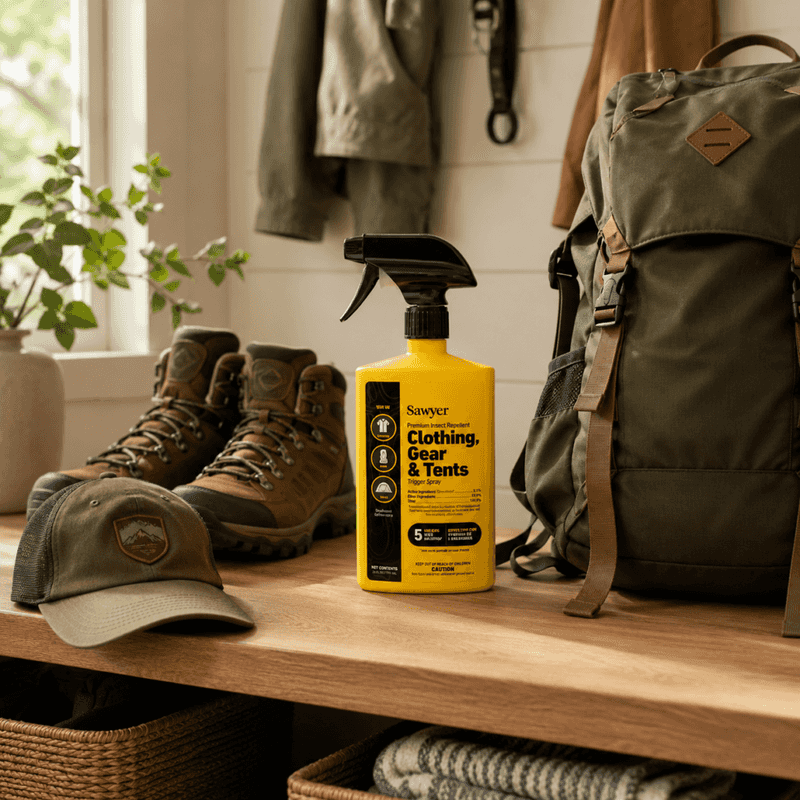
Dress for the job like you expect a tick to try to hitch a ride. Wisconsin’s health department suggests long sleeves, long pants, and light-colored clothing, which makes it easier to spot a tick crawling along the fabric.
Tuck pant legs into socks or boots and your shirt into your pants to close gaps.
These tips appear in the state’s tick bite prevention guidance. It looks a bit goofy, but a tucked-in look is hard for a tick to get past.
Repellent adds another layer. The EPA offers tips to prevent tick bites, including using an EPA-registered repellent on skin and following the label directions closely.
Read the label for where and how often to apply.
Permethrin is a different tool, and it has a strict rule. It goes on clothing, shoes, or gear only, never on skin.
You can buy pre-treated clothing or treat items yourself as directed, and the EPA explains both options on its repellent-treated clothing page. Follow the product instructions, and let treated items dry as the label says.
None of this makes you tick-proof. Think of it as lowering the odds, not erasing them, which is why a check afterward still matters.
Check yourself after you come inside
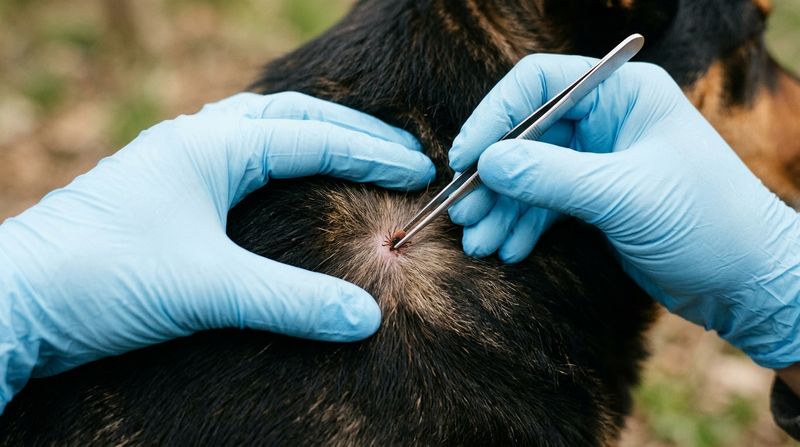
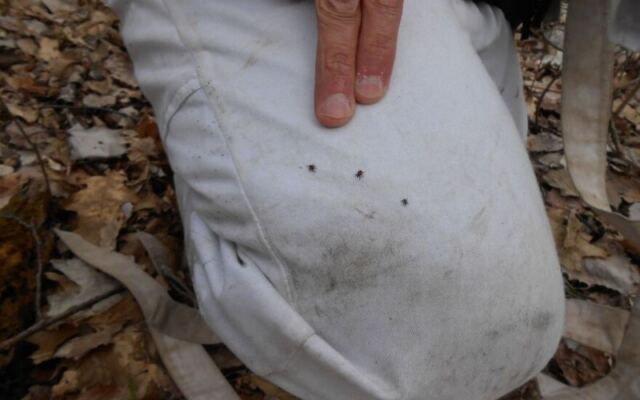
When the rake goes back in the garage, your tick check starts. Look over your whole body, including behind the knees, the waistband, armpits, scalp, and behind the ears.
Then check your clothing, gloves, and gear, and look over any pets that came outside with you.
Wisconsin’s health department adds two habits in its bite prevention guidance. Shower within two hours of coming indoors, and put clothes in the dryer on high heat.
Ten minutes is enough for dry clothes, and damp clothes need longer.
If you find an attached tick, remove it promptly. The CDC explains in its after a tick bite advice that you should use clean tweezers, grasp the tick close to the skin, and pull upward with steady pressure.
Do not use heat, petroleum jelly, or nail polish. Those methods can make things worse.
A bite is not the same as Lyme disease. CDC information on how Lyme spreads says an infected tick generally must be attached for more than 24 hours to transmit the bacteria, so quick removal lowers the risk.
That does not mean a short attachment is risk-free, and CDC clinical guidance on tickborne rickettsial diseases shows timing can differ for other illnesses.
Watch for symptoms in the following weeks. If a rash, fever, or other new illness appears after possible exposure, contact a health care provider and mention the tick.
Stay cautious, not alarmed
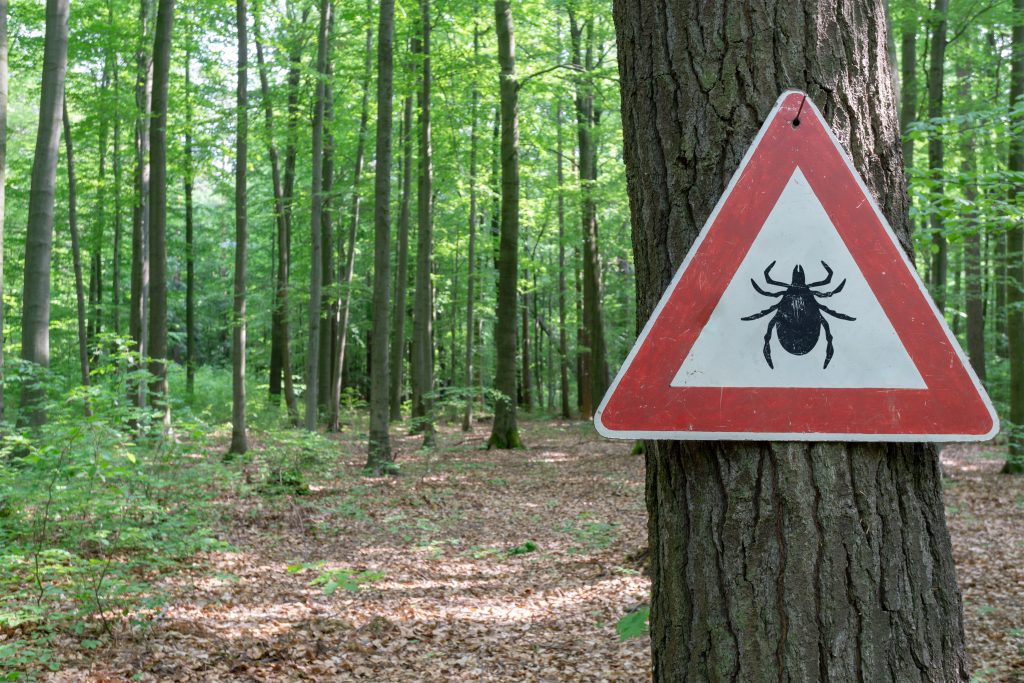
Frost is not an all-clear, but a mild winter day is not proof that ticks are out in numbers either. UW-Madison’s tick information describes low, on-and-off winter activity, with more possible during warm spells.
When your work takes you into leaves, brush, or wooded edges, follow the state’s prevention steps and check yourself afterward. Ticks do not keep a calendar, but you can keep a habit.
A warm December afternoon is a reason for a quick check, not a reason to stay inside.
Share this story