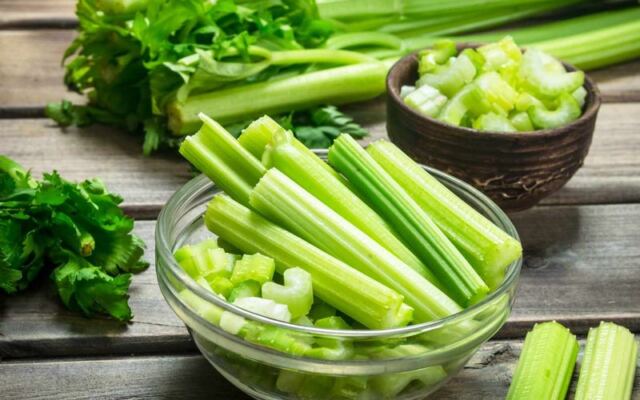
Celery shows up on veggie trays, in soups, and in plenty of social media health claims. Some people say a daily stalk can cleanse your body, melt away pounds, or fix your blood pressure.
Others shrug and call it crunchy water. Here is what a daily celery habit can and cannot do for you, whether you live in Madison, Green Bay, or anywhere in between.
Celery adds water and a modest amount of fiber
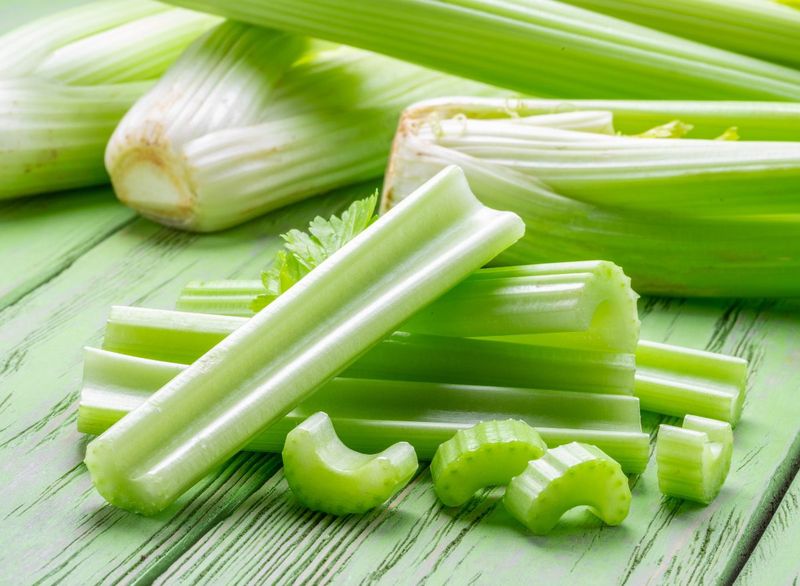
Start with the basics. According to USDA nutrient data for raw celery, 100 grams contains about 16 calories, 95 grams of water, and 1.6 grams of fiber.
The same table lists roughly 80 milligrams of sodium and 260 milligrams of potassium.
Those numbers are estimates per 100 grams of raw celery. They are not a promise for every stalk you buy.
A big, thick stalk from one store may weigh far more than a thin one from another, so the amount you actually eat will vary.
What does this mean in plain terms? Celery is mostly water, which gives it that snappy crunch, and it brings a little fiber along with it.
It also carries some potassium, a mineral your body uses for normal muscle and nerve function.
Celery is a handy way to add a vegetable to a meal or snack without adding many calories. It can go into soups, stir-fries, salads, and stuffings, or get dipped in hummus or peanut butter.
It is not a complete food, though. It will not supply everything your body needs, and no single stalk counts as a standard serving.
Think of celery as one useful piece of a bigger puzzle, not the whole picture.
The rest of your eating pattern matters more than a celery routine
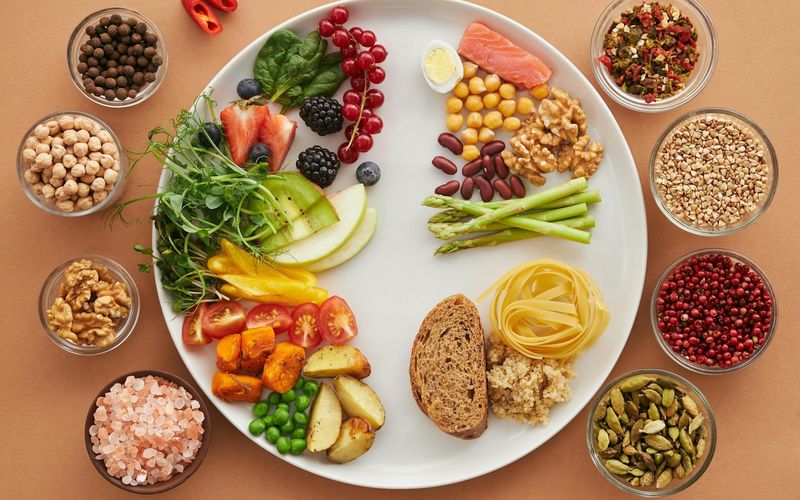
Picture two people who both eat celery daily. One also eats beans, whole grains, fruit, and a mix of colorful vegetables.
The other skips most other produce. Their celery habit is the same, but their health picture could look very different.
That is why the big picture counts most. The 2025-2030 Dietary Guidelines call for vegetables and fruits as part of a varied eating pattern and recommend whole vegetables.
Their serving goals apply to your overall pattern, and there is no celery-specific target in them.
Celery’s low calorie count, about 16 per 100 grams in the USDA table, makes it an easy choice when you want something crunchy. It is one good option on a long list.
It does not work magic apart from everything else you eat.
A practical way to use this: rotate your vegetables. Add celery to Monday’s soup, carrots to Tuesday’s lunch, and cabbage or kale later in the week.
Wisconsin’s farmers markets and grocery stores offer plenty of choices through the seasons, so variety is easy to find.
If you love celery, keep eating it. Just let it share the plate with other foods.
Evidence does not support celery detox or negative-calorie claims
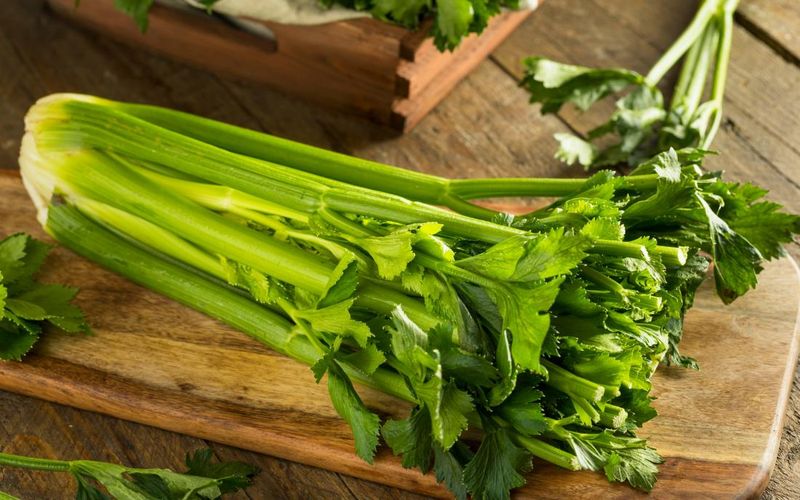
You may have heard that celery has negative calories, meaning you burn more energy chewing it than it provides. Tufts University calls this a myth in its Myth of the Month on negative-calorie foods.
Celery is low in calories, but eating it does not produce a net calorie loss.
Then there is the detox claim. Your liver and kidneys already handle waste removal.
The National Center for Complementary and Integrative Health reports no compelling research that detox diets eliminate toxins or help with weight management.
Here is a fair distinction. That finding covers detox programs in general.
Nobody has run a clinical test of celery as a regular vegetable for detox purposes. So the honest statement is that evidence does not support the claim, which is different from proof that celery does nothing.
Be wary when a product or influencer promises quick toxin removal or fast weight loss from one food. A good clue is any claim that sounds too tidy, especially if it comes with something for sale.
None of this makes celery a bad choice. Unsupported claims are a problem with the marketing, not with the vegetable.
A crunchy, low-calorie stalk still belongs in a healthy kitchen.
Blood-pressure research has not proved a benefit from daily stalks
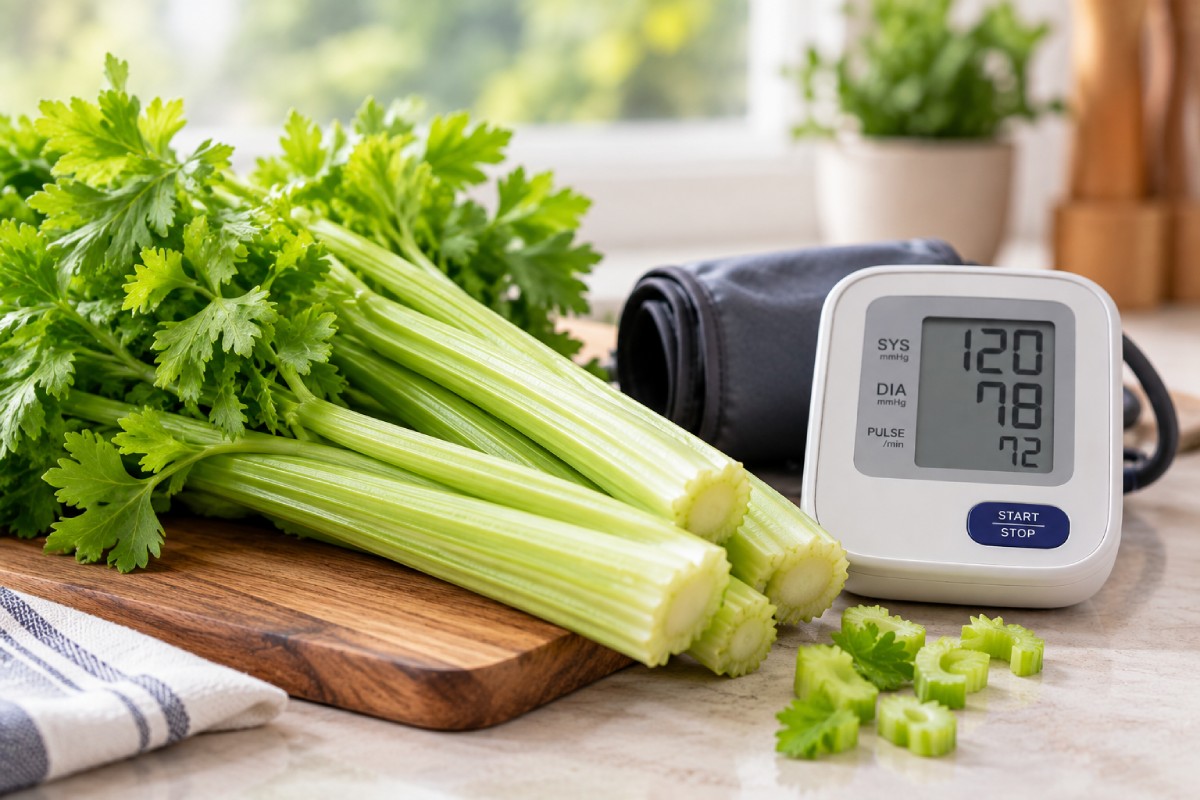
Blood pressure is where celery gets some of its buzz, so it helps to look at the actual research. A 2025 meta-analysis pooled 10 randomized trials with 511 adults.
It reported favorable changes in some measures, including blood pressure.
That sounds promising, but the details matter. The trials tested different celery preparations, not just plain stalks.
Results also varied a lot from study to study, which researchers call substantial heterogeneity. The authors noted limited sample sizes and called for more trials.
So what can you take from this? Mostly that celery in some forms has earned more study.
You cannot conclude that eating ordinary stalks every day will lower your blood pressure. The trials simply did not test that question.
Say you have high blood pressure and your doctor prescribed medication. Keep taking it as directed.
Adding celery to your meals is fine, but it is not a replacement for your treatment, and you should not change your medicine because of it.
Heart-friendly eating is about the whole pattern, including plenty of vegetables, fruits, and whole grains. Celery can be part of that.
It just should not carry the whole job.
Juice and concentrated products are not the same as whole celery

Walk down a store aisle and you will see celery in many forms. There are whole stalks, bottled juice, celery seed, capsules, and extracts.
They share a name, but they are not interchangeable.
Juicing is a good example. The American Cancer Society guideline notes that juicing can remove much of the fiber from produce.
Since fiber is one thing whole celery offers, a glass of juice is a different food from a crunchy stalk.
The same caution applies to research. The trials in the 2025 meta-analysis included preparations such as celery-seed products, capsules, and decoctions.
Results from those cannot automatically be applied to stalks, and they cannot be assumed for juice either.
Juice-only cleanses deserve extra skepticism. They are not supported as a way to remove toxins or to deliver lasting weight loss.
Any pounds lost tend to come from eating far fewer calories for a short time.
If you enjoy a glass of celery juice, that is your call. Just treat it as a drink, not a treatment.
Eating the stalk gives you the fiber and the chewing, which many people find more filling.
A few practical precautions can make daily celery easier
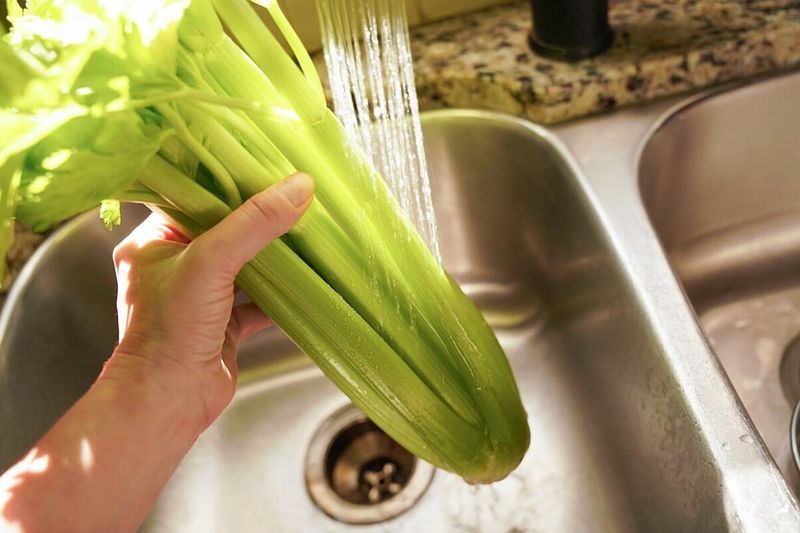
Start at the sink. UW-Madison Extension’s celery handout advises rinsing fresh celery under running water before eating or cutting it.
Skip soap, bleach, and commercial produce washes. Celery works raw or cooked, and no daily amount is required.
Next, think about sodium. Celery is not sodium-free.
The USDA table lists about 80 milligrams per 100 grams of raw celery. That is naturally occurring sodium, and it is a different matter from the salt you shake on a dish or the celery salt in a seasoning blend.
If you watch your sodium, the added salt is usually the bigger piece.
If you take warfarin, a blood thinner, general guidance from the NIH Office of Dietary Supplements is to keep your vitamin K intake consistent. Talk with your healthcare team before making big changes to your diet.
This is standard advice for many foods, and it does not mean celery is especially risky.
Finally, a small number of people are allergic to celery. According to Anaphylaxis UK, celery allergy can cause reactions, rarely severe ones.
If you get itching, swelling, or other symptoms after eating it, see a medical professional for evaluation.
For most people, none of this gets in the way. A rinse, a little awareness, and a quick chat with your doctor when needed are plenty.
For Wisconsin readers, the takeaway is simple
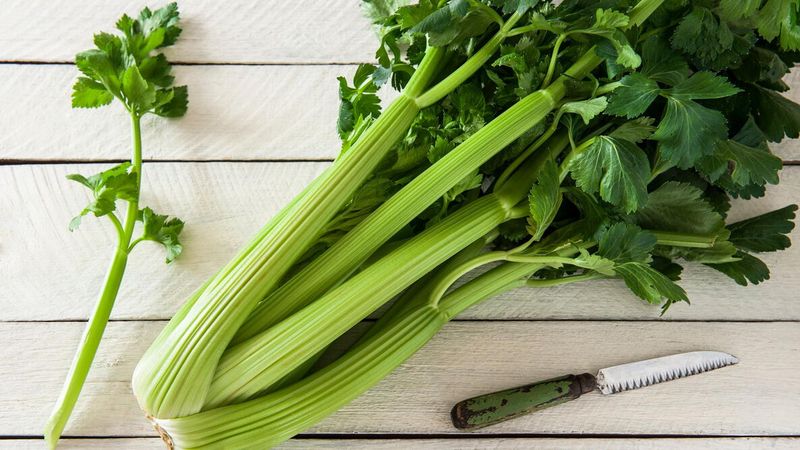
Celery is a low-calorie, water-rich vegetable, with about 16 calories per 100 grams in USDA data, and it fits well in the varied pattern the Dietary Guidelines describe. Evidence does not support treating daily stalks as a detox, a weight-loss method, or a medical treatment.
The research also identifies no Wisconsin-specific difference in how people respond to celery. Your body treats a stalk the same in Milwaukee as anywhere else.
So crunch away, and keep the rest of your plate interesting.
Share this story