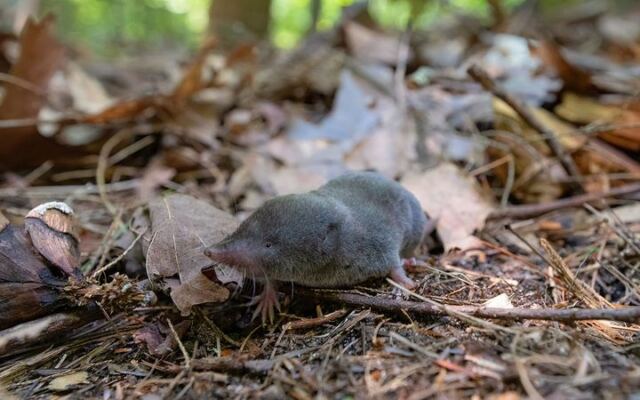
A small, velvet-gray mammal may be hunting beneath the leaves in your Kentucky yard, and you would probably never see it. The northern short-tailed shrew has saliva that works as venom, which helps it handle prey bigger than you might expect.
Fallen leaves can play a part in the kind of cover it uses. Here is what is known, what is not, and how to manage your leaves sensibly.
Kentucky has northern short-tailed shrews—and a southern relative
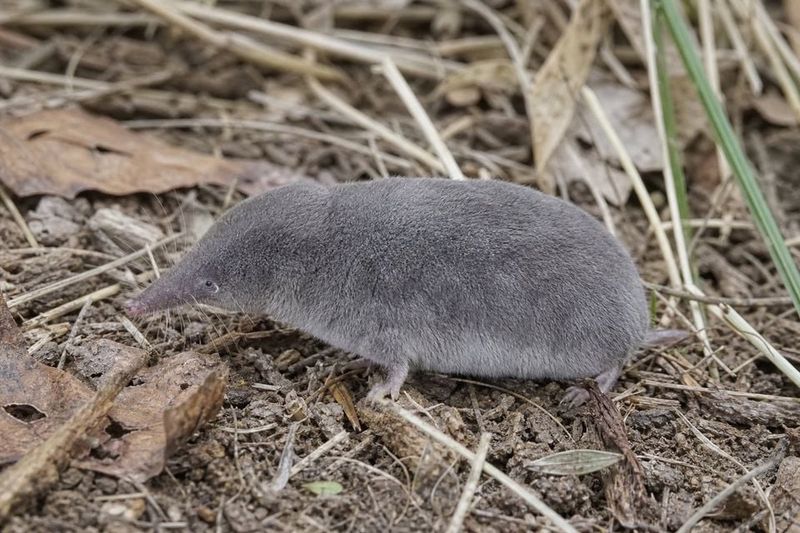
Wildlife surveys put the northern short-tailed shrew (Blarina brevicauda) across Kentucky. A Texas Tech survey of a Kentucky preserve recorded it, and a Kentucky distribution study reports it across nearly all of the state.
There is a catch, though. That same distribution study also maps the southern short-tailed shrew (Blarina carolinensis) in Kentucky’s far southwest corner.
So not every short-tailed shrew in the state is the northern species.
Telling the two apart is hard. The Tennessee Wildlife Resources Agency notes that the southern species may need expert examination to separate it from the northern one, according to its species account.
A quick glimpse of a dark, mouse-sized animal darting under leaves will not settle the question.
Shrews are also easy to confuse with mice and voles by sight. They have a pointed snout, tiny eyes, and a short tail.
Because of all this, the rest of this article focuses on the northern short-tailed shrew, and what applies to it may not match every shrew you meet.
A venomous bite built for prey
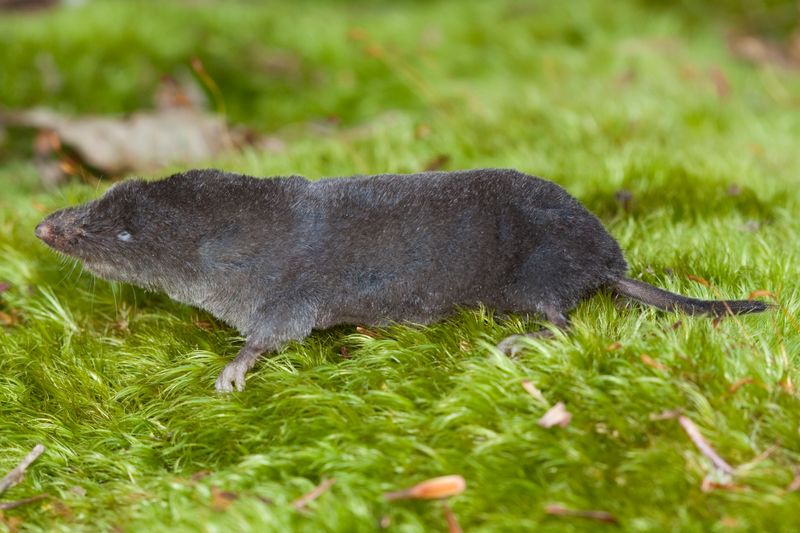
The shrew’s venom is a toxin in its saliva, delivered when it bites. Researchers isolated a compound called blarina toxin from the salivary glands of the short-tailed shrew, and a peer-reviewed study of blarina toxin showed that it is toxic to mice.
That result describes lab animals. It tells us the saliva is truly venomous, but it does not tell us how dangerous a bite would be to a person, so it should not be read as a human risk level.
So what is the venom for? Mostly it helps the shrew subdue prey.
Shrews have very fast metabolisms and need to eat often, and a toxin that slows down a struggling meal makes hunting safer and easier for such a small animal.
The menu is wide. According to the Tennessee wildlife agency’s species account, shrews eat invertebrates such as earthworms, spiders, snails, and insect larvae.
They sometimes take small vertebrates too, so calling them simple insect-eaters sells them short.
Having venom does not make a shrew aggressive. It is a tool for catching food in the leaf litter and soil, not a sign that the animal goes looking for trouble with people.
Human bite effects remain poorly quantified
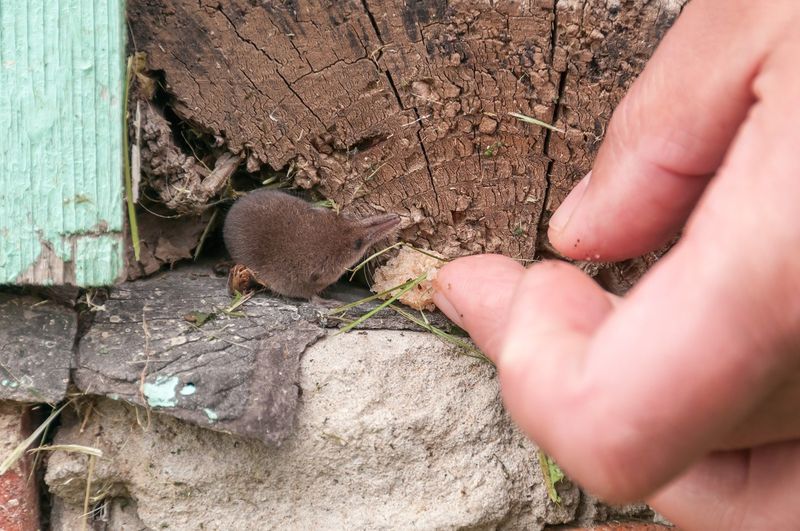
What happens when a shrew bites a person? Reports exist, but they are thin.
The full text of the blarina toxin study cites published accounts of burning around the bite punctures and swelling in people.
Purdue Extension points the same way. Its northern short-tailed shrew publication says bites can cause swelling and irritation, and it states that the toxin’s effects on humans are not fatal.
Two things follow. A bite is not harmless, since burning and swelling are unpleasant and worth taking seriously.
And nothing in these sources shows that an ordinary human bite is deadly.
The mouse experiments are a different matter. Toxicity in mice does not translate directly into an outcome for a person, so those results should not be used to guess at human danger in either direction.
There are gaps, too. The sources do not say how often people are bitten, and they do not offer a solid clinical estimate of risk.
Anyone who tells you exactly how dangerous a shrew bite is, whether very safe or very risky, is going beyond what has been documented.
Moist cover matters alongside leaves
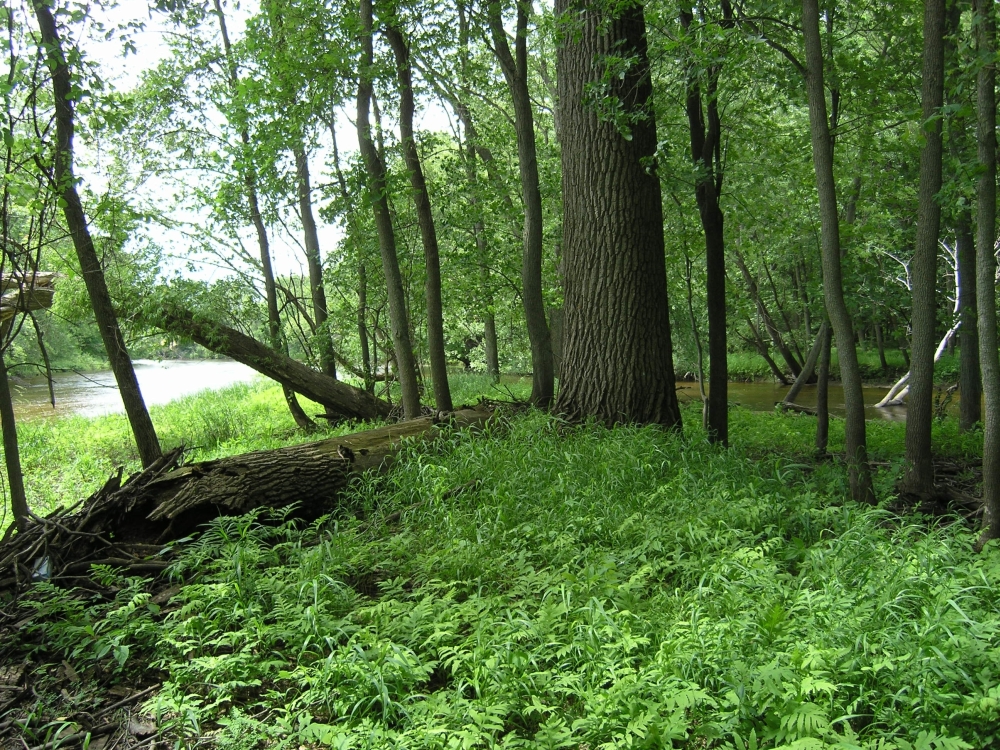
Kentucky field work gives a good picture of where these shrews turn up. The Kentucky distribution study recorded northern short-tailed shrews in mesic forest, riverbank woods, and riparian fields and edges.
Species accounts add detail. The Tennessee wildlife agency describes varied habitats that include thick growth, old logs, and forest-floor humus.
Moisture and ground cover show up again and again. Iowa State University Extension says these shrews do best in moist habitats with deep leaf or dead-grass litter and generally need substantial ground cover.
Shelter goes beyond what you see on the surface. According to the Missouri Department of Conservation, shrews also use underground runways and nests.
Put together, leaves are one piece of a larger set of features: damp ground, dense cover, logs, and protected spaces. A single pile of leaves on a dry, open lawn does not show that the spot is suitable, and it certainly does not show that a shrew lives there.
What fallen leaves can add to habitat
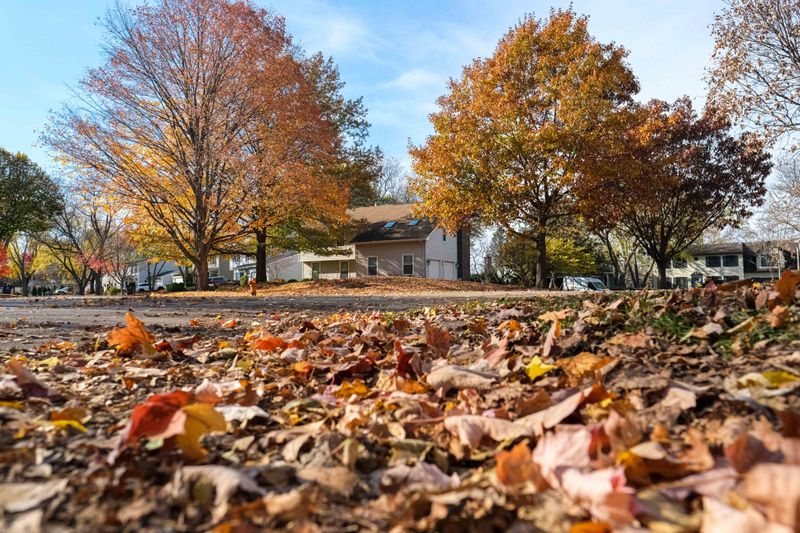
Think of a leaf layer as a roof and a pantry. In moist habitat, deep leaf or dead-grass litter adds the ground cover that Iowa State University Extension says northern short-tailed shrews generally need.
The pantry part comes from the small creatures living in the litter. Rutgers Cooperative Extension explains that fallen leaves shelter wildlife and support insects and other invertebrates.
Those invertebrates are food for larger animals. University of Delaware Cooperative Extension likewise describes leaves as habitat for small mammals, including shrews, along with other creatures.
So a leaf layer can contribute shelter and foraging opportunities, and it helps beetles, worms, and spiders, which in turn feed many animals. Birds, toads, and other small wildlife may benefit as well.
The claim stops there. Leaves can contribute to suitable conditions, but leaving them does not promise that a shrew will move in.
Whether one shows up depends on the surrounding landscape and the other features of the site.
Keep leaf litter where it helps, not across every lawn
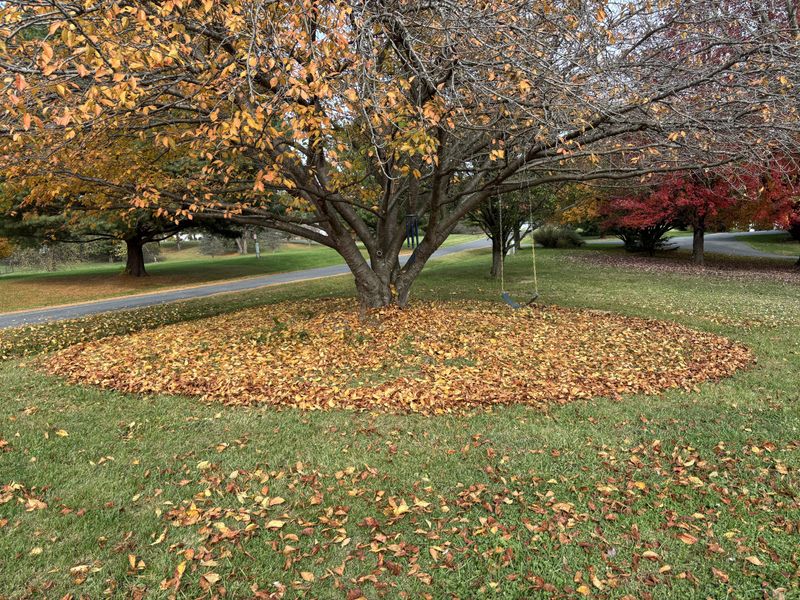
You do not have to choose between a wild yard and a usable one. A good compromise is to leave leaves under trees and shrubs, or to set aside a garden bed or yard corner as a habitat area.
Paths and driveways should stay clear, since slick leaves can be a slipping hazard.
Turf needs different treatment. A heavy layer of leaves can smother grass, so remove excess leaves from the lawn or mulch them with a mower and let the pieces break down.
For beds, the National Wildlife Federation offers a number. In its leave-the-leaves tip sheet, it suggests a 3 to 5 inch layer of leaves as bed mulch.
That is the organization’s guidance, not a rule that fits every plant or site.
Plants vary in how much leaf cover they tolerate. Oregon State University Extension discusses the question for flower beds, so check what your own plants prefer before piling leaves on thickly.
A practical example: shred the leaves from your lawn with a mower, spread some under a hedge, and tuck the rest into one back corner. You get cover for wildlife and a lawn that still greens up in spring.
Give shrews space and treat bites promptly

The safest approach is simple: do not handle a wild shrew. CDC guidance on wildlife advises keeping your distance and leaving wild animals alone, and a shrew is no exception.
If you are bitten, wash the wound promptly with soap and water. Then contact a health professional for advice, especially if the bite breaks the skin, becomes swollen or painful, or if you have health conditions that raise your risk.
CDC guidance also says to ask a provider whether rabies-related care is needed after a wildlife bite. That is a question for your provider to answer, and it does not mean shrews are known to pose a rabies risk here.
Pets that find a shrew may get bitten too, so a call to your veterinarian is reasonable if that happens.
You can offer cover and still keep your distance. The animal under the leaves wants nothing to do with you.
Share this story