Kentucky woods, creeks, and backyards are full of creatures that look a lot scarier than they really are. Many people grab a shovel or run screaming when they spot a striped snake or a huge spider, but most of these animals pose no real threat.
Knowing which critters are harmless can keep you calm outdoors and help protect animals that actually do good work, like eating pests. Here are seven Kentucky look-alikes that get a bad reputation they never earned.
1. Eastern Hognose Snake
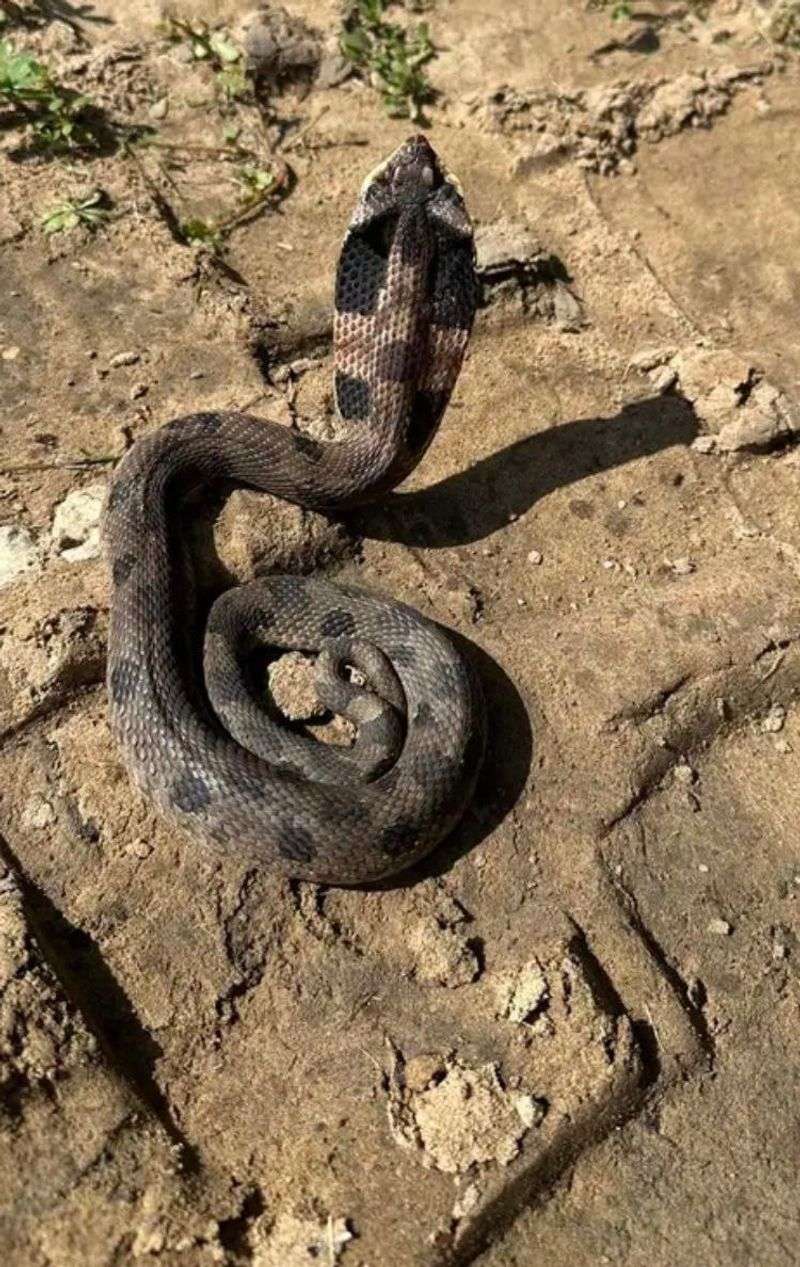
Picture a snake that hisses, flattens its neck like a cobra, and then, if you keep bugging it, rolls over and plays dead with its tongue hanging out. Kentuckians call it a puff adder or spreading adder, and the show is pure bluff.
The eastern hognose is one of the best actors in the state.
Its thick body and wide head make people think of copperheads or rattlesnakes. Even so, hognose snakes almost never bite people, and their main diet is toads.
Fun fact: if you flip a fake-dead hognose right side up, it often rolls back onto its belly, as if to insist it is truly dead. Leave it alone, and it will slither off once the drama is over.
2. Northern Water Snake
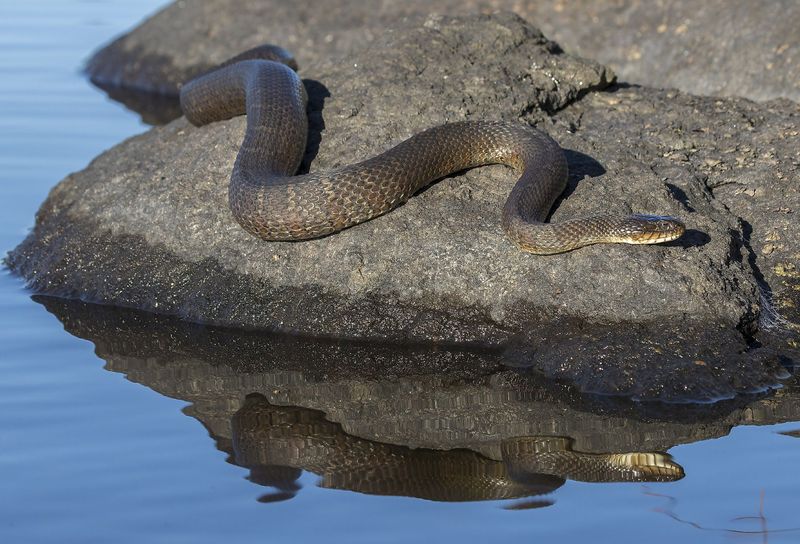
Ask almost any fisherman on a Kentucky lake, and they will swear they saw a cottonmouth. Most of the time, the snake was a northern water snake.
These dark, banded swimmers are everywhere near creeks, ponds, and rivers.
Here is the honest truth: they can be grumpy when grabbed and may bite or release a smelly musk. That bite is not venomous, though, just a few scratches.
Cottonmouths live mostly in far western Kentucky, while water snakes live across the whole state.
A quick clue helps. Water snakes usually dive and swim away fast, while a cottonmouth tends to float high on the water and stand its ground.
3. Fishing Spider
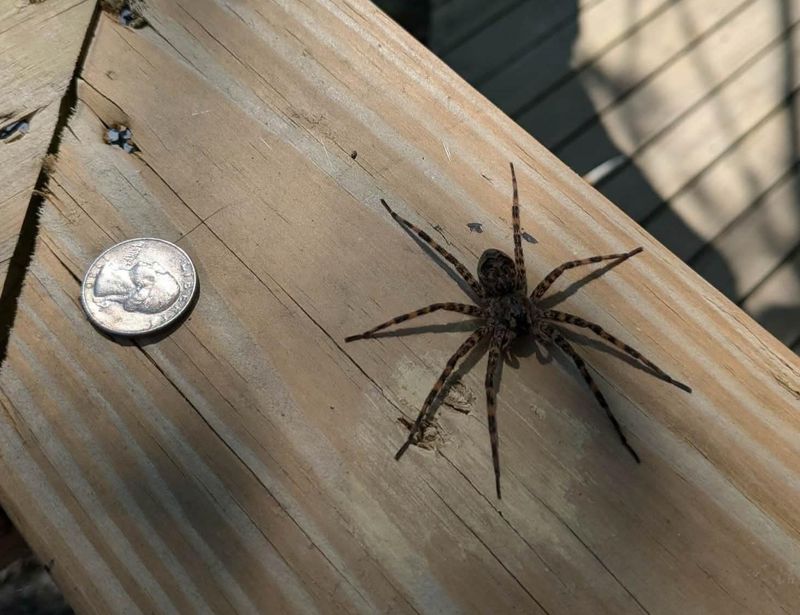
Few things make a grown adult jump off a boat dock quite like a spider the size of a hand. Dark fishing spiders can stretch nearly four inches across their legs, and they love docks, sheds, and basements near water.
Size is their whole scary act. Their bite is about like a bee sting at worst, and they would much rather run than fight.
Did you know? These spiders can walk on top of water and even dive under it to catch tiny fish and tadpoles.
That is a pretty cool trick for an animal people mostly scream at.
4. Five-Lined Skink
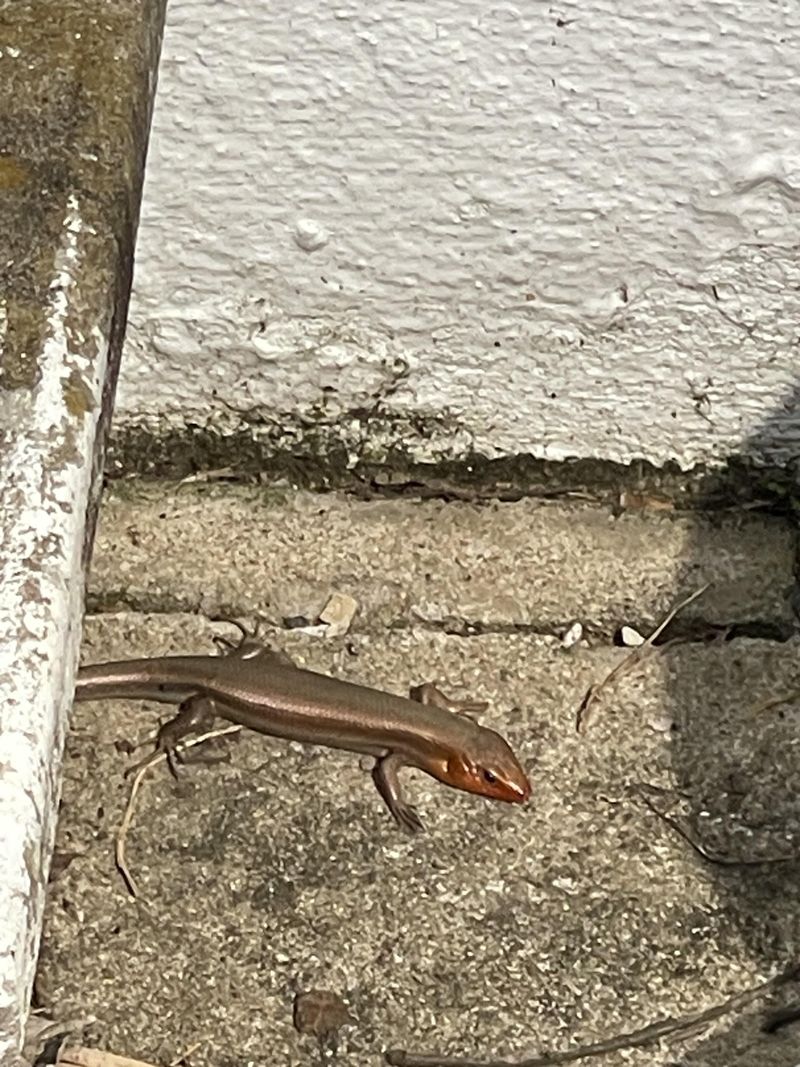
Old-timers in Kentucky called them scorpions, and some folks still believe a blue-tailed lizard can sting or poison you. It cannot.
The five-lined skink is a small, shiny lizard that does nothing worse than wiggle away.
Young skinks have black bodies, yellow stripes, and an electric blue tail. That flashy color is a decoy.
If a bird grabs the tail, it snaps off and keeps twitching while the skink escapes.
The tail grows back over time. Adult males even turn reddish around the head in spring, which only adds to the myth that they are dangerous.
5. Eastern Milksnake
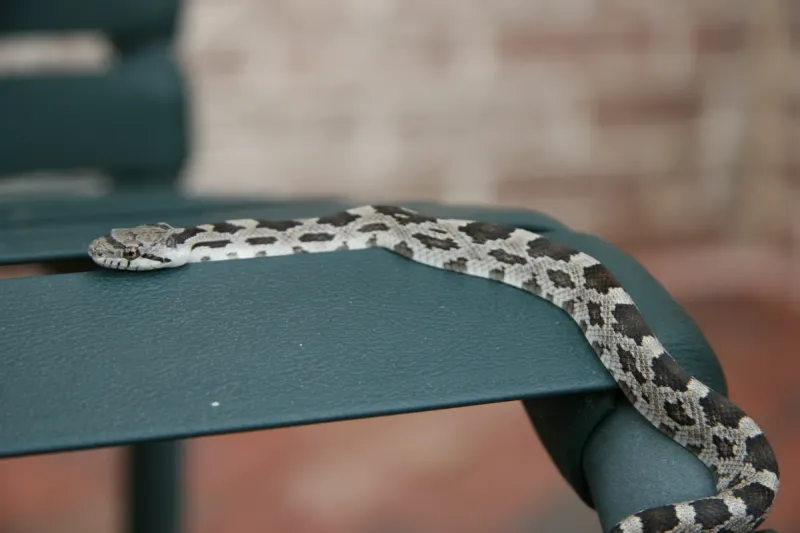
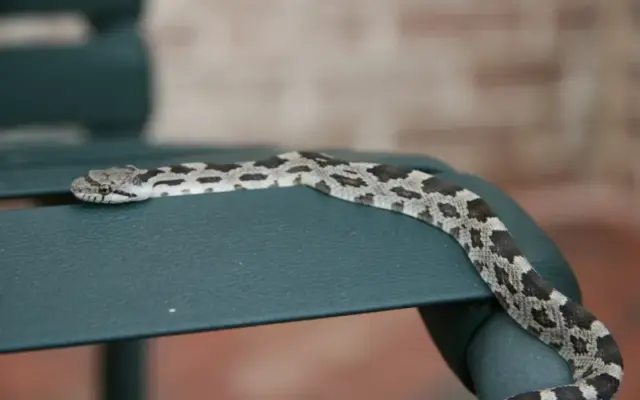
Blotchy, reddish, and often found near barns, the milksnake gets mistaken for a copperhead more than almost any other snake. Plenty of them lose their lives over that mix-up every summer.
Look closely and the difference shows. Milksnakes have smooth, glossy scales and blotches outlined in black, while copperheads have hourglass bands and a chunkier, plain head.
The name comes from an old farm legend that these snakes drank milk from cows. They actually visit barns for mice, which makes them a farmer’s free pest control.
6. Cicada Killer Wasp
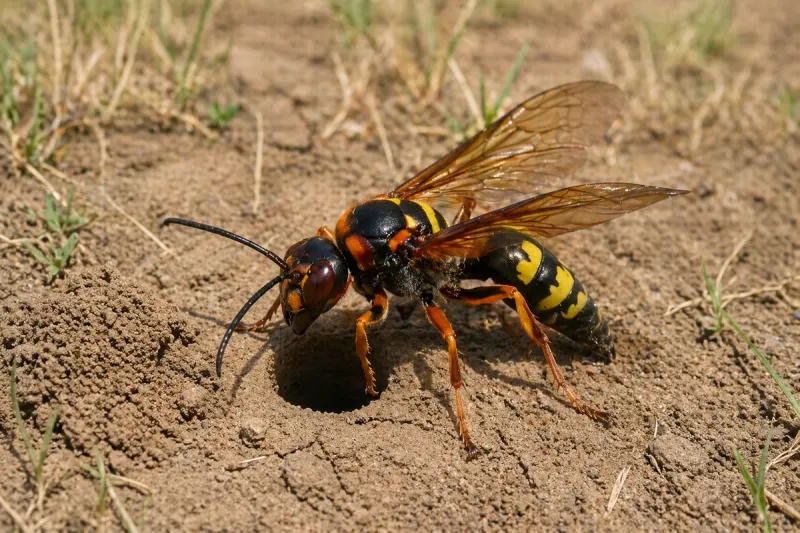
Two inches long, buzzing loud, and dive-bombing your lawn in July. No wonder people panic.
Cicada killers look like hornets that hit the gym, but they are surprisingly calm.
Males do the zooming around, and they cannot sting at all. Females can, but they save it for cicadas, which they drag back to burrows for their young.
Unless you step on one barefoot or grab it, you are almost never stung. Think of them as noisy neighbors who keep the cicada population in check.
7. Hellbender
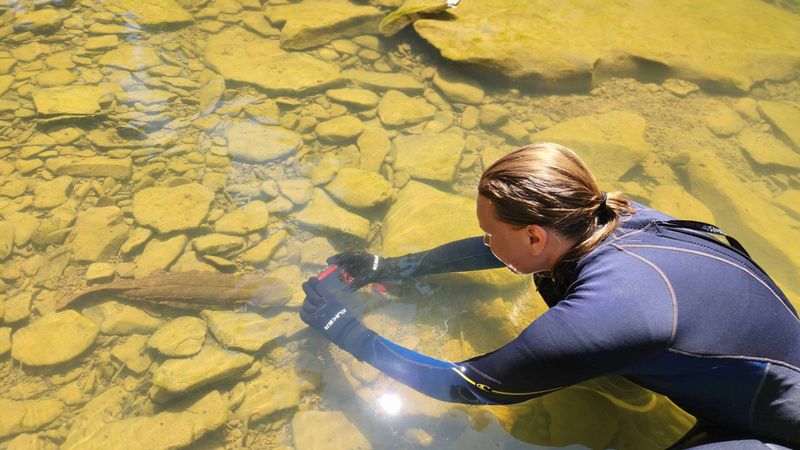
Snot otter. Devil dog.
Mud cat. A creature with that many nicknames has clearly freaked people out for generations.
The hellbender is a giant salamander that can reach over two feet long, with wrinkly skin and a flat, slimy body.
Fishermen who hook one sometimes cut the line in horror, thinking it is poisonous. It is not.
Hellbenders eat crayfish and breathe mostly through those wrinkles in their skin.
Sadly, these ancient animals are in trouble in Kentucky streams. If you see one, snap a photo, admire it, and let it be.
Share this story