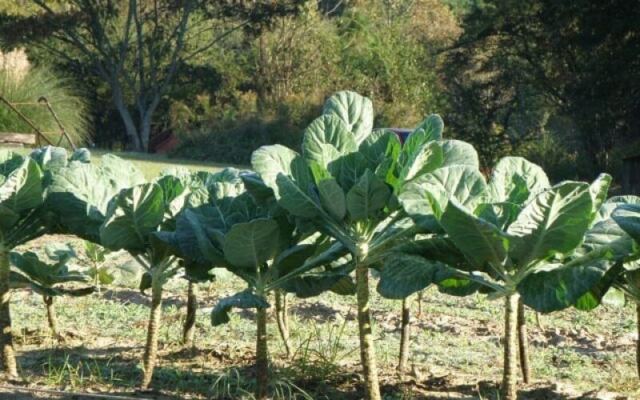
A collard plant that suddenly towers over the rest of your garden can feel like a surprise. The tall stalk is a sign that the plant is changing what it does with its energy.
Knowing what to look for helps you decide what to harvest, what to leave alone, and when to plant again. Here is a calm, practical guide for South Carolina gardeners.
Flower buds, not height alone, signal bolting
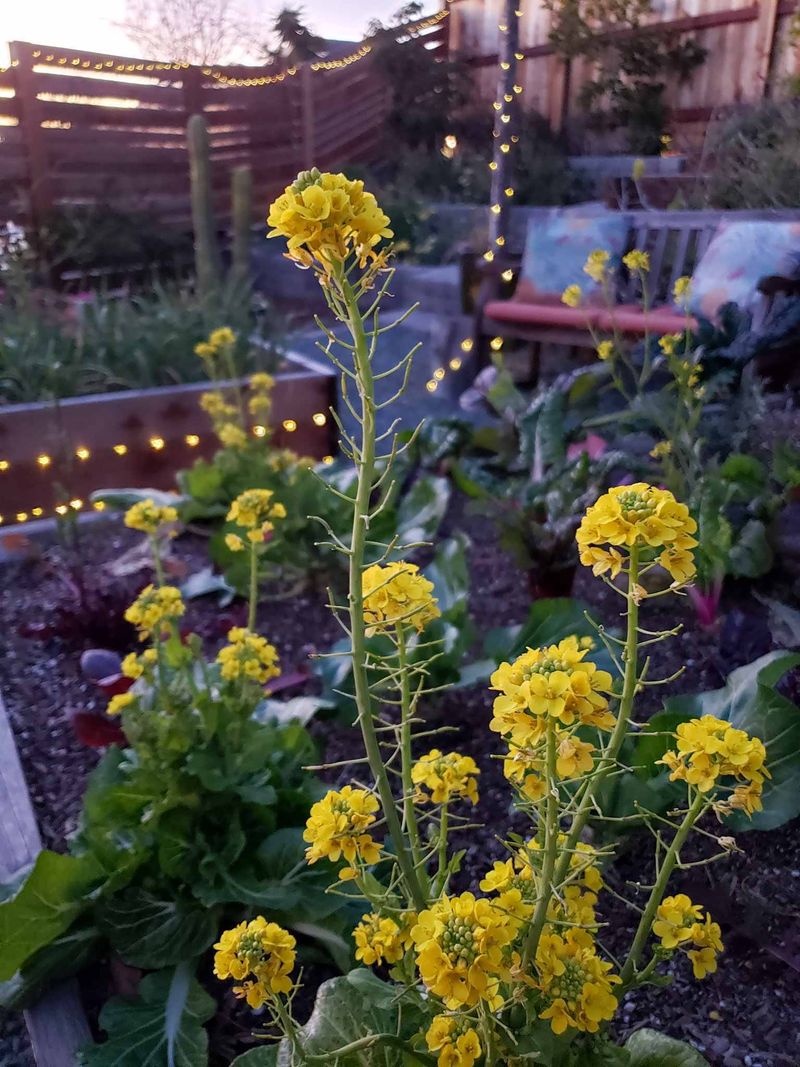
A tall collard is not always a flowering collard. Plants can stretch upward as they grow, so height by itself does not tell you much.
The clearer sign is on the stalk itself: look for small flower buds or open yellow flowers.
When you see them, the plant is bolting, which means it is shifting from growing leaves to making flowers and seeds. UC Statewide IPM describes bolting as a plant growing tall and sending up flower stalks, which is why buds matter more than inches.
For your harvest, this change means the plant is putting more effort into reproduction. Leaves already on the plant are still there, and you can pick the ones that look good.
But the plant is no longer aiming at a long run of new leaf growth.
Treat it as a change in the plant’s job, not an emergency. Nothing you did wrong is shown by a stalk alone, and the garden is not ruined.
You simply have a new set of choices, which the next sections walk through one at a time.
Cold and growth stress can prompt flowering
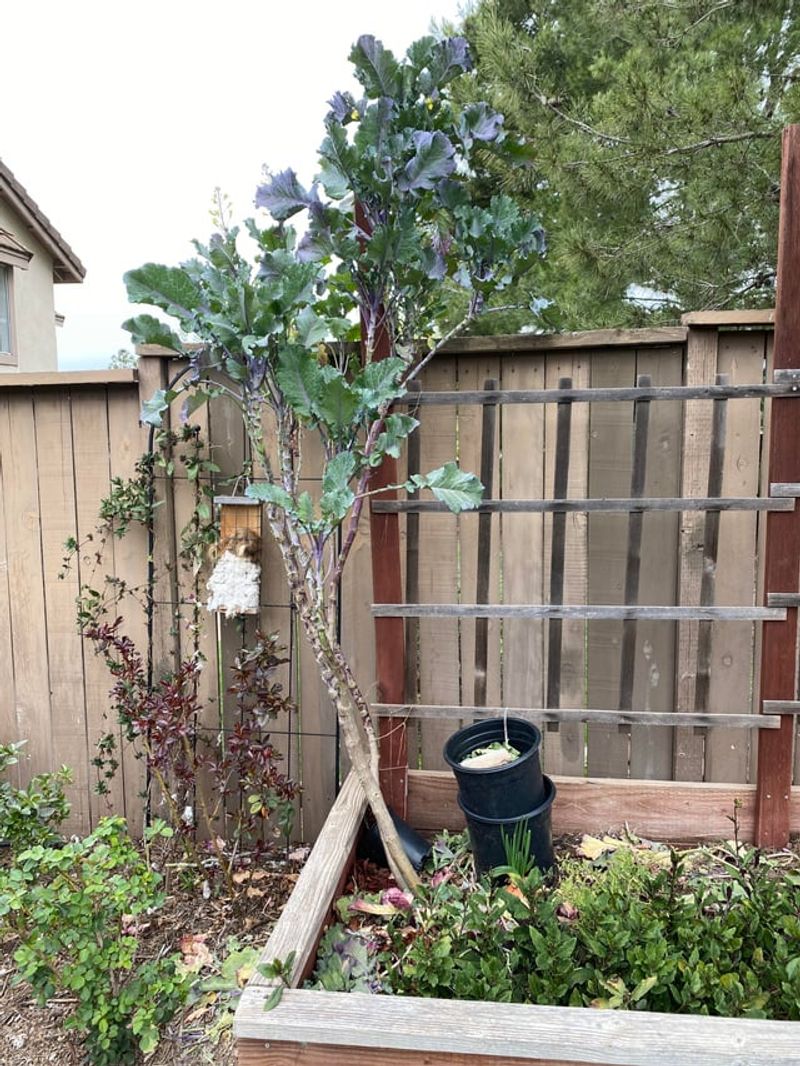
Collards are a cool-season crop, and they react to the weather swings of the seasons. In South Carolina, Clemson Extension says prolonged cold followed by favorable growing conditions can prompt bolting.
In plain terms, a long chilly stretch followed by a good growing stretch can nudge a plant toward flowering.
Cold is not the only thing involved. Guidance on cole crops from University of Georgia Cooperative Extension also describes cold exposure alongside conditions that stress growth.
Those can include nutrient problems, pests, disease, and transplant stress.
Another overview from UC Statewide IPM notes that slowed growth can also play a part, particularly in spring plantings of cole crops. That broader advice covers several related vegetables, so treat it as a list of possible contributors rather than a rule for every collard.
So what caused the flower stalk in your own row? Usually you cannot tell by looking at the stalk.
A plant that went through a cold snap, got moved as a transplant, and had a rough stretch with pests could all point in different directions.
It also helps to avoid blaming heat alone, or one particular week of weather. The documented triggers are more varied than that.
Use them as clues for planning next season rather than as a verdict on this plant.
Harvest leaves that still pass the taste test
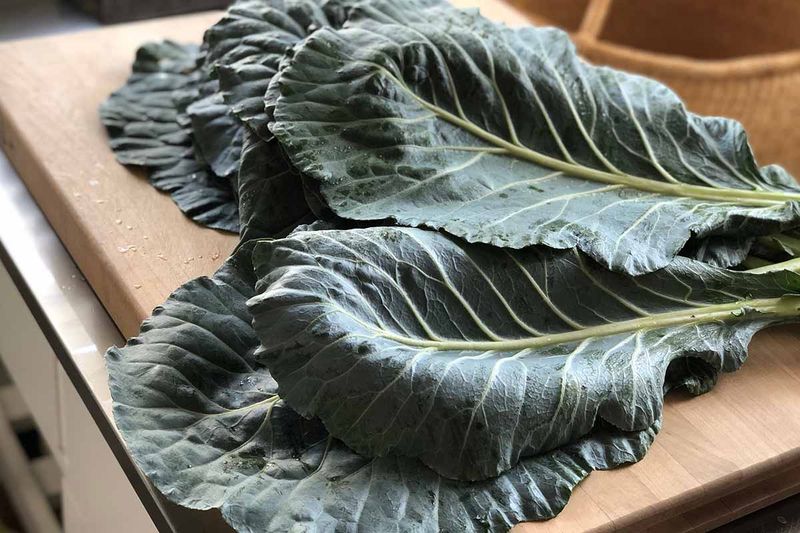
A flowering plant still has leaves, and many of them may be perfectly good. Illinois Extension says collard green parts can be harvested during the growing season, so there is no need to rush to pull the plant.
Start with condition. Pick leaves that look fresh, firm, and green, and skip ones that are yellowed, chewed up, or limp.
Then judge texture and flavor. Purdue Extension warns that bolting greens may become tough or bitter.
A quick nibble of a small piece will tell you a lot. If a leaf is chewy or sharp, long cooking or a different dish may help, or you can pass on it.
Flowering is a change in growth and crop quality. It does not by itself make collards a food-safety hazard, so choose leaves by how they look and taste.
Wash homegrown greens as you would any produce. The FDA advises rinsing under running water and not using soap, detergent, or commercial produce wash.
Washing lowers bacteria but does not remove all of it, so handle and store leaves cleanly.
Picking the best leaves first, from the bottom up, gives you a good mess of greens for supper while the plant is still offering them.
Will cutting the stalk restart leaf production?
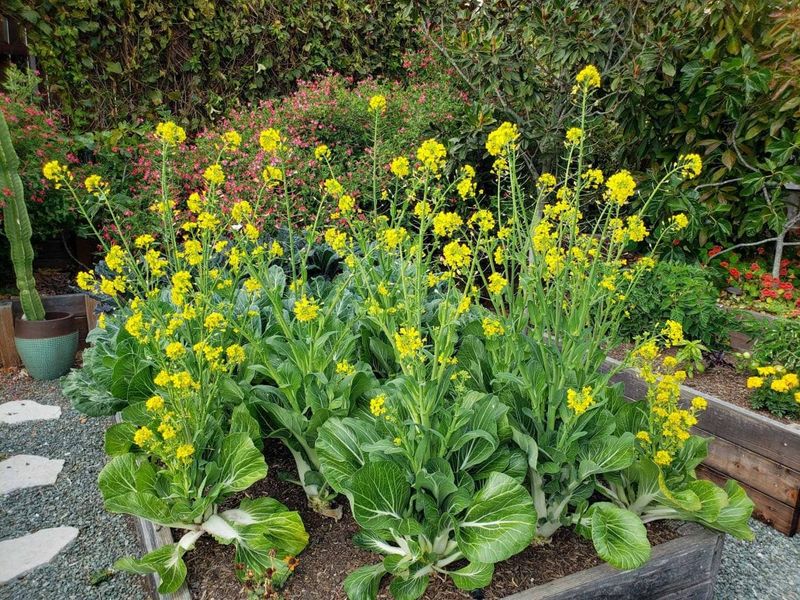
Go ahead and cut the stalk if you like. It is your garden, and removing it does no harm.
Just do not count on it to change the plant’s direction.
The reviewed sources do not show that cutting a collard stalk reverses flowering or meaningfully extends the leaf harvest. Clemson’s collard fact sheet focuses on prolonged cold and bolt-tolerant cultivars, and it also states that every cultivar will eventually bolt.
It does not present stalk removal as a fix.
You may have read that snipping off a flower stalk sends energy back to the plant. That advice appears in guidance on vegetables generally, such as the University of Maryland Extension page on bolting.
It covers other crops, so it is not proof for collards.
If you do cut it, think of it as tidying rather than treatment. Maybe the stalk is in the way, or you want to see whether new growth appears.
Watch what happens and keep harvesting leaves that still taste good.
If new leaves do come, enjoy them. If they do not, you have lost nothing, and you can move on to planning a new planting.
Plan a replacement if you want a longer harvest
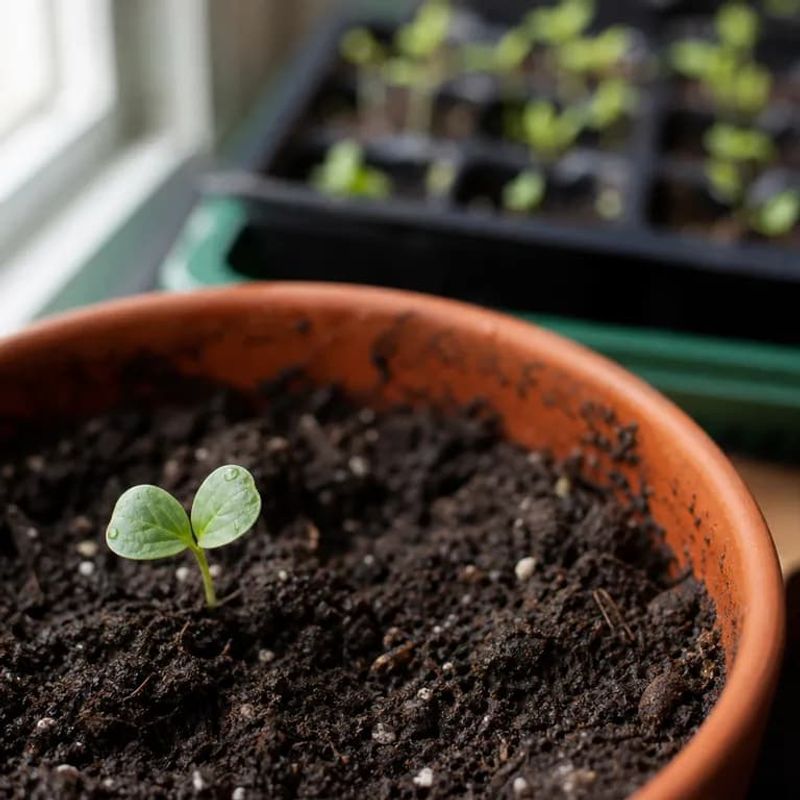
If the leaves no longer suit you, or you want greens all season, the dependable move is a fresh planting. A second crop gives you tender new leaves without hoping an older plant will change course.
Purdue Extension recommends replacing bolted greens with a successive planting.
Timing matters because collards are a cool-season crop. Plan the new planting for an appropriate season in your part of South Carolina, and check local planting dates with your county Clemson Extension office.
You can keep picking from the old plant while the new seedlings establish.
For spring plantings, Clemson Extension recommends choosing a bolt-tolerant cultivar. That is a smart planning option, though not a guarantee.
Clemson also cautions that every cultivar will eventually bolt.
A simple routine helps. Stagger plantings a few weeks apart, so one row is young while another is maturing.
Keep plants growing steadily with regular water and attention to pests and nutrients, since stress can contribute to flowering.
When the old plant stops being worth the space, pull it and add it to the compost pile. The bed is then ready for the next round.
Keep the decision simple
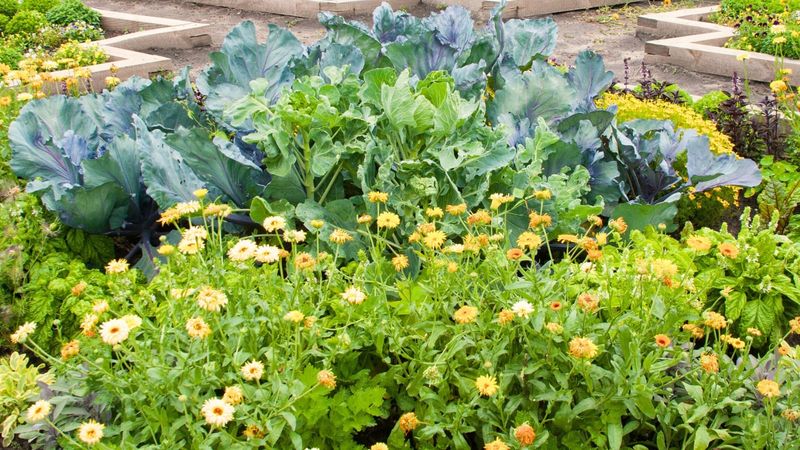
Start by checking for buds or flowers on that tall stalk. If they are there, pick the leaves that still look and taste good, and treat cutting the stalk as your choice rather than a cure.
When the plant nears the end of its useful harvest, plant a new crop at the right time of year. Clemson Extension and Purdue Extension both point toward that kind of replanting.
A flowering collard is simply a plant finishing its season, and the yellow blooms are a fair parting gift.
Share this story