When the cold rolls into Maryland, your backyard does not empty out. It quietly fills up with sleepy guests tucked under decks, behind sheds, and deep inside woodpiles.
Some of these animals are true hibernators, while others just doze through the worst cold snaps. Knowing who is down there can help you protect them, avoid surprises, and plan smarter spring cleanups.
1. Eastern Chipmunk
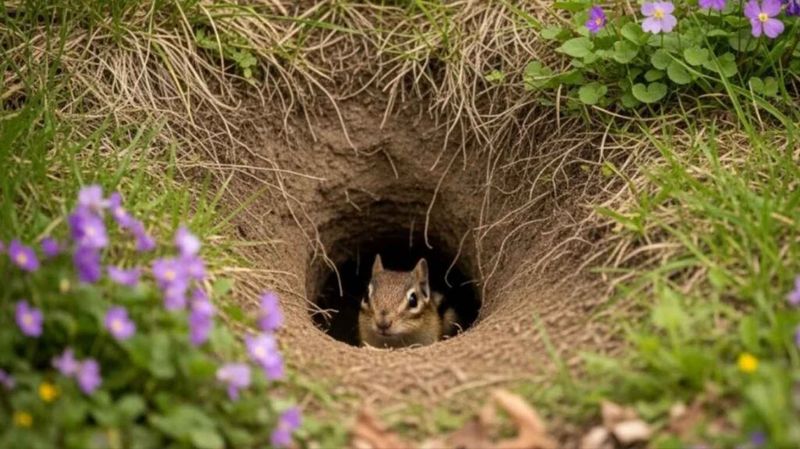
Picture a tiny pantry owner who wakes up every few days for a midnight snack. Eastern chipmunks spend late fall stuffing their cheeks with acorns and seeds, then carrying that food into burrows that often snake right under shed floors and deck footings.
Unlike some deep sleepers, chipmunks enter torpor in short bursts. Their heart rate drops from around 350 beats per minute to as few as 4, and their body temperature can fall close to freezing.
Then they wake, nibble from their hidden stash, and drift back off.
Fun fact: a single chipmunk can gather thousands of seeds in one autumn. If you spot a small, clean hole near your shed with no dirt pile around it, you have probably found a chipmunk doorway.
Leave it be until spring, since these little foragers help spread tree seeds across Maryland yards.
2. Groundhog
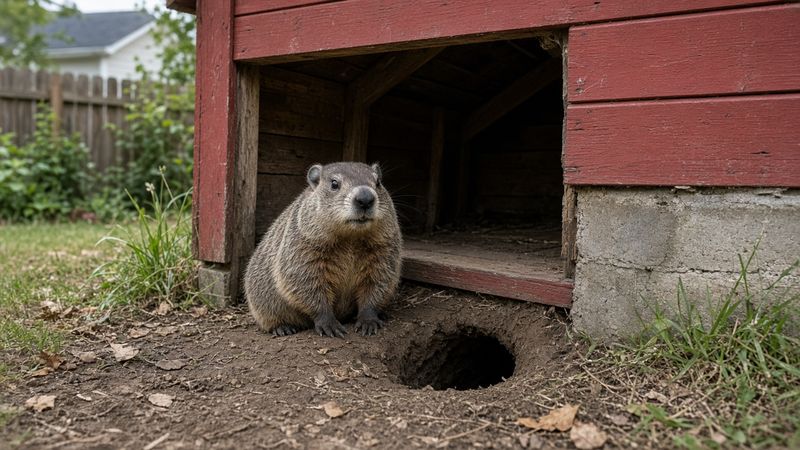
Forget Punxsutawney Phil for a minute. Maryland has plenty of its own groundhogs, and many of them are snoozing under someone’s deck right now.
Groundhogs, also called woodchucks, are the state’s champion hibernators. From roughly November to February or March, they seal themselves inside a special winter chamber and let their bodies nearly shut down.
Breathing slows to about one breath every few minutes, and body temperature can dip into the 30s Fahrenheit.
All that fat they packed on during summer garden raids keeps them alive until spring. Their burrows can stretch more than 30 feet with multiple exits, which is why they sometimes weaken deck supports or shed foundations.
If you suspect a groundhog tenant, wait until it wakes and leaves for the season before sealing entrances. Blocking a hole mid-winter could trap a sleeping animal inside.
3. Eastern Box Turtle
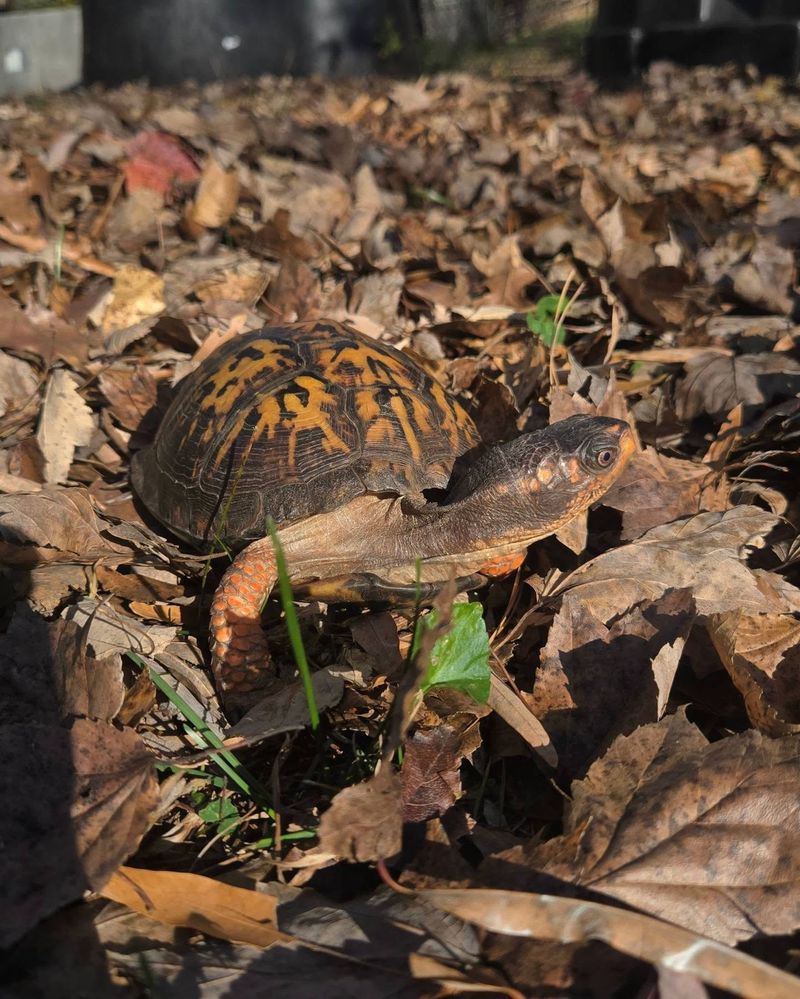
Slow, patient, and a little bit mysterious, the eastern box turtle has a winter trick worth admiring. As temperatures drop in October, it digs down into soft soil and leaf litter, sometimes right at the edge of a woodpile or beneath a shed overhang.
Box turtles brumate rather than hibernate in the classic sense. Their metabolism slows so much that they barely need oxygen, and some can even survive brief partial freezing of their body tissues.
These reptiles can live over 100 years, and many stay within the same small area their entire lives. That means the turtle sleeping under your woodpile may have been visiting your yard longer than you have lived there.
Be careful when raking or moving logs in early spring. A sleepy turtle buried a few inches down is easy to miss and easy to injure.
4. Big Brown Bat
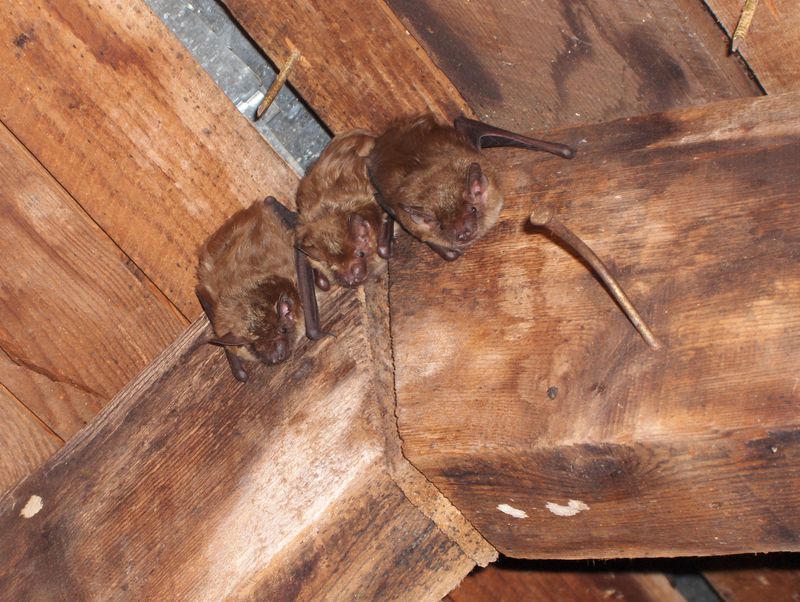
Most bats leave town for caves, but the big brown bat is a homebody. It is one of the few Maryland bats tough enough to spend winter in buildings, and sheds, garages, and barns make cozy roosts.
Tucked into a rafter crack or behind loose siding, these bats hibernate in a deep state where their heart might beat only a handful of times per minute. They live off stored fat, so every unnecessary wake-up burns precious energy they cannot replace until insects return.
Here is the good news: one big brown bat can eat thousands of insects on summer nights, including beetles that damage crops. So if you find a few hanging quietly in your shed, think of them as free pest control on a winter break.
Avoid touching them, never handle bats with bare hands, and call a wildlife professional if they need to move.
5. Eastern Garter Snake
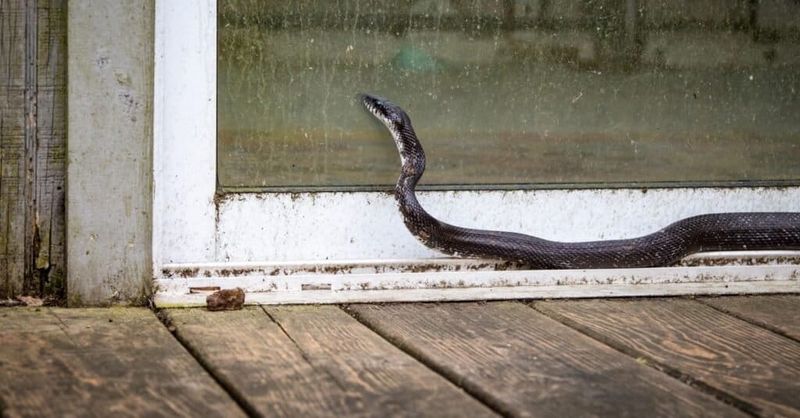
Snakes sharing a bed? It happens every winter.
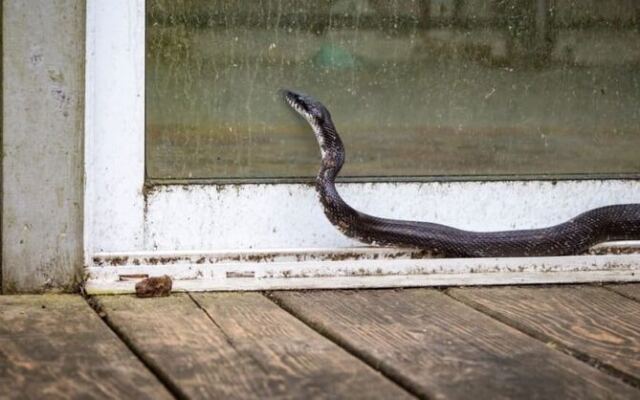
Eastern garter snakes often gather in groups, sometimes dozens strong, inside underground spaces called hibernacula.
Gaps beneath decks, cracked foundations, and rock-lined shed bases offer exactly what they need, a spot below the frost line where temperatures stay steady. Packed together, the snakes lose heat more slowly and wait out the cold in a sluggish, barely moving state.
Garter snakes are harmless to people and great at controlling slugs, worms, and small rodents. On a warm February afternoon, you might even see one poke its head out to bask before slipping back down.
Spring often brings a surprising scene as they all emerge around the same time. It looks dramatic, but they will scatter into gardens and fields within days.
6. Eastern Skunk
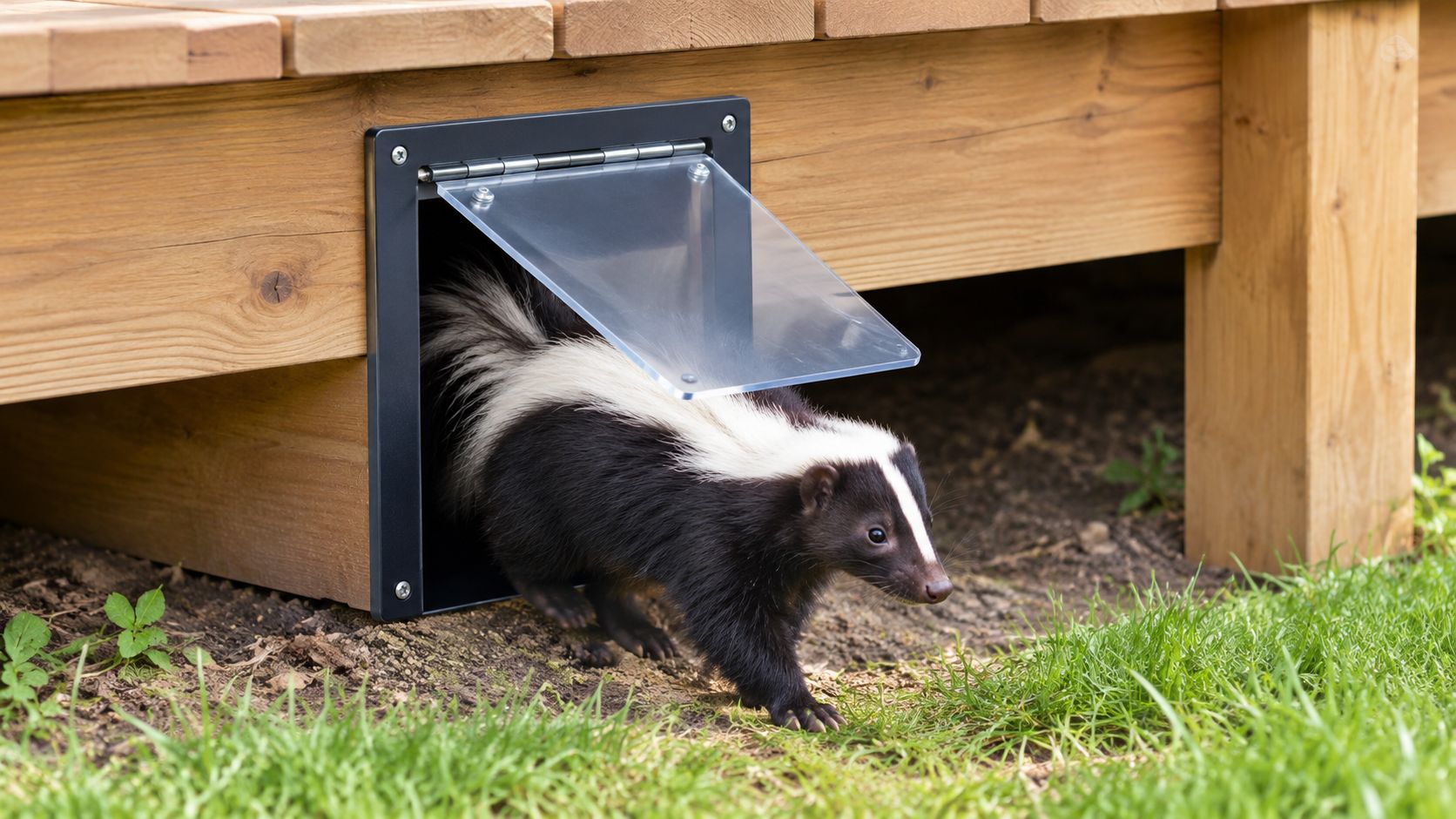
Few backyard discoveries make people freeze faster than a black and white tail under the shed. Striped skunks love the dry, sheltered space beneath outbuildings during Maryland winters.
Skunks are not true hibernators. Instead, they enter long stretches of deep sleep during the coldest weeks, sometimes several females bunking together with one male to share warmth.
On milder nights, they may wander out to search for grubs or leftover pet food.
By late February, mating season starts, and that is when the famous smell tends to drift through neighborhoods. If you want skunks to move along, wait for a mild evening when they leave to feed, then gently block the entrance with hardware cloth.
Keep trash cans sealed and bird seed cleaned up so the space feels less like a five-star hotel next fall.
7. Gray Treefrog
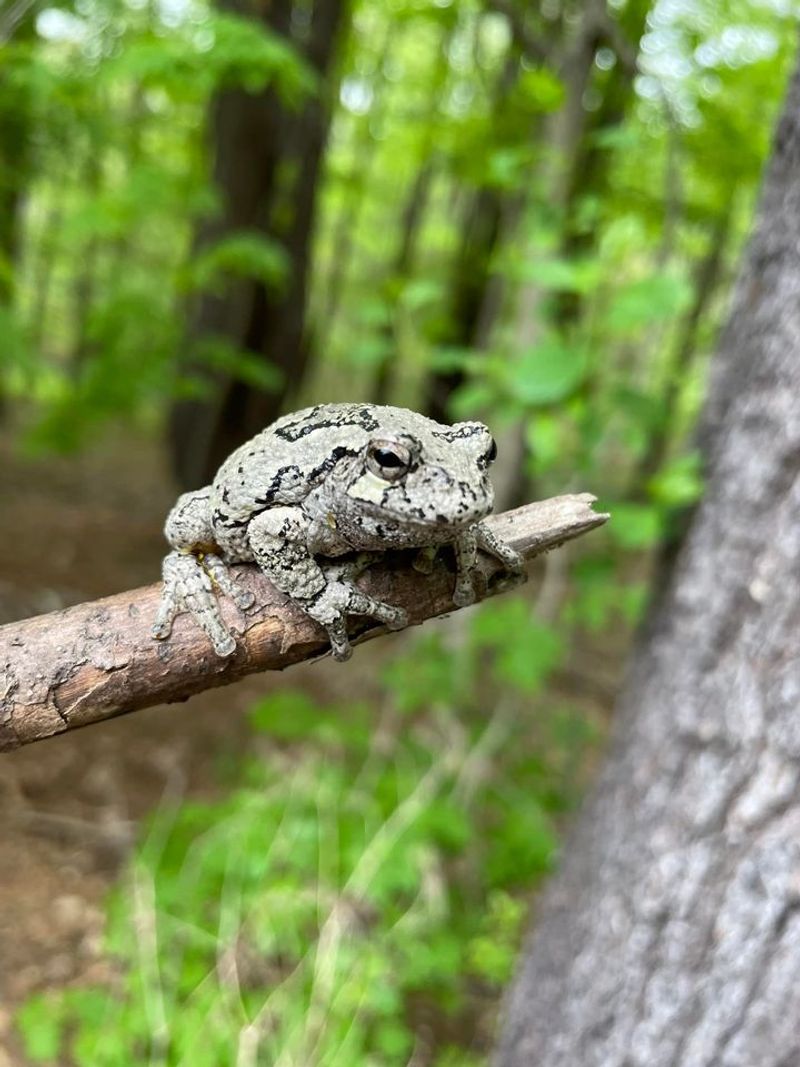
Talk about a superpower. The gray treefrog can let parts of its body freeze solid and still hop away in spring.
Instead of burrowing deep, these frogs settle under loose bark, leaf litter, or the gaps in a woodpile. As ice forms, their bodies pump glucose and glycerol into their cells, acting like natural antifreeze.
Their heart stops, breathing stops, and they wait.
When the thaw arrives, they warm up, restart, and soon fill Maryland nights with their trilling calls. Their skin can even shift from gray to green to blend with surroundings.
So before you grab logs for the fireplace, take a quick peek. That little lump of frosty bark might be a sleeping frog.
Pulling firewood from the top of the pile, rather than the bottom, gives these tiny survivors their best shot at making it to spring.
Share this story