Get the latest garden guides in your inbox →
Gardening Latest
  • General Gardening
  • Lawn Care
  • Plant Care
  • Composting
  • Soil Health
  • Backyard
  • Garden Muse Magazine
  • General Gardening
  • Lawn Care
  • Plant Care
  • Composting
  • Soil Health
  • Backyard
  • Garden Muse Magazine
  • News
  • Gardening Calendar
  • Garden Structures
  • Vegetable Garden
  • Vertical Garden
  • Raised Beds
  • Hydroponics
  • General Equipment
  • Community Gardens
Garden Themes
  • Spiritual Garden
  • Hydroseeding
  • Seeding and Laying Sod
  • Artificial Grass
  • Lawn Care Equipment
  • Plants
  • Trees
  • Planting Tools
  • Composting Basics
  • Fertilizer
  • Alternative Growing Mediums
  • Front Yard
  • Backyard Activities
  • Landscaping
Gardening Latest

Explore by state

Which state is your garden in?

Currently viewing Iowa

All states

Northeast

  • Connecticut —
  • Delaware 20
  • Maine —
  • Maryland 7
  • Massachusetts 23
  • New Hampshire —
  • New Jersey 7
  • New York 16
  • Pennsylvania 16
  • Rhode Island —
  • Vermont —

Southeast

  • Alabama 6
  • Arkansas —
  • Florida 6
  • Georgia 7
  • Kentucky 20
  • Louisiana 5
  • Mississippi —
  • North Carolina 5
  • South Carolina 19
  • Tennessee 3
  • Virginia 6
  • West Virginia —

Midwest

  • Illinois 5
  • Indiana 8
  • Iowa 20
  • Kansas —
  • Michigan 7
  • Minnesota 5
  • Missouri 5
  • Nebraska —
  • North Dakota —
  • Ohio 7
  • South Dakota —
  • Wisconsin 21

Southwest

  • Arizona 6
  • Colorado —
  • Nevada —
  • New Mexico —
  • Oklahoma —
  • Texas 5
  • Utah —

West

  • Alaska —
  • California 6
  • Hawaii —
  • Idaho —
  • Montana —
  • Oregon —
  • Washington —
  • Wyoming —

No state matches that search.

Site menu

Gardening Latest
  • General Gardening
    • News
    • Gardening Calendar
    • Garden Structures
    • Vegetable Garden
    • Vertical Garden
    • Raised Beds
    • Hydroponics
    • General Equipment
    • Community Gardens
    Garden Themes
    • Spiritual Garden
  • Lawn Care
    • Hydroseeding
    • Seeding and Laying Sod
    • Artificial Grass
    • Lawn Care Equipment
  • Plant Care
    • Plants
    • Trees
    • Planting Tools
  • Composting
    • Composting Basics
  • Soil Health
    • Fertilizer
    • Alternative Growing Mediums
  • Backyard
    • Front Yard
    • Backyard Activities
    • Landscaping
  • Garden Muse Magazine

Explore

  • About GardeningLatest.com
  • Contact Us

Get the latest from the garden

New guides on lawn care, plants and backyard projects, sent when they go up.

Subscribe →

Follow

  • Facebook
  • X
  • Pinterest
  • YouTube
Iowa Gardening

Seven Animals Quietly Spending the Winter Under Your Iowa Deck, and Which Ones You Should Evict

When snow piles up across Iowa, the dark space under your deck can become the warmest spot on the block for wild…

LP

By Lyle Petersen

November 23, 2026 · 5 min read

Seven Animals Quietly Spending the Winter Under Your Iowa Deck, and Which Ones You Should Evict

When snow piles up across Iowa, the dark space under your deck can become the warmest spot on the block for wild animals. Some of these guests sleep through the cold without bothering anyone, while others chew wires, dig holes, or leave a smell you will never forget.

Knowing who is down there helps you protect your home, your pets, and the animals themselves. Here are seven common winter tenants and an honest look at which ones deserve an eviction notice.

At a glance

Where
Iowa Gardening
Hardiness zone
5 −20 to −10°F
Read
5 minutes
Published
November 23, 2026

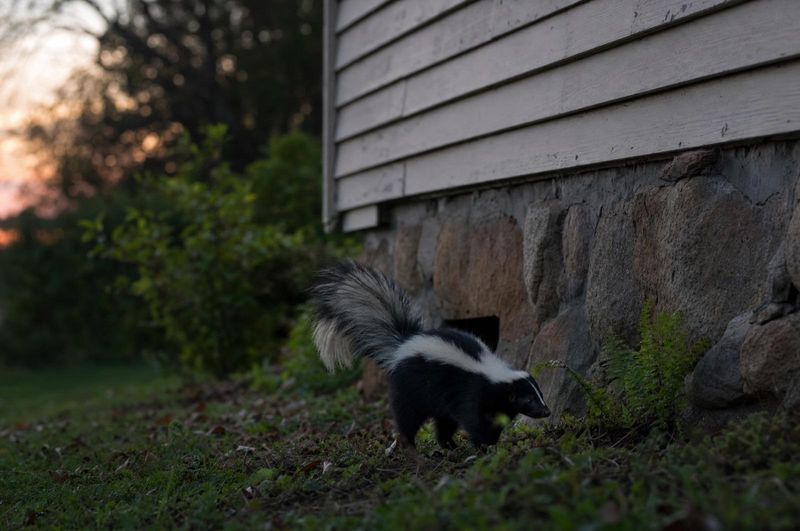
1. Striped Skunk

Striped Skunk
© Anchor Pest Services

Picture a February night when your dog bolts out the back door and comes back smelling like burnt rubber and garlic. Skunks are famous for that trick, and in Iowa they love the dry, hidden pocket under a low deck.

They do not truly hibernate, but they sleep for long stretches and wake on milder nights to wander.

Late winter is mating season, which means more traffic and more chances for a stinky run-in. A female who settles in now may raise a litter of kits right under your patio by spring.

That is when removal gets much harder.

Verdict: evict, but do it gently. Wait for a warm evening when she leaves to forage, then close the opening with hardware cloth buried about a foot deep.

Sprinkling flour near the hole first lets you check for tracks heading out.

2. Raccoon
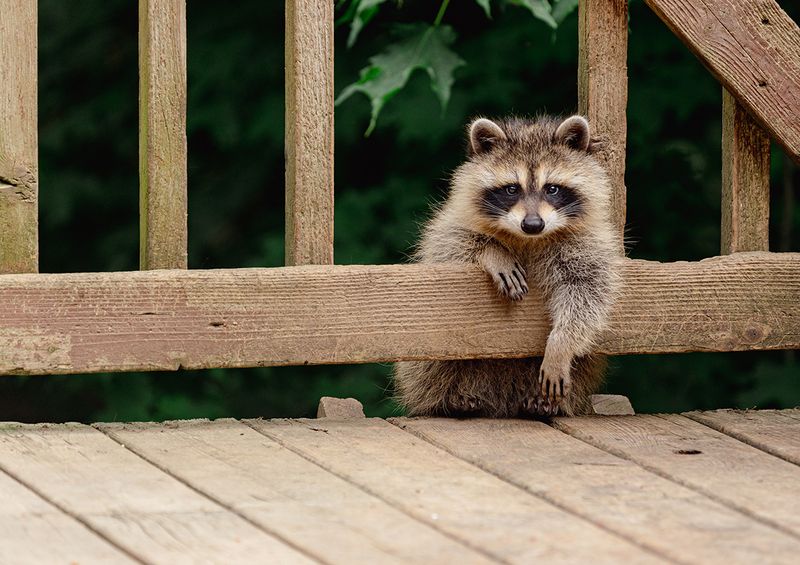
Raccoon
© High Plains Journal

Raccoons are the burglars of the backyard world, clever little hands and all. A sleepy raccoon under your deck in January might seem harmless, yet these animals can tear through lattice and insulation like it is wrapping paper.

Iowa raccoons fatten up in fall and then doze through the worst cold snaps. They also carry roundworm, a parasite whose eggs live in their droppings and can make people seriously sick.

Imagine opening your back door in April and finding a dozen snakes sunning themselves on the steps.

Their bathroom habits are not polite either, since they often pick one spot and use it again and again.

Verdict: evict. Lock down trash cans, bring in pet food, and seal gaps once you are sure nobody is home.

If babies show up in spring, call a licensed wildlife control operator instead of guessing.

3. Woodchuck
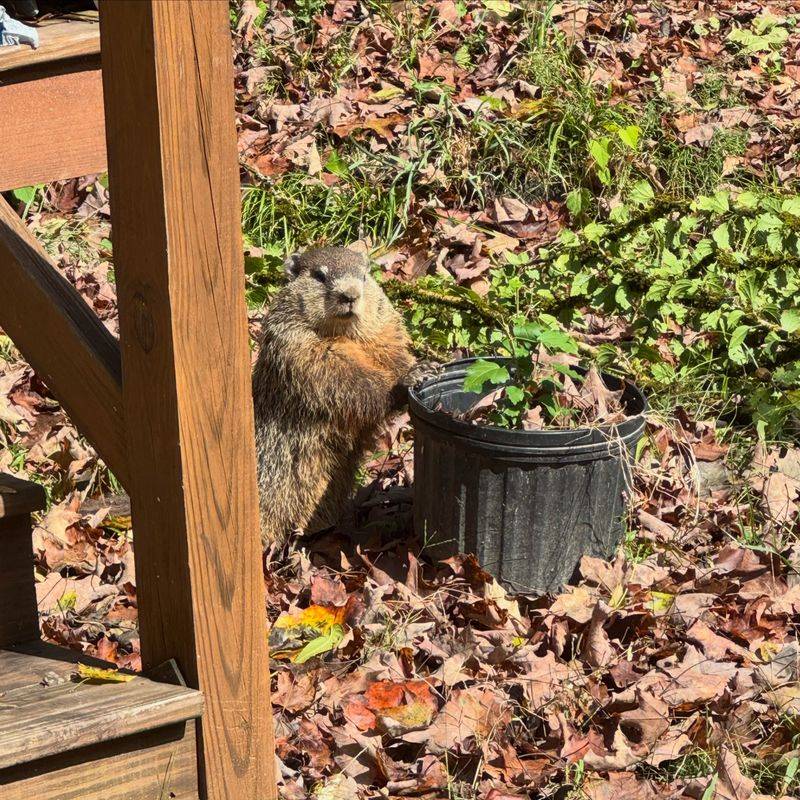
Woodchuck
© thatgrilledcheez

Fun fact: a hibernating woodchuck drops its heart rate from around 80 beats a minute to just a handful. Under your deck, it is basically a furry rock until March.

The trouble is not the nap. Woodchucks dig big tunnel systems, sometimes 20 feet or more, and those tunnels can weaken footings, crack concrete pads, and let water pool near your foundation.

A mound of fresh dirt near a deck post is the giveaway.

Verdict: evict once spring arrives. Disturbing a deep sleeper in midwinter can kill it, so wait until it wakes and wanders.

Then install an L-shaped wire barrier around the deck edge to stop future digging.

4. Opossum
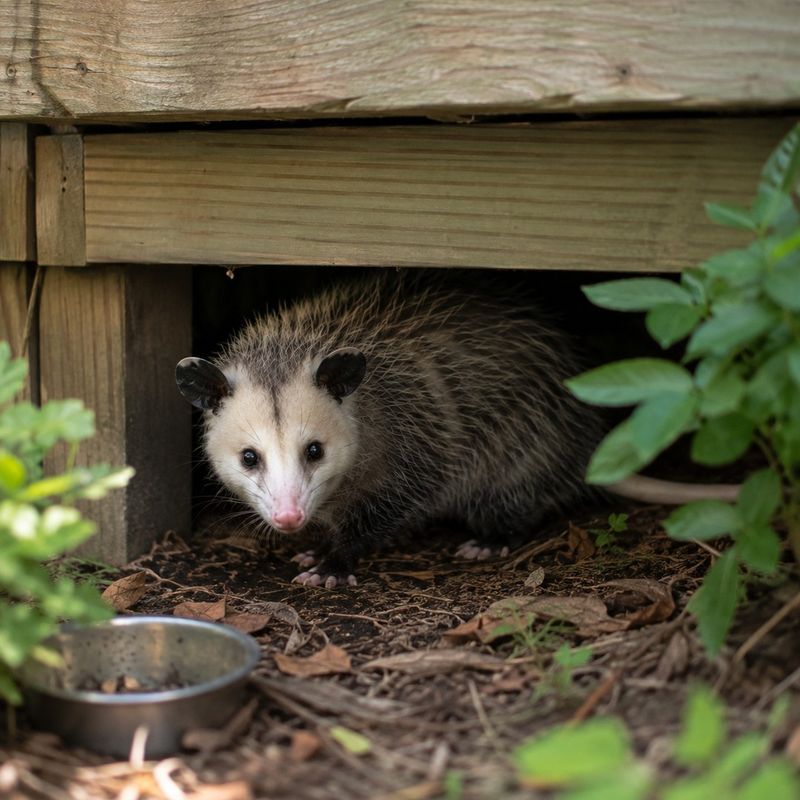
Opossum
© ecoprotx

Honestly, the opossum might be the most misunderstood neighbor you have. With its hissing grin and ratty tail it looks scary, but it is mostly a shy wanderer that would rather play dead than fight.

Opossums are not built for Iowa winters. They do not hibernate, and their bare ears and tails often get frostbite, so a sheltered spot under your deck is a lifesaver.

They also gobble ticks, slugs, and fallen fruit, and they rarely carry rabies because of their low body temperature.

Verdict: let it stay, at least for now. Most opossums move on after a few days or weeks anyway.

Once the weather warms, block the opening so it does not become a permanent den.

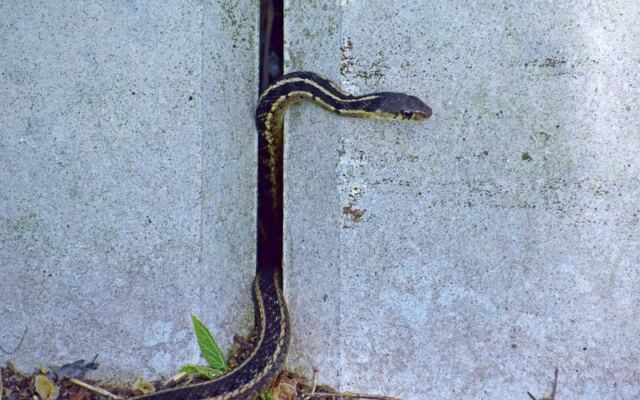
5. Eastern Garter Snake
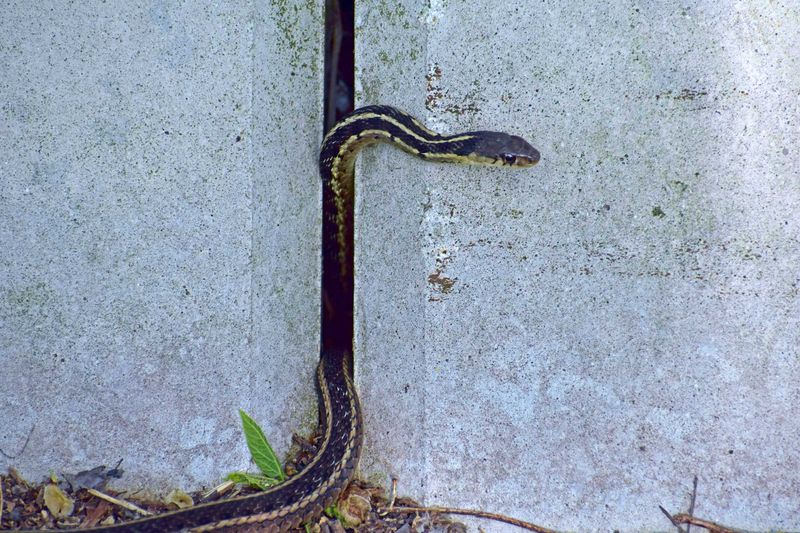
Eastern Garter Snake
© Forest Preserve District of Will County

Imagine opening your back door in April and finding a dozen snakes sunning themselves on the steps. That surprise happens to Iowans every year, because garter snakes often gather in groups to wait out winter.

They crawl into cracks, old rodent holes, and gaps near deck footings, then slip into a cold slowdown called brumation. Garter snakes are harmless to people.

They eat worms, slugs, and small frogs, which makes them handy garden helpers.

Verdict: live and let live, unless the idea truly keeps you up at night. If it does, seal cracks in late spring after they leave and keep wood piles away from the house.

6. House Mouse and Deer Mouse
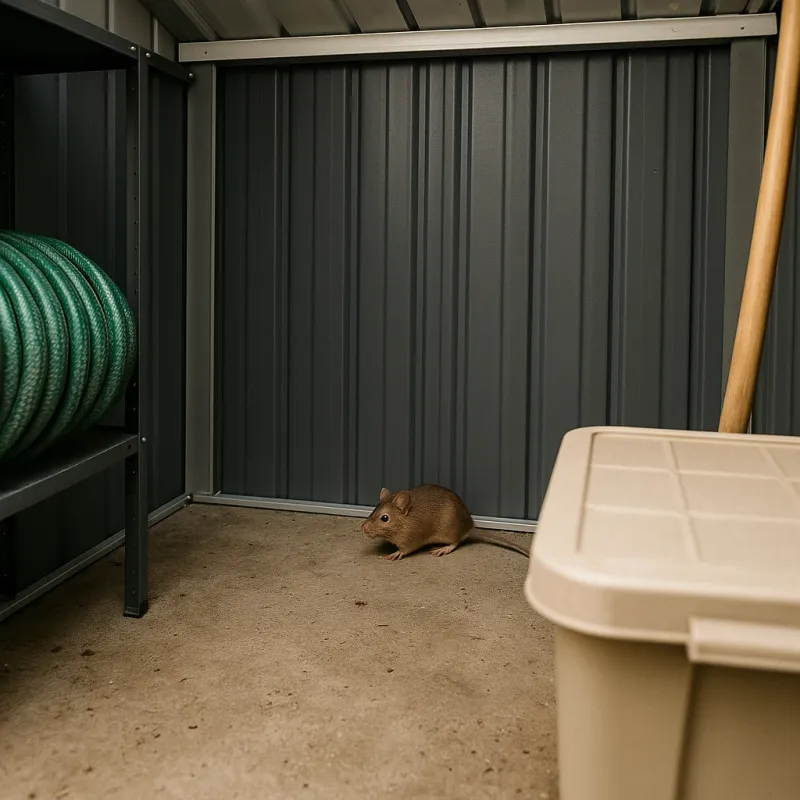
House Mouse and Deer Mouse
© Aosom

Tiny, quick, and constantly busy, mice treat your deck like a front porch for your house. A deer mouse can squeeze through a gap the width of a pencil, and from under the deck it is only a short hop to your siding and basement.

Deer mice are the bigger worry because they can carry hantavirus in their droppings. Both kinds chew wiring, shred insulation, and breed fast.

One pair in fall can turn into a crowd by Valentine’s Day.

Verdict: evict, firmly. Clean up spilled birdseed, store firewood away from the house, and set snap traps in covered boxes.

Wear gloves and a mask when cleaning droppings, and never sweep them dry.

7. American Toad
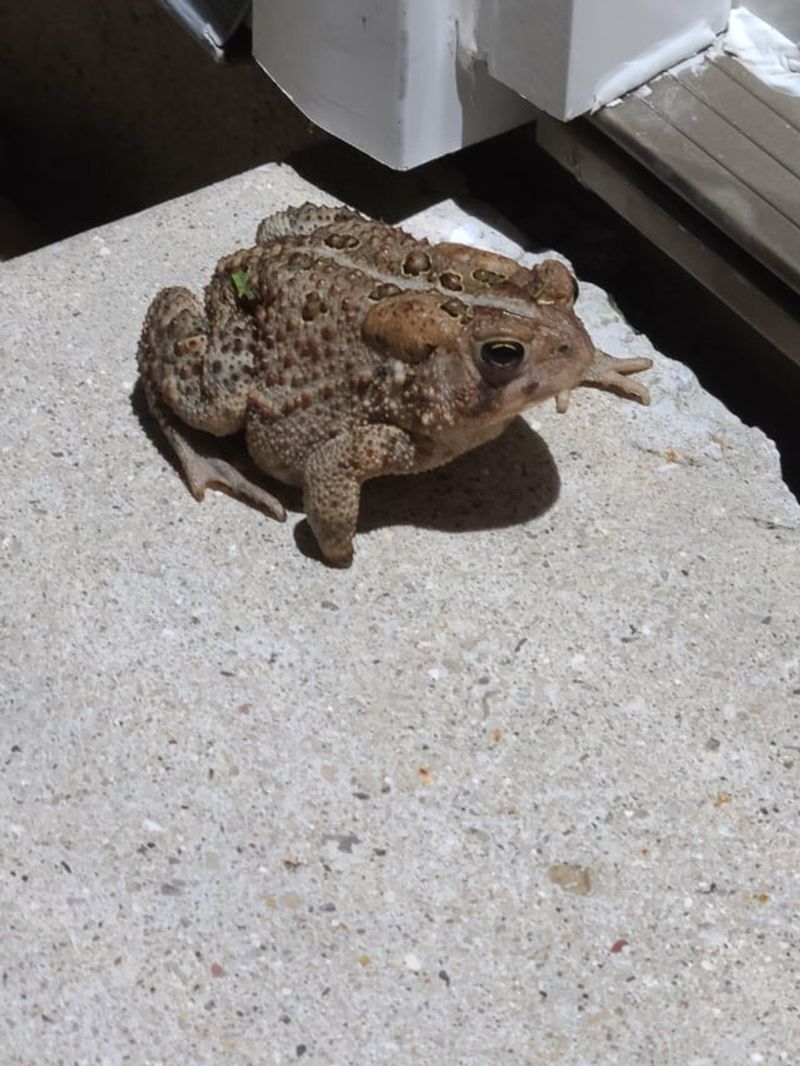
American Toad
© Reddit

Somewhere beneath your feet, a toad may be sitting in the dirt like a forgotten potato. American toads dig backward into loose soil in fall, burrowing below the frost line to survive Iowa’s cold.

They are quiet and clean, and they will not damage a single board. Come summer, one toad can eat thousands of insects, including mosquitoes and cutworms.

Kids love finding them too.

Verdict: please let this one stay. Avoid spreading lawn chemicals near the deck, and leave a little leaf litter around the edges.

Your future mosquito count will thank you.

Share this story
LP

Written by

Lyle Petersen

More from Lyle Petersen →

About Gardening Latest

Gardening Latest provides in-depth guides to maintaining and enhancing your garden and backyard. Learn how to make the most of the space you have and create a beautiful garden.

More about us →

Latest stories

  • Maryland Gardening7 Animals Sleeping Through Winter Under Maryland Decks, Sheds, And Woodpiles Right Now

    7 Animals Sleeping Through Winter Under Maryland Decks, Sheds, And Woodpiles Right Now

    4 min ago
  • Virginia GardeningFound A Possum In Your Virginia Yard? Here’s Why You’ll Want It To Stay

    Found A Possum In Your Virginia Yard? Here’s Why You’ll Want It To Stay

    16 min ago
  • New Jersey GardeningThe Tiniest Owl In New Jersey Weighs About As Much As A Stick Of Butter, And It’s Roosting In Backyard Evergreens

    The Tiniest Owl In New Jersey Weighs About As Much As A Stick Of Butter, And It’s Roosting In Backyard Evergreens

    23 min ago
  • North Carolina GardeningGot Hit by Fire Ants in North Carolina? Here’s What to Do, and Why You Leave Those Blisters Alone

    Got Hit by Fire Ants in North Carolina? Here’s What to Do, and Why You Leave Those Blisters Alone

    29 min ago
  • Michigan GardeningWhy Some Michigan Towns Are Overrun With Black Squirrels While Others Never See One

    Why Some Michigan Towns Are Overrun With Black Squirrels While Others Never See One

    34 min ago

Gardening by state

Stories for your state, and the hardiness zone most of it gardens in.

Keep exploring

Read next

All Iowa Gardening →
Iowa GardeningWhy an Opossum Shows Up Near Your Iowa Home in Winter, and What to Do
Iowa Gardening

Why an Opossum Shows Up Near Your Iowa Home in Winter, and What to Do

2 hr ago
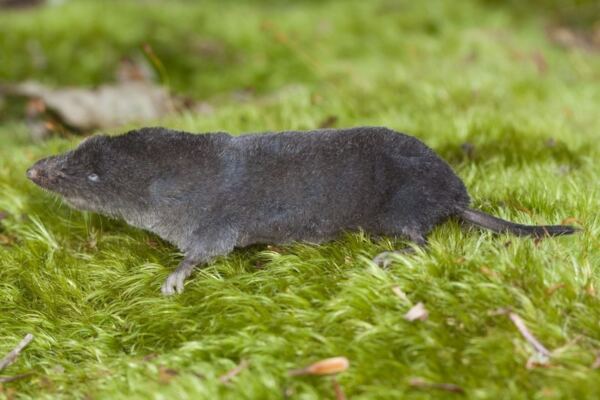
Iowa GardeningIs a Northern Short-Tailed Shrew Hiding in Your Iowa Leaf Pile? What We Know About Its Venom
Iowa Gardening

Is a Northern Short-Tailed Shrew Hiding in Your Iowa Leaf Pile? What We Know About Its Venom

6 hr ago
Iowa GardeningIowa Law Lets You Trim Your Neighbor’s Overhanging Branches, but There’s a Catch
Iowa Gardening

Iowa Law Lets You Trim Your Neighbor’s Overhanging Branches, but There’s a Catch

9 hr ago

More from Iowa Gardening

  • What Does It Mean When a Red Fox Trots Through Your Iowa Yard in Winter?

    Nov 20
  • These 7 Iowa Critters Look Venomous Enough to Scare Anyone, but They’re Totally Harmless

    Nov 20
Back to top

Leave a response Cancel

Your email address stays private. Required fields are marked with an asterisk.

Gardening Latest

In-depth guides to maintaining and enhancing your garden and backyard: how to make the most of the space you have, and how to make it beautiful.

  • Facebook
  • X
  • Pinterest
  • YouTube

We may earn a portion of sales from products or services that are purchased through our site as part of our affiliate partnerships with retailers.

Explore

  • About GardeningLatest.com
  • Contact Us
  • Terms and Conditions
  • Privacy
  • Editorial Note:
  • FTC Disclosure

Newsletter

New garden guides and seasonal tips, straight to your inbox.

We’ll email you a link to confirm. Unsubscribe any time.

Almost there! Check your inbox and tap the link to confirm.

© 2026 Gardening Latest. All rights reserved.

Back to top