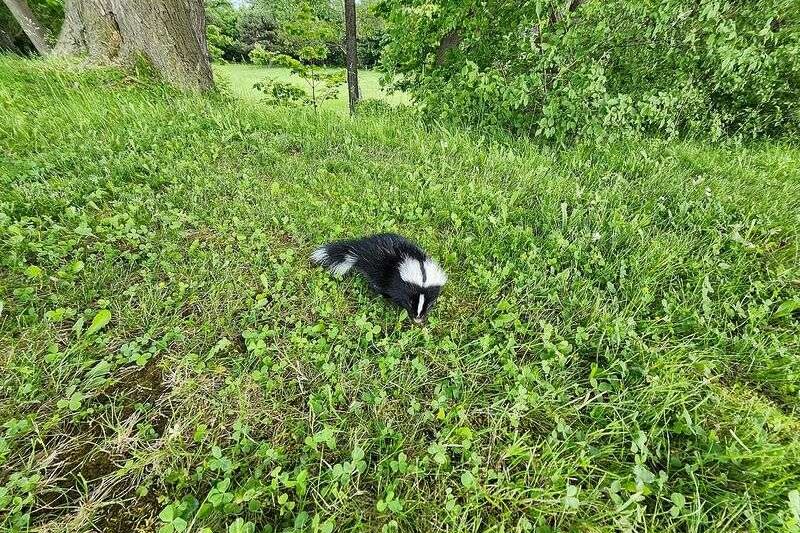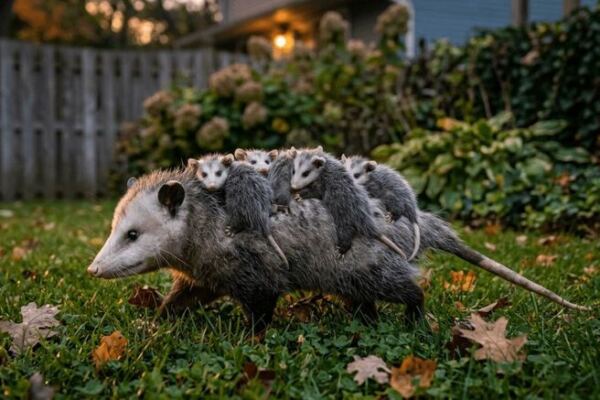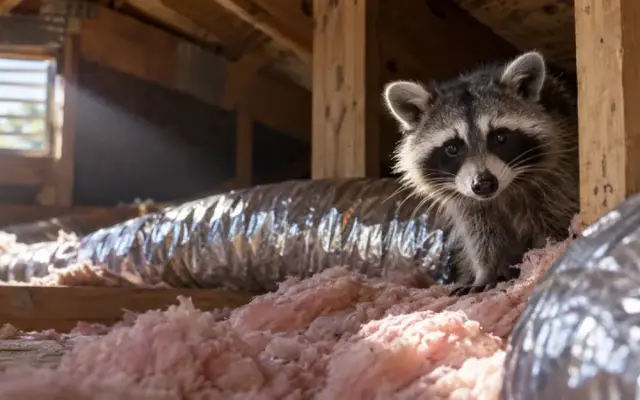
Scratching, scurrying, and thumping above your ceiling tell you a lot, because the timing and sound are the first clues to which animal is up there. Bats, flying squirrels, mice, and raccoons each tend to leave a different pattern of noise.
Those patterns can point you in a direction, but they work best when you match them with other signs. Here is how to read the clues calmly before you pick up the phone.
A sound pattern is a clue, not an identification
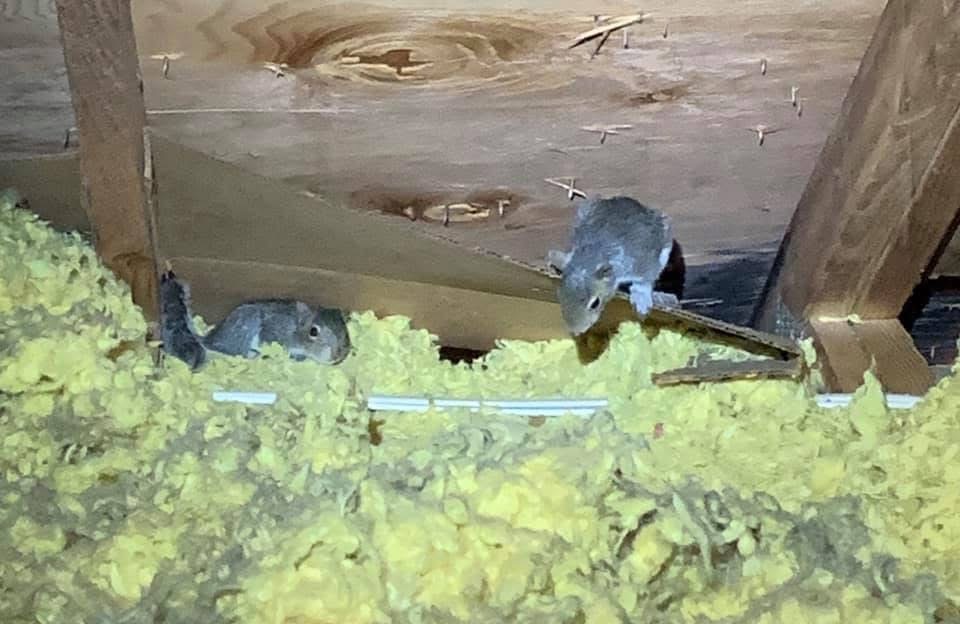
Scratching, scrambling, and thumping can come from several different mammals. A state wildlife agency notes that mice, rats, flying squirrels, and raccoons can all make these sounds.
That means the noise alone cannot tell you exactly which animal is present, no matter how distinct it seems from your bedroom.
So what is the sound good for? Think of it as a starting hint.
Dusk activity may suggest one group of animals, movement after dark may suggest another, and thumps in daylight raise a different set of questions. The goal is to build a short list of possibilities, not a final answer.
Winter adds one more twist. Hearing a noise on a cold January night does not tell you when the animal moved in.
It may have been there since fall, or even longer, and you simply started noticing it when the house got quiet and you spent more time indoors.
The best way to sharpen a hunch is to look for corroborating signs. Droppings, gnaw marks, shredded nesting material, and holes near the roofline all add context that sound cannot supply.
The next sections walk through each timing clue and what else to check alongside it.
What dusk activity can suggest
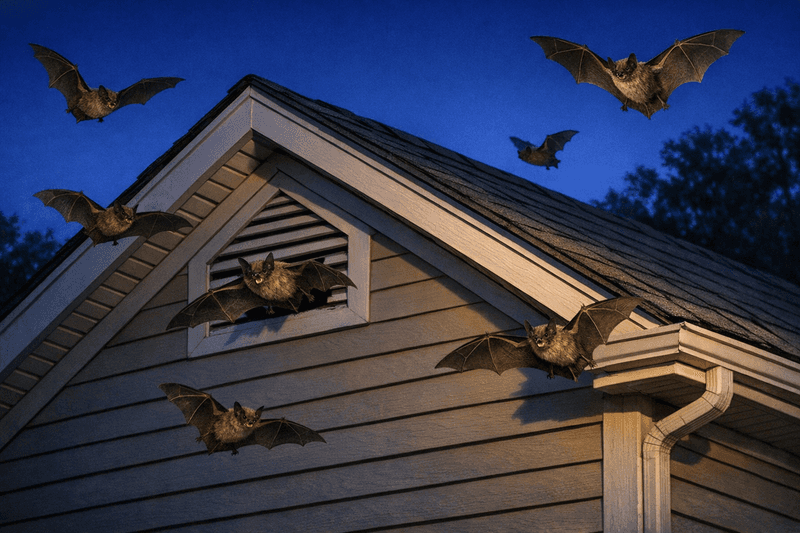
A burst of noise near sunset can be a clue that bats are in the building. Some bats make audible squeaks or chatter, especially around the time they leave for the night, according to Maine wildlife officials.
It is only a clue, though. Dusk noise does not confirm bats, and it does not rule out other animals that happen to wake up at that hour.
Those audible sounds are not echolocation. Bat echolocation is high-frequency, which means people generally cannot hear it.
If you hear squeaking or chatter, it is something different from the calls bats use to navigate.
A far better test than listening is watching. Stand outside around dusk, a little before and after sunset, and look at the roofline, vents, and gaps near the eaves.
If bats are living inside, you may see them leave one by one through an opening. Kentucky Fish & Wildlife notes that bats use structures in the state, so this kind of check is worth a few quiet evenings.
Keep your distance and keep the lights off the opening. Your aim is to observe, not to disturb.
Write down what you see and when, since those notes help anyone you call later.
After-dark scurrying leaves more than one possibility
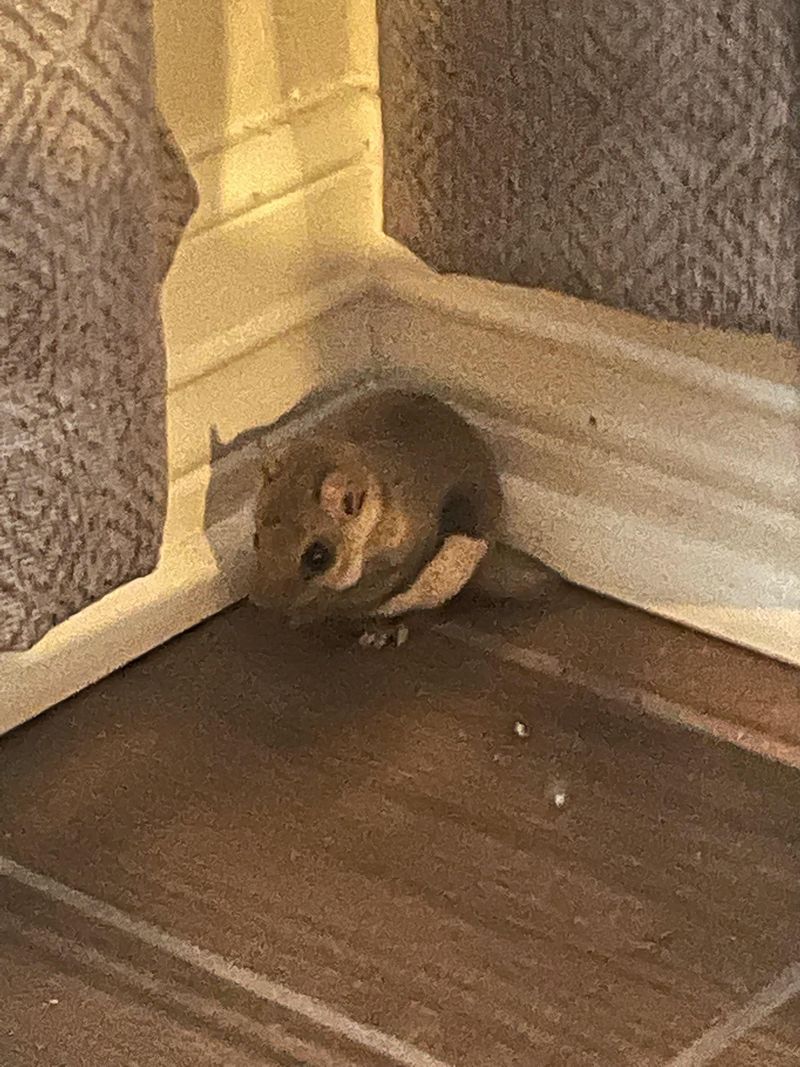
Kentucky’s southern flying squirrels are nocturnal, as Kentucky Fish & Wildlife describes them. So light patter overhead after dark fits a flying squirrel.
But fitting is not the same as proving. Nighttime activity alone cannot confirm them.
Mice are another strong candidate for the same hours. Wildlife damage specialists describe house mice as making squeaks along with sounds of gnawing, climbing, and running across ceilings and walls.
In a quiet house at midnight, that can sound surprisingly large.
Because both animals are active at night, the clock cannot separate them. Try listening for what the sound does instead.
Is it a quick run followed by silence, a steady gnawing, or a faint squeak? Even then, treat your answer as a guess.
Better evidence is physical. Droppings, chewed material, and nesting debris near the sound can tell you far more than the hour.
Look from outside, too, for small gaps along the roofline or vents. When the signs and the sounds point the same way, your hunch gets stronger, and you have useful details to share with a professional.
Daytime thumps do not prove a raccoon
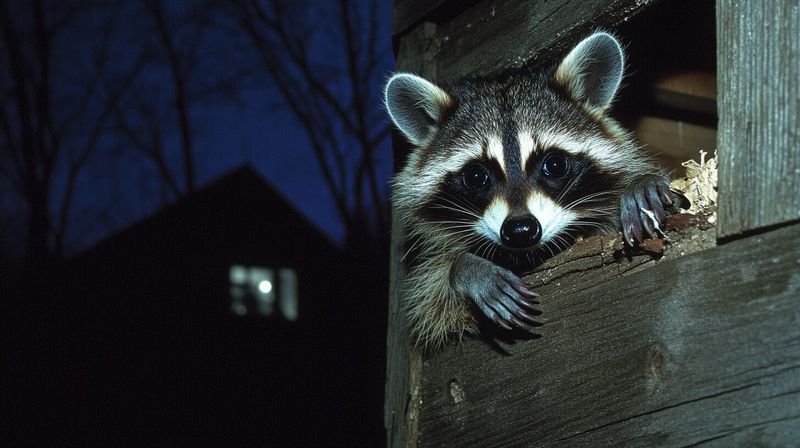
Heavy thumping in the middle of the day makes many people think of raccoons right away. Raccoons can den in attics and chimneys, and that heavy footfall is real.
Still, University of Maryland Extension describes them as primarily active at night, though they may also be active during the day.
That works in both directions. A daytime thump does not identify a raccoon, and nighttime noise does not rule one out.
An animal resting in an attic by day may shift around and make noise without being unusual in any way.
Daytime activity also does not mean the animal is sick. Seeing or hearing a raccoon in daylight is not, by itself, a sign of illness, so there is no need to assume the worst from timing alone.
Instead of reading the clock, look for other signs. Check outside for torn vents, damaged soffits, or flattened roof edges, and note any droppings or disturbed insulation you can see without entering a cramped space.
Write down when the thumps happen and how long they last. Those notes are more useful than a time-of-day guess.
Look for evidence the noise cannot provide
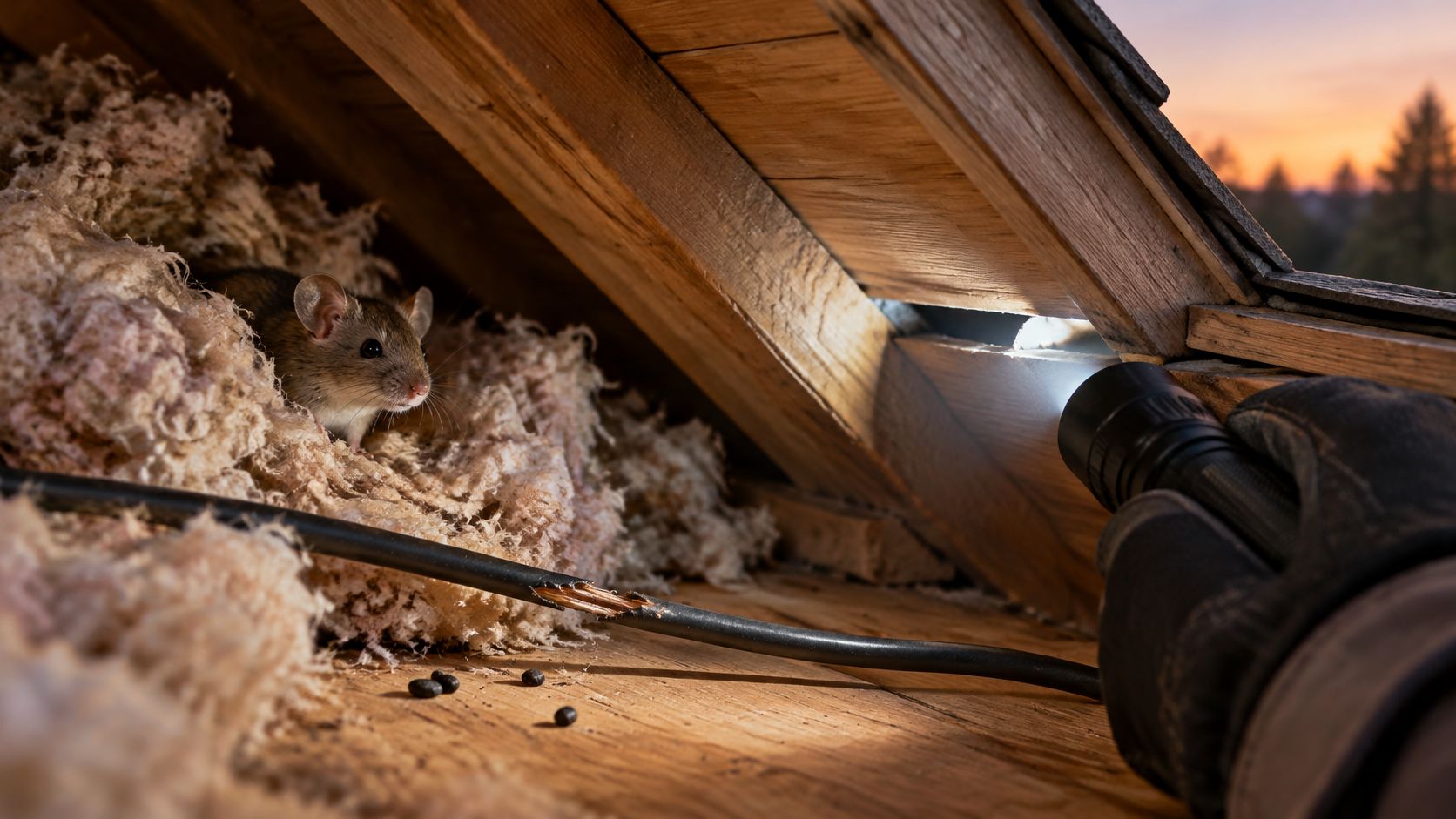
Sound tells you something is moving, but physical signs tell you what it left behind. Droppings, gnaw marks, shredded nesting material, and entry holes can all add useful context.
For mice, house mouse guidance points to droppings, gnawing, and nests as common evidence.
No single sign is a guarantee, though. Gnaw marks could come from more than one animal, and nesting material may be left behind after the animal is gone.
Think of each sign as one more piece of a puzzle, and trust the picture only when several pieces agree.
Start outside, where you can look without disturbing anything. Walk around the house and scan the roofline, vents, chimney, and gaps where different materials meet.
Watching an opening at dusk can also help, since Maine wildlife officials suggest checking for bats leaving rather than guessing from scratching alone.
Keep things non-invasive. Do not poke at nests, crawl into tight spaces, or try to flush an animal out.
Take photos, jot down dates and times, and stay out of the way of whatever is living up there.
Bat suspicions call for a different response
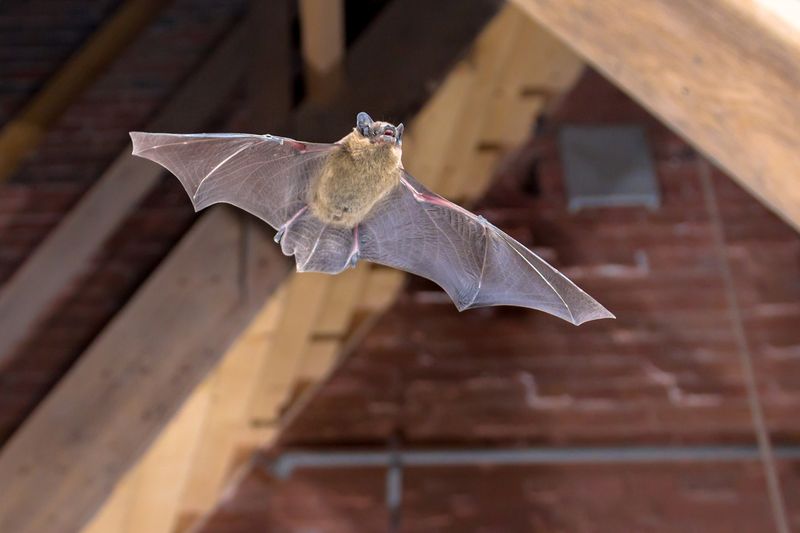
Bats are handled differently from other attic animals, for both health and legal reasons. Never touch a bat.
If one is found inside the living space, or if anyone may have had contact with one, call your local health department or animal control for advice. CDC guidance says not to release the bat before talking with a public-health expert.
The law matters here too. All Kentucky bat species are protected, and Kentucky Fish & Wildlife says there are no legal toxicants for bat control.
Poisoning bats is not an option.
Do not seal an opening while bats may be inside. Doing that can trap animals, which creates problems for them and for you.
The agency recommends correctly timed exclusion, usually with a one-way exit that lets bats leave but not return.
Timing is the key. Flightless young may be present from mid-May to mid-August, and Kentucky Fish & Wildlife recommends waiting until after August 15 for maternity-colony exclusion.
Excluding at the wrong time can leave pups behind to die in the walls.
If you suspect bats, note where and when you see them and plan the work with someone who knows the rules. Waiting is often the safest answer.
Turn a listening clue into a safe next step
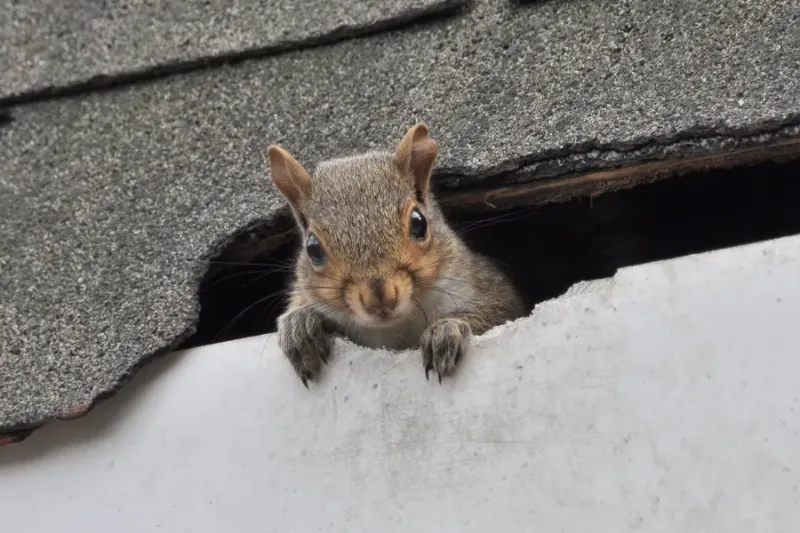
Start with a simple log. Write down when you hear noise, what it sounds like, and how long it lasts.
Add anything you see from outside, such as droppings, damaged vents, or animals leaving near dusk.
Hold off on sealing any opening until you know whether wildlife is inside and have an appropriate exclusion plan. For bats, openings need correctly timed exclusion, and professional help may be needed.
Closing a hole too soon can trap animals indoors.
When you are ready for help, Kentucky offers a lookup for permitted wildlife-control operators. If bats are involved, the timing rules from Kentucky Fish & Wildlife are worth sharing with whoever you hire.
Your notes will not replace a professional identification, but they will make the visit faster and more useful. A noisy attic is a puzzle, and patient observation is how you solve it.
Share this story