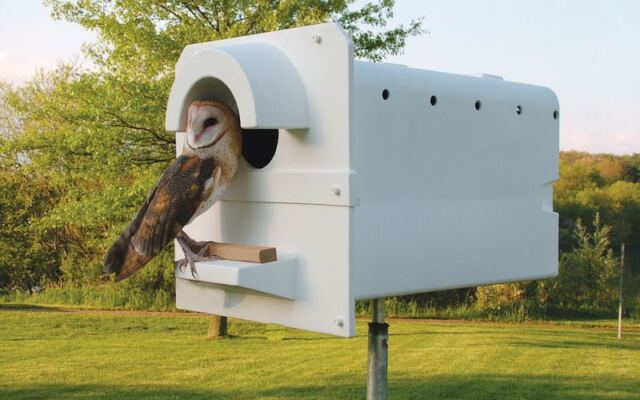
Building a barn owl nest box is a winter project that Ohio farmers can take on to help a struggling bird find a place to raise its young. The barn owl is a ghostly, heart-faced hunter that Ohio lists as state-threatened.
A box gives owls a possible home, but the land around it has to offer food and open hunting ground. Here is how to decide if your farm is a good fit and how to do the work well.
Why Ohio maintains barn-owl nest boxes
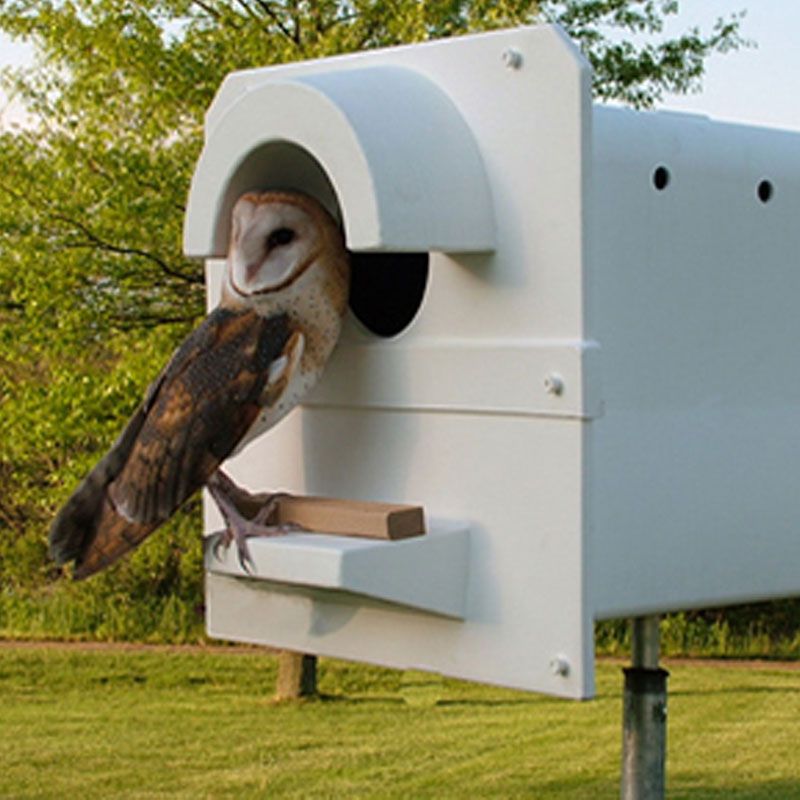
Winter is when the Ohio Department of Natural Resources does much of its box work. According to ODNR’s 2019 barn owl status report, staff and volunteers install and maintain nest boxes in selected townships that have suitable grassland habitat.
The effort exists because the barn owl is state-threatened in Ohio. That means the state recognizes the bird as at risk of becoming endangered, and nesting spots in old barns, silos, and hollow trees are not always easy to find.
The numbers give a sense of the scale. ODNR reported 61 known nests in 31 townships for the 2018 nesting season.
The state plan sets a goal of an average of 100 active nests across 40 townships, so the count was still short of the target.
That 2018 figure is a snapshot of known nests, not a current head count. The 2023 Ohio All-Bird Conservation Plan says statewide population data are still insufficient, so nobody can say exactly how many barn owls live in Ohio today.
What does this mean for a landowner? A box supplies a possible nesting site, and it can support conservation when the surrounding habitat is right.
The documented work belongs to ODNR staff and volunteers, and a farmer who builds a box would be taking on a similar project, with no promise that owls will move in.
Does the farm offer the hunting ground barn owls need?
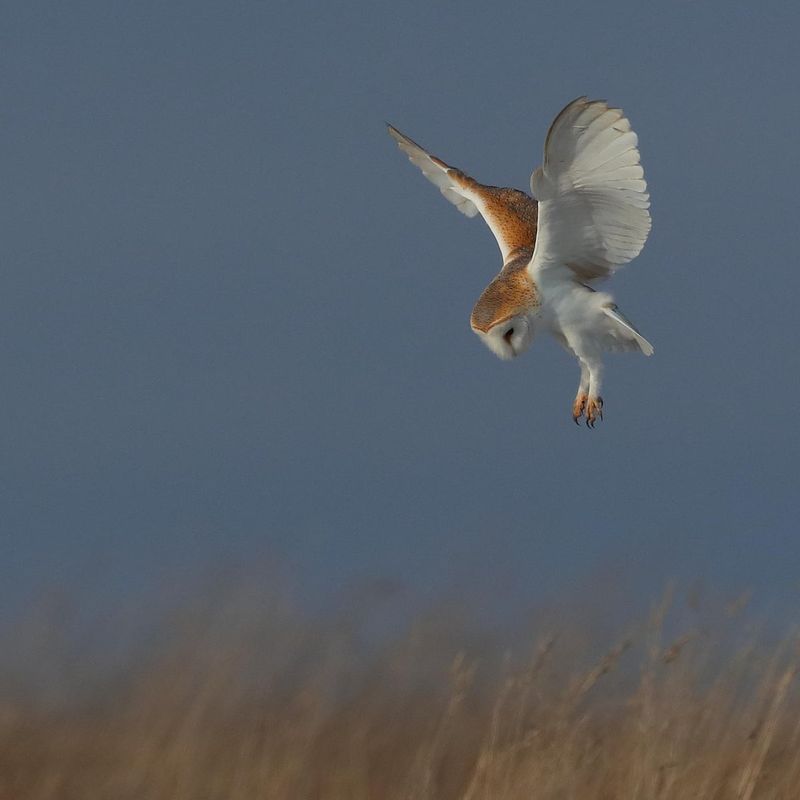
Before picking up a saw, walk your property and look at what surrounds the building you have in mind. Barn owls hunt on the wing over open ground, so the land matters as much as the box.
ODNR’s nest box plan describes suitable foraging areas as grass fields, old fields, wet meadows, and wetland edges. It also says a nest box should be placed near that kind of preferred hunting habitat.
Take stock of what you have. Do you have rough grass along fence lines, a hayfield that is cut only a few times a year, or a wet corner that never grows a good crop?
Those spots may count as hunting ground, while clean-tilled fields with little cover may offer less.
Food is the other half of the question. The Ohio All-Bird Conservation Plan notes that prey availability may limit where barn owls occur.
A box cannot create small mammals, and it cannot open up grassland that is not there.
No source gives a minimum acreage or an exact distance from box to field, so be wary of anyone who offers one. Treat the box as an addition to suitable land, not a substitute for it.
If your ground is mostly cropland with no grass, your effort might be better spent on habitat first.
Choose a box design that fits the structure
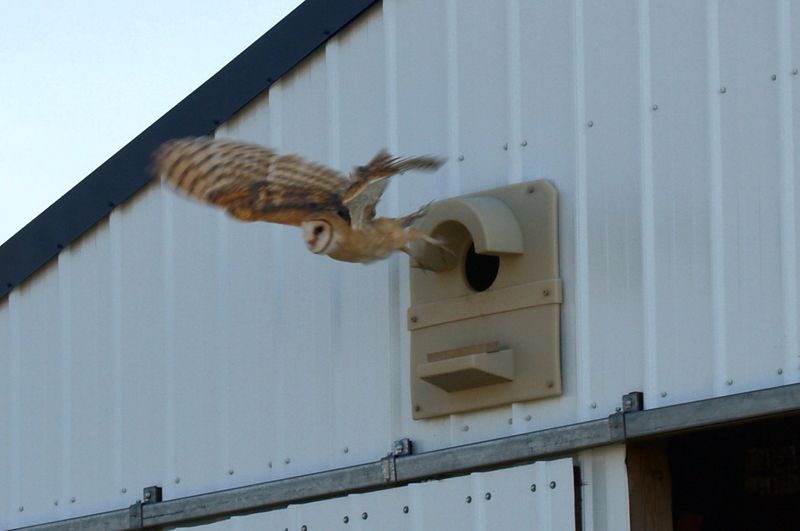
Plans you find online are not all the same, and boxes are built differently for barns, silos, and poles. Start by deciding where the box will go, then pick a design made for that kind of structure.
For an Ohio project, the state’s own plans are the better place to begin. ODNR’s plan includes designs for boxes inside barns and covered silos.
In ODNR’s barn-wall design, the barn wall itself forms the front of the box. The entry is a 6-by-6-inch opening positioned about 7 inches above the crossbeam, which helps keep young owls from falling out.
Those numbers belong to that design. They are not a universal specification, and no one has shown that a particular measurement will draw owls in.
Other guides describe different boxes. Missouri Extension’s nest box guide, for example, lists other dimensions for a general box design.
If you read two plans side by side, treat them as two separate boxes and do not borrow an entry size from one and a floor size from another.
Pick one plan, follow it closely, and write down which one you used. That note will help when you or someone else returns to repair or check the box years later.
Plan for predators and future access
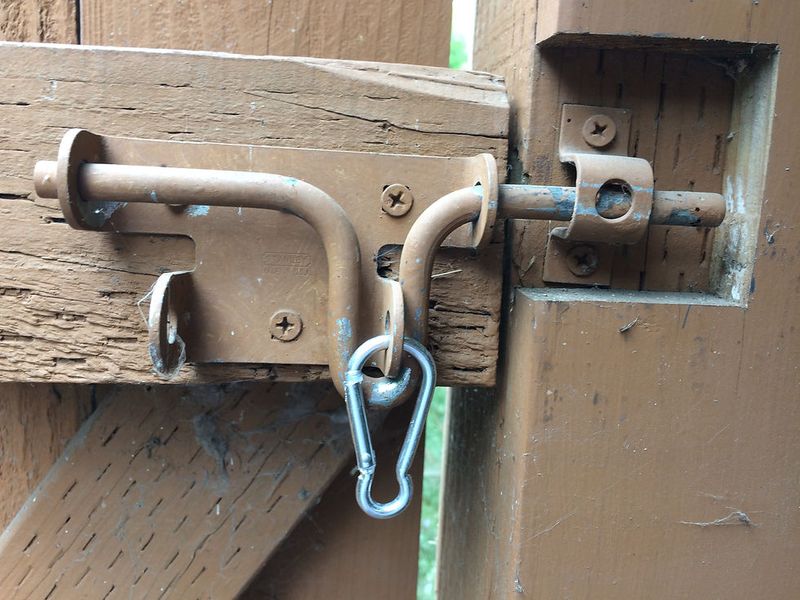
A box that is hard to reach for raccoons should still be easy for you to reach safely. Think through both before the first screw goes in.
ODNR advises securing boxes against raccoons and latching or otherwise securing the top. It also warns that pigeons and their nest material can deter owls, so a barn full of pigeons may need attention before a box goes up.
Ask yourself how you will get to the box later. Will a ladder stand on firm, level ground?
Can you open the lid without leaning at an awkward angle? Planning that now makes future checks quicker and quieter.
Some guidance applies only to a different kind of box. A USDA Natural Resources Conservation Service guide covers an outdoor-pole design.
It calls for drainage, ventilation, a secured access hatch, and structural checks.
Those features fit the pole box. They are not part of ODNR’s barn-interior plan, so do not mix the two as if they described one box.
If you build a pole box, follow the USDA design. If you build inside a barn, follow ODNR’s.
Either way, the lesson is the same. Installing a box includes planning for the day you will need to look inside it, not just the day you finish building.
Check the box without disturbing nesting owls
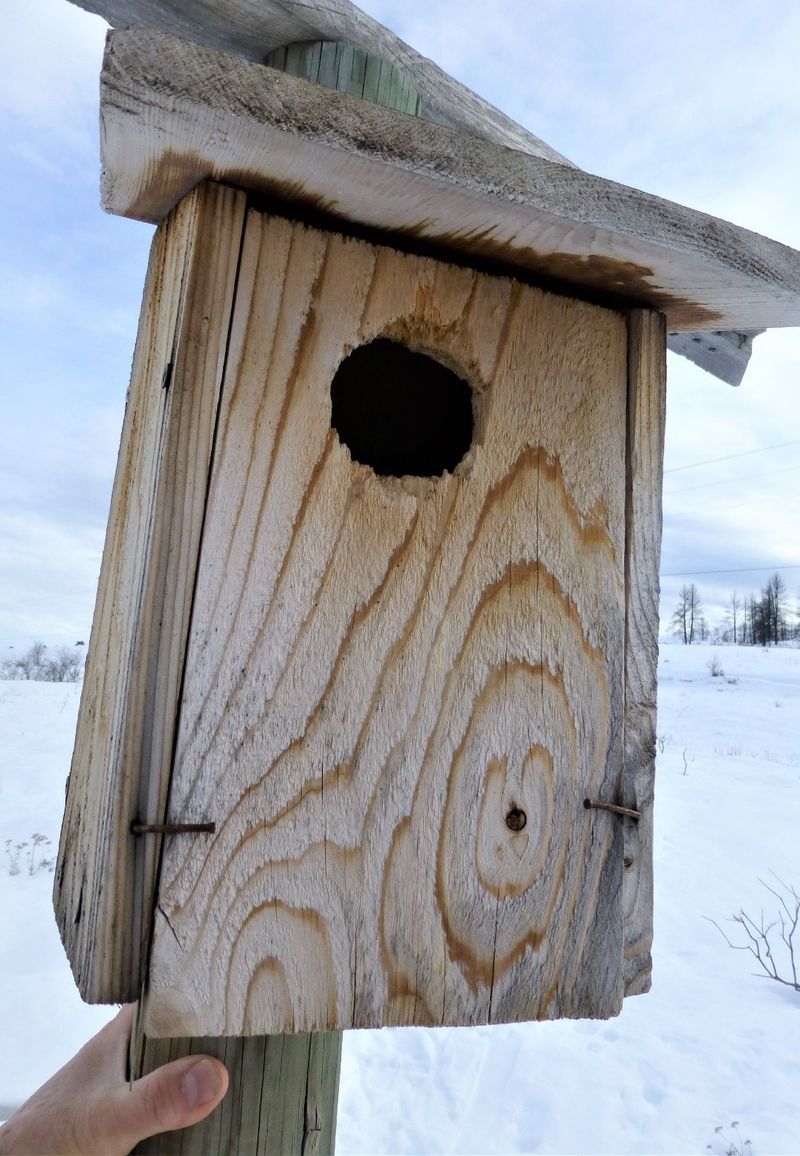
Winter is a practical time for box work, and it is when ODNR does much of its own. ODNR’s status report describes that winter work, but a cold month does not prove a box is empty.
Missouri Extension says barn owls may nest during any season. So the calendar alone is not a safe guide.
Maryland Extension suggests quick, quiet checks in late fall or early winter, since that is less likely to overlap with nesting. It warns against disturbing an incubating female.
If you open a box and find one, close it quietly and leave the owls alone.
The rule is simple. If an owl is present, do not go ahead with the check or the cleanout.
Disturbance can risk nest abandonment, so come back another time.
Cleaning is for after nesting is over. ODNR’s plan says to clean out pellets after nesting, and Maryland Extension recommends wearing a dust mask while you do it.
A good habit is to look from a distance first. Listen for hissing or movement, glance for whitewash below the box, and only then decide whether to open it.
Checking less often, and doing it carefully, serves the owls better than checking often.
A nest box helps, but it is not a recovery plan
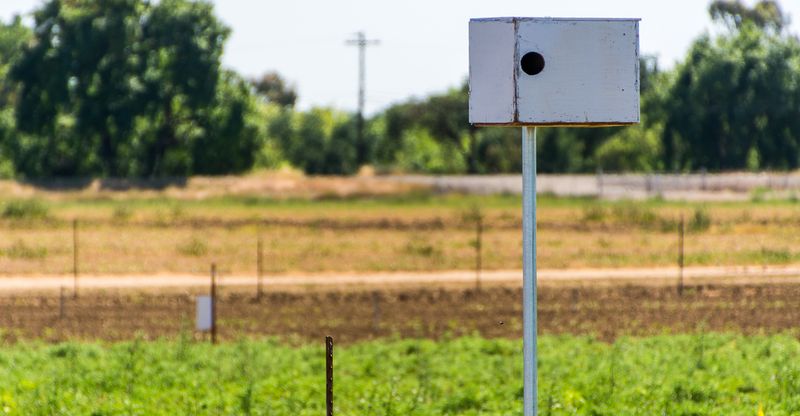
The box program has real results to point to. The Ohio All-Bird Conservation Plan reports high nest-survival and fledgling rates for boxes in the program.
Those outcomes are good news, but they are not the same as a recovering population. The same plan notes that juvenile survival is poorly studied, and that more information on habitat use and population size is needed.
A young owl leaving a box is a step, not a finish line.
Many farmers are drawn to owls as natural pest help, and that is understandable. Still, owls are one possible part of a broader approach.
Utah State University Extension says native predators rarely eliminate a pest problem and frames them as part of a multifaceted approach.
The USDA guide says there is no evidence that barn owls control or eradicate rodents at the installation site. UC Agriculture and Natural Resources likewise says boxes alone are not a proven method for sustained rodent control on farms.
If you also use rodenticides, know that the risk to birds is not the same for every product. The National Pesticide Information Center lists high secondary-poisoning risk to birds from brodifacoum and difethialone, and moderate risk from bromadiolone and diphacinone.
An owl that eats a poisoned rodent can be harmed too. Reading the active ingredient on the label is a practical first step.
Make the project part of long-term stewardship
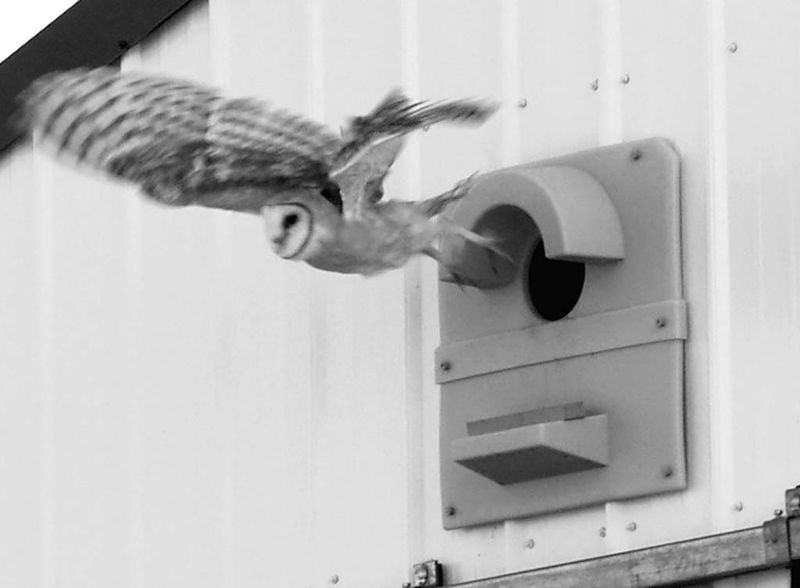
Think of the work as a sequence: look at your land, choose a design that suits the structure, install the box with future access in mind, and check it cautiously. Each step is small, and together they add a useful piece to the state’s ODNR-guided conservation effort.
Ohio’s work so far rests with staff and volunteers, so a farmer who joins in would be adding a new hand. Whether owls arrive is out of your control, but good stewardship gives them a fair chance.
A quiet box on good ground is still worth the winter afternoon.
Share this story