You might think anything living in your yard is yours to deal with, but Ohio law sees it differently. Some animals that wander onto your property are protected by state or federal rules, and moving or killing them without permission can cost you real money.
Many homeowners only learn this after a neighbor reports them or a wildlife officer knocks on the door. Here are eight animals you should think twice about before grabbing a shovel, a trap, or a can of spray.
1. Migratory Songbirds and Their Nests
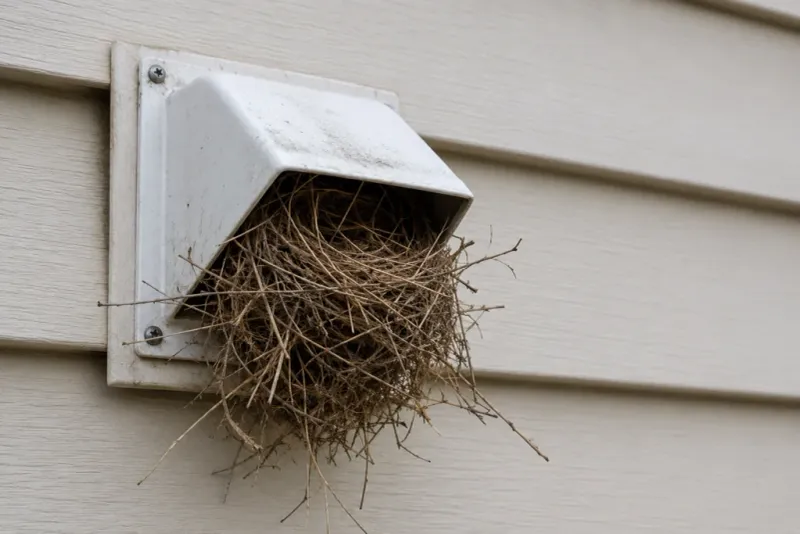
A robin builds a nest above your porch light, and suddenly your front door is a battlefield. It feels harmless to knock it down with a broom.
Federal law says otherwise.
The Migratory Bird Treaty Act protects over 1,000 bird species, including robins, cardinals, blue jays, and house finches. Destroying an active nest with eggs or chicks can bring fines of up to 15,000 dollars per violation.
Ohio wildlife officers do enforce it, especially when neighbors complain.
The good news is that most songbirds leave the nest within three or four weeks. Waiting it out is the cheapest option by far.
Once the nest is empty and the babies are gone, you can usually remove it and block the spot so they choose somewhere else next spring.
2. Bats
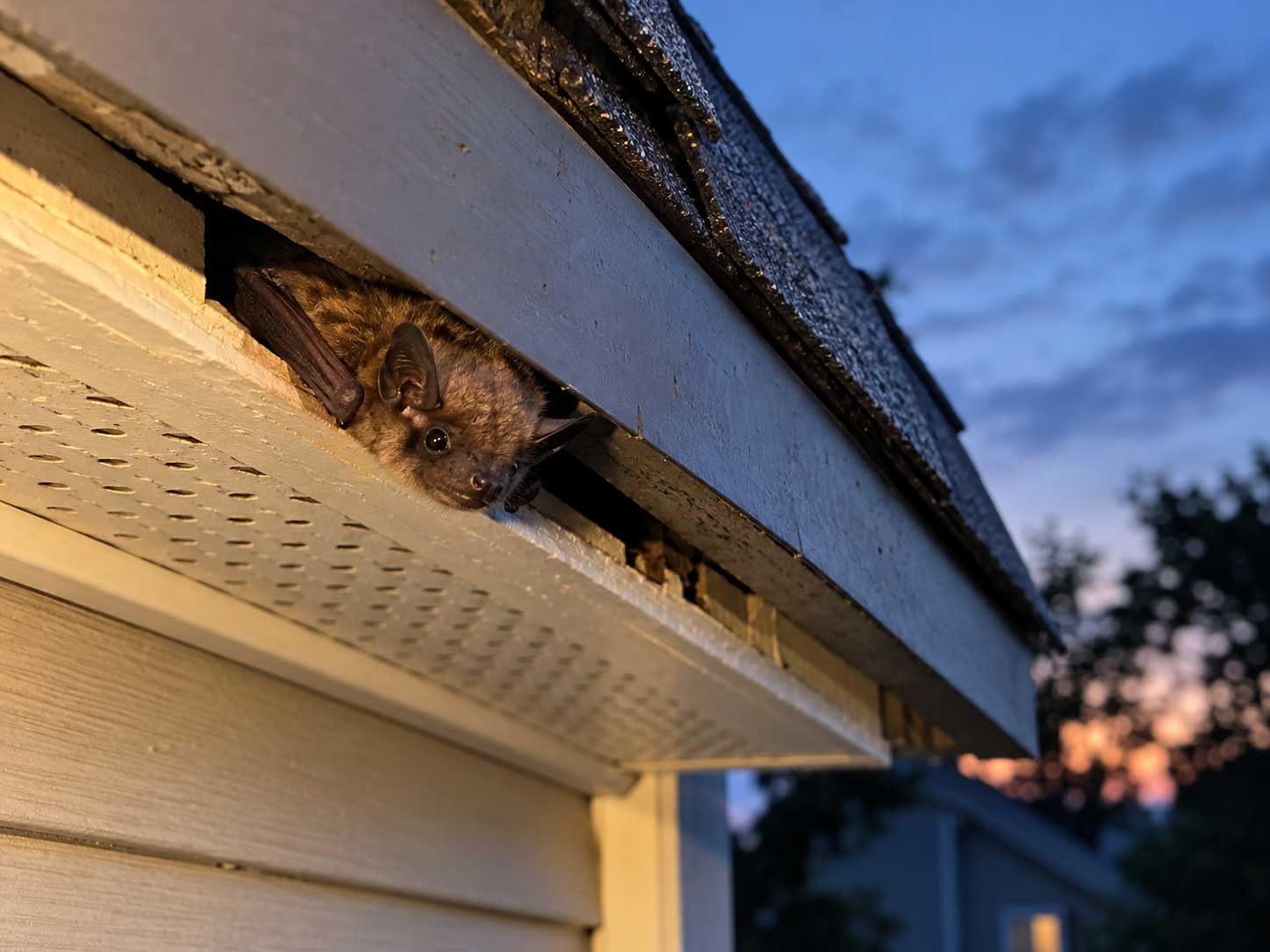
Picture this: it is late June, and you hear tiny scratching in the attic. Your first instinct is to seal every hole tonight.
Hold on.
All bats in Ohio are protected, and several, like the Indiana bat and northern long-eared bat, are federally endangered. The Ohio Department of Natural Resources bans bat exclusion from roughly April 15 through July 31.
During those months, mothers are raising pups that cannot fly yet, and sealing them in can kill an entire colony.
Killing bats can lead to state penalties, and harming an endangered species can bring federal fines in the thousands. Licensed pros can install one-way doors after pup season ends.
Fun fact: a single little brown bat can eat about 1,000 mosquitoes in an hour, so they are honestly doing you a favor.
3. Eastern Box Turtle
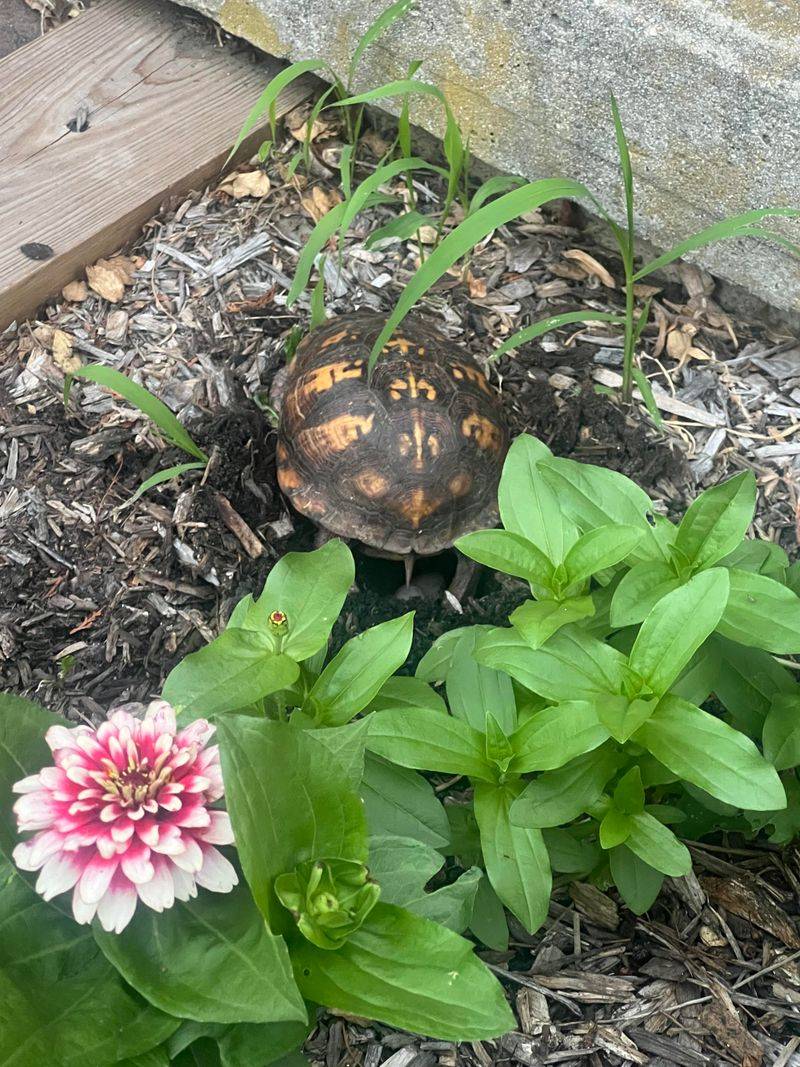
Slow, patient, and surprisingly old, the eastern box turtle in your garden might be older than your house. Some live past 100 years.
That alone should make you pause before relocating one.
Ohio lists the eastern box turtle as a species of concern, and state rules limit collecting and keeping them. Picking one up and dropping it at a park across town may seem kind, yet it often dooms the turtle.
Box turtles stay in a small home range their whole lives and will wander dangerously trying to get back.
Taking or possessing one beyond legal limits can result in wildlife citations. The best move is simple.
If it is crossing a road, help it across in the direction it was heading, and otherwise let it munch on slugs in your yard.
4. Red-tailed and Cooper’s Hawks
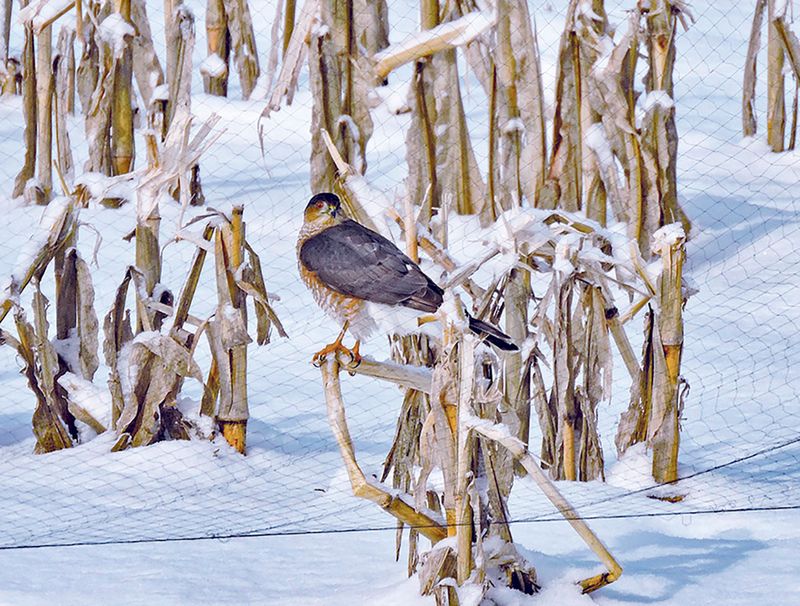
Nothing ruins a peaceful morning quite like watching a Cooper’s hawk snatch a sparrow off your bird feeder. Some folks even worry about small pets.
Frustration is understandable, but revenge is expensive.
Hawks, owls, and eagles are all protected under federal and Ohio law. Shooting, trapping, or poisoning one can lead to steep fines and even jail time.
Ohio has prosecuted people for shooting hawks near chicken coops.
Instead, take the feeder down for a week or two so the hawk moves on. For backyard chickens, a covered run works wonders.
Keep tiny dogs supervised outdoors, and you will rarely have a problem.
5. Eastern Massasauga Rattlesnake
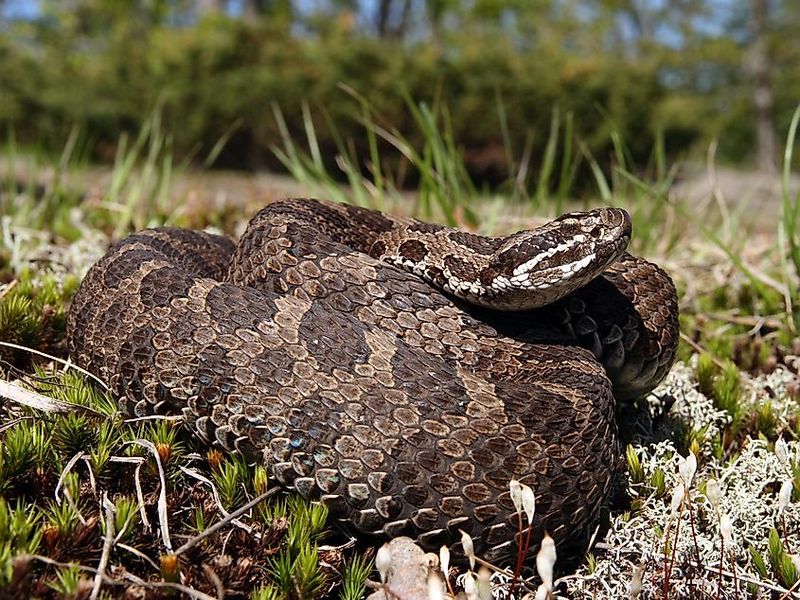
Yes, Ohio has rattlesnakes, and no, you cannot simply kill one because it showed up near your shed. The eastern massasauga is federally threatened and state endangered.
It is shy, small, and rarely bites.
Found mostly near wet prairies and marshy areas, this snake has lost most of its habitat. Killing one can trigger serious federal penalties.
Ohio also protects the timber rattlesnake, another rare species.
If you spot one, keep your distance and call your county wildlife office or ODNR. Trained responders can move it safely.
Honestly, seeing one is rare enough that biologists might thank you for the report.
6. Honeybee and Native Bee Colonies
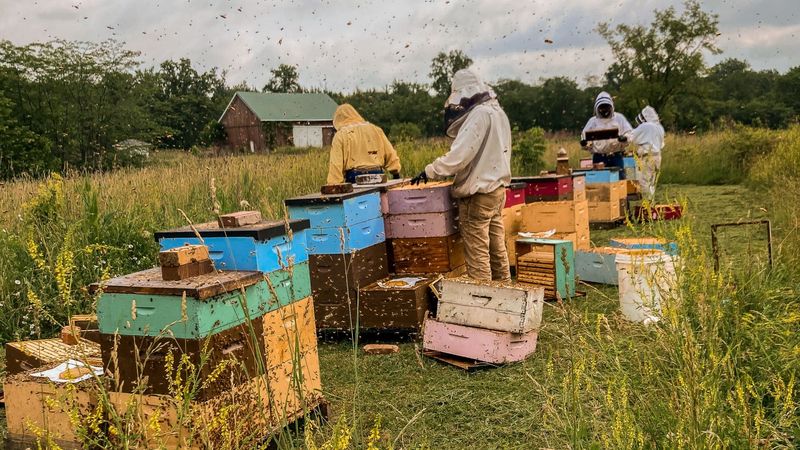
Few sights are as alarming as a buzzing ball of 10,000 bees hanging from your maple tree. Before you reach for poison, know that Ohio takes pollinators seriously.
Many local ordinances and state pesticide rules restrict spraying swarms, especially near registered apiaries. Misusing pesticides can lead to fines from the Ohio Department of Agriculture.
Native bees, including rare bumblebees like the rusty patched bumblebee, have federal protection as well.
A swarm is usually calm because the bees have no hive to defend. Local beekeepers will often remove it for free.
They get new bees, you get your tree back, and nobody pays a penalty.
7. White-tailed Deer
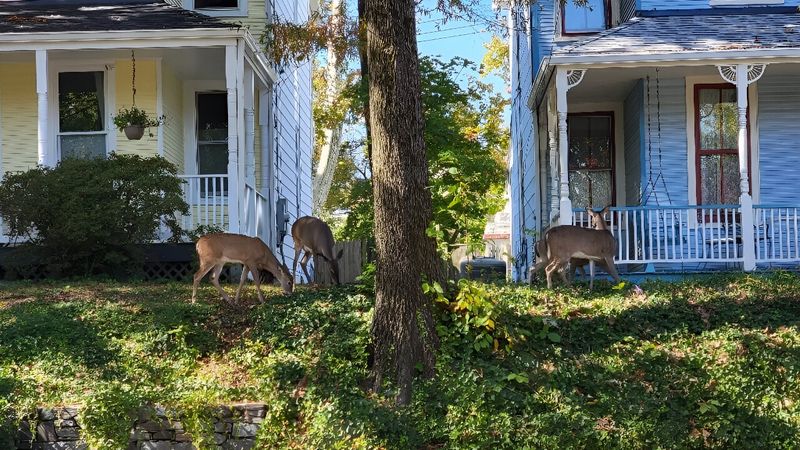
Ask any Ohio gardener about deer and you will probably hear a sigh. They eat hostas, tulips, and young fruit trees like a buffet.
Still, deer are a regulated game species.
Shooting, trapping, or relocating a deer outside legal hunting seasons and permits is poaching under Ohio law. Fines can reach hundreds or thousands of dollars, plus restitution for the animal.
Some homeowners also get cited for illegally feeding deer in towns with feeding bans.
Farmers and landowners with heavy damage can apply for special deer damage permits through ODNR. Fencing and repellents help too.
It is a slower fix, but it keeps your wallet safe.
8. Raccoons, Skunks, and Other Furbearers
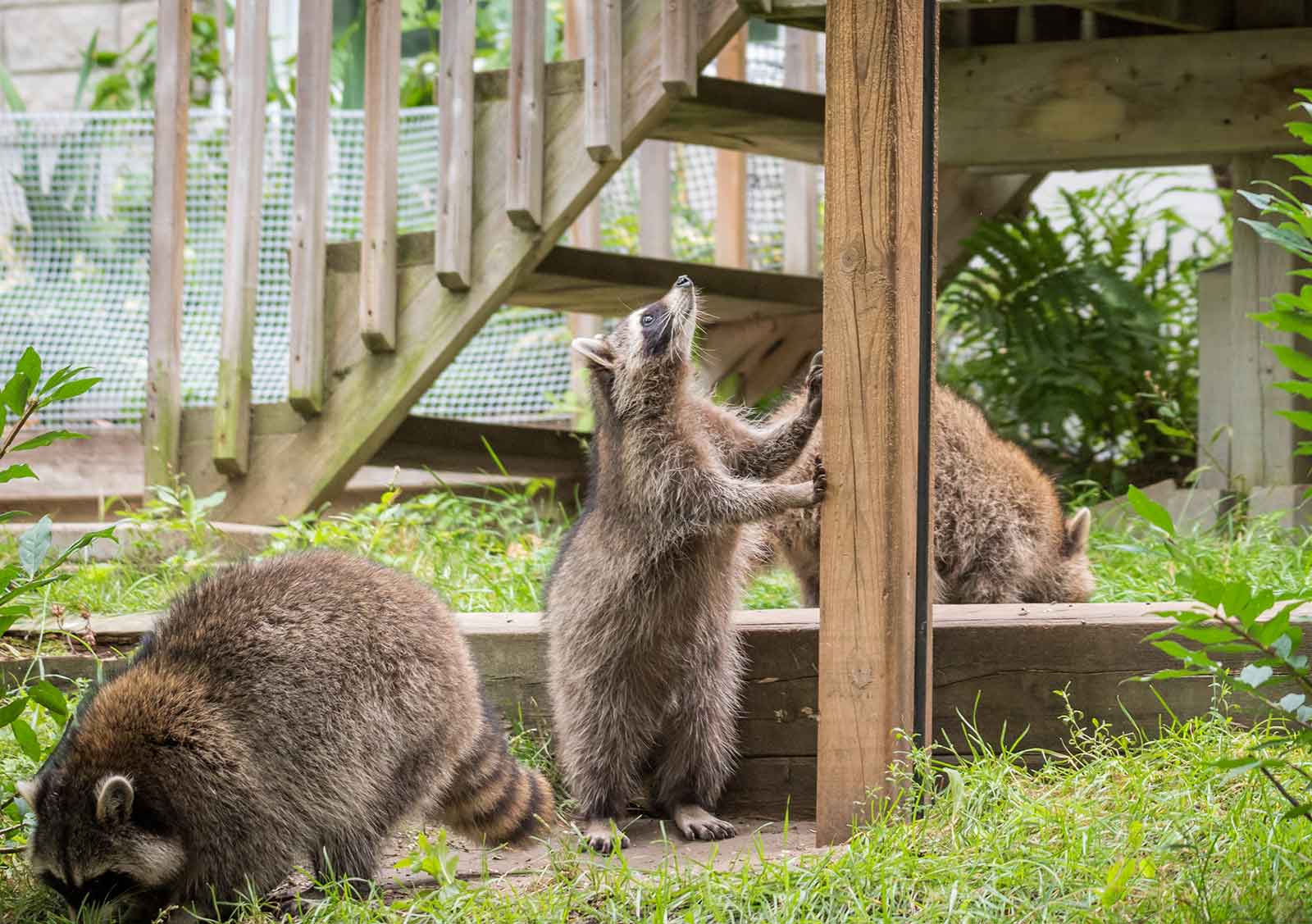
Raccoons tipping over trash cans are practically an Ohio tradition. Skunks under the deck are less charming.
Many homeowners buy a live trap and drive the critter out to the woods.
Here is the catch: Ohio law generally forbids releasing trapped wildlife off your property without permission, partly to stop rabies spread. Raccoons, skunks, foxes, and opossums are regulated furbearers.
Trapping out of season or relocating them illegally can earn a citation.
Landowners can handle nuisance animals in certain cases, but rules on how they are released or euthanized are strict. Hiring a licensed nuisance wildlife control operator is the safest route.
Locking trash lids and sealing deck gaps prevents most visits anyway.
Share this story