Some plants grow so easily in California that people forget they can land a gardener in hot water. A few are banned outright, some need permits, and others are restricted because they spread pests or crowd out native plants.
Knowing the rules can save you from fines, ruined harvests, and a visit from an agriculture inspector. Here are ten backyard crops that look innocent but carry surprising legal strings.
1. Industrial Hemp
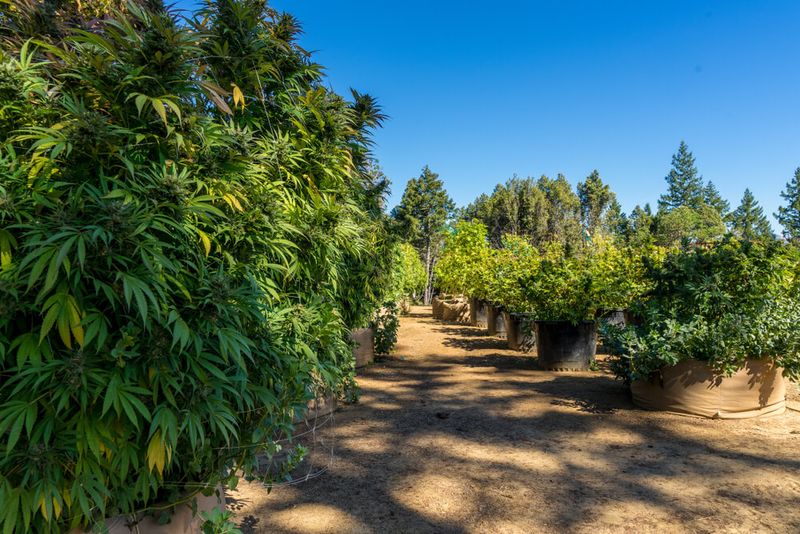
Plenty of people assume hemp became a free-for-all after the 2018 Farm Bill. Not quite.
In California, anyone growing industrial hemp must register with their county agricultural commissioner, even for a small patch.
The plant also has to test below a strict THC limit before harvest. Go over it, and the whole crop may have to be destroyed.
Many cities and counties ban hemp cultivation entirely, so a few seedlings in a raised bed can still break local rules.
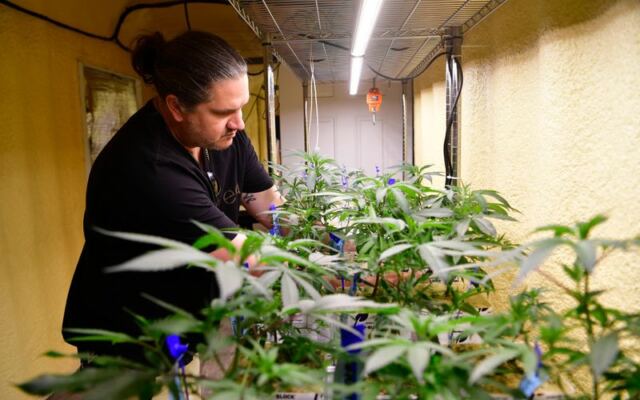
2. Cannabis Beyond Six Plants
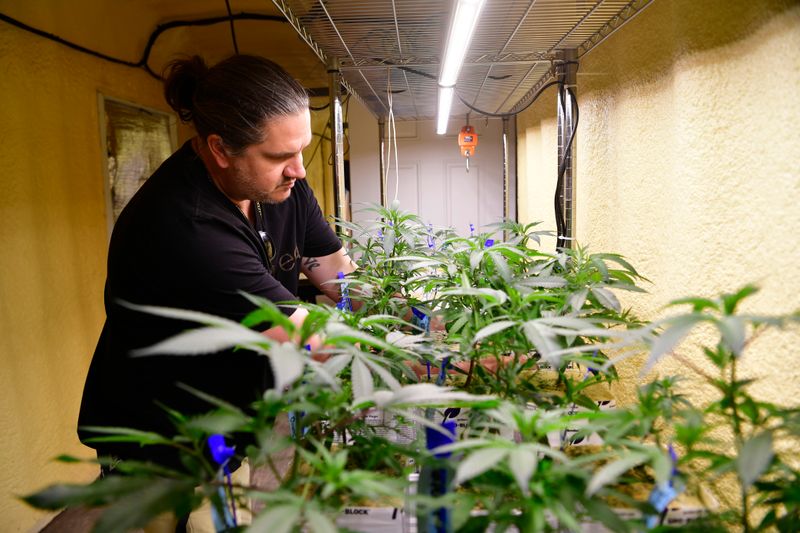
Six. That is the magic number under Proposition 64, and it applies to the whole household, not each adult living there.
Plant number seven turns a legal hobby into a possible misdemeanor. Many cities also require plants to be grown indoors or in a locked, hidden structure.
Cannabis grows fast in warm California sun, so a plant that volunteers from a dropped seed still counts toward your limit.
3. Opium Poppy
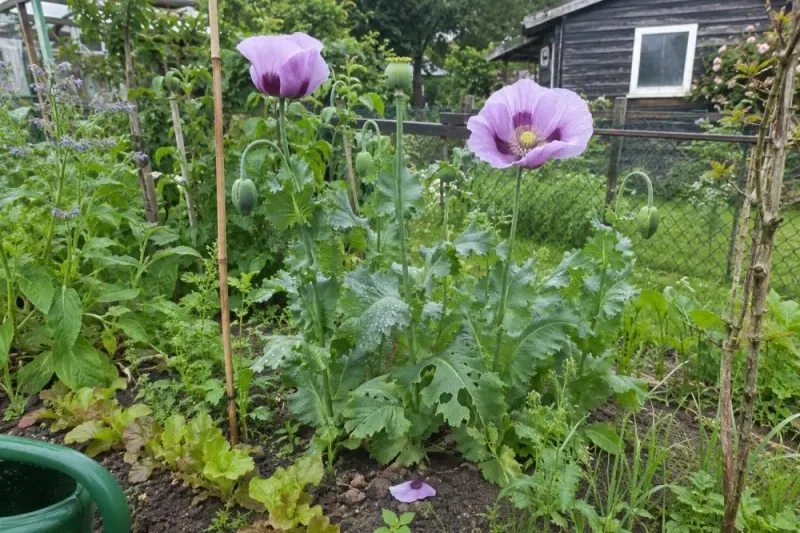
Picture a pretty lavender bloom sold in seed packets at garden shows. That flower, Papaver somniferum, is technically a controlled substance plant under federal law if grown to produce opium.
Seeds are legal to buy, which confuses lots of gardeners. Prosecutions are rare, but knowingly cultivating the plant for its latex is clearly illegal.
The California poppy, the orange state flower, is a totally different and harmless species. Mixing the two up is an easy mistake.
4. Citrus Brought From Out of State
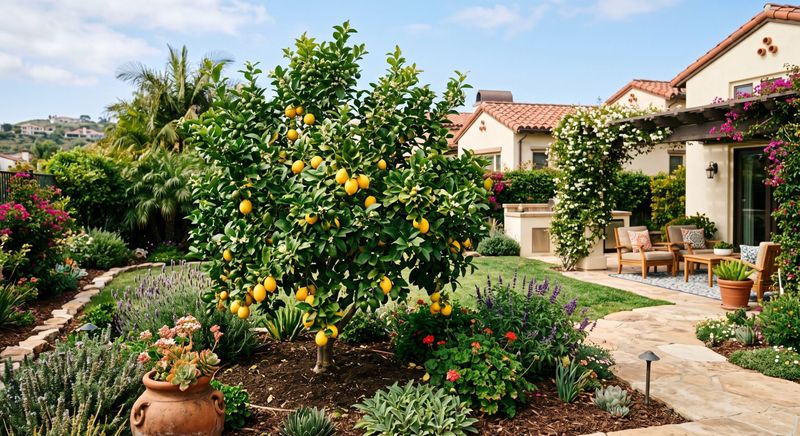
Grandma’s lemon tree from Florida might carry a hidden passenger. California tightly controls citrus movement because of Asian citrus psyllid and the deadly huanglongbing disease.
Bringing citrus plants or cuttings across state lines without approval is illegal. Even moving trees between quarantine zones inside California can break the rules.
Buy certified trees from licensed nurseries, and you protect a multibillion dollar industry.
5. Salvia Divinorum
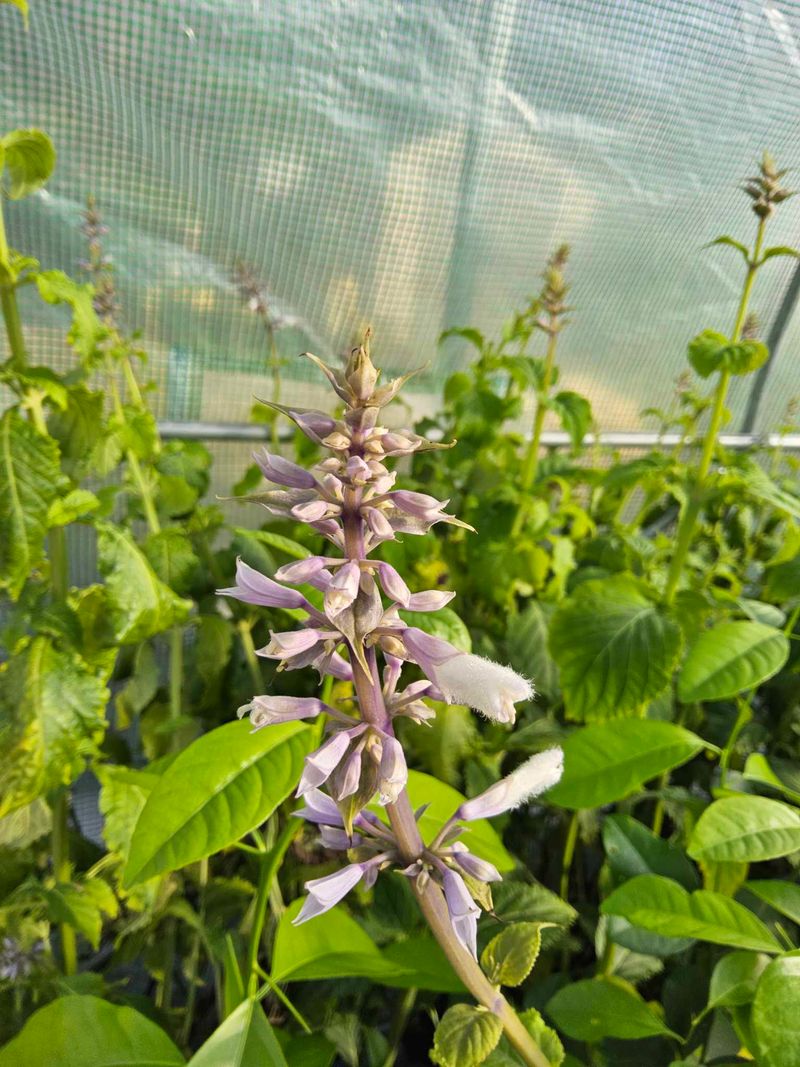
Here is an oddball. Salvia divinorum looks like a plain mint relative, yet its leaves have mind-altering effects.
California law bans selling or giving it to anyone under 18. Some cities go further, so growing it to share can create real trouble.
6. Water Hyacinth
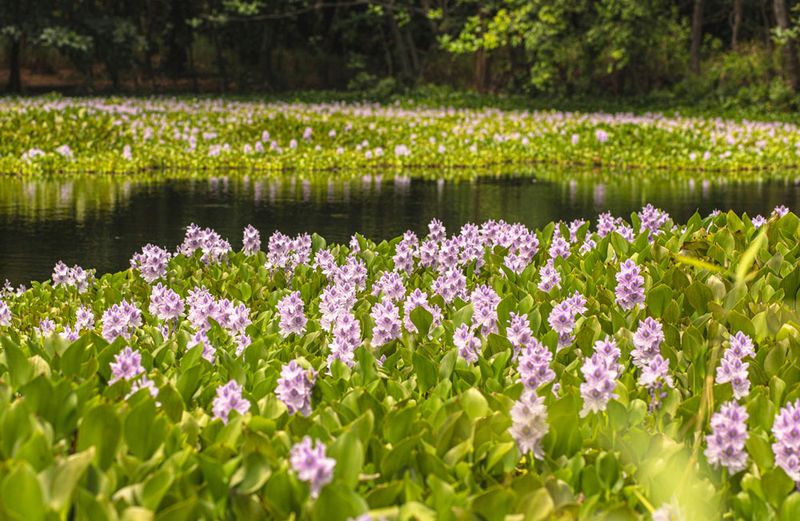
Backyard pond owners love its lavender blooms. The state does not.
Water hyacinth is listed as a noxious weed and choked the Sacramento-San Joaquin Delta for years.
Selling or transporting it is restricted in California. One plant can double its numbers in about two weeks in warm water.
Choose native pond plants instead and skip the headache.
7. Fennel Run Wild
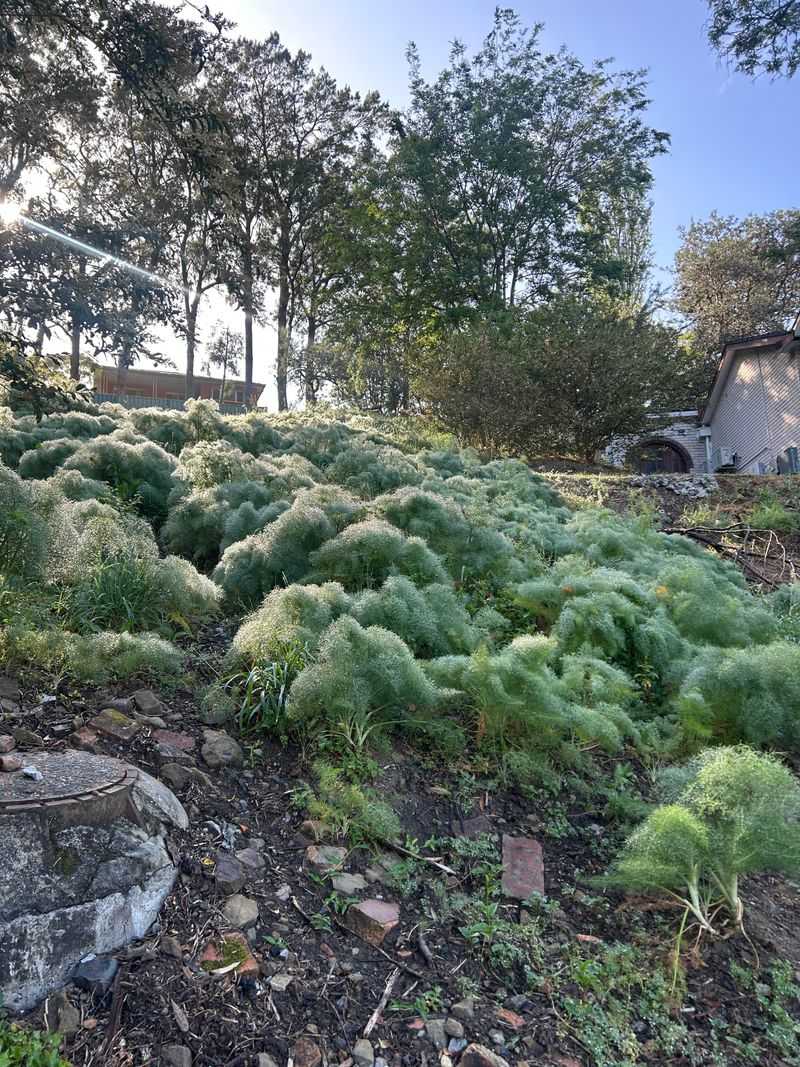
Fun fact: the wild fennel lining California freeways probably escaped from old gardens. Growing a bulb for dinner is fine.
Trouble starts when it spreads. Fennel is rated a high-impact invasive, and some counties and HOAs require removal of weedy growth or fire hazards.
Harvest before it seeds, and your neighbors will thank you.
8. Pampas Grass
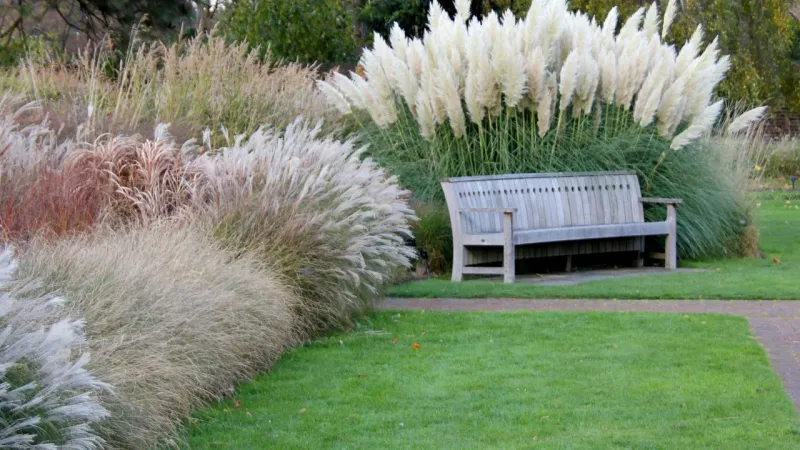
Those fluffy plumes trending in home decor come with a dark side. Pampas and jubata grass spread aggressively along the coast and raise wildfire risk.
Many California counties list them as weeds, and some fire codes push for removal near homes. A single plant releases millions of seeds.
9. Mexican Feather Grass
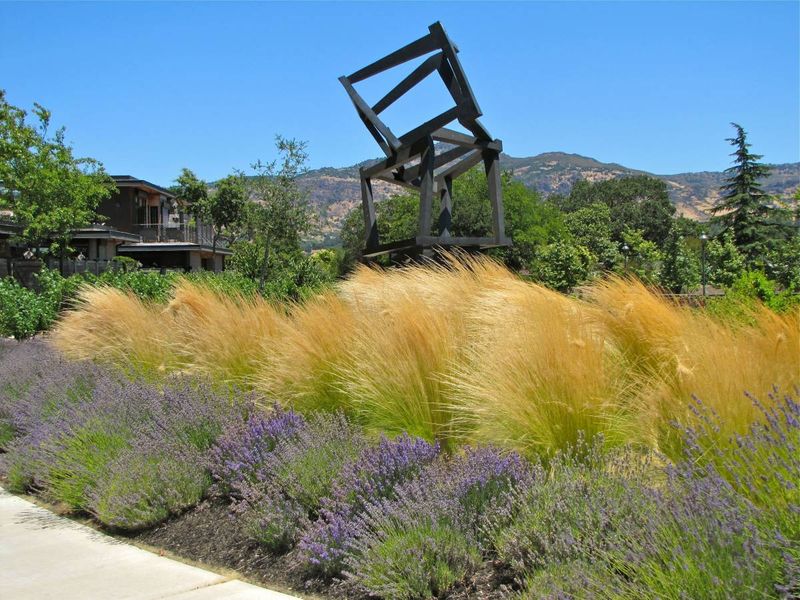
Landscapers adored it for drought gardens. Then it started marching into wildlands.
Nassella tenuissima is now considered invasive in California, and the state has restricted it on noxious weed lists. Some nurseries quietly stopped selling it.
Native deergrass gives a similar breezy look without the risk.
10. Unpermitted Fruit Trees From Abroad
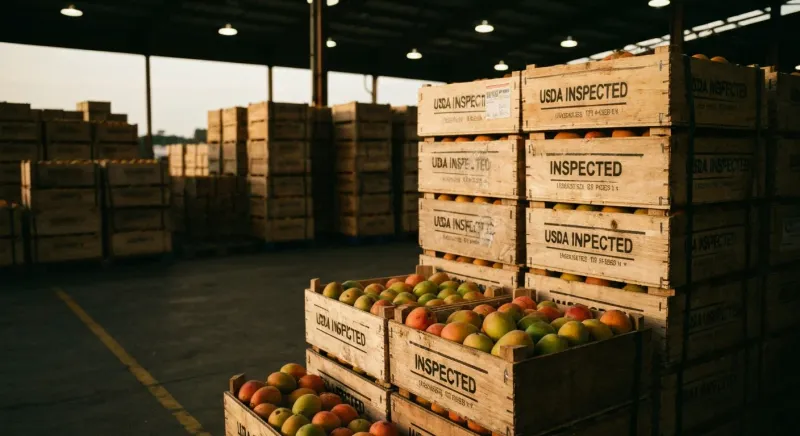
A mango pit smuggled home in a suitcase seems harmless. Federal and state law say otherwise, since seeds and cuttings from abroad can carry fruit flies and diseases.
Plant material entering California must be declared and inspected. Fines can reach thousands of dollars.
Get rare varieties through licensed importers or local plant societies instead.
Share this story